
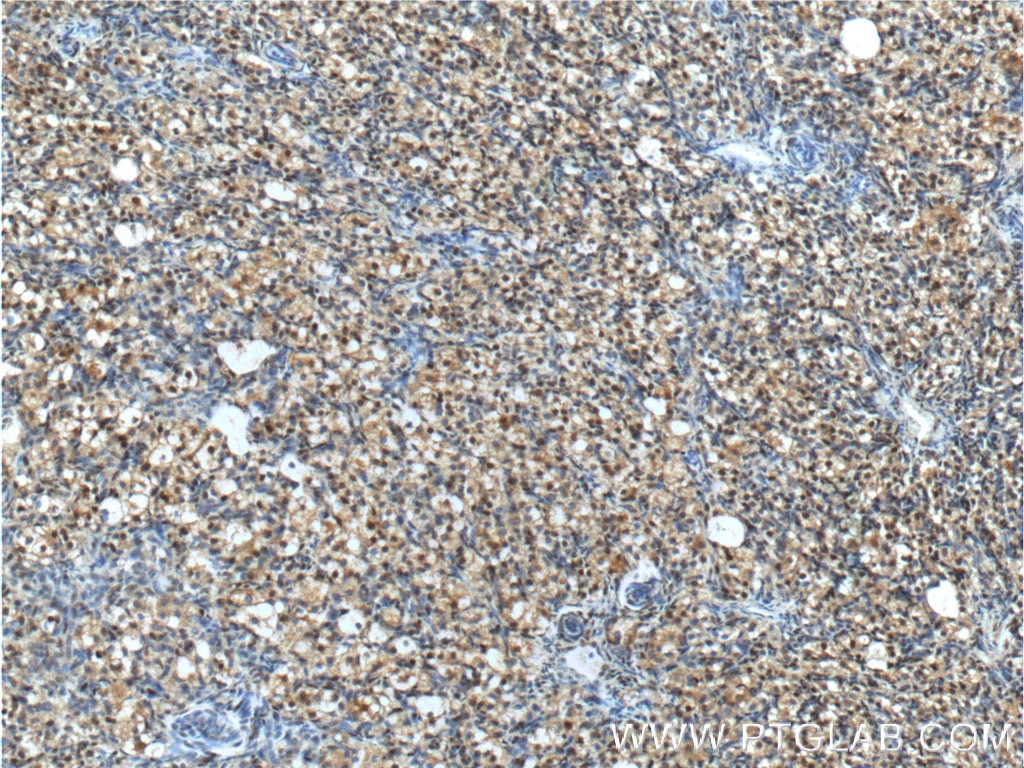
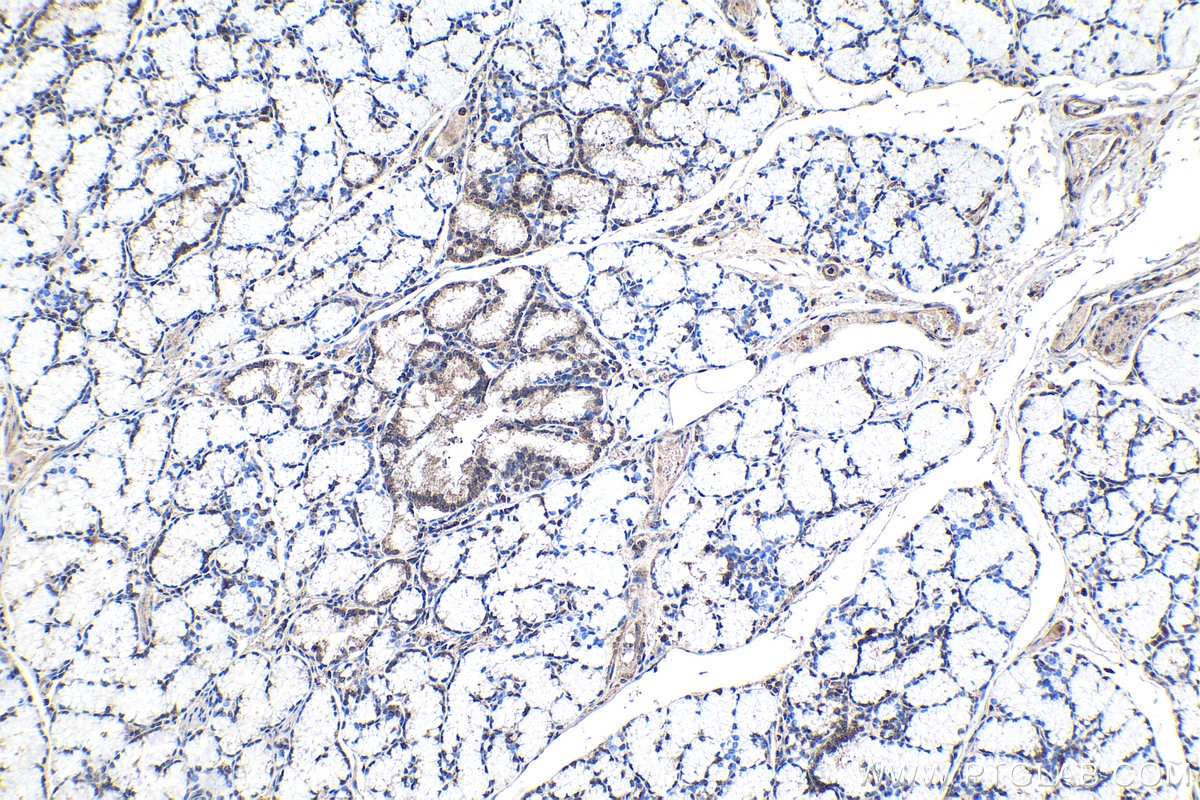

Tested Applications
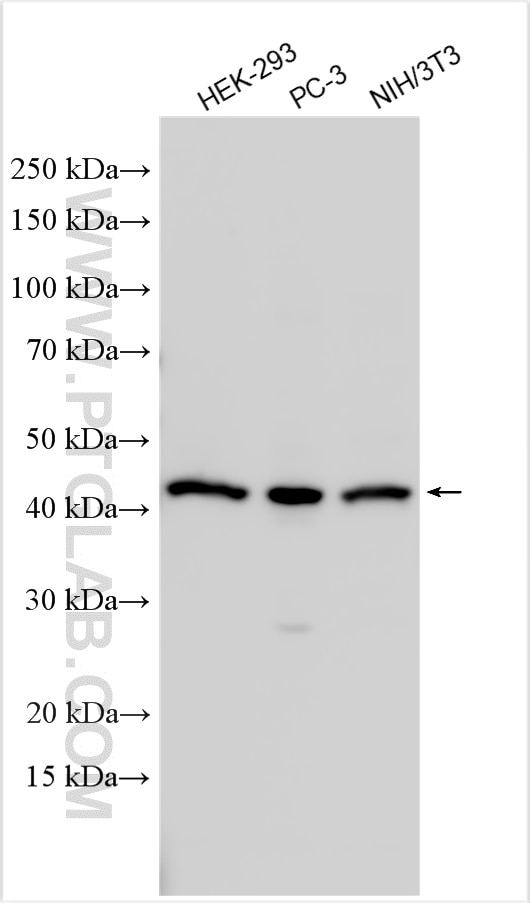
| Positive WB detected in | HEK-293 cells, PC-3 cells, NIH/3T3 cells |
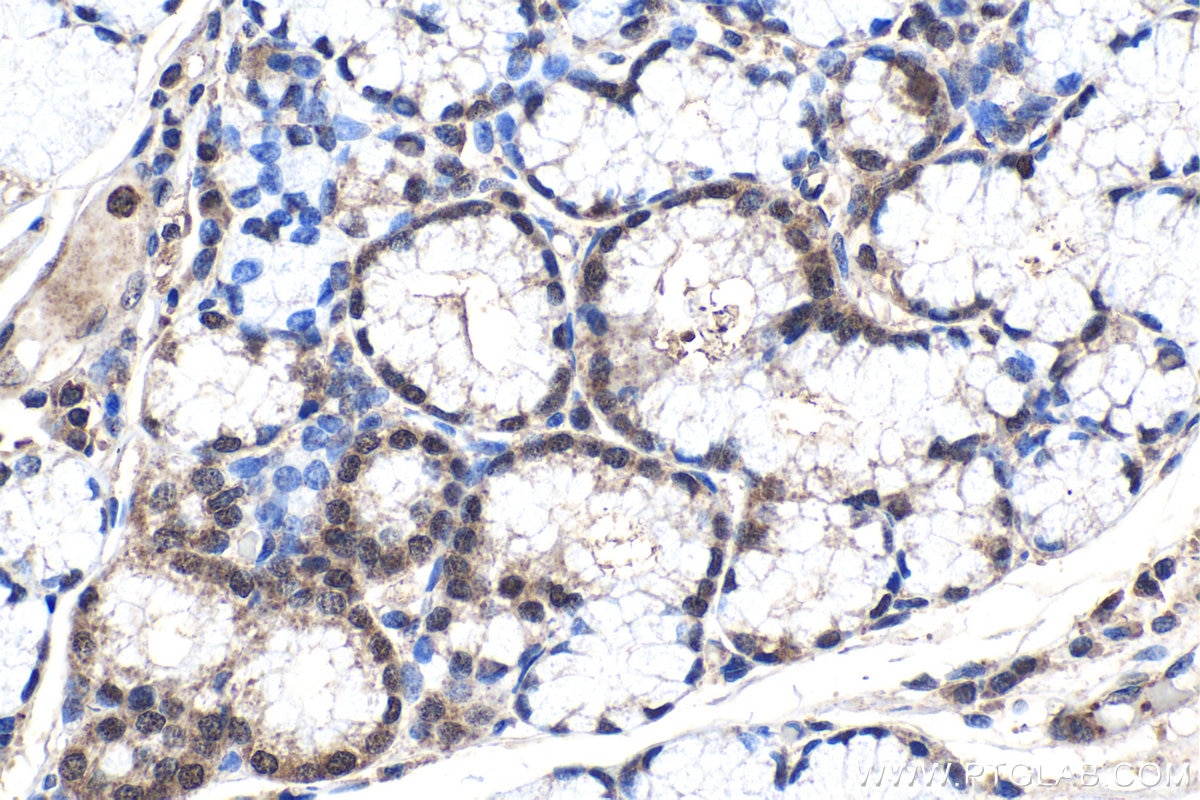
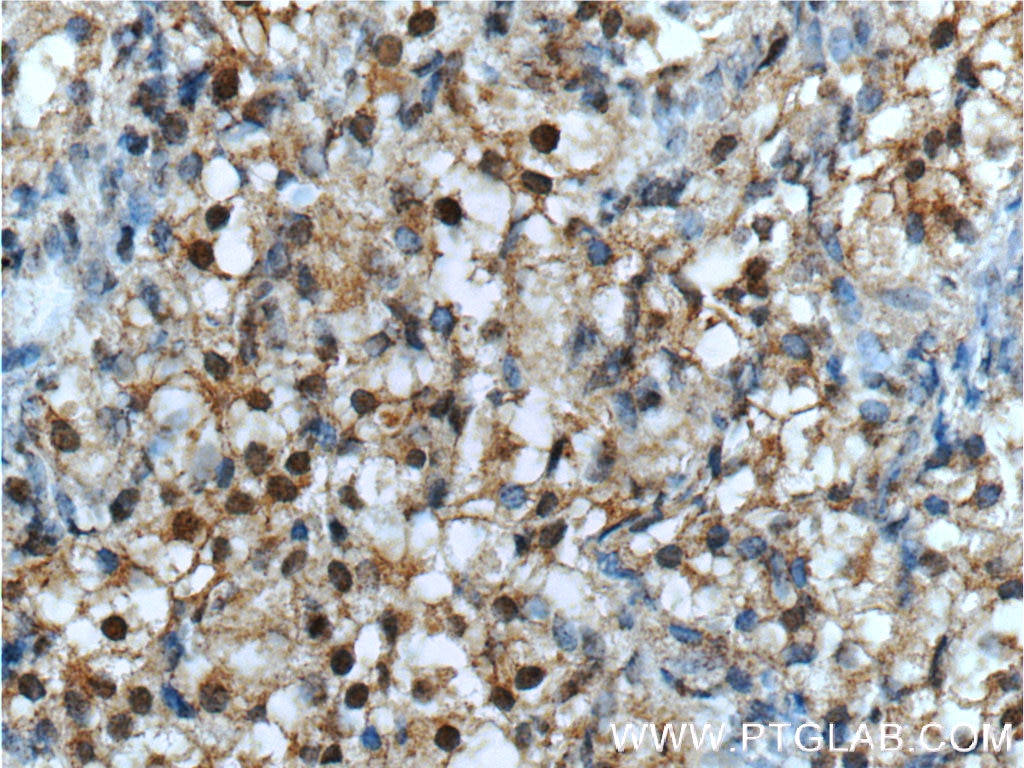
| Positive IHC detected in | human stomach cancer tissue, human ovary tissue Note: suggested antigen retrieval with TE buffer pH 9.0; (*) Alternatively, antigen retrieval may be performed with citrate buffer pH 6.0 |
Recommended dilution
| Application | Dilution |
|---|---|
| Western Blot (WB) | WB : 1:500-1:3000 |
| Immunohistochemistry (IHC) | IHC : 1:250-1:1000 |
| It is recommended that this reagent should be titrated in each testing system to obtain optimal results. | |
| Sample-dependent, Check data in validation data gallery. | |
Product Information
24573-1-AP targets NR2F1 in WB, IHC, IF, ELISA applications and shows reactivity with human, mouse, rat samples.
| Tested Reactivity | human, mouse, rat |
| Cited Reactivity | human, mouse, rat |
| Host / Isotype | Rabbit / IgG |
| Class | Polyclonal |
| Type | Antibody |
| Immunogen |
CatNo: Ag0118 Product name: Recombinant human NR2F1 protein Source: e coli.-derived, PGEX-4T Tag: GST Domain: 179-423 aa of BC004154 Sequence: LNGHCYLSGYISLLLRAEPYPTSRYGSQCMQPNNIMGIENICELAARLLFSAVEWARNIPFFPDLQITDQVSLLRLTWSELFVLNAAQCSMPLHVAPLLAAAGLHASPMSADRVVAFMDHIRIFQEQVEKLKALHVDSAEYSCLKAIVLFTSDACGLSDAAHIESLQEKSQCALEEYVRSQYPNQPSRFGKLLLRLPSLRTVSSSVIEQLFFVRLVGKTPIETLIRDMLLSGSSFNWPYMSIQCS Predict reactive species |
| Full Name | nuclear receptor subfamily 2, group F, member 1 |
| Calculated Molecular Weight | 50 kDa |
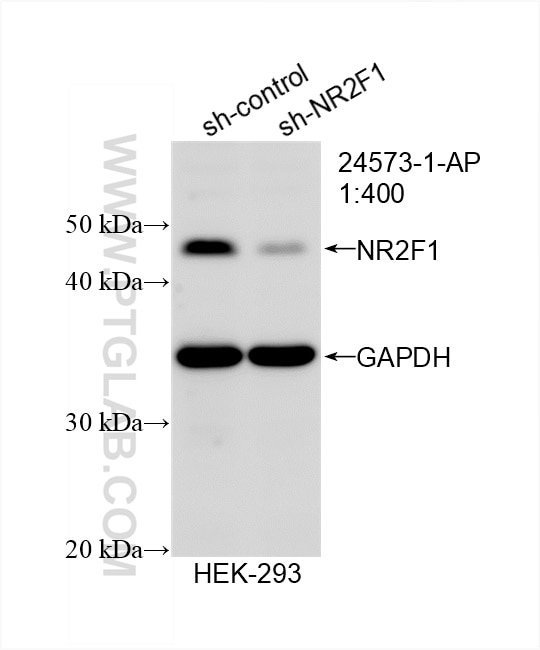
| Observed Molecular Weight | 46 kDa |
| GenBank Accession Number | BC004154 |
| Gene Symbol | NR2F1 |
| Gene ID (NCBI) | 7025 |
| RRID | AB_2879616 |
| Conjugate | Unconjugated |
| Form | Liquid |
| Purification Method | Antigen affinity purification |
| UNIPROT ID | P10589 |
| Storage Buffer | PBS with 0.02% sodium azide and 50% glycerol, pH 7.3. |
| Storage Conditions | Store at -20°C. Stable for one year after shipment. Aliquoting is unnecessary for -20oC storage. 20ul sizes contain 0.1% BSA. |
Background Information
NR2F1 (Nuclear receptor subfamily 2, group F, member 1), also known as COUP-TFI, is an orphan nuclear receptor belonging to the superfamily of steroid/thyroid hormone receptors and acting as a strong transcriptional regulator. NR2F1 has a DNA binding domain (DBD) consisting of two conserved Zinc-finger motifs and a ligand-binding domain (LBD). NR2F1 also plays an epigenetic role in mediating global histone modifications by interacting with or recruiting chromatin-remodeling enzymes. NR2F1 can be a biomarker of tumor dormancy that promotes quiescence of various types of cancer cells, including breast, prostate, and squamous cell carcinoma of the head and neck (PMID: 35740627).
Protocols
| Product Specific Protocols | |
|---|---|
| IHC protocol for NR2F1 antibody 24573-1-AP | Download protocol |
| WB protocol for NR2F1 antibody 24573-1-AP | Download protocol |
| Standard Protocols | |
|---|---|
| Click here to view our Standard Protocols |
Publications
What published studies show
The NR2F1 Polyclonal antibody (Cat# 24573-1-AP) has 10 citations published in journals including Nature, J Nanobiotechnology, J Exp Clin Cancer Res, Cell Death Dis, Phytomedicine, Clin Transl Med, Lab Chip, Transl Oncol, Cancers (Basel), and iScience. Research fields span cancer biology (prostate, colorectal, salivary, ovarian, and hepatocellular carcinoma), cell dormancy, lipid metabolism, polycystic ovary syndrome, astrocyte reactivity, and fetal melanocyte development.
| Species | Application | Title |
|---|---|---|
J Nanobiotechnology Exosome-delivered NR2F1-AS1 and NR2F1 drive phenotypic transition from dormancy to proliferation in treatment-resistant prostate cancer via stabilizing hormonal receptors | ||
J Exp Clin Cancer Res Inhibition of DEC2 is necessary for exiting cell dormancy in salivary adenoid cystic carcinoma. | ||
Cell Death Dis Nanog mediated by FAO/ACLY signaling induces cellular dormancy in colorectal cancer cells. | ||
Phytomedicine Jiawei Buzhong Yiqi Decoction attenuates polycystic ovary syndrome through regulating kisspeptin-GPR54-AKT-SHBG system | ||
Clin Transl Med Cullin-associated and neddylation-dissociated 1 regulate reprogramming of lipid metabolism through SKP1-Cullin-1-F-boxFBXO11 -mediated heterogeneous nuclear ribonucleoprotein A2/B1 ubiquitination and promote hepatocellular carcinoma |
Reviews
What customers say
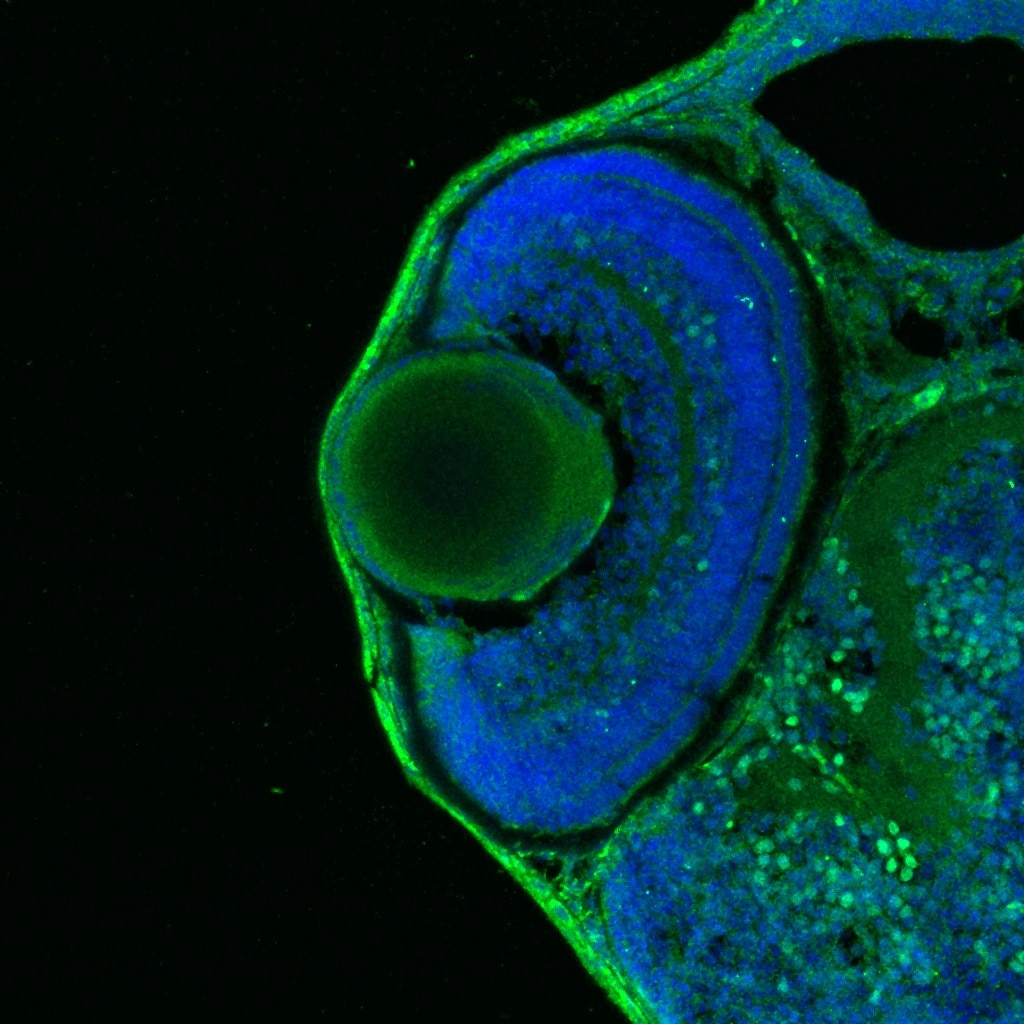
Both reviews rated the antibody 5 stars. One user reported excellent performance in Western Blot on MDA-MB-231 and SUM159 cells at a 1:1000 dilution, noting it "worked really well." The other user used it for Immunohistochemistry on zebrafish retina at 1:100 dilution and shared a positive image result. Overall, customers find this antibody reliable across applications, with strong specificity and clear signal in both cell-based and tissue-based experiments.
The reviews below have been submitted by verified Proteintech customers who received an incentive for providing their feedback.
Md Asad (Verified Customer) (01-20-2026) | The antibody worked really well in our western blot analysis.
|
Ryan (Verified Customer) (06-15-2018) |
 |







