
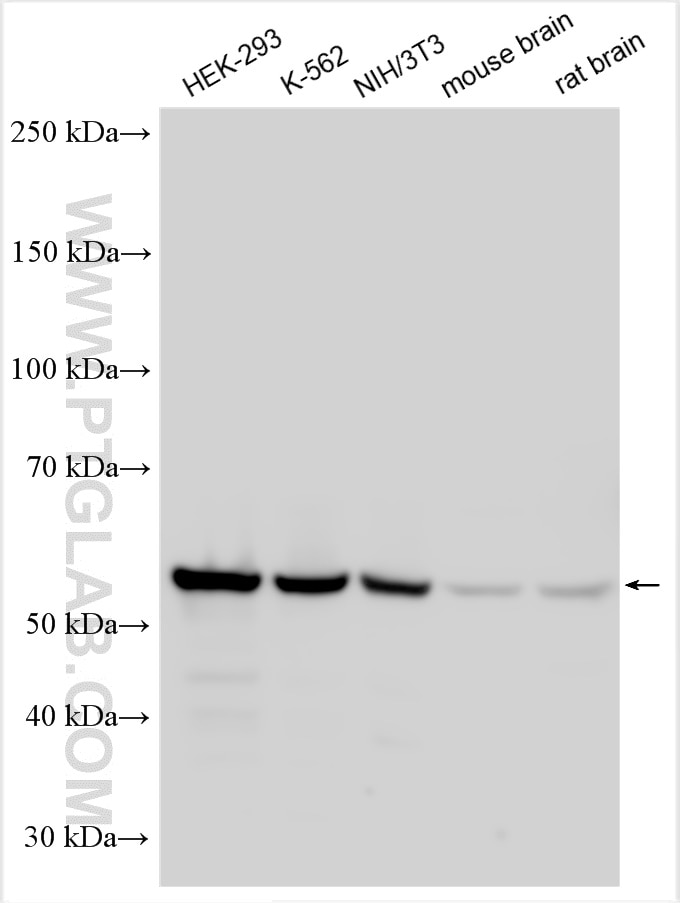
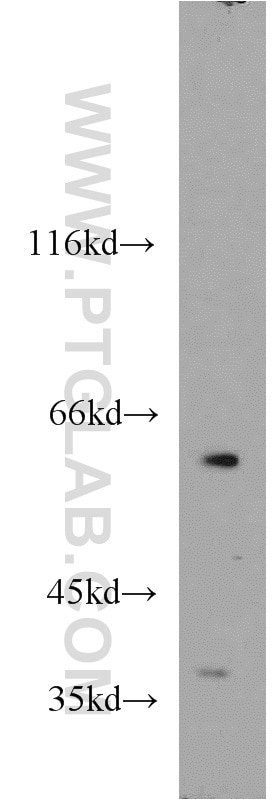
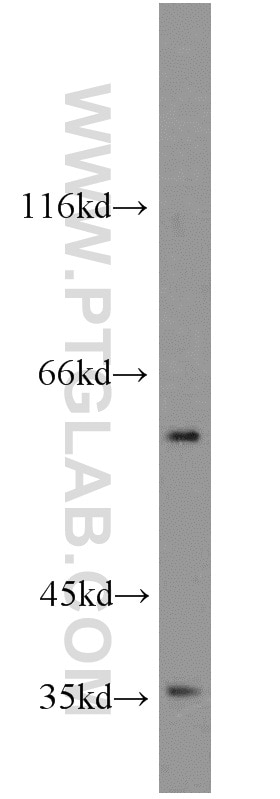
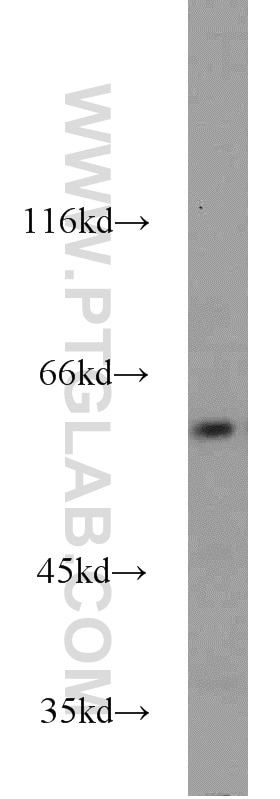
Tested Applications
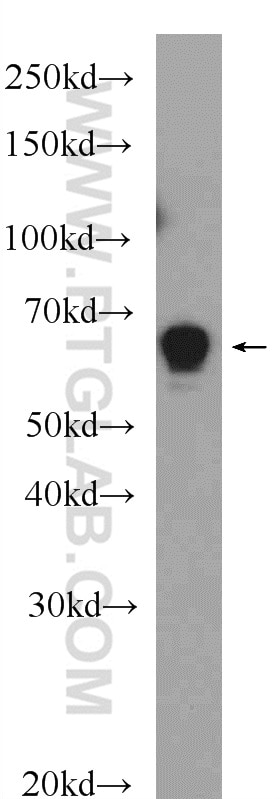
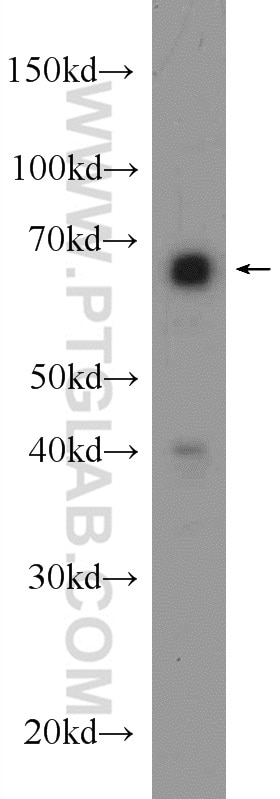
| Positive WB detected in | HEK-293 cells, A431 cells, mouse liver tissue, MCF-7 cells, A549 cells, rat brain tissue, K-562 cells, NIH/3T3 cells, mouse brain tissue |
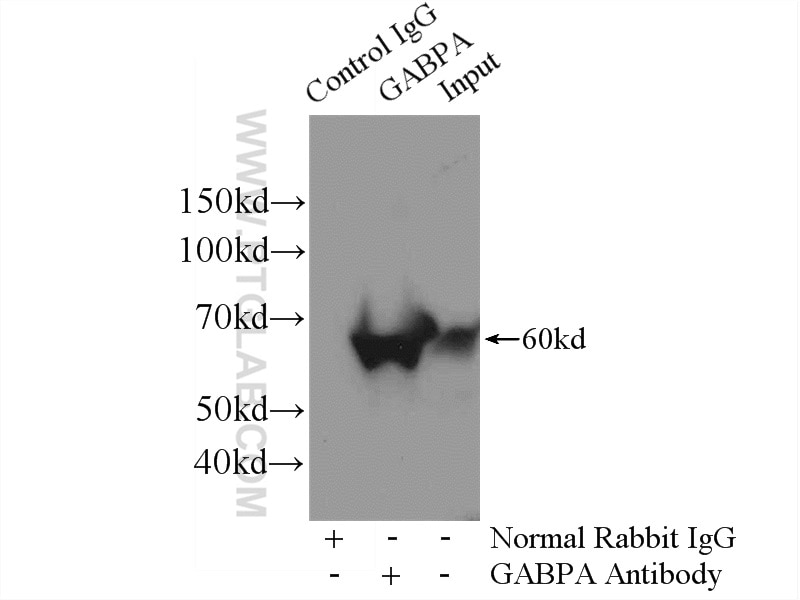
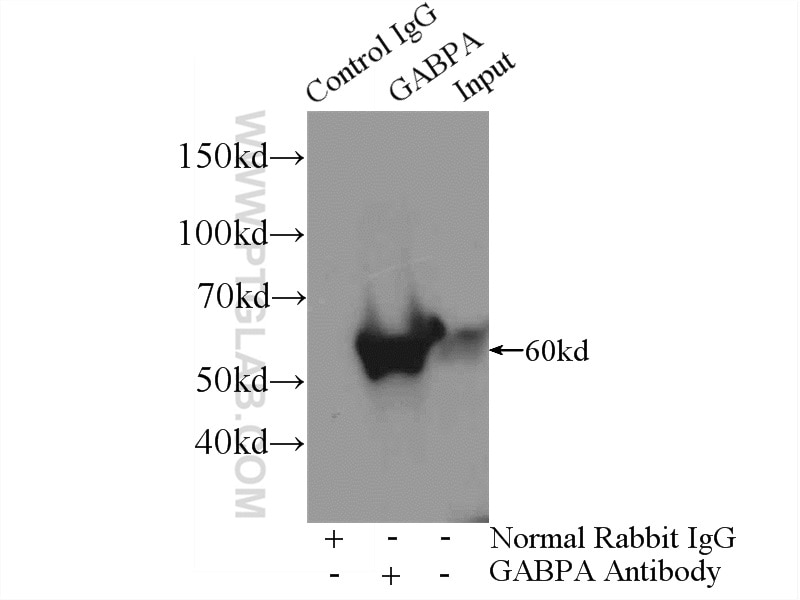
| Positive IP detected in | HeLa cells |
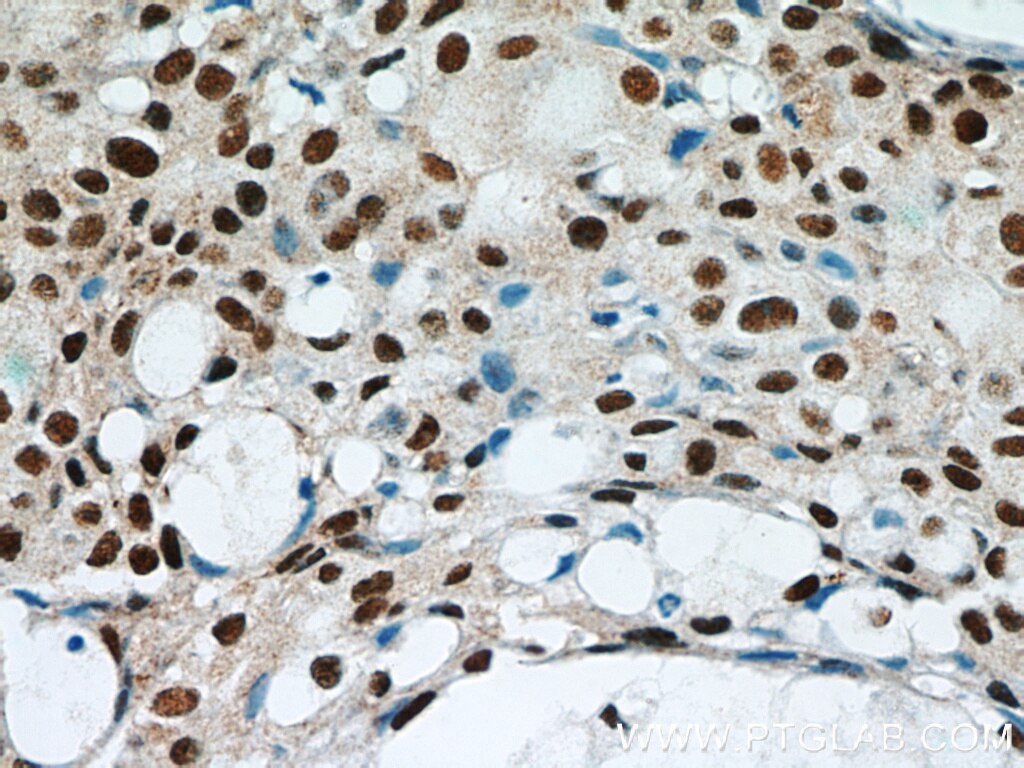
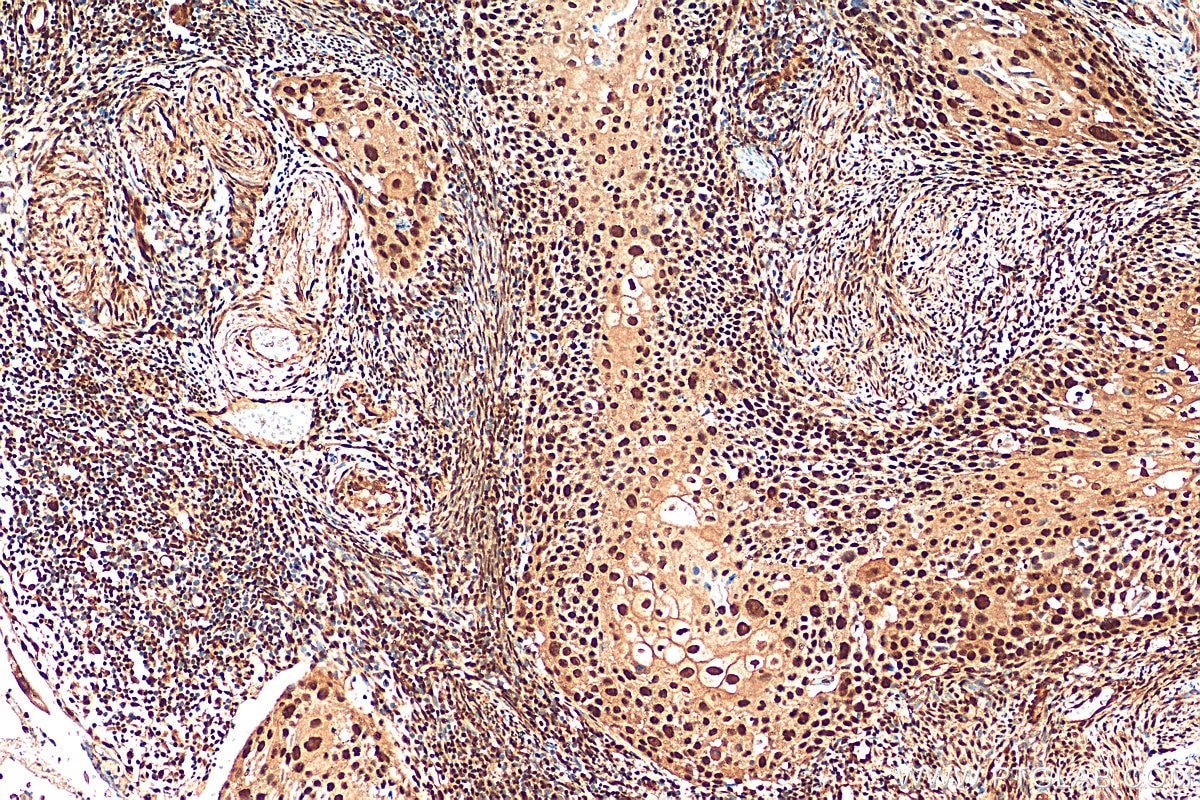
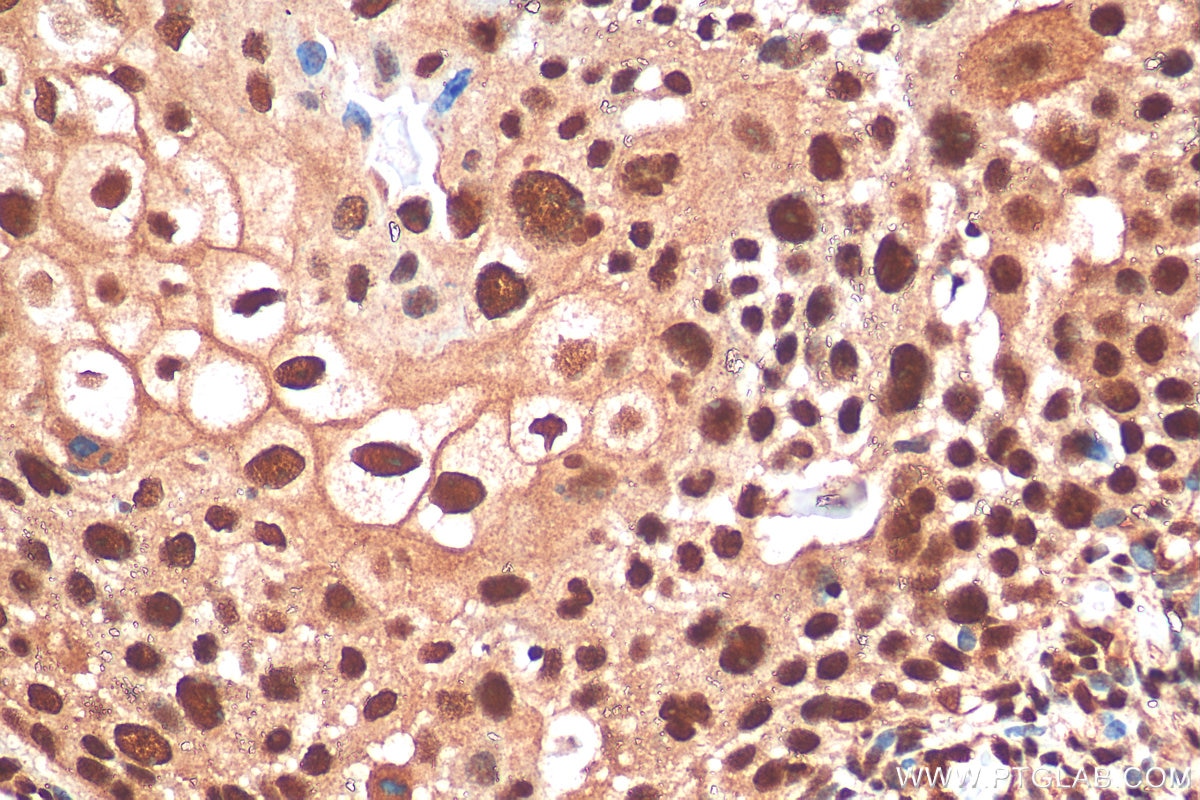
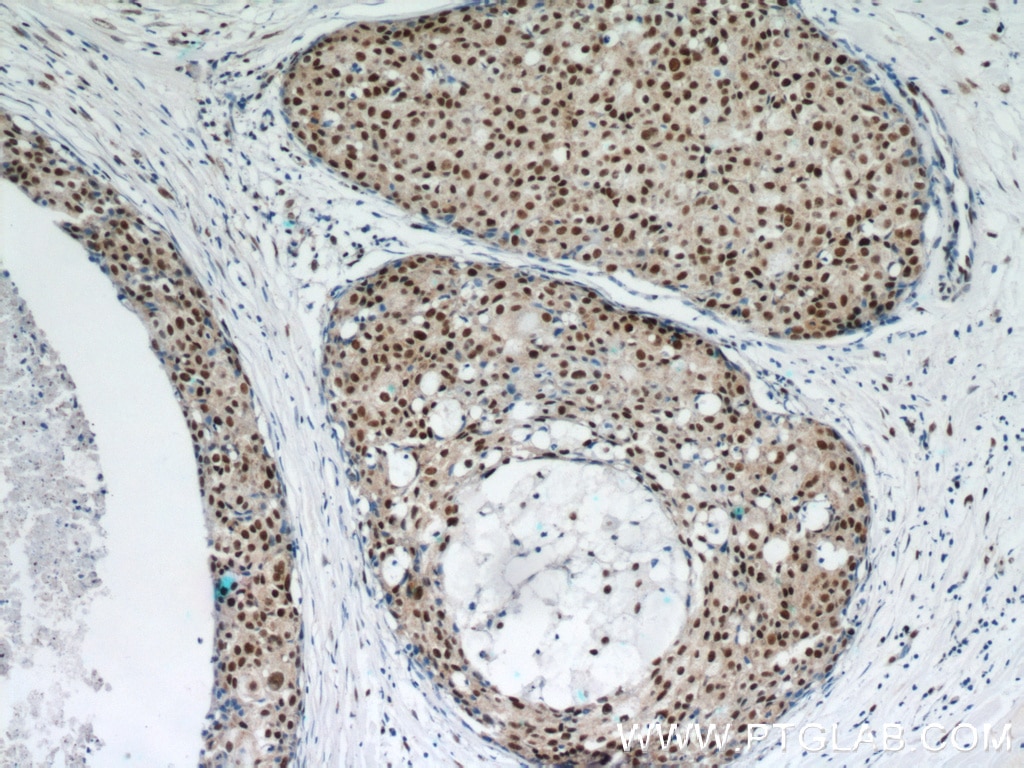
| Positive IHC detected in | human cervical cancer tissue, human breast cancer tissue Note: suggested antigen retrieval with TE buffer pH 9.0; (*) Alternatively, antigen retrieval may be performed with citrate buffer pH 6.0 |
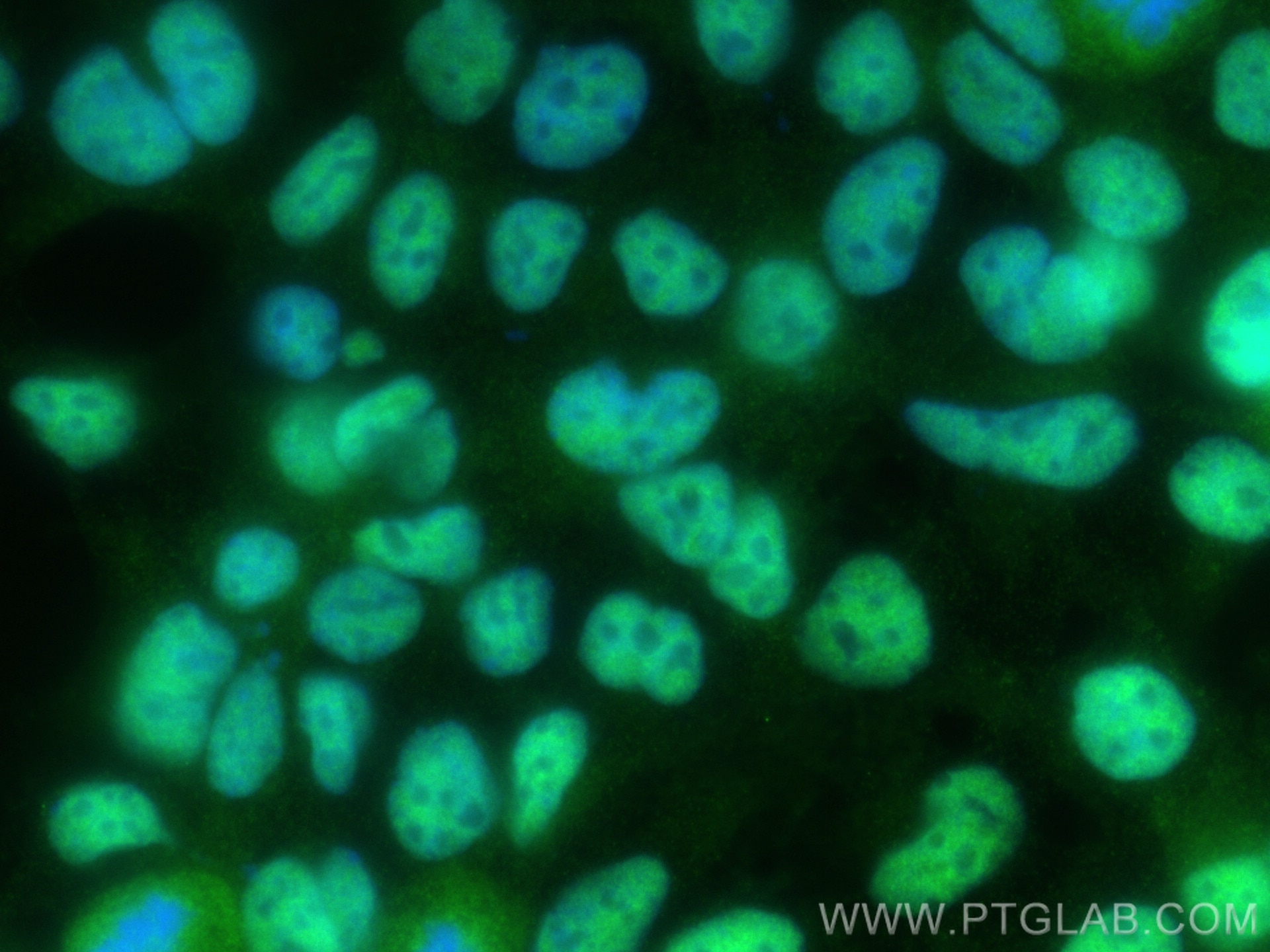
| Positive IF/ICC detected in | HEK-293 cells |
Recommended dilution
| Application | Dilution |
|---|---|
| Western Blot (WB) | WB : 1:2000-1:16000 |
| Immunoprecipitation (IP) | IP : 0.5-4.0 ug for 1.0-3.0 mg of total protein lysate |
| Immunohistochemistry (IHC) | IHC : 1:50-1:500 |
| Immunofluorescence (IF)/ICC | IF/ICC : 1:200-1:800 |
| It is recommended that this reagent should be titrated in each testing system to obtain optimal results. | |
| Sample-dependent, Check data in validation data gallery. | |
Product Information
21542-1-AP targets GABPA in WB, IHC, IF/ICC, IP, CoIP, ChIP, ELISA applications and shows reactivity with human, mouse, rat samples.
| Tested Reactivity | human, mouse, rat |
| Cited Reactivity | human, mouse, pig |
| Host / Isotype | Rabbit / IgG |
| Class | Polyclonal |
| Type | Antibody |
| Immunogen |
CatNo: Ag16191 Product name: Recombinant human GABPA protein Source: e coli.-derived, PGEX-4T Tag: GST Domain: 1-321 aa of BC035031 Sequence: MTKREAEELIEIEIDGTEKAECTEESIVEQTYAPAECVSQAIDINEPIGNLKKLLEPRLQCSLDAHEICLQDIQLDPERSLFDQGVKTDGTVQLSVQVISYQGIEPKLNILEIVKPADTVEVVIDPDAHHAESEAHLVEEAQVITLDGTKHITTISDETSEQVTRWAAALEGYRKEQERLGIPYDPIQWSTDQVLHWVVWVMKEFSMTDIDLTTLNISGRELCSLNQEDFFQRVPRGEILWSHLELLRKYVLASQEQQMNEIVTIDQPVQIIPASVQSATPTTIKVINSSAKAAKVQRAPRISGEDRSSPGNRTGNNGQIQ Predict reactive species |
| Full Name | GA binding protein transcription factor, alpha subunit 60kDa |
| Calculated Molecular Weight | 454 aa, 51 kDa |
| Observed Molecular Weight | 56-60 kDa |
| GenBank Accession Number | BC035031 |
| Gene Symbol | GABPA |
| Gene ID (NCBI) | 2551 |
| RRID | AB_10858481 |
| Conjugate | Unconjugated |
| Form | Liquid |
| Purification Method | Antigen affinity purification |
| UNIPROT ID | Q06546 |
| Storage Buffer | PBS with 0.02% sodium azide and 50% glycerol, pH 7.3. |
| Storage Conditions | Store at -20°C. Stable for one year after shipment. Aliquoting is unnecessary for -20oC storage. 20ul sizes contain 0.1% BSA. |
Background Information
GA-binding protein alpha chain (GABP alpha subunit, GABPA, nuclear respiratory factor 2 subunit alpha, transcription factor E4TF1-60) is one of three GA-binding protein transcription factor subunits which functions as a DNA-binding subunit.GABPA is a member of Ets family, binds to the Yap promoter and activates YAP transcription(23684612). Since this subunit shares identity with a subunit encoding the nuclear respiratory factor 2 gene, it is likely involved in activation of cytochrome oxidase expression and nuclear control of mitochondrial function. This subunit also shares identity with a subunit constituting the transcription factor E4TF1, responsible for expression of the adenovirus E4 gene. Because of its chromosomal localization and ability to form heterodimers with other polypeptides, this gene may play a role in the Down Syndrome phenotype.
Protocols
| Product Specific Protocols | |
|---|---|
| IF protocol for GABPA antibody 21542-1-AP | Download protocol |
| IHC protocol for GABPA antibody 21542-1-AP | Download protocol |
| IP protocol for GABPA antibody 21542-1-AP | Download protocol |
| WB protocol for GABPA antibody 21542-1-AP | Download protocol |
| Standard Protocols | |
|---|---|
| Click here to view our Standard Protocols |
Publications
What published studies show
| Species | Application | Title |
|---|---|---|
Cell Stem Cell PSPC1 exerts an oncogenic role in AML by regulating a leukemic transcription program in cooperation with PU.1 | ||
Sci Bull (Beijing) GABPA recruits the Integrator endonuclease complex to promote transcription elongation. | ||
Hepatology High mobility group protein B1 controls liver cancer initiation through yes-associated protein -dependent aerobic glycolysis. | ||
Redox Biol Nrf1 is an indispensable redox-determining factor for mitochondrial homeostasis by integrating multi-hierarchical regulatory networks | ||
Mol Cell The immortality mechanism of TERT promoter mutant cancers is self-reinforcing and reversible |














