

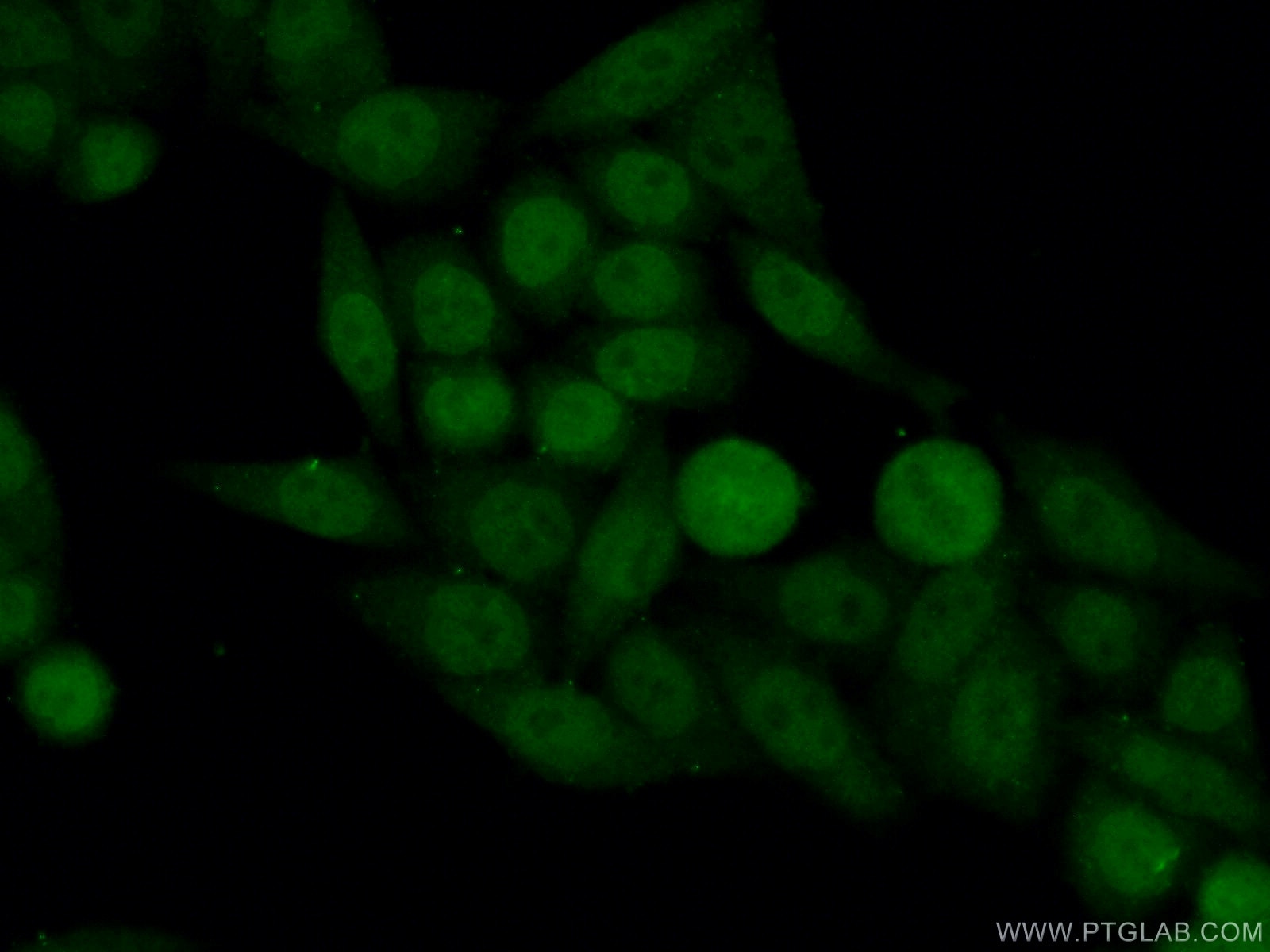

Tested Applications
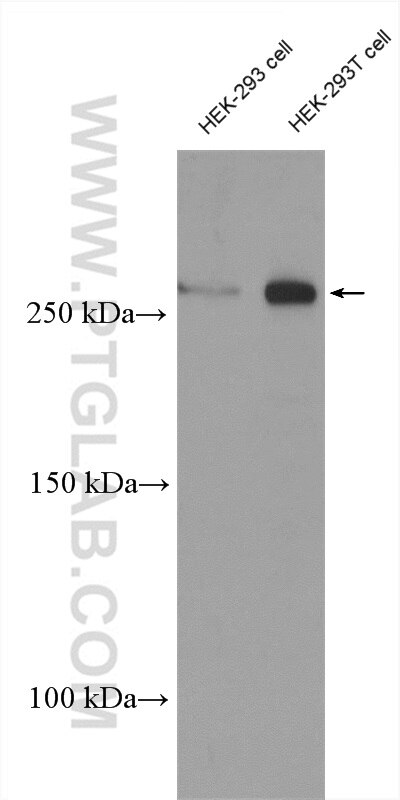
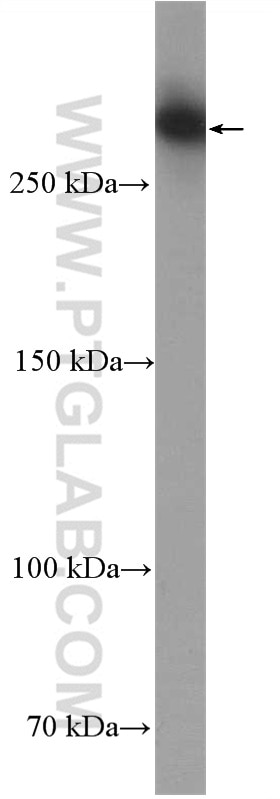
| Positive WB detected in | HEK-293 cells, HeLa cells, HEK-293T cells |
| Positive IP detected in | HEK-293 cells |
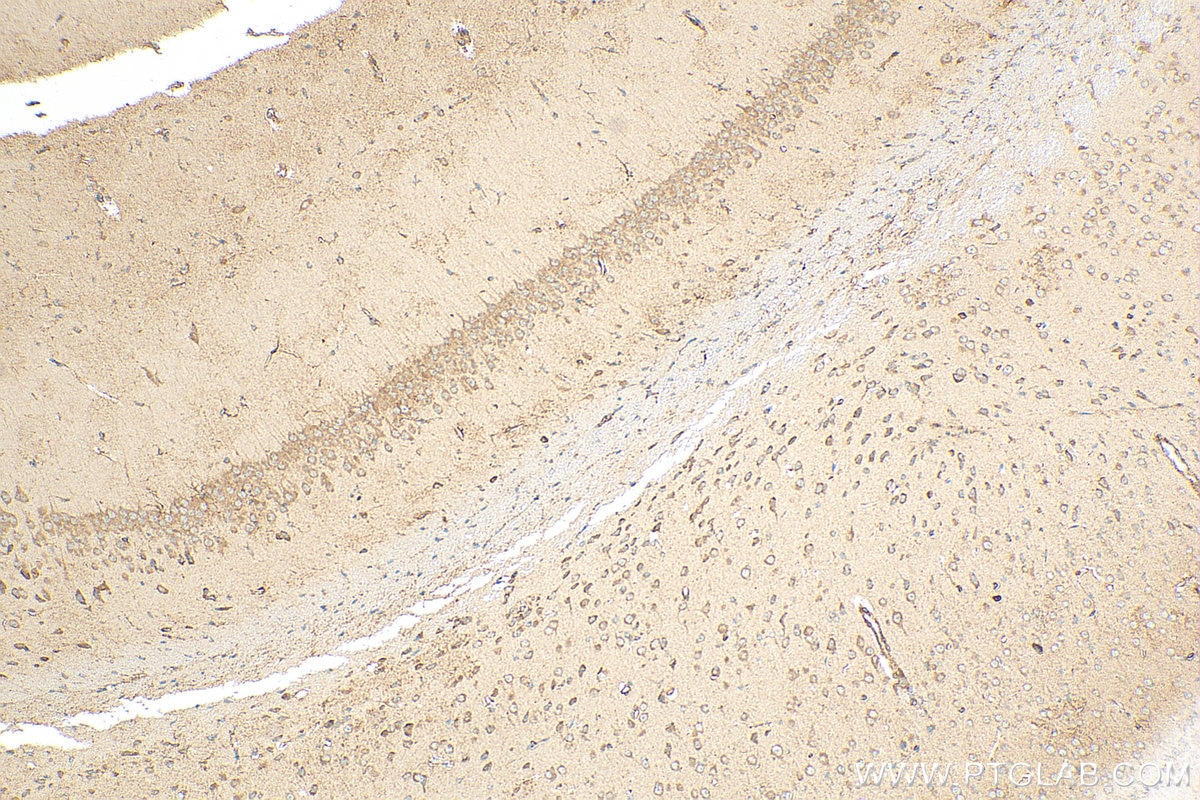
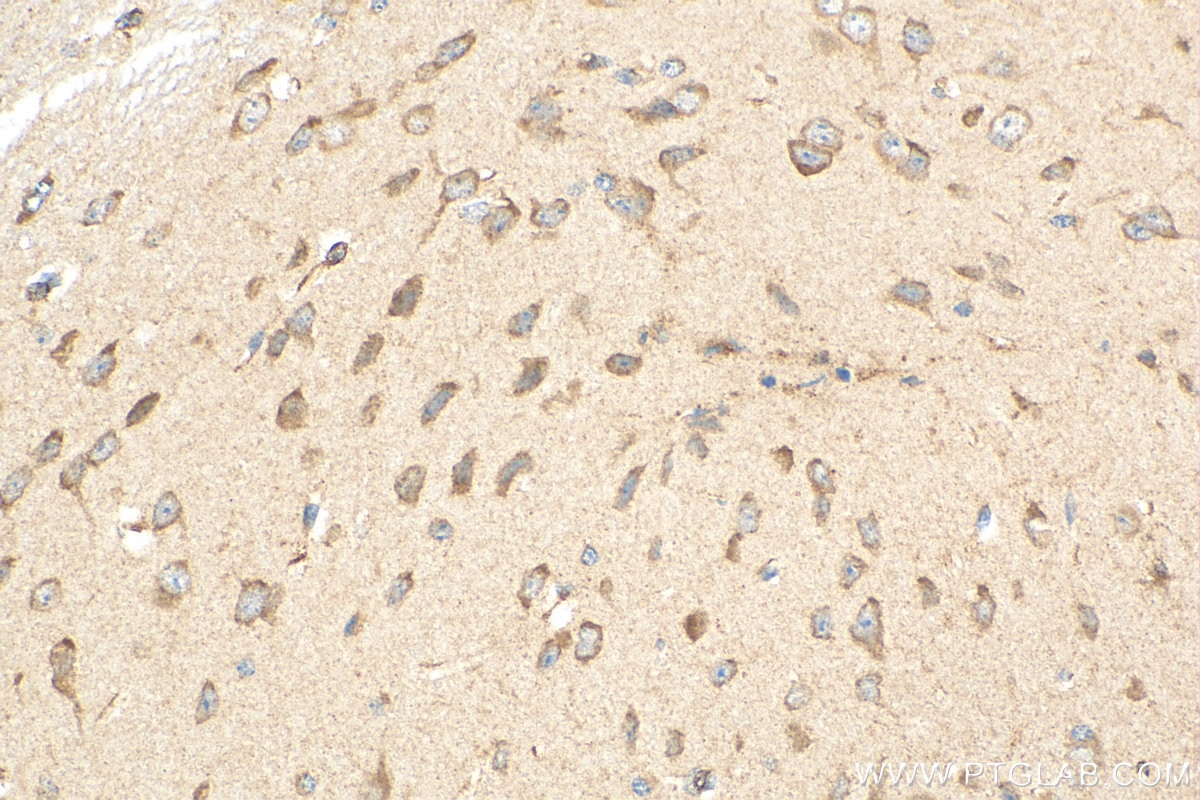
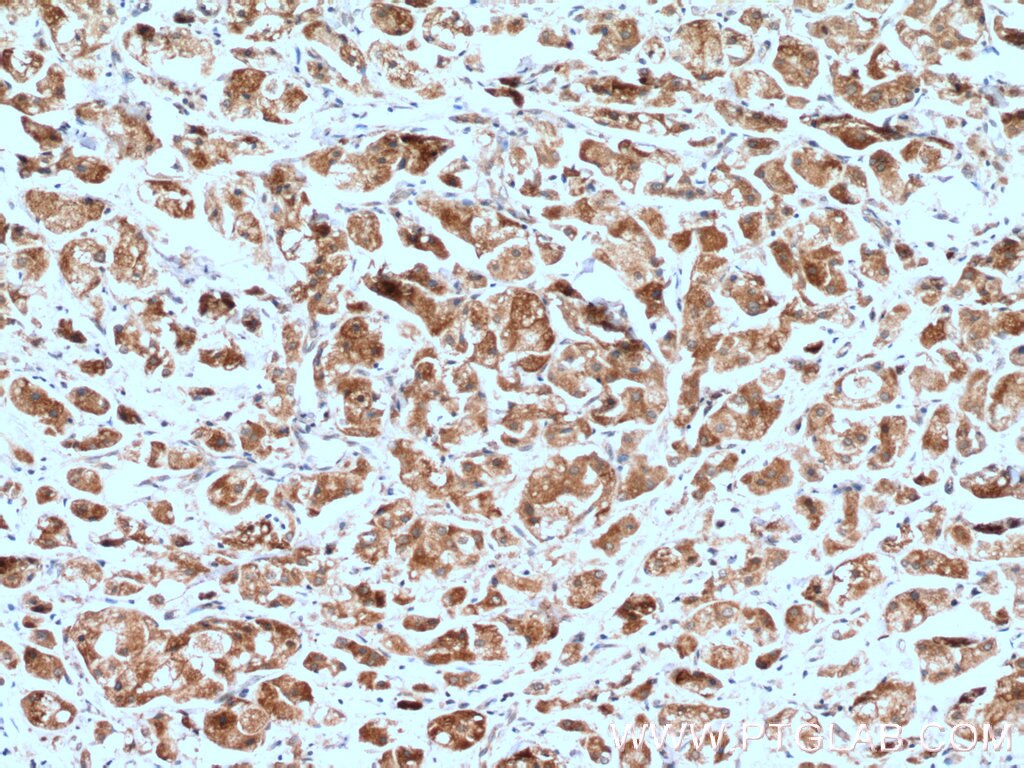
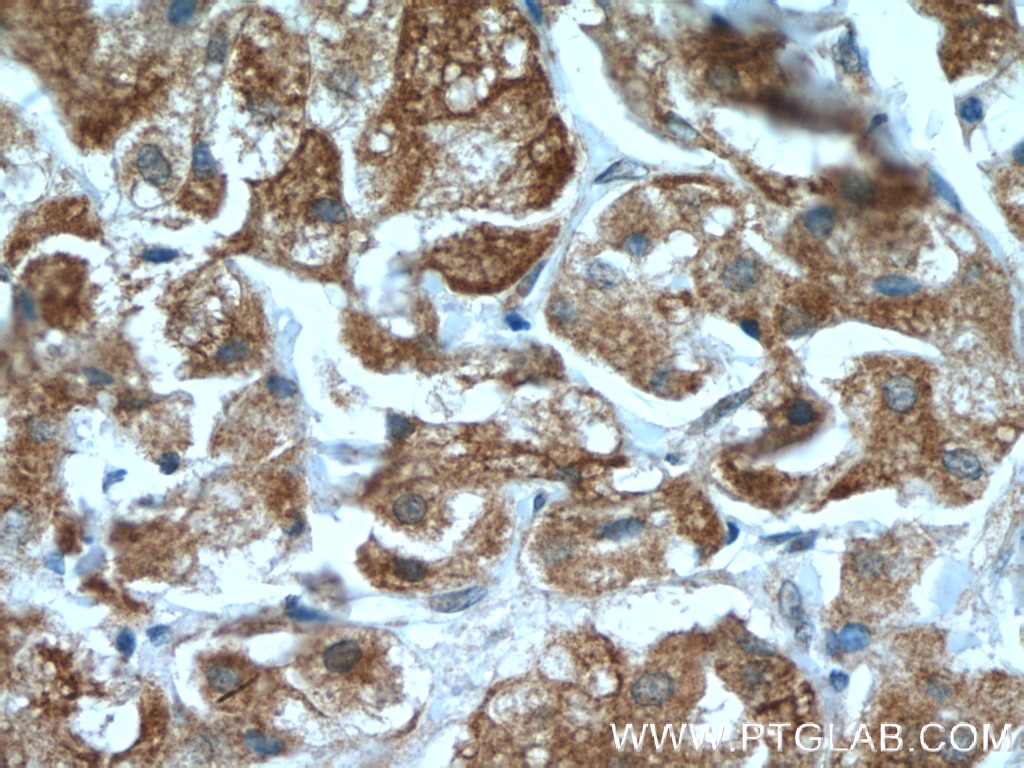
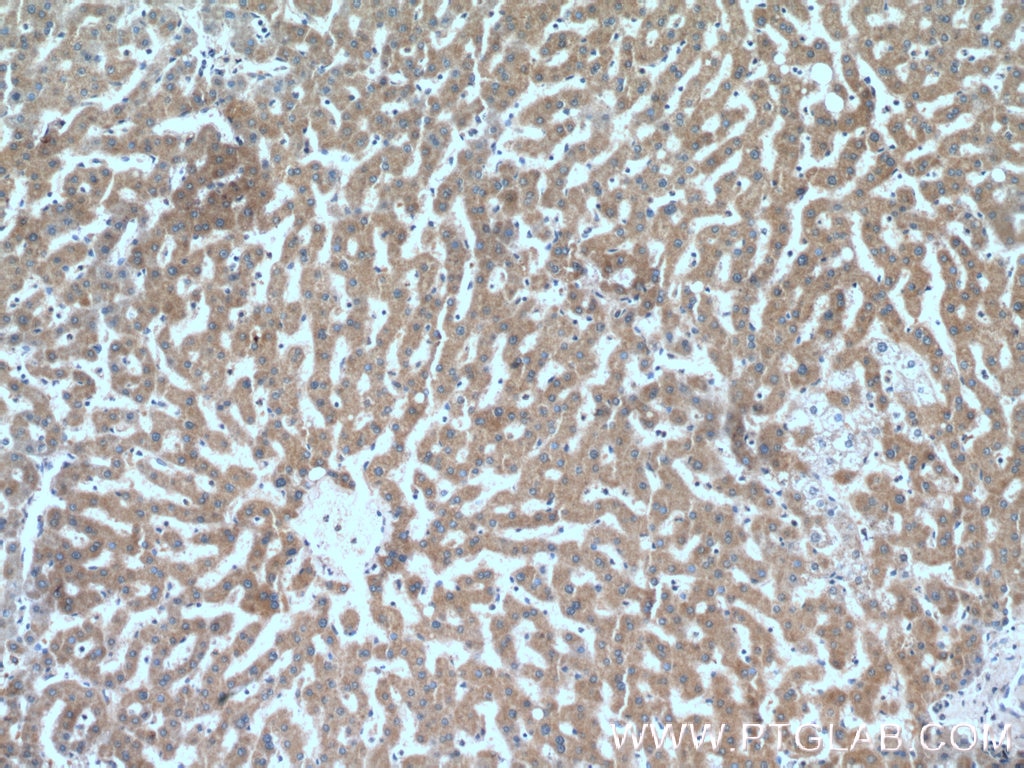
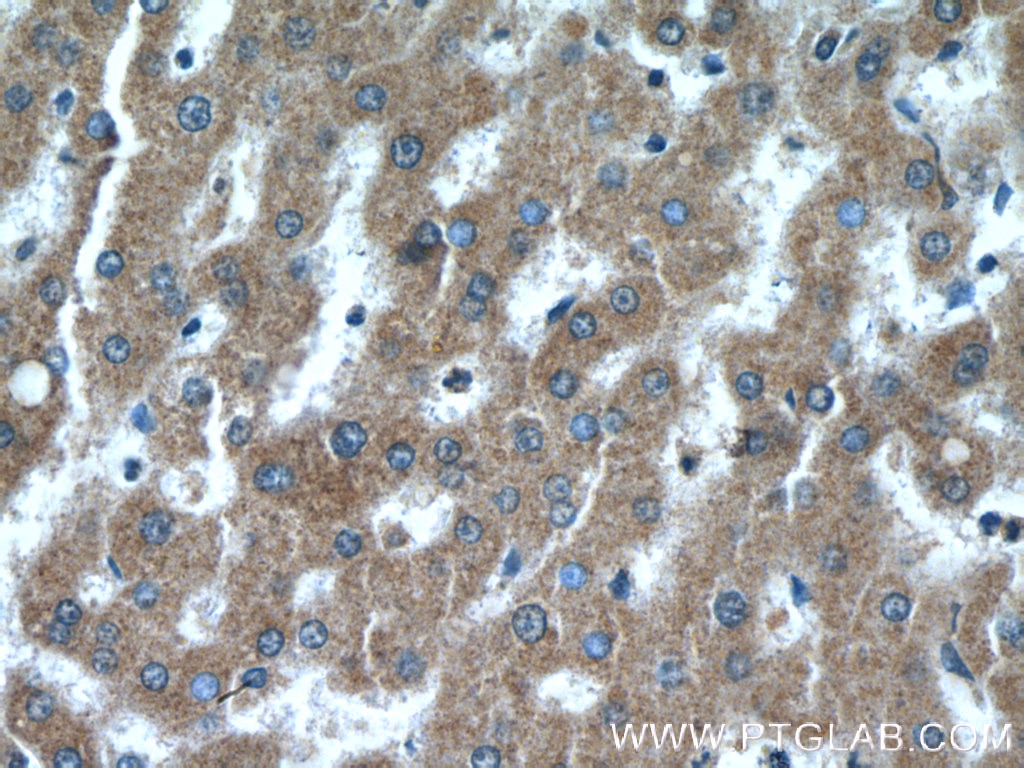
| Positive IHC detected in | mouse brain tissue, human liver tissue, human breast cancer tissue Note: suggested antigen retrieval with TE buffer pH 9.0; (*) Alternatively, antigen retrieval may be performed with citrate buffer pH 6.0 |
| Positive IF/ICC detected in | HeLa cells |
Recommended dilution
| Application | Dilution |
|---|---|
| Western Blot (WB) | WB : 1:500-1:1000 |
| Immunoprecipitation (IP) | IP : 0.5-4.0 ug for 1.0-3.0 mg of total protein lysate |
| Immunohistochemistry (IHC) | IHC : 1:50-1:500 |
| Immunofluorescence (IF)/ICC | IF/ICC : 1:50-1:500 |
| It is recommended that this reagent should be titrated in each testing system to obtain optimal results. | |
| Sample-dependent, Check data in validation data gallery. | |
Product Information
27249-1-AP targets Neurofibromin in WB, IHC, IF/ICC, IP, ELISA applications and shows reactivity with human, mouse samples.
| Tested Reactivity | human, mouse |
| Cited Reactivity | human |
| Host / Isotype | Rabbit / IgG |
| Class | Polyclonal |
| Type | Antibody |
| Immunogen |
CatNo: Ag25799 Product name: Recombinant human Neurofibromin protein Source: e coli.-derived, PET30a Tag: 6*His Domain: 1-100 aa of M60915 Sequence: MAAHRPVEWVQAVVSRFDEQLPIKTGQQNTHTKVSTEHNKECLINISKYKFSLVISGLTTILKNVNNMRIFGEAAEKNLYLSQLIILDTLEKCLAGQPKD Predict reactive species |
| Full Name | neurofibromin 1 |
| Calculated Molecular Weight | 319 kDa |
| Observed Molecular Weight | 250-280 kDa |
| GenBank Accession Number | M60915 |
| Gene Symbol | Neurofibromin 1 |
| Gene ID (NCBI) | 4763 |
| RRID | AB_2880818 |
| Conjugate | Unconjugated |
| Form | Liquid |
| Purification Method | Antigen affinity purification |
| UNIPROT ID | P21359 |
| Storage Buffer | PBS with 0.02% sodium azide and 50% glycerol, pH 7.3. |
| Storage Conditions | Store at -20°C. Stable for one year after shipment. Aliquoting is unnecessary for -20oC storage. 20ul sizes contain 0.1% BSA. |
Background Information
NF1 codes for neurofibromin, a GTPase-activating protein that negatively regulates RAS/MAPK pathway activity by accelerating the hydrolysis of Ras-bound GTP. NF1 has a high mutation rate and mutations in NF1 can alter cellular growth control, and neural development, resulting in neurofibromatosis type 1 (NF1, also known as von Recklinghausen syndrome).
Protocols
| Product Specific Protocols | |
|---|---|
| IF protocol for Neurofibromin antibody 27249-1-AP | Download protocol |
| IHC protocol for Neurofibromin antibody 27249-1-AP | Download protocol |
| IP protocol for Neurofibromin antibody 27249-1-AP | Download protocol |
| WB protocol for Neurofibromin antibody 27249-1-AP | Download protocol |
| Standard Protocols | |
|---|---|
| Click here to view our Standard Protocols |
Publications
What published studies show
The 27249-1-AP Neurofibromin Polyclonal antibody has 11 total citations. These appear in journals including Nature Communications, Science Translational Medicine, Journal of Translational Medicine, Clinical and Translational Medicine, Cancer Cell International, NPJ Genomic Medicine, Gynecologic Oncology, Frontiers in Genetics, Chembiochem, and Molecular Genetics & Genomic Medicine. Research fields span cancer biology (gallbladder, breast, renal, ovarian, pancreatic, neuroblastoma), neurofibromatosis, endosomal/retromer signaling, YAP-TEAD phase separation, and genetic disease studies, with applications mainly in WB, IHC, IF, and IP.
| Species | Application | Title |
|---|---|---|
Nat Commun Mapping of endosomal proximity proteomes reveals Retromer as a hub for RAB GTPase regulation | ||
Nat Commun Targeting NRAS via miR-1304-5p or farnesyltransferase inhibition confers sensitivity to ALK inhibitors in ALK-mutant neuroblastoma | ||
Sci Transl Med Phase separation-based HTS identifies cobimetinib as a YAP-TEAD inhibitor that suppresses hyperactivated YAP-induced cancer progression | ||
J Transl Med The oncogenic role of NF1 in gallbladder cancer through regulation of YAP1 stability by direct interaction with YAP1
| ||
Clin Transl Med IGF2BP3 mediates the mRNA degradation of NF1 to promote triple-negative breast cancer progression via an m6A-dependent manner | ||
Cancer Cell Int CD70 regulates the NF1/Ras/ERK axis to promote metastatic potential in clear cell renal cell carcinoma.
|











