

Tested Applications
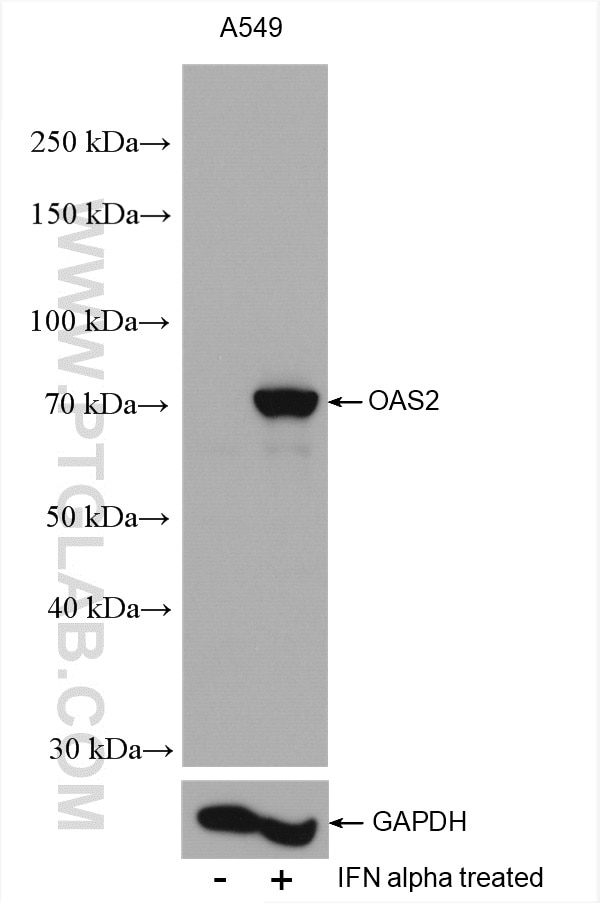
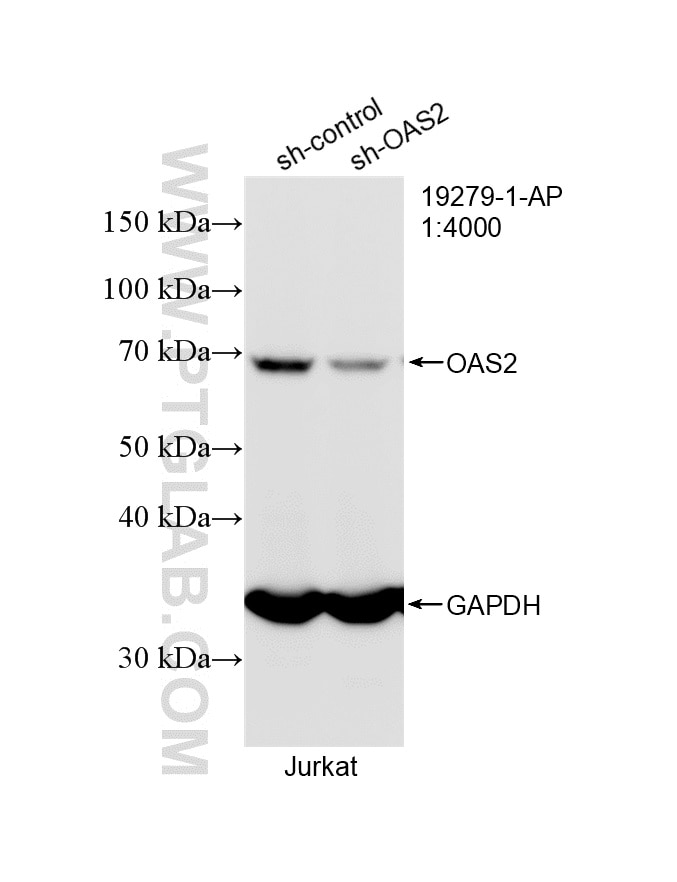
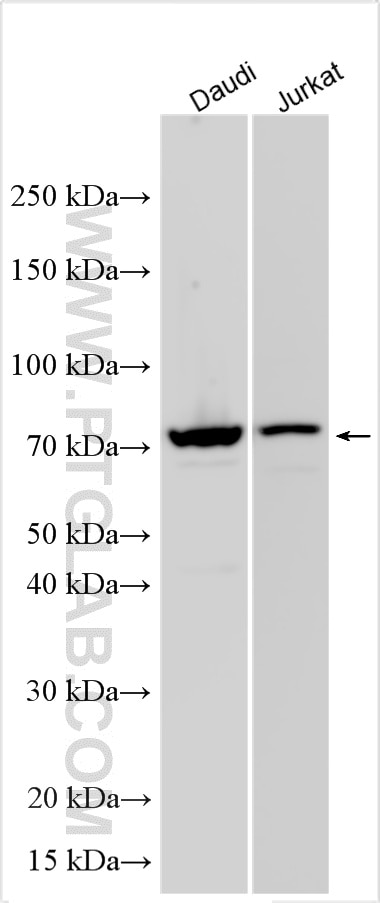
| Positive WB detected in | IFN alpha treated A549 cells, Daudi cells, Jurkat cells |
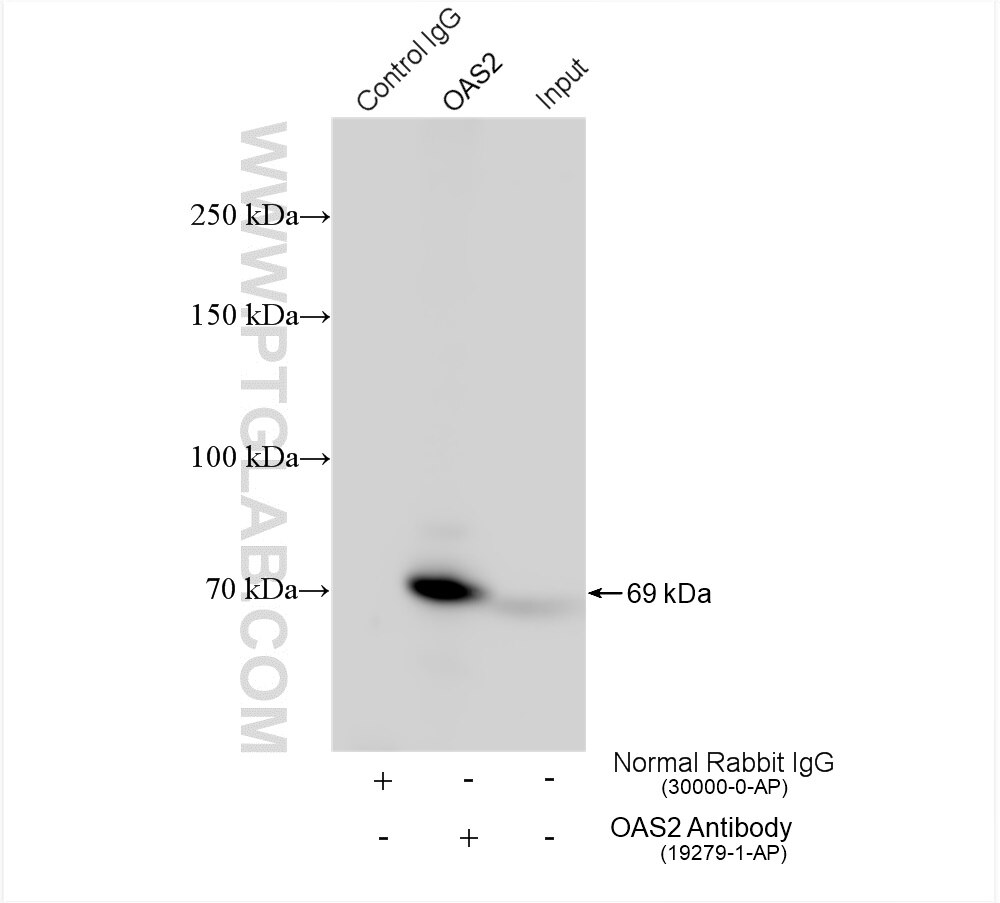
| Positive IP detected in | Jurkat cells |
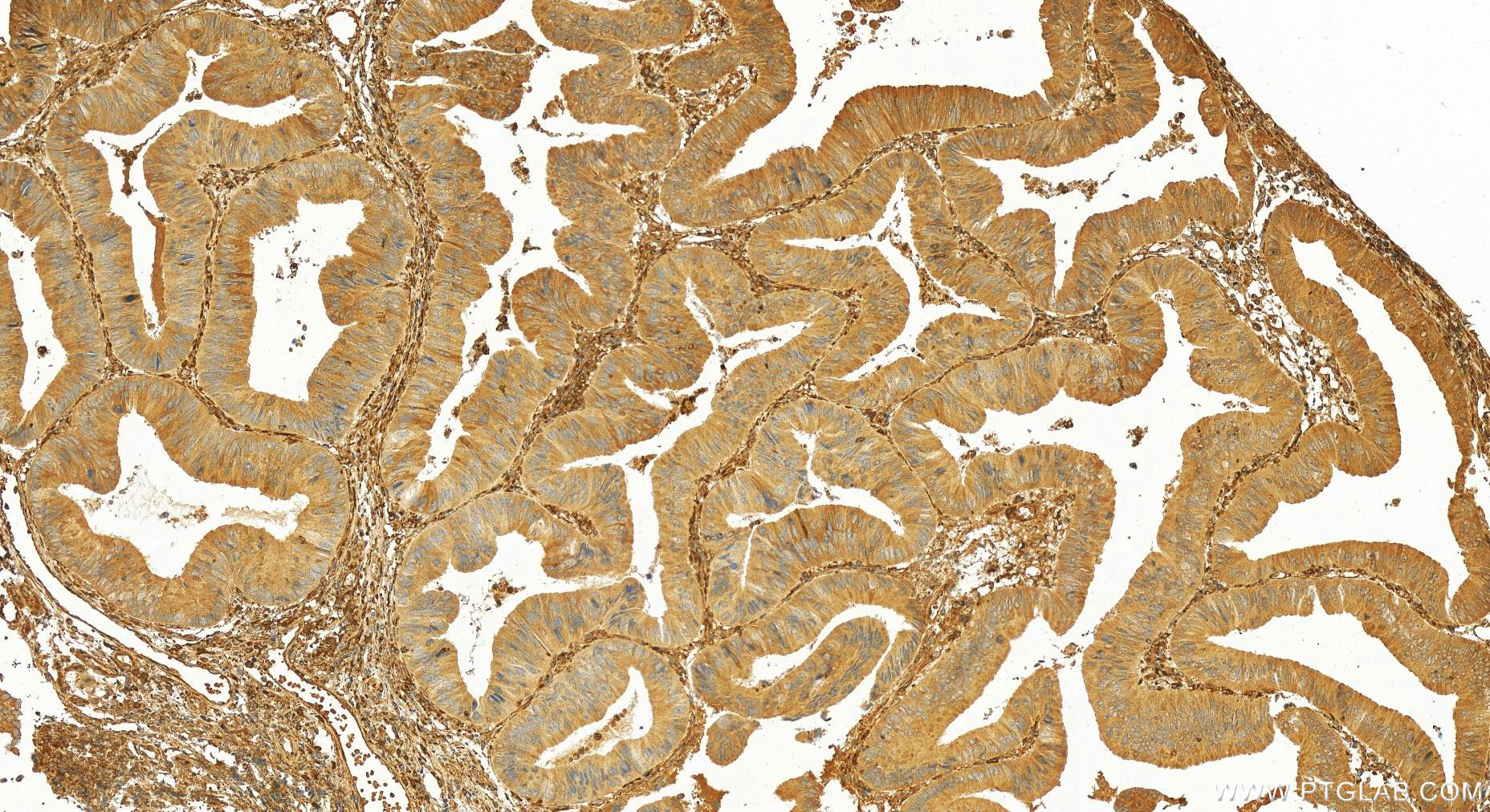
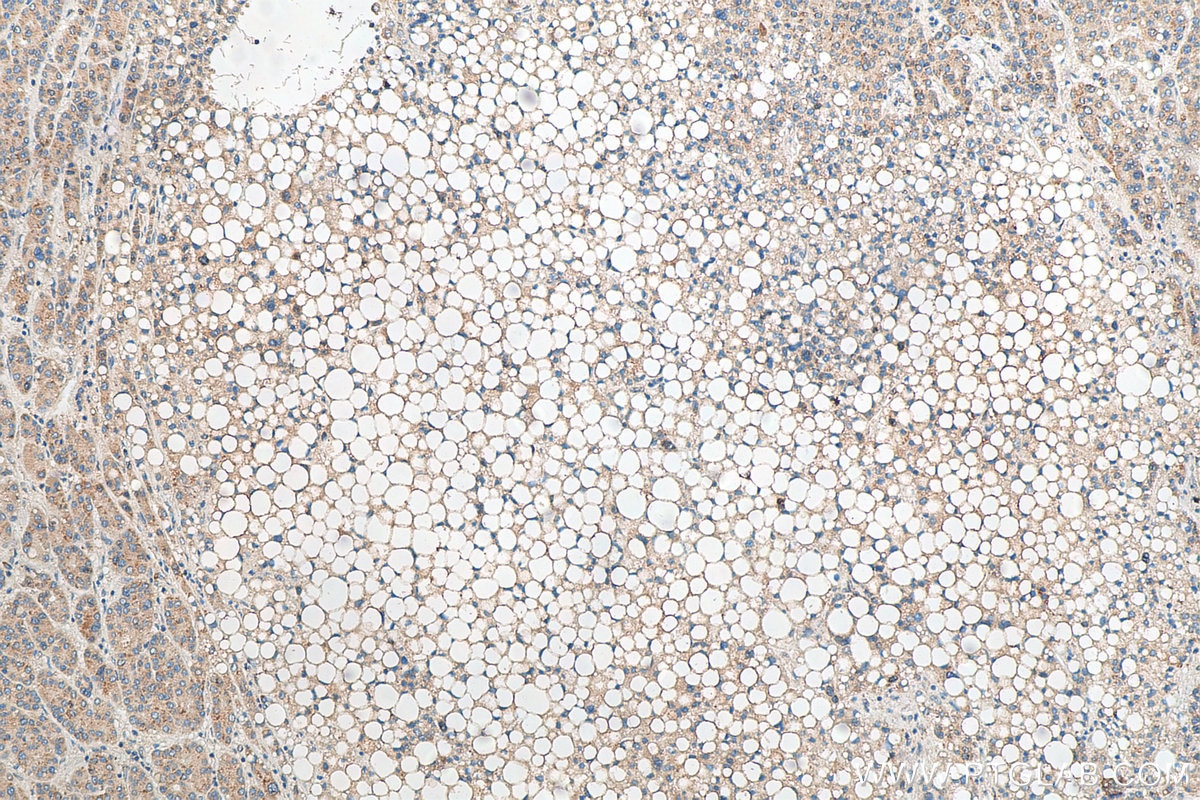
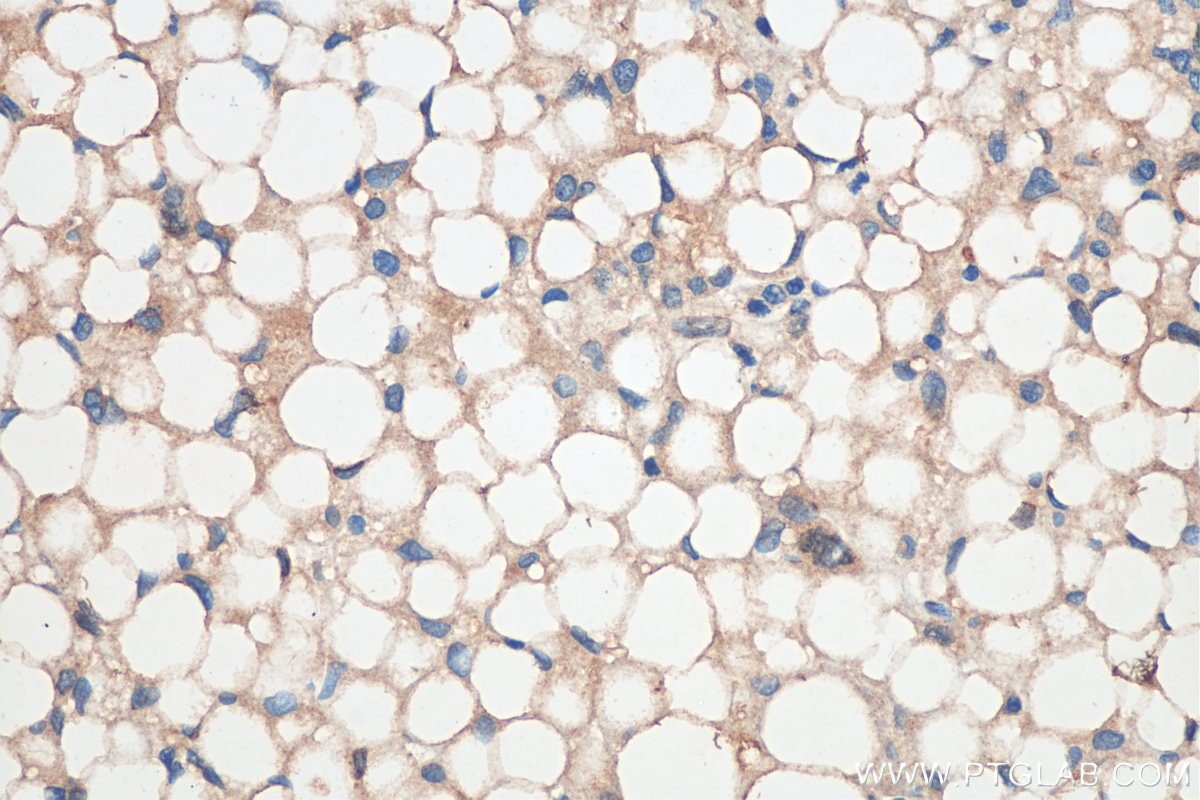
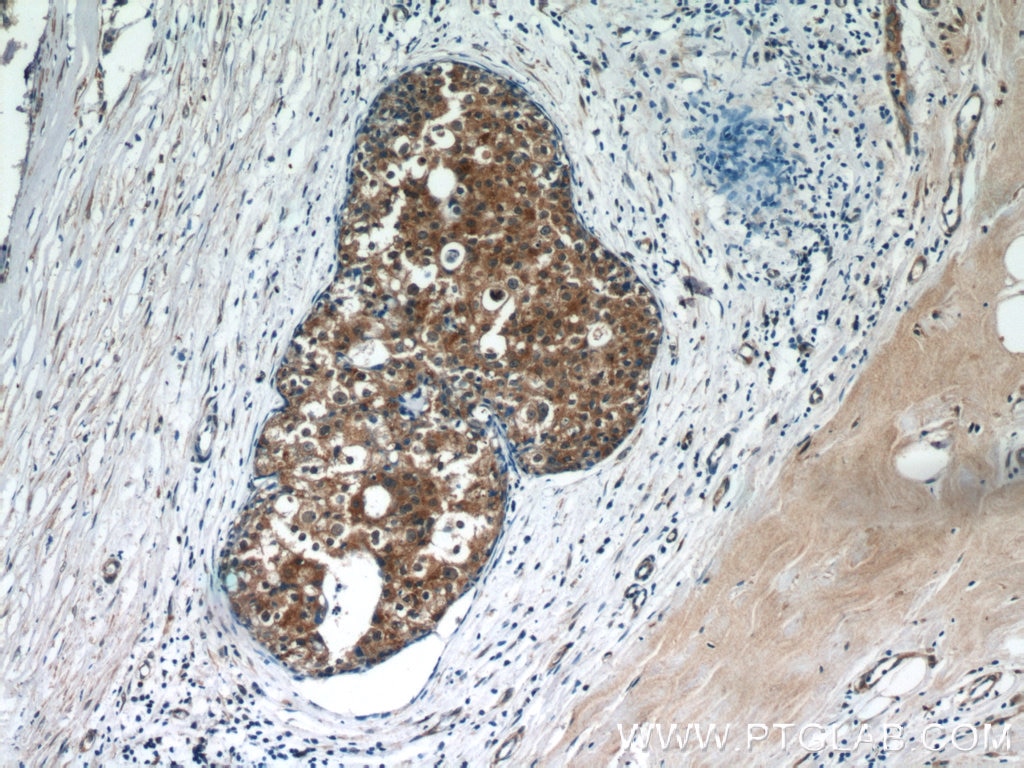
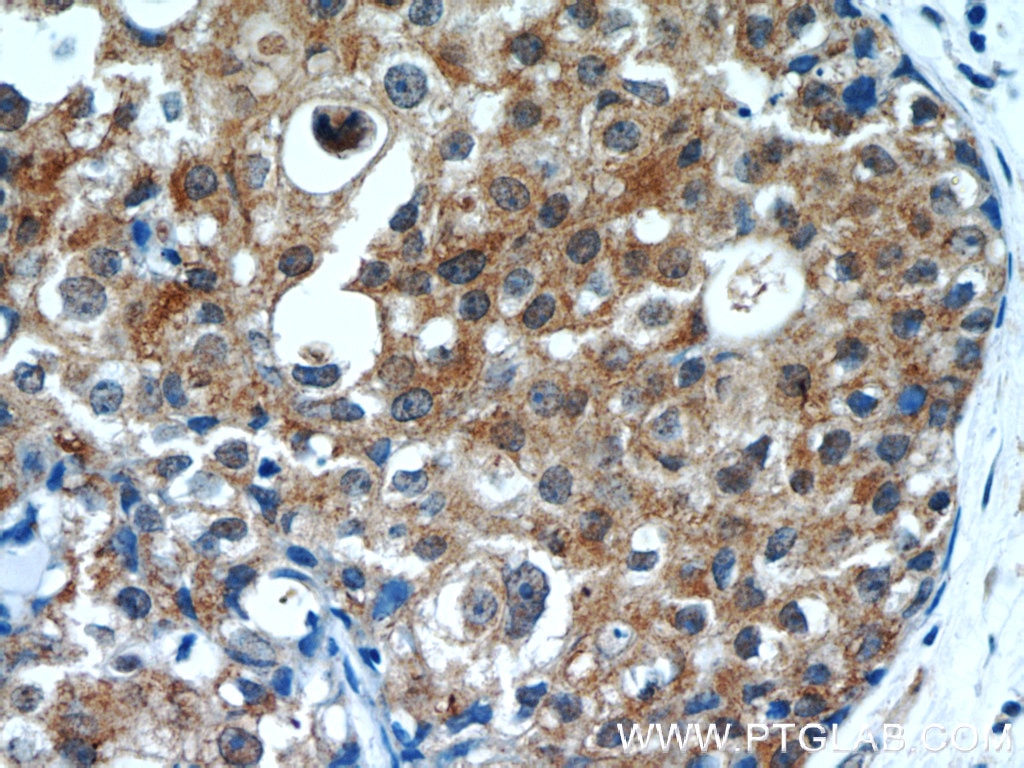
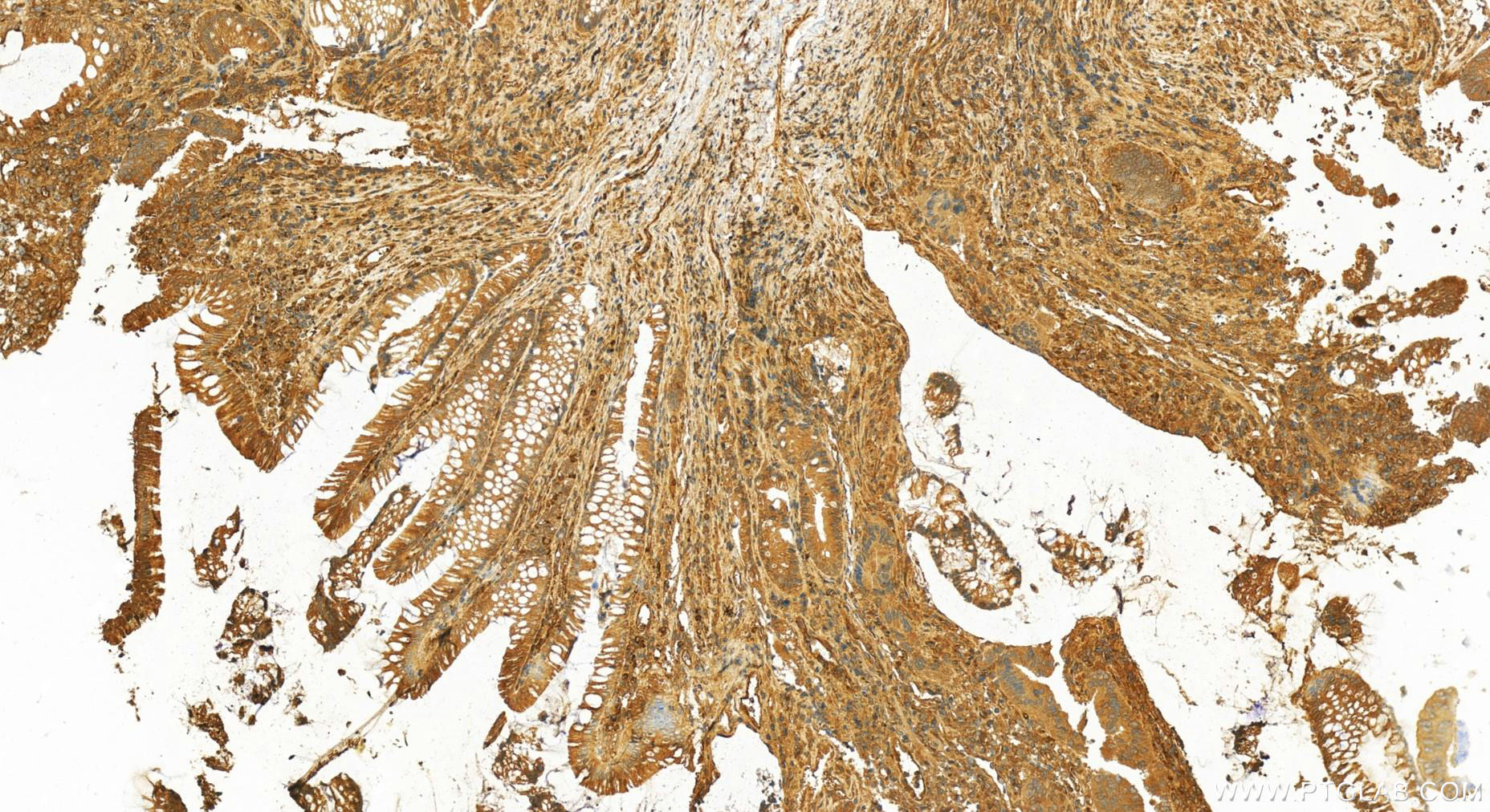
| Positive IHC detected in | human colon cancer, human breast cancer tissue, human liver cancer tissue Note: suggested antigen retrieval with TE buffer pH 9.0; (*) Alternatively, antigen retrieval may be performed with citrate buffer pH 6.0 |
Recommended dilution
| Application | Dilution |
|---|---|
| Western Blot (WB) | WB : 1:500-1:2000 |
| Immunoprecipitation (IP) | IP : 0.5-4.0 ug for 1.0-3.0 mg of total protein lysate |
| Immunohistochemistry (IHC) | IHC : 1:200-1:800 |
| It is recommended that this reagent should be titrated in each testing system to obtain optimal results. | |
| Sample-dependent, Check data in validation data gallery. | |
Product Information
19279-1-AP targets OAS2 in WB, IHC, IF, IP, ELISA applications and shows reactivity with human samples.
| Tested Reactivity | human |
| Cited Reactivity | human, mouse |
| Host / Isotype | Rabbit / IgG |
| Class | Polyclonal |
| Type | Antibody |
| Immunogen |
CatNo: Ag6170 Product name: Recombinant human OAS2 protein Source: e coli.-derived, PET28a Tag: 6*His Domain: 335-687 aa of BC049215 Sequence: VLPAPLFTTPGHLLDKFIKEFLQPNKCFLEQIDSAVNIIRTFLKENCFRQSTAKIQIVRGGSTAKGTALKTGSDADLVVFHNSLKSYTSQKNERHKIVKEIHEQLKAFWREKEEELEVSFEPPKWKAPRVLSFSLKSKVLNESVSFDVLPAFNALGQLSSGSTPSPEVYAGLIDLYKSSDLPGGEFSTCFTVLQRNFIRSRPTKLKDLIRLVKHWYKECERKLKPKGSLPPKYALELLTIYAWEQGSGVPDFDTAEGFRTVLELVTQYQQLCIFWKVNYNFEDETVRKFLLSQLQKTRPVILDPAEPTGDVGGGDRWCWHLLAKEAKEWLSSPCFKDGTGNPIPPWKVPVKVI Predict reactive species |
| Full Name | 2'-5'-oligoadenylate synthetase 2, 69/71kDa |
| Calculated Molecular Weight | 82 kDa |
| Observed Molecular Weight | 66-71 kDa |
| GenBank Accession Number | BC049215 |
| Gene Symbol | OAS2 |
| Gene ID (NCBI) | 4939 |
| RRID | AB_10642832 |
| Conjugate | Unconjugated |
| Form | Liquid |
| Purification Method | Antigen affinity purification |
| UNIPROT ID | P29728 |
| Storage Buffer | PBS with 0.02% sodium azide and 50% glycerol, pH 7.3. |
| Storage Conditions | Store at -20°C. Stable for one year after shipment. Aliquoting is unnecessary for -20oC storage. 20ul sizes contain 0.1% BSA. |
Background Information
The 2-prime,5-prime oligoadenylate synthetases (OASs), such as OAS2, are IFN-induced proteins characterized by their capacity to catalyze the synthesis of 2-prime,5-prime oligomers of adenosine (2-5As). OAS2 is also named as p69 OAS / p71 OAS. It has 3 isoforms(71/69/20 kDa) produced by alternative splicing. The OAS2 isozymes are 69-71 kDa and form dimers(PMID:17765707). Glycosylation is essential for its activity(PMID:9880569). Constitutive expression of the 69-kDa form of the OAS2 protein in human cells inhibited the replication of encephalomyocarditis virus (EMCV) but not that of VSV, Sendai virus, or reovirus(PMID:16501108). This antibody is specific to isoform p71 and isoform p69 of OAS2.
Protocols
| Product Specific Protocols | |
|---|---|
| IHC protocol for OAS2 antibody 19279-1-AP | Download protocol |
| IP protocol for OAS2 antibody 19279-1-AP | Download protocol |
| WB protocol for OAS2 antibody 19279-1-AP | Download protocol |
| Standard Protocols | |
|---|---|
| Click here to view our Standard Protocols |
Publications
What published studies show
The anti-OAS2 antibody (Cat# 19279-1-AP) has 30 citations spanning journals including Science, Immunity, Nature Cell Biology, Nature Communications, Science Immunology, Molecular Cell, Science Advances, EMBO Journal, and others. Research fields covered include antiviral innate immunity, interferon signaling, OAS-RNase L pathway, cancer (glioblastoma, pancreatic and lung carcinoma), autoimmune diseases (lupus, psoriasis, Sjögren syndrome), diabetes, and RNA biology. Applications are predominantly WB, IF, and IHC in human and mouse samples.
| Species | Application | Title |
|---|---|---|
Science Inborn errors of OAS-RNase L in SARS-CoV-2-related multisystem inflammatory syndrome in children | ||
Immunity OAS cross-activates RNase L intercellularly through cell-to-cell transfer of 2-5A to spread innate immunity | ||
Nat Cell Biol Redox regulation of m6A methyltransferase METTL3 in β-cells controls the innate immune response in type 1 diabetes | ||
Nat Commun ATP functions as a pathogen-associated molecular pattern to activate the E3 ubiquitin ligase RNF213 | ||
Nat Commun Decoding non-canonical mRNA decay by the endoplasmic-reticulum stress sensor IRE1α |











