

Tested Applications
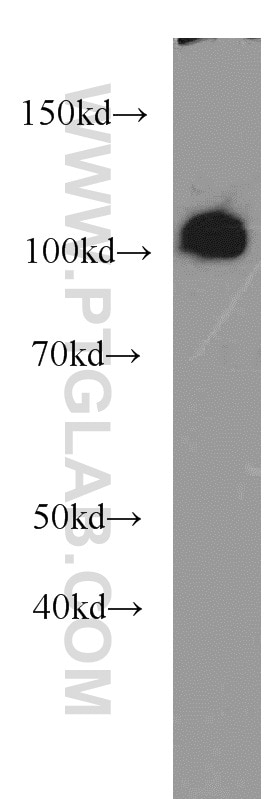
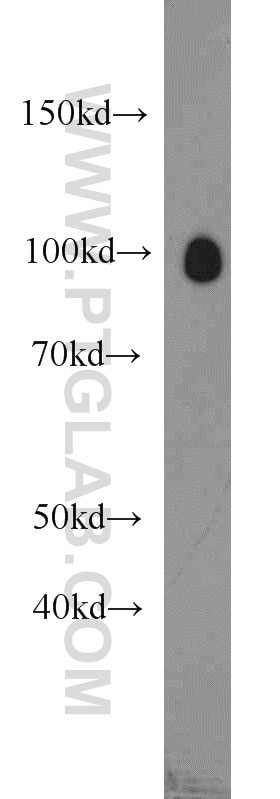
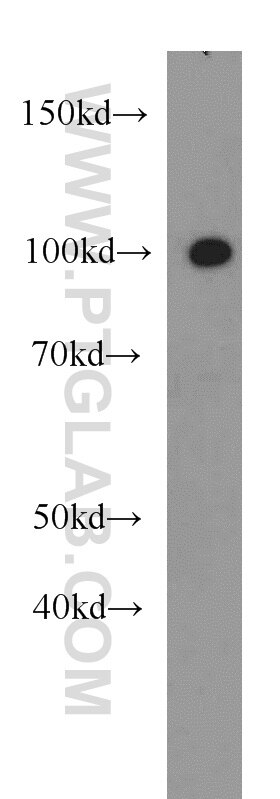
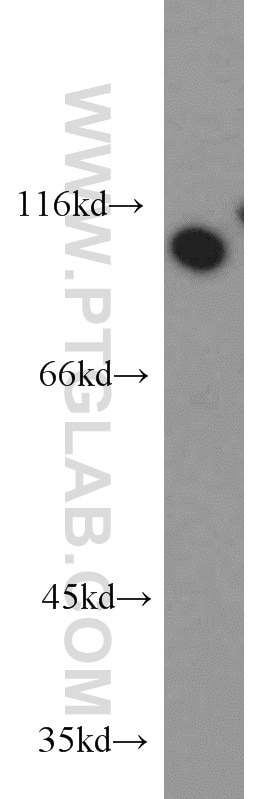
| Positive WB detected in | COLO 320 cells, A549 cells, HEK-293 cells, L02 cells |
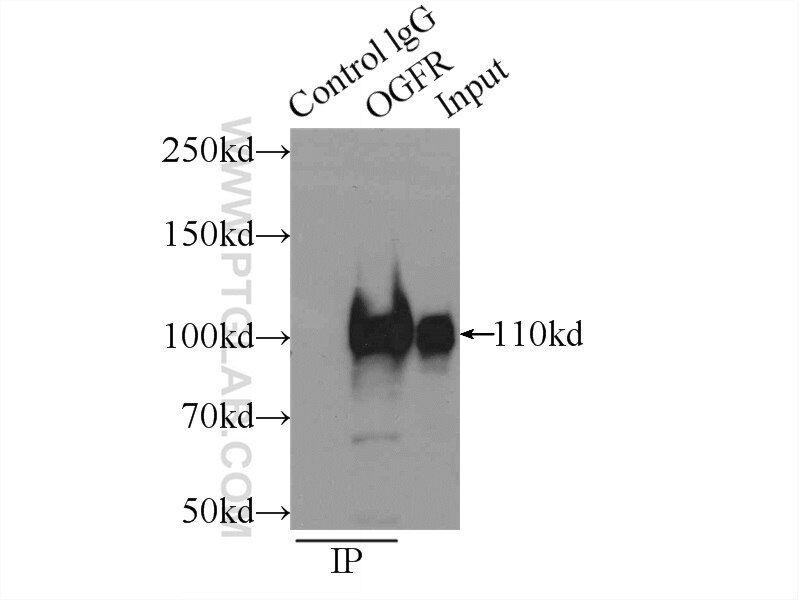
| Positive IP detected in | COLO 320 cells |
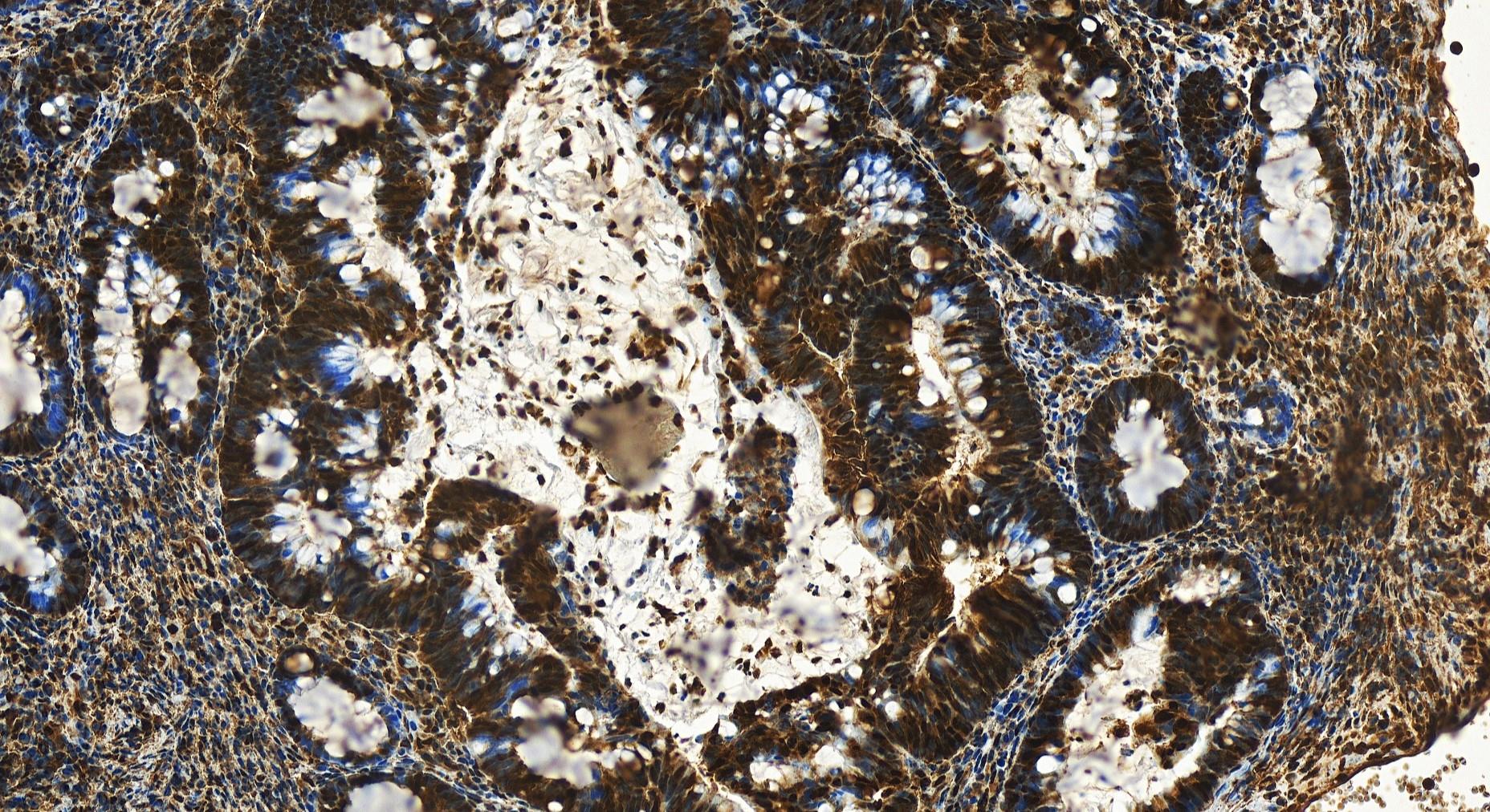
| Positive IHC detected in | human colon cancer Note: suggested antigen retrieval with TE buffer pH 9.0; (*) Alternatively, antigen retrieval may be performed with citrate buffer pH 6.0 |
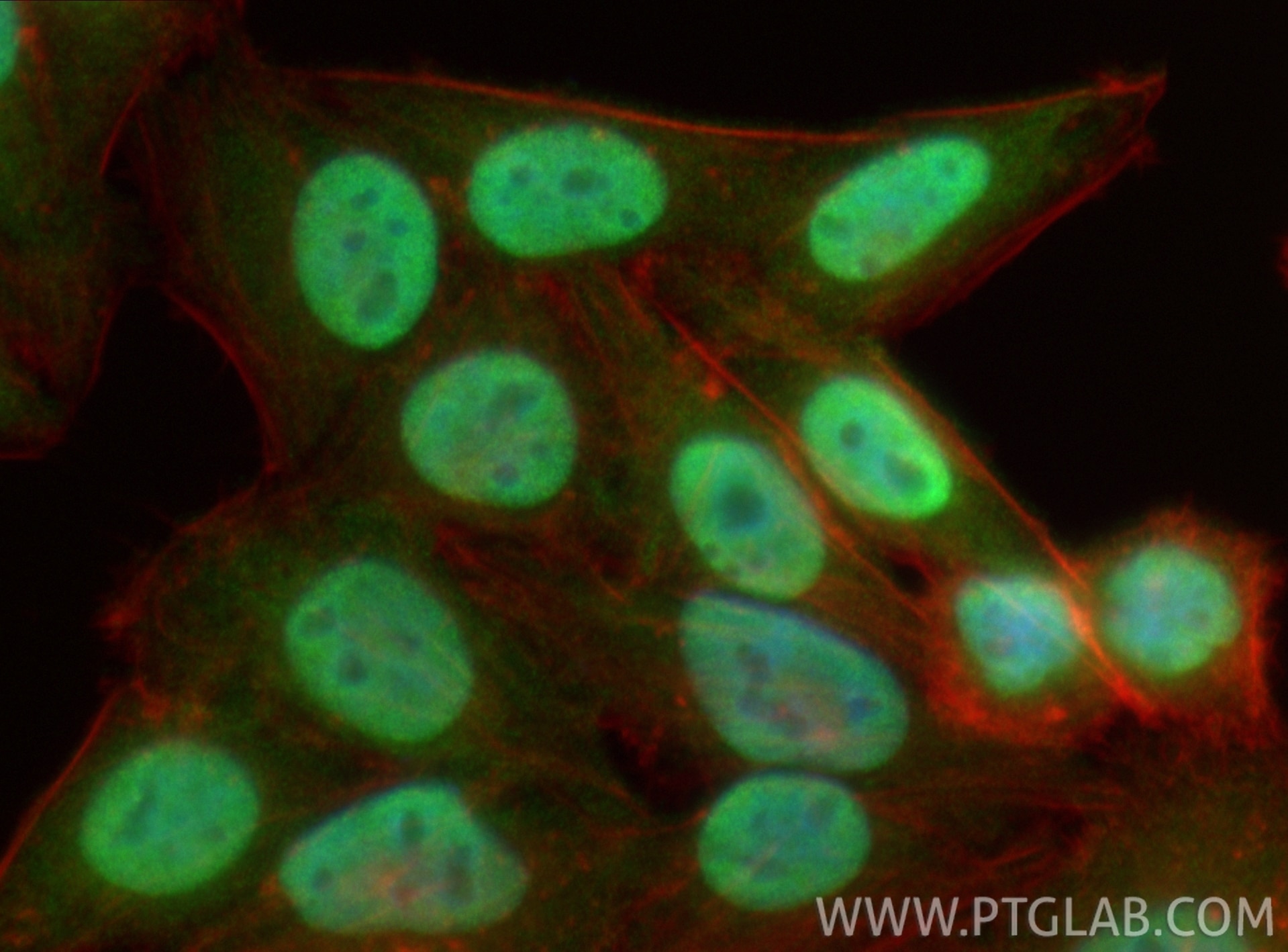
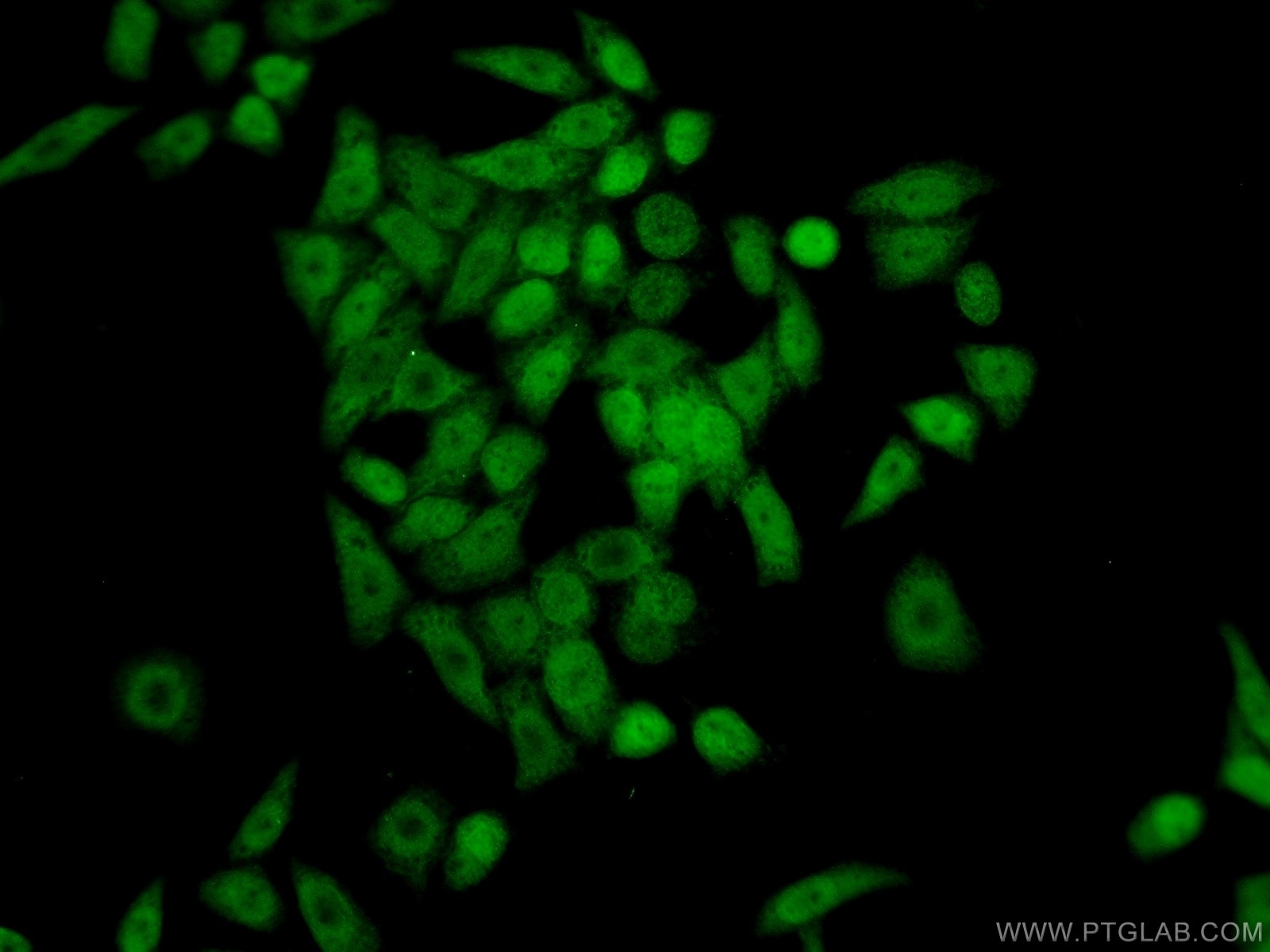
| Positive IF/ICC detected in | HepG2 cells, L02 cells |
Recommended dilution
| Application | Dilution |
|---|---|
| Western Blot (WB) | WB : 1:500-1:2000 |
| Immunoprecipitation (IP) | IP : 0.5-4.0 ug for 1.0-3.0 mg of total protein lysate |
| Immunohistochemistry (IHC) | IHC : 1:50-1:500 |
| Immunofluorescence (IF)/ICC | IF/ICC : 1:200-1:800 |
| It is recommended that this reagent should be titrated in each testing system to obtain optimal results. | |
| Sample-dependent, Check data in validation data gallery. | |
Product Information
11177-1-AP targets OGFR in WB, IHC, IF/ICC, IP, ELISA applications and shows reactivity with human samples.
| Tested Reactivity | human |
| Cited Reactivity | human, mouse |
| Host / Isotype | Rabbit / IgG |
| Class | Polyclonal |
| Type | Antibody |
| Immunogen |
CatNo: Ag1671 Product name: Recombinant human OGFR protein Source: e coli.-derived, PGEX-4T Tag: GST Domain: 358-658 aa of BC014137 Sequence: LERSQGDEAGGHGEDRPEPLSPKESKKRKLELSRREQPPTEPGPQSASEVEKIALNLEGCALSQGSLRTGTQEVGGQDPGEAVQPCRQPLGARVADKVRKRRKVDEGAGDSAAVASGGAQTLALAGSPAPSGHPKAGHSENGVEEDTEGRTGPKEGTPGSPSETPGPSPAGPAGDEPAESPSETPGPRPAGPAGDEPAESPSETPGPSPAGPTRDEPAESPSETPGPRPAGPAGDEPAESPSETPGPRPAGPAGDEPAESPSETPGPSPAGPTRDEPAKAGEAAELQDAEVESSAKSGKP Predict reactive species |
| Full Name | opioid growth factor receptor |
| Calculated Molecular Weight | 73 kDa |
| Observed Molecular Weight | 90-110 kDa |
| GenBank Accession Number | BC014137 |
| Gene Symbol | OGFR |
| Gene ID (NCBI) | 11054 |
| RRID | AB_2156772 |
| Conjugate | Unconjugated |
| Form | Liquid |
| Purification Method | Antigen affinity purification |
| UNIPROT ID | Q9NZT2 |
| Storage Buffer | PBS with 0.02% sodium azide and 50% glycerol, pH 7.3. |
| Storage Conditions | Store at -20°C. Stable for one year after shipment. Aliquoting is unnecessary for -20oC storage. 20ul sizes contain 0.1% BSA. |
Protocols
| Product Specific Protocols | |
|---|---|
| IF protocol for OGFR antibody 11177-1-AP | Download protocol |
| IHC protocol for OGFR antibody 11177-1-AP | Download protocol |
| IP protocol for OGFR antibody 11177-1-AP | Download protocol |
| WB protocol for OGFR antibody 11177-1-AP | Download protocol |
| Standard Protocols | |
|---|---|
| Click here to view our Standard Protocols |
Publications
What published studies show
The anti-OGFR antibody (Cat# 11177-1-AP) has 16 citations across journals including International Immunopharmacology, Nature Communications, International Journal of Biological Sciences, International Journal of Molecular Sciences, Frontiers in Oncology, PLoS ONE, Cancer Management and Research, and American Journal of Clinical Experimental Urology. Research fields span cancer biology (lung, gastric, colorectal, cervical, prostate, osteosarcoma), opioid receptor signaling, tumor microenvironment immunology, apoptosis, autophagy, and noncoding RNA/splicing regulation.
| Species | Application | Title |
|---|---|---|
Int J Biol Sci CIRBP-OGFR axis safeguards against cardiomyocyte apoptosis and cardiotoxicity induced by chemotherapy.
| ||
Int Immunopharmacol Methionine enkephalin activates autophagy and stimulates tumour cell immunogenicity in human cutaneous squamous cell carcinoma. | ||
Int Immunopharmacol A novel mechanism of lung cancer inhibition by methionine enkephalin through remodeling the immune status of the tumor microenvironment.
| ||
Int Immunopharmacol Regulatory role of methionine enkephalin in myeloid-derived suppressor cells and macrophages in human cutaneous squamous cell carcinoma. | ||
Int Immunopharmacol Methionine enkephalin inhibited cervical carcinoma via apoptosis promotion and reduction of myeloid derived suppressor cell infiltrated in tumor. | ||
Int Immunopharmacol Methionine enkephalin (MENK) inhibits human gastric cancer through regulating tumor associated macrophages (TAMs) and PI3K/AKT/mTOR signaling pathway inside cancer cells. |









