


Tested Applications
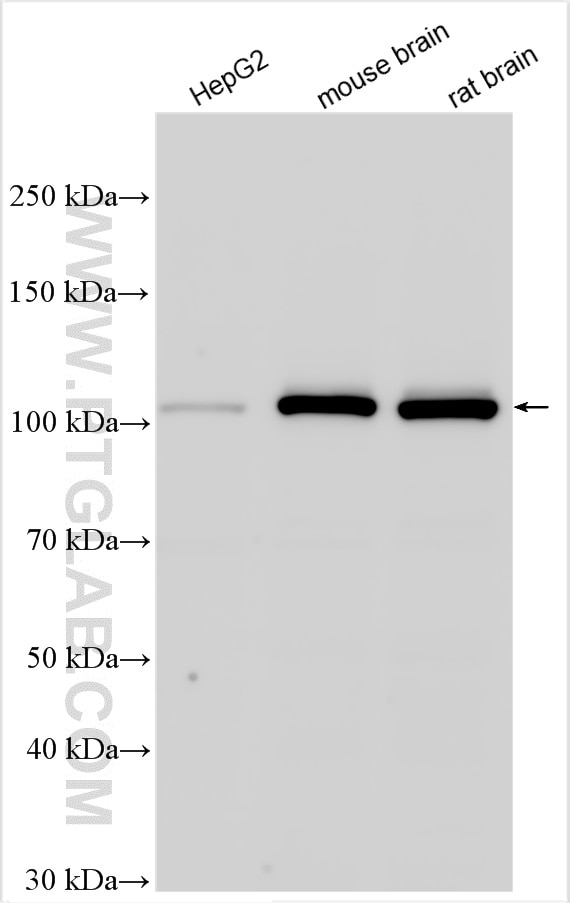
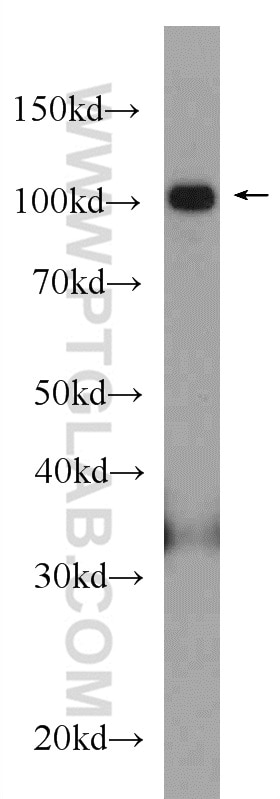
| Positive WB detected in | HepG2 cells, mouse liver tissue, mouse brain tissue, rat brain tissue |
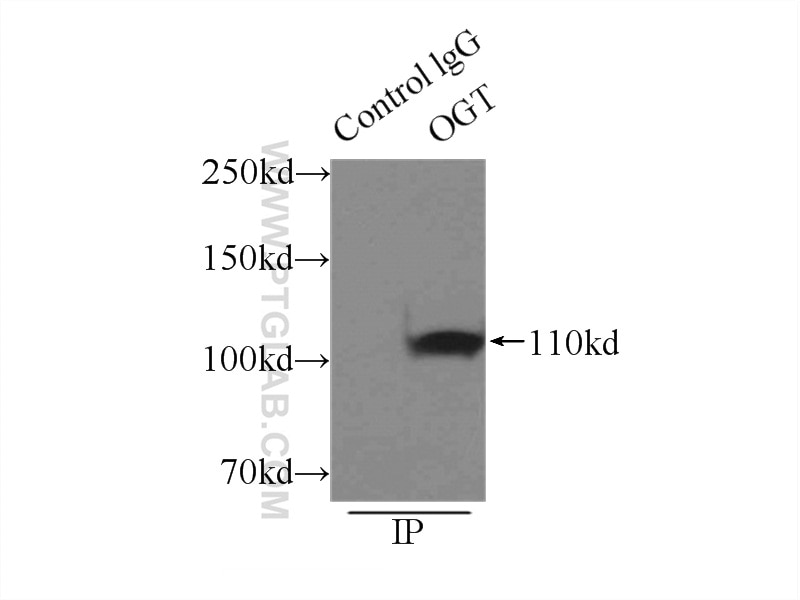
| Positive IP detected in | mouse brain tissue |
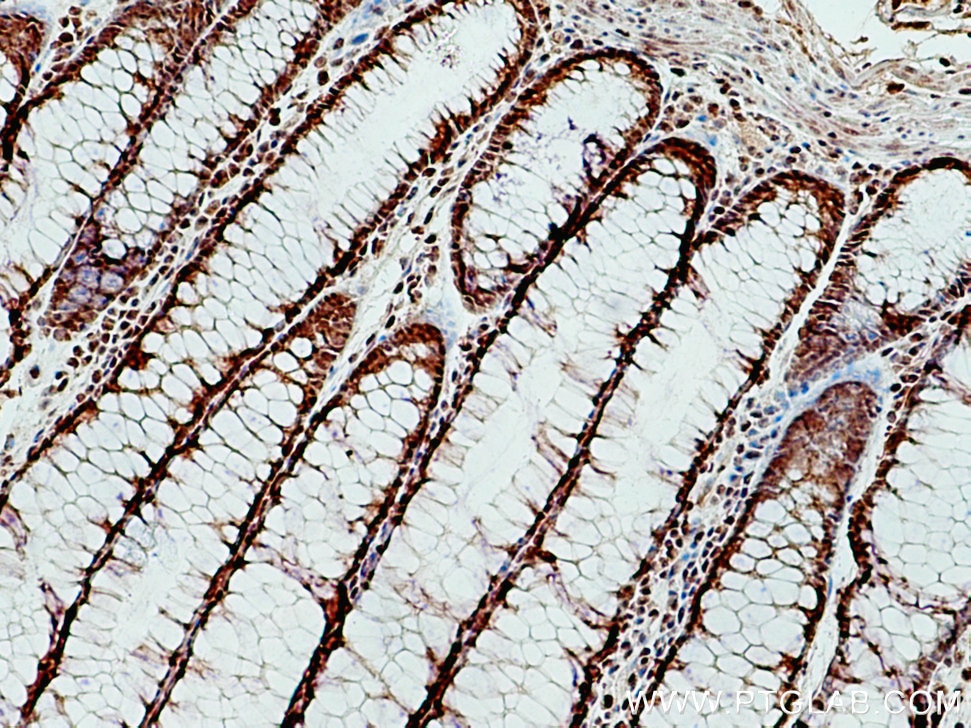
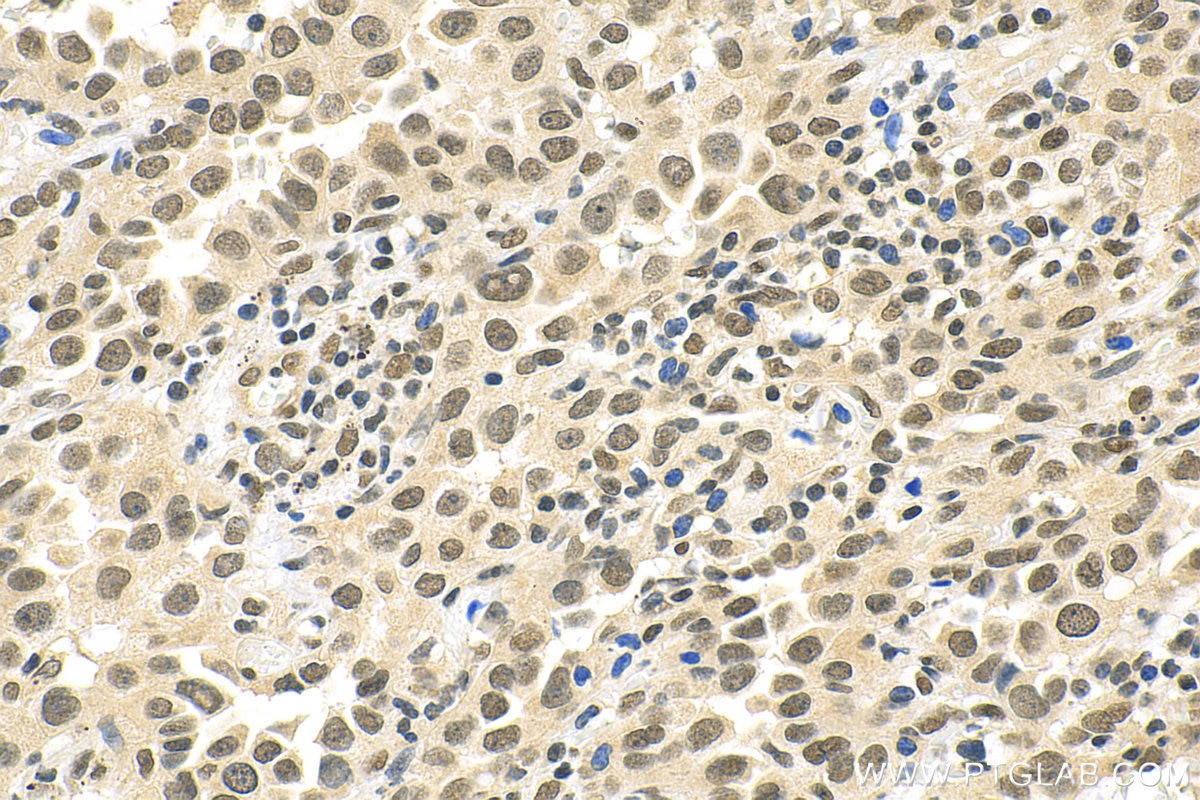
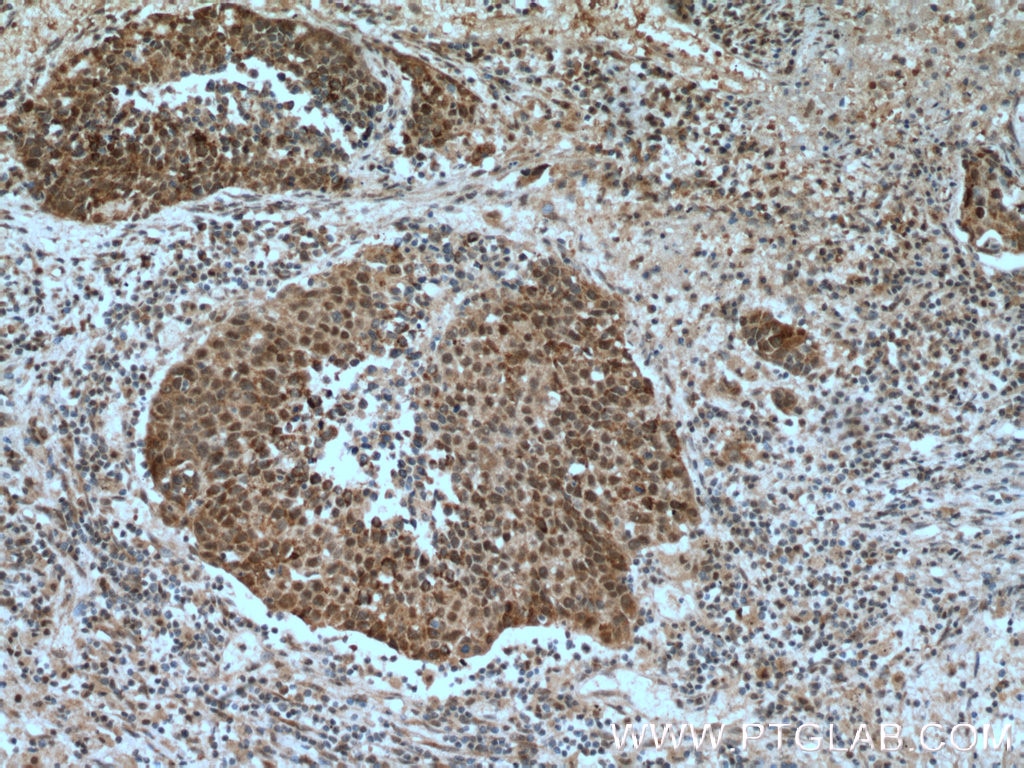
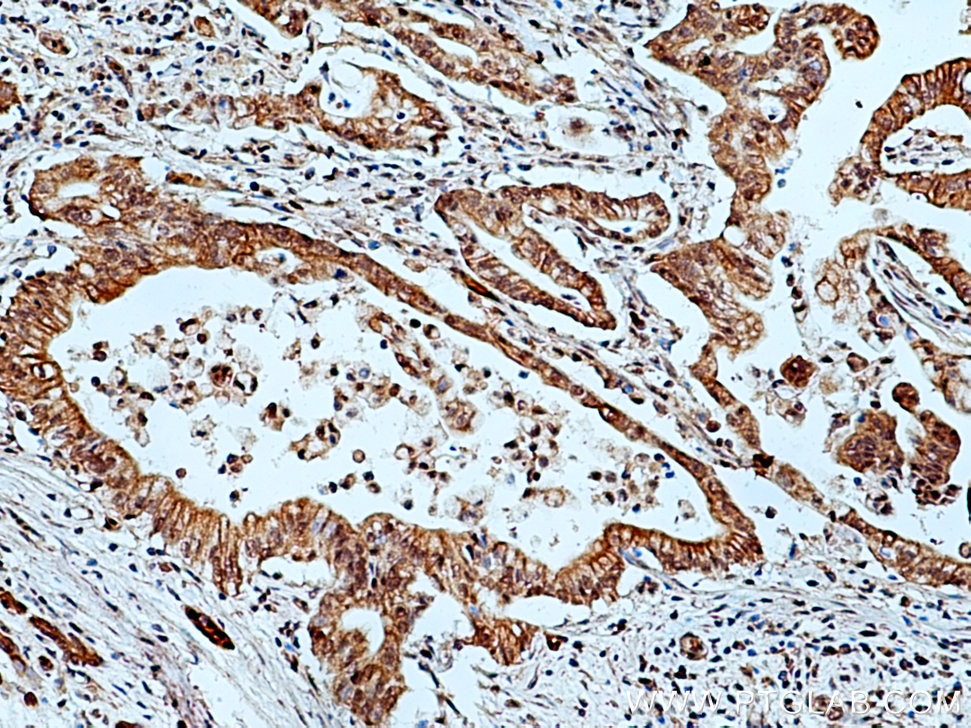
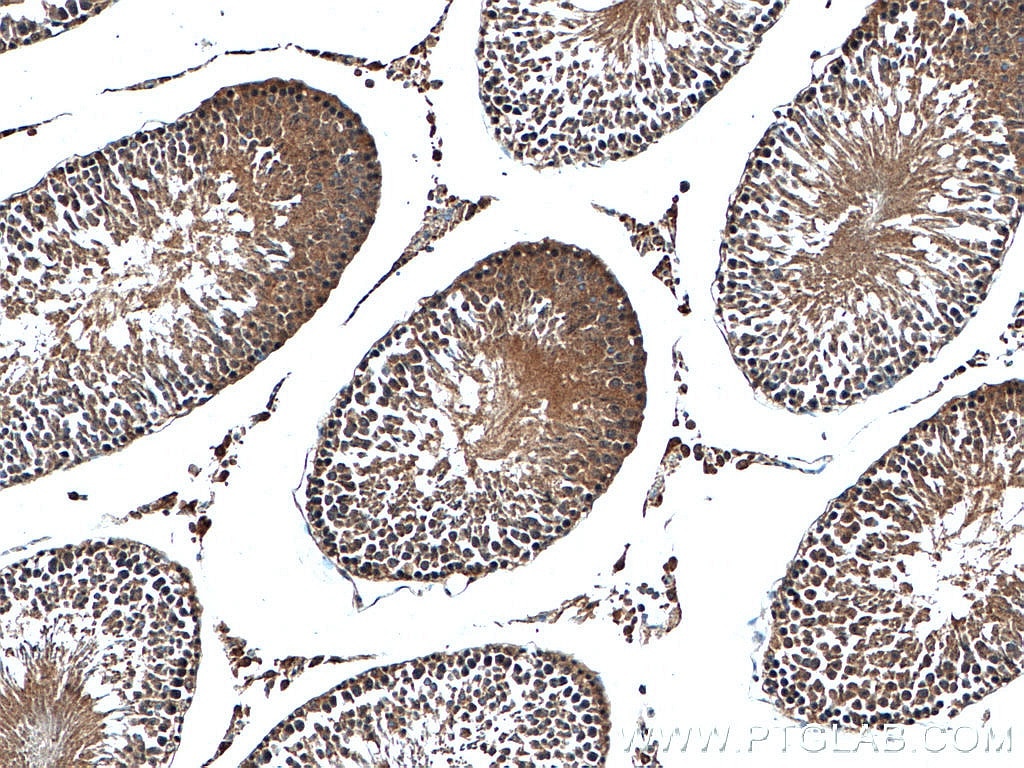
| Positive IHC detected in | human colon cancer tissue, human lung cancer tissue, human pancreas cancer tissue, mouse brain tissue, rat testis tissue Note: suggested antigen retrieval with TE buffer pH 9.0; (*) Alternatively, antigen retrieval may be performed with citrate buffer pH 6.0 |
Recommended dilution
| Application | Dilution |
|---|---|
| Western Blot (WB) | WB : 1:2000-1:12000 |
| Immunoprecipitation (IP) | IP : 0.5-4.0 ug for 1.0-3.0 mg of total protein lysate |
| Immunohistochemistry (IHC) | IHC : 1:200-1:800 |
| It is recommended that this reagent should be titrated in each testing system to obtain optimal results. | |
| Sample-dependent, Check data in validation data gallery. | |
Product Information
11576-2-AP targets OGT in WB, IHC, IF, IP, CoIP, IP-MS, ELISA applications and shows reactivity with human, mouse, rat samples.
| Tested Reactivity | human, mouse, rat |
| Cited Reactivity | human, mouse, rat, pig |
| Host / Isotype | Rabbit / IgG |
| Class | Polyclonal |
| Type | Antibody |
| Immunogen |
CatNo: Ag2160 Product name: Recombinant human OGT protein Source: e coli.-derived, PGEX-4T Tag: GST Domain: 1-400 aa of BC014434 Sequence: MASSVGNVADSTGLAELAHREYQAGDFEAAERHCMQLWRQEPDNTGVLLLLSSIHFQCRRLDRSAHFSTLAIKQNPLLAEAYSNLGNVYKERGQLQEAIEHYRHALRLKPDFIDGYINLAAALVAAGDMEGAVQAYVSALQYNPDLYCVRSDLGNLLKALGRLEEAKACYLKAIETQPNFAVAWSNLGCVFNAQGEIWLAIHHFEKAVTLDPNFLDAYINLGNVLKEARIFDRAVAAYLRALSLSPNHAVVHGNLACVYYEQGLIDLAIDTYRRAIELQPHFPDAYCNLANALKEKGSVAEAEDCYNTALRLCPTHADSLNNLANIKREQGNIEEAVRLYRKALEVFPEFAAAHSNLASVLQQQGKLQEALMHYKEAIRISPTFADAYSNMGNTLKEMQD Predict reactive species |
| Full Name | O-linked N-acetylglucosamine (GlcNAc) transferase (UDP-N-acetylglucosamine:polypeptide-N-acetylglucosaminyl transferase) |
| Calculated Molecular Weight | 1046 aa, 117 kDa |
| Observed Molecular Weight | 110 kDa |
| GenBank Accession Number | BC014434 |
| Gene Symbol | OGT |
| Gene ID (NCBI) | 8473 |
| RRID | AB_2156943 |
| Conjugate | Unconjugated |
| Form | Liquid |
| Purification Method | Antigen affinity purification |
| UNIPROT ID | O15294 |
| Storage Buffer | PBS with 0.02% sodium azide and 50% glycerol, pH 7.3. |
| Storage Conditions | Store at -20°C. Stable for one year after shipment. Aliquoting is unnecessary for -20oC storage. 20ul sizes contain 0.1% BSA. |
Background Information
O-linked N-acetylglucosamine transferase (OGT) catalyzes the attachment of N-acetylglucosamine (GlcNAc) monosaccharides to the hydroxyl group of serine or threonine residues of numerous nuclear and cytoplasmic proteins and may play important roles in a large number of diverse intracellular processes ranging from translational control, transcription, transcriptional repression, INS resistance and regulation of the cell cycle. It exists as a heterotrimeric complex with two 110 kDa and one 70 kDa subunits. Recent studies have shown that O-GlcNAcylation plays essential roles in cancer formation and progression. O-GlcNAcylation as well as OGT expression was found to be significantly elevated in the cancer tissues.
Protocols
| Product Specific Protocols | |
|---|---|
| IHC protocol for OGT antibody 11576-2-AP | Download protocol |
| IP protocol for OGT antibody 11576-2-AP | Download protocol |
| WB protocol for OGT antibody 11576-2-AP | Download protocol |
| Standard Protocols | |
|---|---|
| Click here to view our Standard Protocols |
Publications
What published studies show
The OGT Polyclonal antibody (Cat# 11576-2-AP) has accumulated 115 citations across high-impact journals including Nature Cell Biology, Nature Chemical Biology, Cell Metabolism, Nature Metabolism, EMBO Journal, PNAS, Nature Communications, Cell Death & Differentiation, and Journal of Biological Chemistry. Research fields span O-GlcNAcylation biology, oncology (liver, breast, lung, colorectal, esophageal, and ovarian cancers), cardiovascular disease, neurodegeneration, diabetes, ferroptosis, autophagy, metabolism, and inflammation.
| Species | Application | Title |
|---|---|---|
J Hepatol O-GlcNAc transferase promotes fatty liver-associated liver cancer through inducing palmitic acid and activating endoplasmic reticulum stress.
| ||
Cell Metab Protein O-GlcNAcylation and hexokinase mitochondrial dissociation drive heart failure with preserved ejection fraction | ||
Nat Metab Maternal exercise prevents metabolic disorders in offspring mice through SERPINA3C | ||
Cell Mol Immunol β-hydroxybutyrylation and O-GlcNAc modifications of STAT1 modulate antiviral defense in aging | ||
Nat Cell Biol O-GlcNAcylation determines the translational regulation and phase separation of YTHDF proteins | ||
Nat Commun Proteomic profiling and genome-wide mapping of O-GlcNAc chromatin-associated proteins reveal an O-GlcNAc-regulated genotoxic stress response. |
Reviews
What customers say
All three reviews are 5-star ratings. Users report excellent performance across multiple applications: Western blot at 1:1000 dilution, immunohistochemistry at 1:500, and immunofluorescence at 1:50 on fixed human cells. One reviewer noted clear membrane localization in IF imaging, while others described the antibody as working "well" and "perfect" for WB. No issues or negative feedback were reported. Overall, reviewers consistently found the antibody reliable and effective at the recommended dilutions for its tested applications.
The reviews below have been submitted by verified Proteintech customers who received an incentive for providing their feedback.
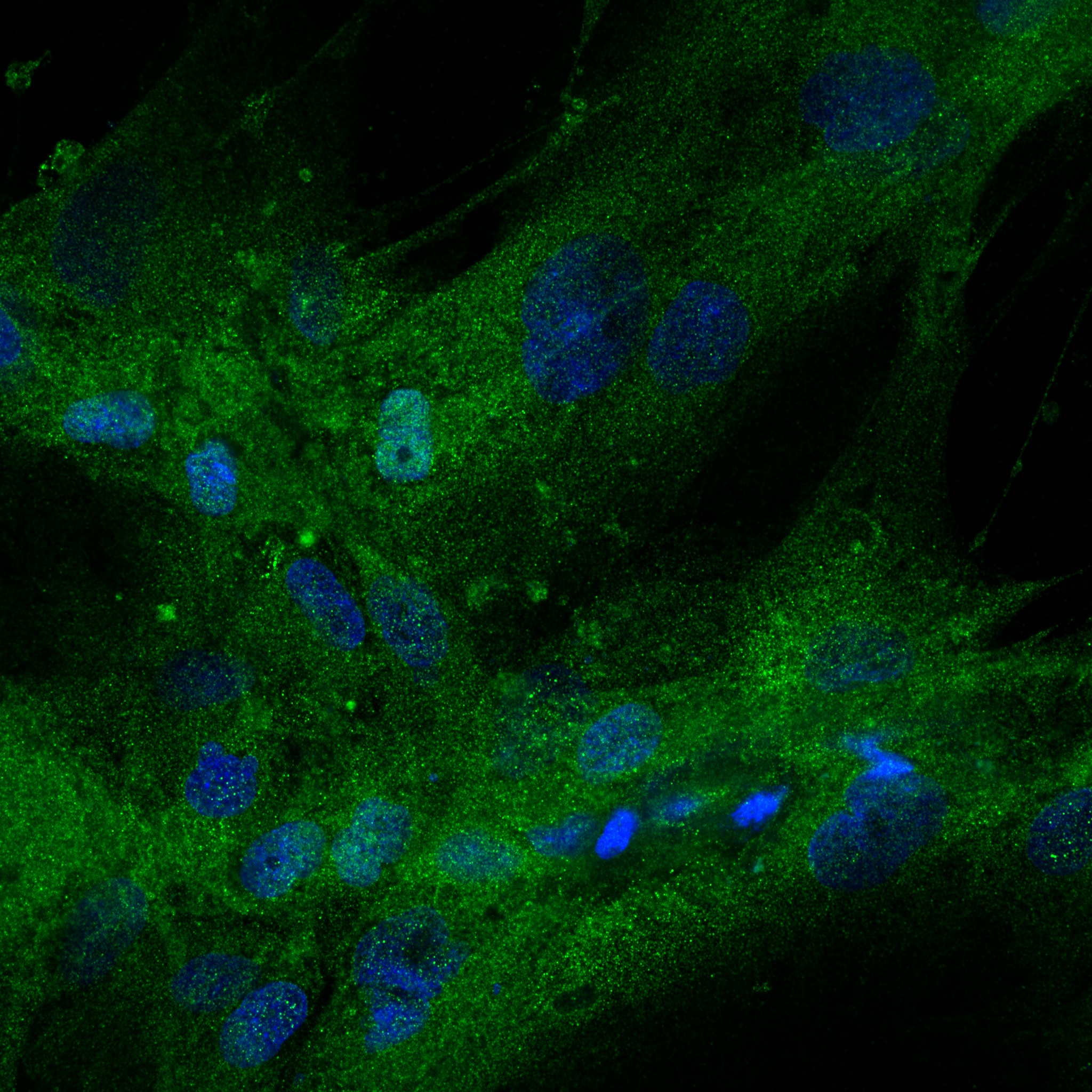
Christelle (Verified Customer) (01-13-2025) | Immunofluorescent analysis of (PFA 4%) fixed human renal mesangial cells using OGT antibody (11576-2-AP) at dilution of 1:50 and AF488-Conjugated Donkey Anti-Rabbit IgG (Life Technologies), Star Red membrane probe (Abberior, yellow) and DAPI (blue). 2 files uploaded : 1 aquisition without the membrane probe and the same aquisition with the membrane probe
 |
Sarah-Eve (Verified Customer) (06-02-2023) | Works well for WB, dilution 1:1000
|
Isha (Verified Customer) (05-18-2022) | Antibody worked perfect at 1:1000 dilution for W.B. and 1:500 for IHC
|










