

Tested Applications
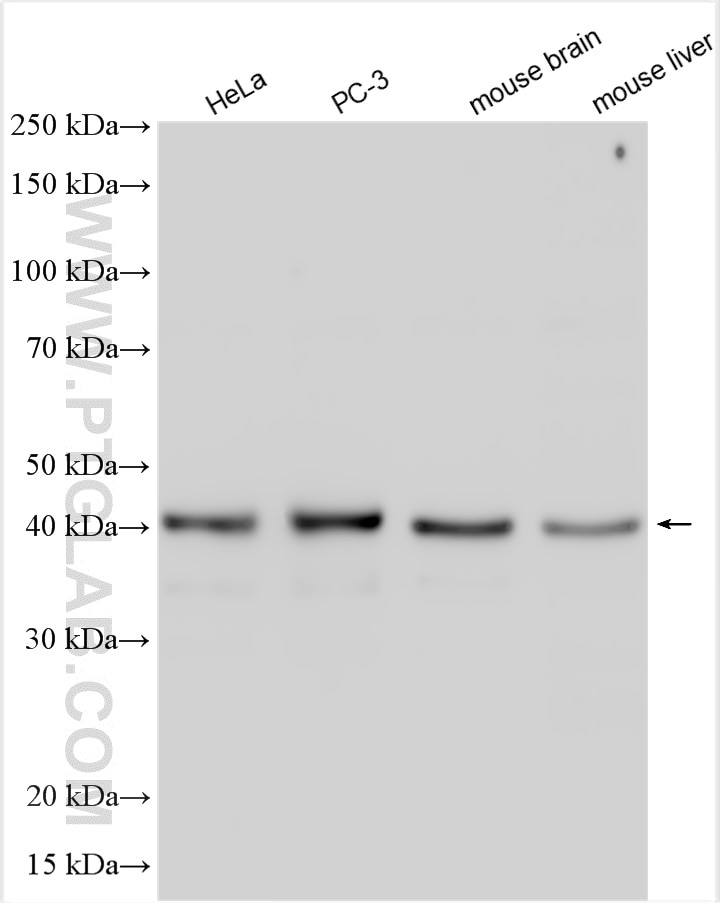
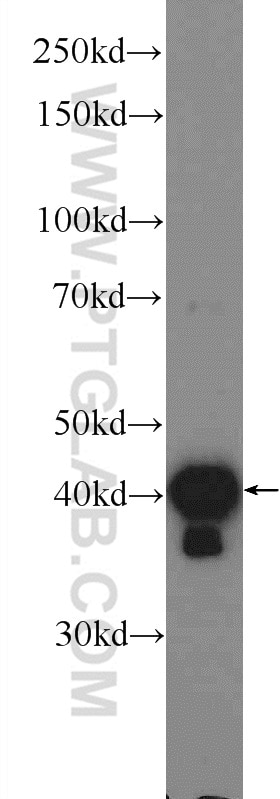
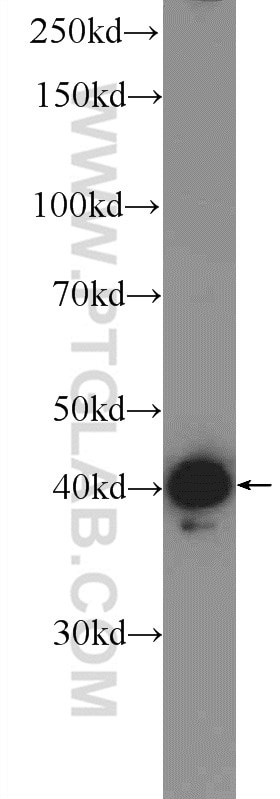
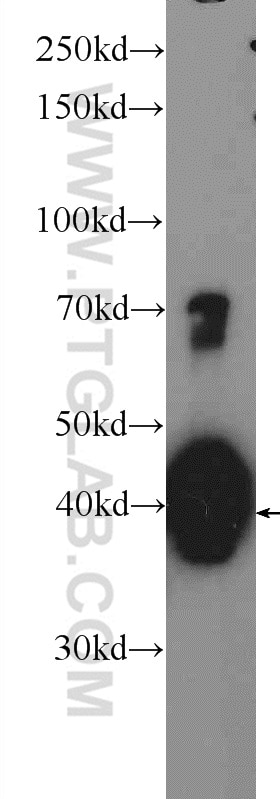
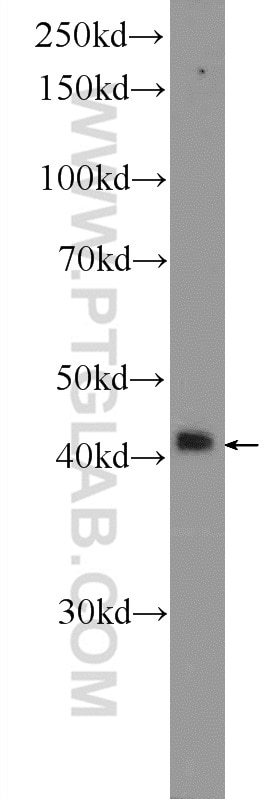
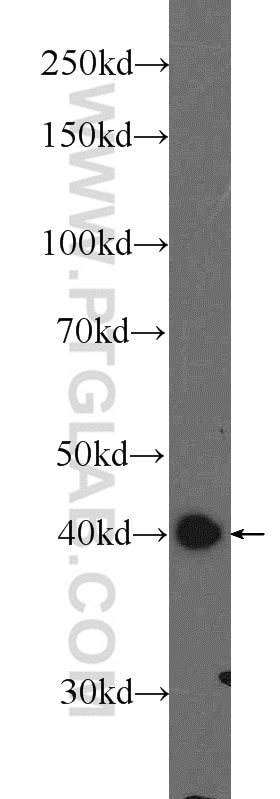
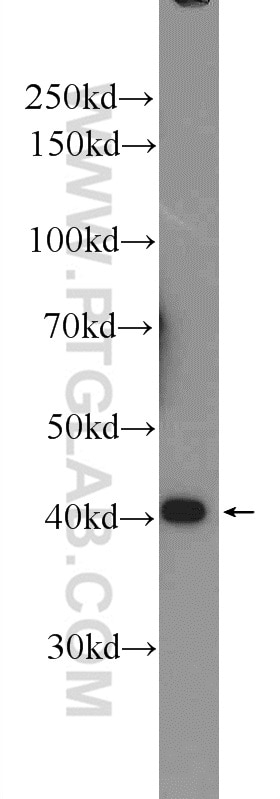
| Positive WB detected in | HeLa cells, mouse liver tissue, mouse brain tissue, PC-3 cells |
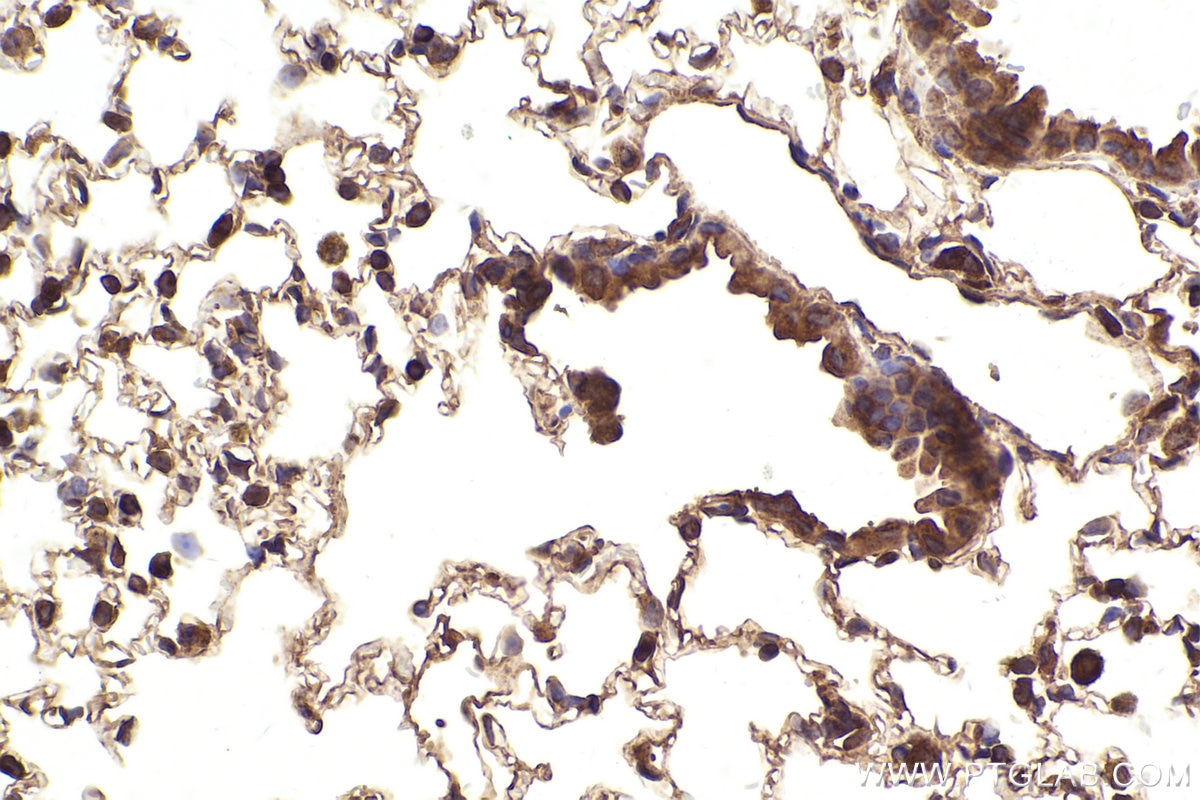
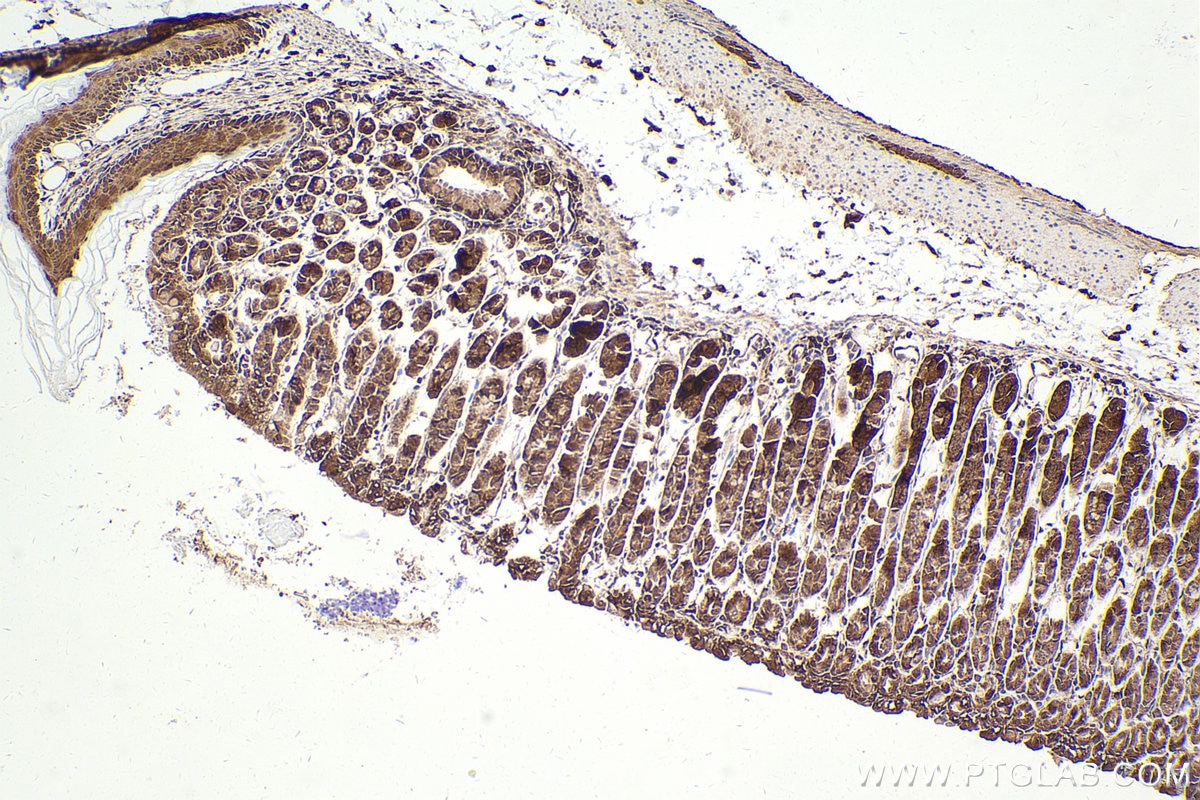
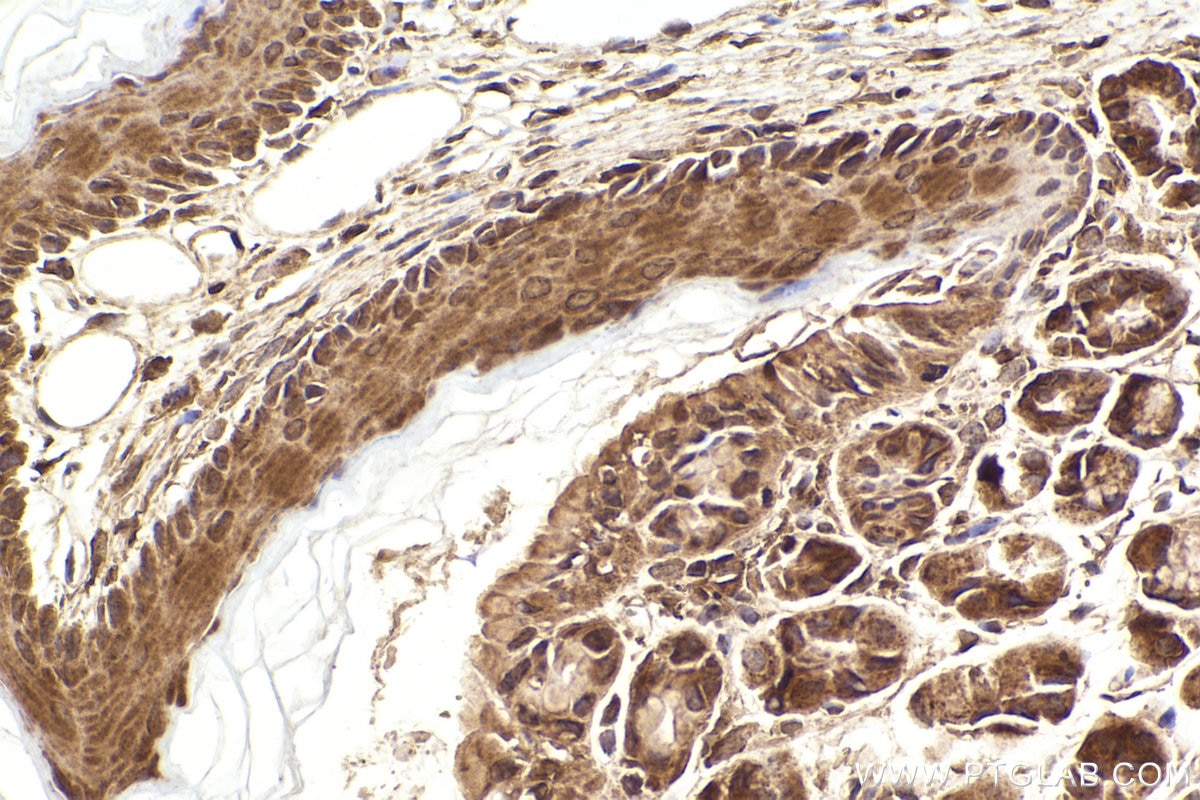
| Positive IHC detected in | mouse stomach tissue, mouse lung tissue Note: suggested antigen retrieval with TE buffer pH 9.0; (*) Alternatively, antigen retrieval may be performed with citrate buffer pH 6.0 |
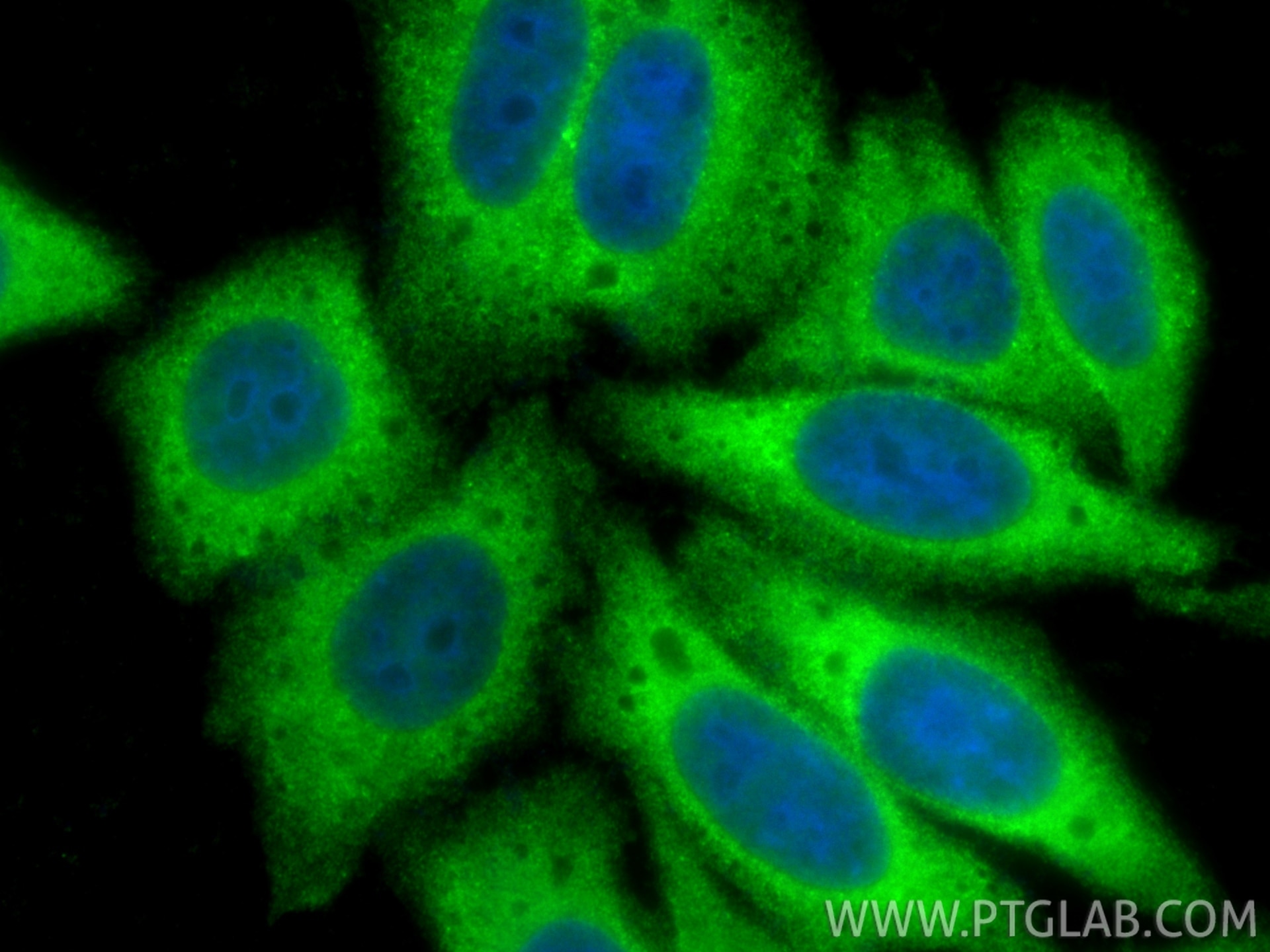
| Positive IF/ICC detected in | HepG2 cells |
Recommended dilution
| Application | Dilution |
|---|---|
| Western Blot (WB) | WB : 1:5000-1:50000 |
| Immunohistochemistry (IHC) | IHC : 1:1000-1:4000 |
| Immunofluorescence (IF)/ICC | IF/ICC : 1:200-1:800 |
| It is recommended that this reagent should be titrated in each testing system to obtain optimal results. | |
| Sample-dependent, Check data in validation data gallery. | |
Product Information
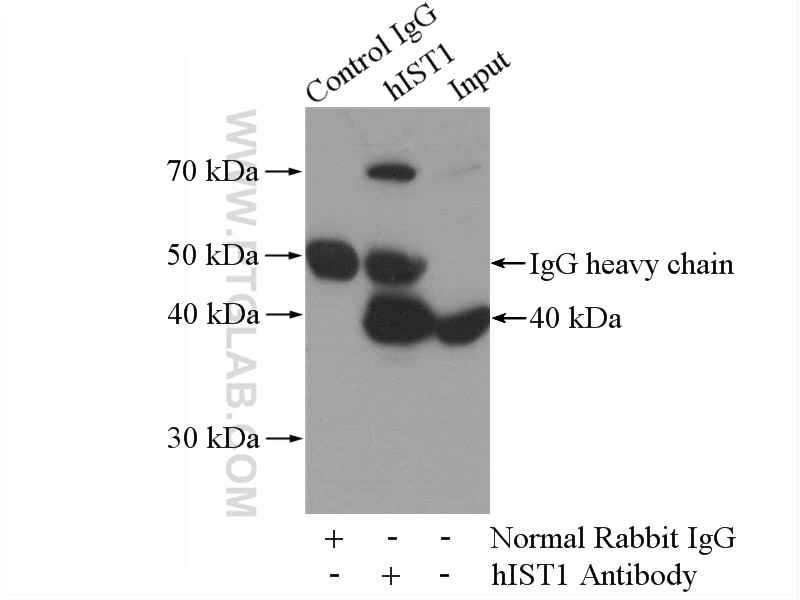
19842-1-AP targets hIST1 in WB, IHC, IF/ICC, CoIP, RIP, ELISA applications and shows reactivity with human, mouse, rat samples.
| Tested Reactivity | human, mouse, rat |
| Cited Reactivity | human, mouse |
| Host / Isotype | Rabbit / IgG |
| Class | Polyclonal |
| Type | Antibody |
| Immunogen |
CatNo: Ag13874 Product name: Recombinant human hIST1 protein Source: e coli.-derived, PGEX-4T Tag: GST Domain: 1-335 aa of BC000116 Sequence: MLGSGFKAERLRVNLRLVINRLKLLEKKKTELAQKARKEIADYLAAGKDERARIRVEHIIREDYLVEAMEILELYCDLLLARFGLIQSMKELDSGLAESVSTLIWAAPRLQSEVAELKIVADQLCAKYSKEYGKLCRTNQIGTVNDRLMHKLSVEAPPKILVERYLIEIAKNYNVPYEPDSVVMAEAPPGVETDLIDVGFTDDVKKGGPGRGGSGGFTAPVGGPDGTVPMPMPMPMPMPSANTPFSYPLPKGPVDDINADKNISSAQIVGPGPKPEASAKLPSRPADNYDNFVLPELPSVPDTLPTASAGASTSASEDIDFDDLSRRFEELKKKT Predict reactive species |
| Full Name | KIAA0174 |
| Calculated Molecular Weight | 364 aa, 40 kDa |
| Observed Molecular Weight | 40 kDa |
| GenBank Accession Number | BC000116 |
| Gene Symbol | hIST1 |
| Gene ID (NCBI) | 9798 |
| RRID | AB_2878612 |
| Conjugate | Unconjugated |
| Form | Liquid |
| Purification Method | Antigen affinity purification |
| UNIPROT ID | P53990 |
| Storage Buffer | PBS with 0.02% sodium azide and 50% glycerol, pH 7.3. |
| Storage Conditions | Store at -20°C. Stable for one year after shipment. Aliquoting is unnecessary for -20oC storage. 20ul sizes contain 0.1% BSA. |
Protocols
| Product Specific Protocols | |
|---|---|
| IF protocol for hIST1 antibody 19842-1-AP | Download protocol |
| IHC protocol for hIST1 antibody 19842-1-AP | Download protocol |
| IP protocol for hIST1 antibody 19842-1-AP | Download protocol |
| WB protocol for hIST1 antibody 19842-1-AP | Download protocol |
| Standard Protocols | |
|---|---|
| Click here to view our Standard Protocols |
Publications
What published studies show
The hIST1 (IST1) Polyclonal antibody (Cat# 19842-1-AP) has 17 citations. These appear in journals including Nature, Science, Cell Research, Autophagy, Nature Communications, PNAS, Developmental Cell, Cell Reports, EMBO Reports, mBio, Journal of Neurochemistry, Traffic, iScience, and bioRxiv. Research fields span lysosomal/endosomal membrane repair, ESCRT machinery, autophagy, cancer progression, and neurobiology.
| Species | Application | Title |
|---|---|---|
Cell Res Repair of damaged lysosomes by TECPR1-mediated membrane tubulation during energy crisis. | ||
Autophagy ATP6V1D drives hepatocellular carcinoma stemness and progression via both lysosome acidification-dependent and -independent mechanisms | ||
Nat Commun Impaired α -Synuclein aggregate clearance in neuronal cells drive their spread to microglia through tunneling nanotubes. | ||
Nat Commun VPS13C/PARK23 initiates lipid transfer and membrane remodeling for efficient lysosomal repair. |
Reviews
What customers say
The single available review rates the product 5 out of 5 stars. The reviewer found it performed very well for immunofluorescence, using a 1:1000 dilution on HAP1 and eHAP cells. Overall, the feedback is positive, highlighting strong IF performance at a standard dilution.
The reviews below have been submitted by verified Proteintech customers who received an incentive for providing their feedback.
Lianna (Verified Customer) (07-17-2025) | Looks very good for immunofluorescence
|













