

Product Information
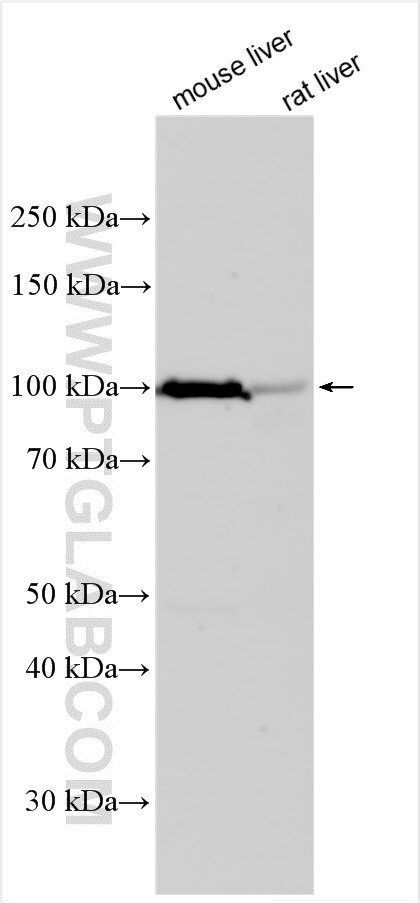
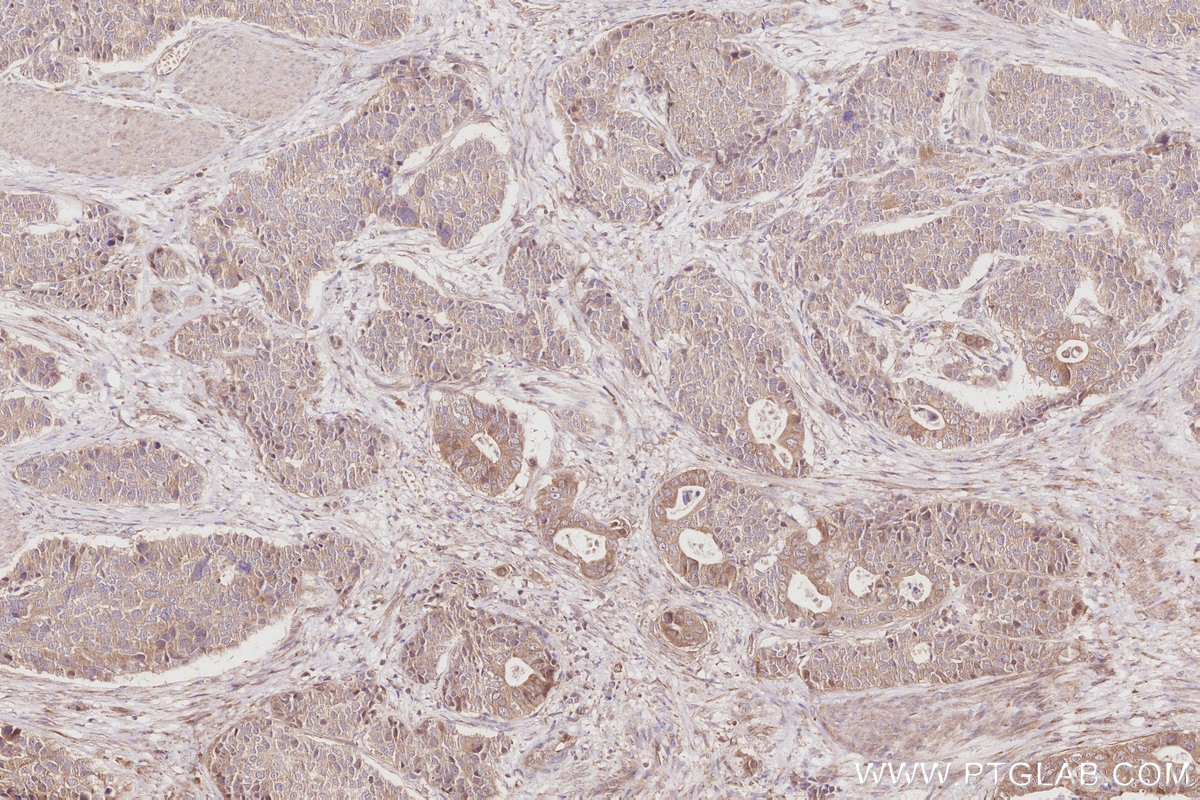
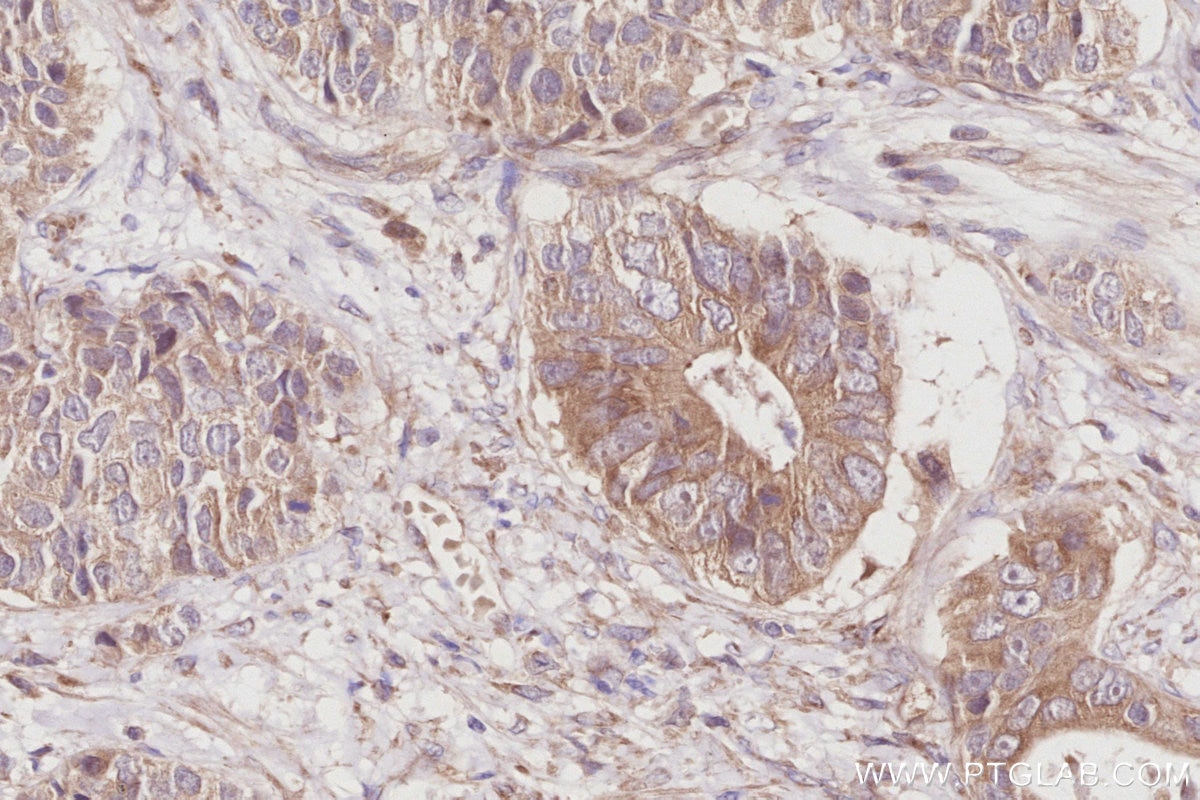
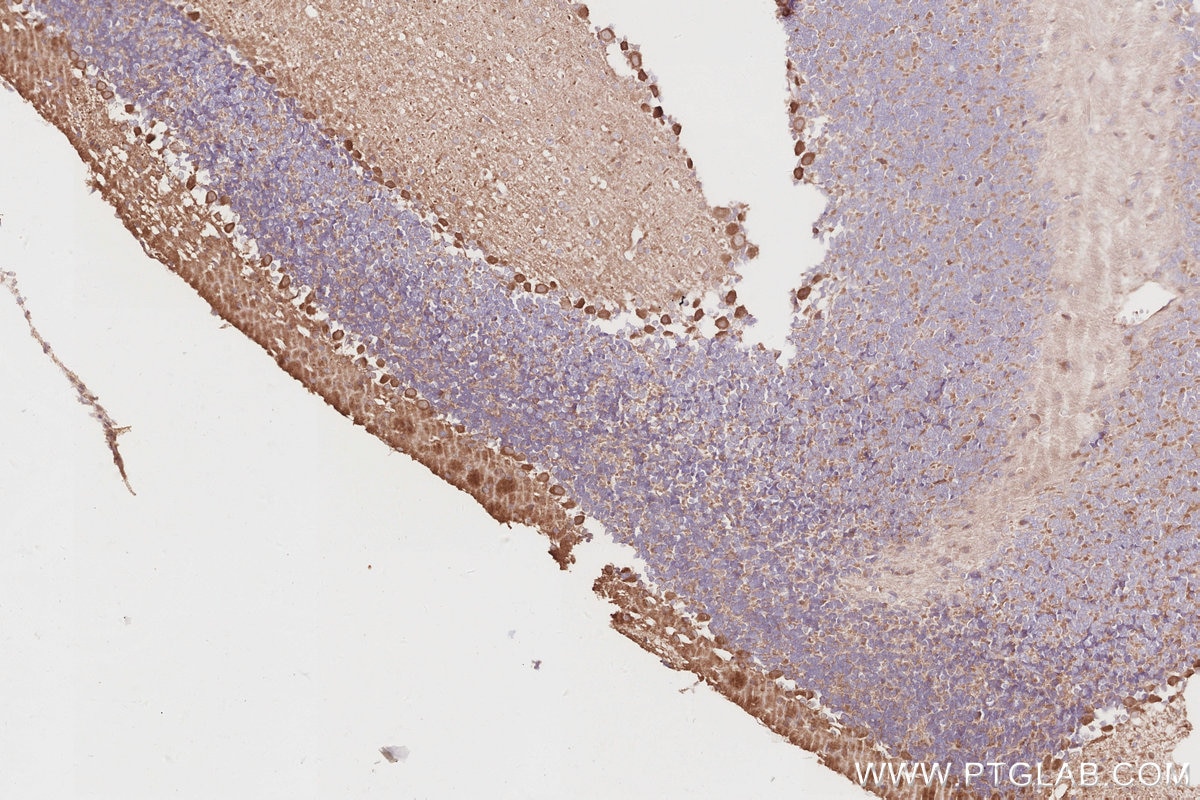
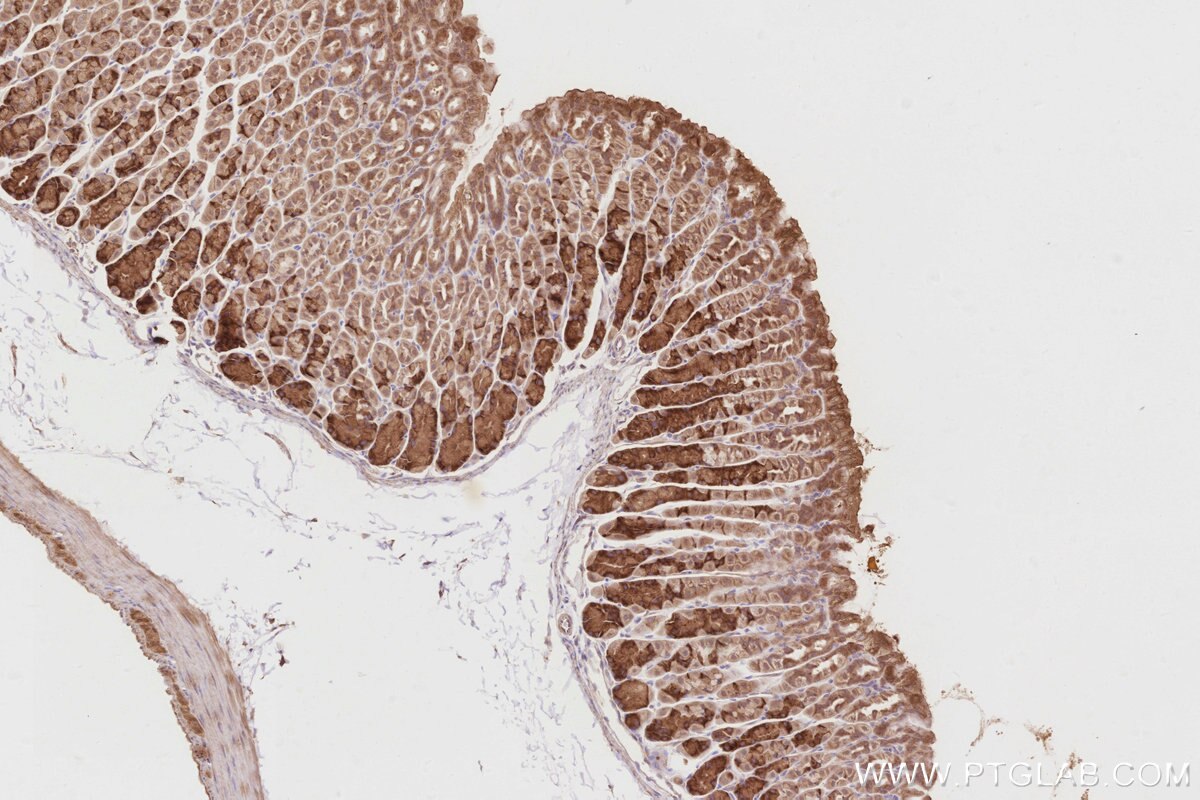
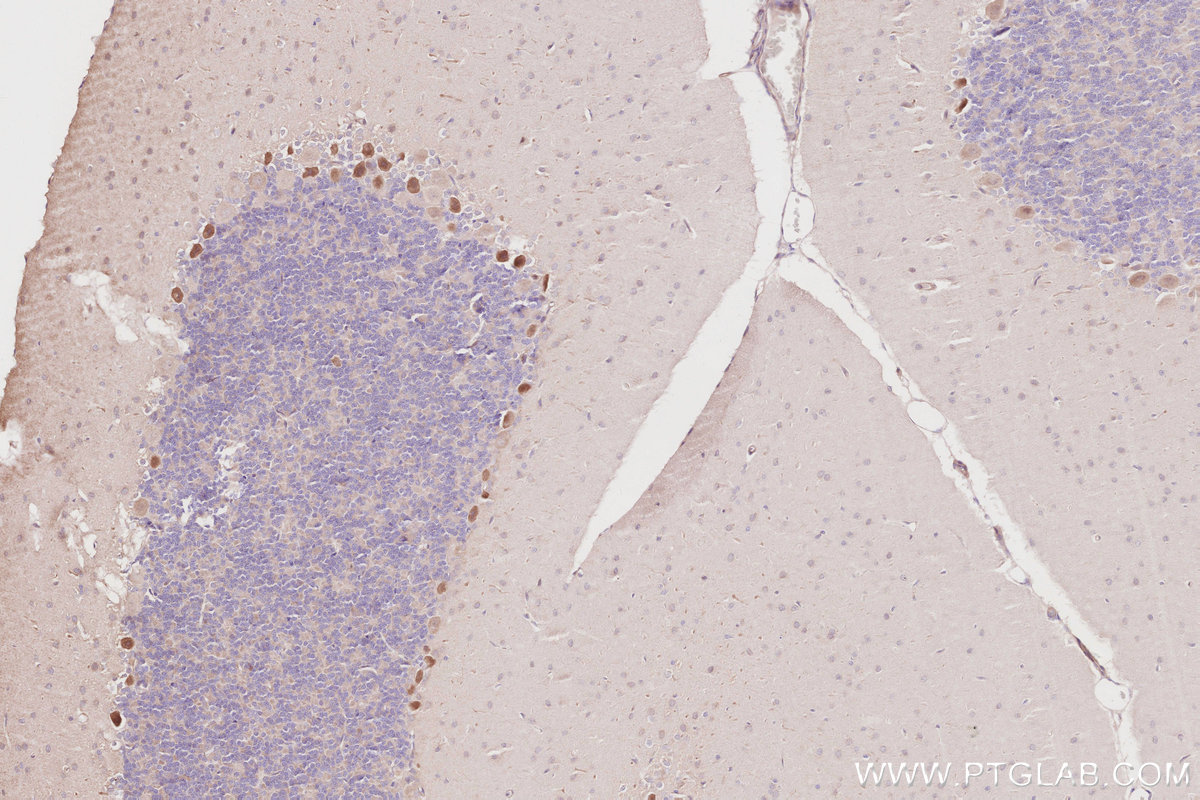
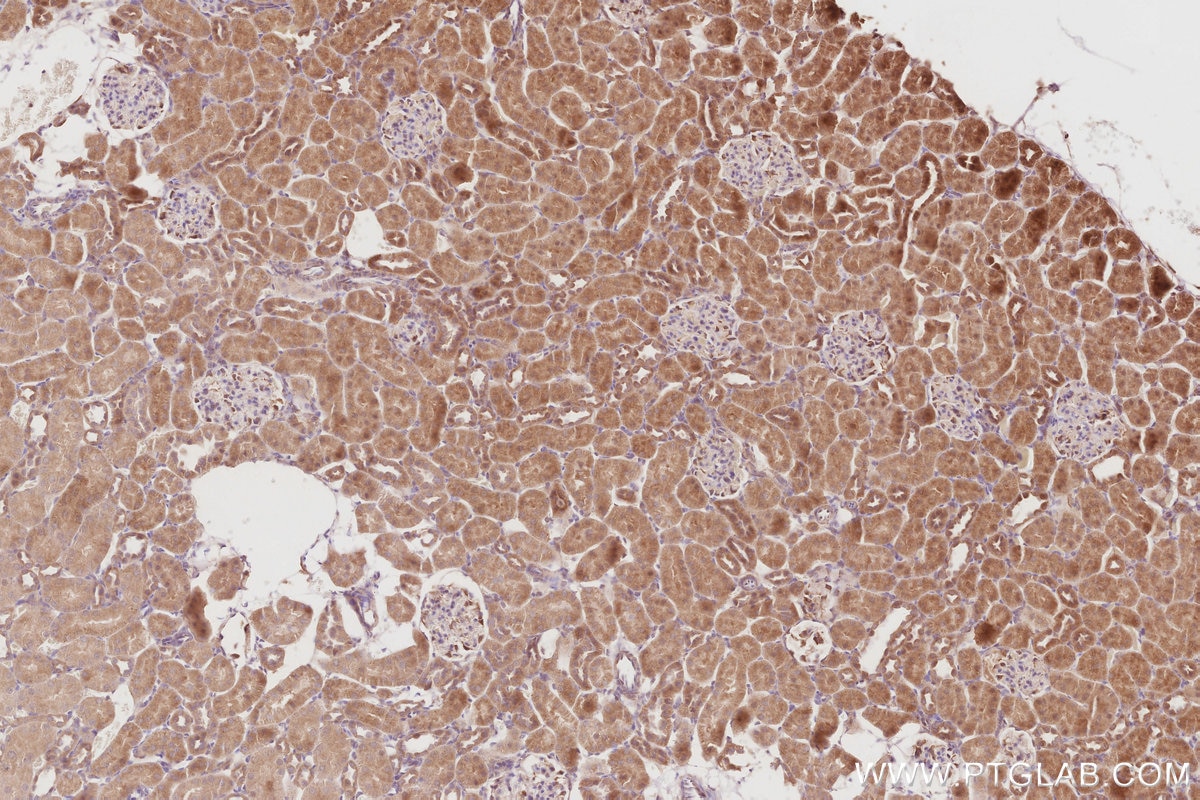
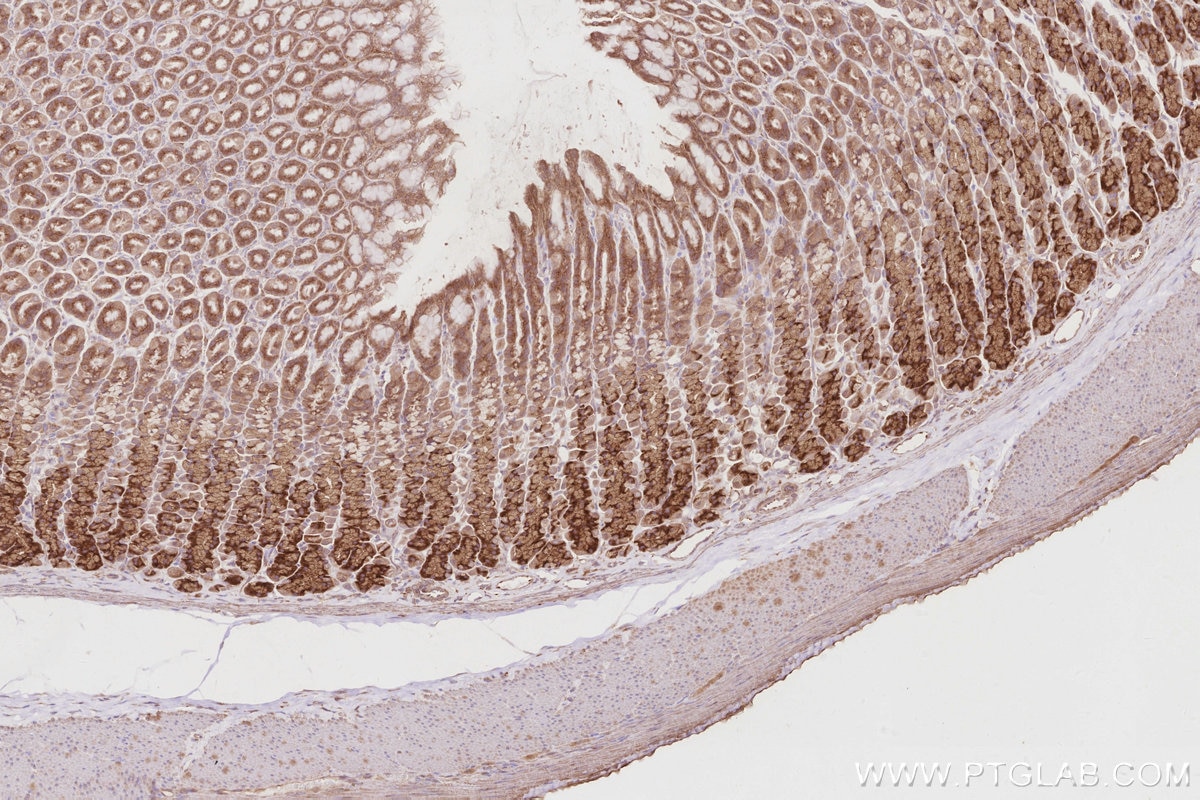
27870-1-PBS targets OSBPL5 in WB, IHC, Indirect ELISA applications and shows reactivity with human, mouse, rat samples.
| Tested Reactivity | human, mouse, rat |
| Host / Isotype | Rabbit / IgG |
| Class | Polyclonal |
| Type | Antibody |
| Immunogen |
CatNo: Ag27304 Product name: Recombinant human OSBPL5 protein Source: e coli.-derived, PET28a Tag: 6*His Domain: 585-836 aa of BC032646 Sequence: ISGKITSGEEVLASLSGHWDRDVFIKEEGSGSSALFWTPSGEVRRQRLRQHTVPLEEQTELESERLWQHVTRAISKGDQHRATQEKFALEEAQRQRARERQESLMPWKPQLFHLDPITQEWHYRYEDHSPWDPLKDIAQFEQDGILRTLQQEAVARQTTFLGSPGPRHERSGPDQRLRKASDQPSGHSQATESSGSTPESCPELSDEEQDGDFVPGGESPCPRCRKEARRLQALHEAILSIREAQQELHRHL Predict reactive species |
| Full Name | oxysterol binding protein-like 5 |
| Calculated Molecular Weight | 811 aa, 91 kDa |
| Observed Molecular Weight | 100 kDa |
| GenBank Accession Number | BC032646 |
| Gene Symbol | OSBPL5 |
| Gene ID (NCBI) | 114879 |
| RRID | AB_3669627 |
| Conjugate | Unconjugated |
| Form | Liquid |
| Purification Method | Antigen affinity purification |
| UNIPROT ID | Q9H0X9 |
| Storage Buffer | PBS only, pH 7.3. |
| Storage Conditions | Store at -80°C. |
Background Information
OSBPL5, also known as oxysterol binding protein like 5, is a protein-coding gene in humans. It is a member of the oxysterol-binding protein (OSBP) family, which consists of intracellular lipid receptors that play a crucial role in maintaining cholesterol balance in the body. It is expressed ubiquitously in various tissues, including the spleen and endometrium. OSBPL5 is classified as a plasma protein and transporter, with a predicted subcellular location in the membrane and intracellular compartments. The protein has been implicated in several biological processes and is involved in the transport of lipids and other molecules between organelles. In terms of disease association, OSBPL5 has been linked to conditions such as Lenz-Majewski hyperostotic dwarfism. Additionally, the OSBPL family of proteins, including OSBPL5, has been suggested to play a role in cancer development, although specific roles in different types of cancer are still being investigated (PMID: 36918840). The molecular weight of OSBPL5 is 98 kDa.









