

Tested Applications
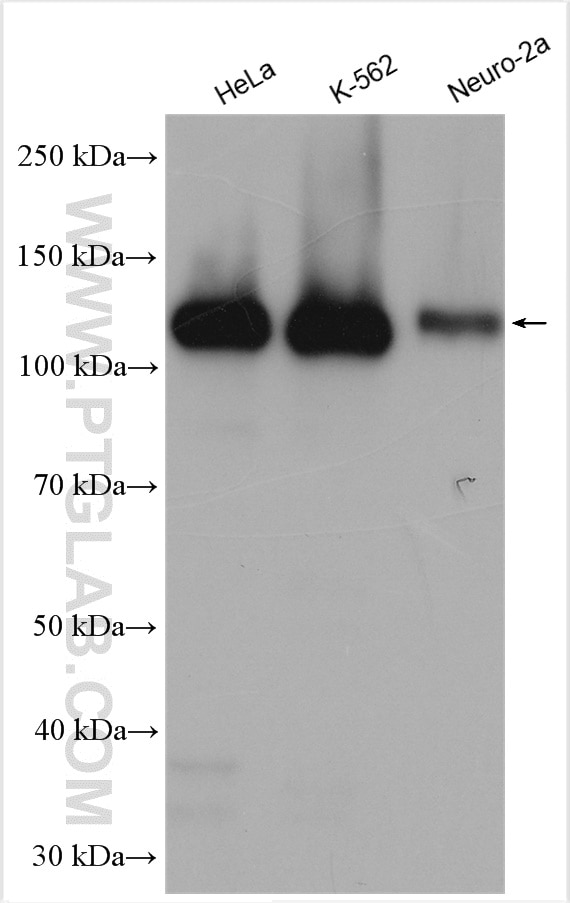
| Positive WB detected in | HeLa cells, K-562 cells, Neuro-2a cells |
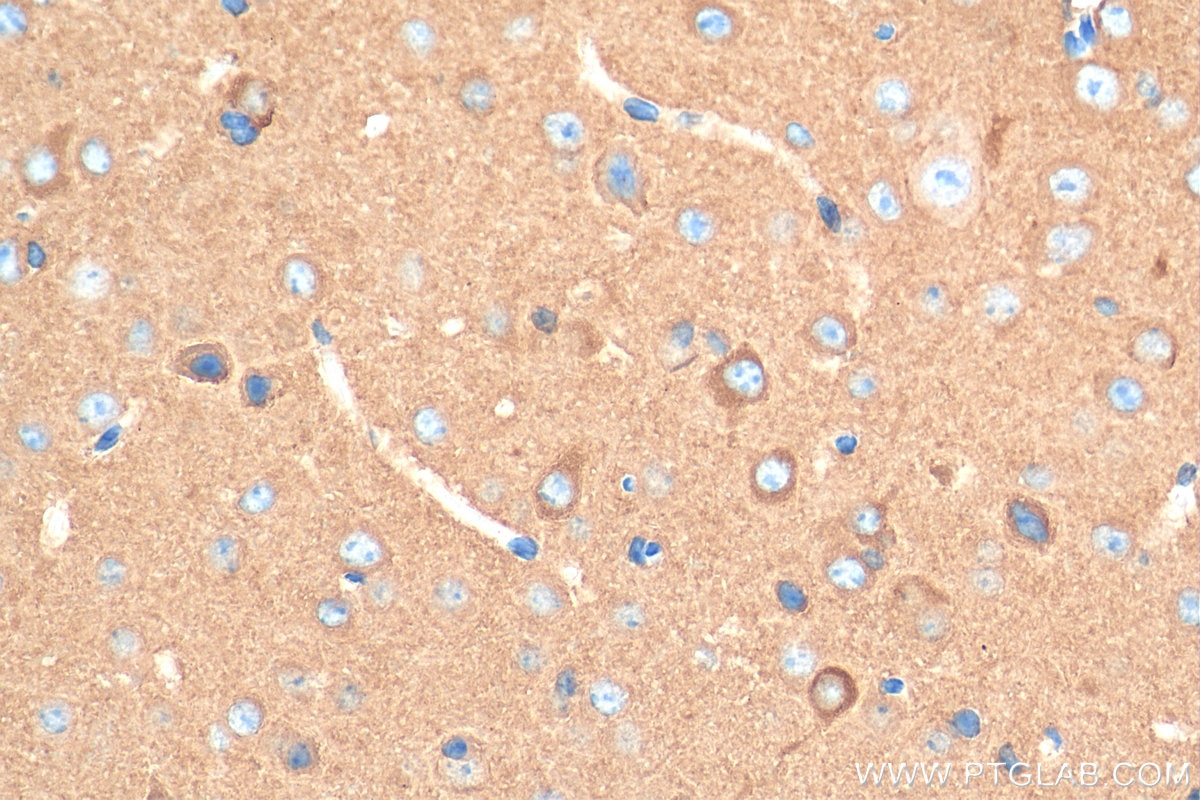
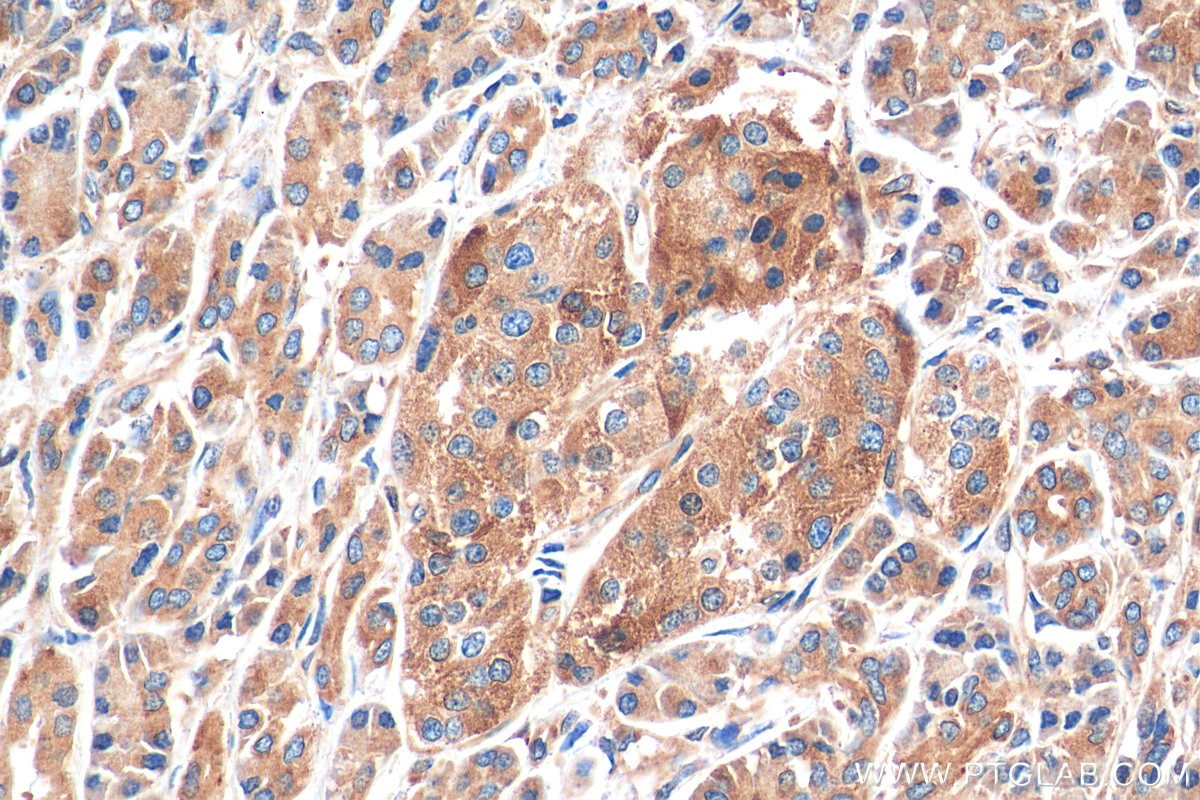
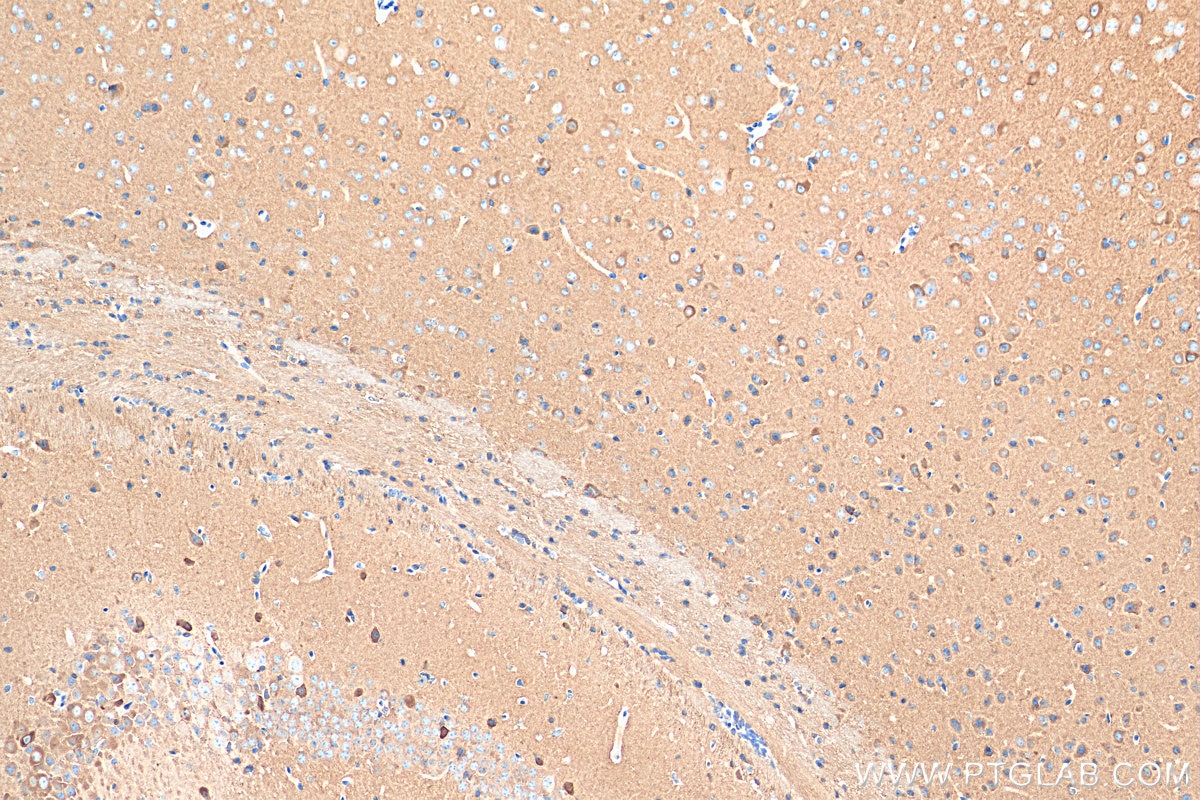
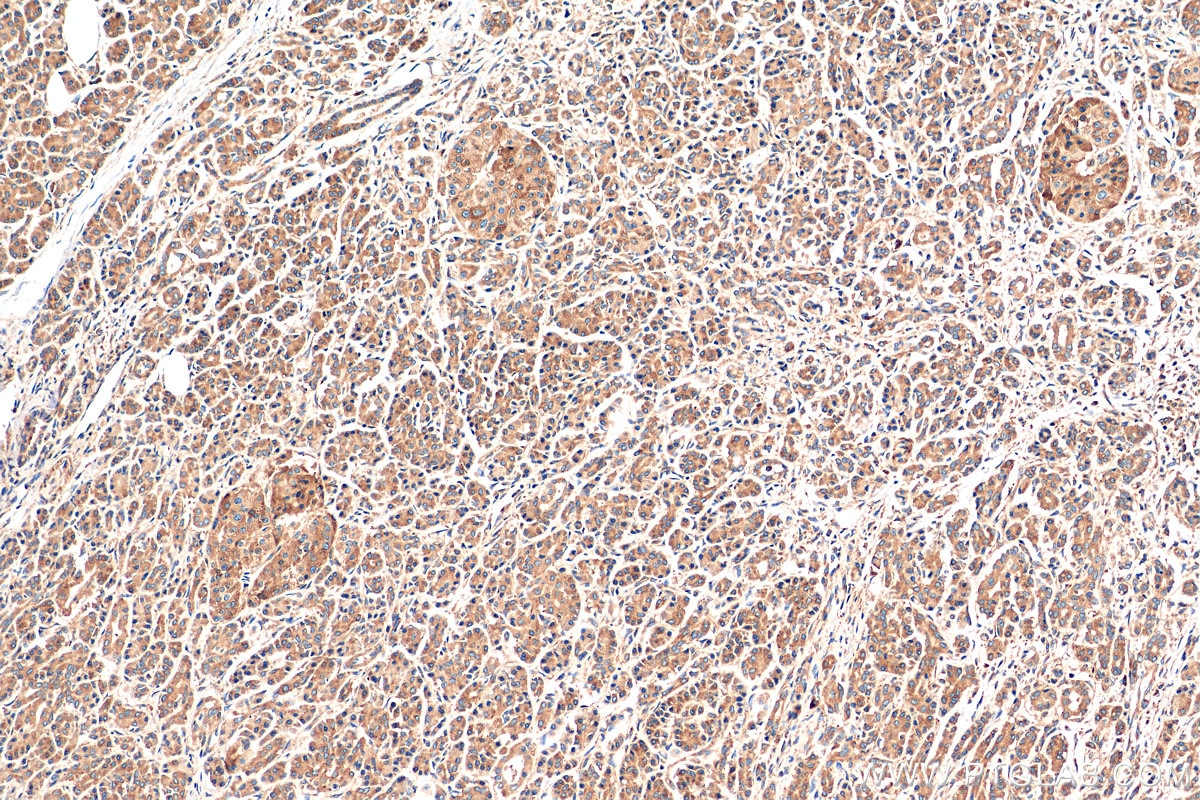
| Positive IHC detected in | human pancreas cancer tissue, mouse brain tissue Note: suggested antigen retrieval with TE buffer pH 9.0; (*) Alternatively, antigen retrieval may be performed with citrate buffer pH 6.0 |
Recommended dilution
| Application | Dilution |
|---|---|
| Western Blot (WB) | WB : 1:2000-1:16000 |
| Immunohistochemistry (IHC) | IHC : 1:50-1:500 |
| It is recommended that this reagent should be titrated in each testing system to obtain optimal results. | |
| Sample-dependent, Check data in validation data gallery. | |
Product Information
13514-1-AP targets OXR1 in WB, IHC, IF, IP, ELISA applications and shows reactivity with human, mouse samples.
| Tested Reactivity | human, mouse |
| Cited Reactivity | human, mouse, rat |
| Host / Isotype | Rabbit / IgG |
| Class | Polyclonal |
| Type | Antibody |
| Immunogen |
CatNo: Ag4439 Product name: Recombinant human OXR1 protein Source: e coli.-derived, PGEX-4T Tag: GST Domain: 1-351 aa of BC032710 Sequence: MSFQKPKGTIEYTVESRDSLNSIALKFDTTPNELVQLNKLFSRAVVTGQVLYVPDPEYVSSVESSPSLSPVSPLSPTSSEAEFDKTTNPDVHPTEATPSSTFTGIRPARVVSSTSEEEEAFTEKFLKINCKYITSGKGTVSGVLLVTPNNIMFDPHKNDPLVQENGCEEYGIMCPMEEVMSAAMYKEILDSKIKESLPIDIDQLSGRDFCHSKKMTGSNTEEIDSRIRDAGNDSASTAPRSTEESLSEDVFTESELSPIREELVSSDELRQDKSSGASSESVQTVNQAEVESLTVKSESTGTPGHLRSDTEHSTNEVGTLCHKTDLNNLEMAIKEDQIADNFQGISGPKED Predict reactive species |
| Full Name | oxidation resistance 1 |
| Calculated Molecular Weight | 758 aa, 85 kDa |
| Observed Molecular Weight | 120-140 kDa |
| GenBank Accession Number | BC032710 |
| Gene Symbol | OXR1 |
| Gene ID (NCBI) | 55074 |
| RRID | AB_2877956 |
| Conjugate | Unconjugated |
| Form | Liquid |
| Purification Method | Antigen affinity purification |
| UNIPROT ID | Q8N573 |
| Storage Buffer | PBS with 0.02% sodium azide and 50% glycerol, pH 7.3. |
| Storage Conditions | Store at -20°C. Stable for one year after shipment. Aliquoting is unnecessary for -20oC storage. 20ul sizes contain 0.1% BSA. |
Background Information
Oxidation resistance protein 1 (OXR1) belongs to the OXR1 family. The major function of OXR1 is to control the expression of genes that alleviate oxidative stress by increasing cellular resistance to reactive oxygen species (ROS) and the stress these molecules cause the cell. OXR1's ability to reduce oxidative stress and neurodegeneration in multiple diseases strongly suggests that it can be an effective therapeutic target (PMID: 33384581).Biochemical experiments show that OXR1 inhibits V1-ATPase and causes disassembly of the holoenzyme, suggesting that OXR1 plays a direct role in V-ATPase regulation (PMID: 34918374). OXR1 has 8 isoforms with the molecular mass of 25, 28, 34, 56, 94, 95 and 98 kDa. Sometimes higher molecular weight around 120-140 kDa can also be observed, which may be a modified variant of OXR1.
Protocols
| Product Specific Protocols | |
|---|---|
| IHC protocol for OXR1 antibody 13514-1-AP | Download protocol |
| WB protocol for OXR1 antibody 13514-1-AP | Download protocol |
| Standard Protocols | |
|---|---|
| Click here to view our Standard Protocols |
Publications
What published studies show
The OXR1 Polyclonal antibody (Cat# 13514-1-AP) has 12 citations published in journals including Redox Biology, PNAS, Antioxidants, Cell & Molecular Life Sciences, Experimental Neurology, Journal of Inflammation Research, Brain Research Bulletin, Frontiers in Molecular Biosciences, and Physiological Reports. Research fields span oxidative stress, neuroinflammation, spinal cord injury, Golgi glycosylation, cerebellar development, ischemic neuronal injury, pancreatic cancer, cerebral hypoperfusion, vascular smooth muscle apoptosis, chronic rhinosinusitis, and aerobic/anaerobic metabolism.
| Species | Application | Title |
|---|---|---|
Redox Biol Iridium metal complex targeting oxidation resistance 1 protein attenuates spinal cord injury by inhibiting oxidative stress-associated reactive oxygen species | ||
Proc Natl Acad Sci U S A Oxr1 and Ncoa7 regulate V-ATPase to achieve optimal pH for glycosylation within the Golgi apparatus and trans-Golgi network
| ||
Antioxidants (Basel) Neuroinflammation and Lysosomal Abnormalities Characterise the Essential Role for Oxidation Resistance 1 in the Developing and Adult Cerebellum
| ||
Neurosci Bull MicroRNA-365 Knockdown Prevents Ischemic Neuronal Injury by Activating Oxidation Resistance 1-Mediated Antioxidant Signals. | ||
Cell Mol Life Sci The Ncoa7 locus regulates V-ATPase formation and function, neurodevelopment and behaviour. | ||
Biochim Biophys Acta Mol Basis Dis PIM1 protects pancreatic ductal cancer cells from glucose deprivation-induced oxidative stress via OXR1 phosphorylation. |






