
Product Information
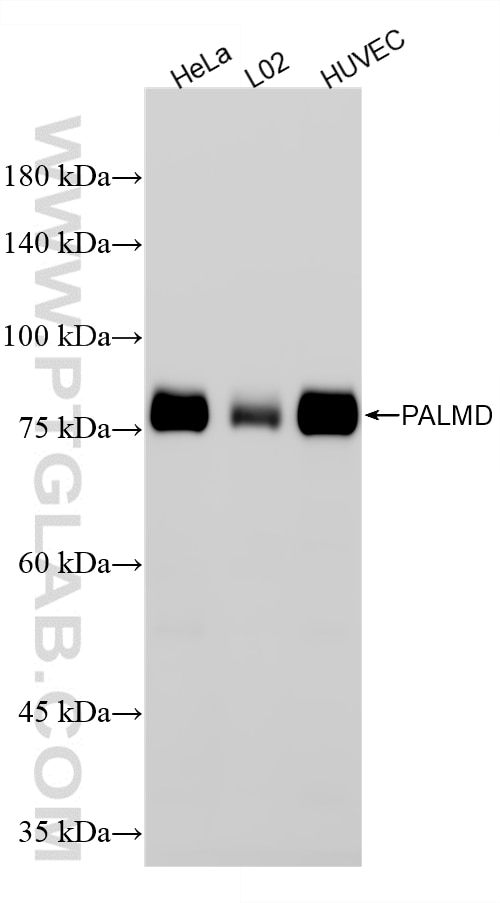
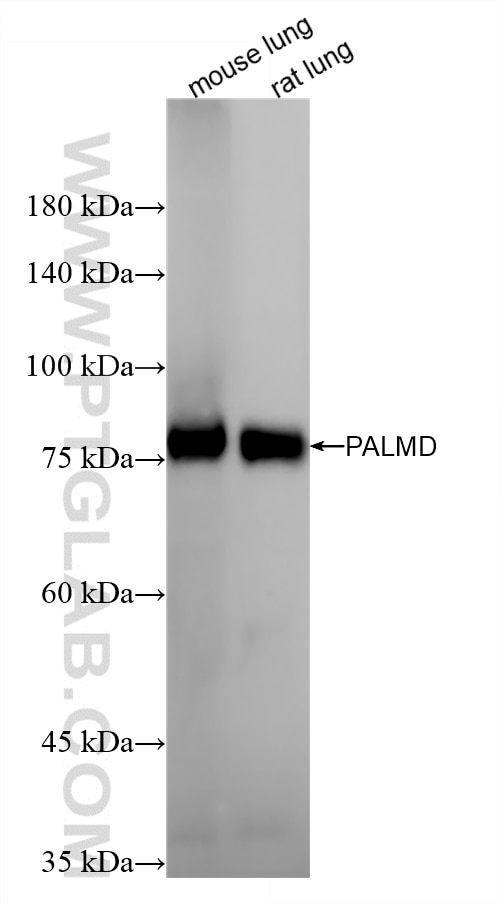
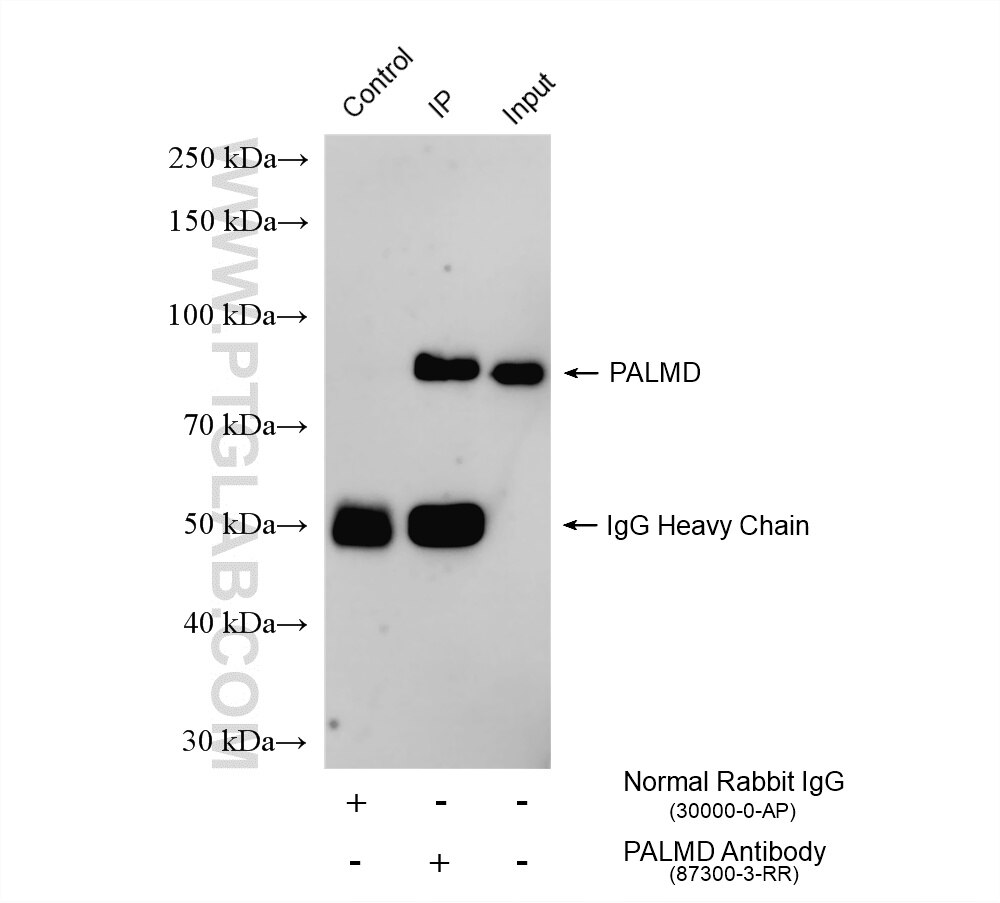
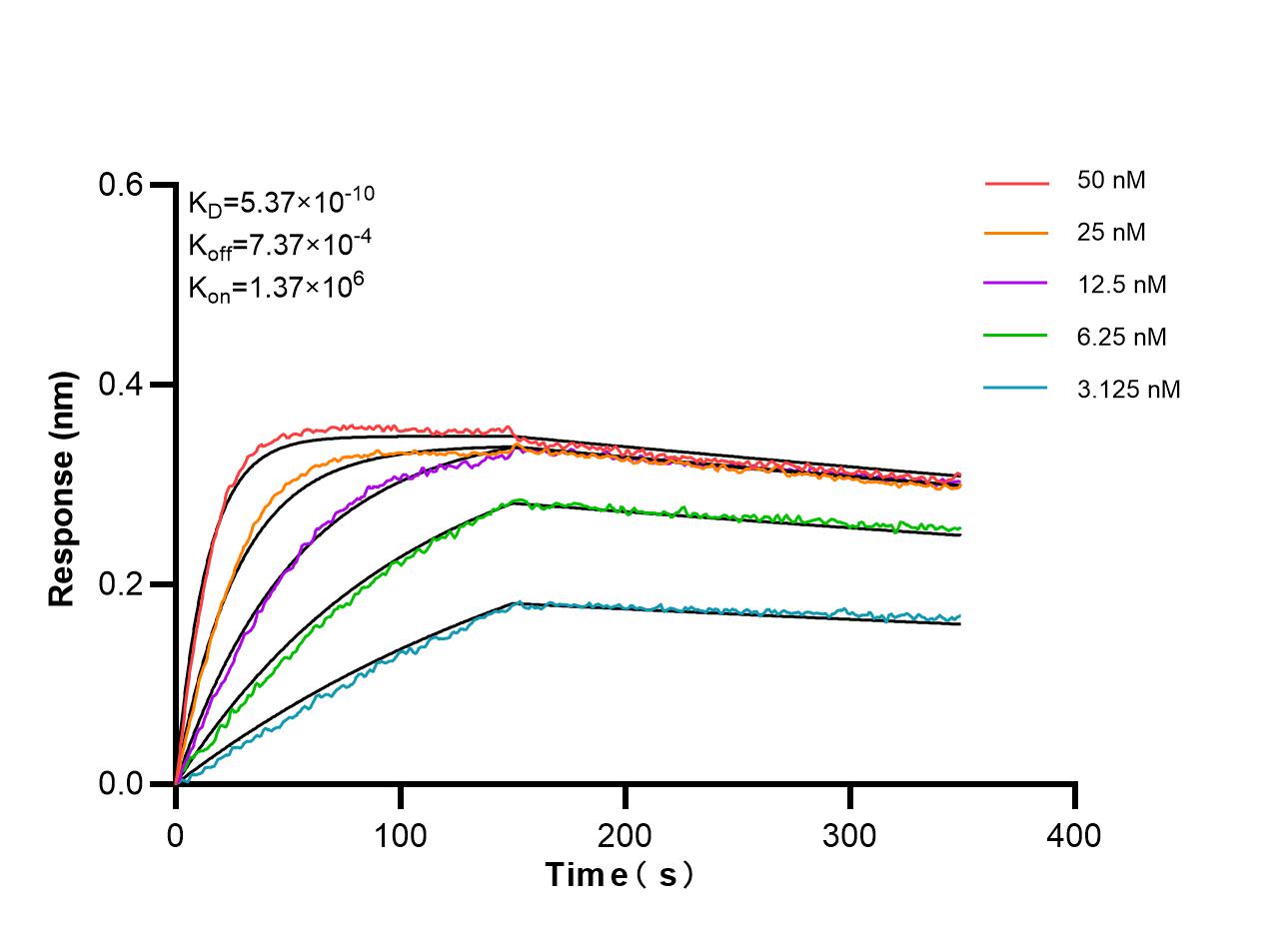
87300-3-PBS targets PALMD in WB, IP, Indirect ELISA applications and shows reactivity with human, mouse, rat samples.
| Tested Reactivity | human, mouse, rat |
| Host / Isotype | Rabbit / IgG |
| Class | Recombinant |
| Type | Antibody |
| Immunogen |
CatNo: Ag9796 Product name: Recombinant human PALMD protein Source: e coli.-derived, T-HIS Tag: 6*His Domain: 218-551 aa of BC012570 Sequence: YAVSSNHSAAYNGTDGLAPVEVEELLRQASERNSKSPTEYHEPVYANPFYRPTTPQRETVTPGPNFQERIKIKTNGLGIGVNESIHNMGNGLSEERGNNFNHISPIPPVPHPRSVIQQAEEKLHTPQKRLMTPWEESNVMQDKDAPSPKPRLSPRETIFGKSEHQNSSPTCQEDEEDVRYNIVHSLPPDINDTEPVTMIFMGYQQAEDSEEDKKFLTGYDGIIHAELVVIDDEEEEDEGEAEKPSYHPIAPHSQVYQPAKPTPLPRKRSEASPHENTNHKSPHKNSISLKEQEESLGSPVHHSPFDAQTTGDGTEDPSLTALRMRMAKLGKKVI Predict reactive species |
| Full Name | palmdelphin |
| Calculated Molecular Weight | 551 aa, 63 kDa |
| Observed Molecular Weight | 80 kDa |
| GenBank Accession Number | BC012570 |
| Gene Symbol | PALMD |
| Gene ID (NCBI) | 54873 |
| RRID | AB_3745455 |
| Conjugate | Unconjugated |
| Form | Liquid |
| Purification Method | Protein A purification |
| UNIPROT ID | Q9NP74 |
| Storage Buffer | PBS only, pH 7.3. |
| Storage Conditions | Store at -80°C. |
Background Information
Palmdelphin, encoded by PALMD gene, is a newly identified cytosolic isoform of paralemmin-1, a lipid raft-associated protein implicated in cell shape control. Paralemmin (Palm) is a prenyl-palmitoyl anchored membrane protein that can drive membrane and process formation in neurons. Previous finding suggest that palmdelphin may peripherally associate with endomembranes or cytoskeleton-linked structures. Palmdelphin appears to be 80 kDa in Western blotting, larger than the predicated of 63 kDa, and this may be due to the acidic nature of this protein or its posttranslational modification.





