

Tested Applications
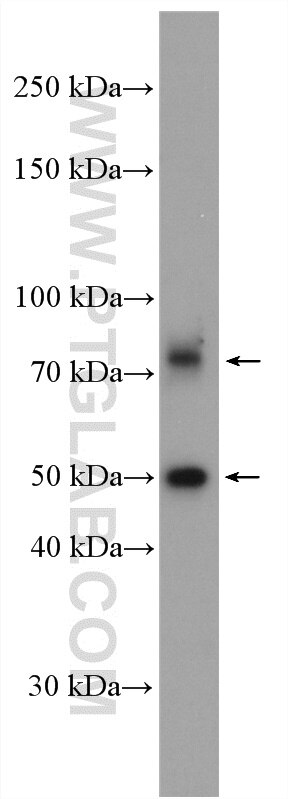
| Positive WB detected in | HepG2 cells |
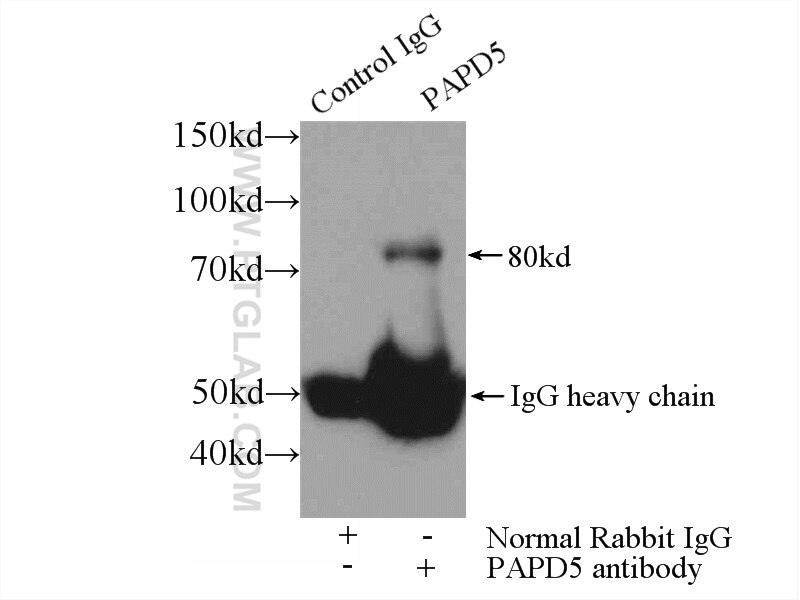
| Positive IP detected in | Jurkat cells |
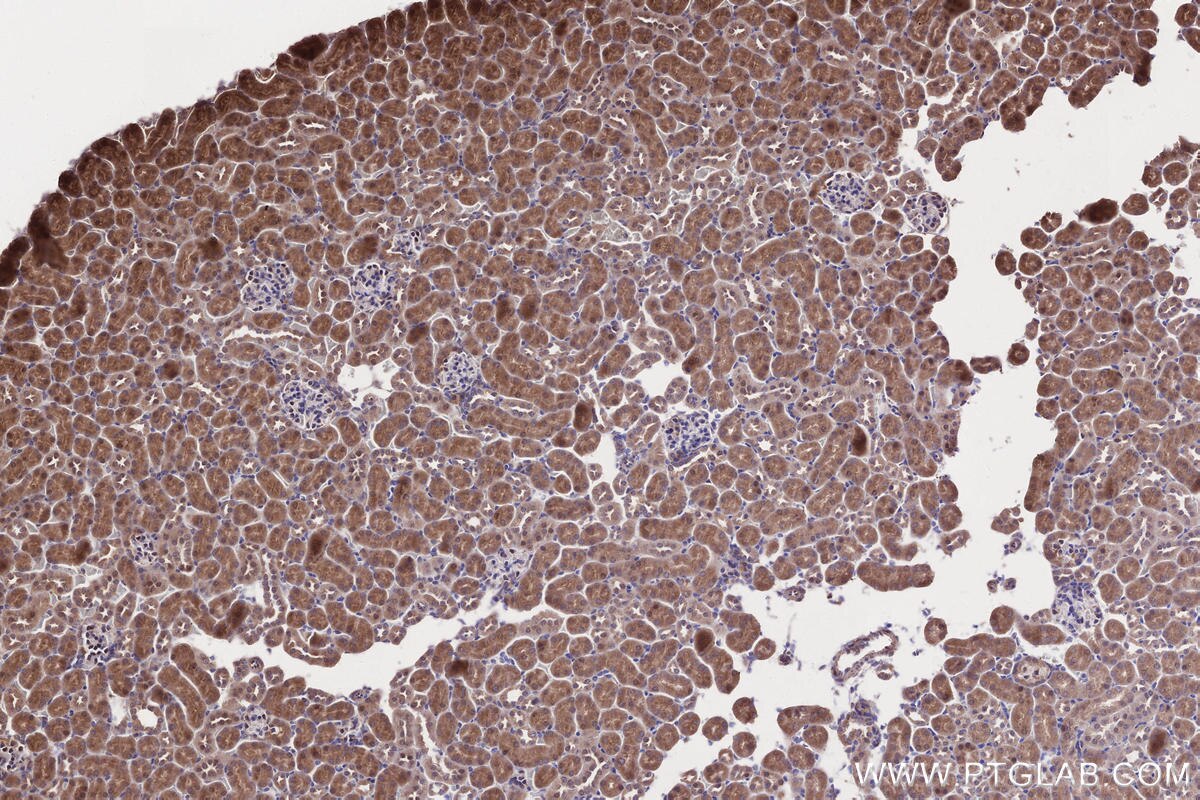
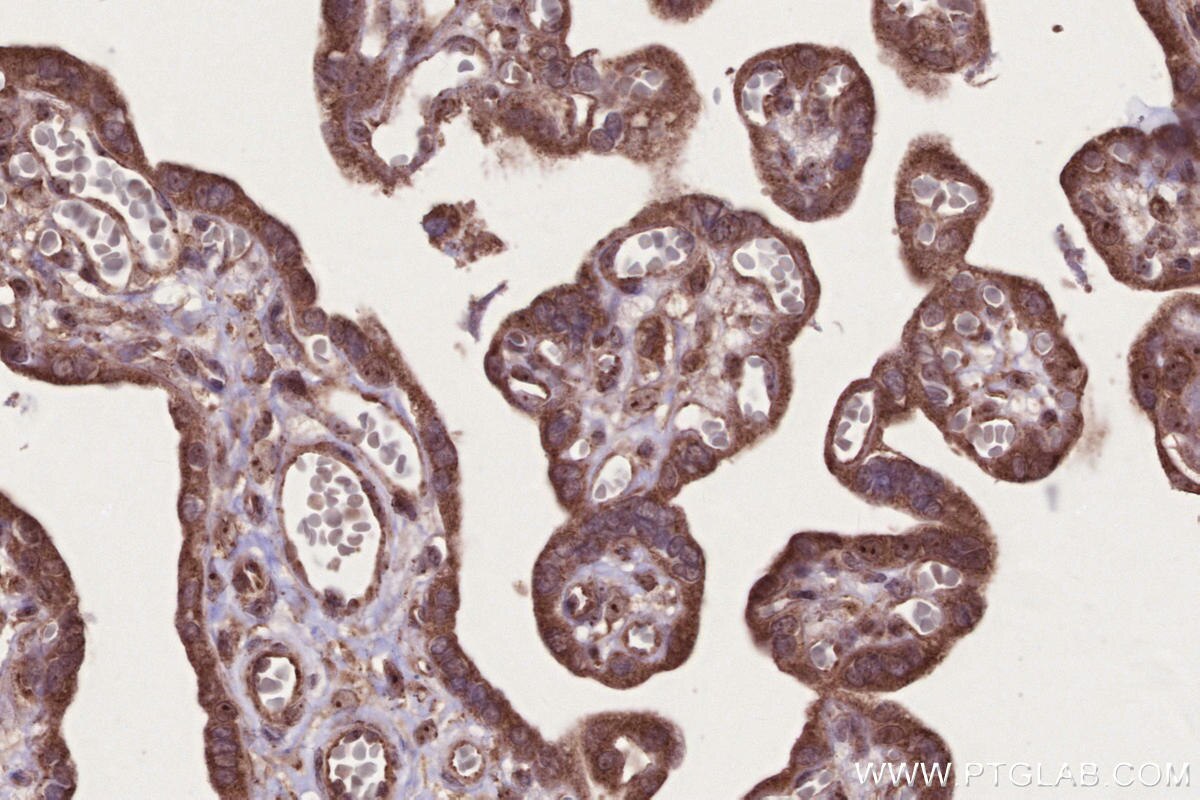
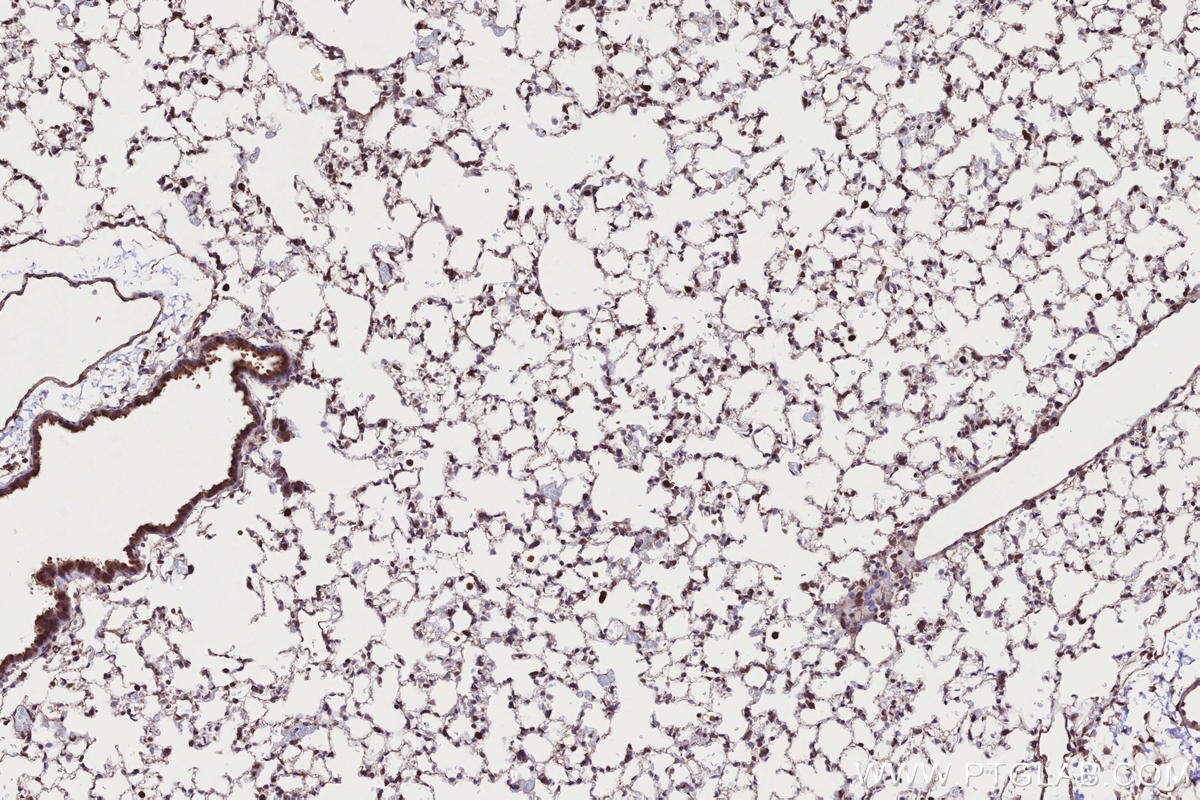
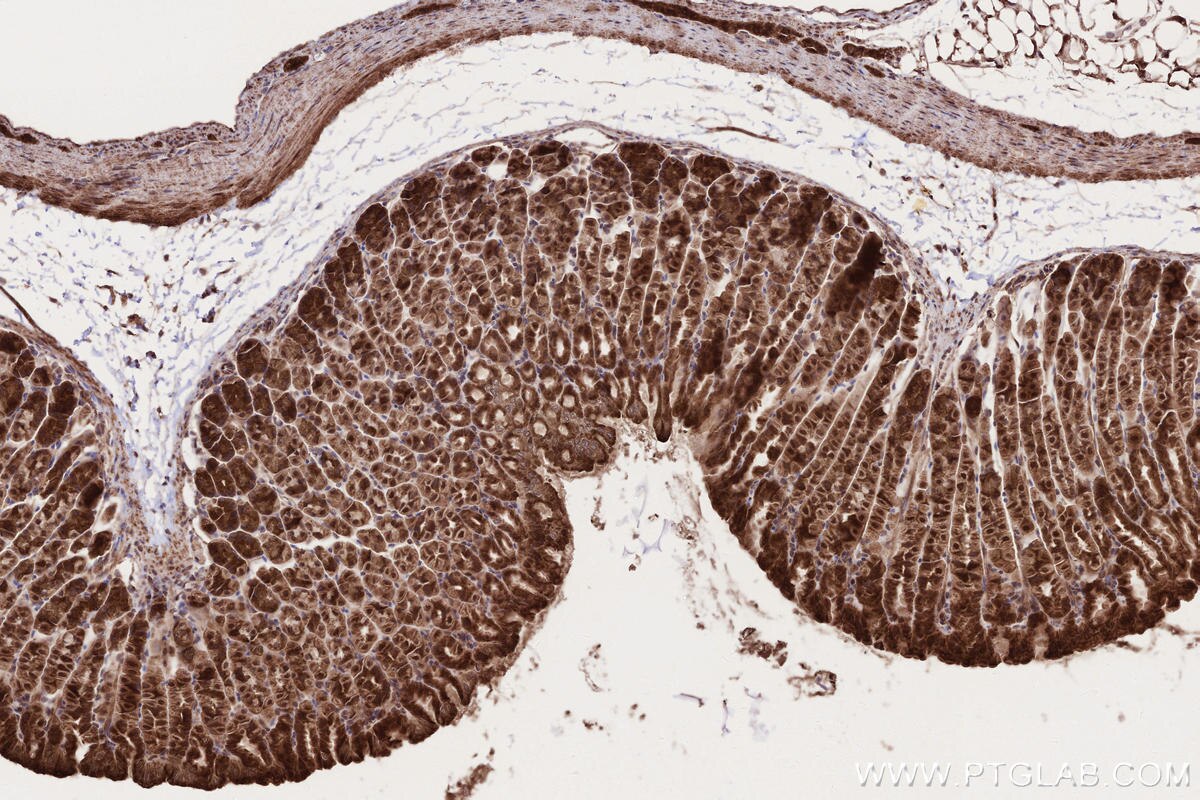
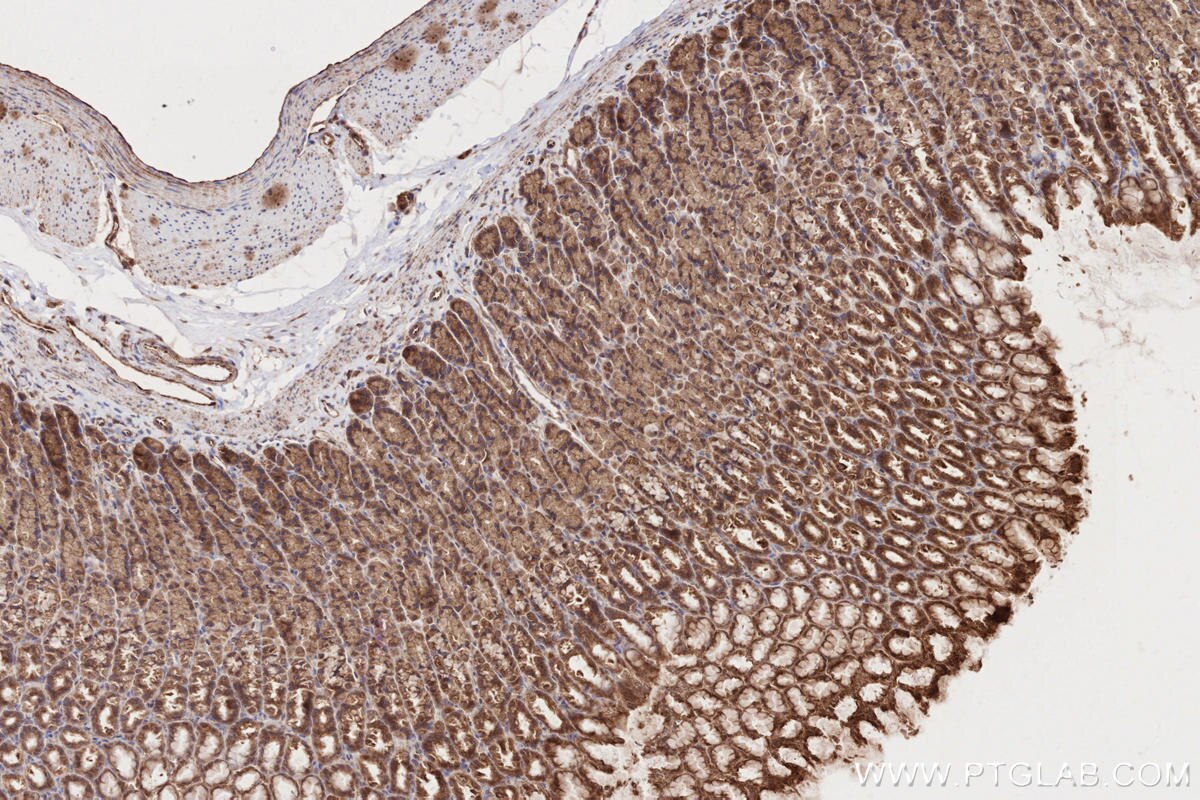
| Positive IHC detected in | rat stomach tissue, human placenta tissue, mouse kidney tissue, mouse lung tissue, mouse stomach tissue Note: suggested antigen retrieval with TE buffer pH 9.0; (*) Alternatively, antigen retrieval may be performed with citrate buffer pH 6.0 |
Recommended dilution
| Application | Dilution |
|---|---|
| Western Blot (WB) | WB : 1:500-1:1000 |
| Immunoprecipitation (IP) | IP : 0.5-4.0 ug for 1.0-3.0 mg of total protein lysate |
| Immunohistochemistry (IHC) | IHC : 1:250-1:1000 |
| It is recommended that this reagent should be titrated in each testing system to obtain optimal results. | |
| Sample-dependent, Check data in validation data gallery. | |
Product Information
55197-1-AP targets PAPD5 in WB, IHC, IP, ELISA applications and shows reactivity with human, mouse, rat samples.
| Tested Reactivity | human, mouse, rat |
| Cited Reactivity | human |
| Host / Isotype | Rabbit / IgG |
| Class | Polyclonal |
| Type | Antibody |
| Immunogen |
Peptide Predict reactive species |
| Full Name | PAP associated domain containing 5 |
| Calculated Molecular Weight | 64 kDa |
| Observed Molecular Weight | 63-80 kDa |
| GenBank Accession Number | NM_001040285 |
| Gene Symbol | PAPD5 |
| Gene ID (NCBI) | 64282 |
| RRID | AB_2881287 |
| Conjugate | Unconjugated |
| Form | Liquid |
| Purification Method | Antigen affinity purification |
| UNIPROT ID | Q8NDF8 |
| Storage Buffer | PBS with 0.02% sodium azide and 50% glycerol, pH 7.3. |
| Storage Conditions | Store at -20°C. Stable for one year after shipment. Aliquoting is unnecessary for -20oC storage. 20ul sizes contain 0.1% BSA. |
Background Information
PAPD5, also named as Non-canonical poly(A) RNA polymerase PAPD5, is a 572 amino acid protein, which contains 1 PAP-associated domain and belongs to the DNA polymerase type-B-like family. PAPD5 is predominantly expressed in the cytoplasm. PAPD5 as catalytic subunit of a TRAMP-like complex that has a poly(A) RNA polymerase activity and is involved in a post-transcriptional quality control mechanism. Polyadenylation with short oligo(A) tails is required for the degradative activity of the exosome on several of its nuclear RNA substrates. PAPD5 plays a role in replication-dependent histone mRNA degradation, probably through terminal uridylation of mature histone mRNAs. PAPD5 also may play a role in sister chromatid cohesion. The calculated molecular weight of PAPD5 is a 63 kDa, but the post-modified protein is about 70-80 kDa. PAPD5 exists some isoform with the molecular weight about 50 kDa and 70-80 kDa.
Protocols
| Product Specific Protocols | |
|---|---|
| IHC protocol for PAPD5 antibody 55197-1-AP | Download protocol |
| IP protocol for PAPD5 antibody 55197-1-AP | Download protocol |
| WB protocol for PAPD5 antibody 55197-1-AP | Download protocol |
| Standard Protocols | |
|---|---|
| Click here to view our Standard Protocols |
Publications
What published studies show
The PAPD5 Polyclonal antibody (Cat# 55197-1-AP) has 3 total citations. These appear in Nature Communications (2 papers) and Nucleic Acids Research (1 paper). The research fields span RNA quality control and post-transcriptional regulation, including studies on aberrant polyadenylated RNA surveillance by the MTR4/hnRNPK complex, mutant huntingtin-induced neuronal apoptosis via non-canonical poly(A) polymerase PAPD5, and mRNA sorting for export or degradation through nuclear speckles.
| Species | Application | Title |
|---|---|---|
Nat Commun The MTR4/hnRNPK complex surveils aberrant polyadenylated RNAs with multiple exons | ||
Nat Commun Mutant huntingtin induces neuronal apoptosis via derepressing the non-canonical poly(A) polymerase PAPD5 | ||
Nucleic Acids Res mRNAs are sorted for export or degradation before passing through nuclear speckles.
|
Reviews
What customers say
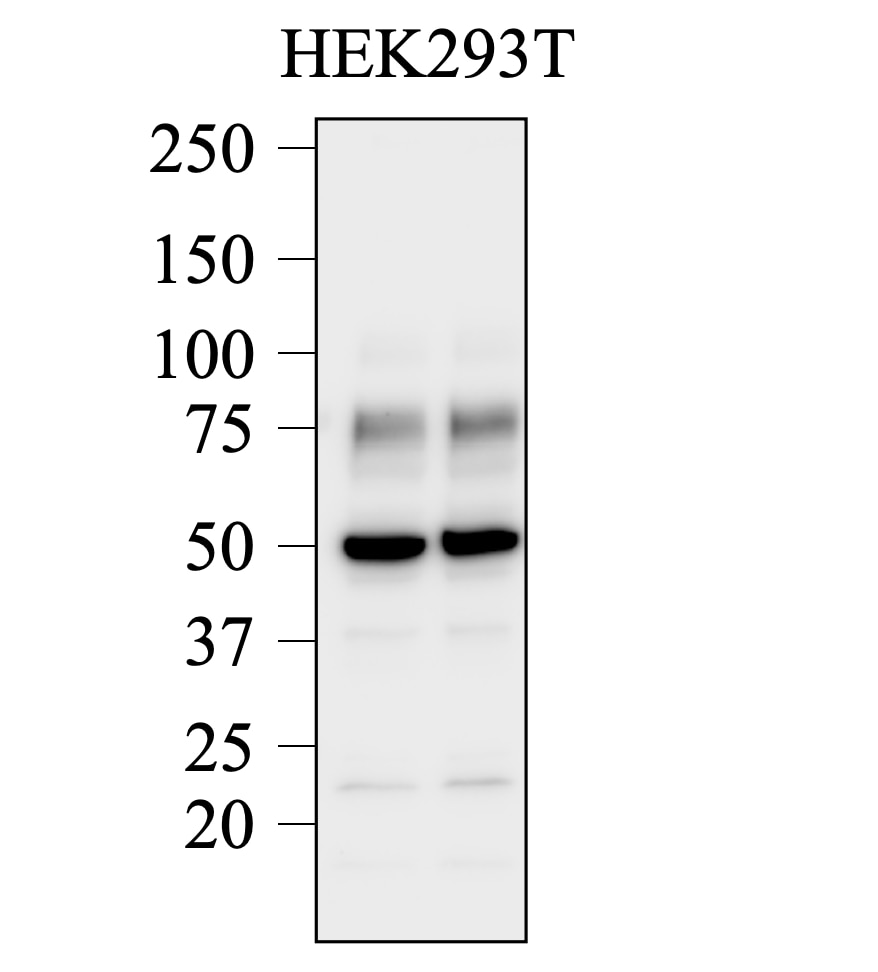
One reviewer used this antibody at a 1:3000 dilution for Western Blot on HEK293T cells to detect human Papd5. They gave it a 5-star rating and reported that it works great for human Papd5 detection. Overall, the feedback is positive, with the user confirming reliable performance in their WB application.
The reviews below have been submitted by verified Proteintech customers who received an incentive for providing their feedback.
Tsimafei (Verified Customer) (07-13-2026) | Works great for human Papd5 detection
 |








