

Tested Applications
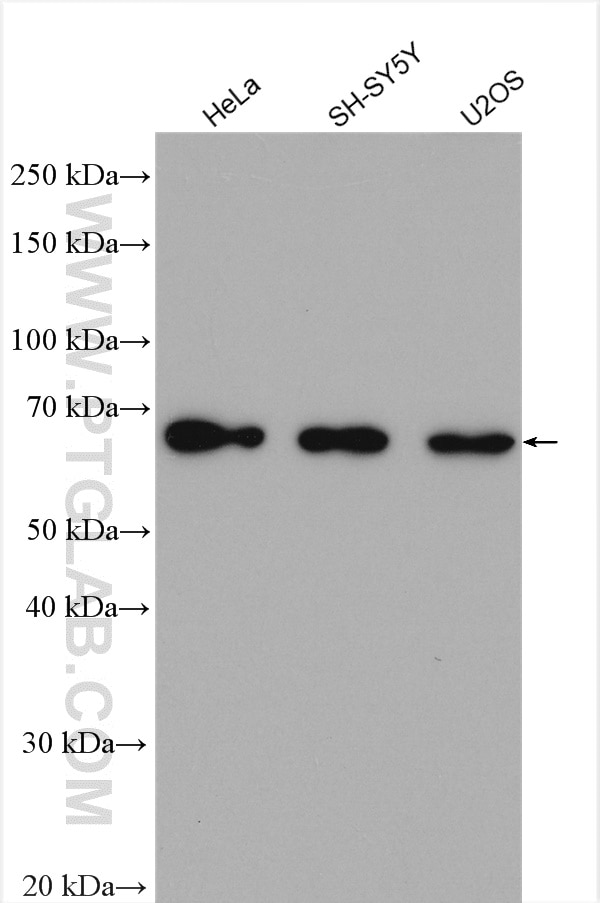
| Positive WB detected in | HeLa cells, U2OS cells, SH-SY5Y cells |
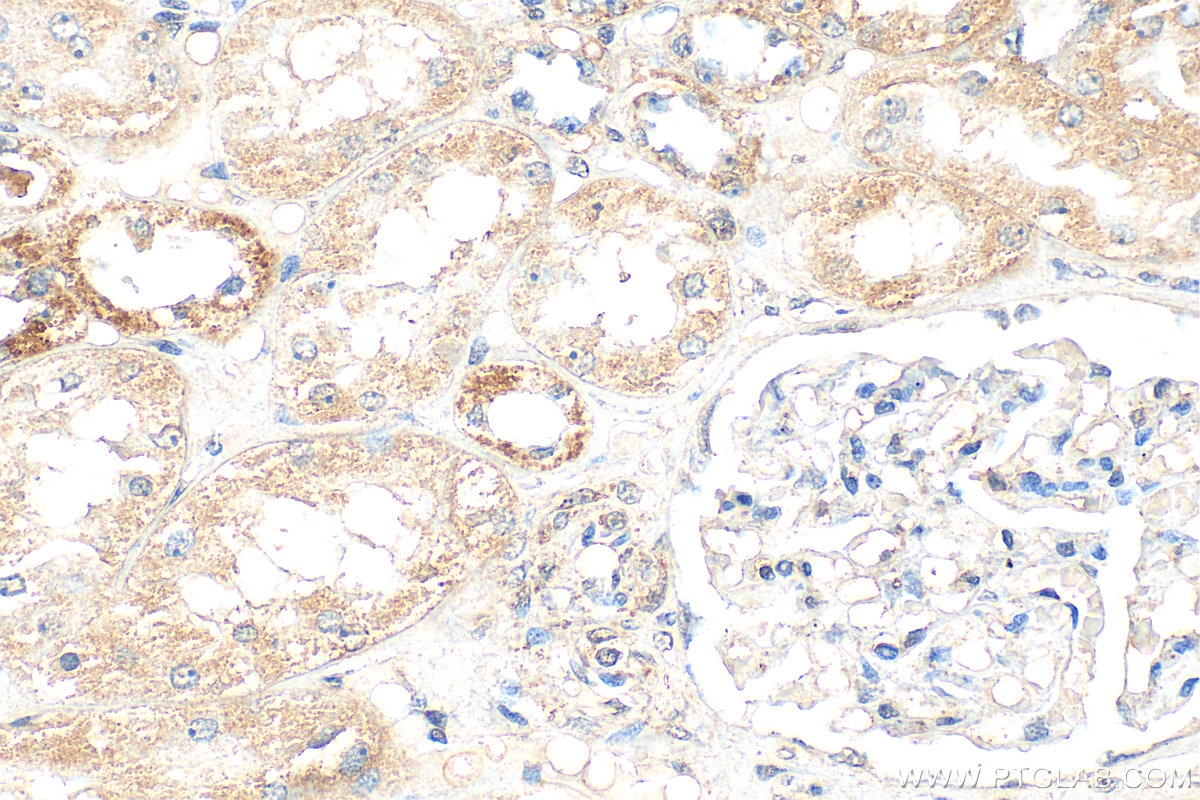
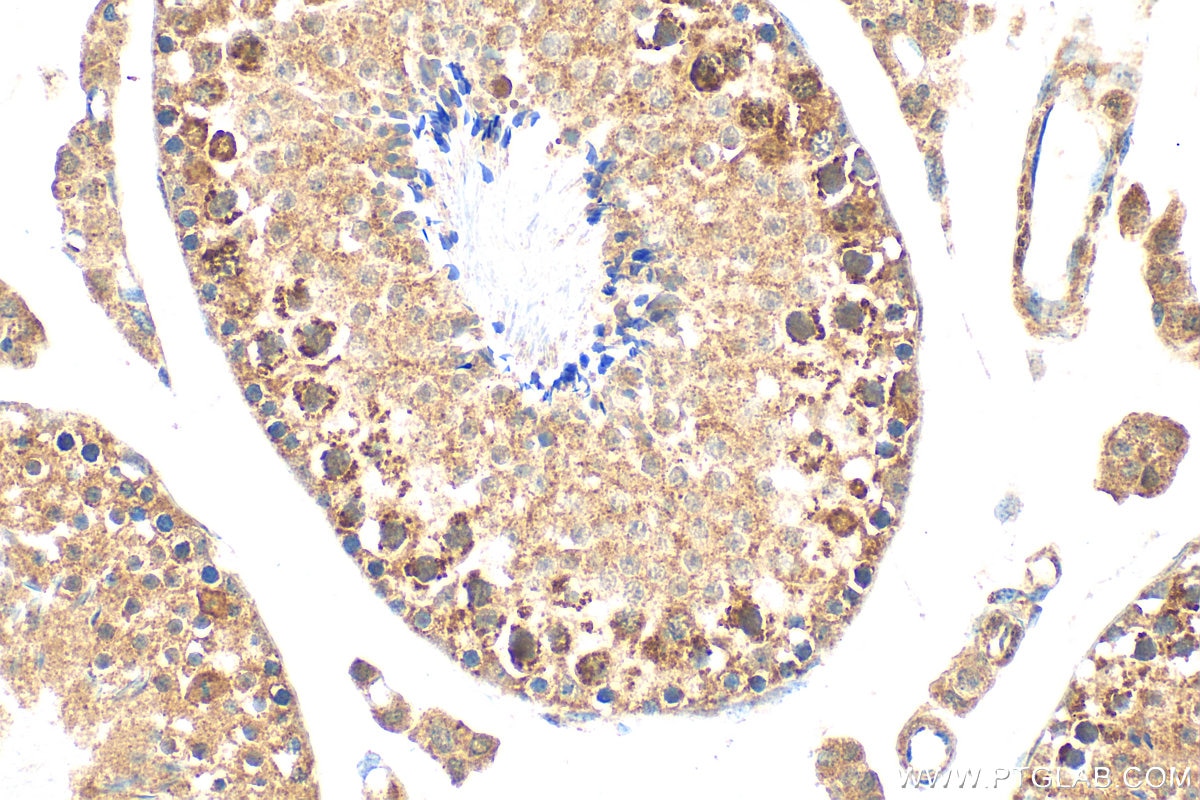
| Positive IHC detected in | human kidney tissue, mouse testis tissue Note: suggested antigen retrieval with TE buffer pH 9.0; (*) Alternatively, antigen retrieval may be performed with citrate buffer pH 6.0 |
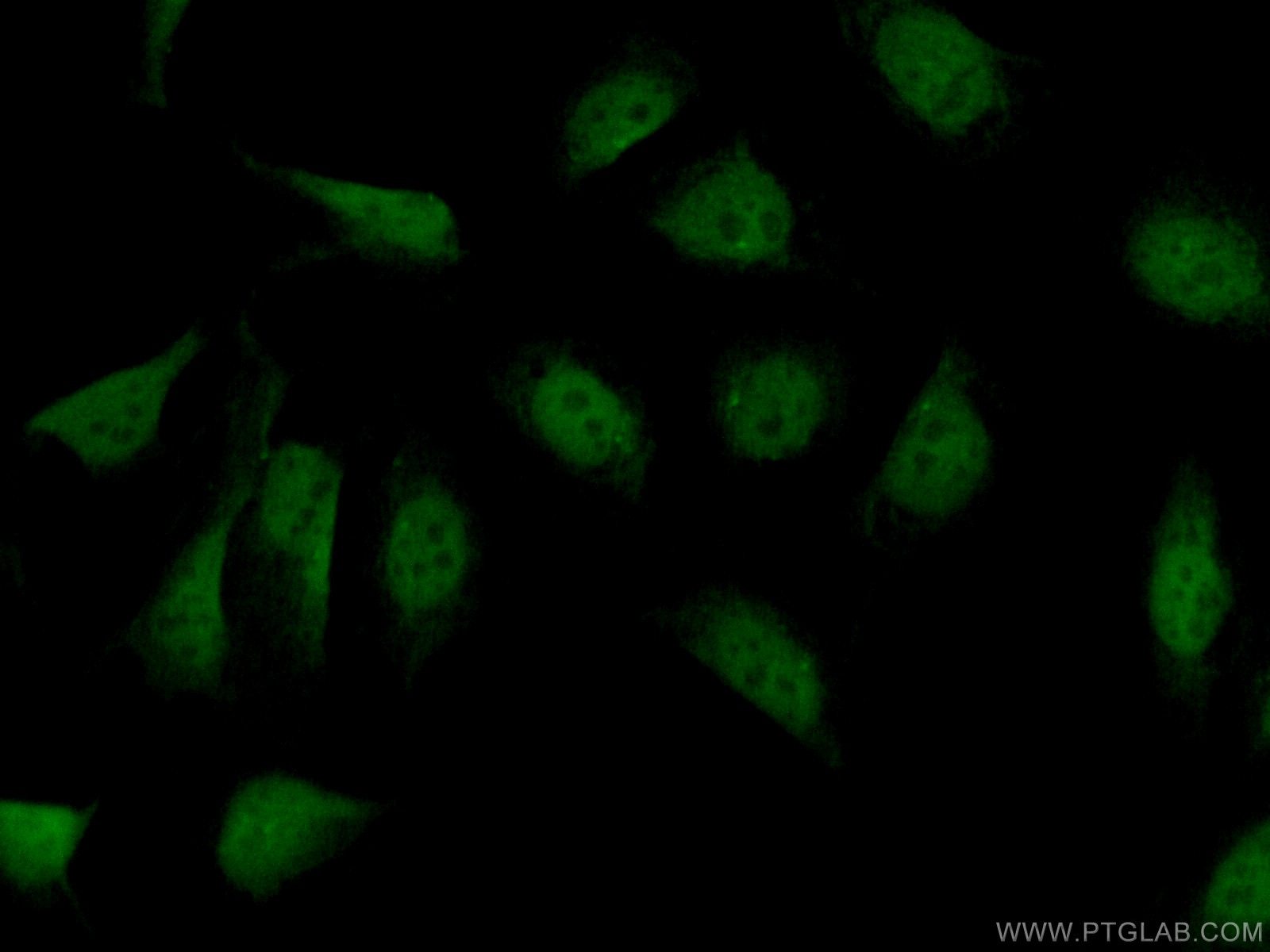
| Positive IF/ICC detected in | U2OS cells |
Recommended dilution
| Application | Dilution |
|---|---|
| Western Blot (WB) | WB : 1:1000-1:3000 |
| Immunohistochemistry (IHC) | IHC : 1:200-1:800 |
| Immunofluorescence (IF)/ICC | IF/ICC : 1:50-1:500 |
| It is recommended that this reagent should be titrated in each testing system to obtain optimal results. | |
| Sample-dependent, Check data in validation data gallery. | |
Product Information
55149-1-AP targets PARP2 in WB, IHC, IF/ICC, ELISA applications and shows reactivity with human samples.
| Tested Reactivity | human |
| Cited Reactivity | human, mouse, rat |
| Host / Isotype | Rabbit / IgG |
| Class | Polyclonal |
| Type | Antibody |
| Immunogen |
Peptide Predict reactive species |
| Full Name | poly (ADP-ribose) polymerase 2 |
| Calculated Molecular Weight | 66 kDa |
| Observed Molecular Weight | 66 kDa |
| GenBank Accession Number | NM_005484 |
| Gene Symbol | PARP2 |
| Gene ID (NCBI) | 10038 |
| RRID | AB_10858796 |
| Conjugate | Unconjugated |
| Form | Liquid |
| Purification Method | Antigen affinity purification |
| UNIPROT ID | Q9UGN5 |
| Storage Buffer | PBS with 0.02% sodium azide and 50% glycerol, pH 7.3. |
| Storage Conditions | Store at -20°C. Stable for one year after shipment. Aliquoting is unnecessary for -20oC storage. 20ul sizes contain 0.1% BSA. |
Background Information
PARP2, also named as ADPRT2 and ADPRTL2, is involved in the base excision repair (BER) pathway, by catalyzing the poly(ADP-ribosyl)ation of a limited number of acceptor proteins involved in chromatin architecture and in DNA metabolism. This modification follows DNA damages and appears as an obligatory step in a detection/signaling pathway leading to the reparation of DNA strand breaks. This antibody is specific to PARP2 (N-terminal).
Protocols
| Product Specific Protocols | |
|---|---|
| IF protocol for PARP2 antibody 55149-1-AP | Download protocol |
| IHC protocol for PARP2 antibody 55149-1-AP | Download protocol |
| WB protocol for PARP2 antibody 55149-1-AP | Download protocol |
| Standard Protocols | |
|---|---|
| Click here to view our Standard Protocols |
Publications
What published studies show
The PARP2 Polyclonal antibody (Cat# 55149-1-AP) has 14 citations spanning journals including Nature Communications, Molecular Cell, Nature Chemical Biology, Cell Death & Disease, Oncogene, EMBO Journal, European Journal of Medicinal Chemistry, International Journal of Biological Sciences, Cells, International Journal of Molecular Sciences, Journal of Biological Chemistry, BMC Cancer, and Bioorganic & Medicinal Chemistry. Research fields covered include DNA damage repair, PARP inhibitor development, drug-target engagement, cardiac regeneration, hepatocellular carcinoma, breast cancer, leukemia, pancreatic cancer, ferroptosis, NAD⁺ metabolism, and circRNA regulation.
| Species | Application | Title |
|---|---|---|
Nat Commun Coupling cellular drug-target engagement to downstream pharmacology with CeTEAM | ||
Nat Chem Biol Stabilization of AFF1 by PARylation ensures transcriptional restart after DNA damage
| ||
Cell Death Dis Minimizing DNA trapping while maintaining activity inhibition via selective PARP1 degrader | ||
Oncogene CPSF4 regulates circRNA formation and microRNA mediated gene silencing in hepatocellular carcinoma. |
Reviews
What customers say
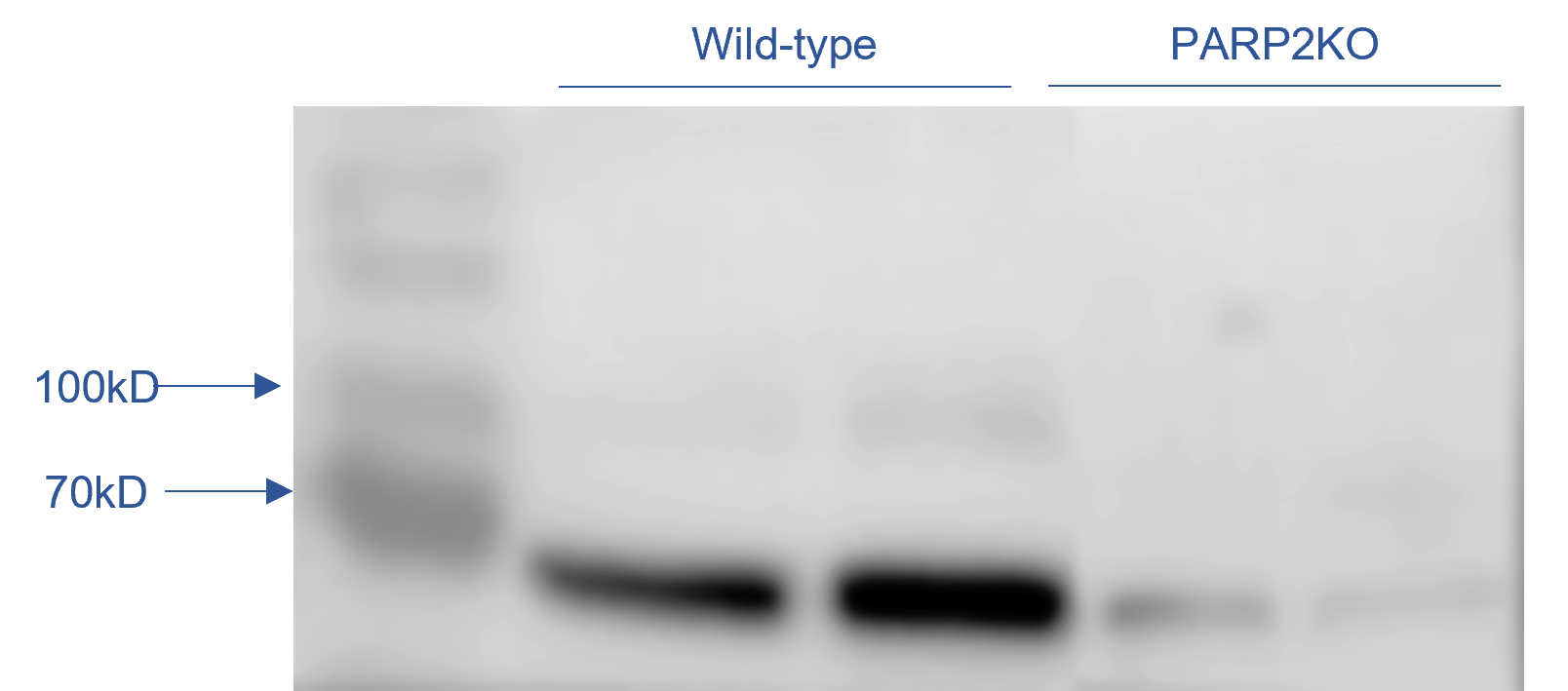
Both reviews (5/5 stars) report successful Western Blot performance for PARP2 detection. One user achieved clear results at a 1:1000 dilution in mouse spleen, bone marrow, and lung tissues. The other validated the antibody at 1:2000 overnight dilution in U2OS cells, including a PARP2 knockout comparison, confirming specific signal loss in the KO line. Overall, reviewers highlight reliable specificity and strong signal across both mouse tissue and human cell line applications.
The reviews below have been submitted by verified Proteintech customers who received an incentive for providing their feedback.
Andres Joaquin (Verified Customer) (02-09-2026) | It works very well for detecting PARP2 in mouse tissues by western blot.
|
Hasan (Verified Customer) (12-07-2022) | WB analysis for U2OS cells (WT and PARP2KO) with PARP2 Ab (55149-1-AP) at dilution of 1:2000 overnight.
 |





