

Tested Applications
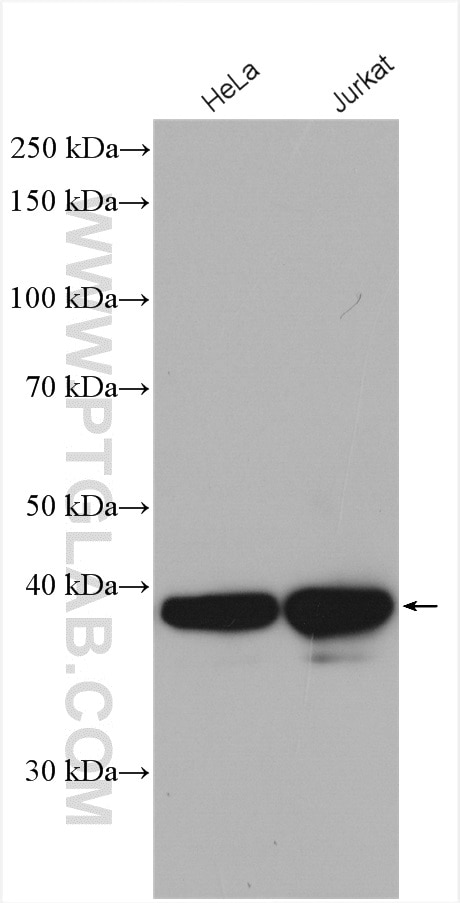
| Positive WB detected in | HeLa cells, Jurkat cells |
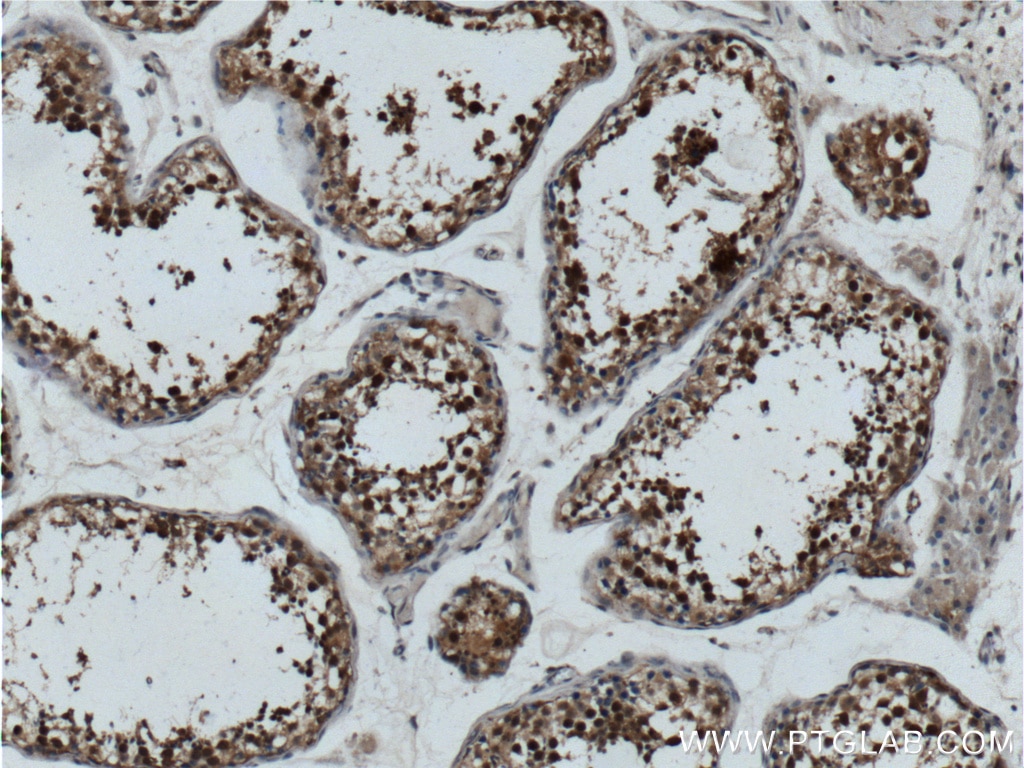
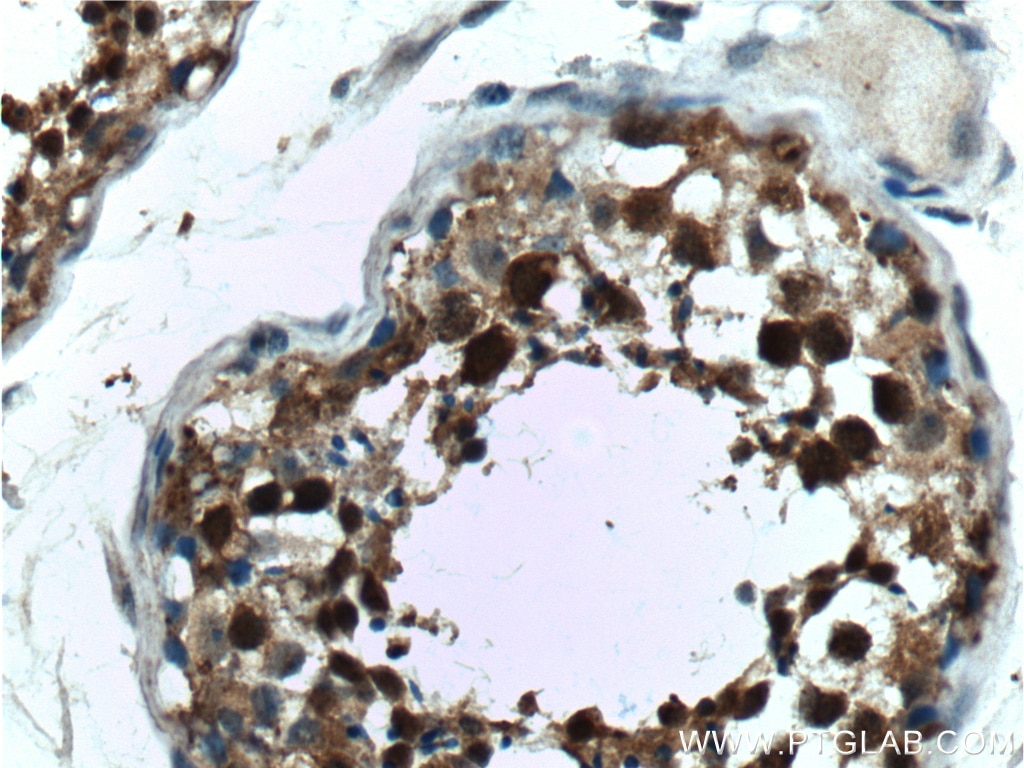
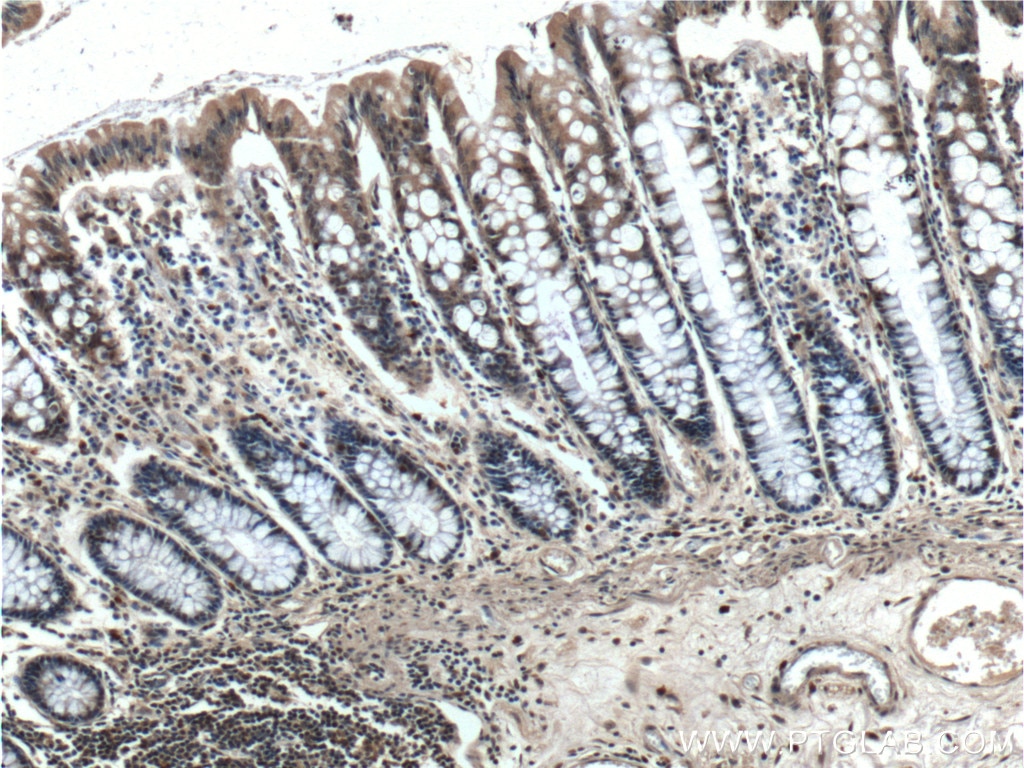
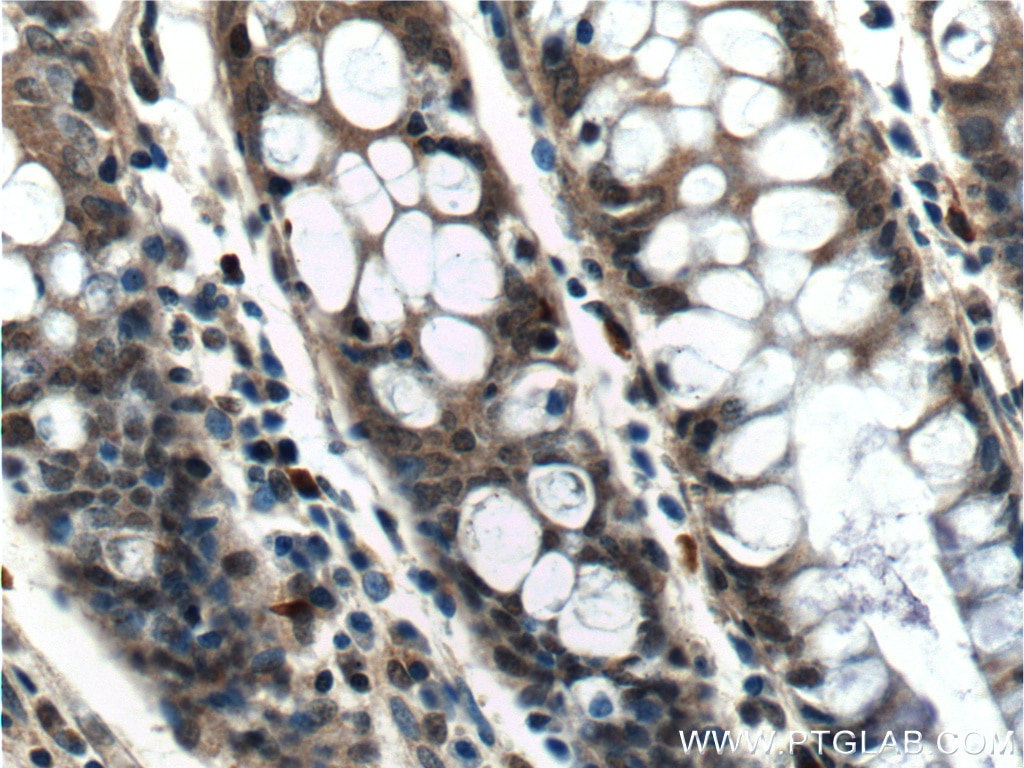
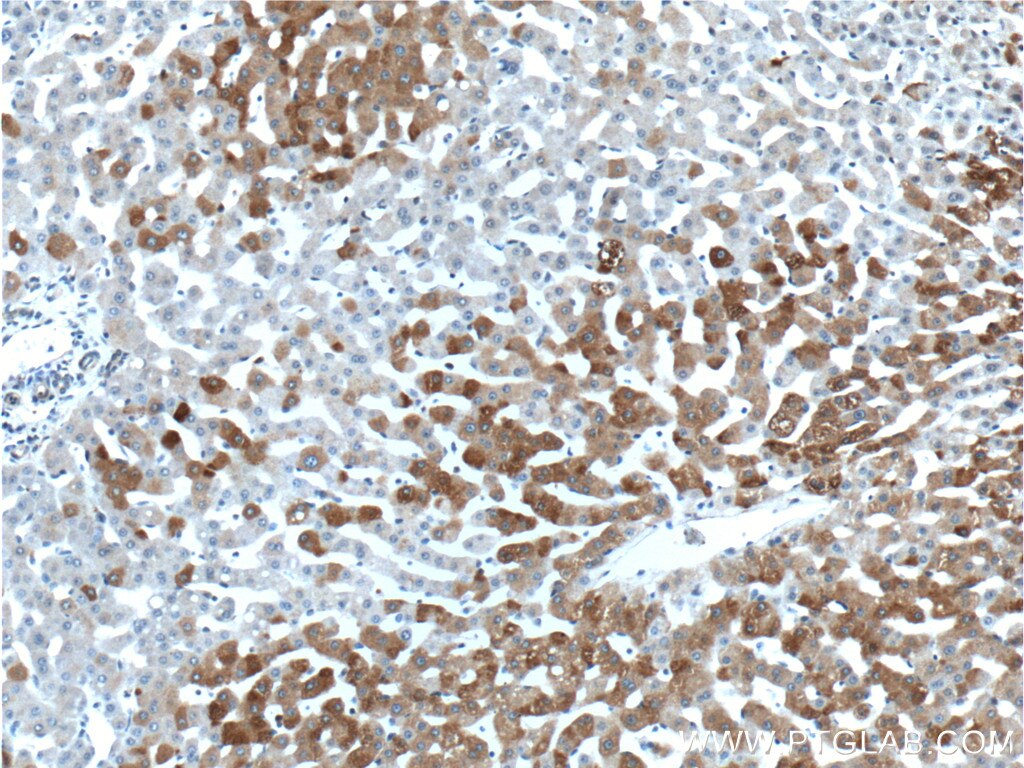
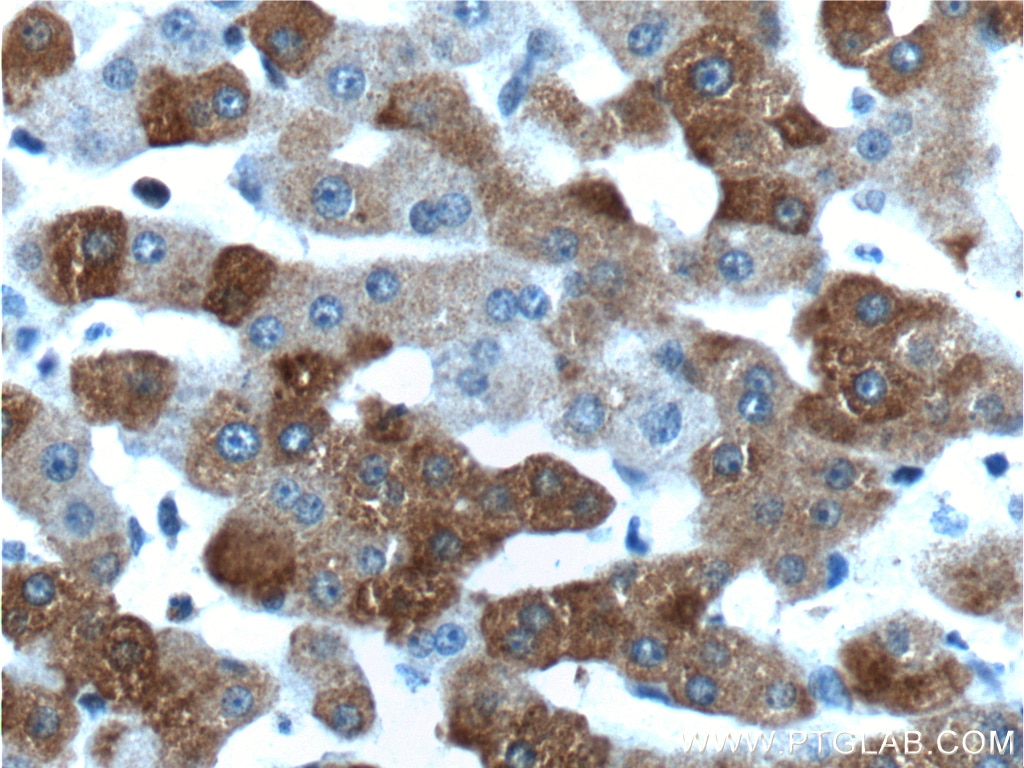
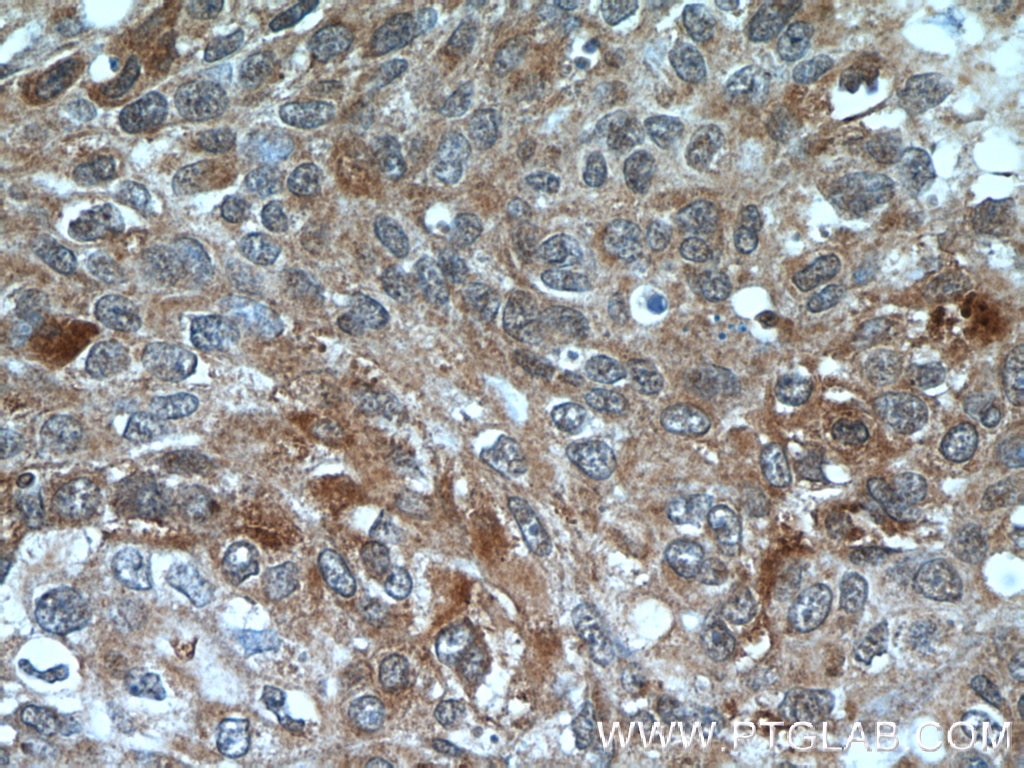
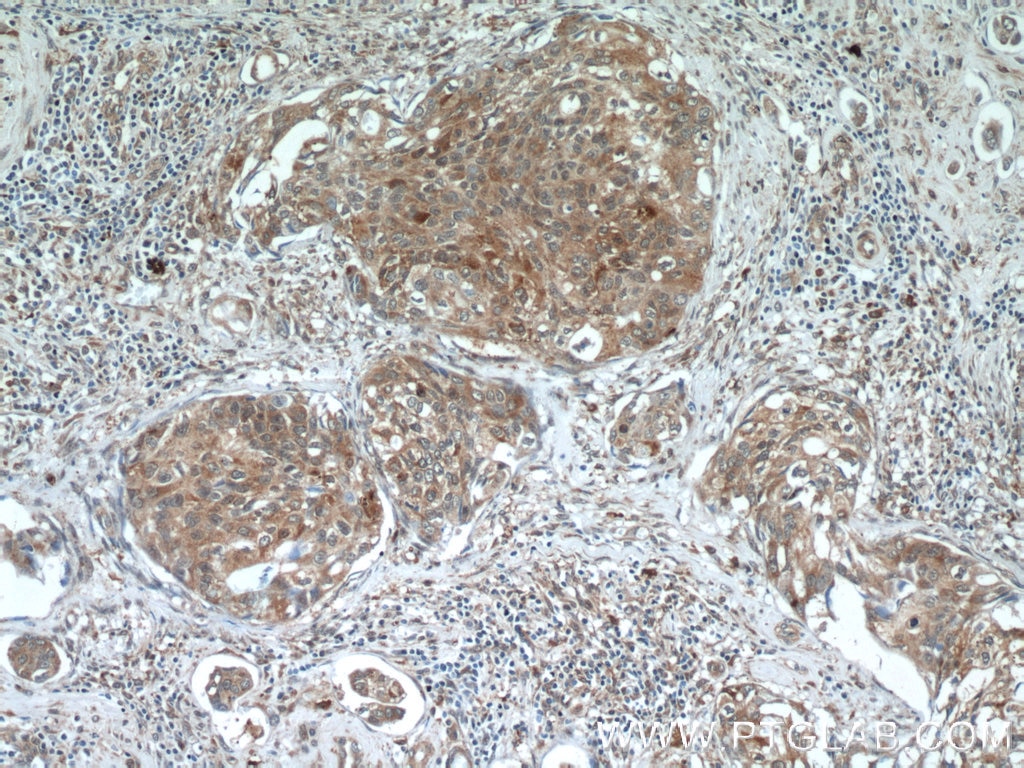
| Positive IHC detected in | human testis tissue, human cervical cancer tissue, human colon tissue, human liver tissue Note: suggested antigen retrieval with TE buffer pH 9.0; (*) Alternatively, antigen retrieval may be performed with citrate buffer pH 6.0 |
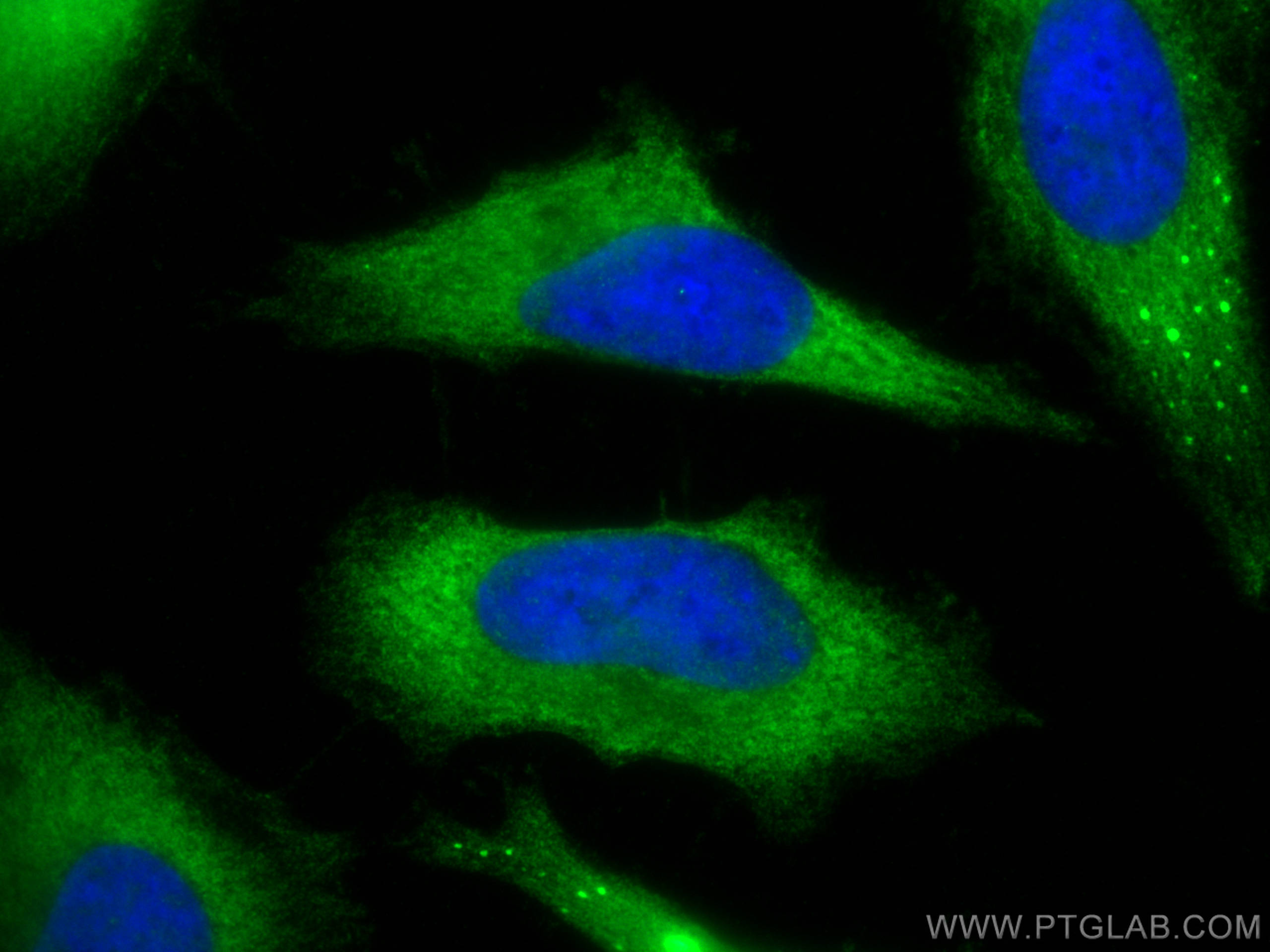
| Positive IF/ICC detected in | HeLa cells |
Recommended dilution
| Application | Dilution |
|---|---|
| Western Blot (WB) | WB : 1:1000-1:6000 |
| Immunohistochemistry (IHC) | IHC : 1:50-1:500 |
| Immunofluorescence (IF)/ICC | IF/ICC : 1:50-1:500 |
| It is recommended that this reagent should be titrated in each testing system to obtain optimal results. | |
| Sample-dependent, Check data in validation data gallery. | |
Product Information
15070-1-AP targets PCBP2 in WB, IHC, IF/ICC, IP, CoIP, RIP, ELISA applications and shows reactivity with human samples.
| Tested Reactivity | human |
| Cited Reactivity | human, mouse, rat |
| Host / Isotype | Rabbit / IgG |
| Class | Polyclonal |
| Type | Antibody |
| Immunogen |
CatNo: Ag7102 Product name: Recombinant human PCBP2 protein Source: e coli.-derived, PGEX-4T Tag: GST Domain: 1-362 aa of BC001155 Sequence: MDTGVIEGGLNVTLTIRLLMHGKEVGSIIGKKGESVKKMREESGARINISEGNCPERIITLAGPTNAIFKAFAMIIDKLEEDISSSMTNSTAASRPPVTLRLVVPASQCGSLIGKGGCKIKEIRESTGAQVQVAGDMLPNSTERAITIAGIPQSIIECVKQICVVMLESPPKGVTIPYRPKPSSSPVIFAGGQDRYSTGSDSASFPHTTPSMCLNPDLEGPPLEAYTIQGQYAIPQPDLTKLHQLAMQQSHFPMTHGNTGFSGIESSSPEVKGYWAGLDASAQTTSHELTIPNDLIGCIIGRQGAKINEIRQMSGAQIKIANPVEGSTDRQVTITGSAASISLAQYLINVRLSSETGGMGSS Predict reactive species |
| Full Name | poly(rC) binding protein 2 |
| Calculated Molecular Weight | 39 kDa |
| Observed Molecular Weight | 43 kDa |
| GenBank Accession Number | BC001155 |
| Gene Symbol | PCBP2 |
| Gene ID (NCBI) | 5094 |
| RRID | AB_2236759 |
| Conjugate | Unconjugated |
| Form | Liquid |
| Purification Method | Antigen affinity purification |
| UNIPROT ID | Q15366 |
| Storage Buffer | PBS with 0.02% sodium azide and 50% glycerol, pH 7.3. |
| Storage Conditions | Store at -20°C. Stable for one year after shipment. Aliquoting is unnecessary for -20oC storage. 20ul sizes contain 0.1% BSA. |
Background Information
Poly(rC)-binding protein 2 (PCBP2) is a single-stranded nucleic acid binding protein that binds preferentially to oligo dC, It is also named Heterogeneous nuclear ribonucleoprotein E2, binds also poly(rU). It negatively regulates cellular antiviral responses mediated by MAVS signaling. It acts as an adapter between MAVS and the E3 ubiquitin ligase ITCH, therefore triggering MAVS ubiquitinationa and degradation.(19881509) This antibody can recognize PCBP2 and PCBP1.
Protocols
| Product Specific Protocols | |
|---|---|
| IF protocol for PCBP2 antibody 15070-1-AP | Download protocol |
| IHC protocol for PCBP2 antibody 15070-1-AP | Download protocol |
| WB protocol for PCBP2 antibody 15070-1-AP | Download protocol |
| Standard Protocols | |
|---|---|
| Click here to view our Standard Protocols |
Publications
What published studies show
PCBP2 Antibody (Cat# 15070-1-AP) has 30 total citations published in journals including Cell, Nature Cell Biology, Nature Communications, Signal Transduction and Targeted Therapy, Nucleic Acids Research, Advanced Science, International Journal of Biological Sciences, FASEB Journal, and BMC Cancer. Associated research fields span ferroptosis, antiviral innate immunity, RNA modification, cancer biology (colorectal, breast, gastric, prostate, pancreatic), autophagy, pyroptosis, translation regulation, and cardiovascular disease.
| Species | Application | Title |
|---|---|---|
Signal Transduct Target Ther Acevaltrate as a novel ferroptosis inducer with dual targets of PCBP1/2 and GPX4 in colorectal cancer | ||
Nat Cell Biol METTL3 preferentially enhances non-m6A translation of epigenetic factors and promotes tumourigenesis | ||
Autophagy Mechanical stress-mediated ferritinophagy aggravates cartilage endplate degeneration via a PIEZO1-NCOA4-ZBP1 axis. | ||
Nat Commun PCBP2 maintains antiviral signaling homeostasis by regulating cGAS enzymatic activity via antagonizing its condensation.
| ||
Nucleic Acids Res N4-acetylcytidine regulates the replication and pathogenicity of enterovirus 71 |











