

Tested Applications
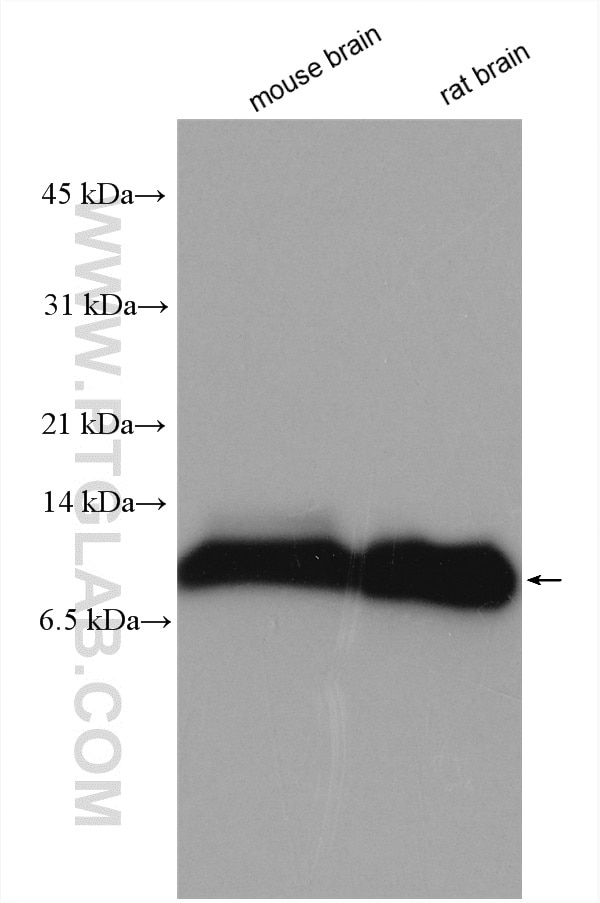
| Positive WB detected in | mouse brain tissue, rat brain |
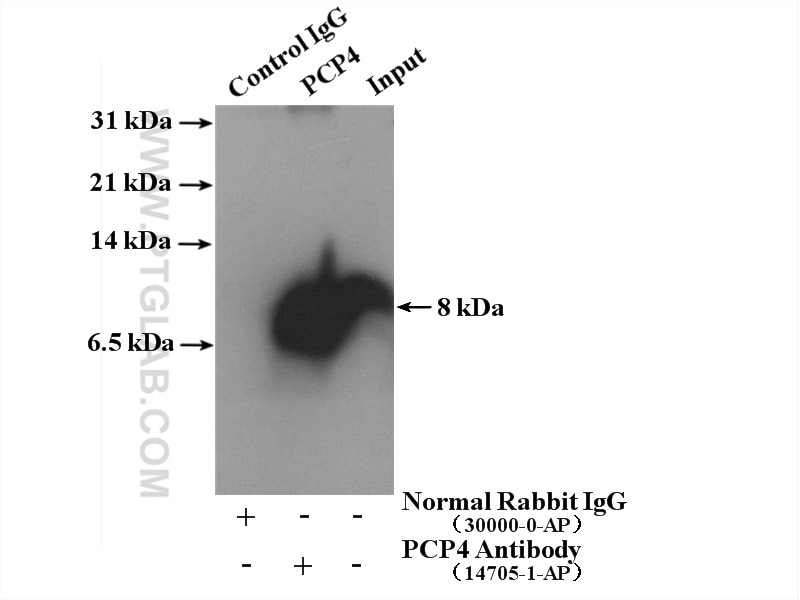
| Positive IP detected in | mouse brain tissue |
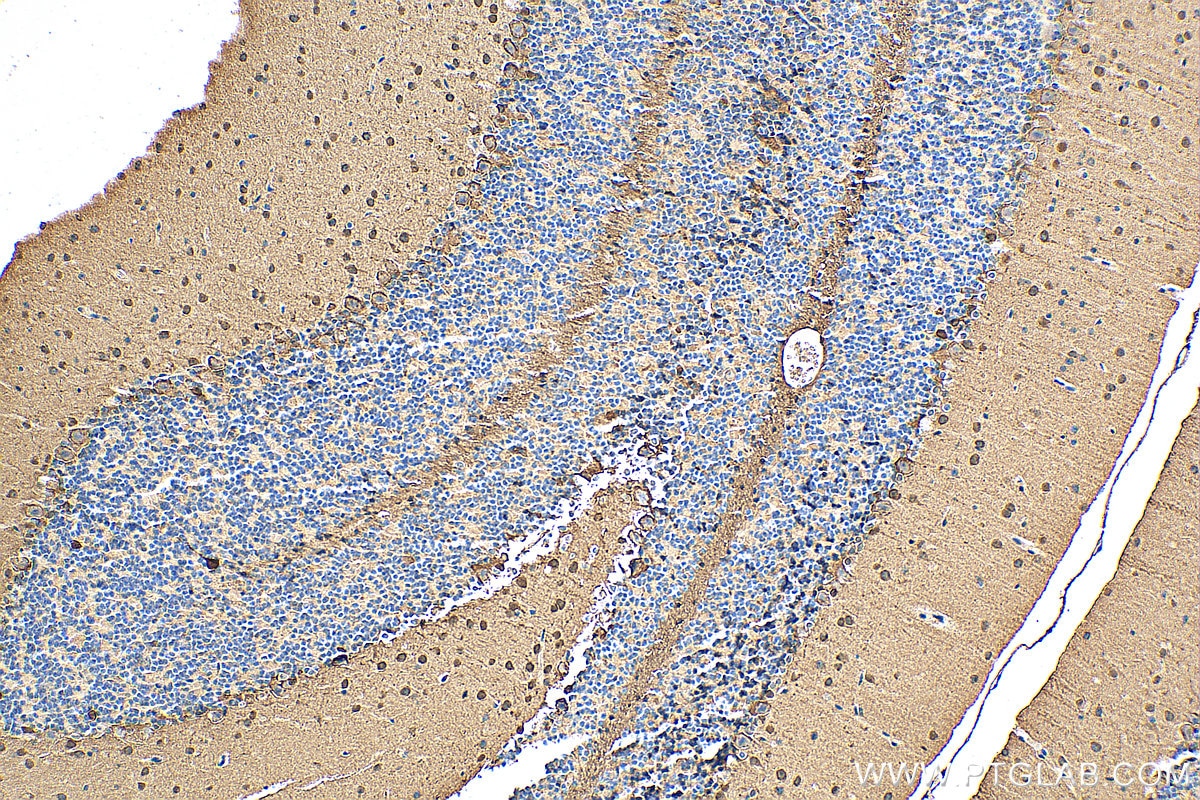
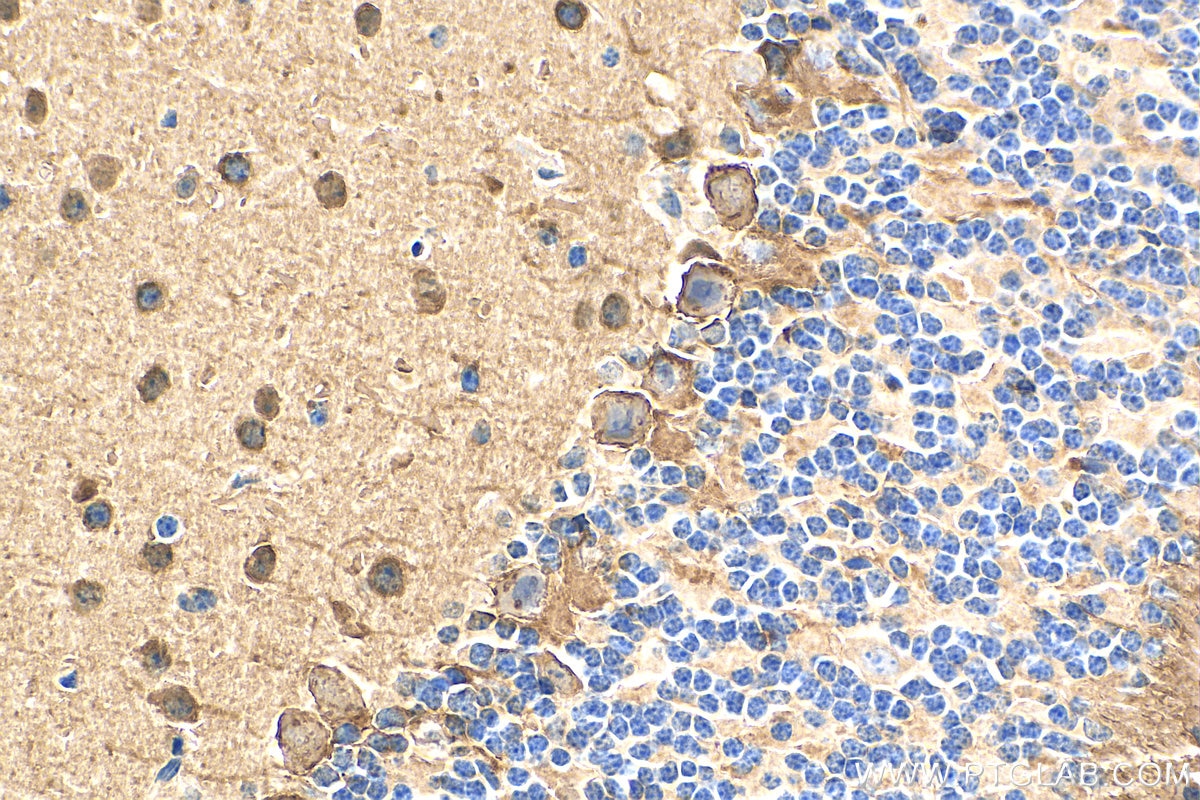
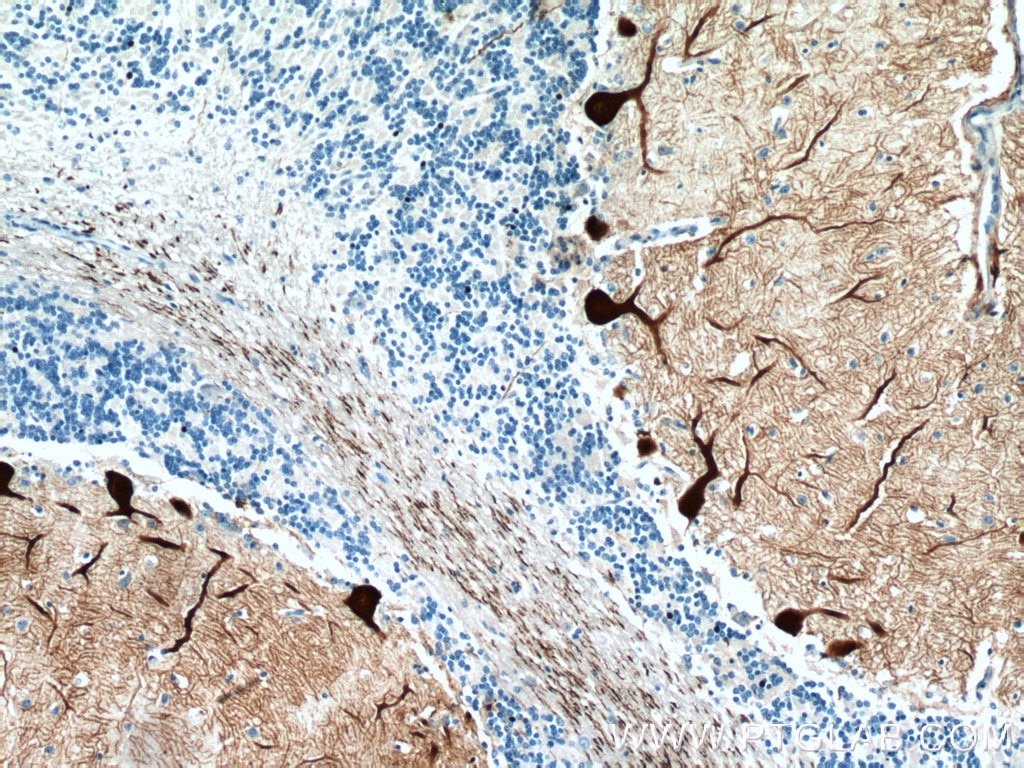
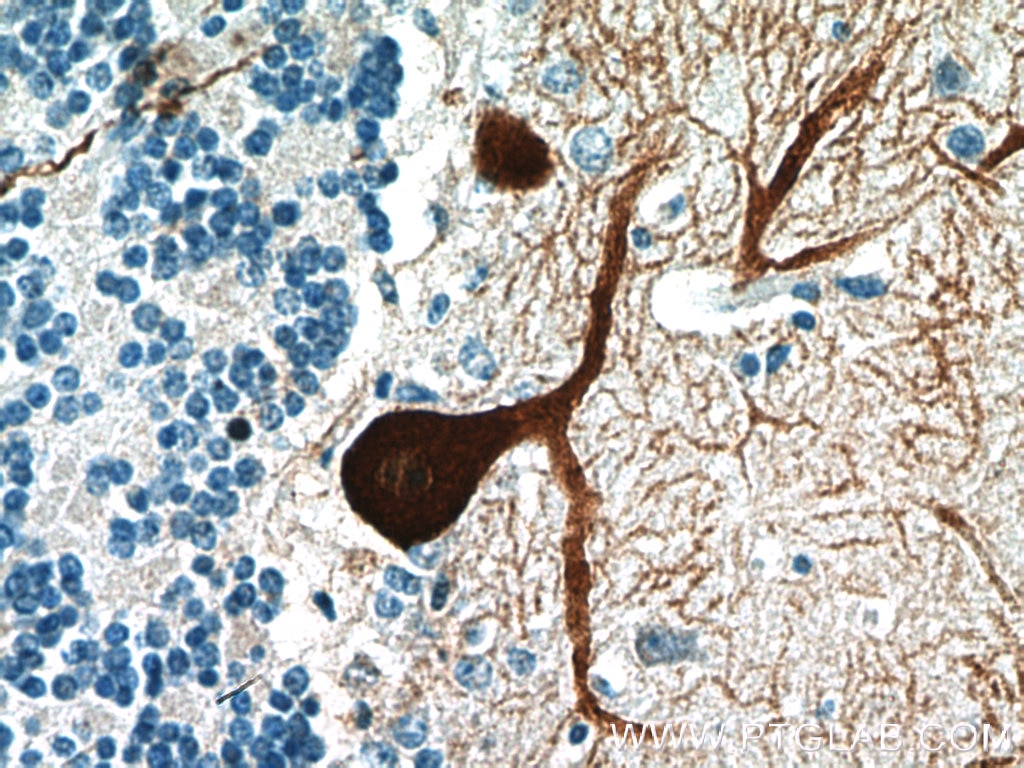
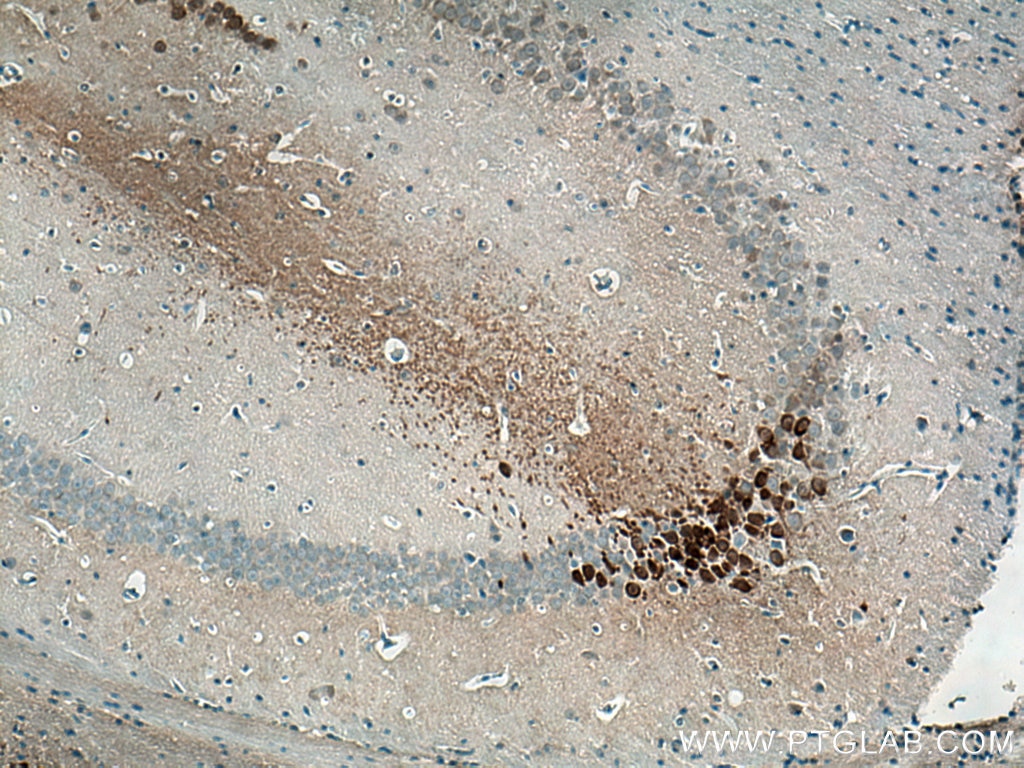
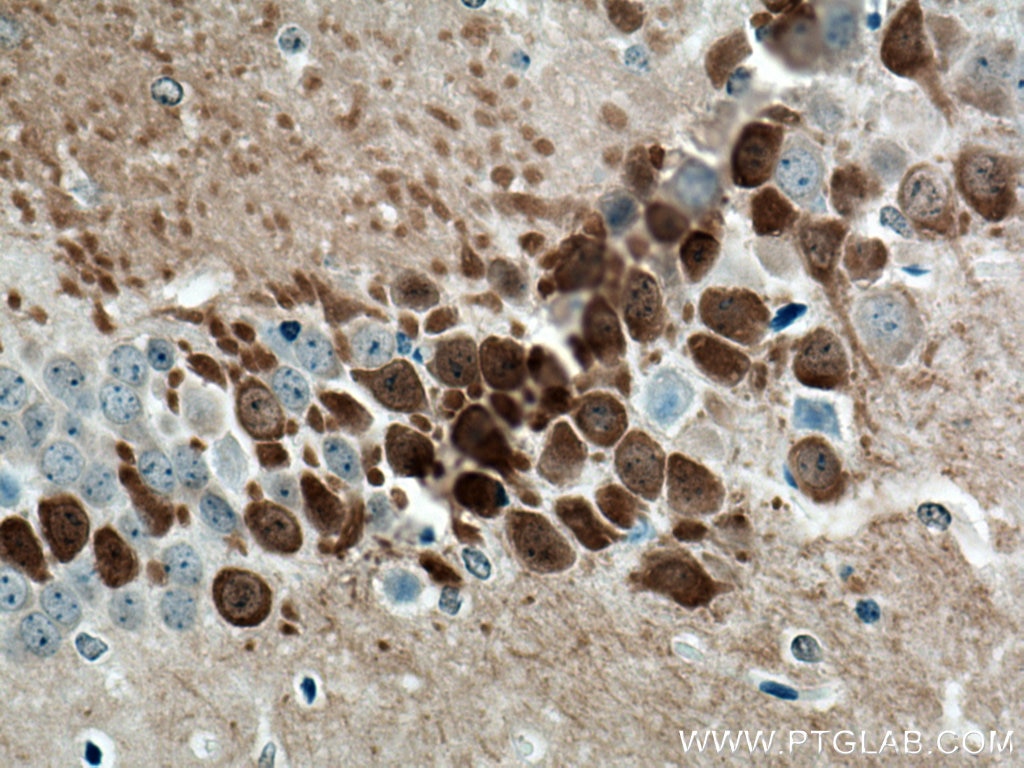
| Positive IHC detected in | human cerebellum tissue, mouse brain tissue, mouse cerebellum tissue Note: suggested antigen retrieval with TE buffer pH 9.0; (*) Alternatively, antigen retrieval may be performed with citrate buffer pH 6.0 |
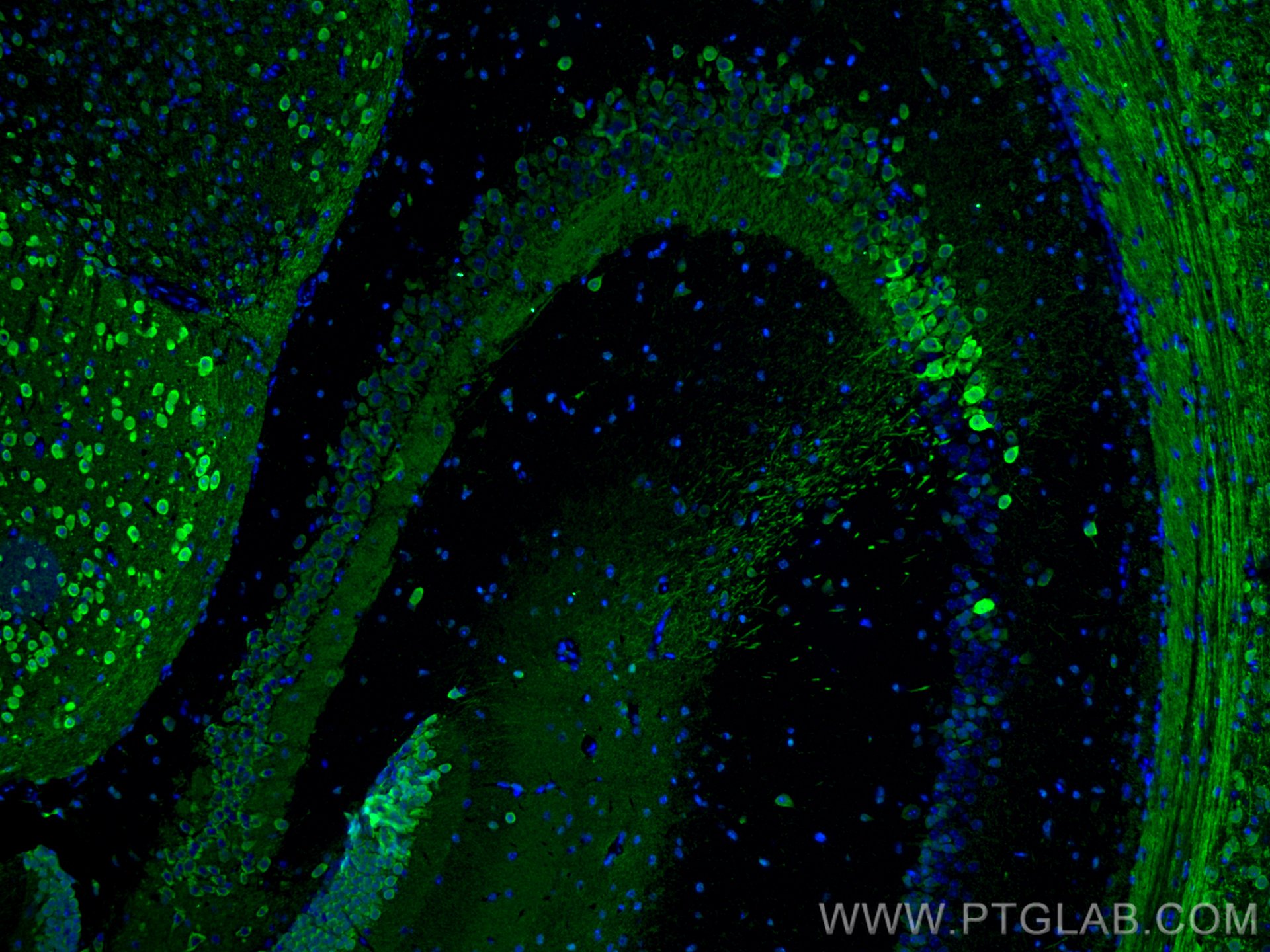
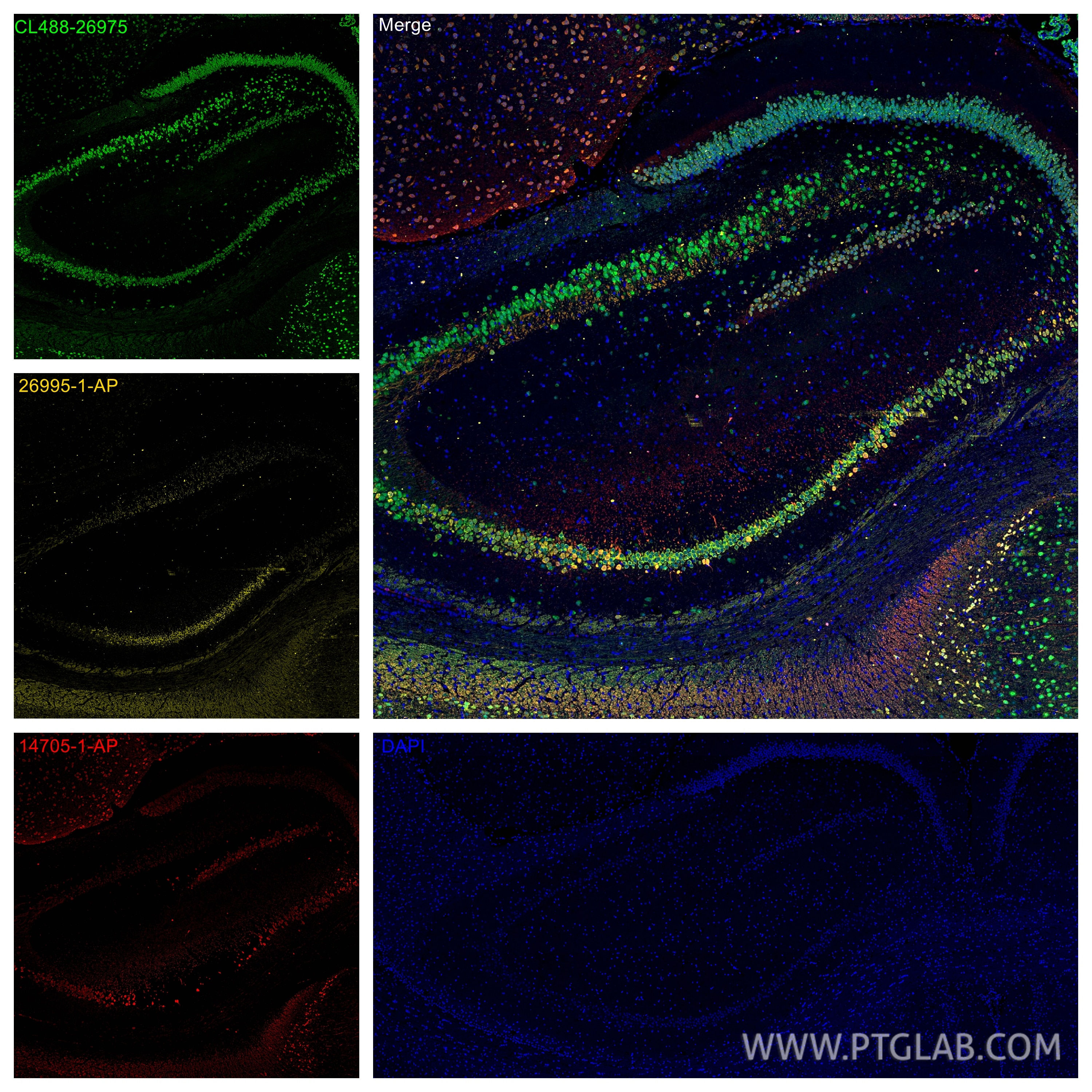
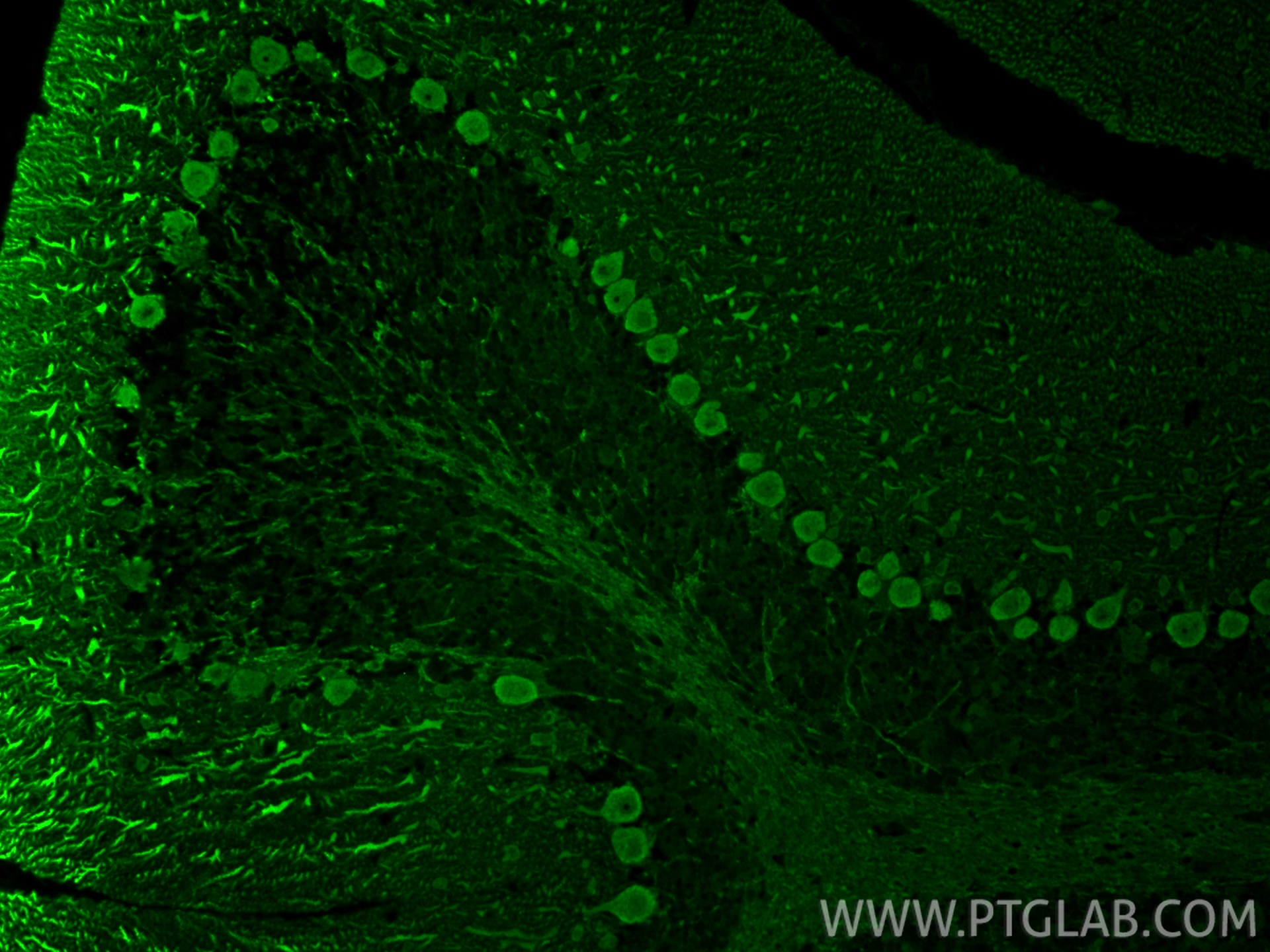
| Positive IF-P detected in | mouse cerebellum tissue, mouse brain tissue, rat brain tissue |
Recommended dilution
| Application | Dilution |
|---|---|
| Western Blot (WB) | WB : 1:1000-1:6000 |
| Immunoprecipitation (IP) | IP : 0.5-4.0 ug for 1.0-3.0 mg of total protein lysate |
| Immunohistochemistry (IHC) | IHC : 1:50-1:500 |
| Immunofluorescence (IF)-P | IF-P : 1:50-1:500 |
| It is recommended that this reagent should be titrated in each testing system to obtain optimal results. | |
| Sample-dependent, Check data in validation data gallery. | |
Product Information
14705-1-AP targets PCP4 in WB, IHC, IF-P, IP, ELISA applications and shows reactivity with human, mouse, rat samples.
| Tested Reactivity | human, mouse, rat |
| Cited Reactivity | human, mouse, rat |
| Host / Isotype | Rabbit / IgG |
| Class | Polyclonal |
| Type | Antibody |
| Immunogen |
CatNo: Ag6388 Product name: Recombinant human PCP4 protein Source: e coli.-derived, PGEX-4T Tag: GST Domain: 1-62 aa of BC013791 Sequence: MSERQGAGATNGKDKTSGENDGQKKVQEEFDIDMDAPETERAAVAIQSQFRKFQKKKAGSQS Predict reactive species |
| Full Name | Purkinje cell protein 4 |
| Calculated Molecular Weight | 7 kDa |
| Observed Molecular Weight | 8 kDa |
| GenBank Accession Number | BC013791 |
| Gene Symbol | PCP4 |
| Gene ID (NCBI) | 5121 |
| RRID | AB_2878075 |
| Conjugate | Unconjugated |
| Form | Liquid |
| Purification Method | Antigen affinity purification |
| UNIPROT ID | P48539 |
| Storage Buffer | PBS with 0.02% sodium azide and 50% glycerol, pH 7.3. |
| Storage Conditions | Store at -20°C. Stable for one year after shipment. Aliquoting is unnecessary for -20oC storage. 20ul sizes contain 0.1% BSA. |
Background Information
PCP4, also named as PEP19, belongs to a family of proteins involved in calcium transduction signals and binds calmodulin via an IQ motif, in a calcium independent manner. It is mainly expressed in ectoderm and neuroectoderm comprising neural crest derived cells.
Protocols
| Product Specific Protocols | |
|---|---|
| IF protocol for PCP4 antibody 14705-1-AP | Download protocol |
| IHC protocol for PCP4 antibody 14705-1-AP | Download protocol |
| IP protocol for PCP4 antibody 14705-1-AP | Download protocol |
| WB protocol for PCP4 antibody 14705-1-AP | Download protocol |
| Standard Protocols | |
|---|---|
| Click here to view our Standard Protocols |
Publications
What published studies show
The anti-PCP4 antibody (Cat# 14705-1-AP) has 17 citations across journals including Cancer Cell, Cell Stem Cell, Nature Neuroscience, Nature Protocols, Nature Communications, Cell Reports, Annals of Neurology, and eLife. Research fields span neuroscience (hippocampal circuits, brain organoids, epilepsy, Alzheimer's disease), cancer biology (neuroblastoma, prostate cancer, cholangiocarcinoma, glioma), and developmental biology (organoid modeling, cochlear malformations). Applications include IF, WB, and IHC in human, mouse, rat, and hamster samples.
| Species | Application | Title |
|---|---|---|
Cancer Cell Single-Cell Characterization of Malignant Phenotypes and Developmental Trajectories of Adrenal Neuroblastoma. | ||
Cell Stem Cell Human brain organoids assemble functionally integrated bilateral optic vesicles. | ||
Nat Neurosci Acute silencing of hippocampal CA3 reveals a dominant role in place field responses. | ||
Nat Protoc Generation of iPSC-derived human forebrain organoids assembling bilateral eye primordia | ||
Nat Commun Reliability of high-quantity human brain organoids for modeling microcephaly, glioma invasion and drug screening | ||
Research (Wash D C) Two Molecularly Defined Neuronal Types in the Mammillary Body Govern Different Temporal Periods during Working Memory Maintenance. |












