
Product Information
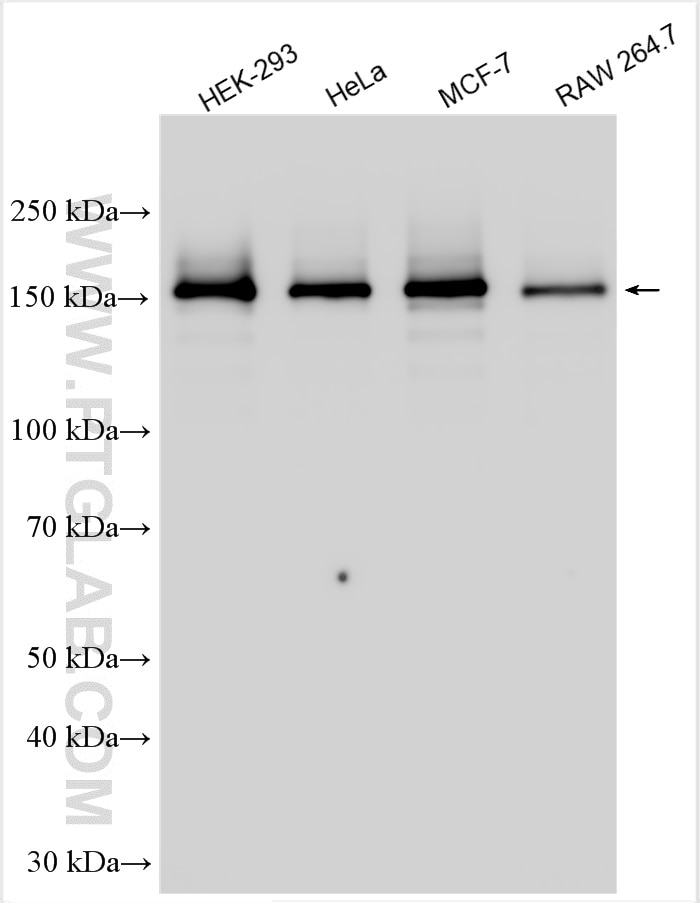
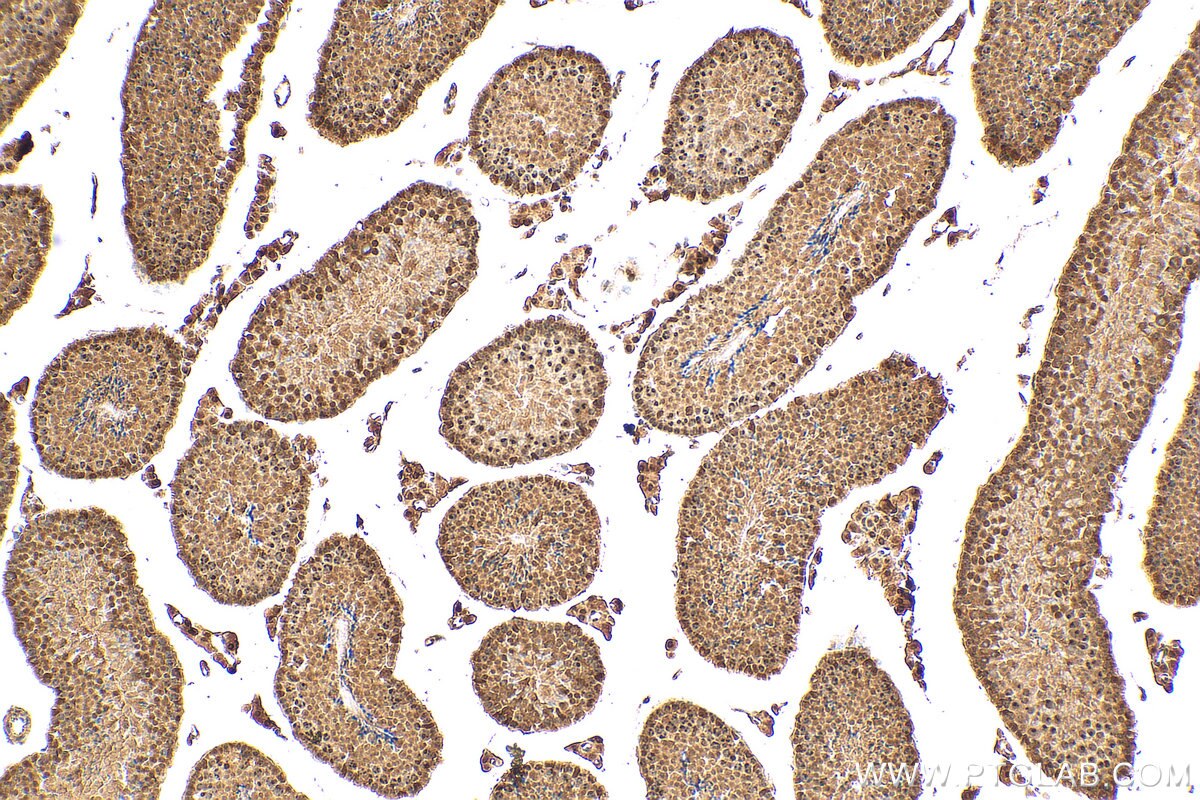
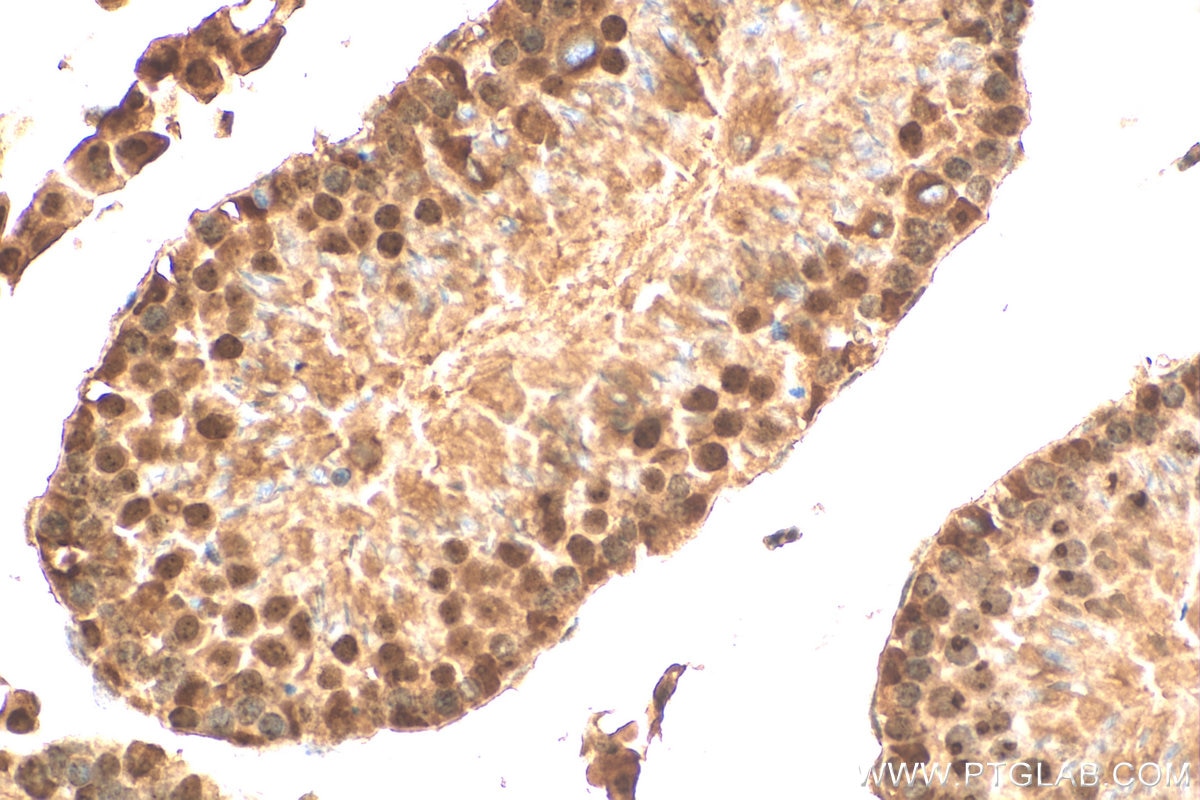
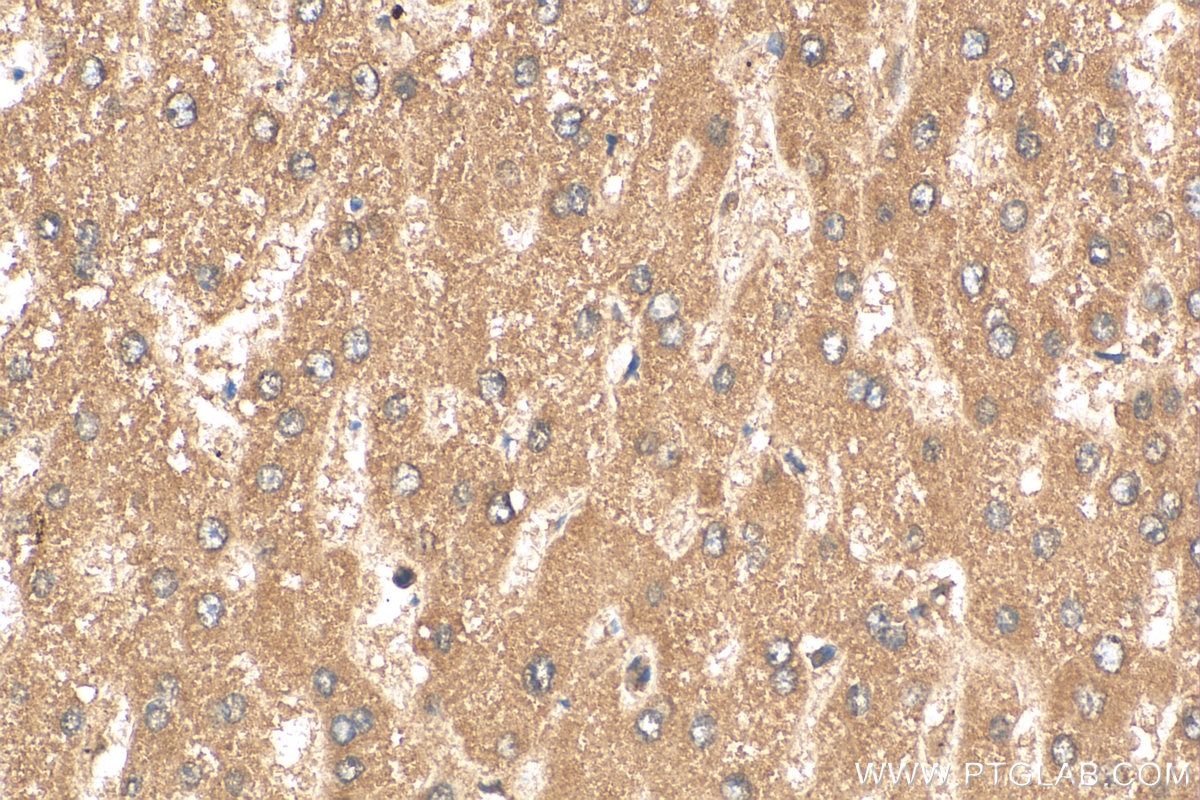
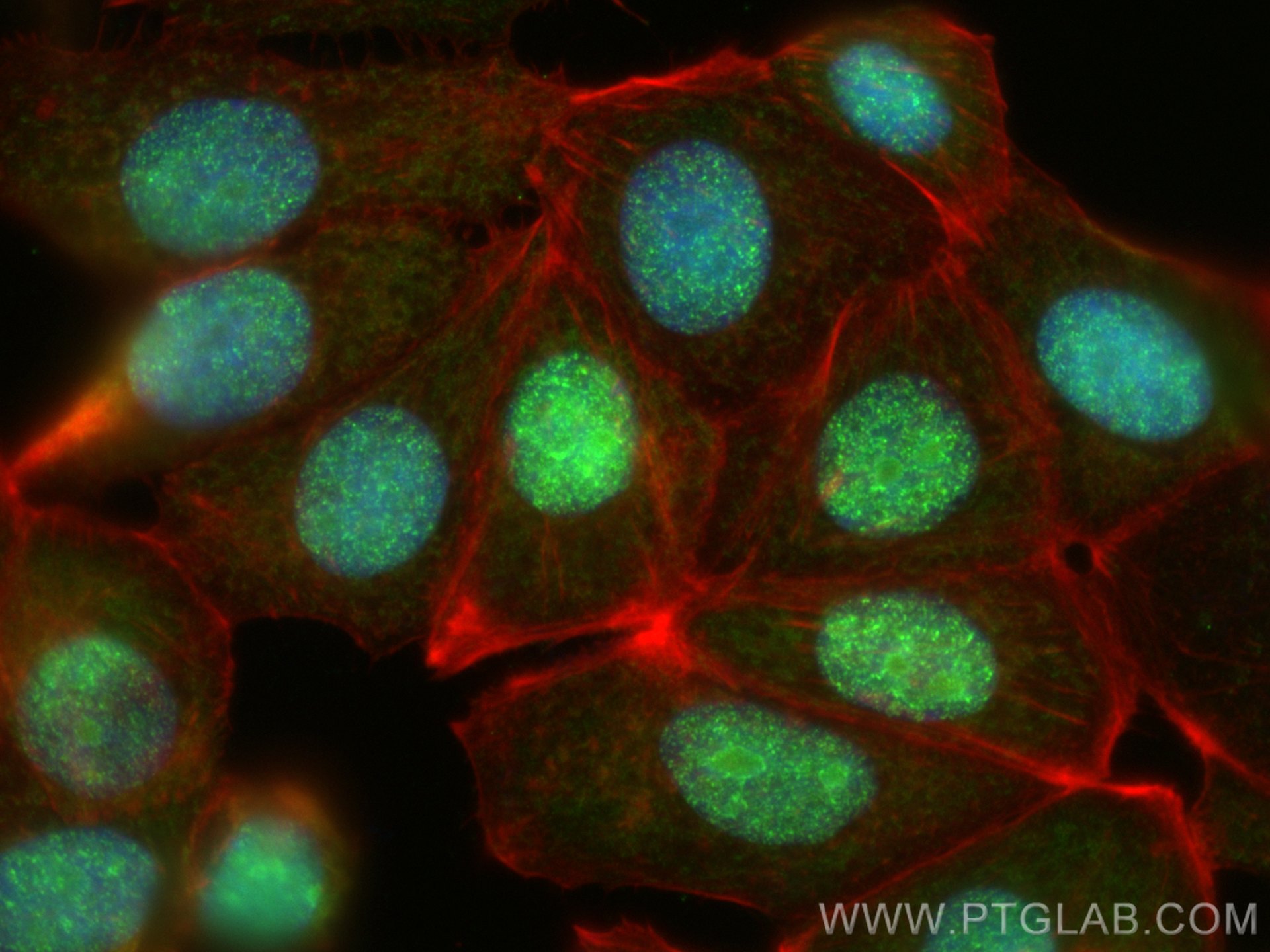
30135-1-PBS targets PELP1 in WB, IHC, IF/ICC, Indirect ELISA applications and shows reactivity with human, mouse samples.
| Tested Reactivity | human, mouse |
| Host / Isotype | Rabbit / IgG |
| Class | Polyclonal |
| Type | Antibody |
| Immunogen |
CatNo: Ag32720 Product name: Recombinant human PELP1 protein Source: e coli.-derived, PGEX-4T Tag: GST Domain: 1000-1130 aa of BC069058 Sequence: EPEPGLLLEVEEPGTEEERGADTAPTLAPEALPSQGEVEREGESPAAGPPPQELVEEEPSAPPTLLEEETEDGSDKVQPPPETPAEEEMETETEAEALQEKEQDDTAAMLADFIDCPPDDEKPPPPTEPDS Predict reactive species |
| Full Name | proline, glutamate and leucine rich protein 1 |
| Calculated Molecular Weight | 1130 aa, 120 kDa |
| Observed Molecular Weight | 160 kDa |
| GenBank Accession Number | BC069058 |
| Gene Symbol | PELP1 |
| Gene ID (NCBI) | 27043 |
| RRID | AB_2935519 |
| Conjugate | Unconjugated |
| Form | Liquid |
| Purification Method | Antigen affinity purification |
| UNIPROT ID | Q8IZL8 |
| Storage Buffer | PBS only, pH 7.3. |
| Storage Conditions | Store at -80°C. |
Background Information
PELP1 was first identified as a 160 kDa protein in a screen for Src homology 2 (SH2) domain-binding proteins. PELP1 is overexpressed in 60-80% of breast tumors and plays important roles in both ER genomic and non-genomic signaling. In vivo, PELP1 subcellular localization is primarily nuclear in normal breast tissue, but it is localized to the cytoplasm in about 40% of invasive breast tumors. In the nucleus, PELP1 interacts with a number of transcription factors. The proto-oncogenic functions of PELP1 involve different cellular processes including epigenetic modifications leading to ER transactivation and breast cancer progression. Furthermore, PELP1 activates kinase cascades in the cytoplasm such as MAPK activation via c-Src and PI3K signaling.






