

Tested Applications
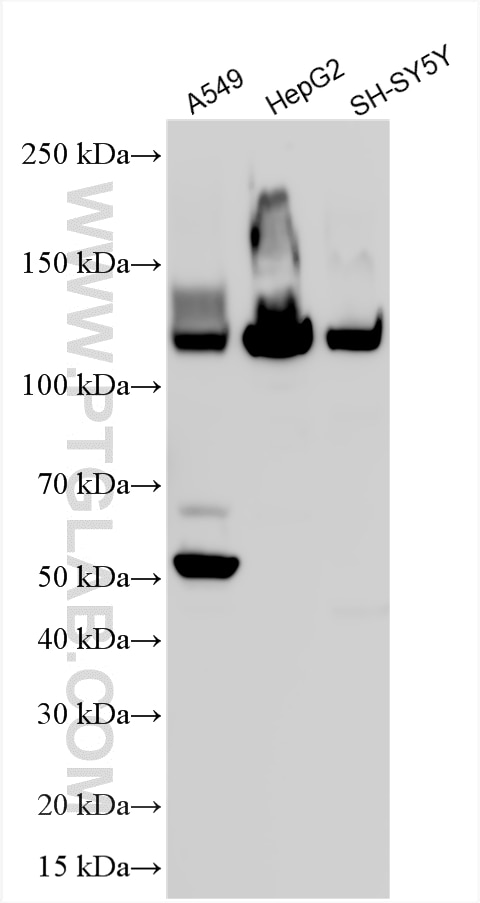
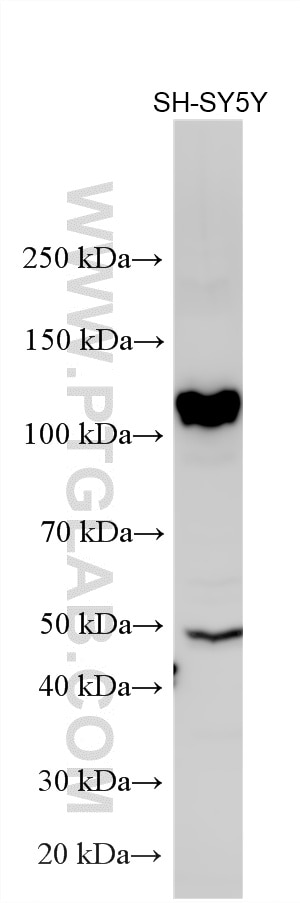
| Positive WB detected in | A549 cells, SH-SY5Y cells, HepG2 cells |
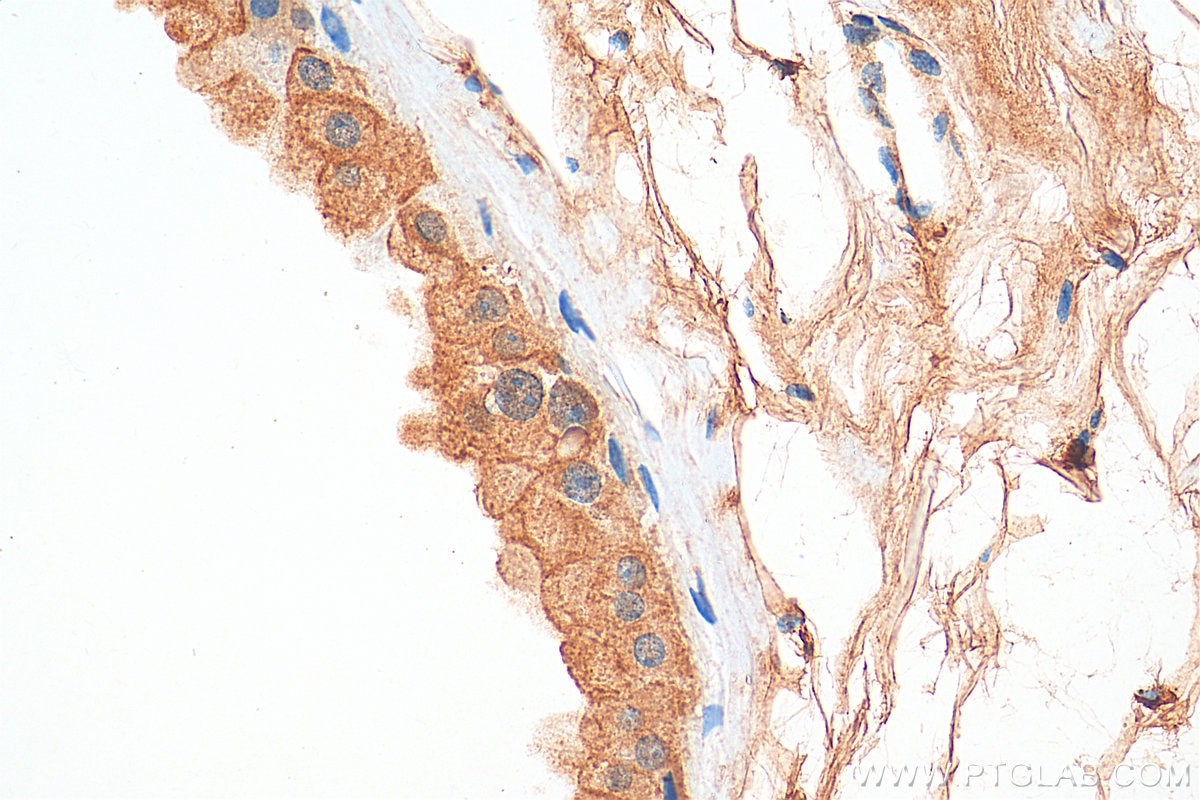
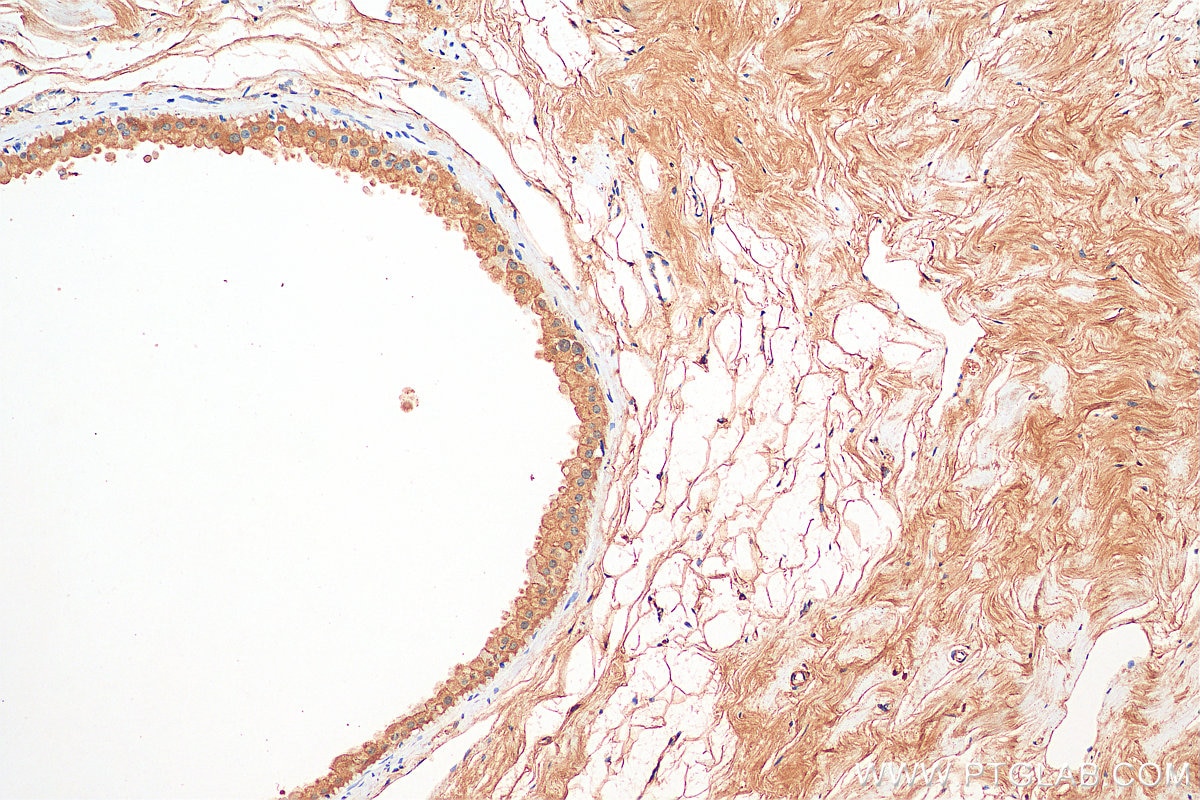
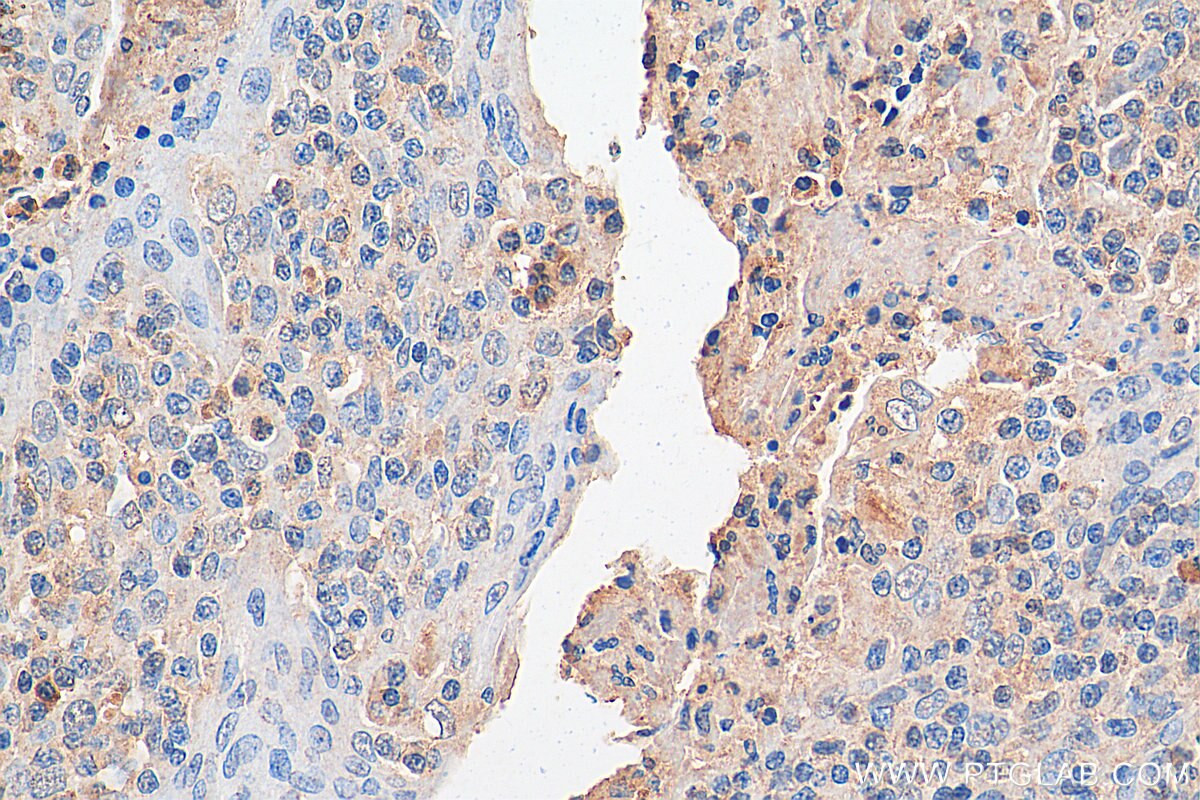
| Positive IHC detected in | human breast cancer tissue, human tonsillitis tissue Note: suggested antigen retrieval with TE buffer pH 9.0; (*) Alternatively, antigen retrieval may be performed with citrate buffer pH 6.0 |
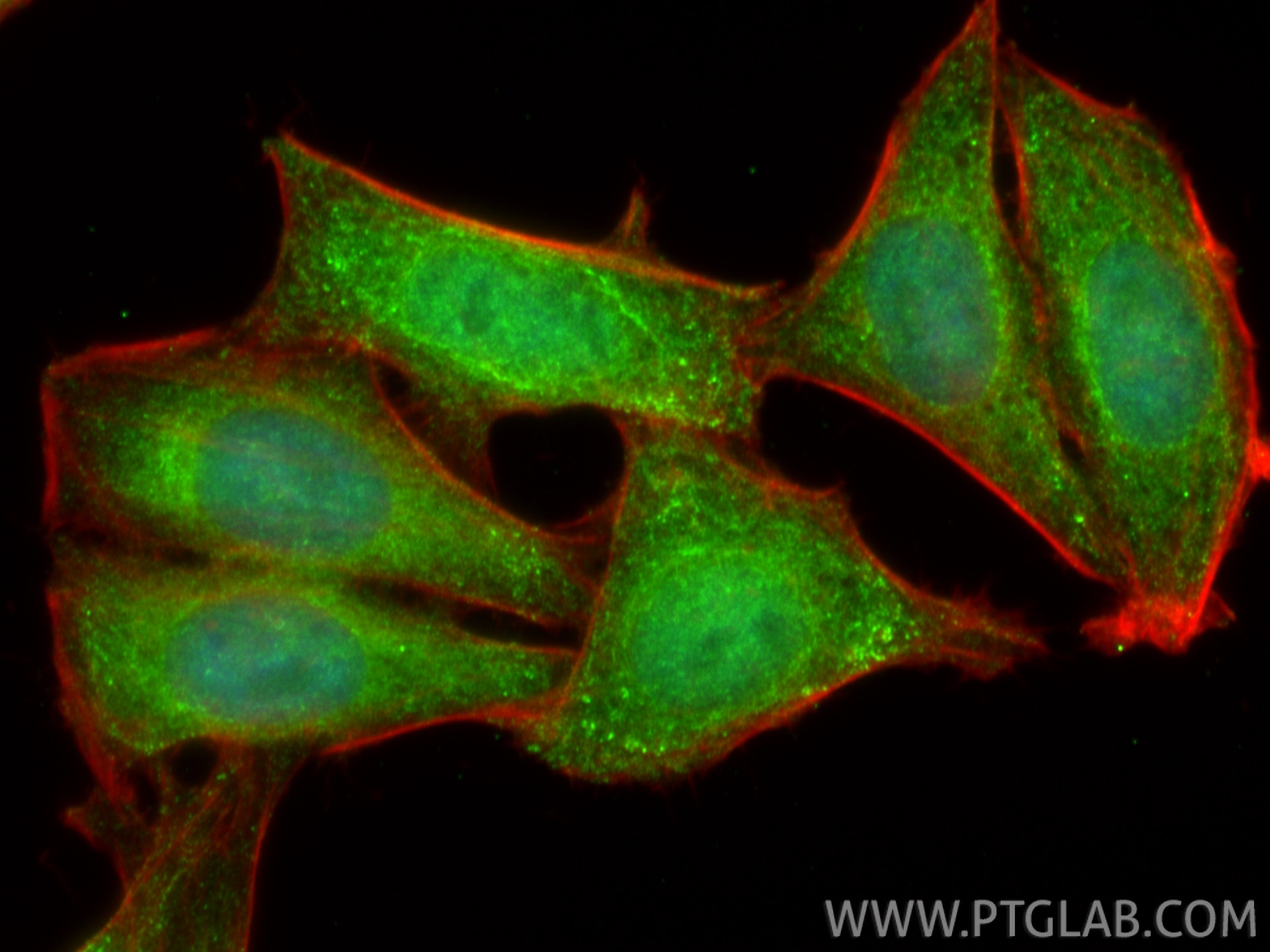
| Positive IF/ICC detected in | HepG2 cells |
Recommended dilution
| Application | Dilution |
|---|---|
| Western Blot (WB) | WB : 1:1000-1:6000 |
| Immunohistochemistry (IHC) | IHC : 1:50-1:500 |
| Immunofluorescence (IF)/ICC | IF/ICC : 1:200-1:800 |
| It is recommended that this reagent should be titrated in each testing system to obtain optimal results. | |
| Sample-dependent, Check data in validation data gallery. | |
Product Information
13463-1-AP targets PER1 in WB, IHC, IF/ICC, CoIP, ChIP, ELISA applications and shows reactivity with human samples.
| Tested Reactivity | human |
| Cited Reactivity | human, mouse, rat |
| Host / Isotype | Rabbit / IgG |
| Class | Polyclonal |
| Type | Antibody |
| Immunogen |
CatNo: Ag4249 Product name: Recombinant human PER1 protein Source: e coli.-derived, PGEX-4T Tag: GST Domain: 1-346 aa of BC028207 Sequence: MSGPLEGADGGGDPRPGESFCPGGVPSPGPPQHRPCPGPSLADDTDANSNGSSGNESNGHESRGASQRSSHSSSSGNGKDSALLETTESSKSTNSQSPSPPSSSIAYSLLSASSEQDNPSTSGCSSEQSARARTQKELMTALRELKLRLPPERRGKGRSGTLATLQYALACVKQVQANQEYYQQWSLEEGEPCSMDMSTYTLEELEHITSEYTLQNQDTFSVAVSFLTGRIVYISEQAAVLLRCKRDVFRGTRFSELLAPQDVGVFYGSTAPSRLPTWGTGASAGSGLRDFTQEKSVFCRIRGGPDRDPGPRYQPFRLTPYVTKIRVSDGAPAQPCCLLIAE Predict reactive species |
| Full Name | period homolog 1 (Drosophila) |
| Calculated Molecular Weight | 1290 aa, 136 kDa |
| Observed Molecular Weight | 110 kDa, 50-55 kDa |
| GenBank Accession Number | BC028207 |
| Gene Symbol | PER1 |
| Gene ID (NCBI) | 5187 |
| RRID | AB_2161536 |
| Conjugate | Unconjugated |
| Form | Liquid |
| Purification Method | Antigen affinity purification |
| UNIPROT ID | O15534 |
| Storage Buffer | PBS with 0.02% sodium azide and 50% glycerol, pH 7.3. |
| Storage Conditions | Store at -20°C. Stable for one year after shipment. Aliquoting is unnecessary for -20oC storage. 20ul sizes contain 0.1% BSA. |
Background Information
PER1 is a master regulator of circadian rhythm and functions in the nucleus to repress expression of the central circadian clock genes. The periodicity of PER1 abundance, nuclear translocation, and transcriptional repression is regulated by PER1 phosphorylation, ubiquitination, and proteasomal degradation [PMID: 21514639]. It is one component of the circadian clock mechanism which is essential for generating circadian rhythms. It can influences clock function by interacting with other circadian regulatory proteins and transporting them to the nucleus [PMID: 9856465, 20930143]. In addition to bands of the predicted molecular mass of 140 kDa, additional PER1 species of 55 and 45 kDa is detected that is predominantly nuclear [PMID: 11726537] .
Protocols
| Product Specific Protocols | |
|---|---|
| IF protocol for PER1 antibody 13463-1-AP | Download protocol |
| IHC protocol for PER1 antibody 13463-1-AP | Download protocol |
| WB protocol for PER1 antibody 13463-1-AP | Download protocol |
| Standard Protocols | |
|---|---|
| Click here to view our Standard Protocols |
Publications
What published studies show
The PER1 Polyclonal antibody (Cat# 13463-1-AP) has 30 citations published in journals including Cell Metabolism, Nature Communications, Theranostics, Advanced Science, Cell Death & Disease, Phytomedicine, FASEB Journal, and iScience. Research fields span circadian rhythm regulation, cancer biology, metabolic disorders, neurology/psychiatry, fibrosis, renal disease, bone biology, and sleep medicine, with applications primarily in WB, IHC, IF, CoIP, and ChIP across human, mouse, and rat species.
| Species | Application | Title |
|---|---|---|
Cell Metab Dysfunctional circadian clock accelerates cancer metastasis by intestinal microbiota triggering accumulation of myeloid-derived suppressor cells | ||
Int J Oral Sci OCT4-driven PER1 activation promotes odontogenic differentiation in senescent SCAP spheres. | ||
Theranostics Development of human cartilage circadian rhythm in a stem cell-chondrogenesis model. | ||
Adv Sci (Weinh) Mitochondrial Dysfunction Unravels the Potential Molecular Link Between Night Shift Work-Related Circadian Disruption and Elevated Blood Pressure in Human and Mouse Models. | ||
Cell Death Dis hPER3 promotes adipogenesis via hHSP90AA1-mediated inhibition of Notch1 pathway. |
Reviews
What customers say
The single review for 13463-1-AP is a 5-star rating from Priya Arumugam (January 2023). She used the antibody at a 1:1000 dilution for Western Blot on human cardiomyocytes, human keratinocytes cell lines, and mouse liver and skin tissues. She reported that the antibody works well across these applications and species.
The reviews below have been submitted by verified Proteintech customers who received an incentive for providing their feedback.
Priya (Verified Customer) (01-05-2023) | The antibody works well. I have been using this antibody for human cardiomyocytes, human keratinocytes cell lines, and mouse tissues such as the liver and skin.
|







