

Tested Applications
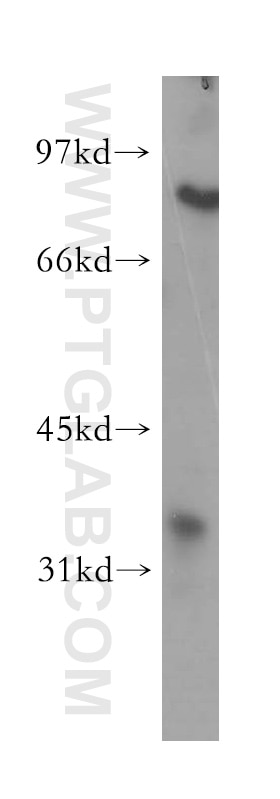
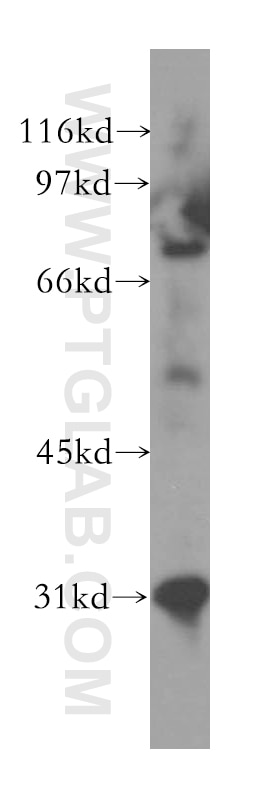
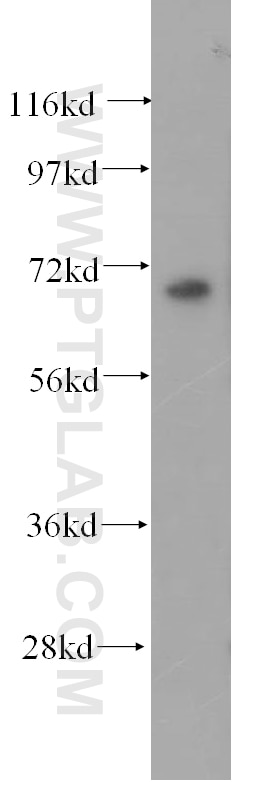
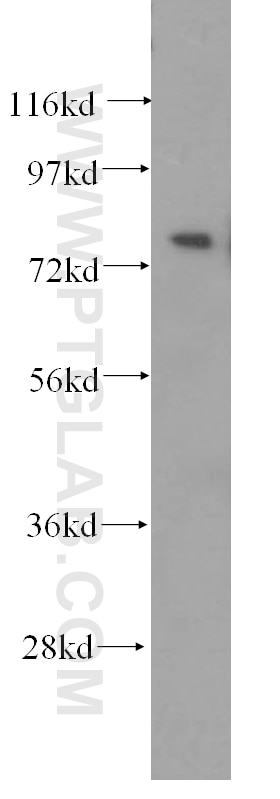
| Positive WB detected in | human liver tissue, HEK-293 cells, human kidney tissue, Jurkat cells |
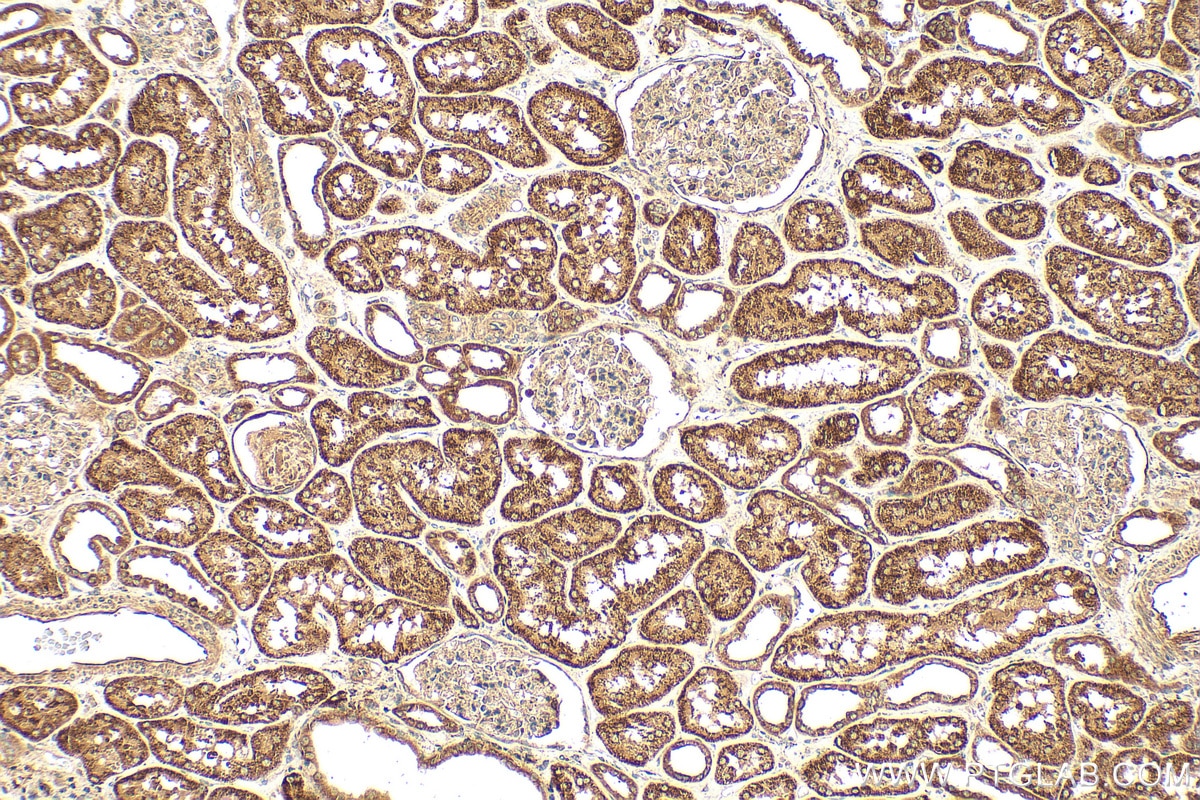
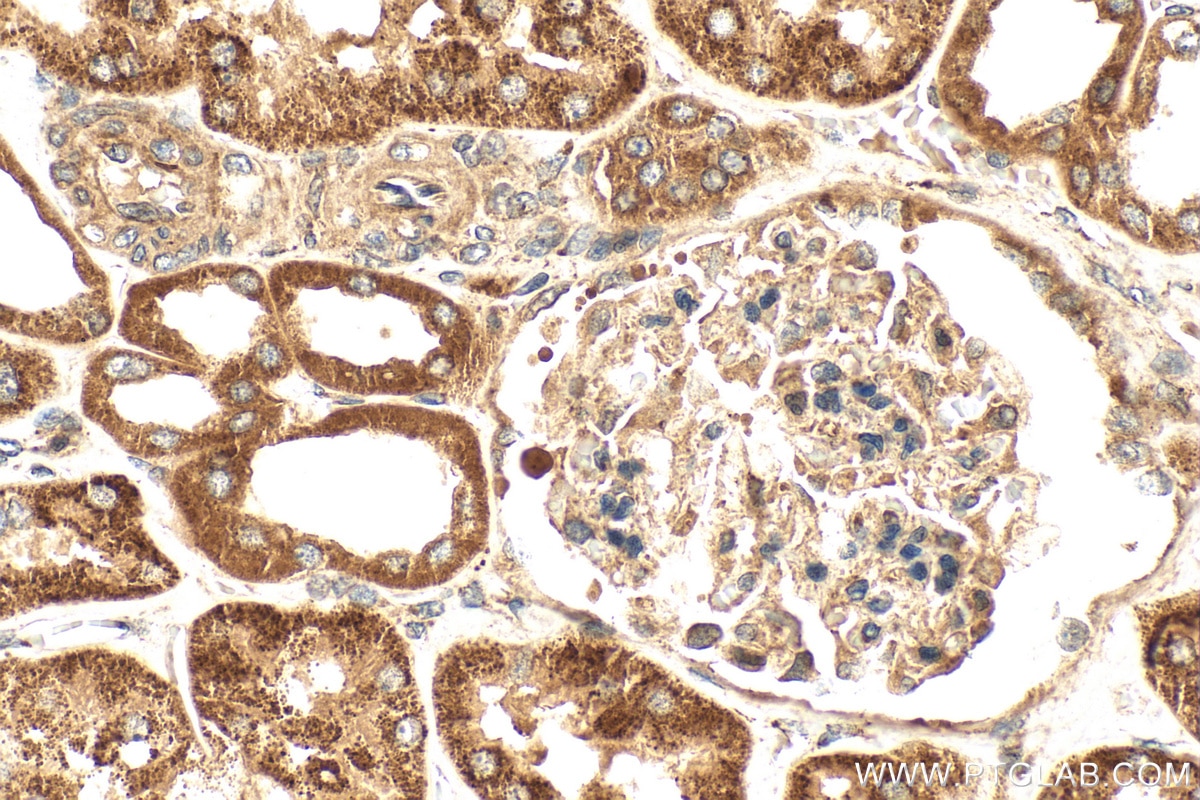
| Positive IHC detected in | human kidney tissue Note: suggested antigen retrieval with TE buffer pH 9.0; (*) Alternatively, antigen retrieval may be performed with citrate buffer pH 6.0 |
Recommended dilution
| Application | Dilution |
|---|---|
| Western Blot (WB) | WB : 1:500-1:2000 |
| Immunohistochemistry (IHC) | IHC : 1:50-1:500 |
| It is recommended that this reagent should be titrated in each testing system to obtain optimal results. | |
| Sample-dependent, Check data in validation data gallery. | |
Product Information
12858-1-AP targets PHYH in WB, IHC, ELISA applications and shows reactivity with human, mouse, rat samples.
| Tested Reactivity | human, mouse, rat |
| Cited Reactivity | mouse, rat, pig |
| Host / Isotype | Rabbit / IgG |
| Class | Polyclonal |
| Type | Antibody |
| Immunogen |
CatNo: Ag3569 Product name: Recombinant human PHYH protein Source: e coli.-derived, PGEX-4T Tag: GST Domain: 1-338 aa of BC029512 Sequence: MEQLRAAARLQIVLGHLGRPSAGAVVAHPTSGTISSASFHPQQFQYTLDNNVLTLEQRKFYEENGFLVIKNLVPDADIQRFRNEFEKICRKEVKPLGLTVMRDVTISKSEYAPSEKMITKVQDFQEDKELFRYCTLPEILKYVECFTGPNIMAMHTMLINKPPDSGKKTSRHPLHQDLHYFPFRPSDLIVCAWTAMEHISRNNGCLVVLPGTHKGSLKPHDYPKWEGGVNKMFHGIQDYEENKARVHLVMEKGDTVFFHPLLIHGSGQNKTQGFRKAISCHFASADCHYIDVKGTSQENIEKEVVGIAHKFFGAENSVNLKDIWMFRARLVKGERTNL Predict reactive species |
| Full Name | phytanoyl-CoA 2-hydroxylase |
| Calculated Molecular Weight | 39 kDa |
| Observed Molecular Weight | 36 kDa, 70 kDa |
| GenBank Accession Number | BC029512 |
| Gene Symbol | PHYH |
| Gene ID (NCBI) | 5264 |
| RRID | AB_2163745 |
| Conjugate | Unconjugated |
| Form | Liquid |
| Purification Method | Antigen affinity purification |
| UNIPROT ID | O14832 |
| Storage Buffer | PBS with 0.02% sodium azide and 50% glycerol, pH 7.3. |
| Storage Conditions | Store at -20°C. Stable for one year after shipment. Aliquoting is unnecessary for -20oC storage. 20ul sizes contain 0.1% BSA. |
Background Information
PHYH (Phytanoyl-CoA 2-hydroxylase), also known as Phytanic acid oxidase or Phytanoyl-CoA alpha-hydroxylase, is a peroxisomal enzyme which converts phytanoyl-CoA to 2-hydroxyphytanoyl-CoA. It catalyzes the first step in the alpha-oxidation of phytanic acid, a branched-chain fatty acid. Mutations in this gene can cause Refsum disease (RD) and deficient protein activity can cause Zellweger syndrome and rhizomelic chondrodysplasia punctata. This antibody (12858-1-AP) detects two bands: 36kd and 70kd. The 70kd band may probably be the dimeric form of PHYH.
Protocols
| Product Specific Protocols | |
|---|---|
| IHC protocol for PHYH antibody 12858-1-AP | Download protocol |
| WB protocol for PHYH antibody 12858-1-AP | Download protocol |
| Standard Protocols | |
|---|---|
| Click here to view our Standard Protocols |
Publications
What published studies show
The PHYH polyclonal antibody (Cat# 12858-1-AP) has 6 citations across journals including Nature Cell Biology, Journal of Ethnopharmacology, Oncotarget, Scientific Reports, Journal of Hepatocellular Carcinoma, and PLoS Genetics. Research fields span peroxisomal PTS2 protein import, non-alcoholic fatty liver disease, hepatic mitochondrial metabolism, early testicular development, hepatocellular carcinoma prognosis, and lipid metabolic abnormalities related to male infertility. Applications cited include WB and IHC in mouse, rat, and pig species.
| Species | Application | Title |
|---|---|---|
J Ethnopharmacol Isobaric tags for relative and absolute quantitation (iTRAQ)-based proteomics for the investigation of the effect of Hugan Qingzhi on non-alcoholic fatty liver disease in rats. | ||
Oncotarget Proteomics and metabolomics analysis of hepatic mitochondrial metabolism in alcohol-preferring and non-preferring rats. | ||
Sci Rep Proteomics analysis reveals the effect of 1α,25(OH)2VD3-glycosides on development of early testes in piglets. | ||
J Hepatocell Carcinoma Liver Regeneration-Related Genes of Nontumor Liver Tissues Predict the Prognosis of Patients with Hepatocellular Carcinoma | ||
PLoS Genet Tysnd1 deficiency in mice interferes with the peroxisomal localization of PTS2 enzymes, causing lipid metabolic abnormalities and male infertility. |







