

Tested Applications
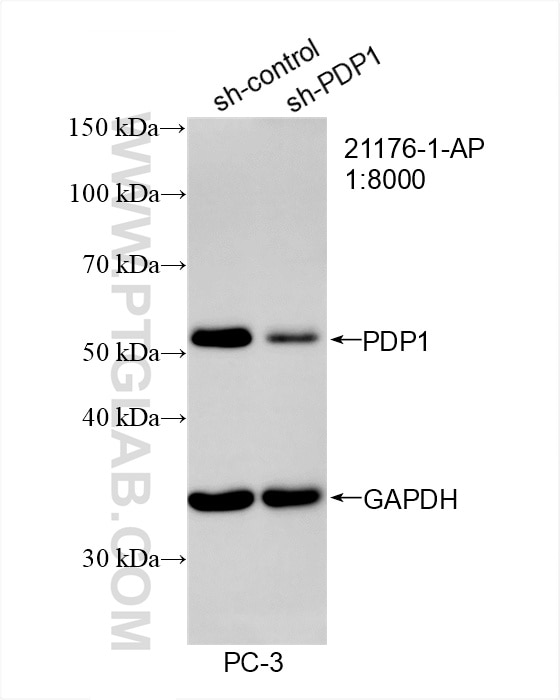
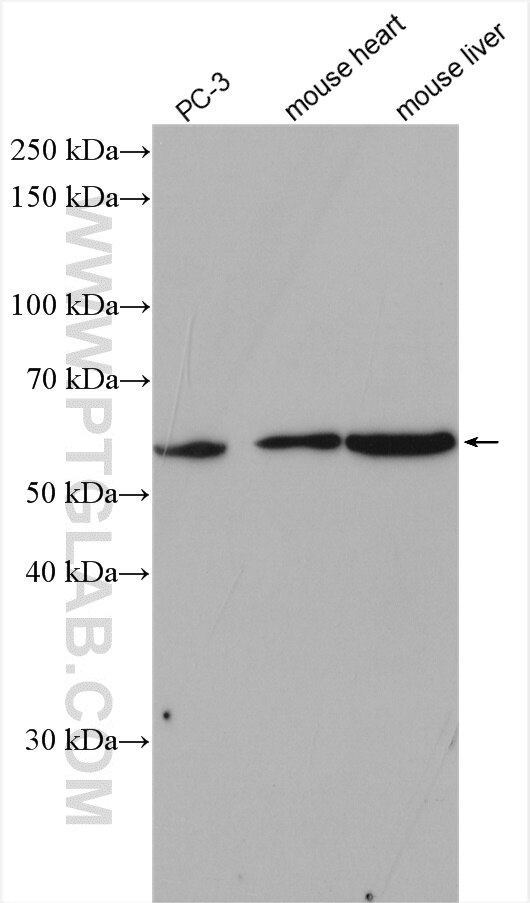
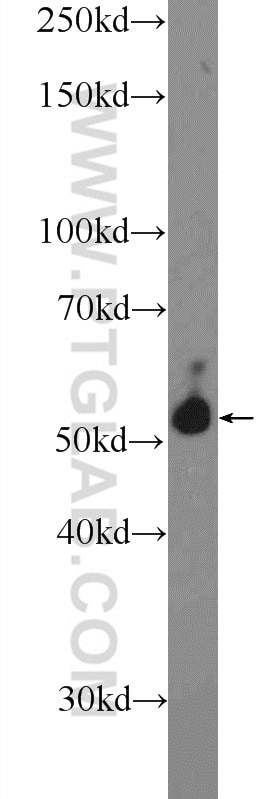
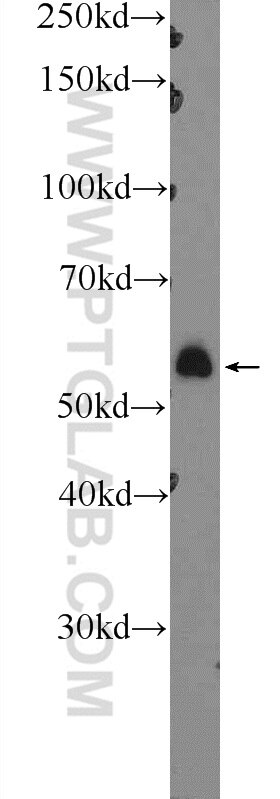
| Positive WB detected in | PC-3 cells, mouse brain tissue, mouse skeletal muscle tissue, mouse heart tissue, mouse liver tissue |
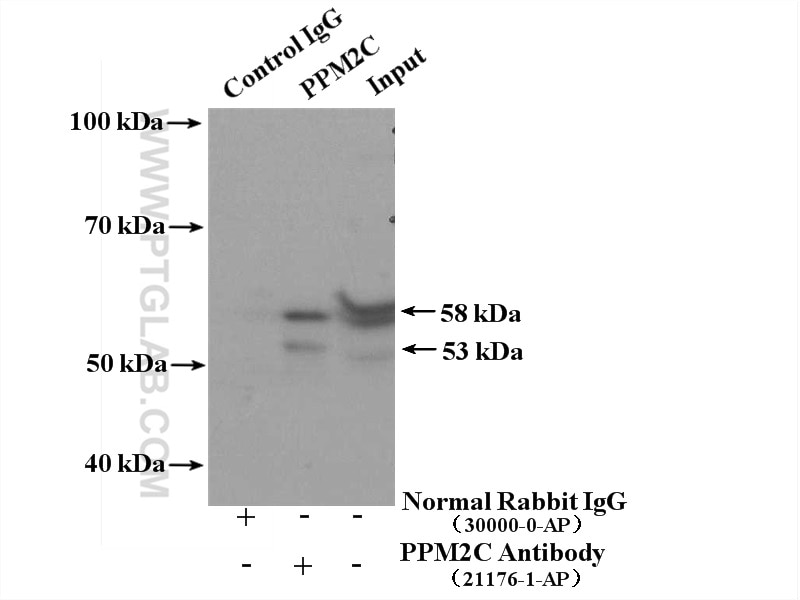
| Positive IP detected in | mouse brain tissue |
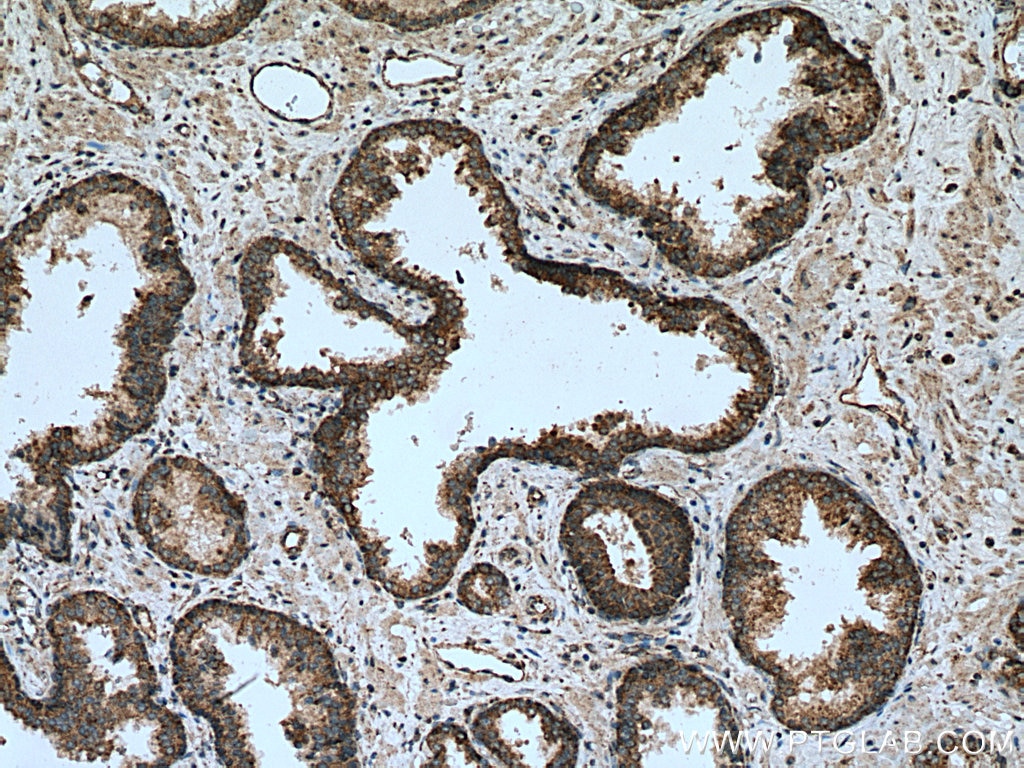
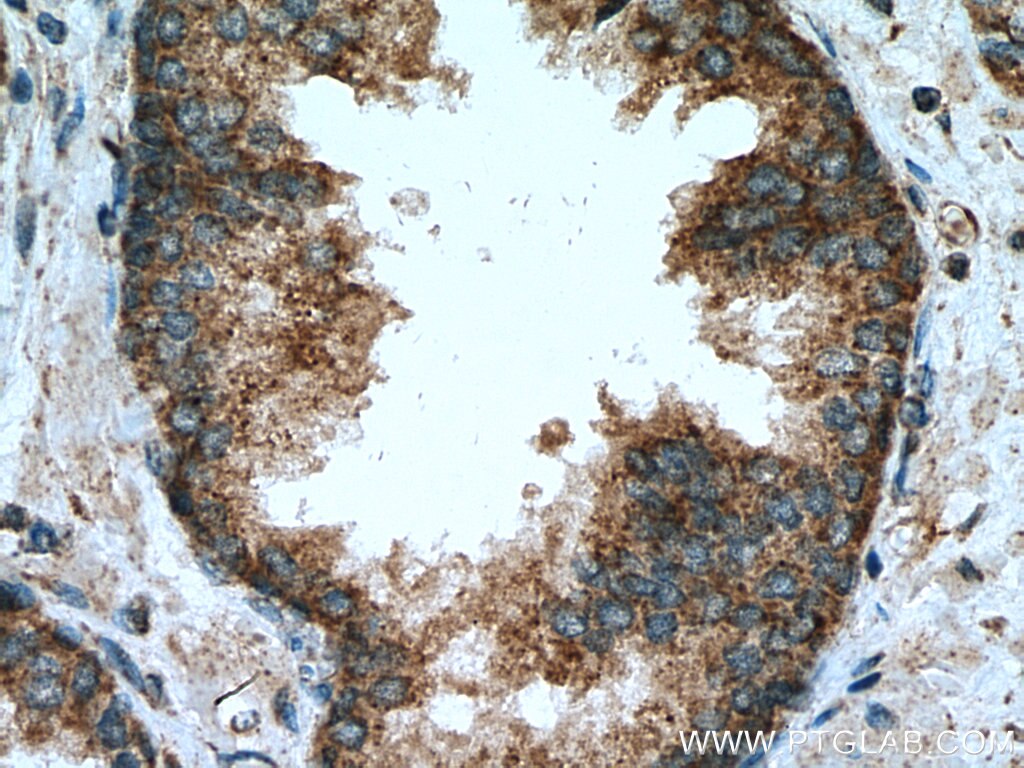
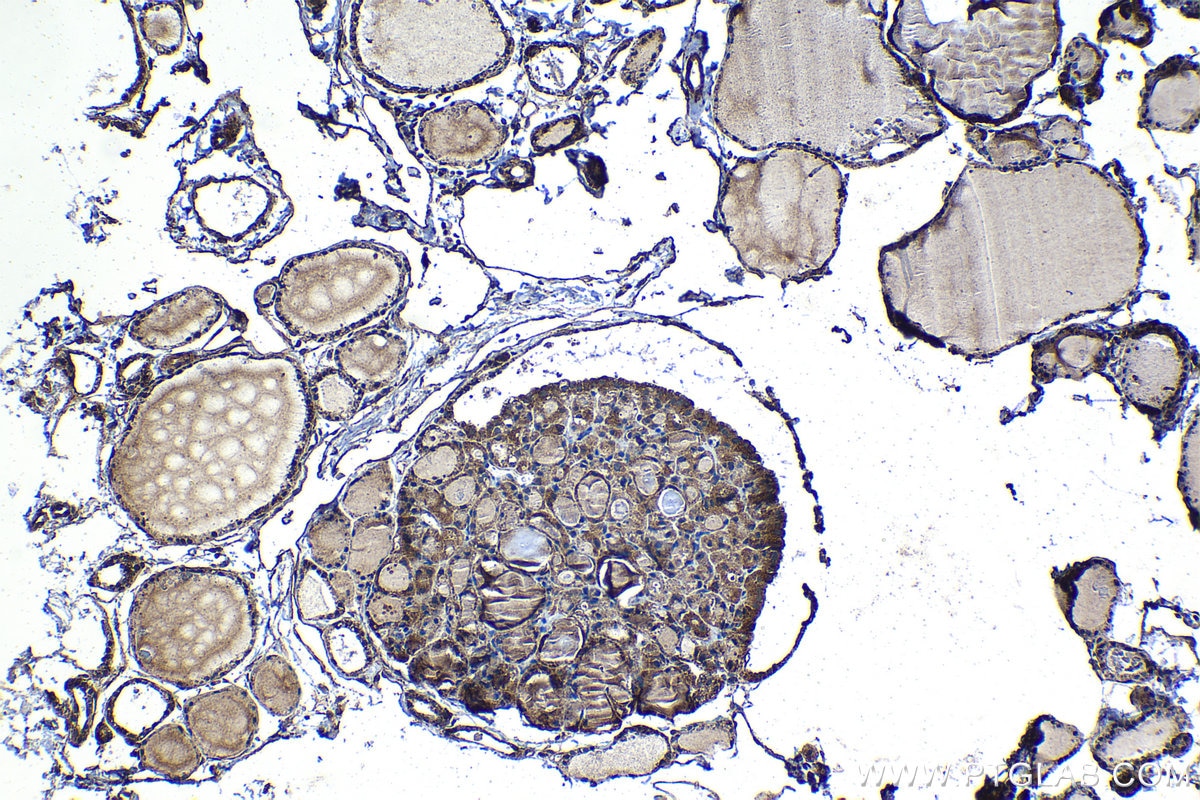
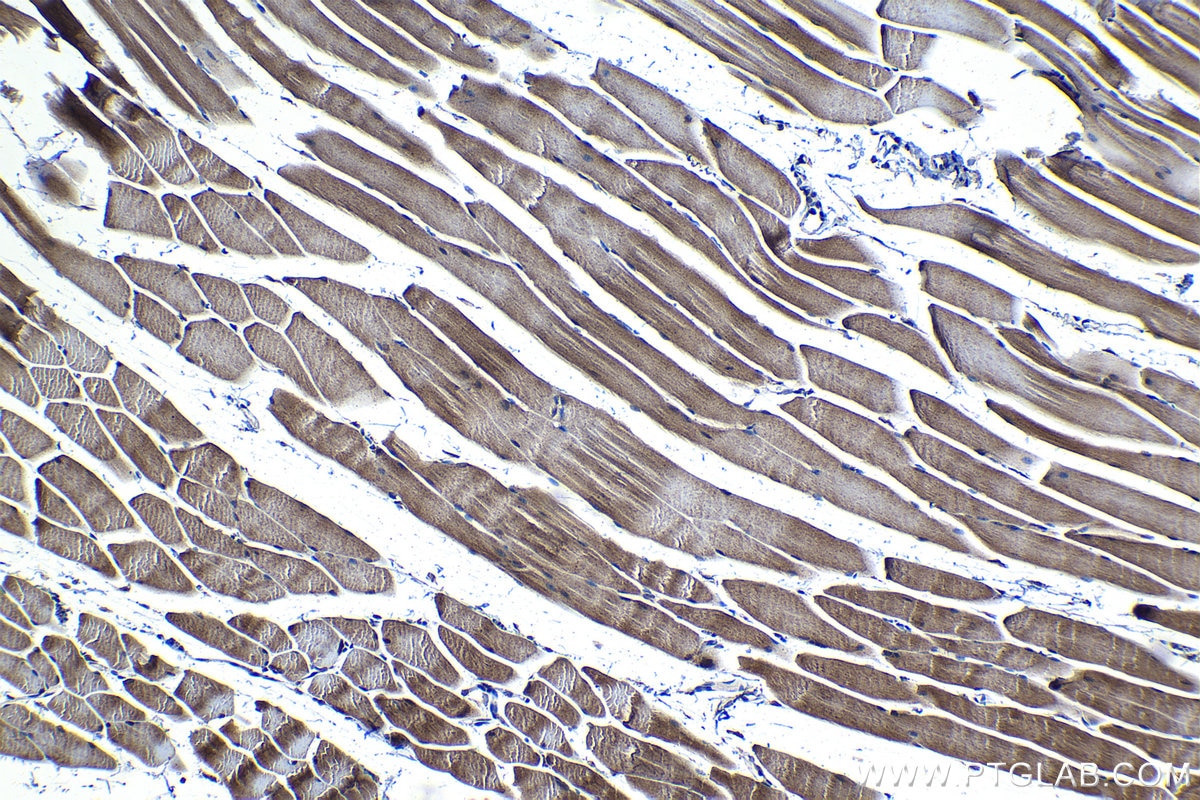
| Positive IHC detected in | human prostate cancer tissue, human thyroid cancer tissue, mouse skeletal muscle tissue Note: suggested antigen retrieval with TE buffer pH 9.0; (*) Alternatively, antigen retrieval may be performed with citrate buffer pH 6.0 |
Recommended dilution
| Application | Dilution |
|---|---|
| Western Blot (WB) | WB : 1:500-1:1000 |
| Immunoprecipitation (IP) | IP : 0.5-4.0 ug for 1.0-3.0 mg of total protein lysate |
| Immunohistochemistry (IHC) | IHC : 1:50-1:500 |
| It is recommended that this reagent should be titrated in each testing system to obtain optimal results. | |
| Sample-dependent, Check data in validation data gallery. | |
Product Information
21176-1-AP targets PDP1 in WB, IHC, IP, ELISA applications and shows reactivity with human, mouse samples.
| Tested Reactivity | human, mouse |
| Cited Reactivity | human, mouse |
| Host / Isotype | Rabbit / IgG |
| Class | Polyclonal |
| Type | Antibody |
| Immunogen |
CatNo: Ag15453 Product name: Recombinant human PPM2C protein Source: e coli.-derived, PGEX-4T Tag: GST Domain: 1-154 aa of BC047619 Sequence: MPAPTQLFFPLIRNCELSRIYGTACYCHHKHLCCSSSYIPQSRLRYTPHPAYATFCRPKENWWQYTQGRRYASTPQKFYLTPPQVNSILKANEYSFKVPEFDGKNVSSILGFDSNQLPANAPIEDRRSAATCLQTRGMLLGVFDGHAGCACSQA Predict reactive species |
| Full Name | protein phosphatase 2C, magnesium-dependent, catalytic subunit |
| Calculated Molecular Weight | 537 aa, 61 kDa |
| Observed Molecular Weight | 55-61 kDa |
| GenBank Accession Number | BC047619 |
| Gene Symbol | PDP1 |
| Gene ID (NCBI) | 54704 |
| RRID | AB_2878824 |
| Conjugate | Unconjugated |
| Form | Liquid |
| Purification Method | Antigen affinity purification |
| UNIPROT ID | Q9P0J1 |
| Storage Buffer | PBS with 0.02% sodium azide and 50% glycerol, pH 7.3. |
| Storage Conditions | Store at -20°C. Stable for one year after shipment. Aliquoting is unnecessary for -20oC storage. 20ul sizes contain 0.1% BSA. |
Background Information
Pyruvate dehydrogenase phosphatase 1 (PDP1) is a key hormone-regulated metabolic enzyme that dephosphorylates and activates pyruvate dehydrogenase (PDH), thereby stimulating the conversion of pyruvate into acetyl-CoA (PMID: 36453802). PDP1 expression is regulated by FLT3-ITD in a context-dependent manner, and that it is centrally involved in the adaptation of AML glucose metabolism to the requirements of proliferation, survival and the therapeutic response to FLT3 inhibition (PMID: 37935978).
Protocols
| Product Specific Protocols | |
|---|---|
| IHC protocol for PDP1 antibody 21176-1-AP | Download protocol |
| IP protocol for PDP1 antibody 21176-1-AP | Download protocol |
| WB protocol for PDP1 antibody 21176-1-AP | Download protocol |
| Standard Protocols | |
|---|---|
| Click here to view our Standard Protocols |
Publications
What published studies show
Anti-PDP1 antibody (Cat# 21176-1-AP) has 9 total citations published in journals including Cancer Discovery, Cell Death & Disease, Aging, Frontiers in Pharmacology, The Journal of Physiology, ACS Chemical Neuroscience, Journal of Diabetes Research, Cell Biochemistry and Function, and Current Medical Science. Research fields span cancer biology (renal cell carcinoma, colorectal cancer, breast cancer), metabolic remodeling, ferroptosis, neuroinflammation, stroke, diabetes, and immune signaling.
| Species | Application | Title |
|---|---|---|
Cancer Discov Copper Drives Remodeling of Metabolic State and Progression of Clear Cell Renal Cell Carcinoma | ||
Cell Death Dis Mitochondrial dysfunction induces radioresistance in colorectal cancer by activating [Ca2+]m-PDP1-PDH-histone acetylation retrograde signaling. | ||
Aging (Albany NY) Identification of immune-related cells and genes in the breast invasive carcinoma microenvironment. | ||
Front Pharmacol PDP1 related ferroptosis risk signature indicates distinct immune microenvironment and prognosis of breast cancer patients
| ||
J Physiol Monocarboxylate transporter 4 deficiency enhances high-intensity interval training-induced metabolic adaptations in skeletal muscle | ||
ACS Chem Neurosci FDCA Attenuates Neuroinflammation and Brain Injury after Cerebral Ischemic Stroke |










