
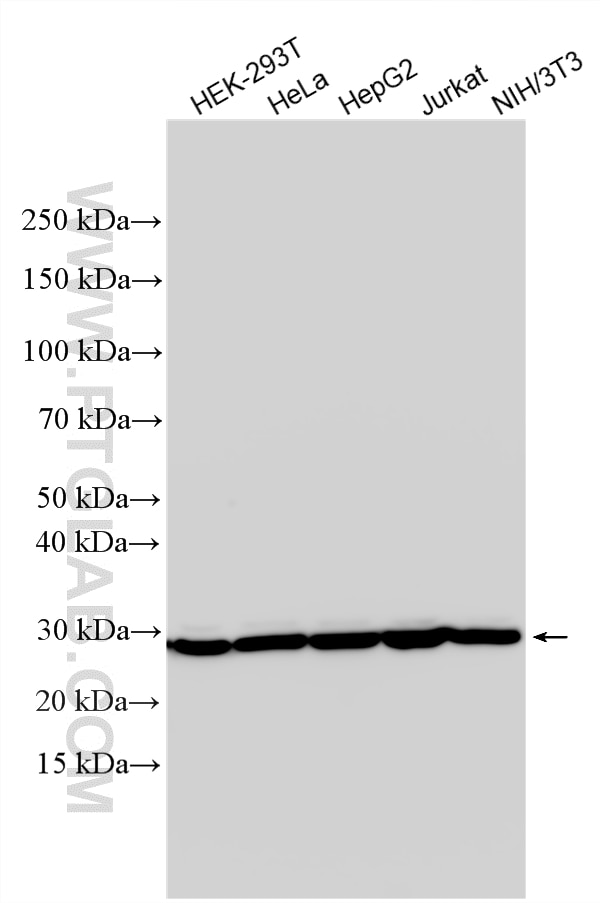
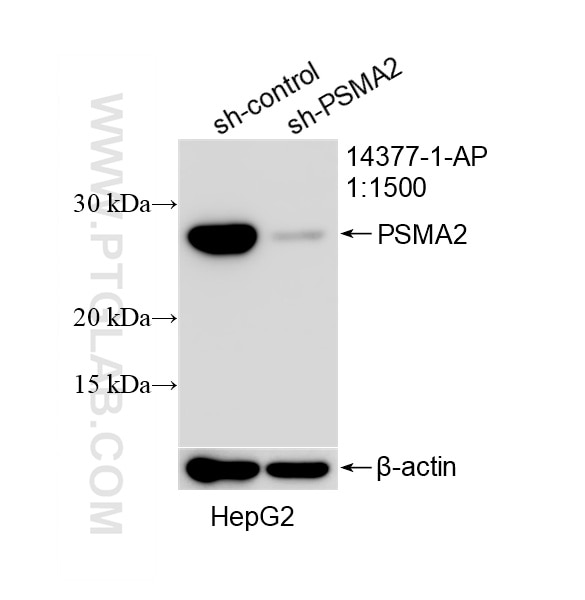
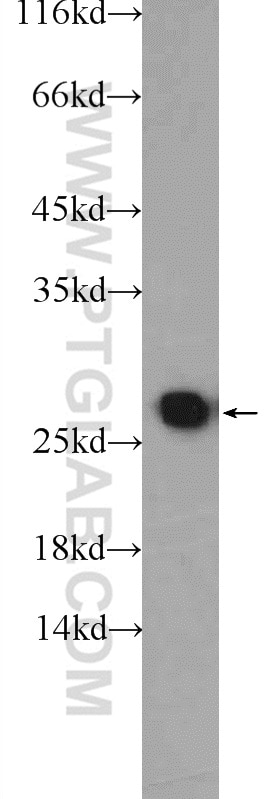
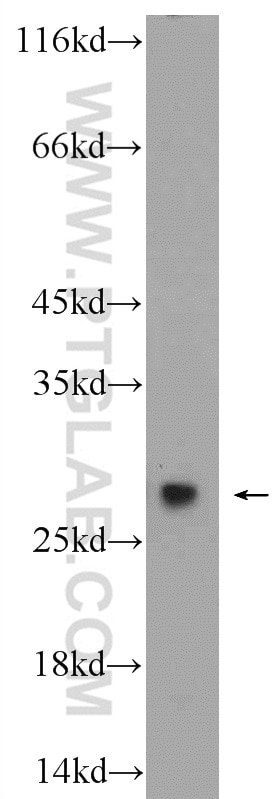
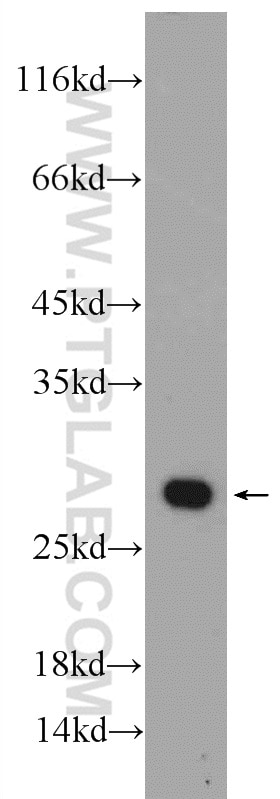
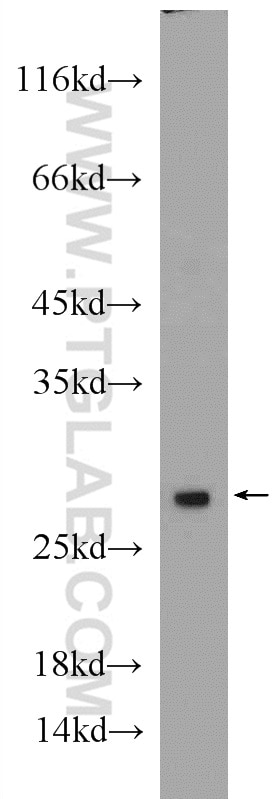
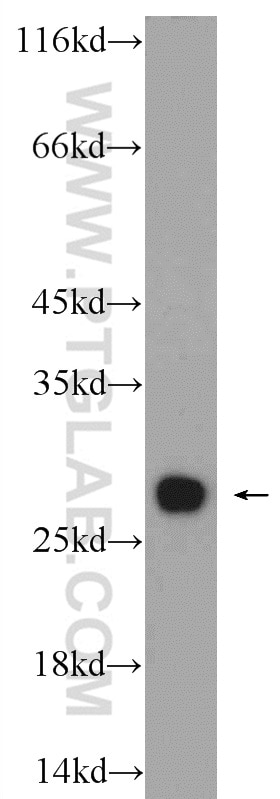
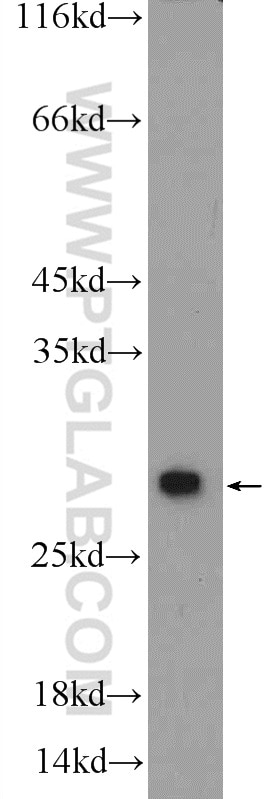

Tested Applications
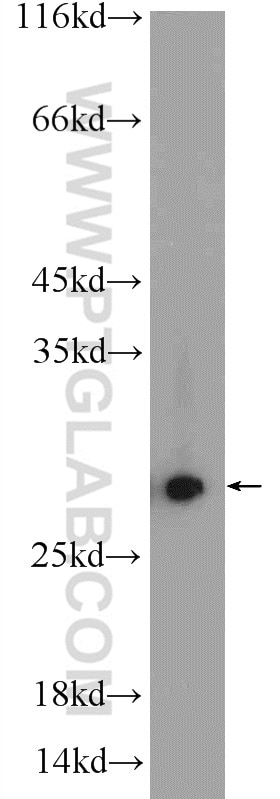
| Positive WB detected in | HEK-293T cells, HepG2 cells, mouse kidney tissue, PC-3 cells, HeLa cells, Jurkat cells, NIH/3T3 cells |
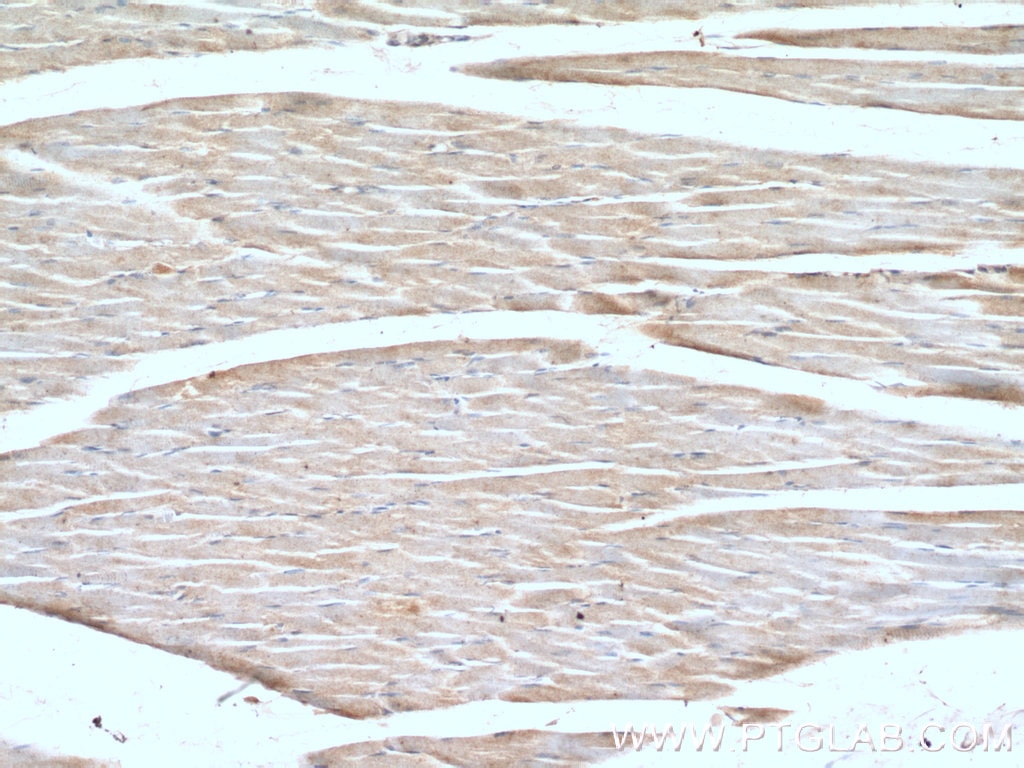
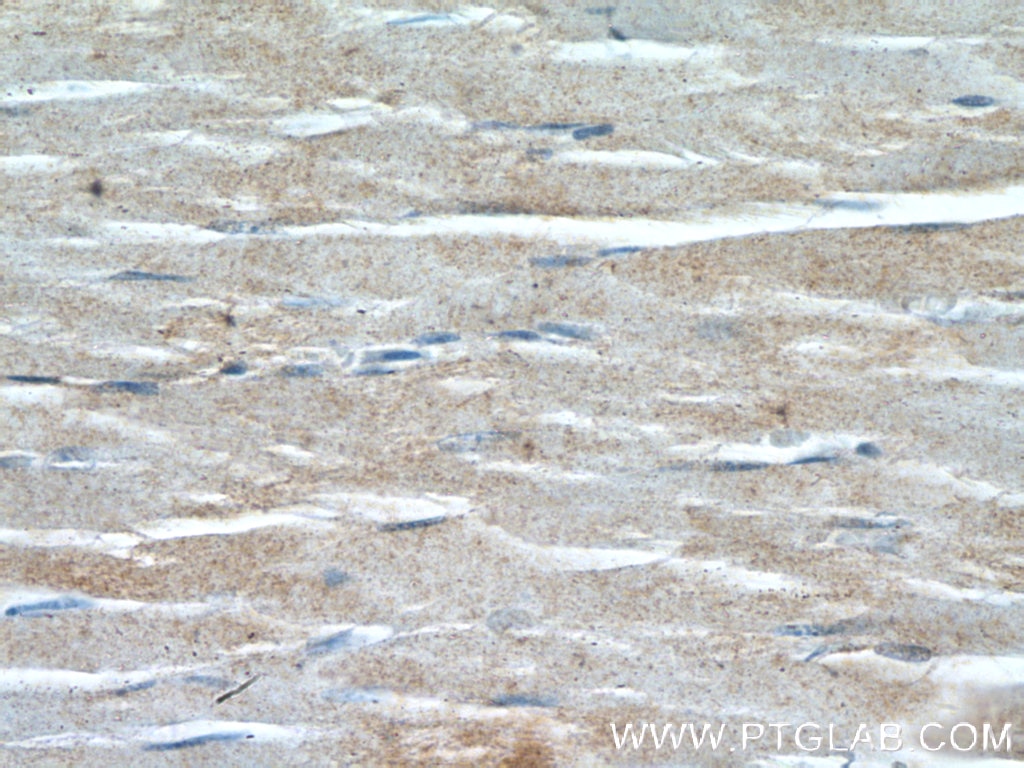
| Positive IHC detected in | human skeletal muscle tissue Note: suggested antigen retrieval with TE buffer pH 9.0; (*) Alternatively, antigen retrieval may be performed with citrate buffer pH 6.0 |
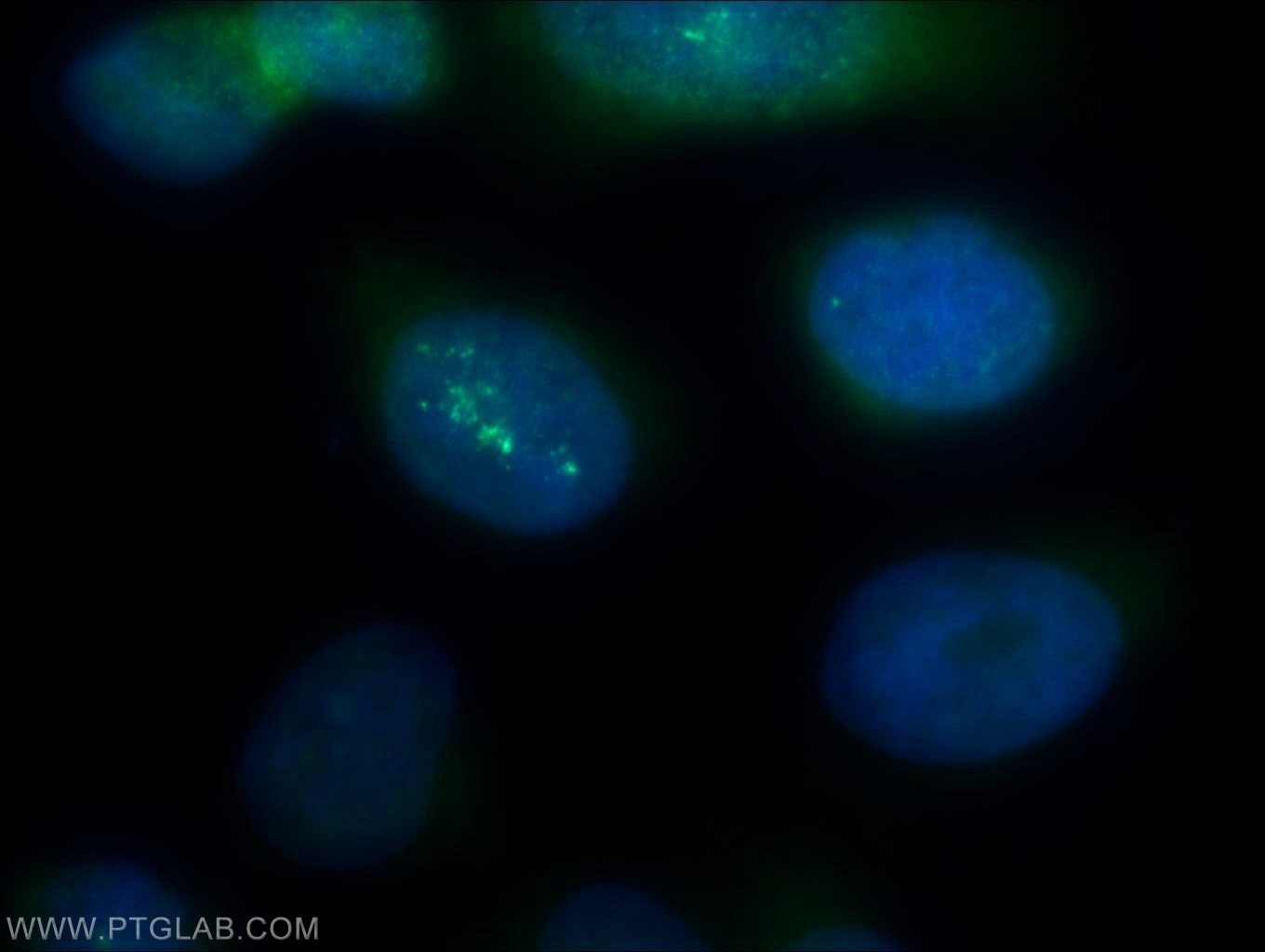
| Positive IF/ICC detected in | HepG2 cells |
Recommended dilution
| Application | Dilution |
|---|---|
| Western Blot (WB) | WB : 1:1000-1:6000 |
| Immunohistochemistry (IHC) | IHC : 1:50-1:500 |
| Immunofluorescence (IF)/ICC | IF/ICC : 1:20-1:200 |
| It is recommended that this reagent should be titrated in each testing system to obtain optimal results. | |
| Sample-dependent, Check data in validation data gallery. | |
Product Information
14377-1-AP targets PSMA2 in WB, IHC, IF/ICC, ELISA applications and shows reactivity with human, mouse, rat samples.
| Tested Reactivity | human, mouse, rat |
| Cited Reactivity | human |
| Host / Isotype | Rabbit / IgG |
| Class | Polyclonal |
| Type | Antibody |
| Immunogen |
CatNo: Ag5753 Product name: Recombinant human PSMA2 protein Source: e coli.-derived, PGEX-4T Tag: GST Domain: 1-234 aa of BC047697 Sequence: MAERGYSFSLTTFSPSGKLVQIEYALAAVAGGAPSVGIKAANGVVLATEKKQKSILYDERSVHKVEPITKHIGLVYSGMGPDYRVLVHRARKLAQQYYLVYQEPIPTAQLVQRVASVMQEYTQSGGVRPFGVSLLICGWNEGRPYLFQSDPSGAYFAWKATAMGKNYVNGKTFLEKRYNEDLELEDAIHTAILTLKESFEGQMTEDNIEVGICNEAGFRRLTPTEVKDYLAAIA Predict reactive species |
| Full Name | proteasome (prosome, macropain) subunit, alpha type, 2 |
| Calculated Molecular Weight | 26 kDa |
| Observed Molecular Weight | 26 kDa |
| GenBank Accession Number | BC047697 |
| Gene Symbol | PSMA2 |
| Gene ID (NCBI) | 5683 |
| RRID | AB_2878050 |
| Conjugate | Unconjugated |
| Form | Liquid |
| Purification Method | Antigen affinity purification |
| UNIPROT ID | P25787 |
| Storage Buffer | PBS with 0.02% sodium azide and 50% glycerol, pH 7.3. |
| Storage Conditions | Store at -20°C. Stable for one year after shipment. Aliquoting is unnecessary for -20oC storage. 20ul sizes contain 0.1% BSA. |
Background Information
PSMA2 (Proteasome subunit alpha type-2) is the essential subunit that contributes to the complete assembly of 20S proteasome complex, involved in the proteolytic degradation of most intracellular proteins. It is required in spermatogenesis and generation of a subset of MHC class I-presented antigenic peptides(PMID: 34711951, PMID: 27342858). Dysregulation of PSMA2 degradation leads to tumorigenesis including cervical cancer (PMID:33684886).
Protocols
| Product Specific Protocols | |
|---|---|
| IF protocol for PSMA2 antibody 14377-1-AP | Download protocol |
| IHC protocol for PSMA2 antibody 14377-1-AP | Download protocol |
| WB protocol for PSMA2 antibody 14377-1-AP | Download protocol |
| Standard Protocols | |
|---|---|
| Click here to view our Standard Protocols |
Publications
What published studies show
The PSMA2 Polyclonal antibody (Cat# 14377-1-AP) has 4 total citations published in Acta Biomaterialia, EMBO Reports, Journal of Gastroenterology, and Journal of Ovarian Research. The associated research fields include tumor targeted nanotherapy, bile and liver metabolism, chronic pancreatitis with pancreatic fibrosis, and ovarian cancer prognosis based on tumor stem cell-related gene signatures.
| Species | Application | Title |
|---|---|---|
J Gastroenterol Corynoline protects chronic pancreatitis via binding to PSMA2 and alleviating pancreatic fibrosis | ||
J Ovarian Res Development and clinical validation of a seven-gene signature based on tumor stem cell-related genes to predict ovarian cancer prognosis |













