

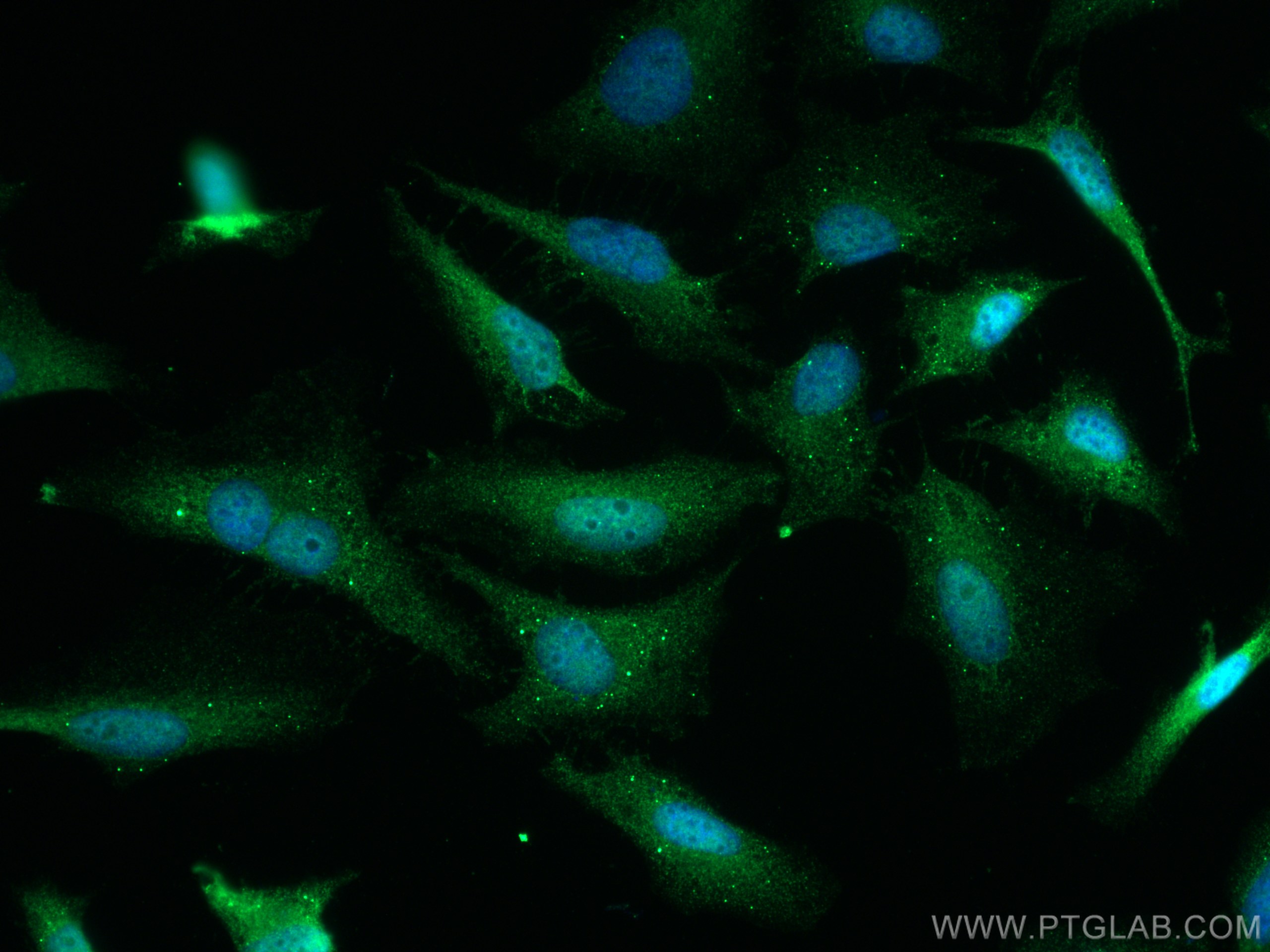

Tested Applications
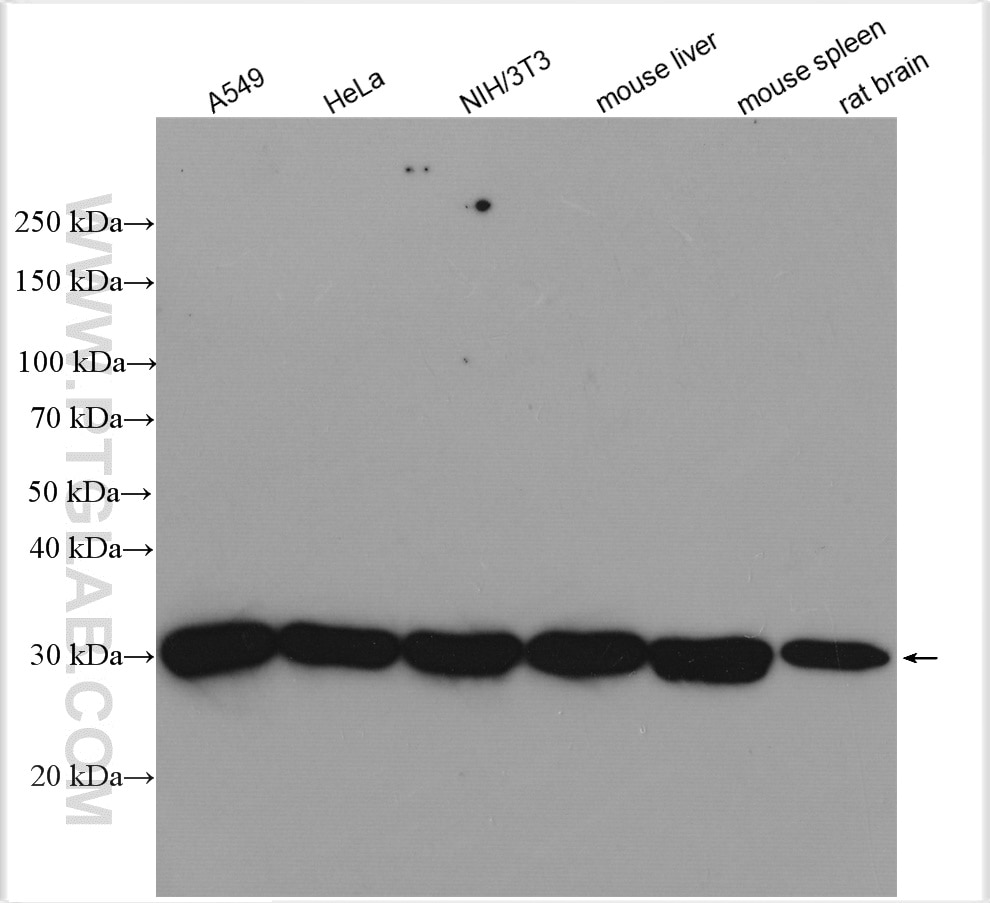
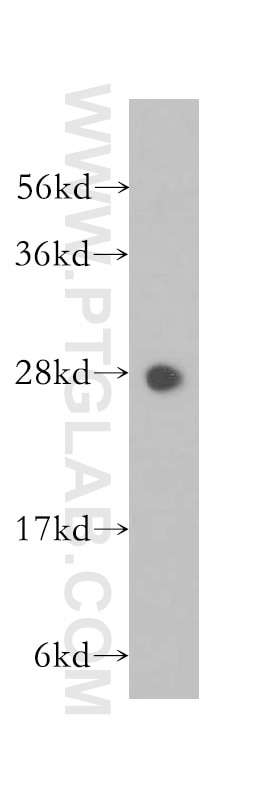
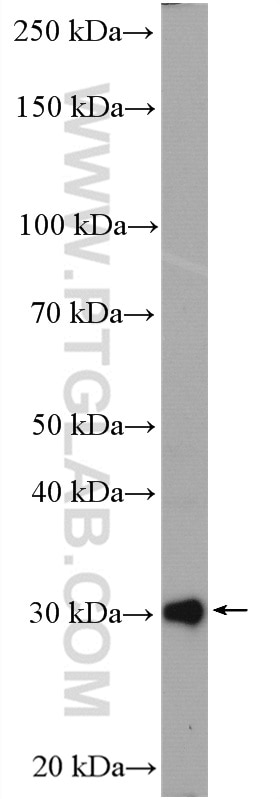
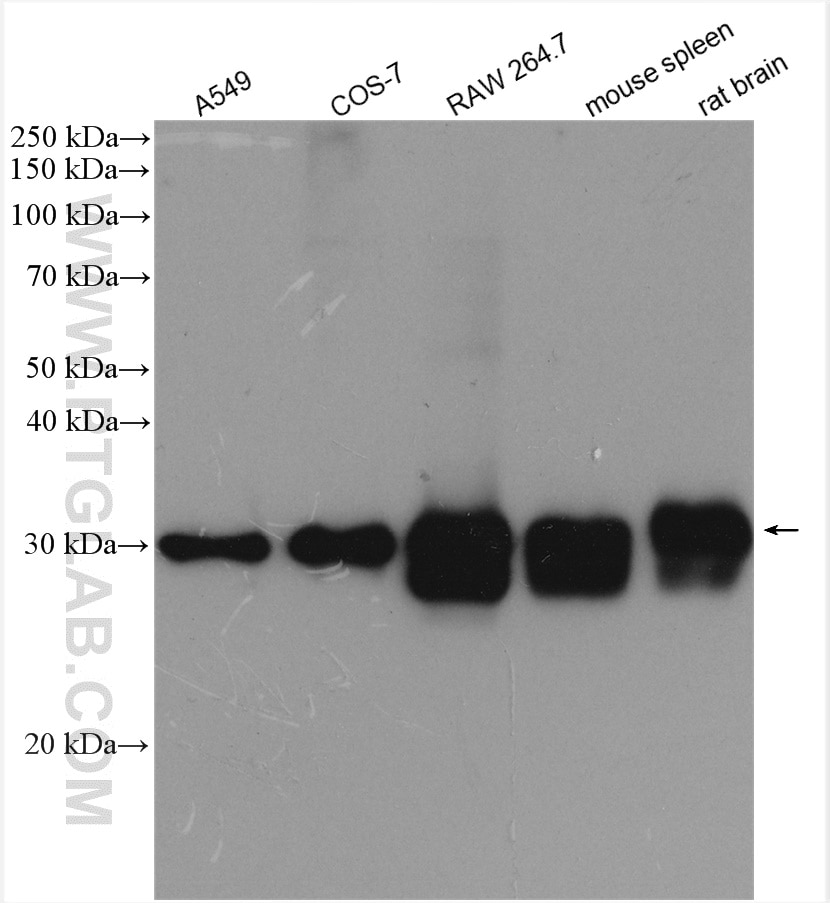
| Positive WB detected in | A549 cells, PC-12 cells, human lung tissue, COS-7 cells, RAW 264.7 cells, mouse spleen tissue, rat brain tissue, HeLa cells, NIH/3T3 cells, mouse liver tissue |
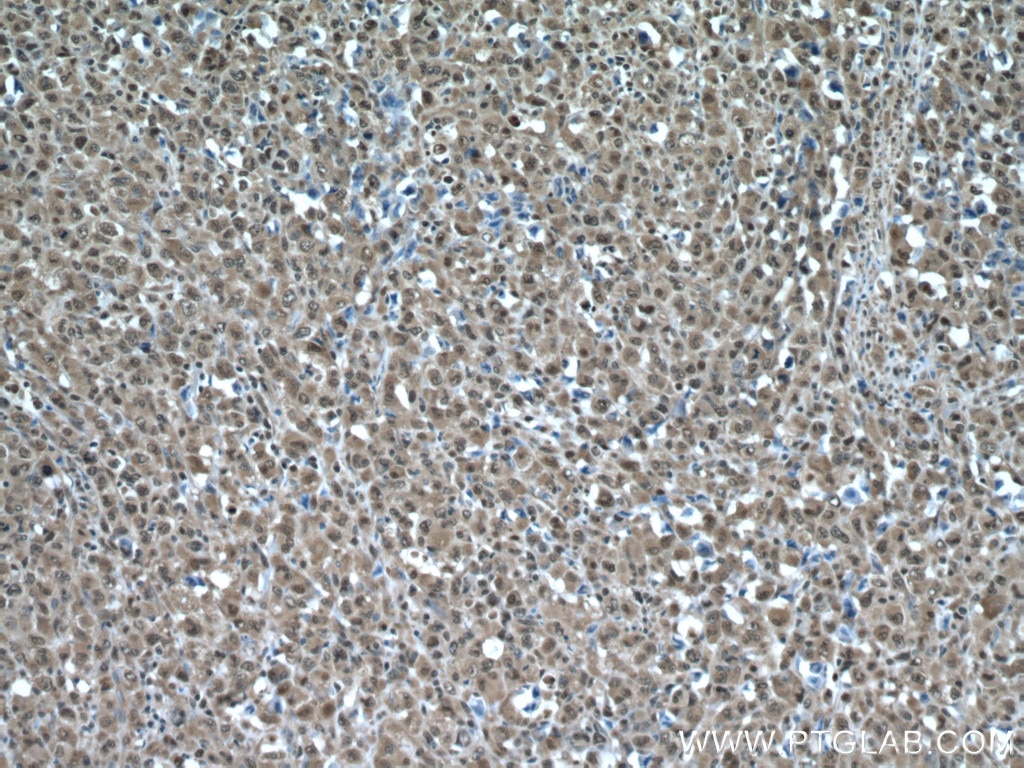
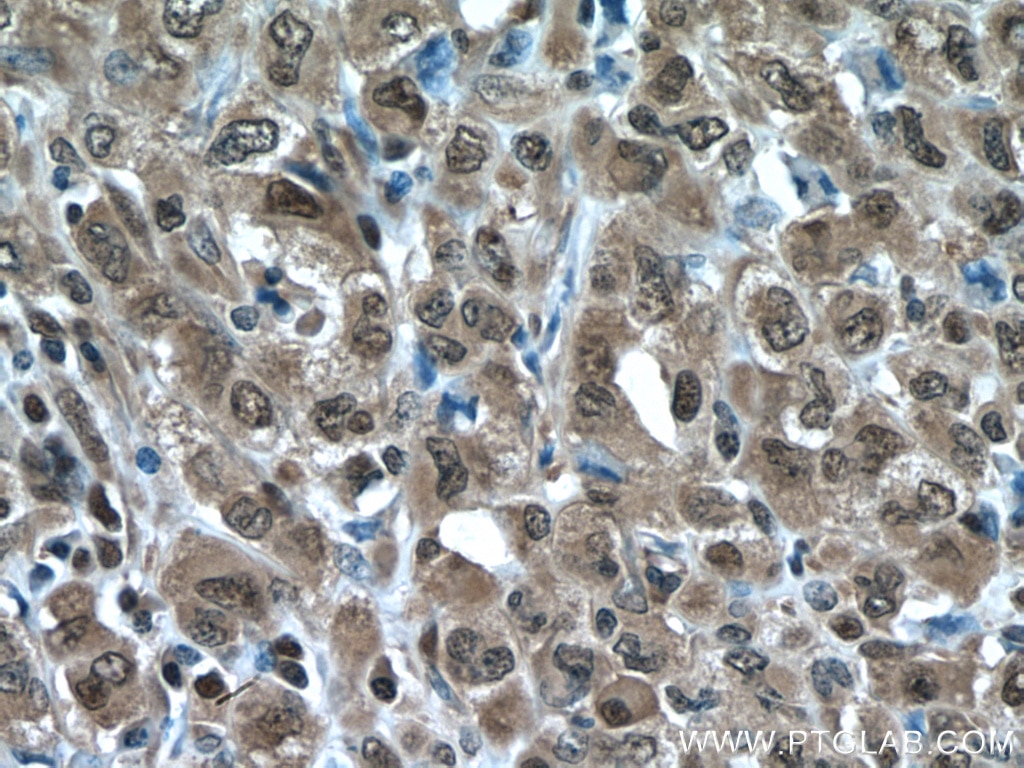
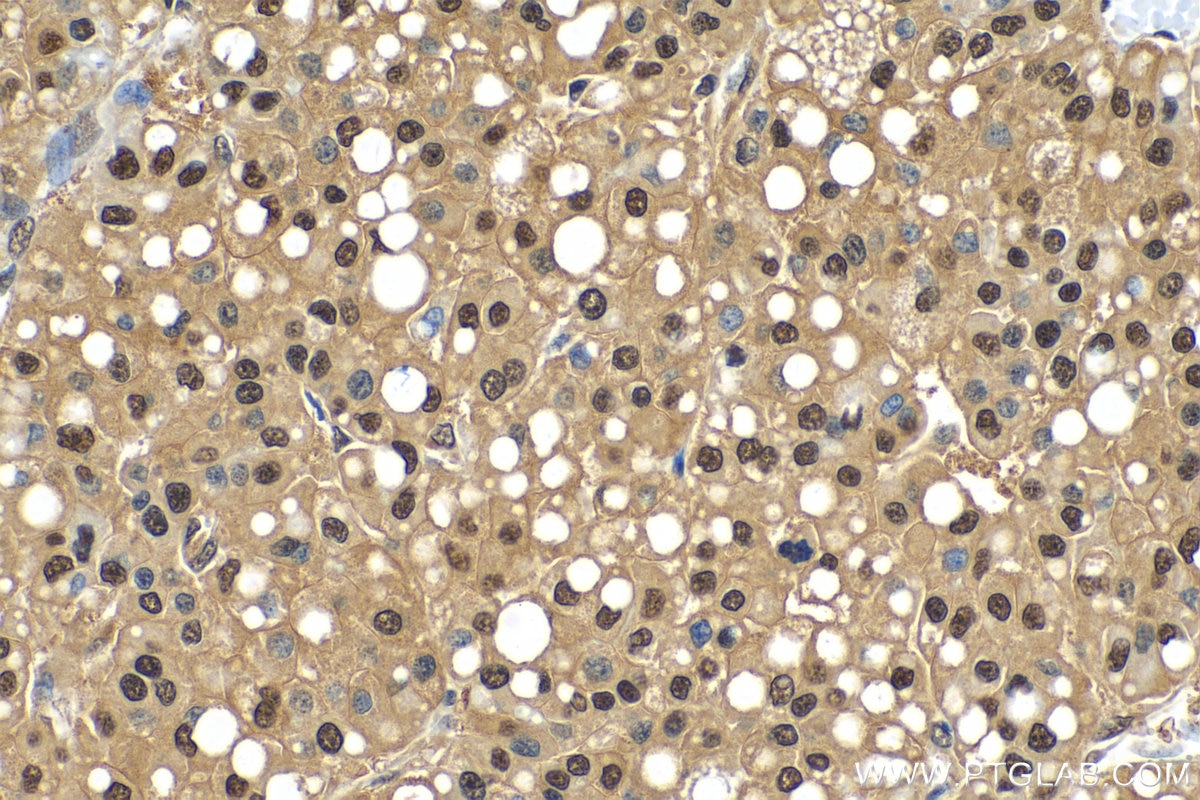
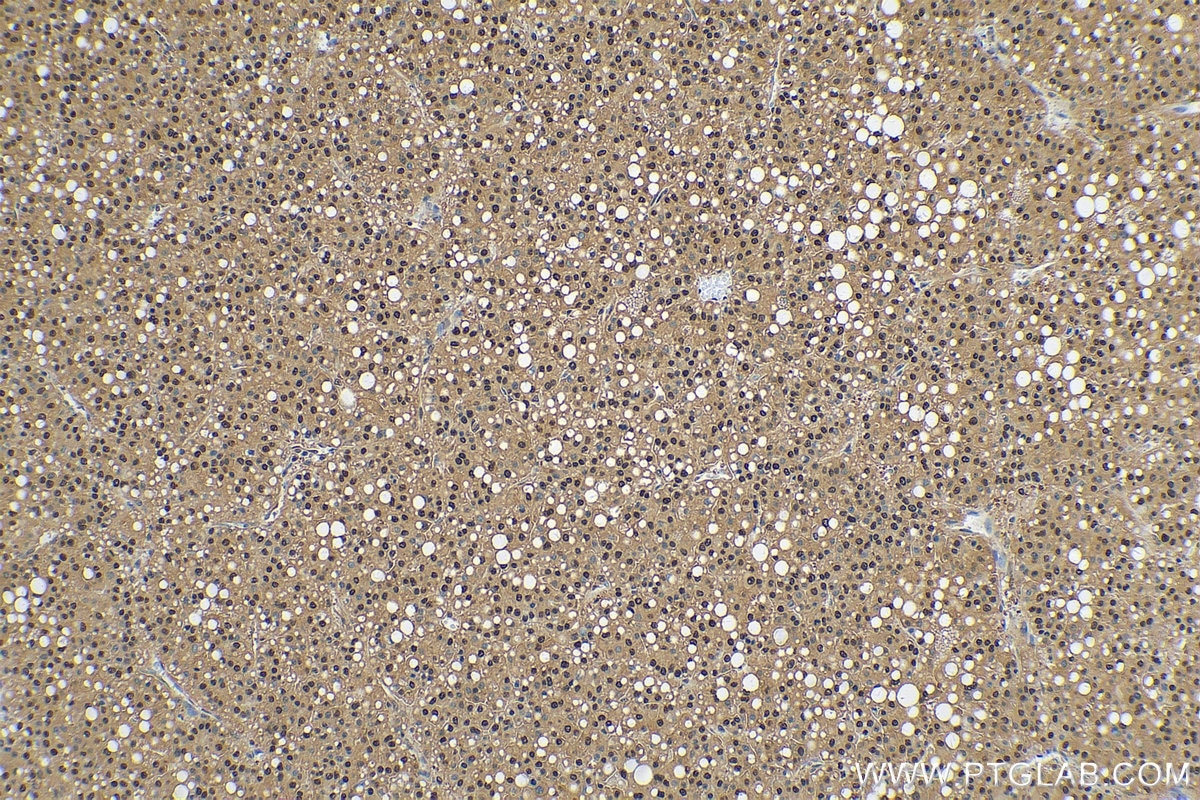
| Positive IHC detected in | human lymphoma tissue, human liver cancer tissue, mouse brain tissue Note: suggested antigen retrieval with TE buffer pH 9.0; (*) Alternatively, antigen retrieval may be performed with citrate buffer pH 6.0 |
| Positive IF/ICC detected in | HeLa cells |
Recommended dilution
| Application | Dilution |
|---|---|
| Western Blot (WB) | WB : 1:1000-1:8000 |
| Immunohistochemistry (IHC) | IHC : 1:200-1:500 |
| Immunofluorescence (IF)/ICC | IF/ICC : 1:200-1:800 |
| It is recommended that this reagent should be titrated in each testing system to obtain optimal results. | |
| Sample-dependent, Check data in validation data gallery. | |
Product Information
11887-1-AP targets PSMA3 in WB, IHC, IF/ICC, ELISA applications and shows reactivity with human, mouse, rat, monkey samples.
| Tested Reactivity | human, mouse, rat, monkey |
| Cited Reactivity | human, mouse |
| Host / Isotype | Rabbit / IgG |
| Class | Polyclonal |
| Type | Antibody |
| Immunogen |
CatNo: Ag2495 Product name: Recombinant human PSMA3 protein Source: e coli.-derived, PGEX-4T Tag: GST Domain: 1-255 aa of BC029402 Sequence: MSSIGTGYDLSASTFSPDGRVFQVEYAMKAVENSSTAIGIRCKDGVVFGVEKLVLSKLYEEGSNKRLFNVDRHVGMAVAGLLADARSLADMAREEASNFRSNFGYNIPLKHLADRVAMYVHAYTLYSAVRPFGCSFMLGSYSVNDGAQLYMIDPSGVSYGYWGCAIGKARQAAKTEIEKLQMKEMTCRDIVKEVAKIIYIVHDEVKDKAFELELSWVGELTNGRHEIVPKDIREEAEKYAKESLKEEDESDDDNM Predict reactive species |
| Full Name | proteasome (prosome, macropain) subunit, alpha type, 3 |
| Calculated Molecular Weight | 255 aa, 28 kDa |
| Observed Molecular Weight | 28 kDa |
| GenBank Accession Number | BC029402 |
| Gene Symbol | PSMA3 |
| Gene ID (NCBI) | 5684 |
| RRID | AB_2171420 |
| Conjugate | Unconjugated |
| Form | Liquid |
| Purification Method | Antigen affinity purification |
| UNIPROT ID | P25788 |
| Storage Buffer | PBS with 0.02% sodium azide and 50% glycerol, pH 7.3. |
| Storage Conditions | Store at -20°C. Stable for one year after shipment. Aliquoting is unnecessary for -20oC storage. 20ul sizes contain 0.1% BSA. |
Background Information
PSMA3(Proteasome subunit alpha type-3) is also named as HC8, PSC8 and belongs to the peptidase T1A family. The proteasome is a multicatalytic protease complex that catalyzes an energy-dependent, extralysosomal proteolytic pathway responsible for selective elimination of proteins with aberrant structures and naturally occurring short-lived proteins related to metabolic regulation and cell cycle progression. It has 2 isoforms produced by alternative splicing.
Protocols
| Product Specific Protocols | |
|---|---|
| IF protocol for PSMA3 antibody 11887-1-AP | Download protocol |
| IHC protocol for PSMA3 antibody 11887-1-AP | Download protocol |
| WB protocol for PSMA3 antibody 11887-1-AP | Download protocol |
| Standard Protocols | |
|---|---|
| Click here to view our Standard Protocols |
Publications
What published studies show
The PSMA3 Polyclonal antibody (Cat# 11887-1-AP) has 10 total citations. These appear in journals including Nature Neuroscience, Nature Cardiovascular Research, Research, Free Radical Biology and Medicine, Clinical and Translational Medicine, JCI Insight, Cell and Molecular Life Sciences, iScience, and ChemMedChem. The associated research fields span proteasome biology and function, tau protein degradation, oxidative modification, stress granule clearance, meiosis, cardiovascular function, renal ischemia-reperfusion, ovarian cancer, and neuroprotection against β-amyloid toxicity.
| Species | Application | Title |
|---|---|---|
Nat Neurosci Neuroproteasomes regulate endogenous tau paired helical filament formation in an APOE genotype- and age-dependent manner. | ||
Nat Neurosci Dendritic translation and neuroproteasome-mediated degradation of endogenous tau revealed by STARFISH. | ||
Research (Wash D C) SERBP1 Promotes Stress Granule Clearance by Regulating 26S Proteasome Activity and G3BP1 Ubiquitination and Protects Male Germ Cells from Thermostimuli Damage | ||
Nat Cardiovasc Res p22(phox) prevents the oxidation of SERCA2a and stabilizes it in the heart. | ||
Free Radic Biol Med Identification of an unstable 4-hydroxynoneal modification on the 20S proteasome subunit α7 by recombinant antibody technology. | ||
Clin Transl Med FBXW24 controls female meiotic prophase progression by regulating SYCP3 ubiquitination. |











