
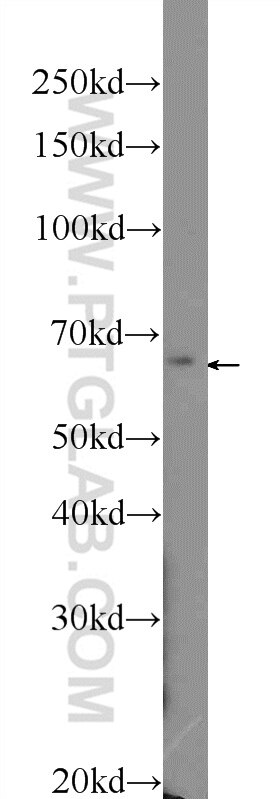
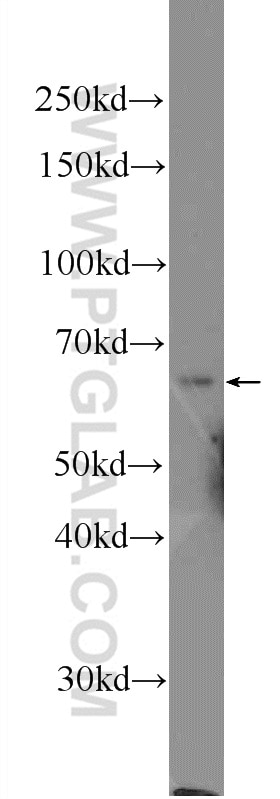
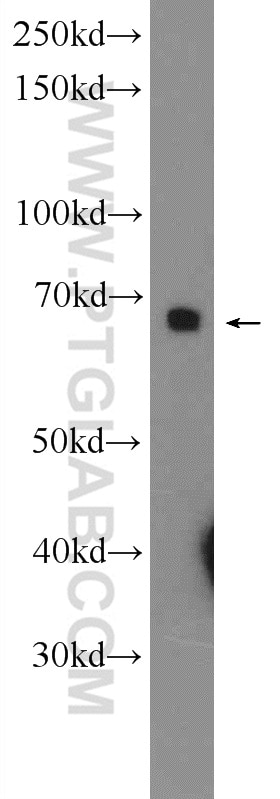
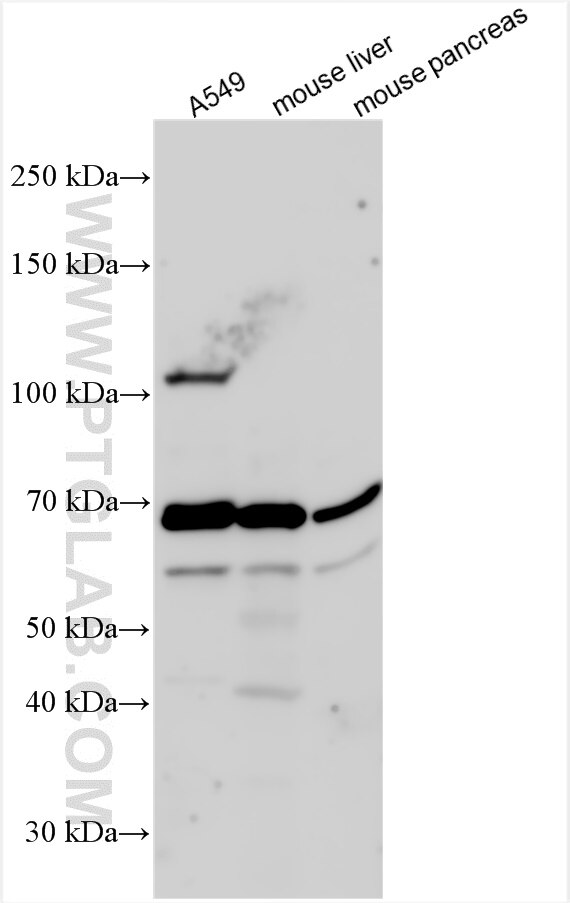
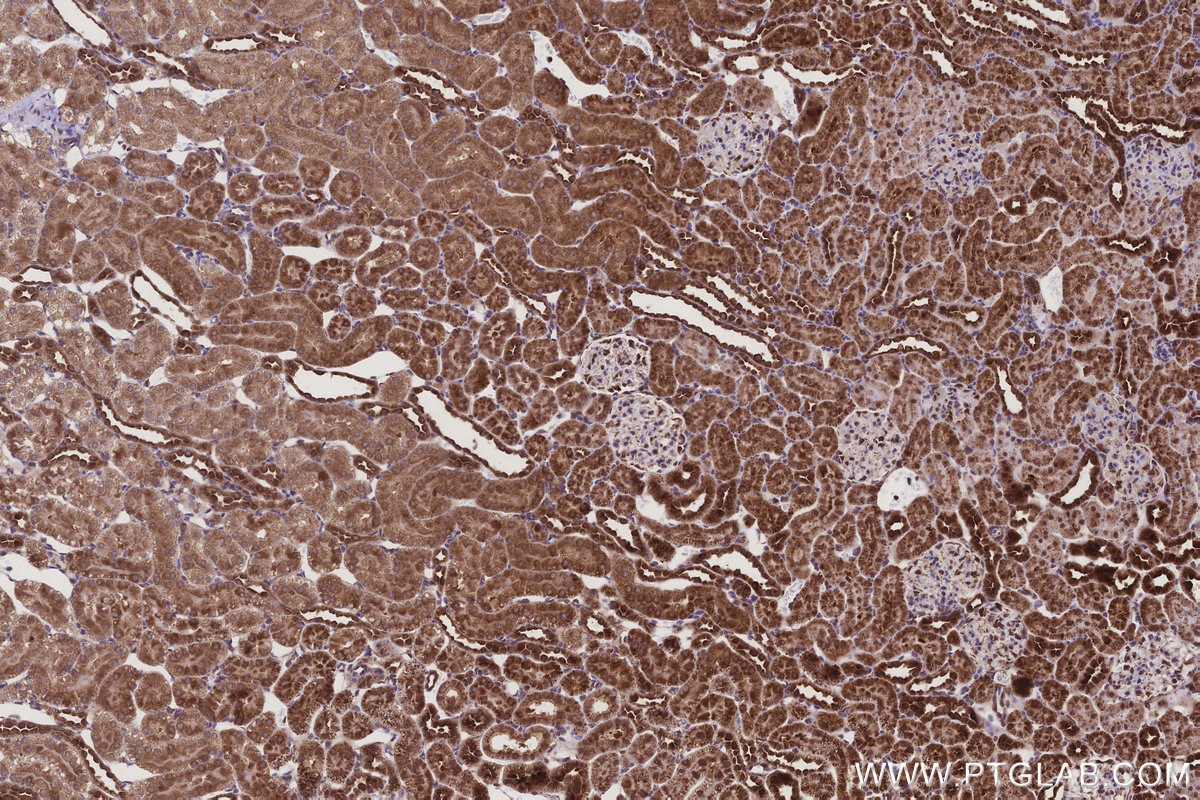

Tested Applications
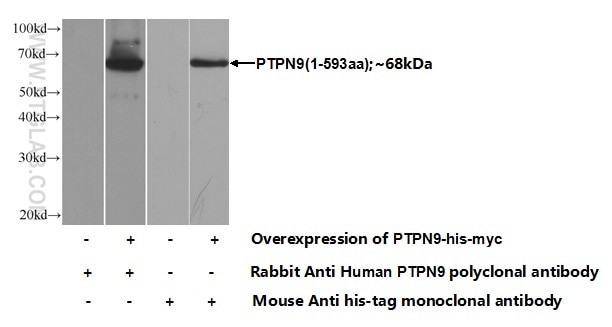
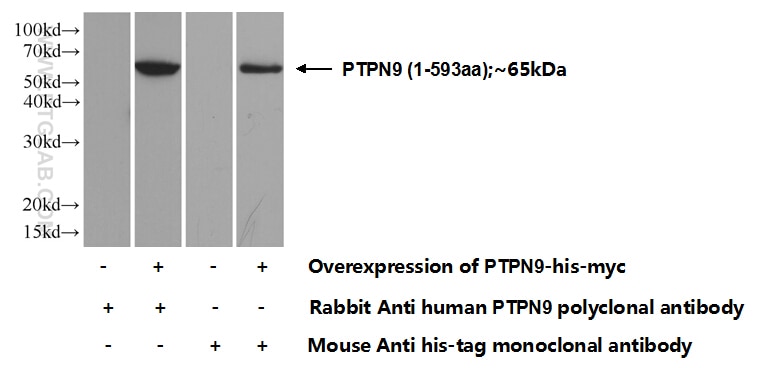
| Positive WB detected in | A549 cells, Transfected HEK-293 cells, mouse liver tissue, mouse pancreas tissue |
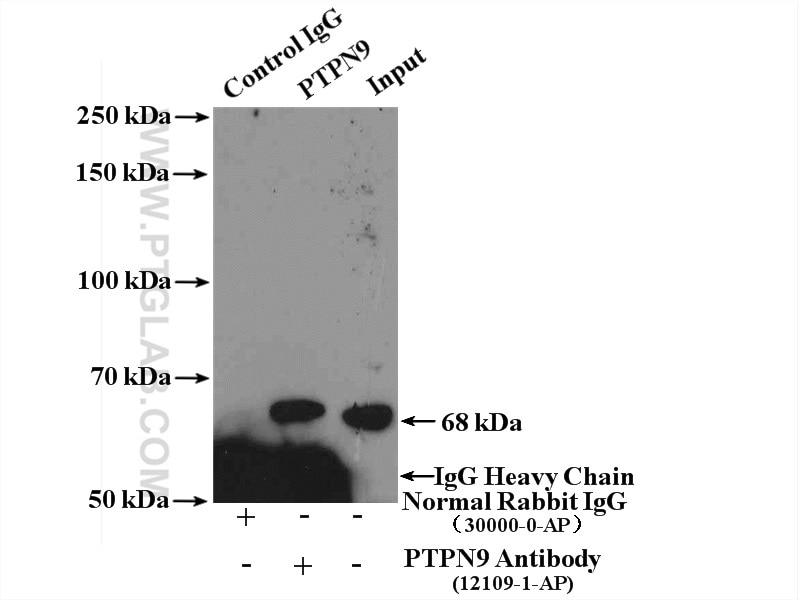
| Positive IP detected in | HEK-293 cells |
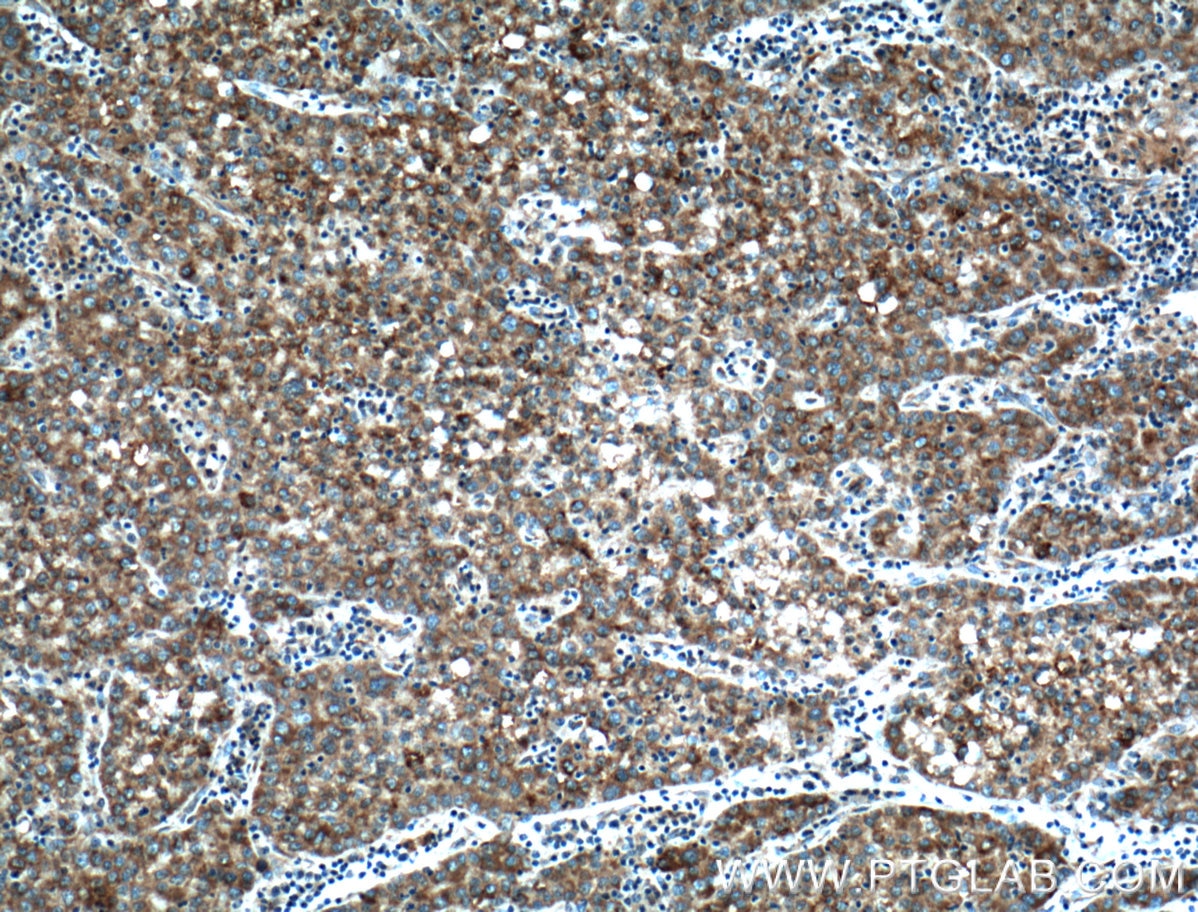
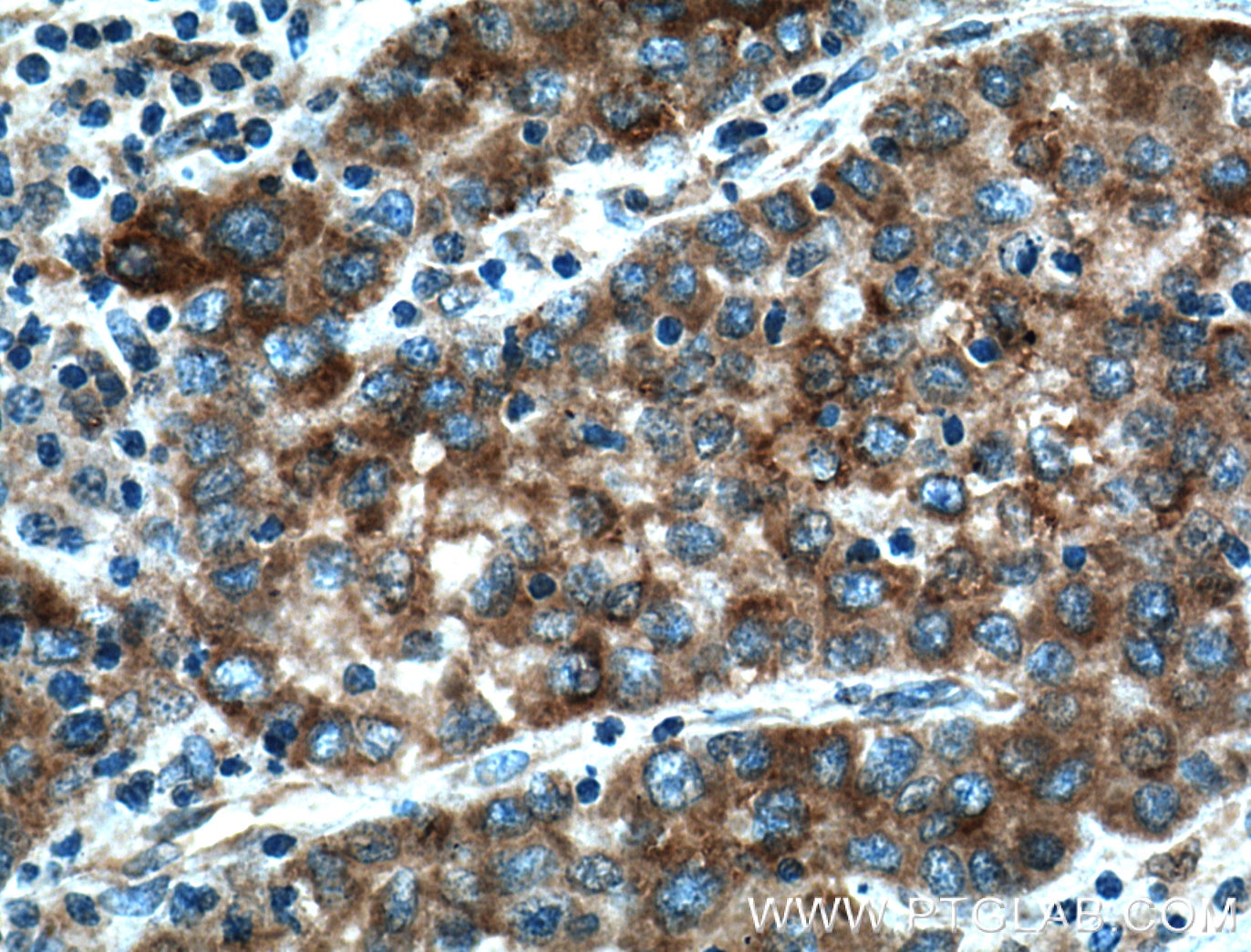
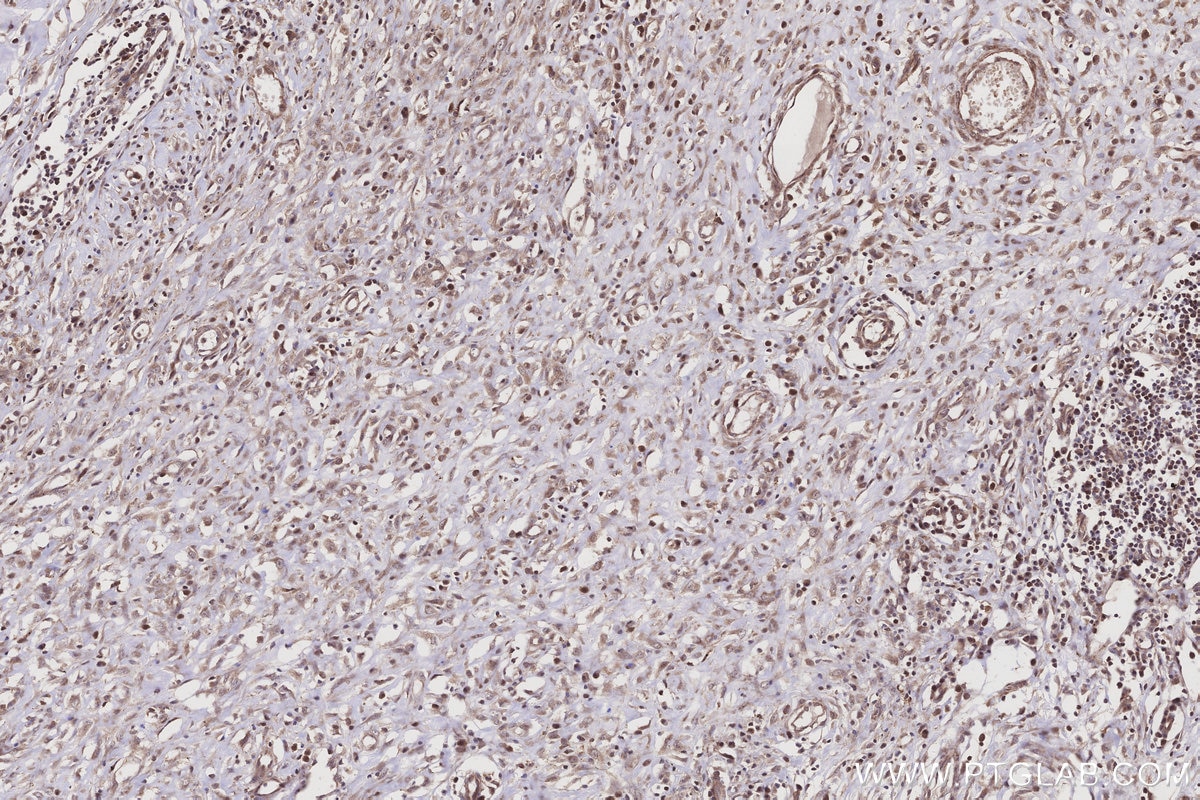
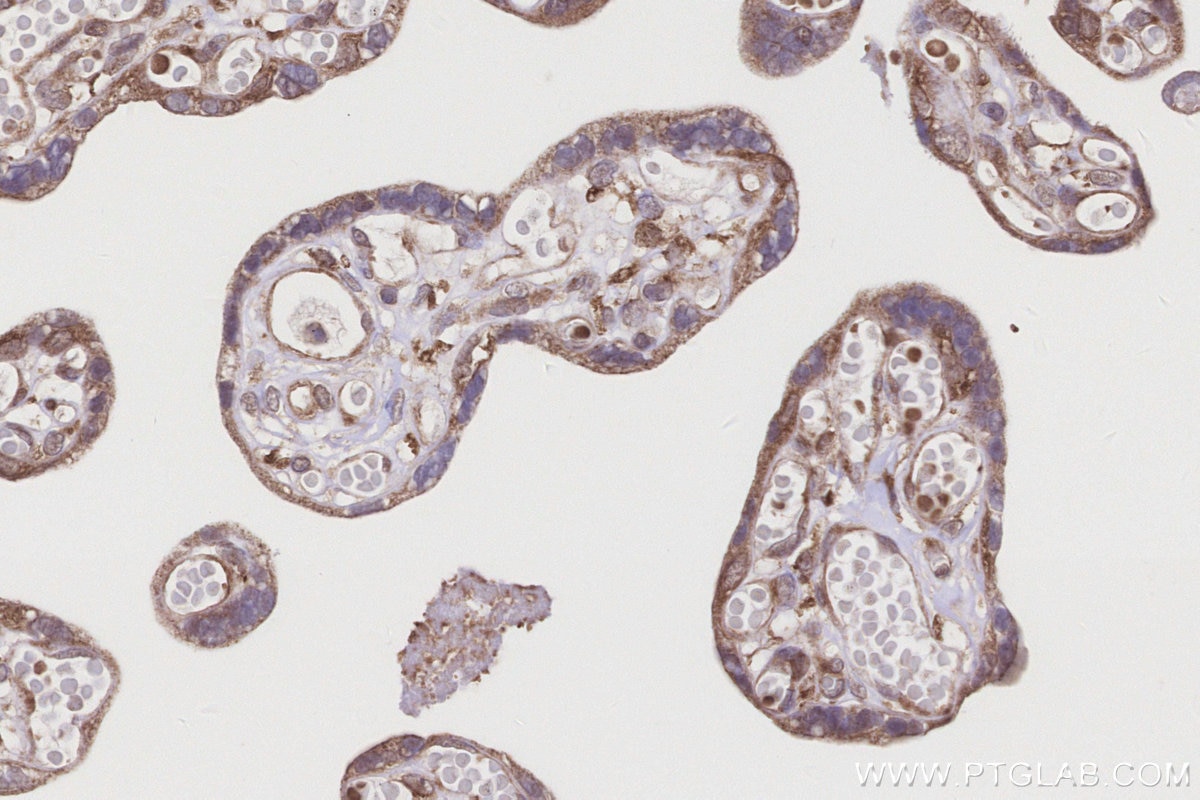
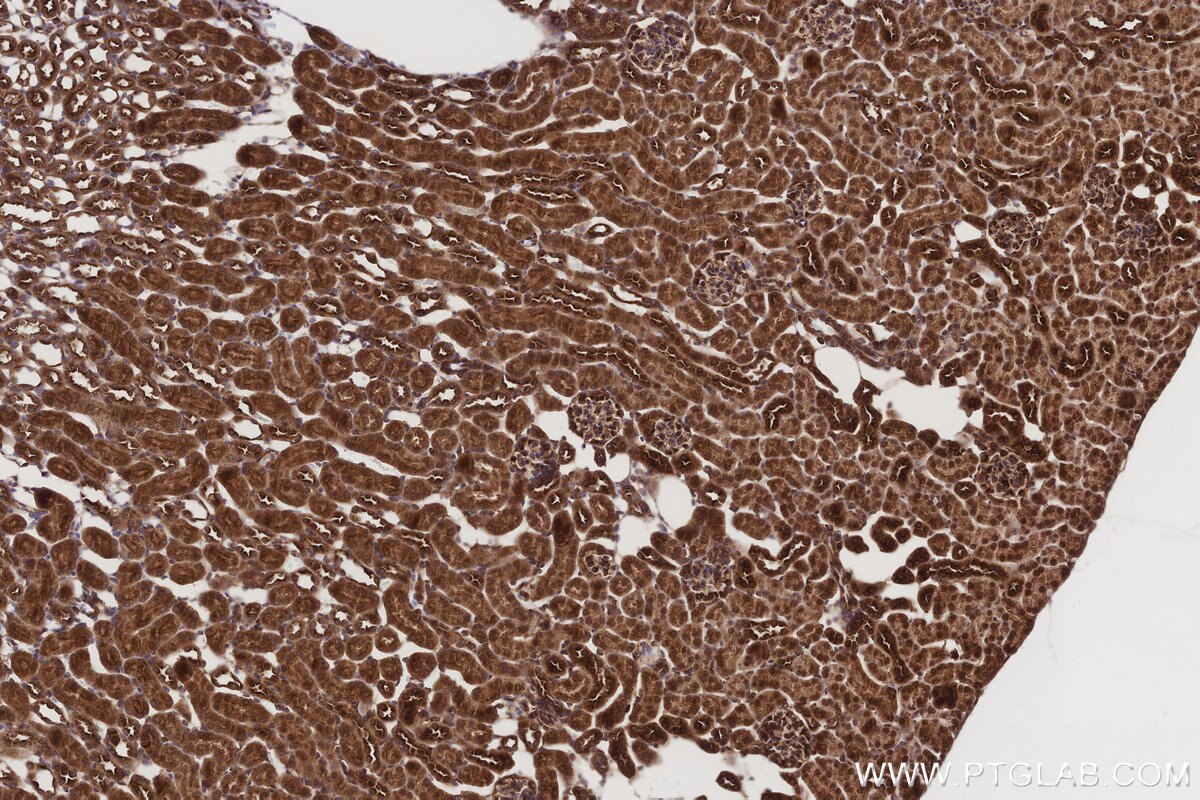
| Positive IHC detected in | human liver cancer tissue, human placenta tissue, rat kidney tissue, mouse kidney tissue, human colon cancer tissue Note: suggested antigen retrieval with TE buffer pH 9.0; (*) Alternatively, antigen retrieval may be performed with citrate buffer pH 6.0 |
Recommended dilution
| Application | Dilution |
|---|---|
| Western Blot (WB) | WB : 1:500-1:1000 |
| Immunoprecipitation (IP) | IP : 0.5-4.0 ug for 1.0-3.0 mg of total protein lysate |
| Immunohistochemistry (IHC) | IHC : 1:100-1:400 |
| It is recommended that this reagent should be titrated in each testing system to obtain optimal results. | |
| Sample-dependent, Check data in validation data gallery. | |
Product Information
12109-1-AP targets PTPN9 in WB, IHC, IP, ELISA applications and shows reactivity with human, mouse, rat samples.
| Tested Reactivity | human, mouse, rat |
| Cited Reactivity | human, mouse |
| Host / Isotype | Rabbit / IgG |
| Class | Polyclonal |
| Type | Antibody |
| Immunogen |
CatNo: Ag2754 Product name: Recombinant human PTPN9 protein Source: e coli.-derived, PGEX-4T Tag: GST Domain: 248-593 aa of BC010863 Sequence: FQFLPQVNGHPDPFDEIILFSLPPALDWDSVHVPGPHAMTIQELVDYVNARQKQGIYEEYEDIRRENPVGTFHCSMSPGNLEKNRYGDVPCLDQTRVKLTKRSGHTQTDYINASFMDGYKQKNAYIGTQGPLENTYRDFWLMVWEQKVLVIVMTTRFEEGGRRKCGQYWPLEKDSRIRFGFLTVTNLGVENMNHYKKTTLEIHNTEERQKRQVTHFQFLSWPDYGVPSSAASLIDFLRVVRNQQSLAVSNMGARSKGQCPEPPIVVHCSAGIGRTGTFCSLDICLAQLEELGTLNVFQTVSRMRTQRAFSIQTPEQYYFCYKAILEFAEKEGMVSSGQNLLAVESQ Predict reactive species |
| Full Name | protein tyrosine phosphatase, non-receptor type 9 |
| Calculated Molecular Weight | 593 aa, 68 kDa |
| Observed Molecular Weight | 68-70 kDa |
| GenBank Accession Number | BC010863 |
| Gene Symbol | PTPN9 |
| Gene ID (NCBI) | 5780 |
| RRID | AB_2877826 |
| Conjugate | Unconjugated |
| Form | Liquid |
| Purification Method | Antigen affinity purification |
| UNIPROT ID | P43378 |
| Storage Buffer | PBS with 0.02% sodium azide and 50% glycerol, pH 7.3. |
| Storage Conditions | Store at -20°C. Stable for one year after shipment. Aliquoting is unnecessary for -20oC storage. 20ul sizes contain 0.1% BSA. |
Background Information
PTPN9, Tyrosine-protein phosphatase non-receptor type 9, is a member of the protein tyrosine phosphatase (PTP) family. PTPs are signaling molecules that regulate a variety of cellular processes including cell growth, differentiation, mitotic cycle, and oncogenic transformation. PTPN9 is involved in the transfer of hydrophobic ligands or in functions of the Golgi apparatus (PMID: 19167335). MiR-96 inhibits PTPN9 expression and consequently promotes proliferation, migration and invasion of breast cancer cells (PMID:27857177). PTPN9 can be detected double bands (PMID: 22394684). PTPN9 was located in cytoplasm and nucleus in human breast cancer (PMID: 23418360).
Protocols
| Product Specific Protocols | |
|---|---|
| IHC protocol for PTPN9 antibody 12109-1-AP | Download protocol |
| IP protocol for PTPN9 antibody 12109-1-AP | Download protocol |
| WB protocol for PTPN9 antibody 12109-1-AP | Download protocol |
| Standard Protocols | |
|---|---|
| Click here to view our Standard Protocols |
Publications
What published studies show
The PTPN9 Polyclonal antibody (Cat# 12109-1-AP) has 2 citations. These appear in Mol Ther Nucleic Acids and FASEB J. The cited research spans two fields: one study investigated microRNA-126's role in angiogenesis and neurogenesis in a mouse model of focal cerebral ischemia, while the other examined how PTPN9 promotes melanoma progression by regulating the ferroptosis pathway in human samples. Both citations used Western blot as the application.
| Species | Application | Title |
|---|---|---|
Mol Ther Nucleic Acids MicroRNA-126 Regulates Angiogenesis and Neurogenesis in a Mouse Model of Focal Cerebral Ischemia. | ||
FASEB J PTPN9 promotes melanoma progression by regulating the ferroptosis pathway
|














