
Product Information
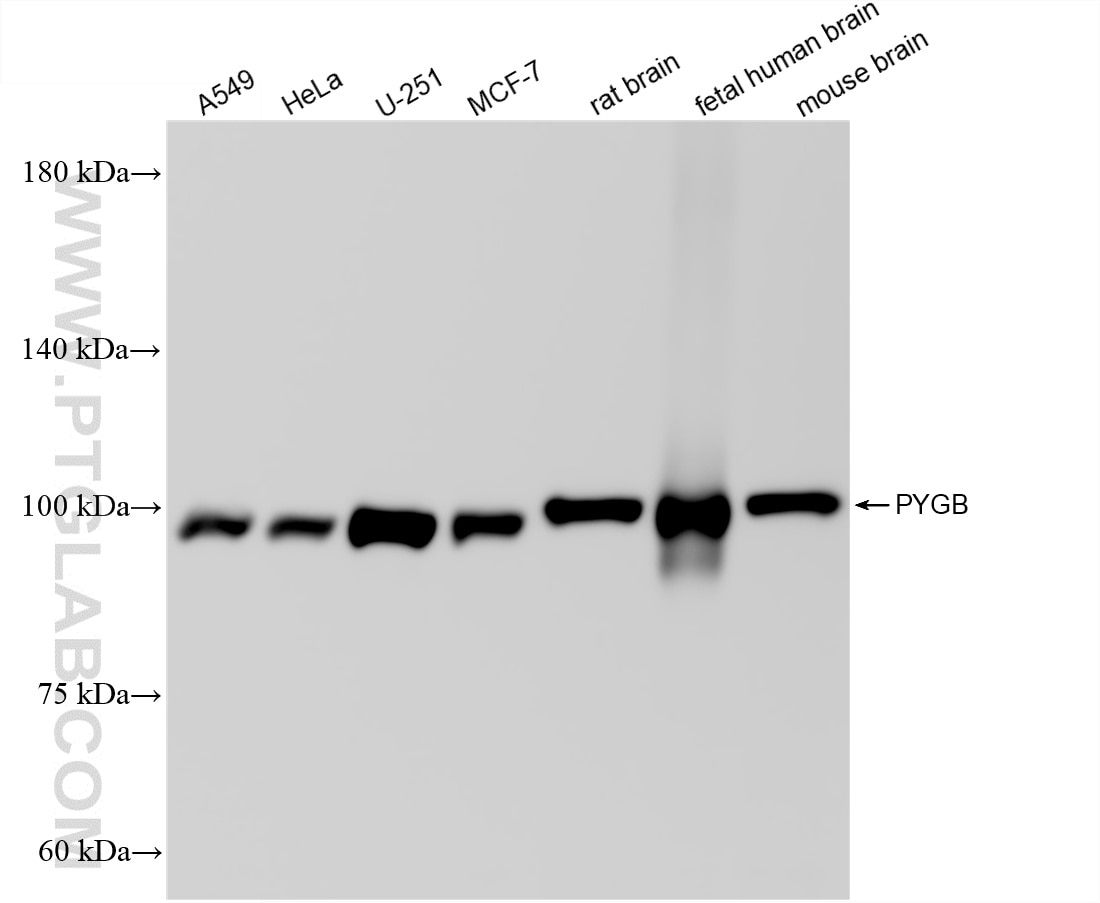
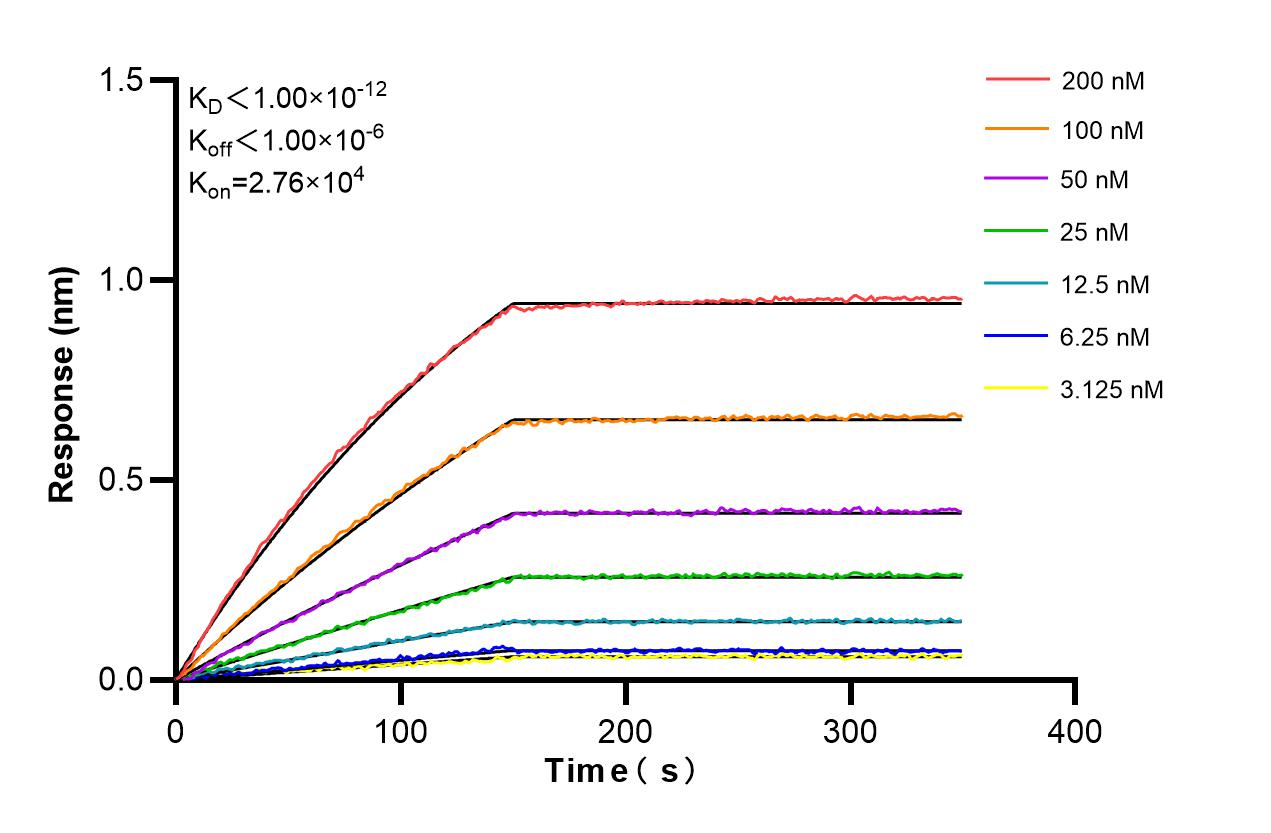
86737-3-PBS targets PYGB in WB, Indirect ELISA applications and shows reactivity with human, mouse, rat samples.
| Tested Reactivity | human, mouse, rat |
| Host / Isotype | Rabbit / IgG |
| Class | Recombinant |
| Type | Antibody |
| Immunogen |
CatNo: Ag2732 Product name: Recombinant human PYGB protein Source: e coli.-derived, PGEX-4T Tag: GST Domain: 544-843 aa of BC017045 Sequence: LKFSAFLEKEYKVKINPSSMFDVHVKRIHEYKRQLLNCLHVVTLYNRIKRDPAKAFVPRTVMIGGKAAPGYHMAKLIIKLVTSIGDVVNHDPVVGDRLKVIFLENYRVSLAEKVIPAADLSQQISTAGTEASGTGNMKFMLNGALTIGTMDGANVEMAEEAGAENLFIFGLRVEDVEALDRKGYNAREYYDHLPELKQAVDQISSGFFSPKEPDCFKDIVNMLMHHDRFKVFADYEAYMQCQAQVDQLYRNPKEWTKKVIRNIACSGKFSSDRTITEYAREIWGVEPSDLQIPPPNIPRD Predict reactive species |
| Full Name | phosphorylase, glycogen; brain |
| Calculated Molecular Weight | 843 aa, 97 kDa |
| Observed Molecular Weight | 97 kDa |
| GenBank Accession Number | BC017045 |
| Gene Symbol | PYGB |
| Gene ID (NCBI) | 5834 |
| RRID | AB_3745093 |
| Conjugate | Unconjugated |
| Form | Liquid |
| Purification Method | Protein A purification |
| UNIPROT ID | P11216 |
| Storage Buffer | PBS only, pH 7.3. |
| Storage Conditions | Store at -80°C. |
Background Information
The three main subtypes of GP found in human tissues-brain-type glycogen phosphorylase (PYGB), liver-type glycogen phosphorylase (PYGL), and muscle-type glycogen phosphorylase (PYGM)-differ in function, structure, and tissue distribution. PYGB (Brain‑type glycogen phosphorylase) is a glycogen phosphorylase and is primarily localized in adult brain tissues and embryo liver tissues, whose function is to provide energy to organisms (PMID: 30106110). PYGB has been observed to be overexpressed in many types of cancer and tumor cell lines and is expected to be a novel target for the diagnosis and treatment of various cancers (PMID: 38334681).



