

Tested Applications
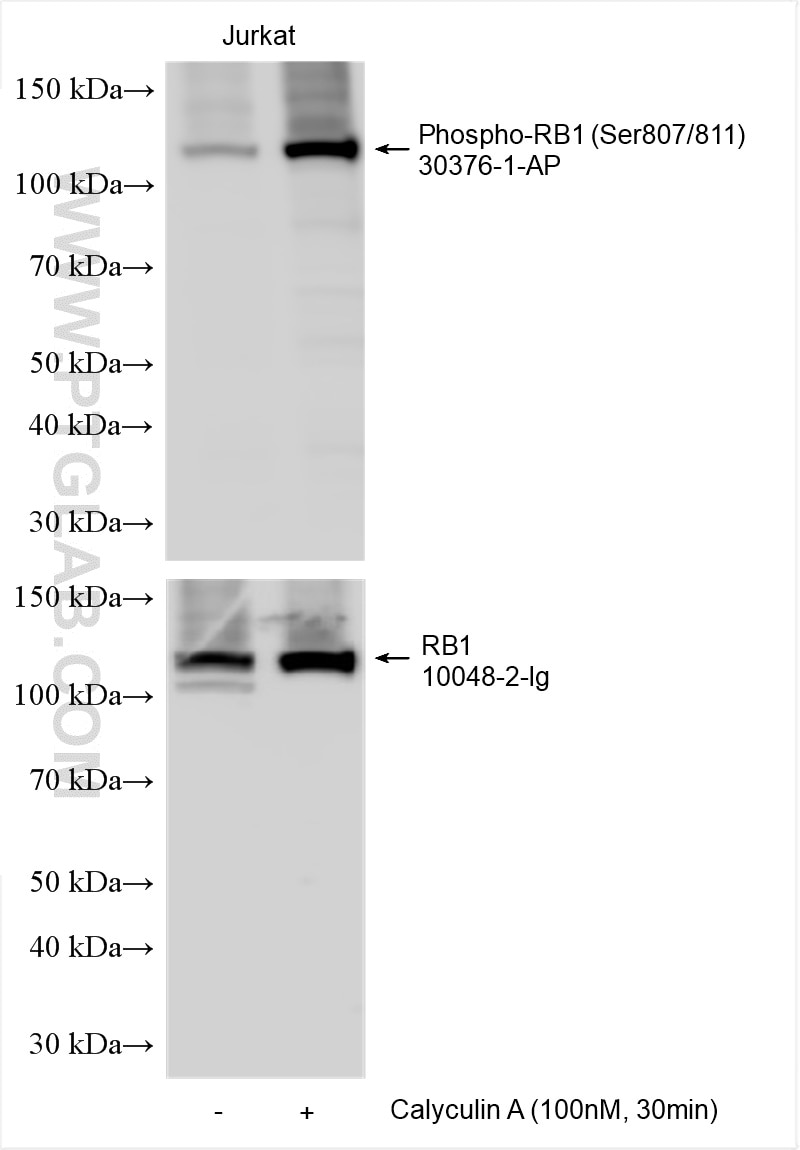
| Positive WB detected in | Calyculin A treated Jurkat cells, Jurkat cells |
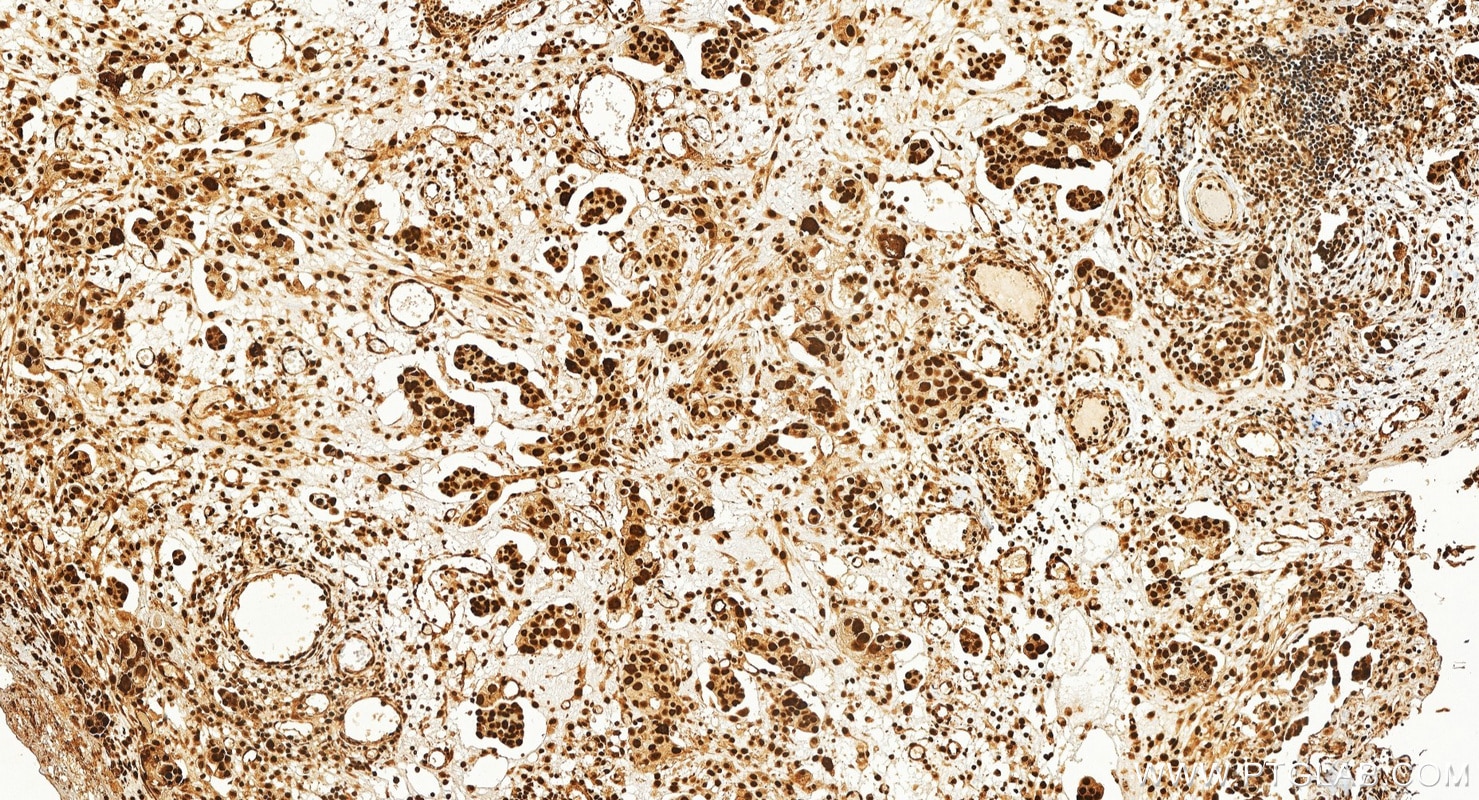
| Positive IHC detected in | human ovary cancer tissue Note: suggested antigen retrieval with TE buffer pH 9.0; (*) Alternatively, antigen retrieval may be performed with citrate buffer pH 6.0 |
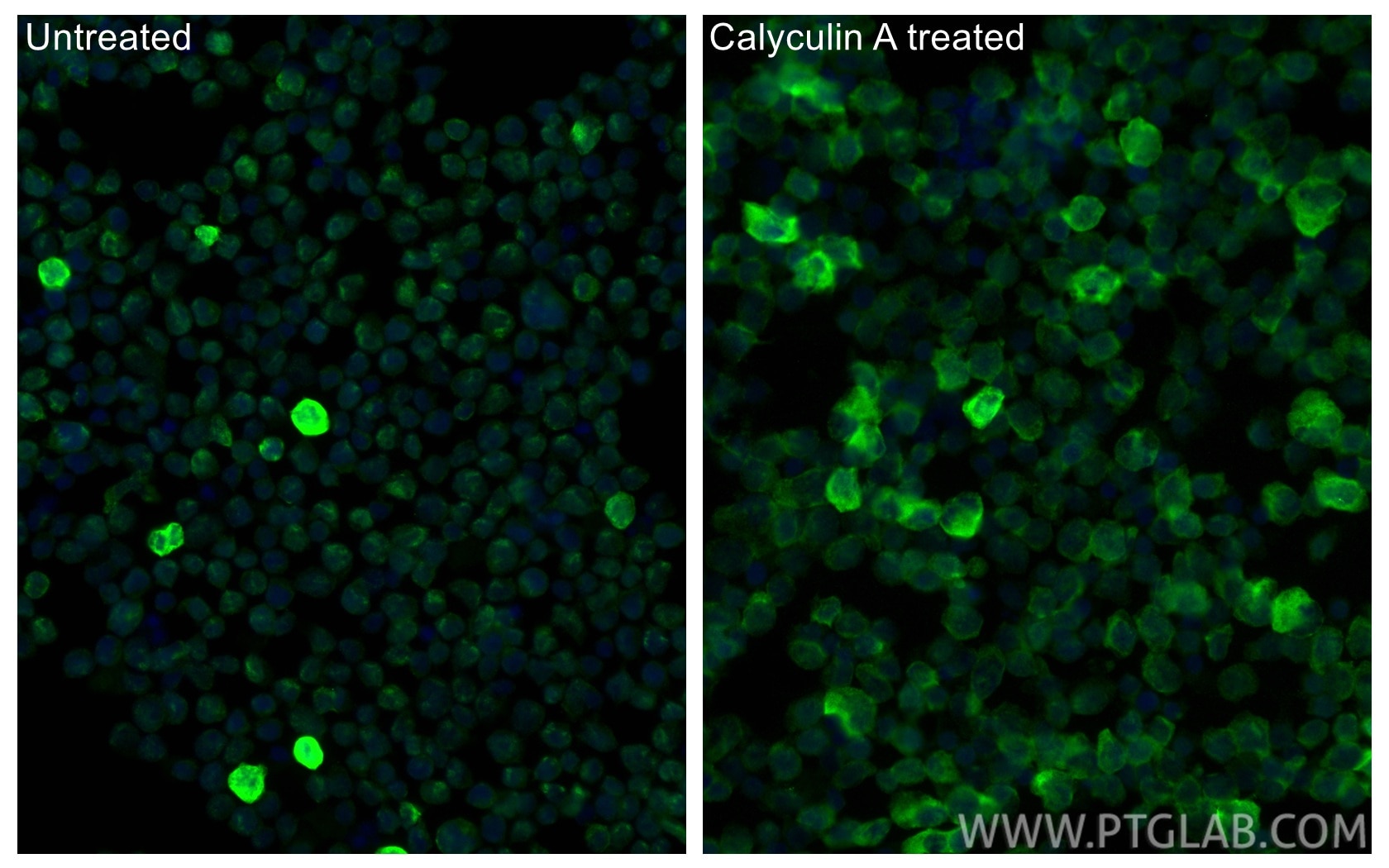
| Positive IF/ICC detected in | Calyculin A treated Jurkat cells |
Recommended dilution
| Application | Dilution |
|---|---|
| Western Blot (WB) | WB : 1:2000-1:10000 |
| Immunohistochemistry (IHC) | IHC : 1:300-1:1200 |
| Immunofluorescence (IF)/ICC | IF/ICC : 1:50-1:500 |
| It is recommended that this reagent should be titrated in each testing system to obtain optimal results. | |
| Sample-dependent, Check data in validation data gallery. | |
Product Information
30376-1-AP targets Phospho-RB1 (Ser807/811) in WB, IHC, IF/ICC, ELISA applications and shows reactivity with human samples.
| Tested Reactivity | human |
| Cited Reactivity | human, mouse |
| Host / Isotype | Rabbit / IgG |
| Class | Polyclonal |
| Type | Antibody |
| Immunogen |
Peptide Predict reactive species |
| Full Name | retinoblastoma 1 |
| Calculated Molecular Weight | 928 aa, 106 kDa |
| Observed Molecular Weight | 110 kDa |
| GenBank Accession Number | BC039060 |
| Gene Symbol | RB1 |
| Gene ID (NCBI) | 5925 |
| RRID | AB_3085351 |
| Conjugate | Unconjugated |
| Form | Liquid |
| Purification Method | Antigen affinity purification |
| UNIPROT ID | P06400 |
| Storage Buffer | PBS with 0.02% sodium azide and 50% glycerol, pH 7.3. |
| Storage Conditions | Store at -20°C. Stable for one year after shipment. Aliquoting is unnecessary for -20oC storage. 20ul sizes contain 0.1% BSA. |
Background Information
RB1, also named as pp110, pRb and p105 Rb, belongs to the retinoblastoma protein (RB) family. Phosphorylation and dephosphorylation of RB1 is well known to be a key regulator in cell cycle progression in cancer cells. Phosphorylation of RB1 at multiple S/T residues, first by cyclin D-dependent kinases and subsequently by cyclin E-CDK2 in later G1 phase, completely inactivates RB1, enabling the release of E2F from RB1 complexes and activation of E2F-mediated transcription. Monomethylation at Lys810 by SMYD2 enhances phosphorylation at Ser807 and Ser811, and promotes cell cycle progression. (PMID: 22787429, PMID: 21115810, PMID: 32344731)
Protocols
| Product Specific Protocols | |
|---|---|
| IF protocol for Phospho-RB1 (Ser807/811) antibody 30376-1-AP | Download protocol |
| IHC protocol for Phospho-RB1 (Ser807/811) antibody 30376-1-AP | Download protocol |
| WB protocol for Phospho-RB1 (Ser807/811) antibody 30376-1-AP | Download protocol |
| Standard Protocols | |
|---|---|
| Click here to view our Standard Protocols |
Publications
What published studies show
Phospho-RB1 (Ser807/811) Polyclonal antibody (Cat# 30376-1-AP) has 22 citations across 19 journals, including Advanced Science, Cell Reports, EMBO Molecular Medicine, Journal of Controlled Release, Cell Death & Disease, and Communications Biology. Research fields span cellular senescence, cell cycle regulation, oncology (hepatocellular carcinoma, glioblastoma, colorectal cancer, prostate cancer, melanoma), immunotherapy, pulmonary fibrosis, and metabolic reprogramming. Applications cited include WB, IHC, and IF in human and mouse samples.
| Species | Application | Title |
|---|---|---|
Adv Sci (Weinh) Biomimetic Nanomedicine for Senescence-Modulated Immune Activation Enhances Immunotherapy Efficacy in Hepatocellular Carcinoma. | ||
MedComm (2020) Phytosphingosine Alleviates Cigarette Smoke-Induced Bronchial Epithelial Cell Senescence in Chronic Obstructive Pulmonary Disease by Targeting the Free Fatty Acid Receptor 4. | ||
Adv Sci (Weinh) The Compromised Fanconi Anemia Pathway in Prelamin A-Expressing Cells Contributes to Replication Stress-Induced Genomic Instability | ||
J Control Release Bioswitchable intracellular delivery of small activating RNA by tetrahedral framework nucleic acid: Application to p21-mediated anti-tumor therapy. | ||
Cell Death Discov Mitochondrial priming and response to BH3 mimetics in "one-two punch" senogenic-senolytic strategies |




