

Tested Applications
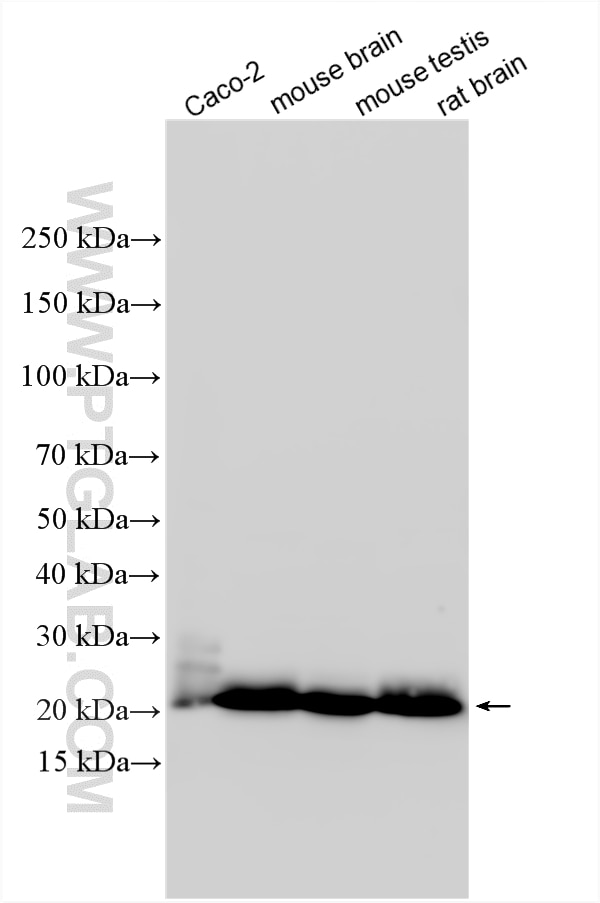
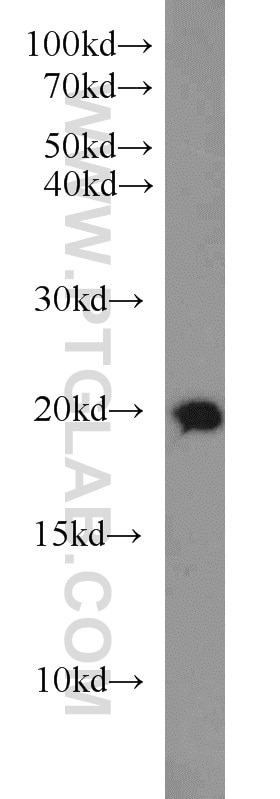
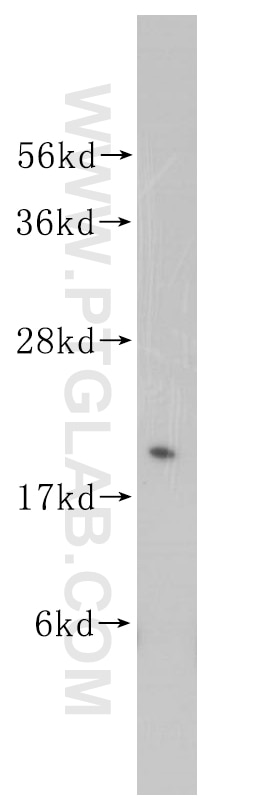
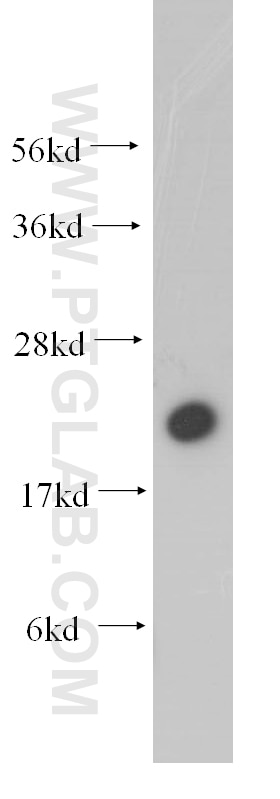
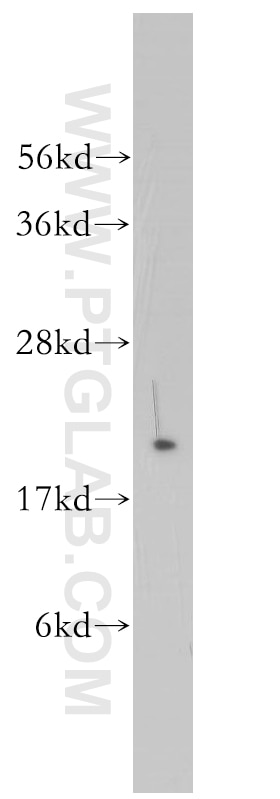
| Positive WB detected in | rat brain tissue, human brain tissue, human heart tissue, human testis tissue, PC-3 cells, mouse brain tissue, mouse testis tissue |
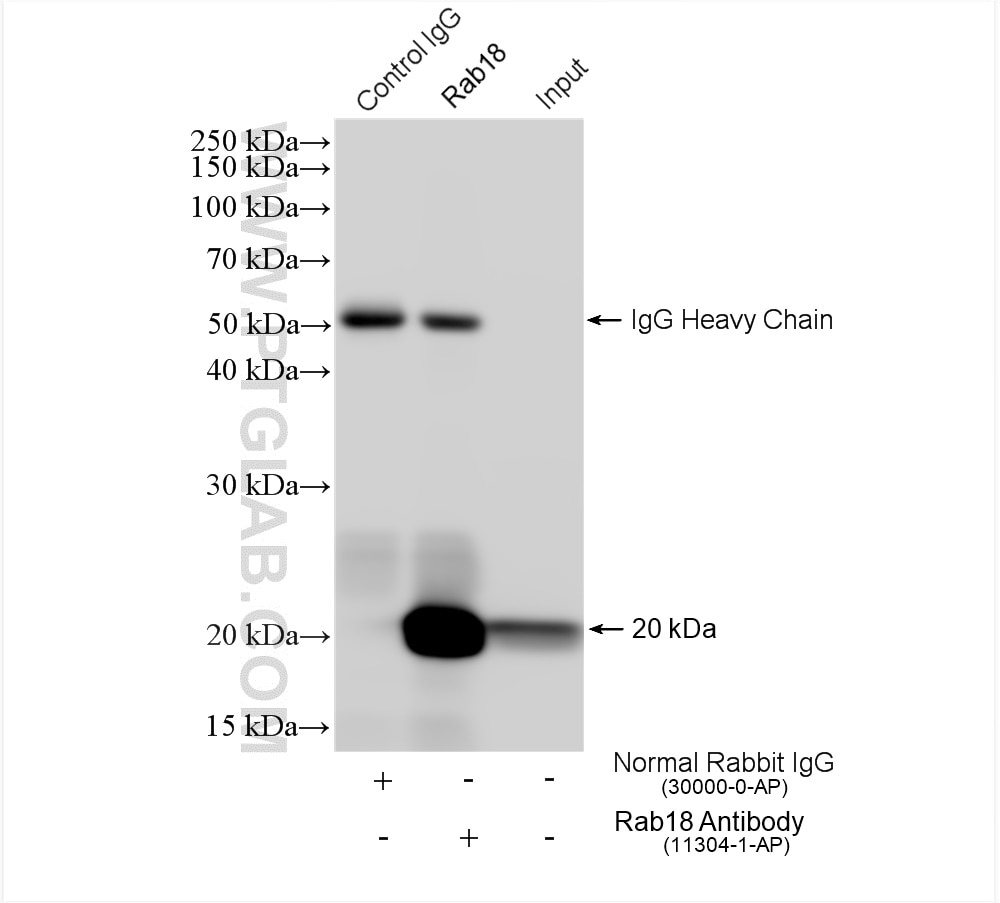
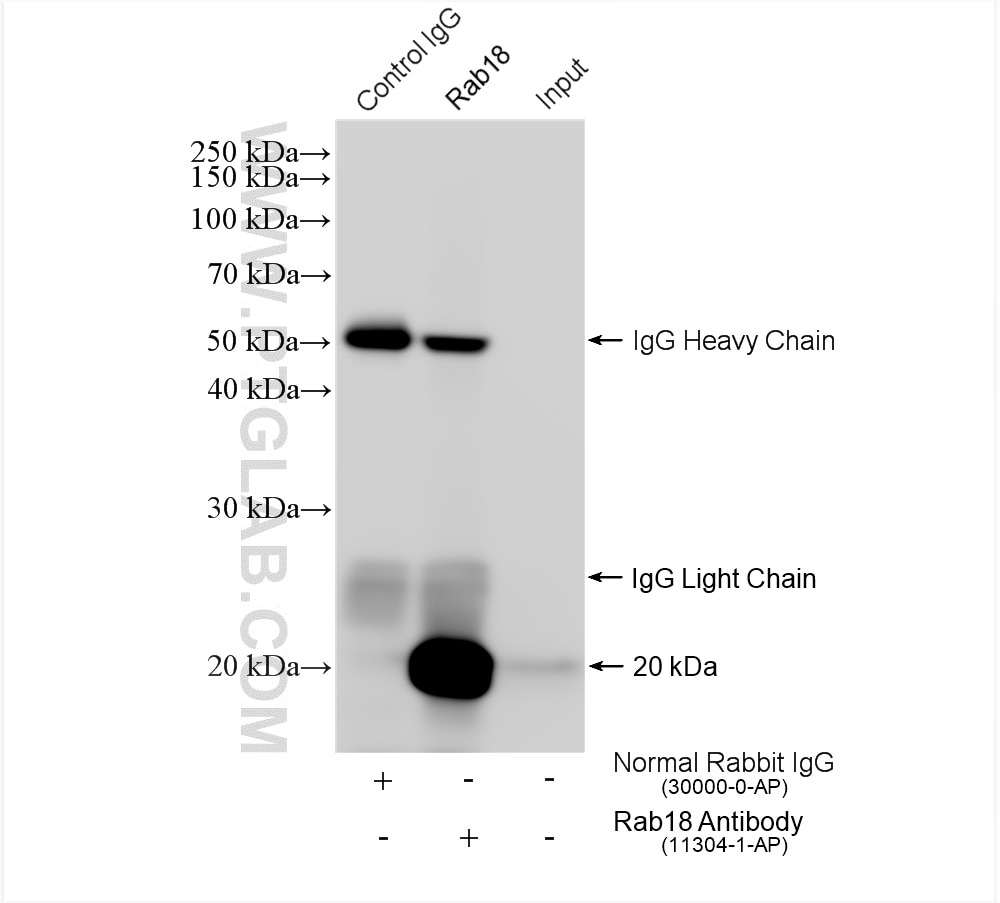
| Positive IP detected in | mouse testis tissue, rat testis tissue |
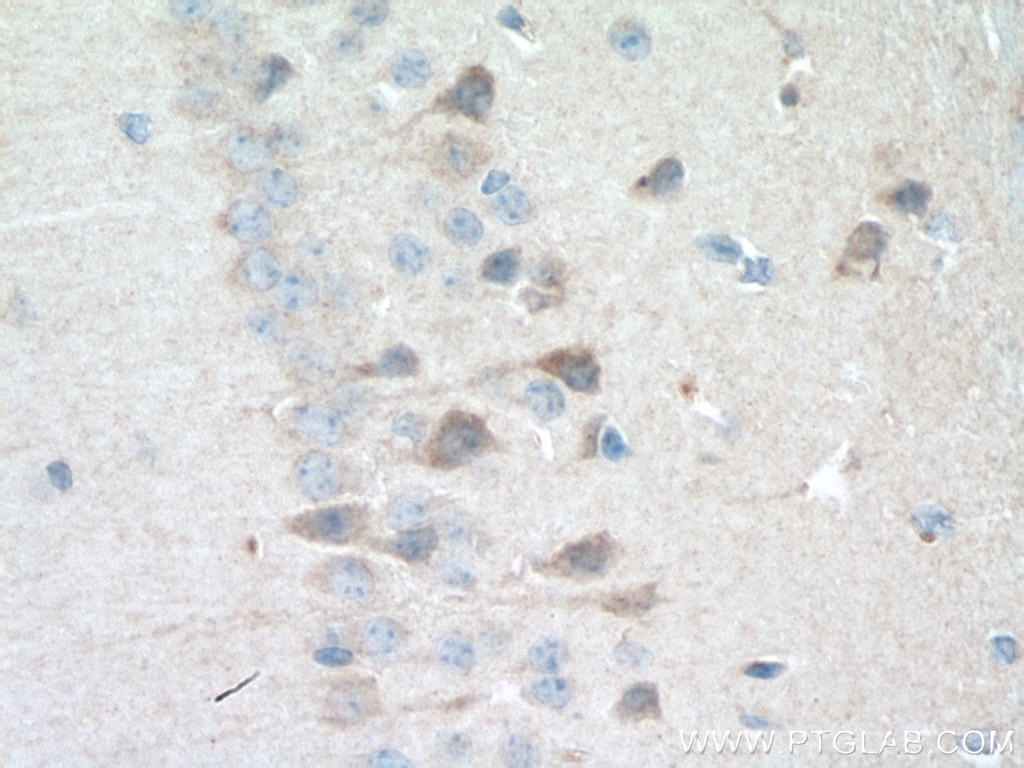
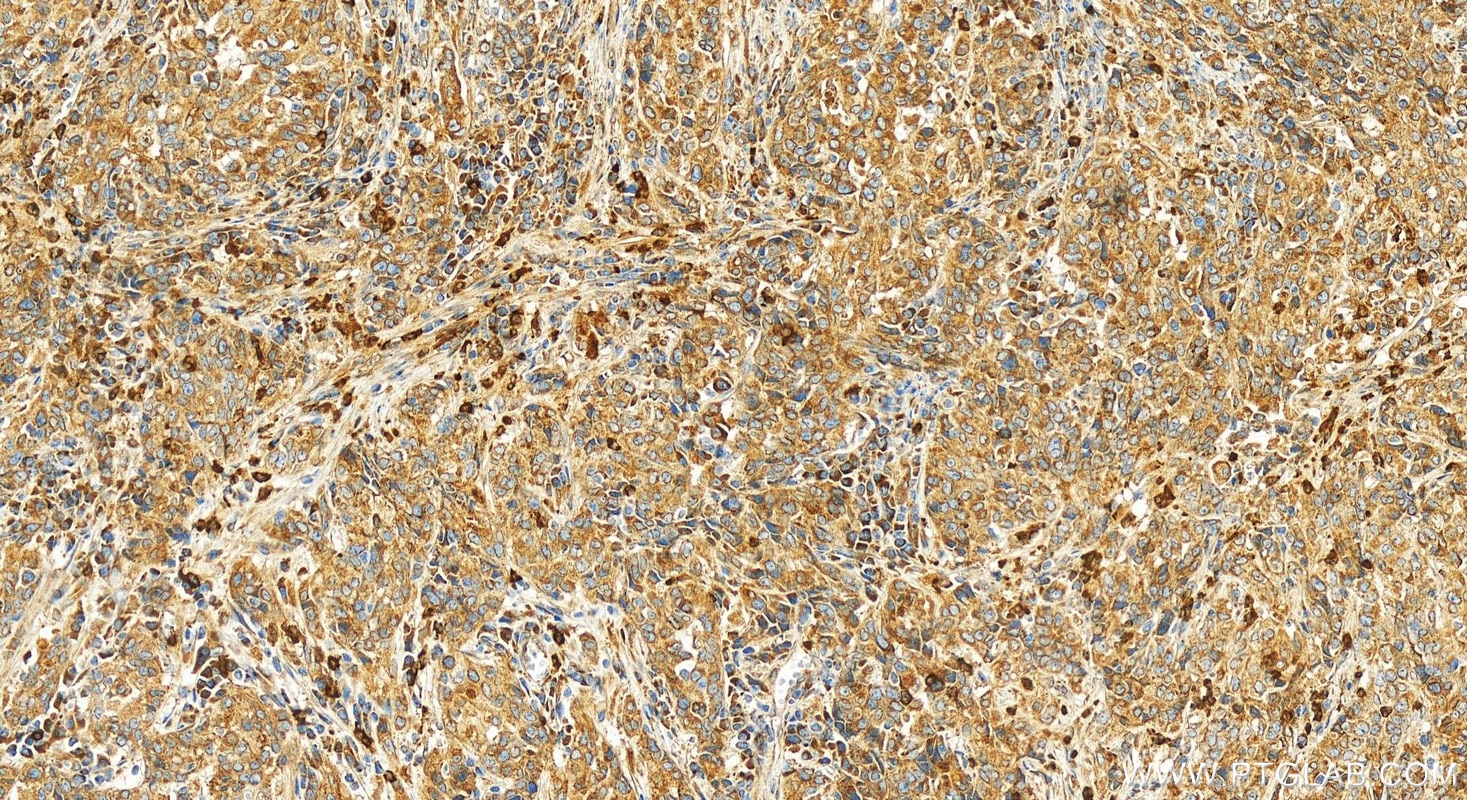
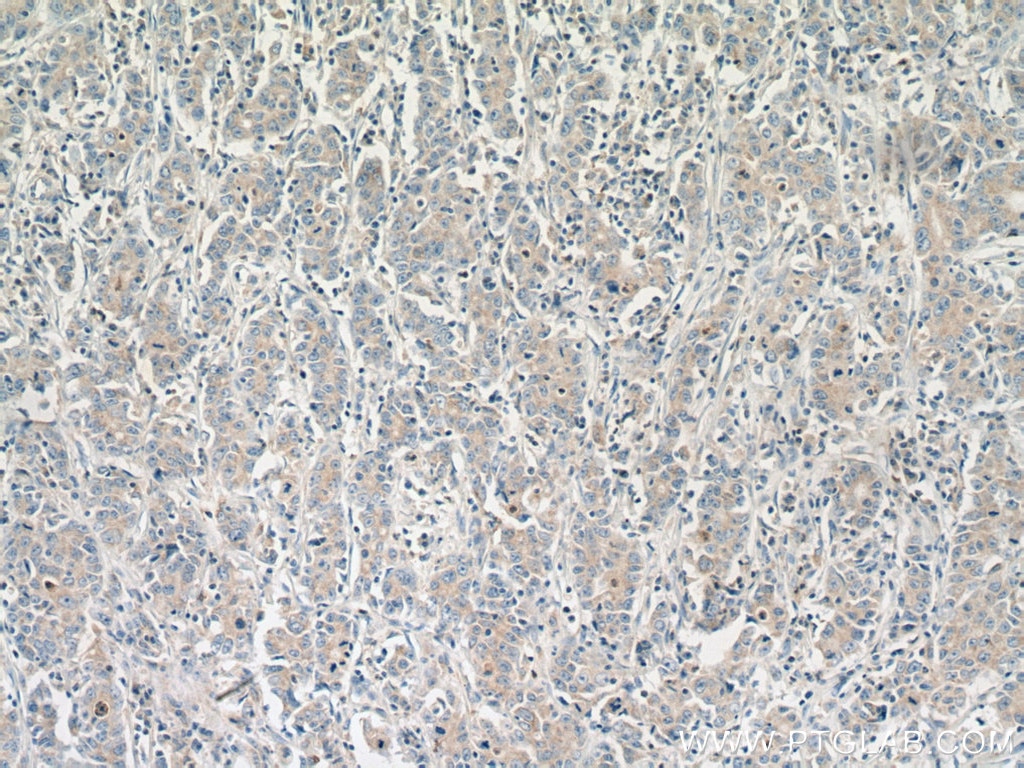
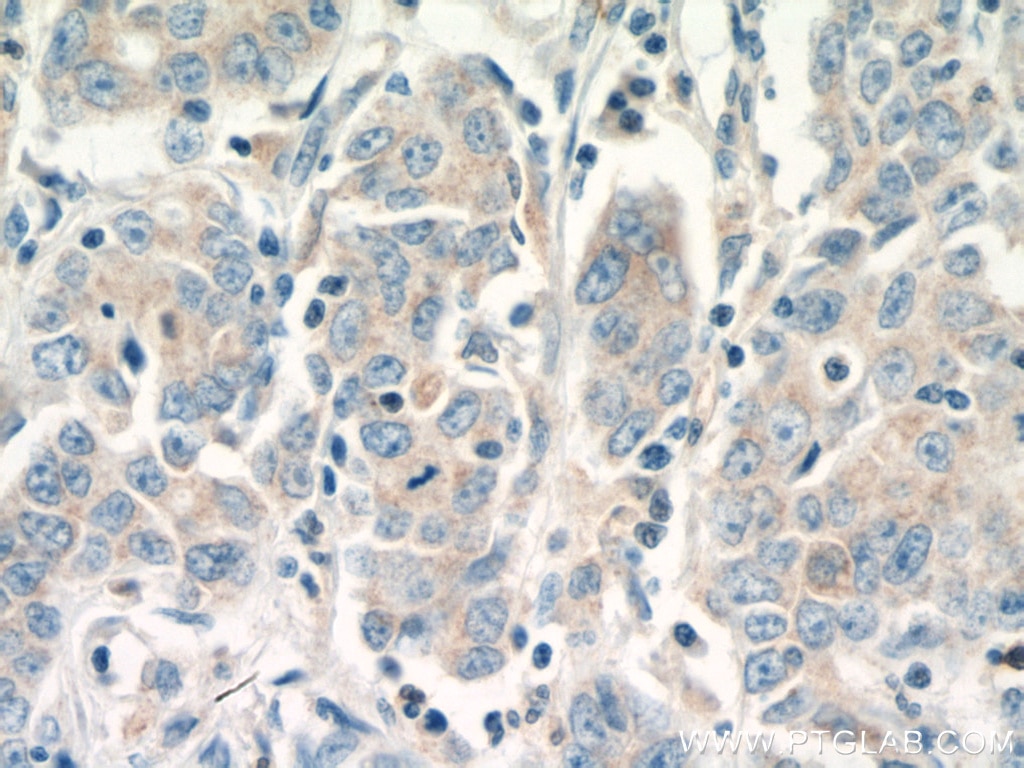
| Positive IHC detected in | human stomach cancer tissue, mouse brain tissue Note: suggested antigen retrieval with TE buffer pH 9.0; (*) Alternatively, antigen retrieval may be performed with citrate buffer pH 6.0 |
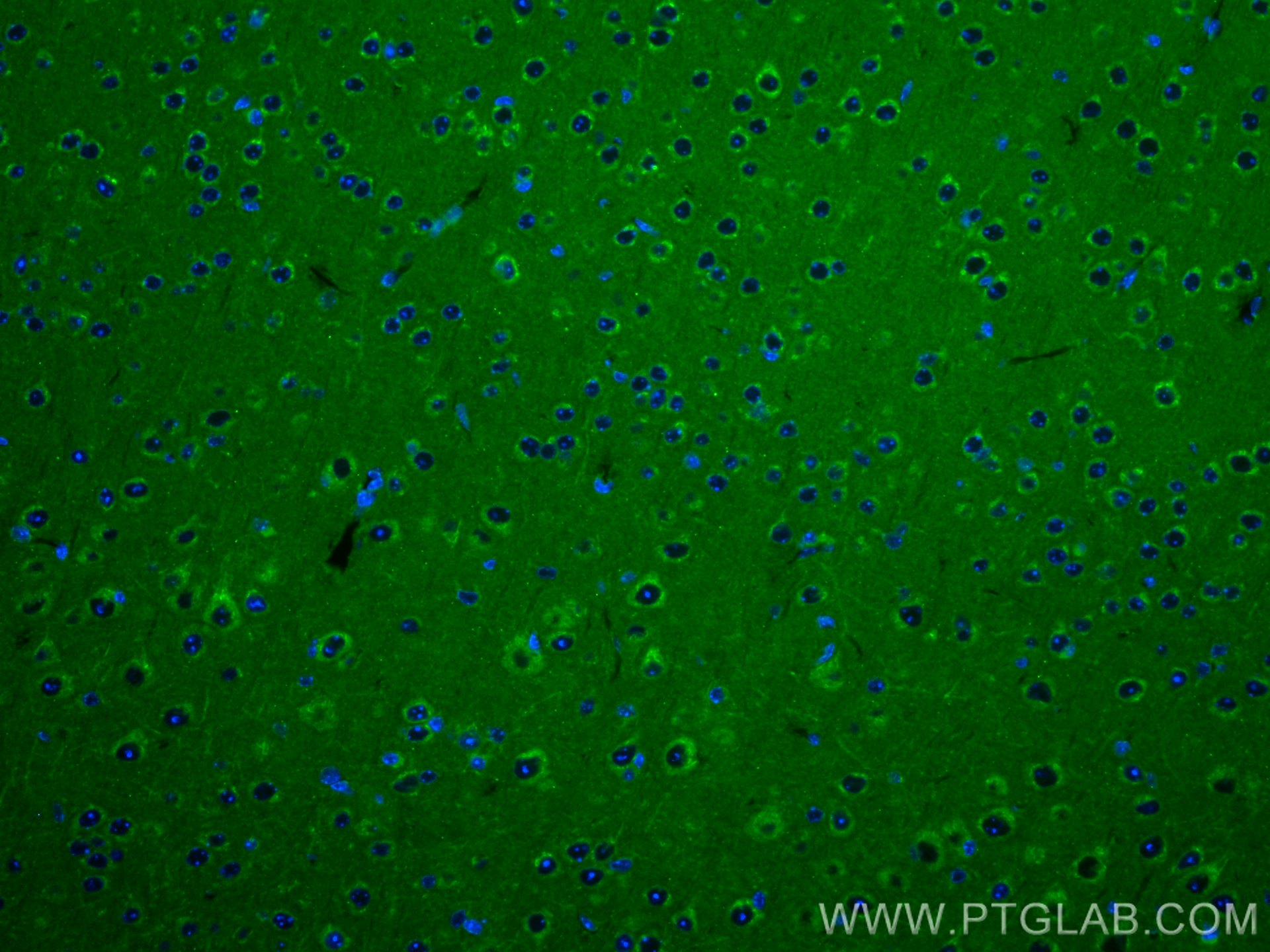
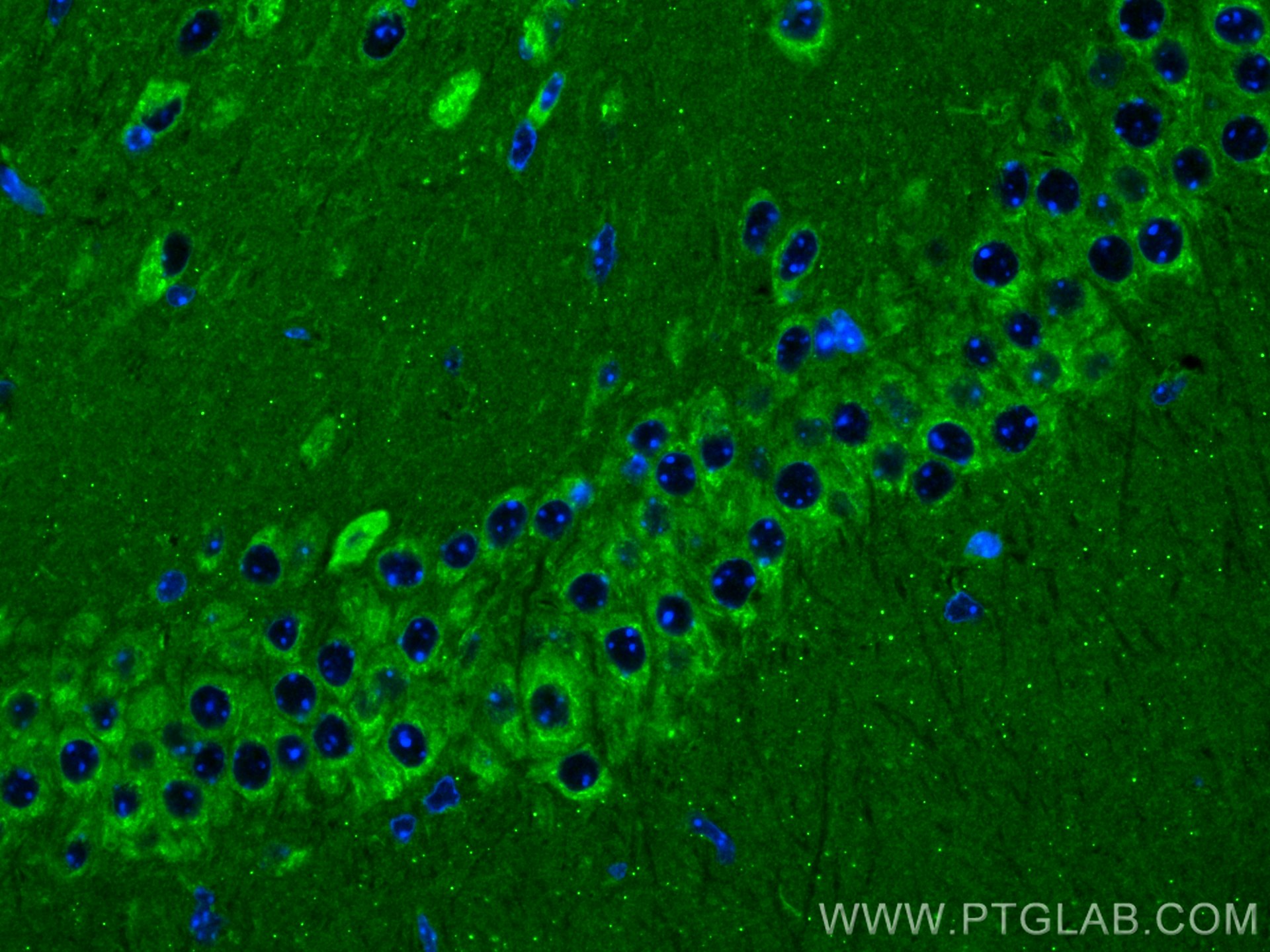
| Positive IF-P detected in | mouse brain tissue |
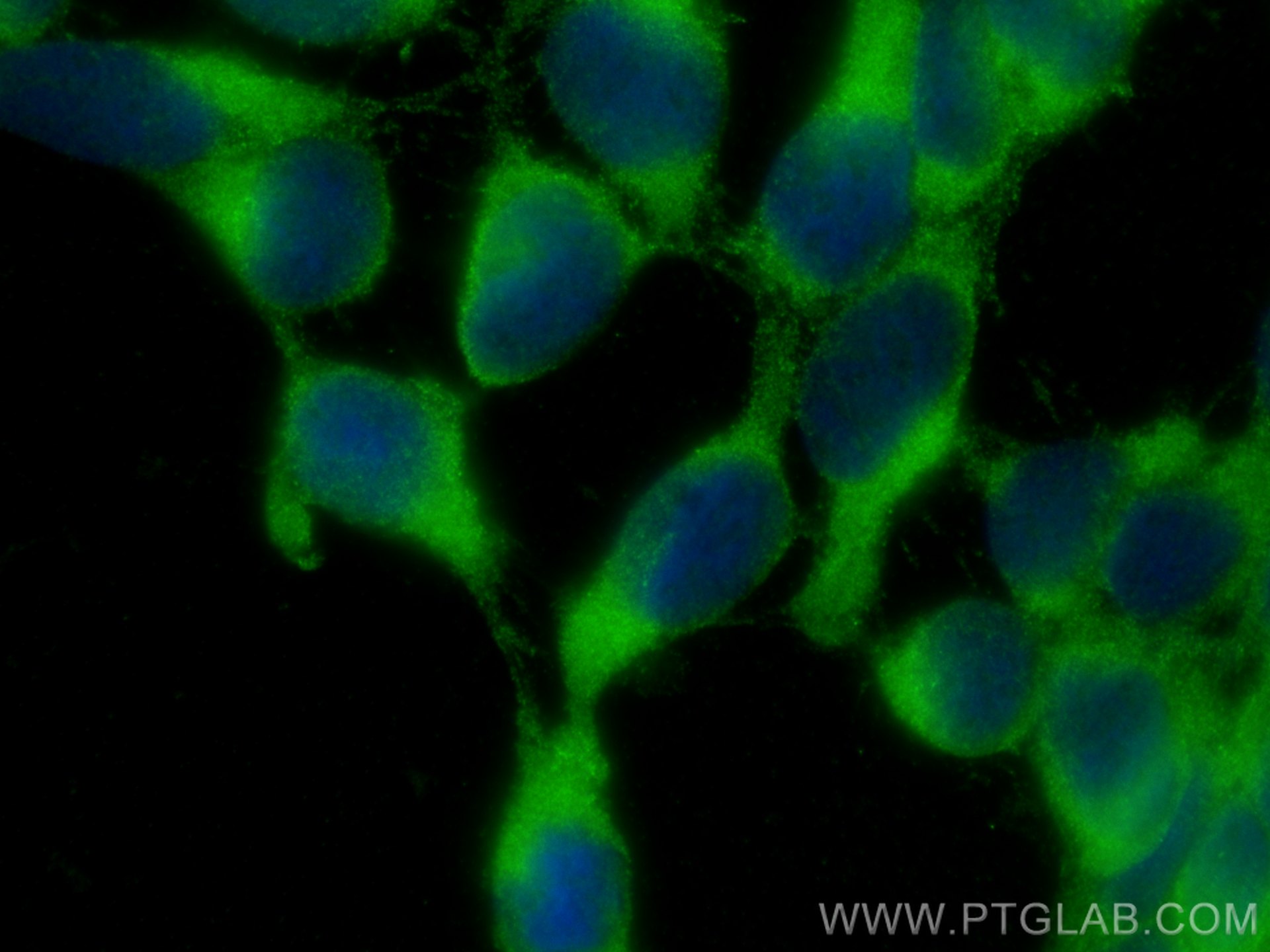
| Positive IF/ICC detected in | HEK-293 cells |
Recommended dilution
| Application | Dilution |
|---|---|
| Western Blot (WB) | WB : 1:1000-1:8000 |
| Immunoprecipitation (IP) | IP : 0.5-4.0 ug for 1.0-3.0 mg of total protein lysate |
| Immunohistochemistry (IHC) | IHC : 1:200-1:2000 |
| Immunofluorescence (IF)-P | IF-P : 1:50-1:500 |
| Immunofluorescence (IF)/ICC | IF/ICC : 1:200-1:800 |
| It is recommended that this reagent should be titrated in each testing system to obtain optimal results. | |
| Sample-dependent, Check data in validation data gallery. | |
Product Information
11304-1-AP targets Rab18 in WB, IHC, IF/ICC, IF-P, IP, CoIP, ELISA applications and shows reactivity with human, mouse, rat samples.
| Tested Reactivity | human, mouse, rat |
| Cited Reactivity | human, mouse, pig, monkey |
| Host / Isotype | Rabbit / IgG |
| Class | Polyclonal |
| Type | Antibody |
| Immunogen |
CatNo: Ag1841 Product name: Recombinant human RAB18 protein Source: e coli.-derived, PGEX-4T Tag: GST Domain: 1-206 aa of BC015014 Sequence: MDEDVLTTLKILIIGESGVGKSSLLLRFTDDTFDPELAATIGVDFKVKTISVDGNKAKLAIWDTAGQERFRTLTPSYYRGAQGVILVYDVTRRDTFVKLDNWLNELETYCTRNDIVNMLVGNKIDKENREVDRNEGLKFARKHSMLFIEASAKTCDGVQCAFEELVEKIIQTPGLWESENQNKGVKLSHREEGQGGGACGGYCSVL Predict reactive species |
| Full Name | RAB18, member RAS oncogene family |
| Calculated Molecular Weight | 206 aa, 23 kDa |
| Observed Molecular Weight | 20-23 kDa |
| GenBank Accession Number | BC015014 |
| Gene Symbol | RAB18 |
| Gene ID (NCBI) | 22931 |
| RRID | AB_2173932 |
| Conjugate | Unconjugated |
| Form | Liquid |
| Purification Method | Antigen affinity purification |
| UNIPROT ID | Q9NP72 |
| Storage Buffer | PBS with 0.02% sodium azide and 50% glycerol, pH 7.3. |
| Storage Conditions | Store at -20°C. Stable for one year after shipment. Aliquoting is unnecessary for -20oC storage. 20ul sizes contain 0.1% BSA. |
Background Information
RAB18 is a member of a family of Ras-related small GTPases. RAB18 plays a role in apical endocytosis/recycling, and may be implicated in transport between the plasma membrane and early endosomes. It also plays a key role in eye and brain development and neurodegeneration. Defects in RAB18 are associated with Warburg micro syndrome type 3.
Protocols
| Product Specific Protocols | |
|---|---|
| IF protocol for Rab18 antibody 11304-1-AP | Download protocol |
| IHC protocol for Rab18 antibody 11304-1-AP | Download protocol |
| IP protocol for Rab18 antibody 11304-1-AP | Download protocol |
| WB protocol for Rab18 antibody 11304-1-AP | Download protocol |
| Standard Protocols | |
|---|---|
| Click here to view our Standard Protocols |
Publications
What published studies show
The RAB18 antibody (Cat# 11304-1-AP) has 21 citations across journals including Autophagy, J Clin Invest, Advanced Science, Developmental Cell, Journal of Cell Biology, PLoS Pathogens, BMC Cancer, and Onco Targets Therapy. Research fields span lipid metabolism, lipophagy, autophagy, cancer biology (lung, gastric, head and neck, hepatoma), neurology (spastic paraplegia, Warburg Micro Syndrome), virology (HCV, HBV), hepatic fibrosis, and circadian rhythm regulation.
| Species | Application | Title |
|---|---|---|
Autophagy RAB18-dependent recruitment of OPTN initiates selective lipophagy in osteoblasts. | ||
J Clin Invest RINT1 deficiency disrupts lipid metabolism and underlies a complex hereditary spastic paraplegia | ||
Adv Sci (Weinh) Diallyl Trisulfide From Garlic Regulates RAB18 Phase Separation to Inhibit Lipophagy and Induce Cuproptosis in Hepatic Stellate Cells for Antifibrotic Effects
| ||
Food Chem Pu-erh tea increases the metabolite Cinnabarinic acid to improve circadian rhythm disorder-induced obesity. | ||
Dev Cell KIF3B promotes a PI3K signaling gradient causing changes in a Shh protein gradient and suppressing polydactyly in mice | ||















