

Tested Applications
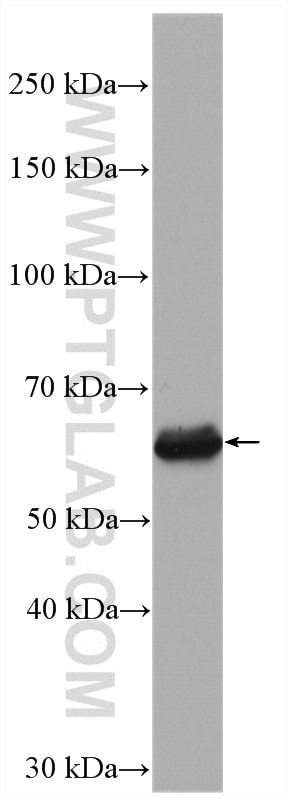
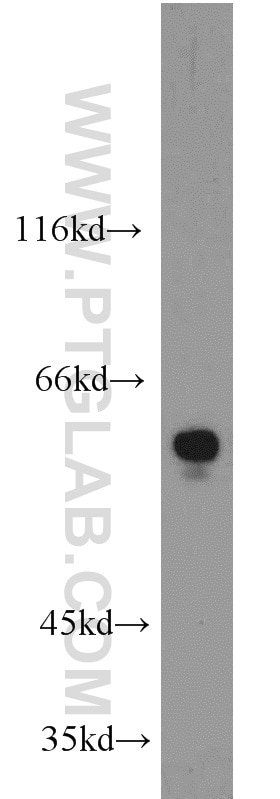
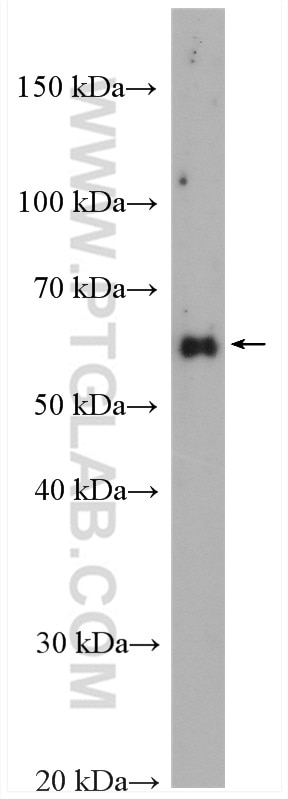
| Positive WB detected in | HeLa cells, A549 cells, MCF-7 cells |
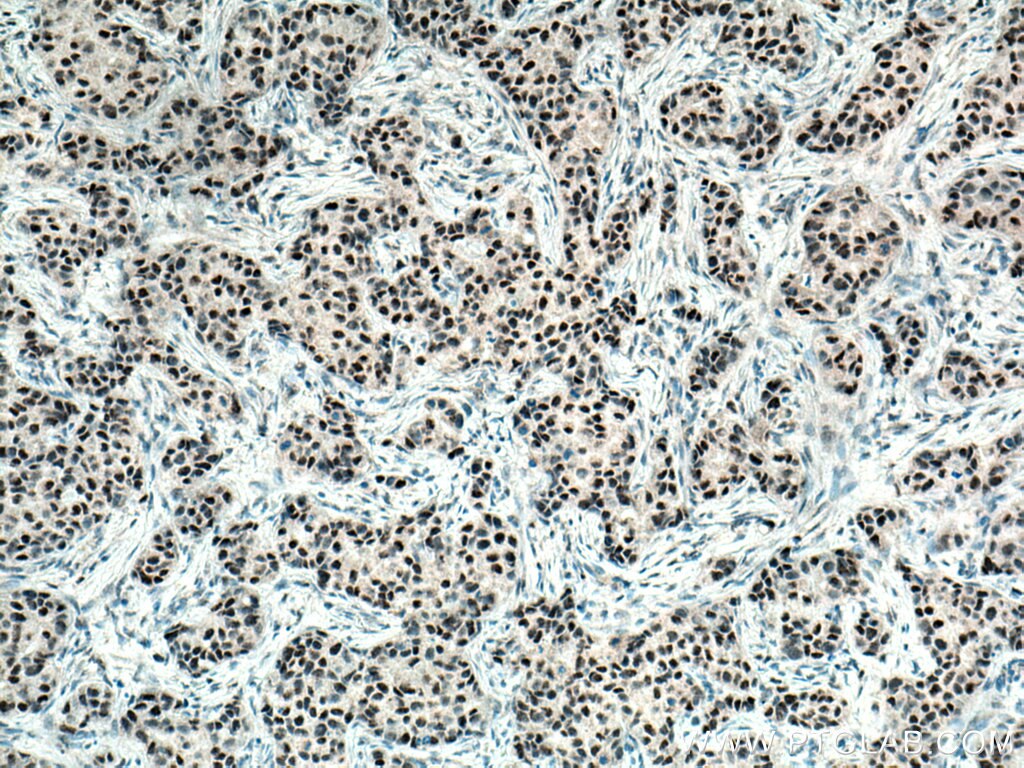
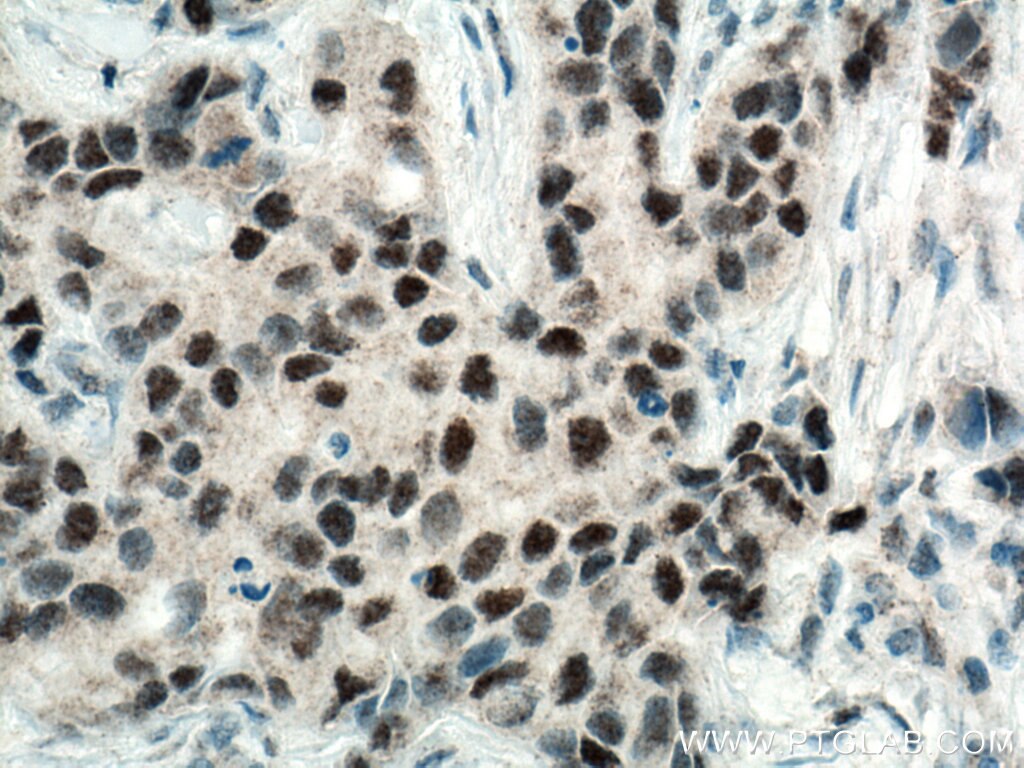
| Positive IHC detected in | human breast cancer tissue Note: suggested antigen retrieval with TE buffer pH 9.0; (*) Alternatively, antigen retrieval may be performed with citrate buffer pH 6.0 |
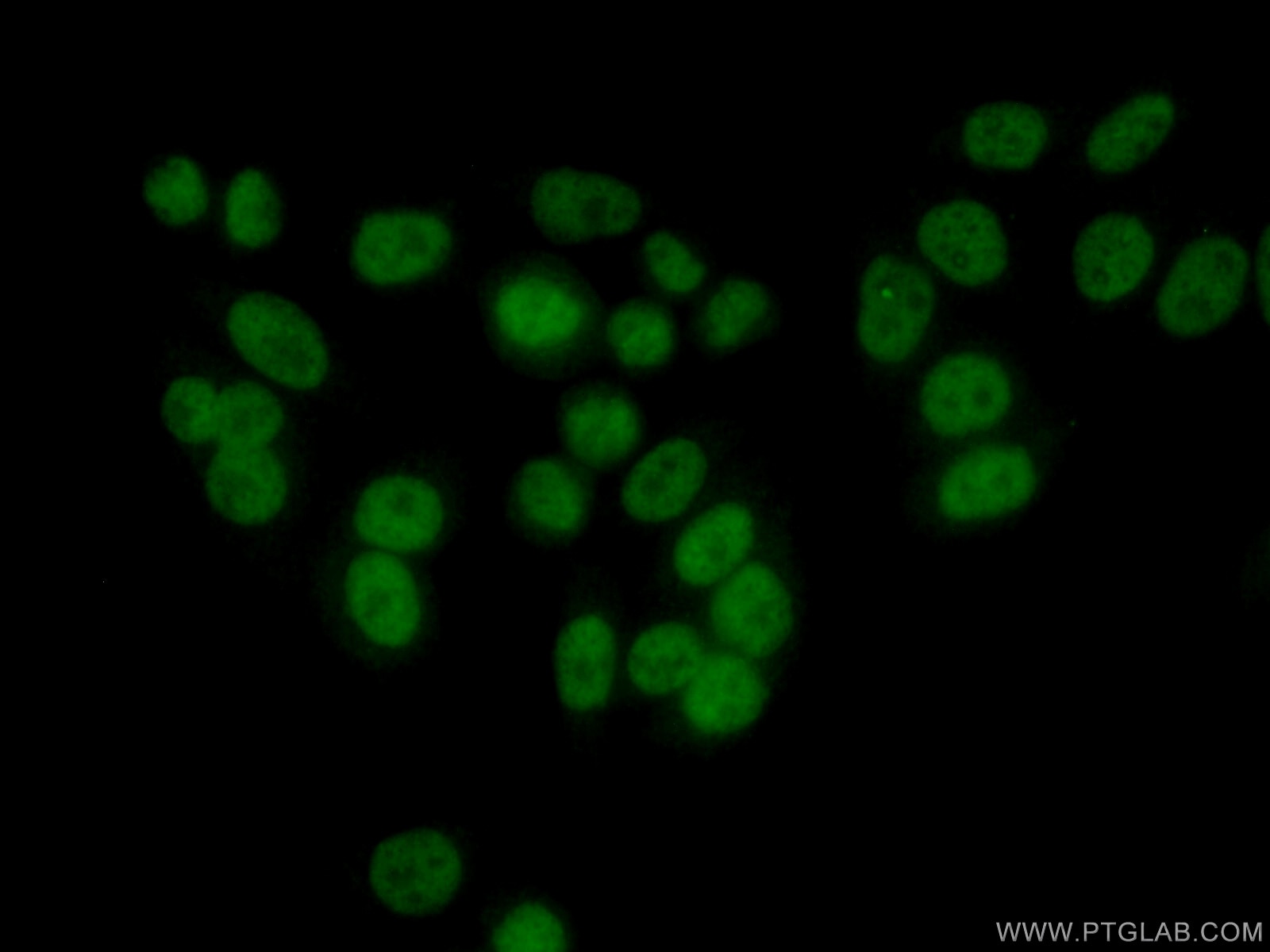
| Positive IF/ICC detected in | HeLa cells |
Recommended dilution
| Application | Dilution |
|---|---|
| Western Blot (WB) | WB : 1:1000-1:4000 |
| Immunohistochemistry (IHC) | IHC : 1:400-1:1600 |
| Immunofluorescence (IF)/ICC | IF/ICC : 1:50-1:500 |
| It is recommended that this reagent should be titrated in each testing system to obtain optimal results. | |
| Sample-dependent, Check data in validation data gallery. | |
Product Information
13035-1-AP targets RAD9A in WB, IHC, IF/ICC, ELISA applications and shows reactivity with human samples.
| Tested Reactivity | human |
| Cited Reactivity | human |
| Host / Isotype | Rabbit / IgG |
| Class | Polyclonal |
| Type | Antibody |
| Immunogen |
CatNo: Ag3687 Product name: Recombinant human RAD9A protein Source: e coli.-derived, PGEX-4T Tag: GST Domain: 41-391 aa of BC014848 Sequence: VNSSRSAYACFLFAPLFFQQYQAATPGQDLLRCKILMKSFLSVFRSLAMLEKTVEKCCISLNGRSSRLVVQLHCKFGVRKTHNLSFQDCASLQAVFDPASCPHMLRAPARVLGEAVLPFSPALAEVTLGIGRGRRVILRSYHEEEADSTAKAMVTEMCLGEEDFQQLQAQEGVAITFCLKEFRGLLSFAESANLNLSIHFDAPGRPAIFTIKDSLLDGHFVLATLSDTDSHSQDLGSPERHQPVPQLQAHSTPHPDDFANDDIDSYMIAMETTIGNEGSRVLPSISLSPGPQPPKSPGPHSEEEDEAEPSTVPGTPPPKKFRSLFFGSILAPVRSPQGPSPVLAEDSEGEG Predict reactive species |
| Full Name | RAD9 homolog A (S. pombe) |
| Calculated Molecular Weight | 391 aa, 42 kDa |
| Observed Molecular Weight | 55-60 kDa |
| GenBank Accession Number | BC014848 |
| Gene Symbol | RAD9A |
| Gene ID (NCBI) | 5883 |
| RRID | AB_10598474 |
| Conjugate | Unconjugated |
| Form | Liquid |
| Purification Method | Antigen affinity purification |
| UNIPROT ID | Q99638 |
| Storage Buffer | PBS with 0.02% sodium azide and 50% glycerol, pH 7.3. |
| Storage Conditions | Store at -20°C. Stable for one year after shipment. Aliquoting is unnecessary for -20oC storage. 20ul sizes contain 0.1% BSA. |
Protocols
| Product Specific Protocols | |
|---|---|
| IF protocol for RAD9A antibody 13035-1-AP | Download protocol |
| IHC protocol for RAD9A antibody 13035-1-AP | Download protocol |
| WB protocol for RAD9A antibody 13035-1-AP | Download protocol |
| Standard Protocols | |
|---|---|
| Click here to view our Standard Protocols |
Publications
What published studies show
RAD9A Polyclonal antibody (Cat# 13035-1-AP) has 6 citations published in Phytomedicine, Oncogene, EMBO Journal, Journal of Molecular Cell Biology, International Immunopharmacology, and DNA and Cell Biology. Research fields span pyroptosis in lung adenocarcinoma, DNA damage repair and homologous recombination, cellular senescence and pulmonary fibrosis, DNA replication stress, anoikis in colon cancer, and radiation sensitivity in glioma.
| Species | Application | Title |
|---|---|---|
Phytomedicine Baohuoside I induces GSDME-dependent pyroptosis and synergistically inhibits lung adenocarcinoma with cisplatin. | ||
Oncogene DNA damage-induced translocation of mitochondrial factor HIGD1A into the nucleus regulates homologous recombination and radio/chemo-sensitivity. | ||
EMBO J YTHDC1 delays cellular senescence and pulmonary fibrosis by activating ATR in an m6A-independent manner | ||
J Mol Cell Biol SUMO-1 modification of FEN1 facilitates its interaction with Rad9-Rad1-Hus1 to counteract DNA replication stress. | ||
Int Immunopharmacol Unveiling an anoikis-related risk model and the role of RAD9A in colon cancer
| ||
DNA Cell Biol AEG-1 Knockdown Sensitizes Glioma Cells to Radiation Through Impairing Homologous Recombination Via Targeting RFC5. |







