

Tested Applications
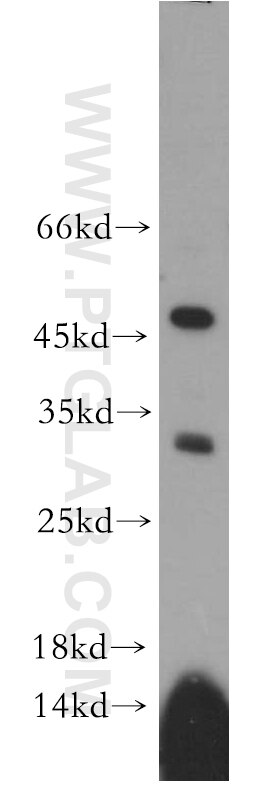
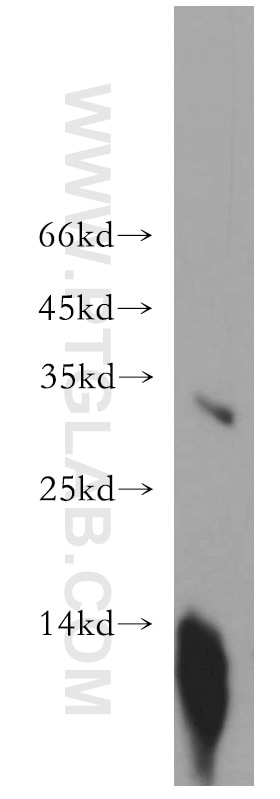
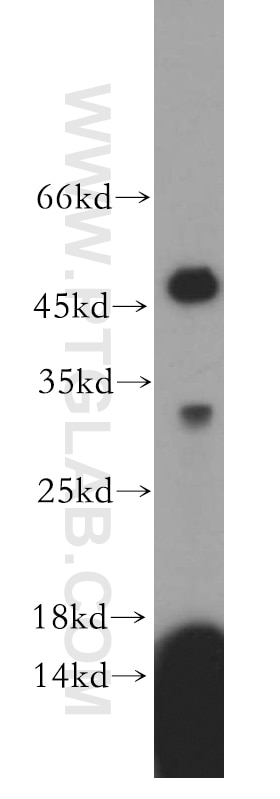
| Positive WB detected in | PC-3 cells, human placenta tissue, MCF-7 cells |
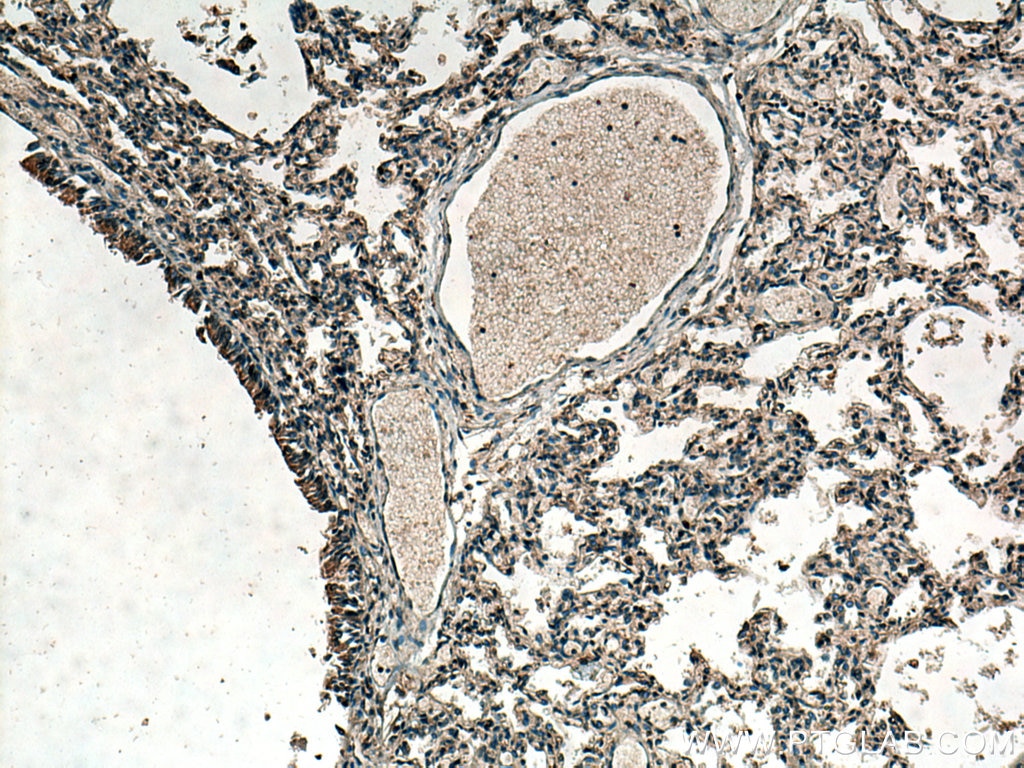
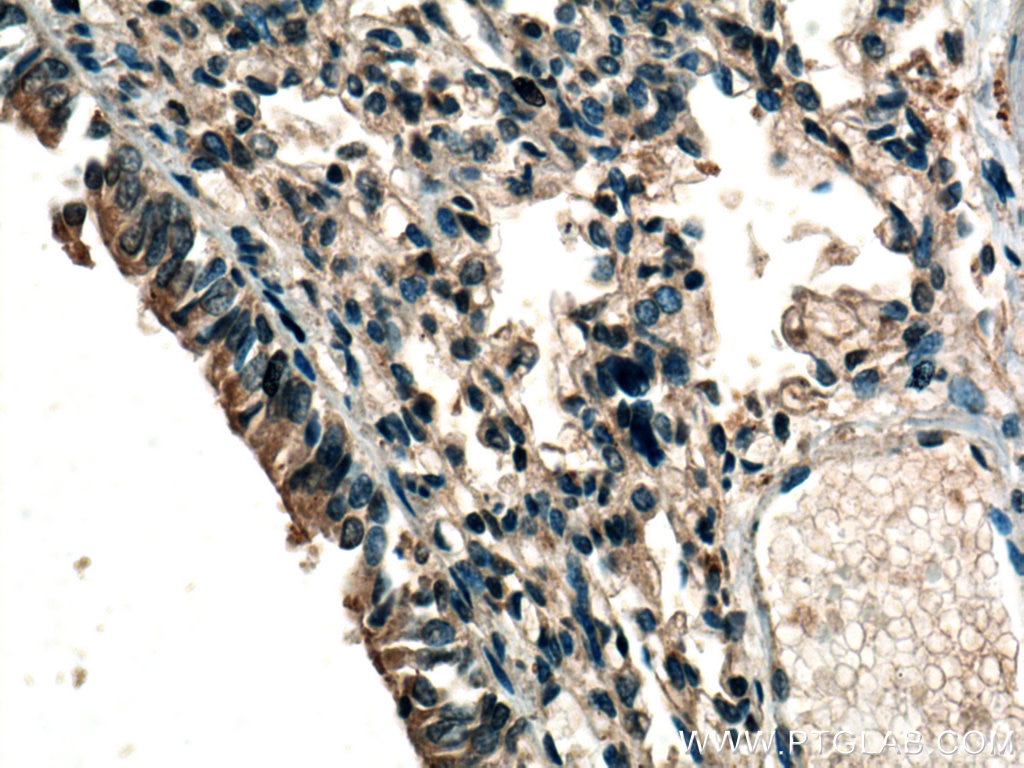
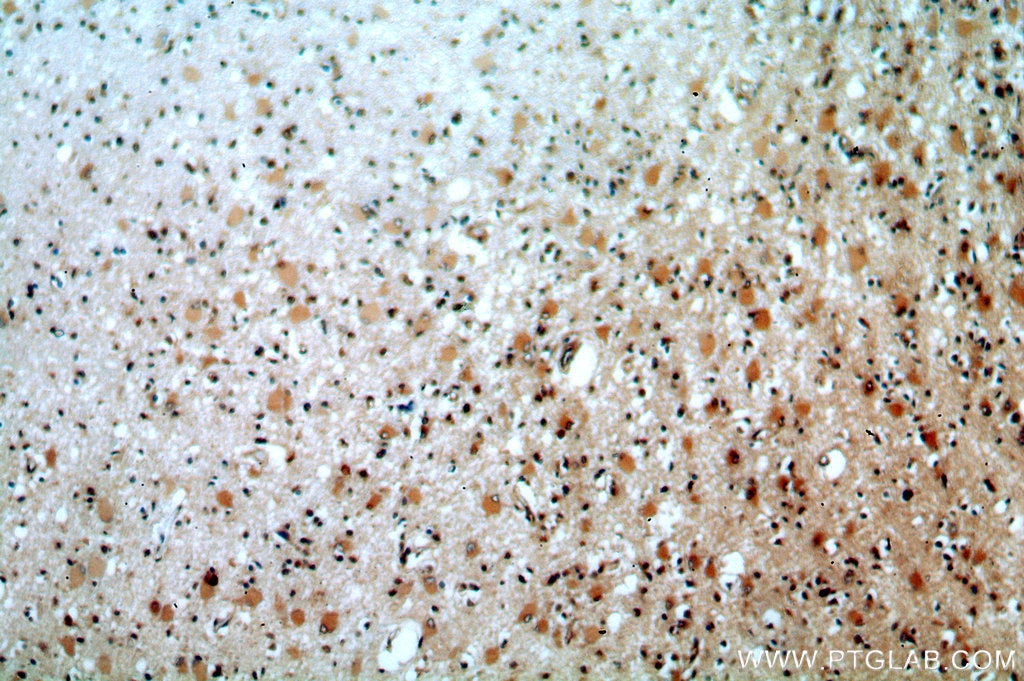
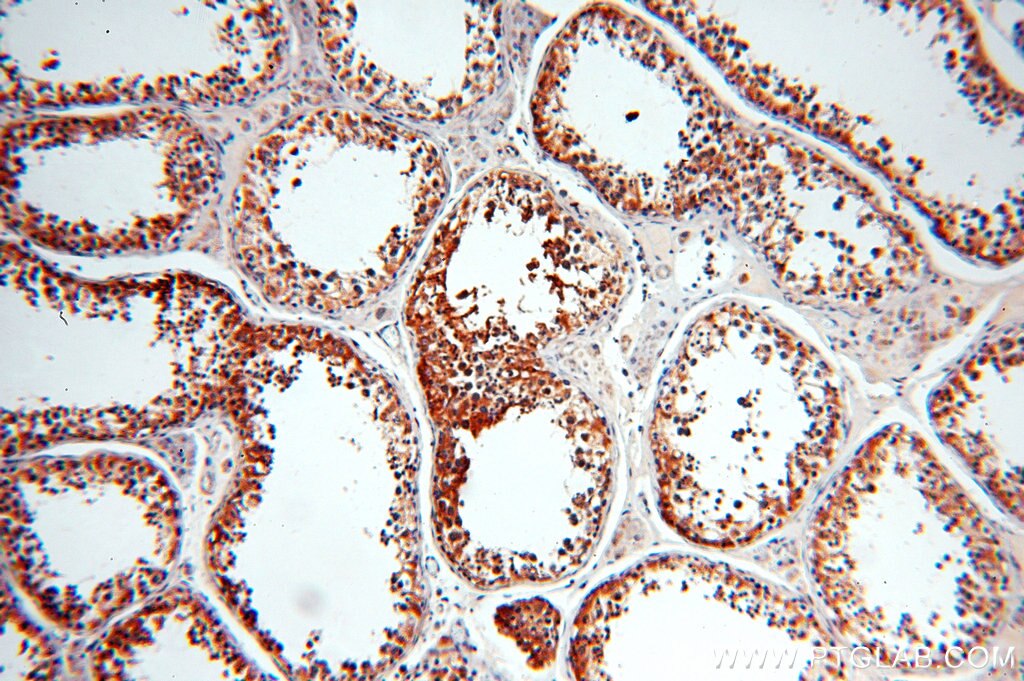
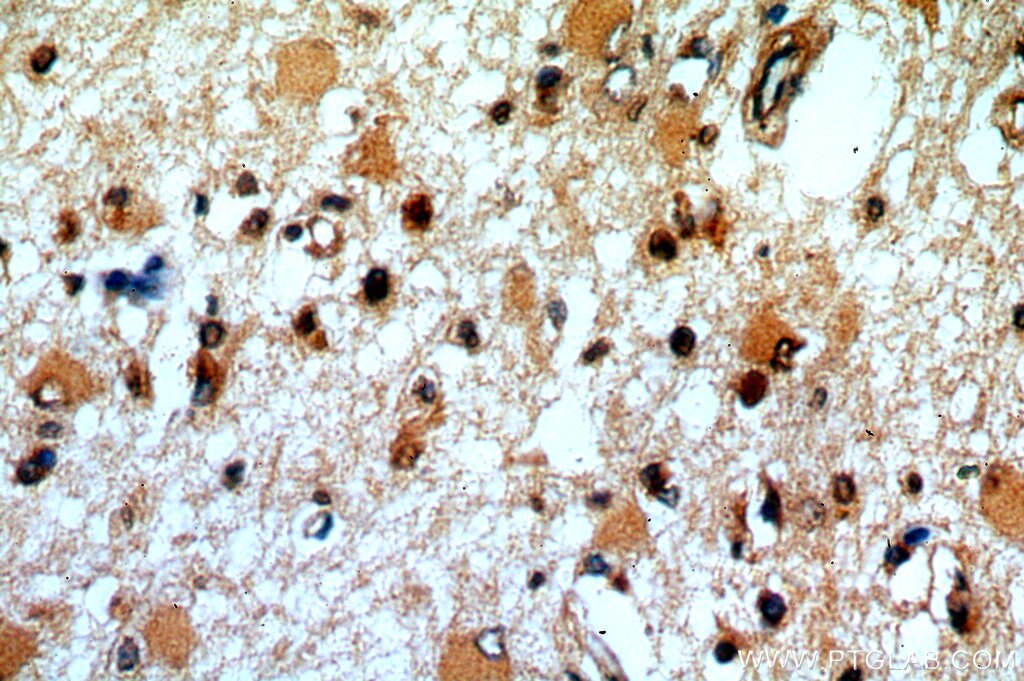
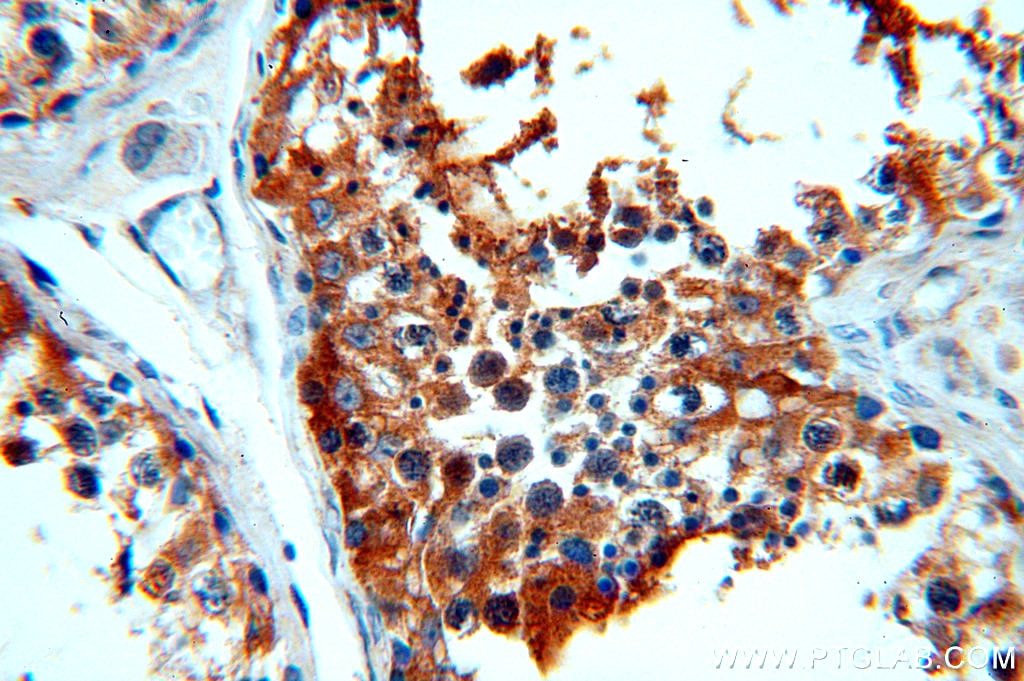
| Positive IHC detected in | human lung tissue, human brain tissue, human testis tissue Note: suggested antigen retrieval with TE buffer pH 9.0; (*) Alternatively, antigen retrieval may be performed with citrate buffer pH 6.0 |
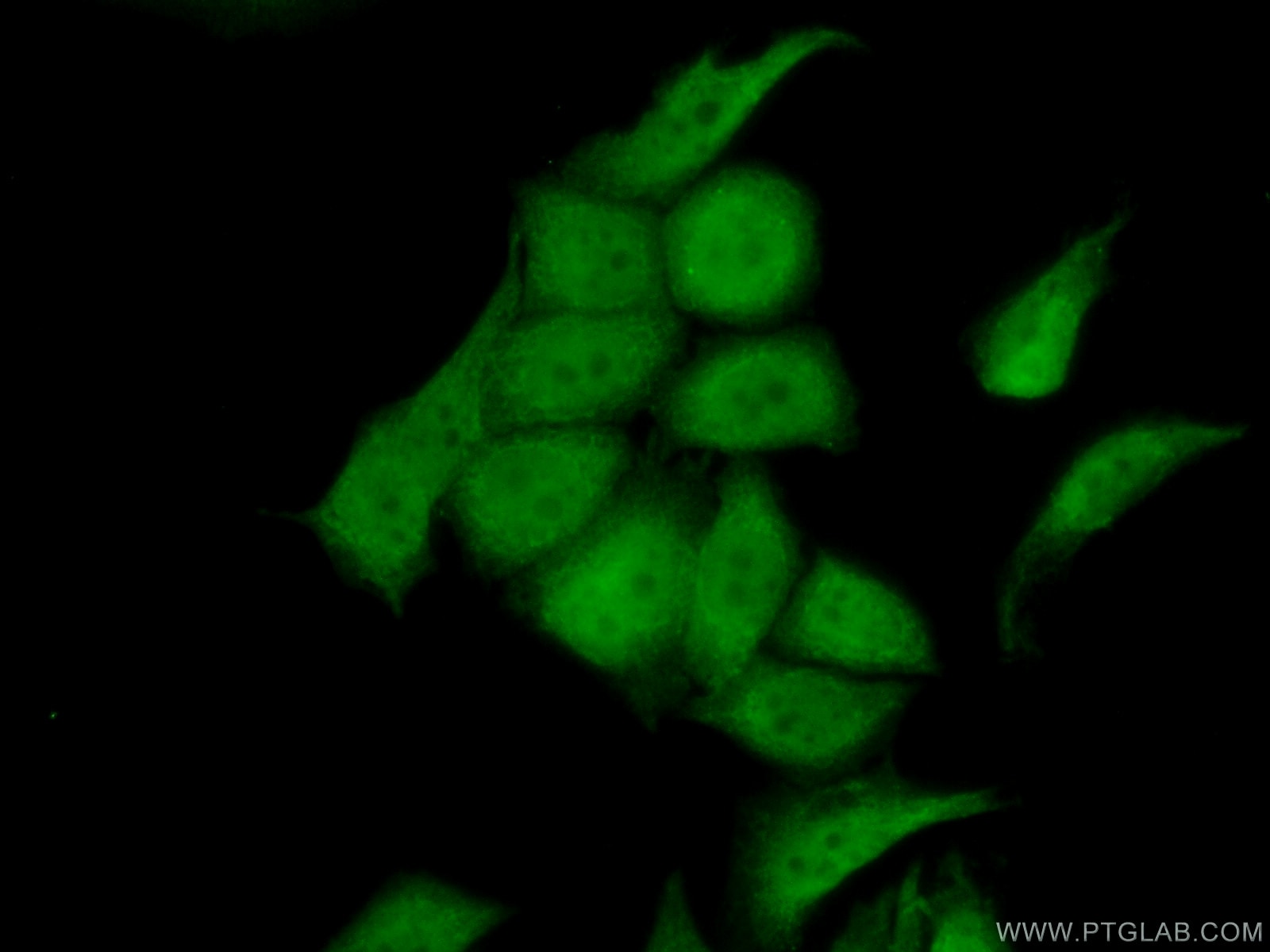
| Positive IF/ICC detected in | PC-3 cells |
Recommended dilution
| Application | Dilution |
|---|---|
| Western Blot (WB) | WB : 1:500-1:1000 |
| Immunohistochemistry (IHC) | IHC : 1:50-1:500 |
| Immunofluorescence (IF)/ICC | IF/ICC : 1:20-1:200 |
| It is recommended that this reagent should be titrated in each testing system to obtain optimal results. | |
| Sample-dependent, Check data in validation data gallery. | |
Product Information
20156-1-AP targets RDM1 in WB, IHC, IF/ICC, ELISA applications and shows reactivity with human samples.
| Tested Reactivity | human |
| Cited Reactivity | human |
| Host / Isotype | Rabbit / IgG |
| Class | Polyclonal |
| Type | Antibody |
| Immunogen |
CatNo: Ag14077 Product name: Recombinant human RDM1 protein Source: e coli.-derived, PGEX-4T Tag: GST Domain: 1-253 aa of BC038301 Sequence: QHSLFTAFSQFGLLYSVRVFPNAAVAHPGFYAVIKFYSARAAHRAQKACDRKQLFQKSPVKVRLGTRHKAVQHQALALNSSKCQELANYCFGFNGCSKRIIKLQELSDLEERENEDSMVPLPKQSLKFFCALEVVLPSCDCRSPGIGLVEEPMDKVEEGPLSFLMKRKTAQKLAIQKALSDAFQKLLIVVLESGKIAVEYRPSEDIVGVRCEEELHGLIQVPCSPWKQYGQEEEGYLSDFSLEEEEFRLPELD Predict reactive species |
| Full Name | RAD52 motif 1 |
| Calculated Molecular Weight | 284 aa, 32 kDa |
| Observed Molecular Weight | 32 kDa |
| GenBank Accession Number | BC038301 |
| Gene Symbol | RDM1 |
| Gene ID (NCBI) | 201299 |
| RRID | AB_10666433 |
| Conjugate | Unconjugated |
| Form | Liquid |
| Purification Method | Antigen affinity purification |
| UNIPROT ID | Q8NG50 |
| Storage Buffer | PBS with 0.02% sodium azide and 50% glycerol, pH 7.3. |
| Storage Conditions | Store at -20°C. Stable for one year after shipment. Aliquoting is unnecessary for -20oC storage. 20ul sizes contain 0.1% BSA. |
Background Information
RDM1, also named as RAD52B, encodes a RNA recognition motif (RRM)-containing protein confered resistance to the antitumor agent cisplatin. The expression of RDM1 is closely related to the cell proliferation and apoptosis of thyroid carcinoma cells and RDM1 may be a potential marker of lung adenocarcinoma. RDM1 has many isoforms (8 kDa, 12-19 kDa and 25-32 kDa) with long or short N-terminus and a great diversity in the exonic composition of C-terminus generated by alternative pre-mRNA splicing and differential usage of two translational start sites. RDM1 protein can be expressed differently in cytoplasm or nuclear/nucleolar in the absence of stress, proteotoxic stress and mild heat shock, suggesting functional differences among the RDM1 proteins. ( PMID: 28939762, 17905820, 28939762, 30069034)
Protocols
| Product Specific Protocols | |
|---|---|
| IF protocol for RDM1 antibody 20156-1-AP | Download protocol |
| IHC protocol for RDM1 antibody 20156-1-AP | Download protocol |
| WB protocol for RDM1 antibody 20156-1-AP | Download protocol |
| Standard Protocols | |
|---|---|
| Click here to view our Standard Protocols |
Publications
What published studies show
The anti-RDM1 antibody (Cat# 20156-1-AP) has 7 total citations. These appear in Artificial Cells, Nanomedicine, and Biotechnology, Frontiers in Cell and Developmental Biology, Scientific Reports (×2), Journal of Cellular and Molecular Medicine, Molecular Oncology, and FEBS Open Biology. The research fields span oncology, covering ovarian carcinoma, glioma survival prediction, clear cell renal cell carcinoma, lung adenocarcinoma, breast cancer, hepatocellular carcinoma, and neuroblastoma, with applications primarily in WB and IHC.
| Species | Application | Title |
|---|---|---|
Artif Cells Nanomed Biotechnol RDM1 plays an oncogenic role in human ovarian carcinoma cells.
| ||
Front Cell Dev Biol A Novel Signature Constructed by RNA-Binding Protein Coding Genes to Improve Overall Survival Prediction of Glioma Patients. | ||
Sci Rep RDM1 plays an oncogenic role in clear cell renal cell carcinoma potentially by modulating MCM2.
| ||
J Cell Mol Med RDM1 promotes critical processes in breast cancer tumorigenesis.
| ||
Mol Oncol Loss of RDM1 enhances hepatocellular carcinoma progression via p53 and Ras/Raf/ERK pathways.
|











