

Tested Applications
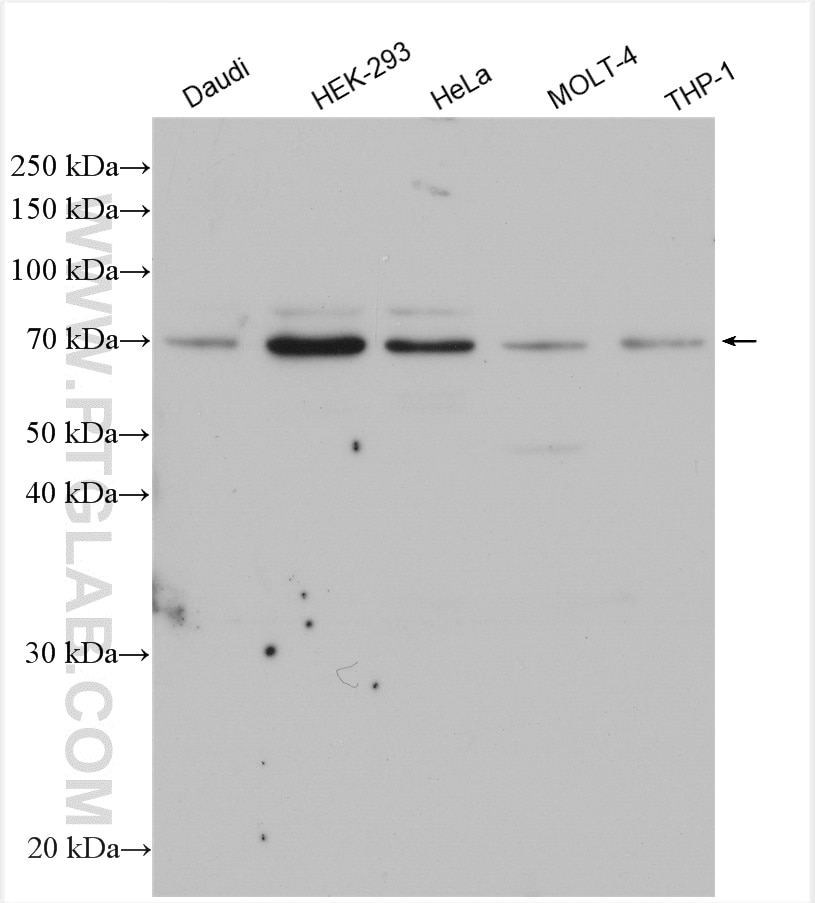
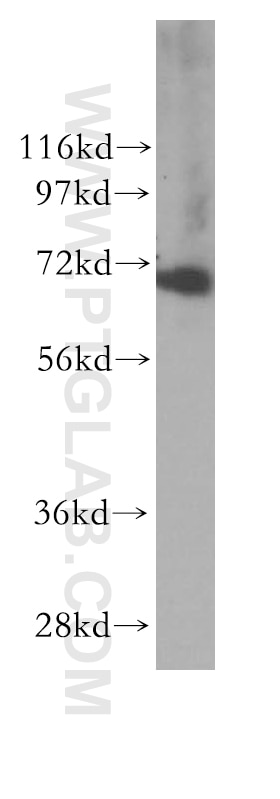
| Positive WB detected in | Daudi cells, MCF-7 cells, HEK-293 cells, HeLa cells, MOLT-4 cells, THP-1 cells |
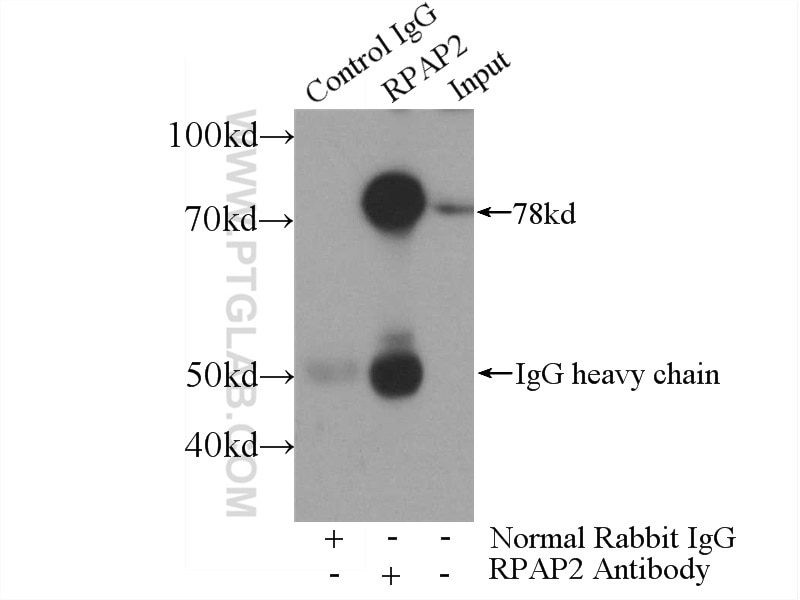
| Positive IP detected in | HEK-293 cells |
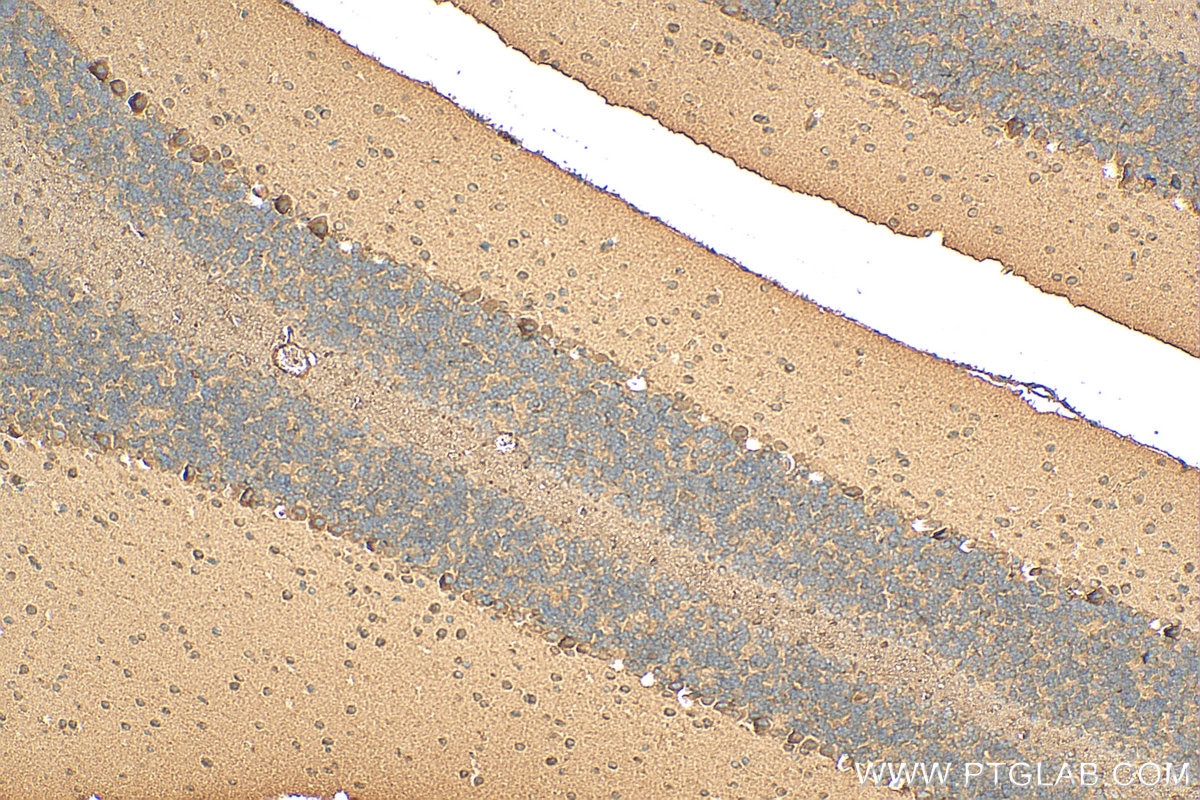
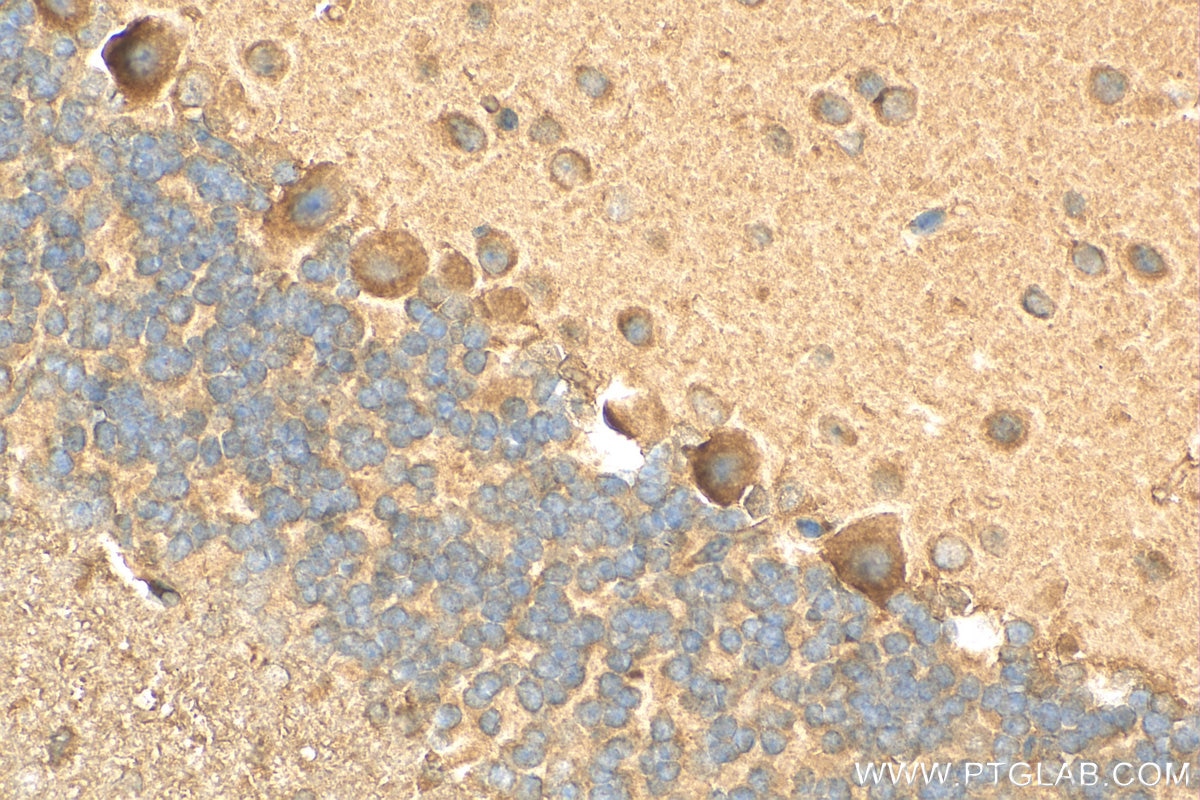
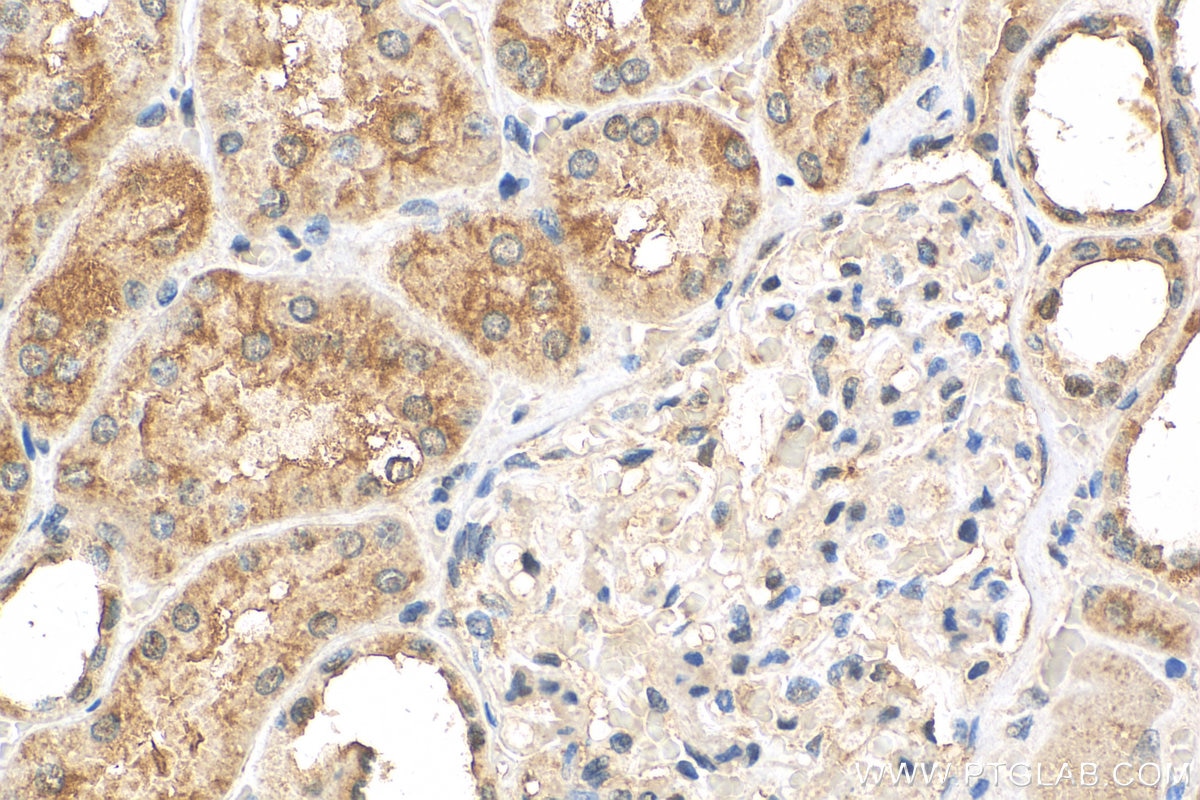
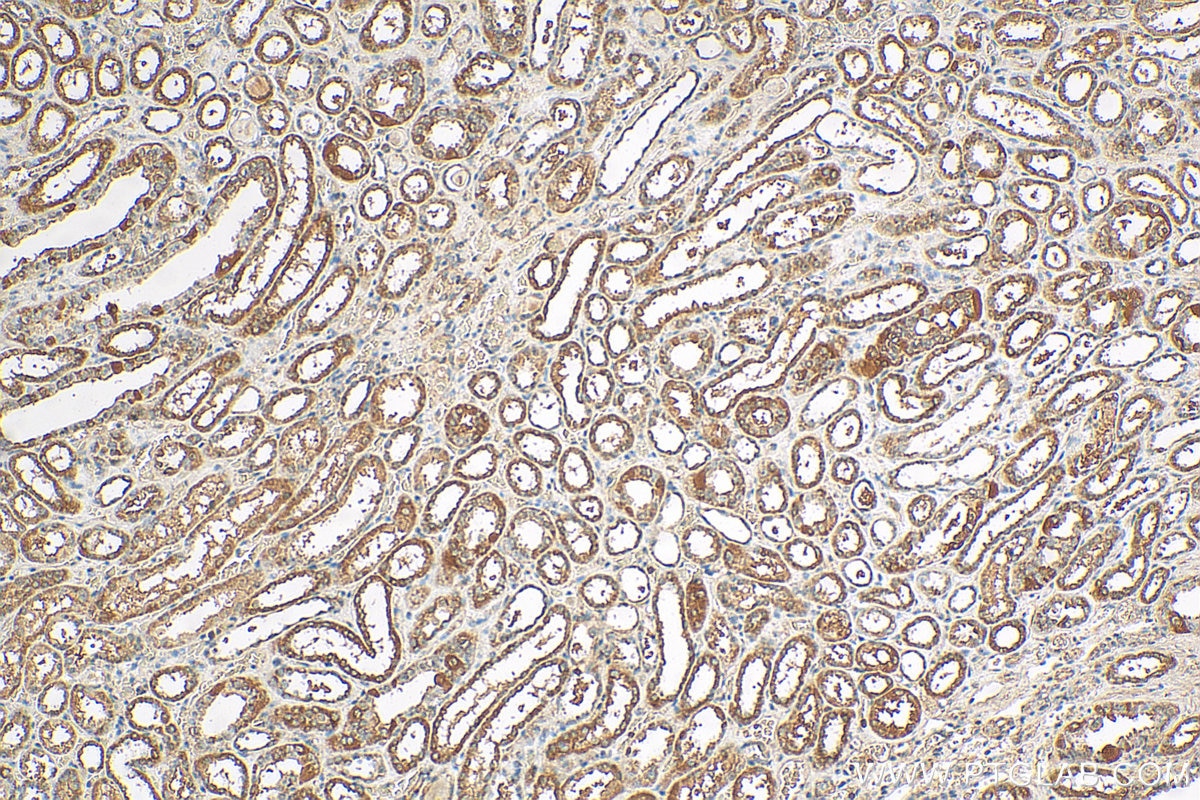
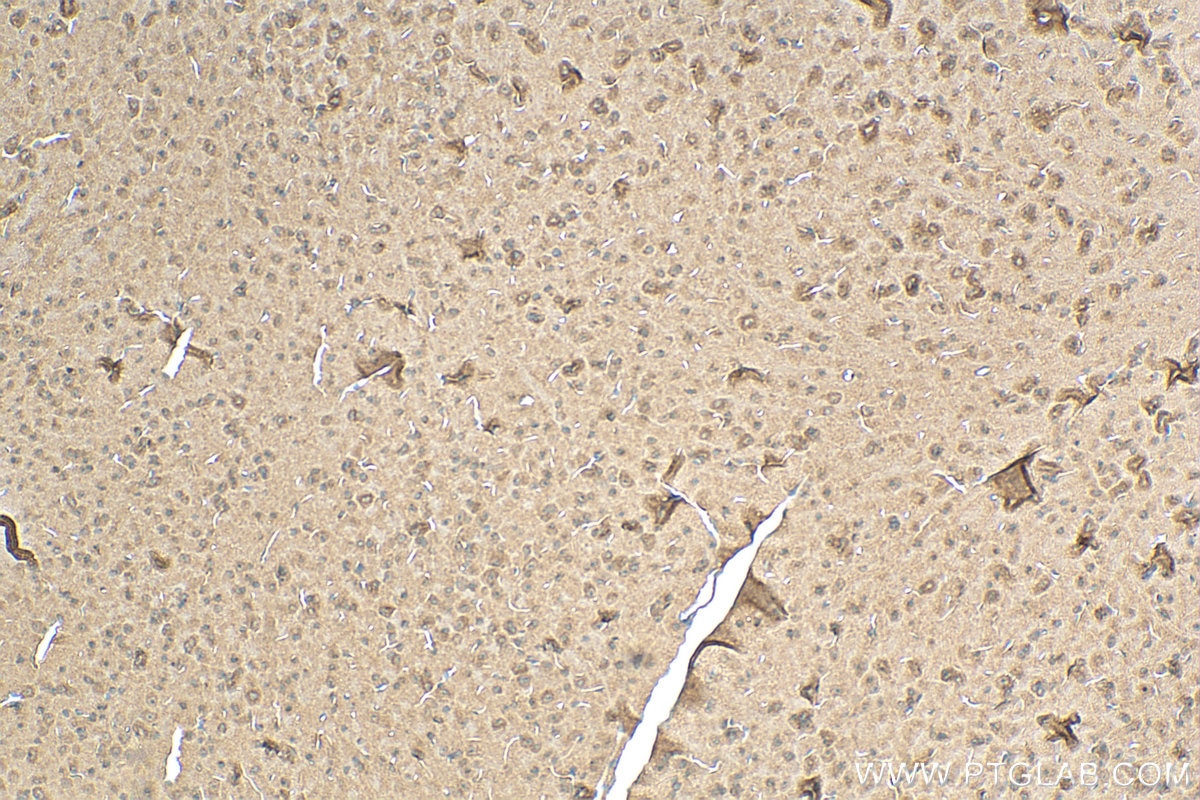
| Positive IHC detected in | human kidney tissue, mouse cerebellum tissue, mouse brain tissue Note: suggested antigen retrieval with TE buffer pH 9.0; (*) Alternatively, antigen retrieval may be performed with citrate buffer pH 6.0 |
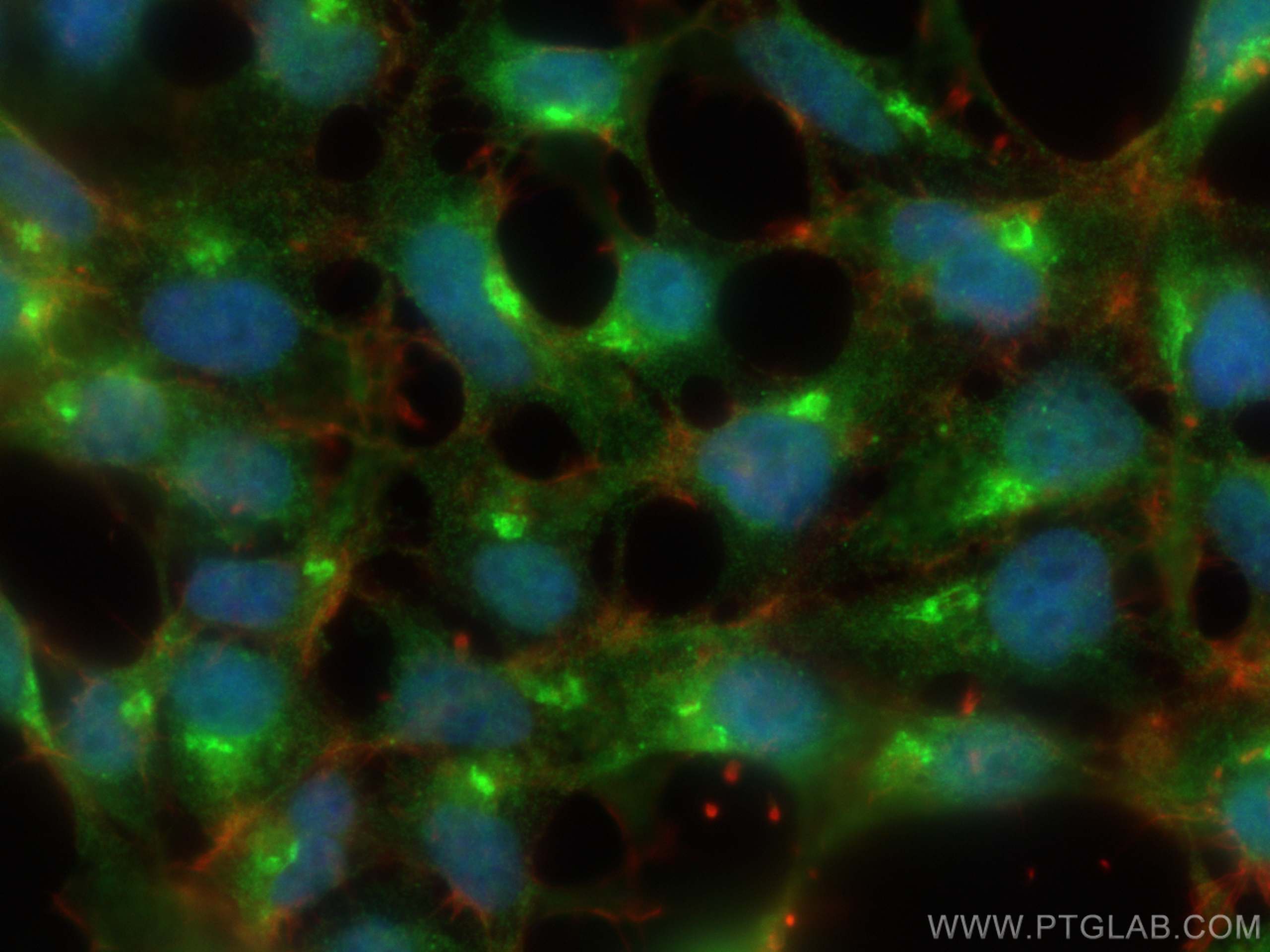
| Positive IF/ICC detected in | HEK-293 cells |
Recommended dilution
| Application | Dilution |
|---|---|
| Western Blot (WB) | WB : 1:500-1:3000 |
| Immunoprecipitation (IP) | IP : 0.5-4.0 ug for 1.0-3.0 mg of total protein lysate |
| Immunohistochemistry (IHC) | IHC : 1:50-1:500 |
| Immunofluorescence (IF)/ICC | IF/ICC : 1:200-1:800 |
| It is recommended that this reagent should be titrated in each testing system to obtain optimal results. | |
| Sample-dependent, Check data in validation data gallery. | |
Product Information
17401-1-AP targets RPAP2 in WB, IHC, IF/ICC, IP, CoIP, ELISA applications and shows reactivity with human, mouse samples.
| Tested Reactivity | human, mouse |
| Cited Reactivity | human, mouse |
| Host / Isotype | Rabbit / IgG |
| Class | Polyclonal |
| Type | Antibody |
| Immunogen |
CatNo: Ag11374 Product name: Recombinant human RPAP2 protein Source: e coli.-derived, PGEX-4T Tag: GST Domain: 1-351 aa of BC039014 Sequence: MADFAGPSSAGRKAGAPRCSRKAAGTKQTSTLKQEDASKRKAELEAAVRKKIEFERKALHIVEQLLEENITEEFLMECGRFITPAHYSDVVDERSIVKLCGYPLCQKKLGIVPKQKYKISTKTNKVYDITERKSFCSNFCYQASKFFEAQIPKTPVWVREEERHPDFQLLKEEQSGHSGEEVQLCSKAIKTSDIDNPSHFEKQYESSSSSTHSDSSSDNEQDFVSSILPGNRPNSTNIRPQLHQKSIMKKKAGHKANSKHKDKEQTVVDVTEQLGDCKLDSQEKDATCELPLQKVNTQSSSNSTLPERLKASENSESEYSRSEITLVGISKKSAEHFKRKFAKSNQVSRSV Predict reactive species |
| Full Name | RNA polymerase II associated protein 2 |
| Calculated Molecular Weight | 612 aa, 70 kDa |
| Observed Molecular Weight | 70 kDa |
| GenBank Accession Number | BC039014 |
| Gene Symbol | RPAP2 |
| Gene ID (NCBI) | 79871 |
| RRID | AB_2180990 |
| Conjugate | Unconjugated |
| Form | Liquid |
| Purification Method | Antigen affinity purification |
| UNIPROT ID | Q8IXW5 |
| Storage Buffer | PBS with 0.02% sodium azide and 50% glycerol, pH 7.3. |
| Storage Conditions | Store at -20°C. Stable for one year after shipment. Aliquoting is unnecessary for -20oC storage. 20ul sizes contain 0.1% BSA. |
Background Information
RPAP2 belongs to the RNA Pol II-associated protein (RPAP) family, a set of proteins involved in human Pol II machinery. Recently it has been reported that RPAP2 is required for efficient transcription of snRNA genes by Pol II. siRNA-mediated knockdown of RPAP2 caused defects in snRNA gene expression. (22137580)
Protocols
| Product Specific Protocols | |
|---|---|
| IF protocol for RPAP2 antibody 17401-1-AP | Download protocol |
| IHC protocol for RPAP2 antibody 17401-1-AP | Download protocol |
| IP protocol for RPAP2 antibody 17401-1-AP | Download protocol |
| WB protocol for RPAP2 antibody 17401-1-AP | Download protocol |
| Standard Protocols | |
|---|---|
| Click here to view our Standard Protocols |
Publications
What published studies show
The RPAP2 antibody (Cat# 17401-1-AP) has 13 citations across journals including Molecular Cell, Nature Structural & Molecular Biology, Nucleic Acids Research, Advanced Science, Bone Research, Cells, Histopathology, Transcription, Molecular Carcinogenesis, PLoS One, Gene, and Molecular Biomedicine. Research fields span RNA polymerase II transcription regulation, unfolded protein response and apoptosis, hepatocellular carcinoma, osteoporosis, myofibrillar myopathies, viral infection mechanisms, and cancer therapeutics.
| Species | Application | Title |
|---|---|---|
Bone Res Super enhancers targeting ZBTB16 in osteogenesis protect against osteoporosis
| ||
Mol Cell Coordination between Two Branches of the Unfolded Protein Response Determines Apoptotic Cell Fate.
| ||
Mol Cell Ser7 phosphorylation of the CTD recruits the RPAP2 Ser5 phosphatase to snRNA genes. | ||
Nucleic Acids Res Nuclear import of RNA polymerase II is coupled with nucleocytoplasmic shuttling of the RNA polymerase II-associated protein 2. | ||
Adv Sci (Weinh) The FBXW7-RPAP2 Axis Controls the Growth of Hepatocellular Carcinoma Cells and Determines the Fate of Liver Cell Differentiation | ||
Mol Biomed RPRD1A drives lenvatinib resistance in hepatocellular carcinoma via the ITGA5-FAK signaling axis. |










