
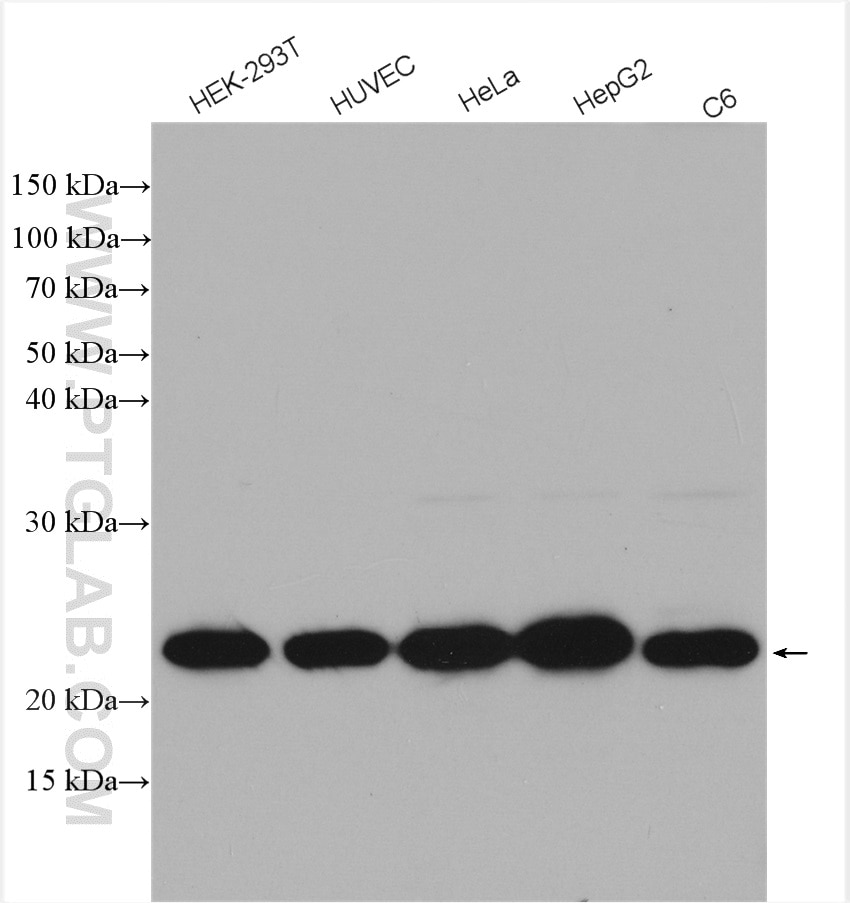
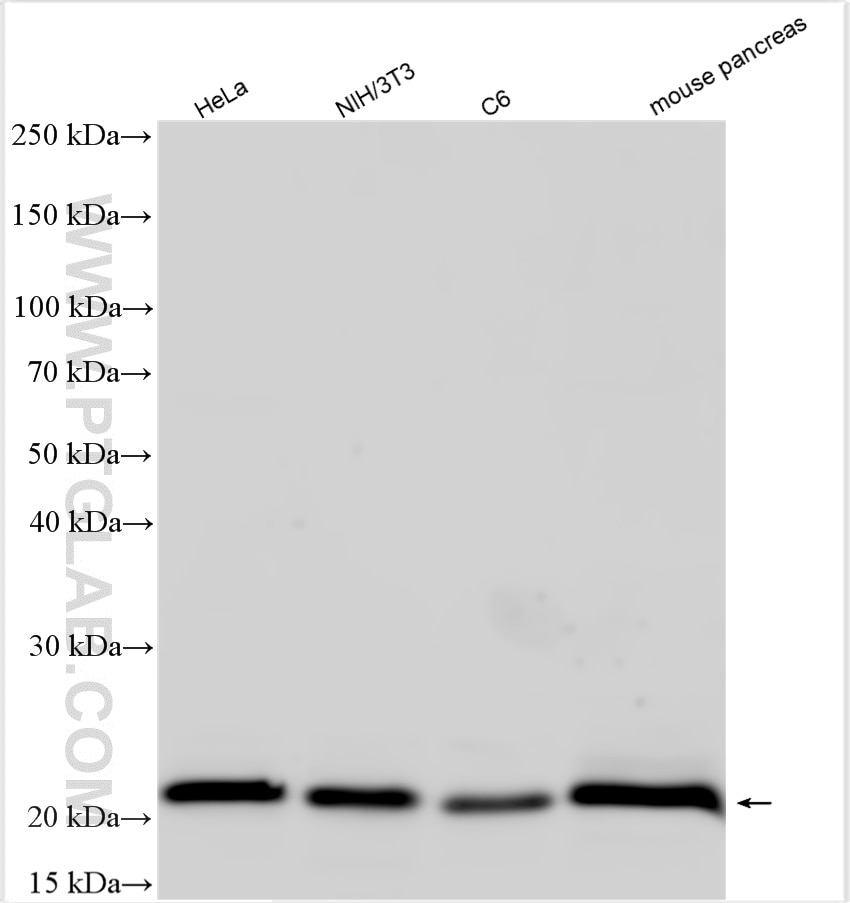
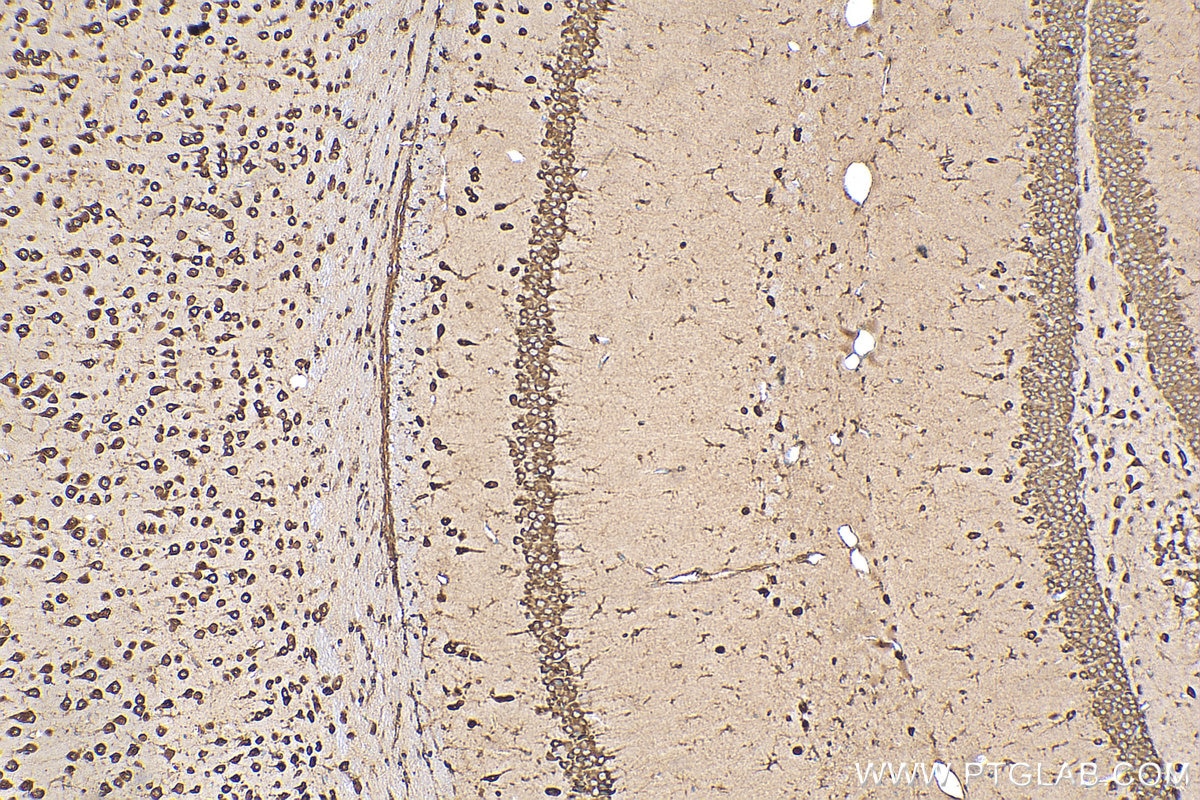
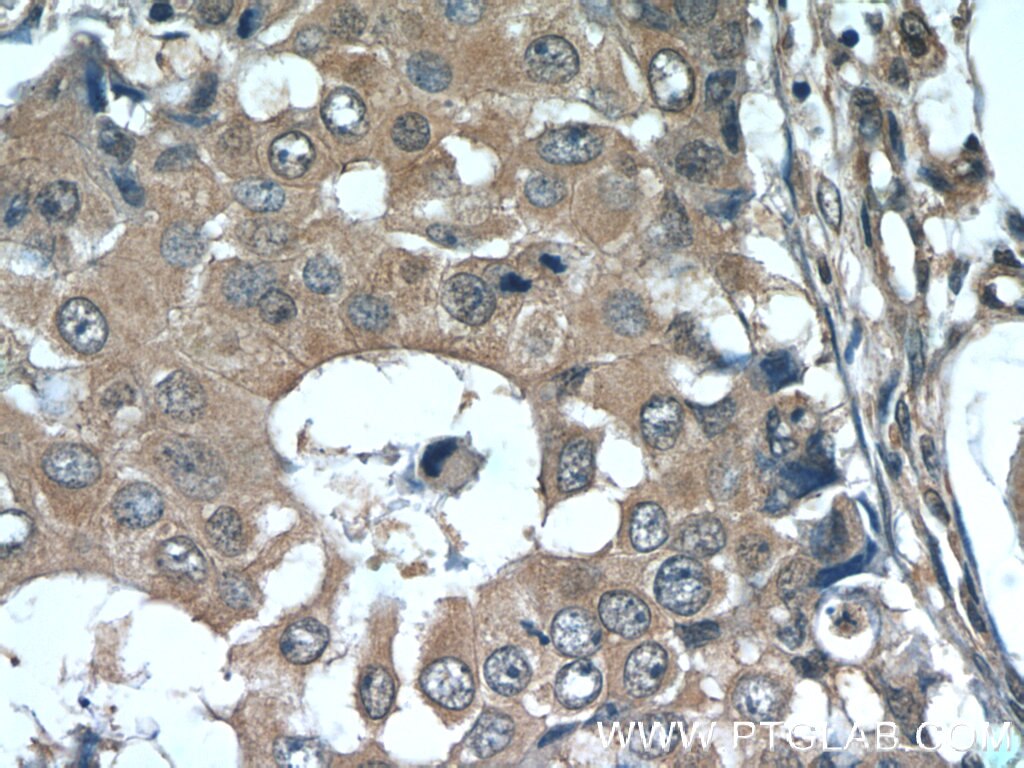
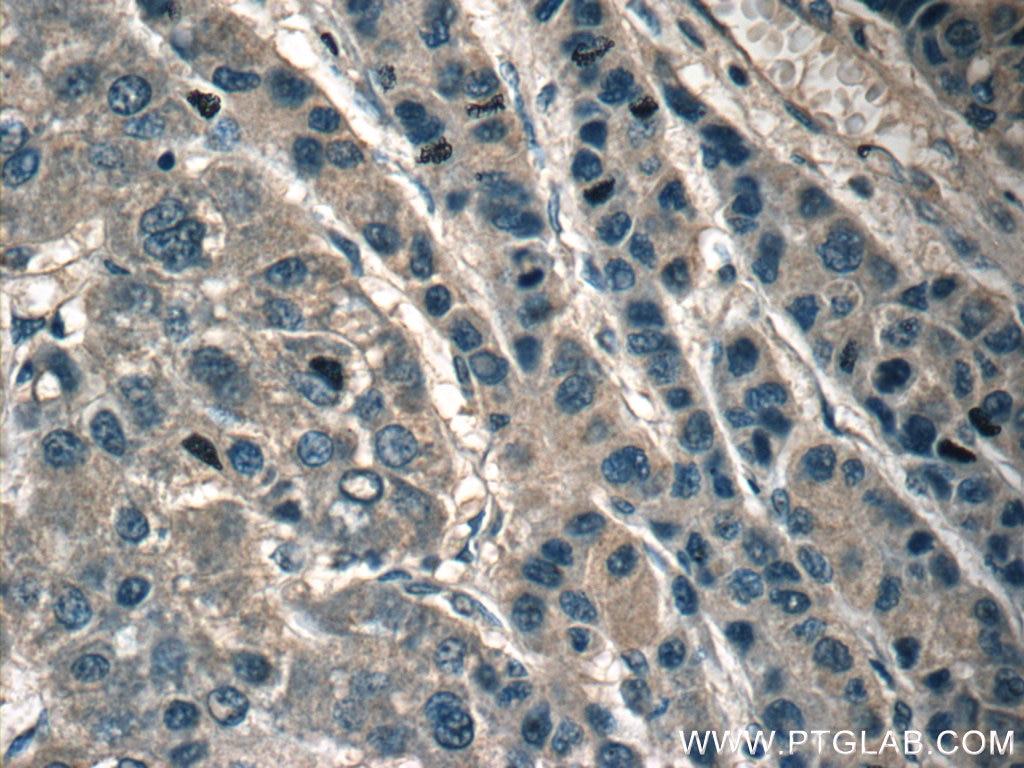
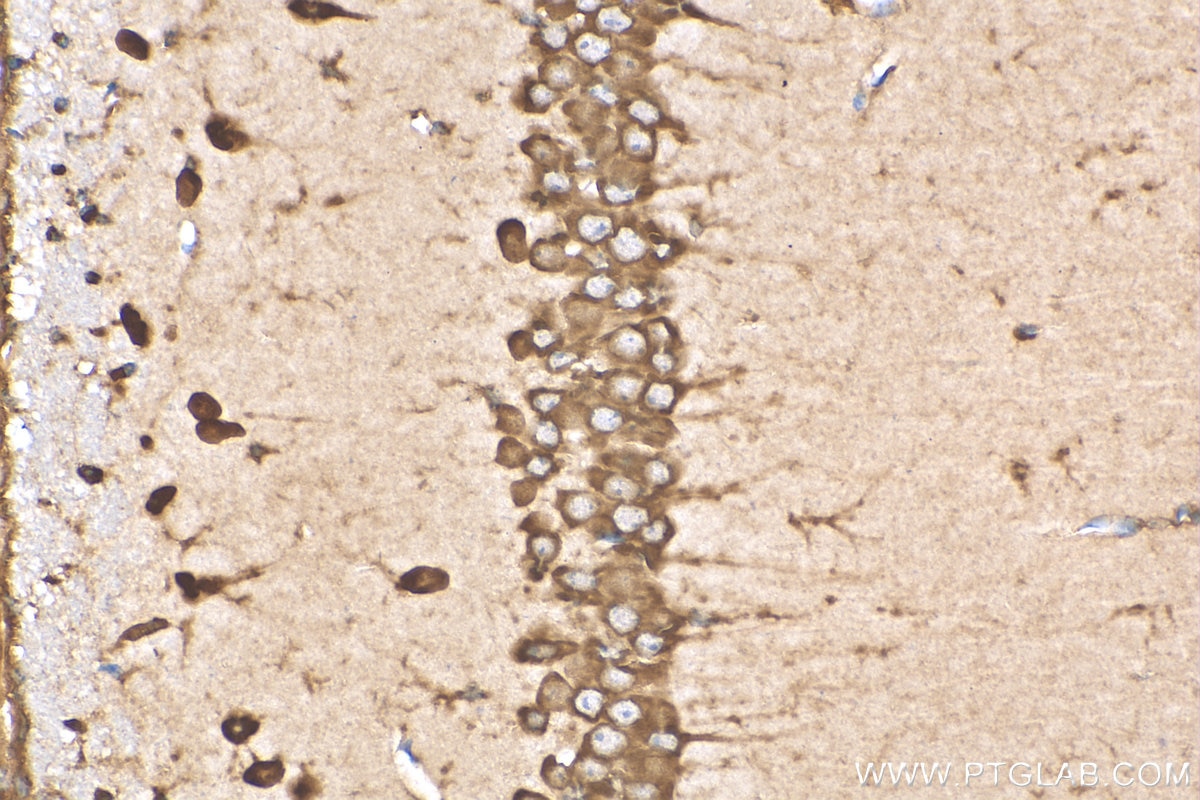
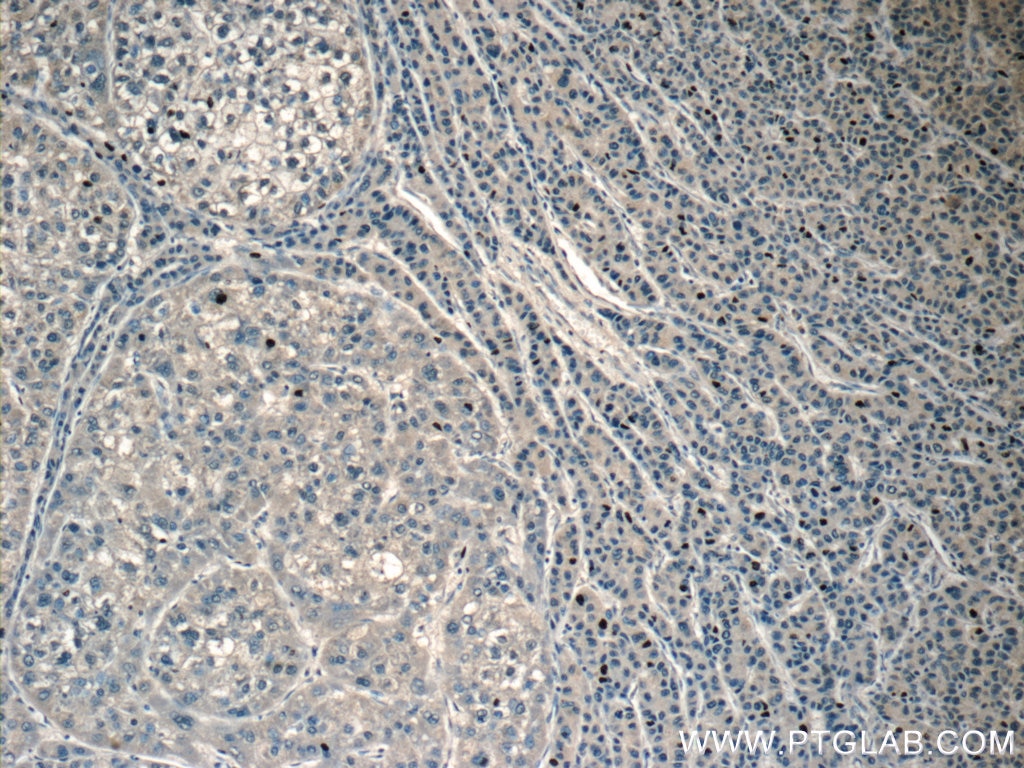
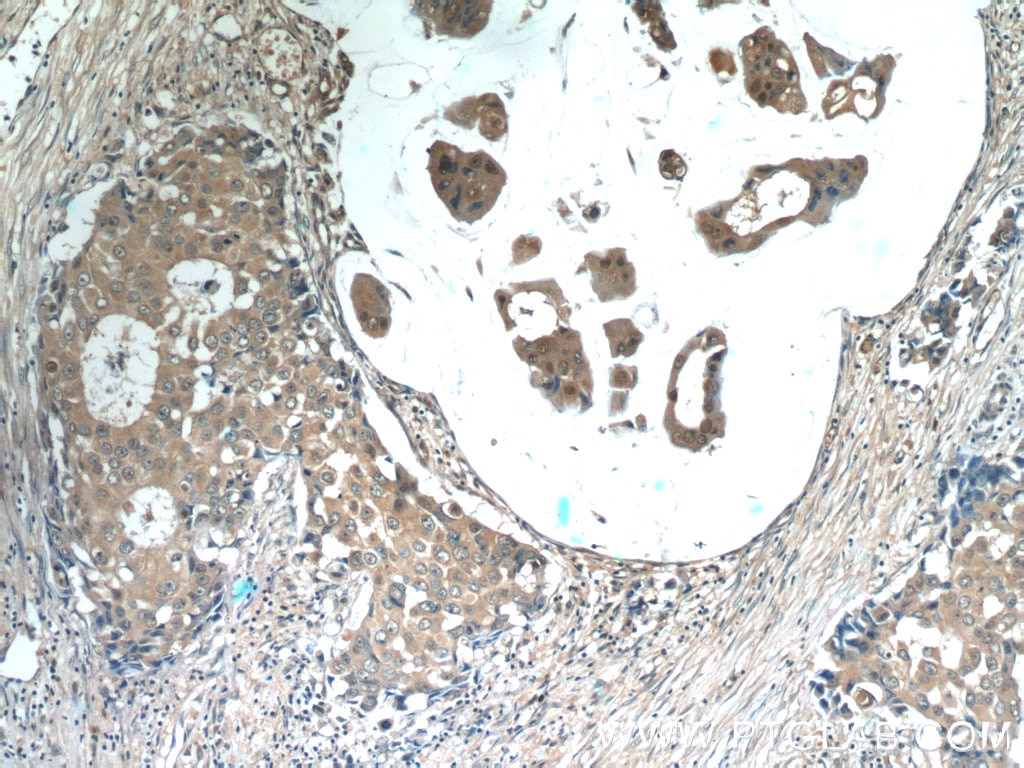

Tested Applications
| Positive WB detected in | HeLa cells, HEK-293T cells, NIH/3T3 cells, C6 cells, mouse pancreas tissue, HUVEC cells, HepG2 cells |
| Positive IHC detected in | mouse brain tissue, human breast cancer tissue, human liver cancer tissue Note: suggested antigen retrieval with TE buffer pH 9.0; (*) Alternatively, antigen retrieval may be performed with citrate buffer pH 6.0 |
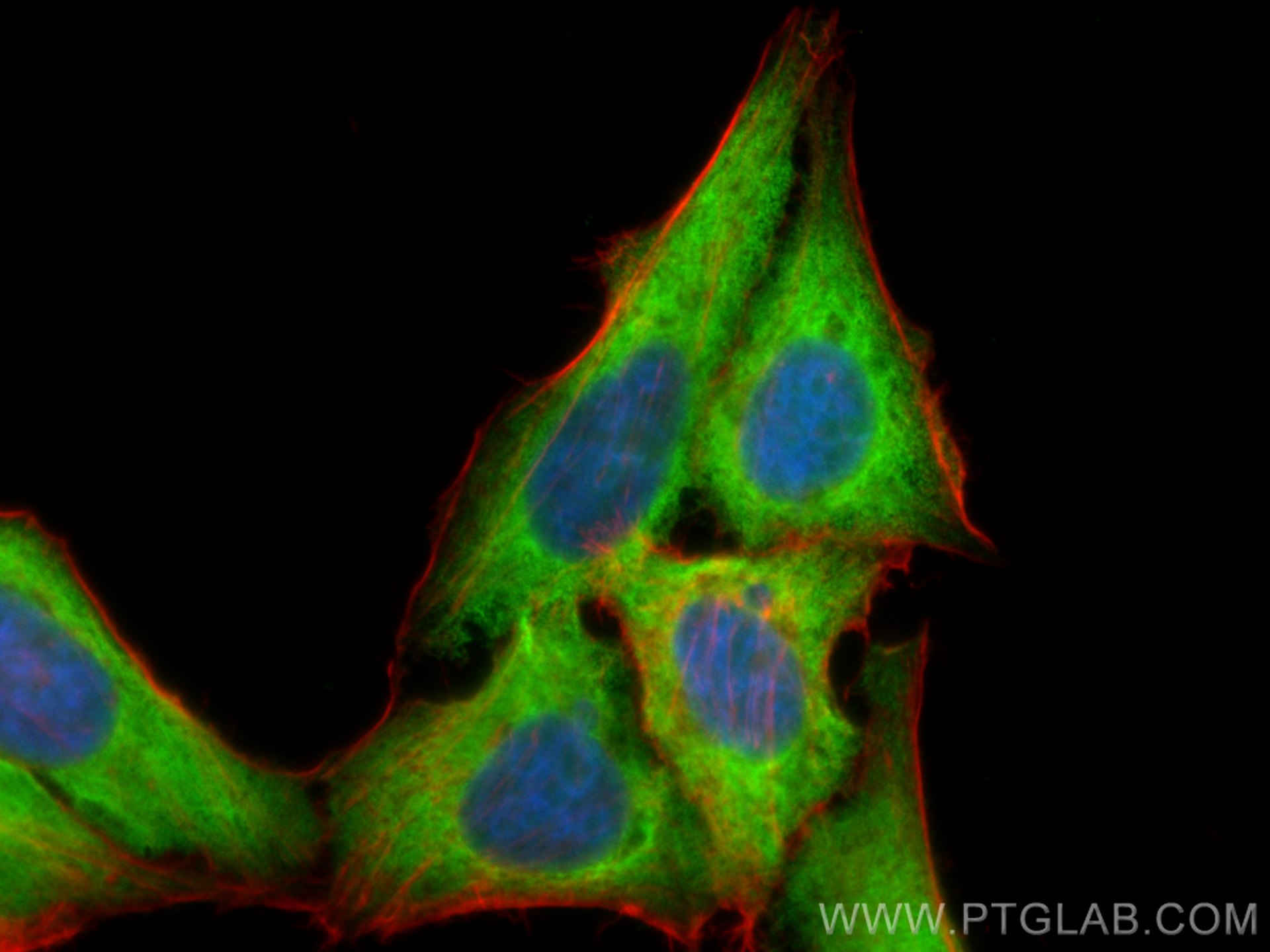
| Positive IF/ICC detected in | HepG2 cells |
Recommended dilution
| Application | Dilution |
|---|---|
| Western Blot (WB) | WB : 1:2000-1:12000 |
| Immunohistochemistry (IHC) | IHC : 1:50-1:500 |
| Immunofluorescence (IF)/ICC | IF/ICC : 1:200-1:800 |
| It is recommended that this reagent should be titrated in each testing system to obtain optimal results. | |
| Sample-dependent, Check data in validation data gallery. | |
Product Information
15799-1-AP targets RPL29 in WB, IHC, IF/ICC, ELISA applications and shows reactivity with human, mouse, rat samples.
| Tested Reactivity | human, mouse, rat |
| Cited Reactivity | human, mouse |
| Host / Isotype | Rabbit / IgG |
| Class | Polyclonal |
| Type | Antibody |
| Immunogen |
CatNo: Ag8510 Product name: Recombinant human RPL29 protein Source: e coli.-derived, PGEX-4T Tag: GST Domain: 1-159 aa of BC008926 Sequence: MAKSKNHTTHNQSRKWHRNGIKKPRSQRYESLKGVDPKFLRNMRFAKKHNKKGLKKMQANNAKAMSARAEAIKALVKPKEVKPKIPKGVSRKLDRLAYIAHPKLGKRARARIAKGLRLCRPKAKAKAKAKDQTKAQAAAPASVPAQAPKRTQAPTKASE Predict reactive species |
| Full Name | ribosomal protein L29 |
| Calculated Molecular Weight | 159 aa, 18 kDa |
| Observed Molecular Weight | 20-25 kDa |
| GenBank Accession Number | BC008926 |
| Gene Symbol | RPL29 |
| Gene ID (NCBI) | 6159 |
| RRID | AB_2878187 |
| Conjugate | Unconjugated |
| Form | Liquid |
| Purification Method | Antigen affinity purification |
| UNIPROT ID | P47914 |
| Storage Buffer | PBS with 0.02% sodium azide and 50% glycerol, pH 7.3. |
| Storage Conditions | Store at -20°C. Stable for one year after shipment. Aliquoting is unnecessary for -20oC storage. 20ul sizes contain 0.1% BSA. |
Background Information
Ribosomal protein L29 (Rpl29) is a component of the large (60S) ribosomal subunit which is abundantly expressed in all cell types, plays a regulatory role in translation efficiency and is essential for protein synthesis (PMID: 17195189). In contrast to adult tissues, RPL29 displays a much more widespread pattern of expression throughout embryonic development, and high levels of RPL29 are found in all developing organs. Several reports showed that RPL29 expression is up-regulated in human carcinomas and constitutes a candidate marker for abnormal growth when overexpressed(PMID: 9788632, 10383165).The antibody can detect the band around 22kDa.
Protocols
| Product Specific Protocols | |
|---|---|
| IF protocol for RPL29 antibody 15799-1-AP | Download protocol |
| IHC protocol for RPL29 antibody 15799-1-AP | Download protocol |
| WB protocol for RPL29 antibody 15799-1-AP | Download protocol |
| Standard Protocols | |
|---|---|
| Click here to view our Standard Protocols |
Publications
What published studies show
The RPL29 Polyclonal antibody (Cat# 15799-1-AP) has 10 citations published in high-impact journals including Nature, Science, Nature Communications, Molecular Cell, Nucleic Acids Research, Science Advances, Cancer Letters, Scientific Reports, Cell Signaling, and Journal of Cell Science. Research fields span ribosome biology, translational regulation, mTORC1 signaling, nutrient stress responses, ribosome degradation, neuronal differentiation, oncogenic translation, miR22 regulation, phase separation in ribosome biogenesis, and spermiogenesis.
| Species | Application | Title |
|---|---|---|
Science A subcellular map of translational machinery composition and regulation at the single-molecule level | ||
Nat Commun mTORC1 cooperates with tRNA wobble modification to sustain the protein synthesis machinery | ||
Nucleic Acids Res ADAR3 modulates neuronal differentiation and regulates mRNA stability and translation | ||
Reviews
What customers say
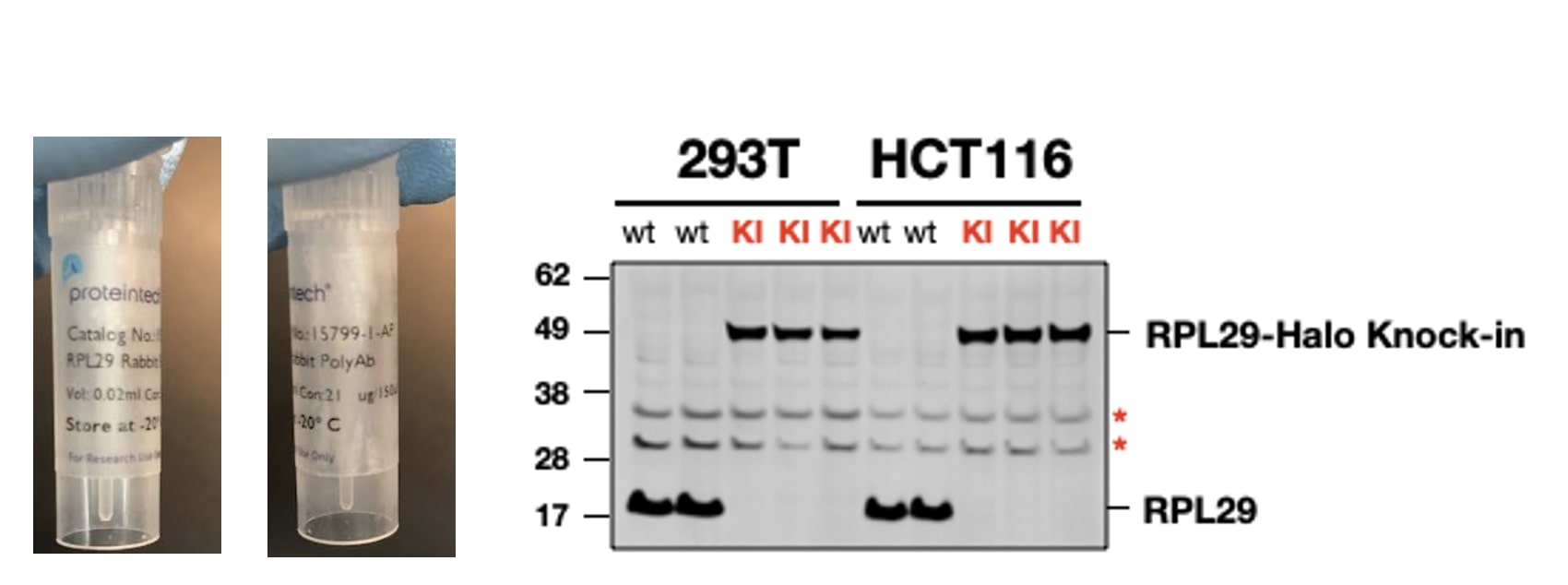
Both reviewers rated this antibody 5 stars for Western Blot at a 1:2000 dilution. One user confirmed strong signal and specificity in HCT116 and HEK293T cell lysates. The other reported excellent performance while screening CRISPR knock-in clones in HCT116 cells. Overall, users highlight reliable detection, clear bands, and suitability for both standard validation and functional genomics workflows.
The reviews below have been submitted by verified Proteintech customers who received an incentive for providing their feedback.
Sun (Verified Customer) (01-05-2023) | A great antibody with strong signal and specificity. We confirmed this antibody in HCT116 and HEK293T cell lysates.
|
H (Verified Customer) (04-05-2020) | This antibody works very well. I used this antibody when screening clones for CRISPR knock-in.
 |










