

Tested Applications
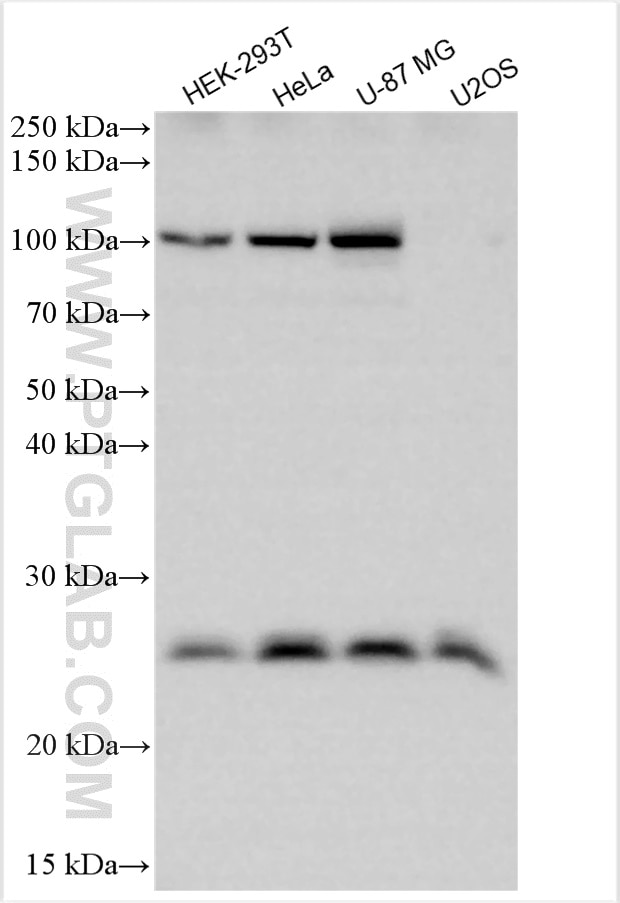
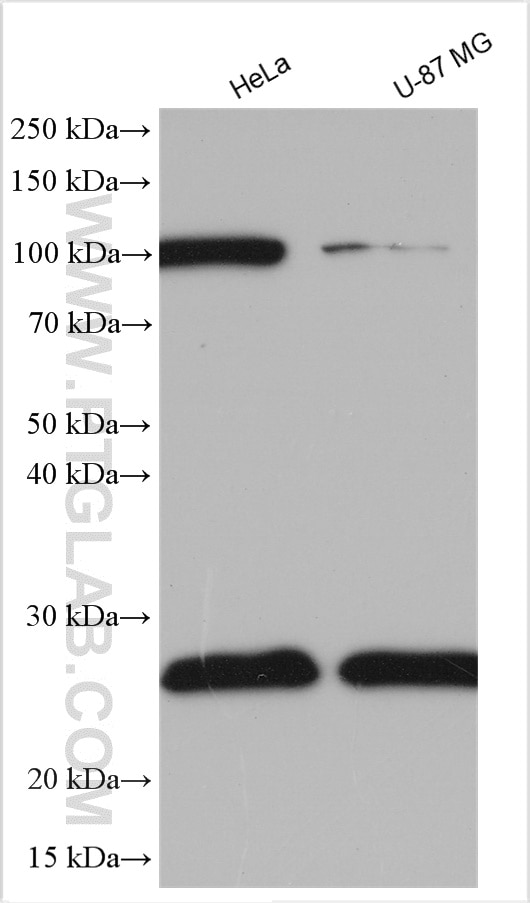
| Positive WB detected in | HEK-293T cells, human brain tissue, HeLa cells, U-87 MG cells, U2OS cells |
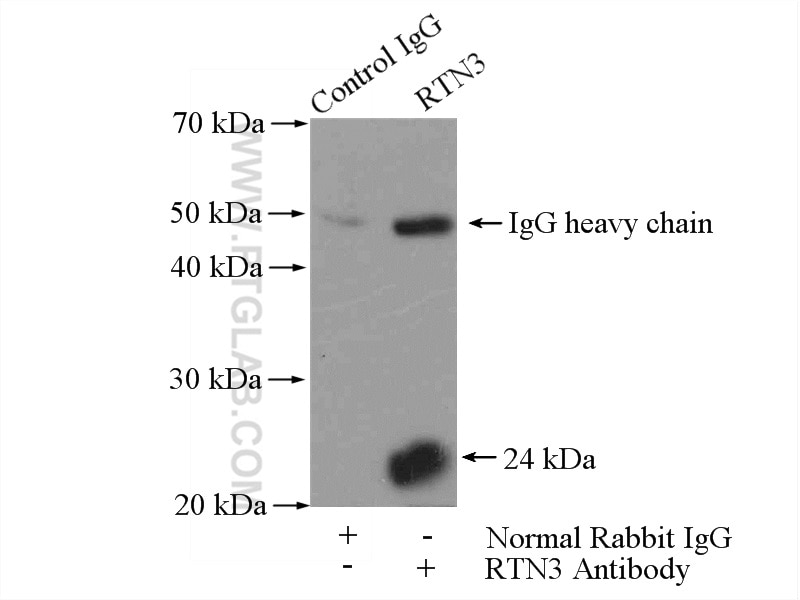
| Positive IP detected in | HeLa cells |
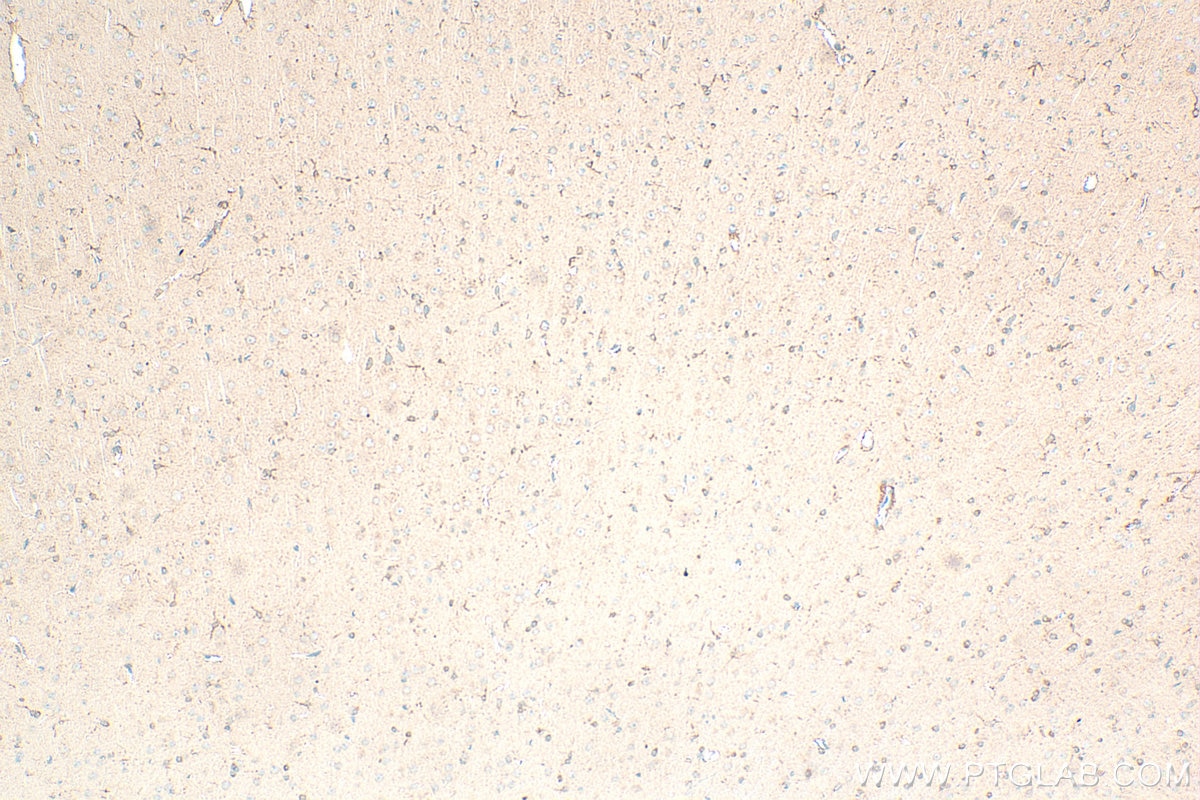
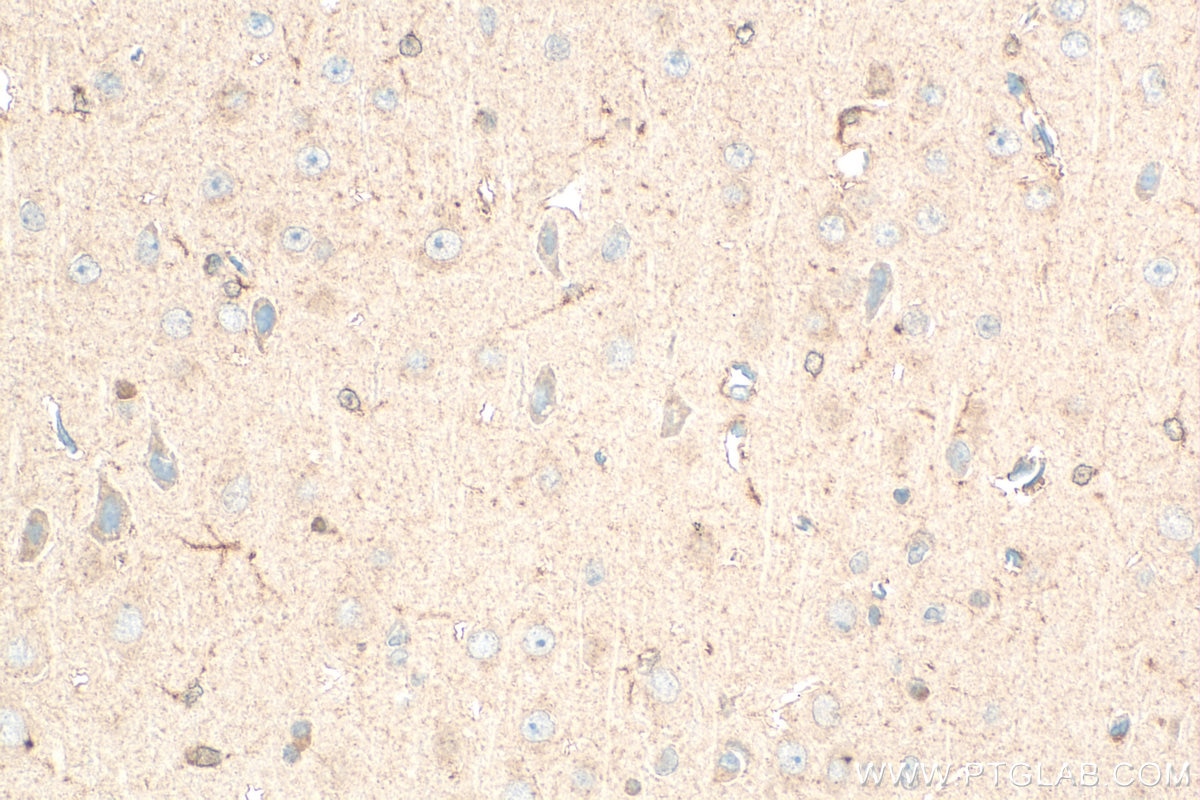
| Positive IHC detected in | rat brain tissue Note: suggested antigen retrieval with TE buffer pH 9.0; (*) Alternatively, antigen retrieval may be performed with citrate buffer pH 6.0 |
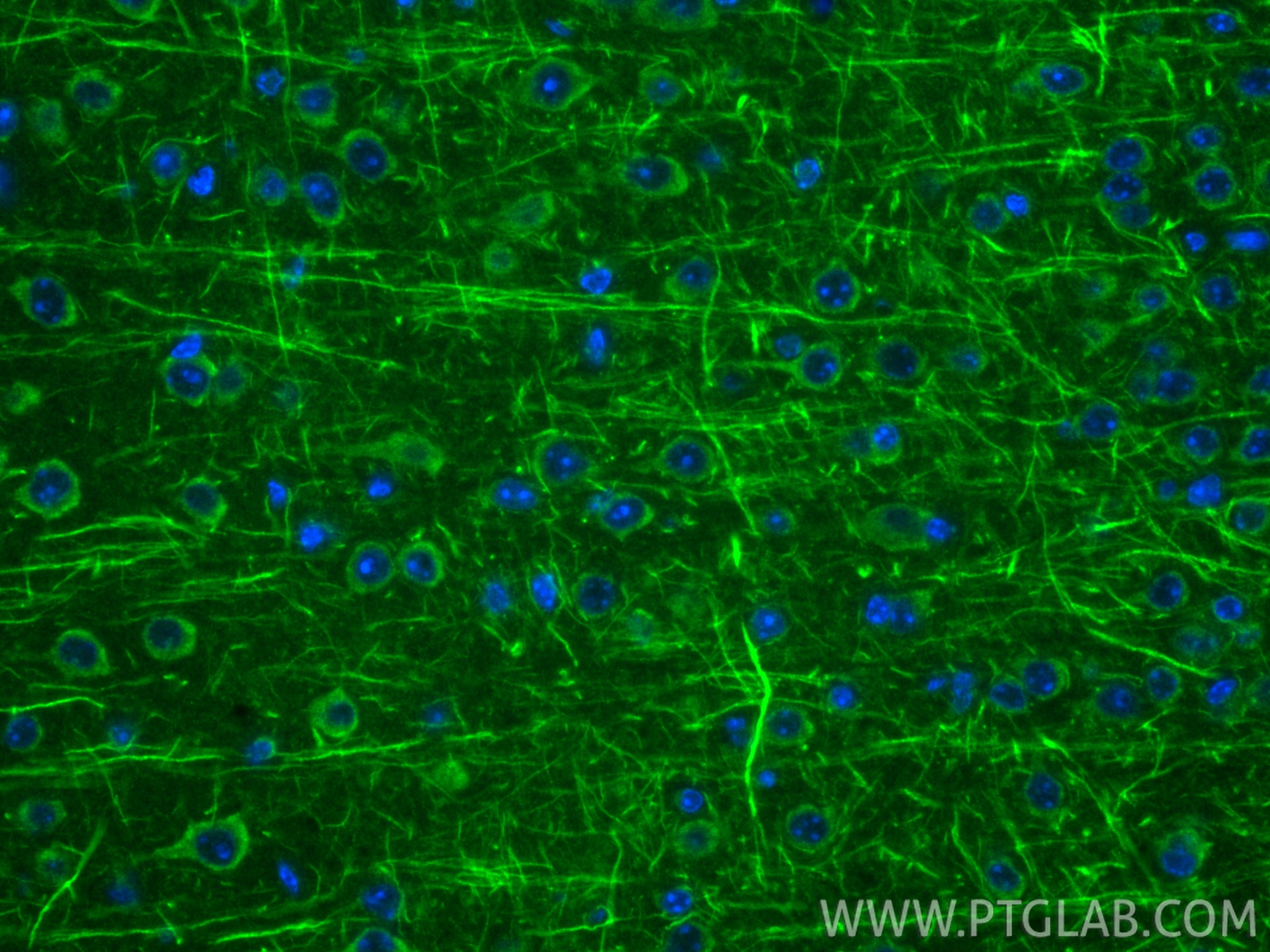
| Positive IF-P detected in | mouse brain tissue |
Recommended dilution
| Application | Dilution |
|---|---|
| Western Blot (WB) | WB : 1:1000-1:8000 |
| Immunoprecipitation (IP) | IP : 0.5-4.0 ug for 1.0-3.0 mg of total protein lysate |
| Immunohistochemistry (IHC) | IHC : 1:50-1:500 |
| Immunofluorescence (IF)-P | IF-P : 1:50-1:500 |
| It is recommended that this reagent should be titrated in each testing system to obtain optimal results. | |
| Sample-dependent, Check data in validation data gallery. | |
Product Information
12055-2-AP targets RTN3 in WB, IHC, IF-P, IP, CoIP, ELISA applications and shows reactivity with human, mouse, rat samples.
| Tested Reactivity | human, mouse, rat |
| Cited Reactivity | human, mouse, rat, monkey, chicken, bovine |
| Host / Isotype | Rabbit / IgG |
| Class | Polyclonal |
| Type | Antibody |
| Immunogen |
CatNo: Ag2685 Product name: Recombinant human RTN3 protein Source: e coli.-derived, PGEX-4T Tag: GST Domain: 1-236 aa of BC011394 Sequence: MAEPSAATQSHSISSSSFGAEPSAPGGGGSPGACPALGTKSCSSSCAVHDLIFWRDVKKTGFVFGTTLIMLLSLAAFSVISVVSYLILALLSVTISFRIYKSVIQAVQKSEEGHPFKAYLDVDITLSSEAFHNYMNAAMVHINRALKLIIRLFLVEDLVDSLKLAVFMWLMTYVGAVFNGITLLILAELLIFSVPIVYEKYKTQIDHYVGIARDQTKSIVEKIQAKLPGIAKKKAE Predict reactive species |
| Full Name | reticulon 3 |
| Calculated Molecular Weight | 113 kDa |
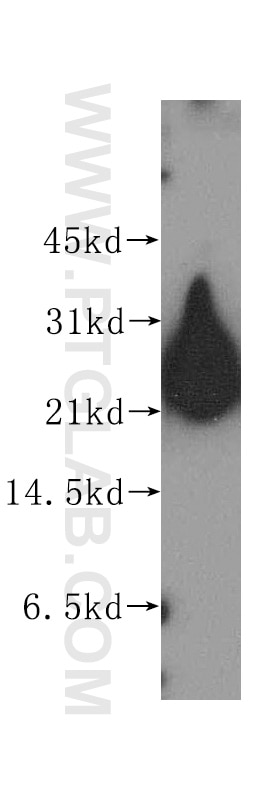
| Observed Molecular Weight | 24 kDa, 100-113 kDa |
| GenBank Accession Number | BC011394 |
| Gene Symbol | RTN3 |
| Gene ID (NCBI) | 10313 |
| RRID | AB_2301357 |
| Conjugate | Unconjugated |
| Form | Liquid |
| Purification Method | Antigen affinity purification |
| UNIPROT ID | O95197 |
| Storage Buffer | PBS with 0.02% sodium azide and 50% glycerol, pH 7.3. |
| Storage Conditions | Store at -20°C. Stable for one year after shipment. Aliquoting is unnecessary for -20oC storage. 20ul sizes contain 0.1% BSA. |
Background Information
Reticulon (RTN) proteins are a group of membrane-bound proteins that largely reside in endoplasmic reticulum (ER). Reticulon proteins share a common sequence feature, the reticulon homology domain (RHD). Four mammalian reticulons (RTN1-4) exist. Reticulon3 (RTN3) is highly expressed in neurons. RTN3 has been shown to modulate secretory pathway protein trafficking. It is a negative modulator of BACE1 (β-secretase) proteolytic activity. RTN3 may induce caspase-8 cascade and apoptosis and may favor BCL2 translocation to the mitochondria upon endoplasmic reticulum stress.
Protocols
| Product Specific Protocols | |
|---|---|
| IF protocol for RTN3 antibody 12055-2-AP | Download protocol |
| IHC protocol for RTN3 antibody 12055-2-AP | Download protocol |
| IP protocol for RTN3 antibody 12055-2-AP | Download protocol |
| WB protocol for RTN3 antibody 12055-2-AP | Download protocol |
| Standard Protocols | |
|---|---|
| Click here to view our Standard Protocols |
Publications
What published studies show
Anti-Reticulon 3 (RTN3) antibody, catalog number 12055-2-AP, has 49 total citations. Citations appear in journals including Nature, Nature Cell Biology, Nature Communications, Molecular Cell, Autophagy, EMBO Journal, Current Biology, Neuron, and Developmental Cell. Research fields span ER-phagy/reticulophagy, endoplasmic reticulum morphology, autophagy, neurodegeneration (Alzheimer's, Parkinson's, ALS), lipid metabolism, viral pathogenesis, and cancer biology.
| Species | Application | Title |
|---|---|---|
Bioact Mater Fibroblast exosomal TFAP2C induced by chitosan oligosaccharides promotes peripheral axon regeneration via the miR-132-5p/CAMKK1 axis | ||
Nat Cell Biol Cholesterol sensing by the SCAP-FAM134B complex regulates ER-phagy and STING innate immunity. | ||
Reviews
What customers say
The product has one review from Chun Guo (September 2020), who rated it 4 out of 5 stars. The reviewer used the antibody for Western Blot on HeLa cells and described it as "a very good antibody for immunoblotting." Overall, the feedback is positive, with the user confirming reliable performance in WB applications.
The reviews below have been submitted by verified Proteintech customers who received an incentive for providing their feedback.
Chun (Verified Customer) (09-07-2020) | This is a very good antibody for immunoblotting.
|








