

Tested Applications
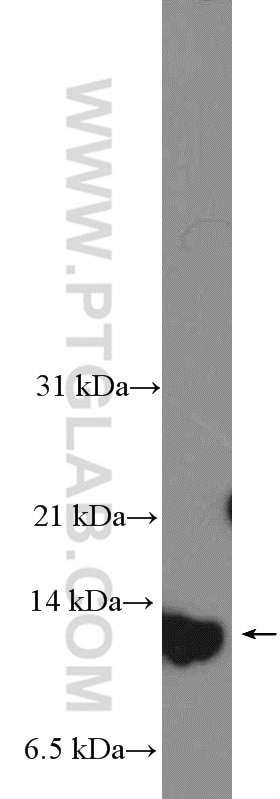
| Positive WB detected in | MCF-7 cells |
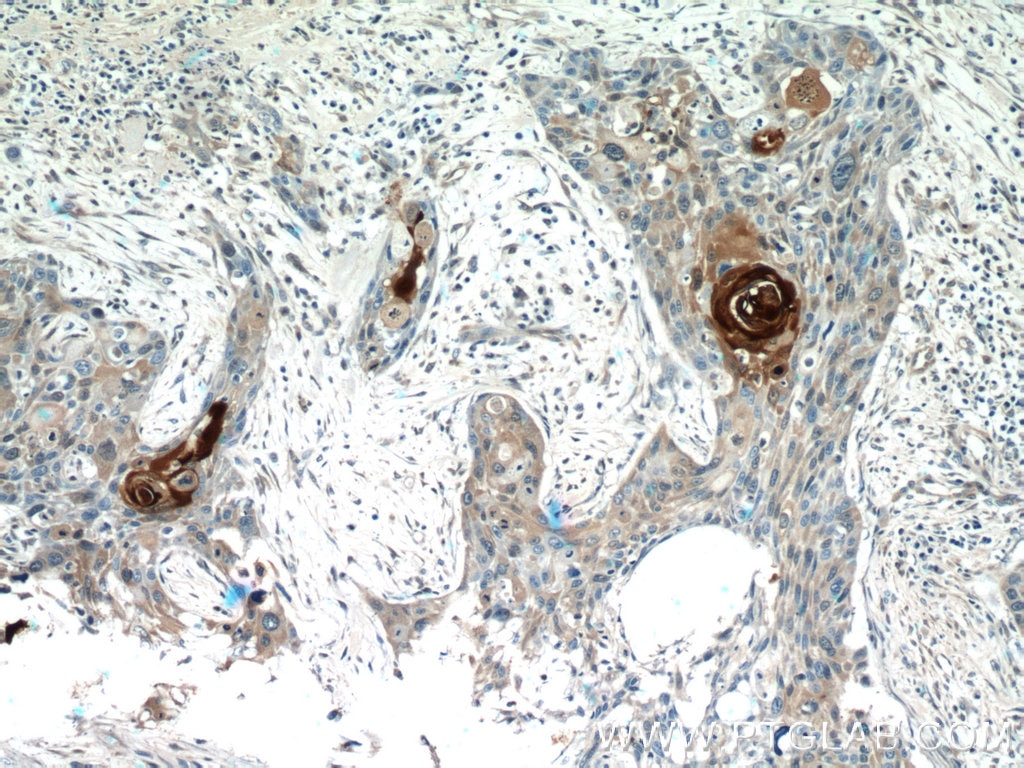
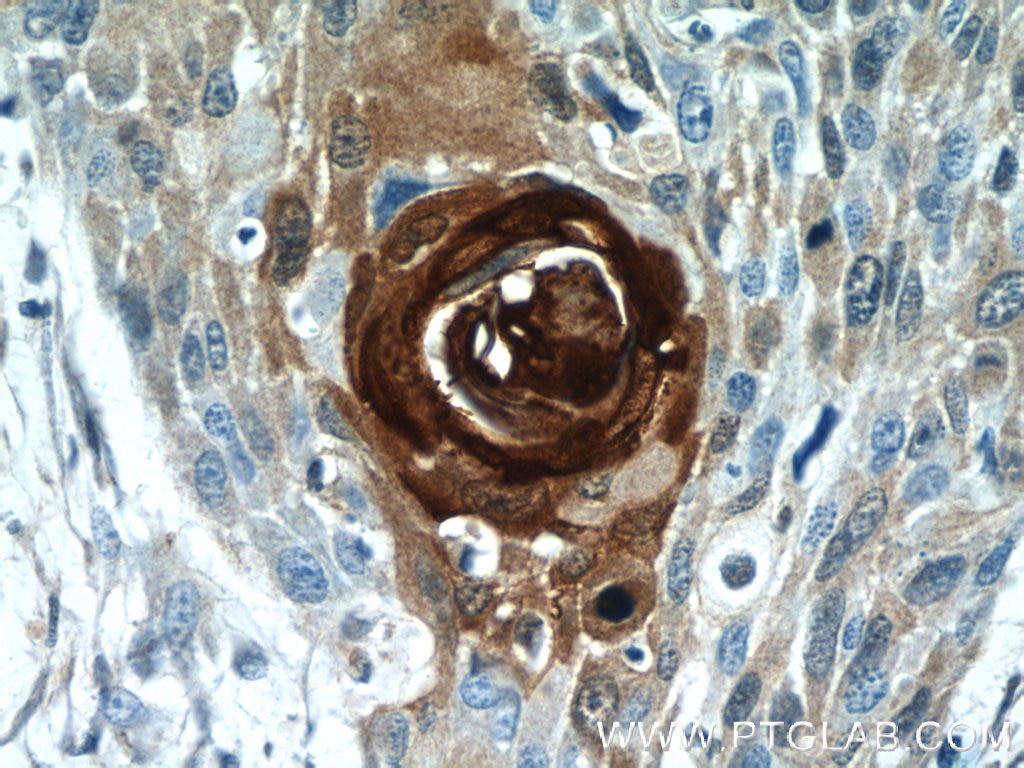
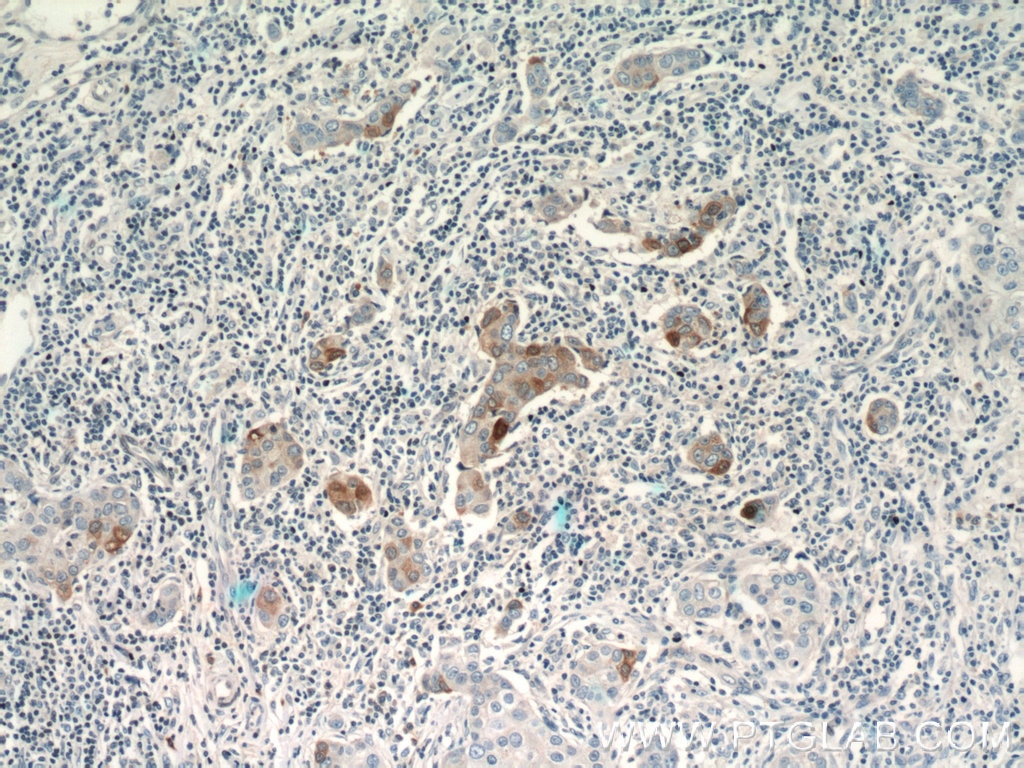
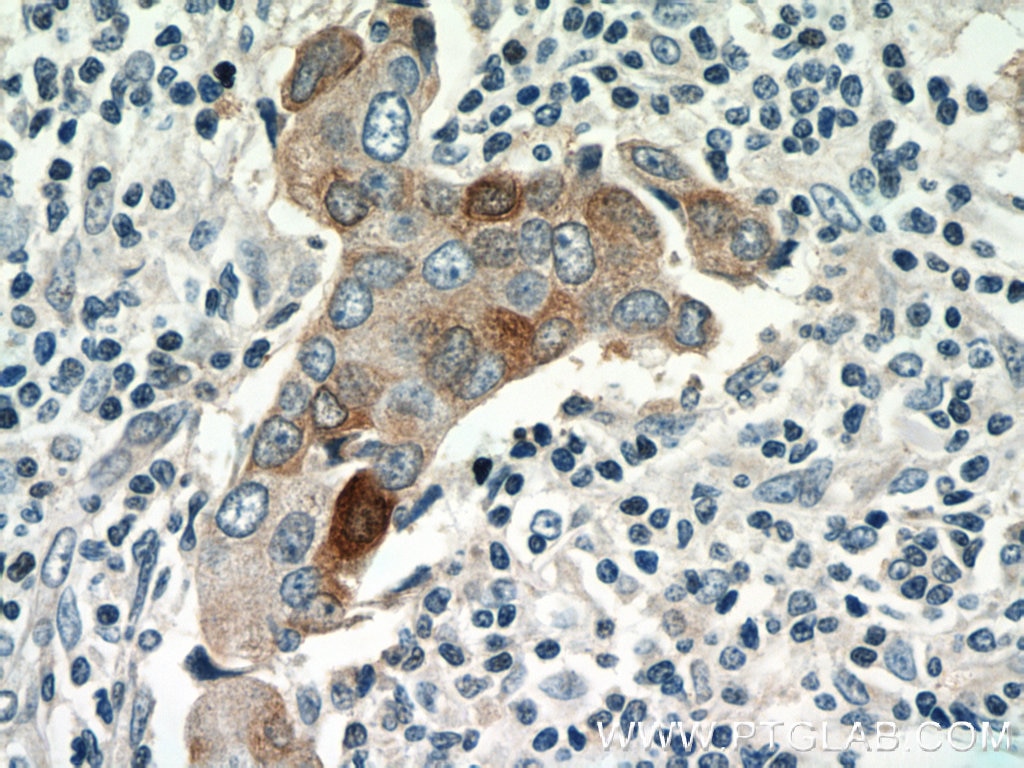
| Positive IHC detected in | human oesophagus cancer tissue, human breast cancer tissue Note: suggested antigen retrieval with TE buffer pH 9.0; (*) Alternatively, antigen retrieval may be performed with citrate buffer pH 6.0 |
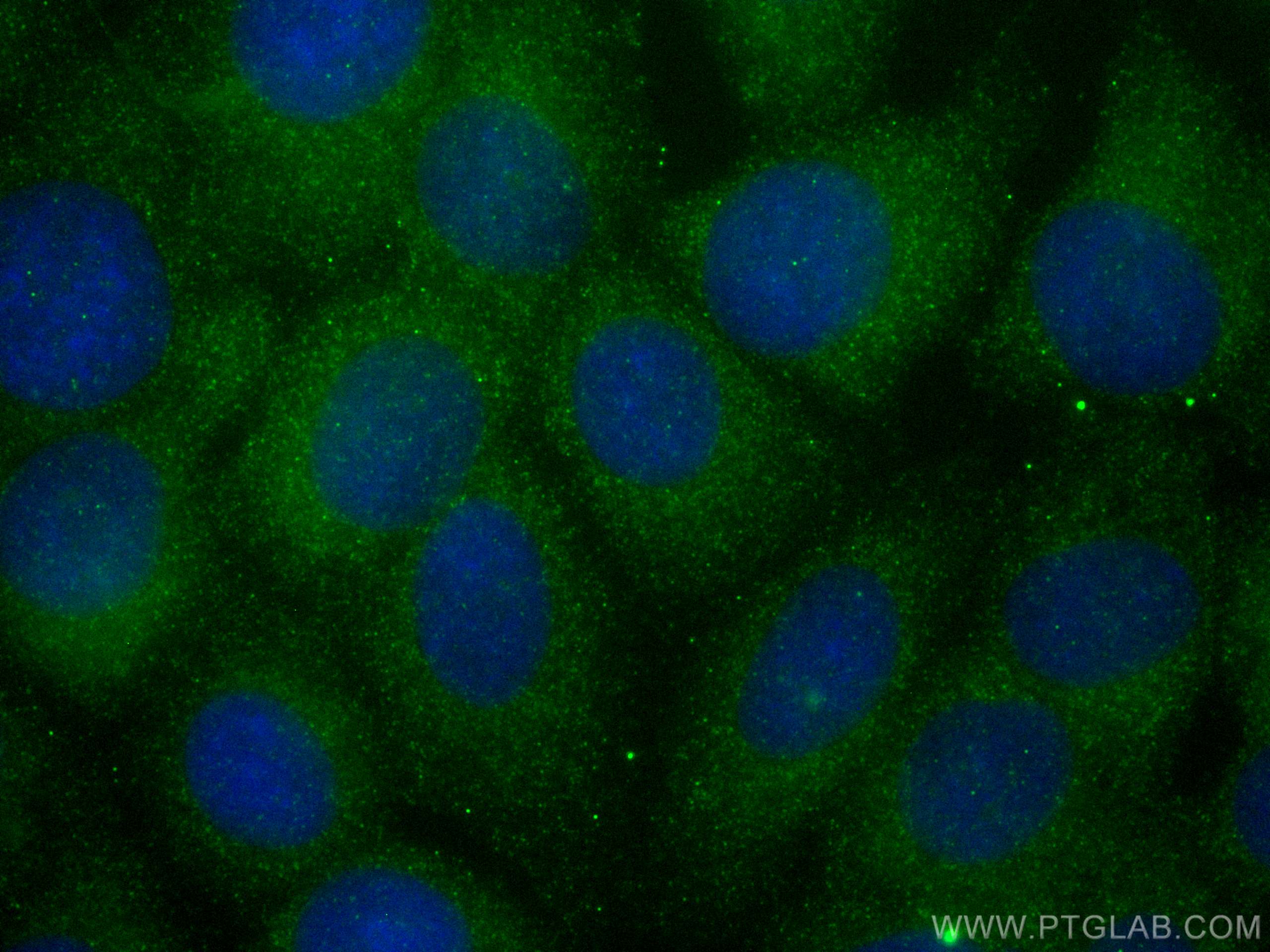
| Positive IF/ICC detected in | MCF-7 cells |
Recommended dilution
| Application | Dilution |
|---|---|
| Western Blot (WB) | WB : 1:200-1:1000 |
| Immunohistochemistry (IHC) | IHC : 1:20-1:200 |
| Immunofluorescence (IF)/ICC | IF/ICC : 1:200-1:800 |
| It is recommended that this reagent should be titrated in each testing system to obtain optimal results. | |
| Sample-dependent, Check data in validation data gallery. | |
Product Information
13061-1-AP targets S100A7/Psoriasin in WB, IHC, IF/ICC, ELISA applications and shows reactivity with human samples.
| Tested Reactivity | human |
| Cited Reactivity | human |
| Host / Isotype | Rabbit / IgG |
| Class | Polyclonal |
| Type | Antibody |
| Immunogen |
CatNo: Ag3738 Product name: Recombinant human S100A7 protein Source: e coli.-derived, PGEX-4T Tag: GST Domain: 1-101 aa of BC034687 Sequence: MSNTQAERSIIGMIDMFHKYTRRDDKIDKPSLLTMMKENFPNFLSACDKKGTNYLADVFEKKDKNEDKKIDFSEFLSLLGDIATDYHKQSHGAAPCSGGSQ Predict reactive species |
| Full Name | S100 calcium binding protein A7 |
| Calculated Molecular Weight | 101 aa, 11 kDa |
| Observed Molecular Weight | 11 kDa |
| GenBank Accession Number | BC034687 |
| Gene Symbol | S100A7/Psoriasin |
| Gene ID (NCBI) | 6278 |
| RRID | AB_2877908 |
| Conjugate | Unconjugated |
| Form | Liquid |
| Purification Method | Antigen affinity purification |
| UNIPROT ID | P31151 |
| Storage Buffer | PBS with 0.02% sodium azide and 50% glycerol, pH 7.3. |
| Storage Conditions | Store at -20°C. Stable for one year after shipment. Aliquoting is unnecessary for -20oC storage. 20ul sizes contain 0.1% BSA. |
Background Information
S100A7 (psoriasin), a member of the S100 protein family, is a well-known antimicrobial peptide and a signaling molecule which regulates cellular function and is expressed in many squamous cell carcinomas (SCCs), such as SCC of the skin. It is an EF-hand type calcium binding protein localized in epithelial cells, regulates cell proliferation and differentiation. The protein is overexpressed in hyperproliferative skin diseases, exhibits antimicrobial activities against bacteria and induces immunomodulatory activities.
Protocols
| Product Specific Protocols | |
|---|---|
| IF protocol for S100A7/Psoriasin antibody 13061-1-AP | Download protocol |
| IHC protocol for S100A7/Psoriasin antibody 13061-1-AP | Download protocol |
| WB protocol for S100A7/Psoriasin antibody 13061-1-AP | Download protocol |
| Standard Protocols | |
|---|---|
| Click here to view our Standard Protocols |
Publications
What published studies show
Anti-S100A7 antibody (Cat# 13061-1-AP) has 12 citations published in journals including Cancer Letters, Journal of the European Academy of Dermatology and Venereology, International Immunopharmacology, Journal of Periodontal Research, ACS Omega, Molecular Medicine Reports, Acta Biochimica et Biophysica Sinica, BMC Cancer, Cellular Biology International, Oncology Letters, and Cureus. Research fields span oncology (esophageal, bladder, ovarian, and head and neck cancers), dermatology (psoriasis), reproductive biology (endometriosis), and periodontology.
| Species | Application | Title |
|---|---|---|
Cancer Lett The Single Cell Immunogenomic Landscape after Neoadjuvant Immunotherapy combined Chemotherapy in Esophageal Squamous Cell Carcinoma | ||
J Eur Acad Dermatol Venereol Differentially expressed proteins identified by TMT proteomics analysis in children with verrucous epidermal naevi. | ||
J Eur Acad Dermatol Venereol TOPK promotes the development of psoriasis and worenine alleviates psoriasiform dermatitis by inhibiting TOPK activity | ||
Int Immunopharmacol Piperine ameliorates psoriatic skin inflammation by inhibiting the phosphorylation of STAT3 | ||
J Periodontal Res Effects of prolonged stimulation with heated tobacco products (Ploom TECH+ ) on gingival epithelial cells | ||







