
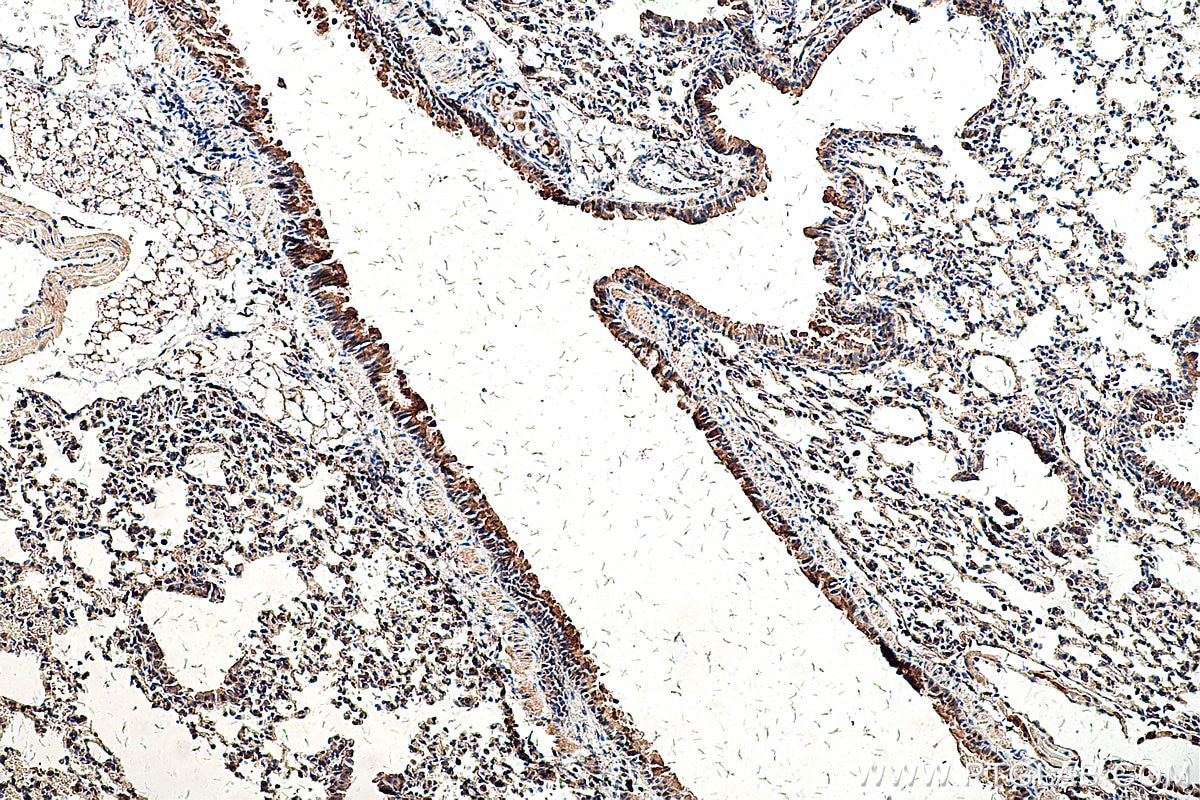
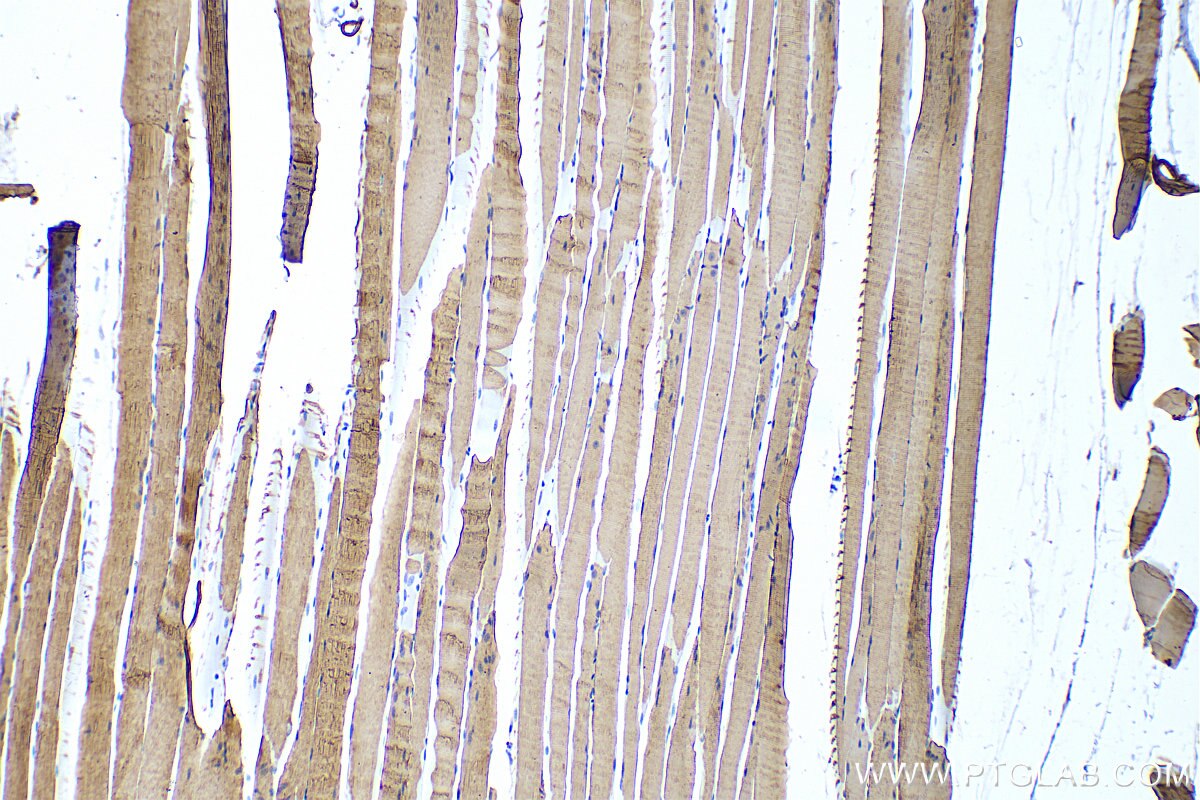
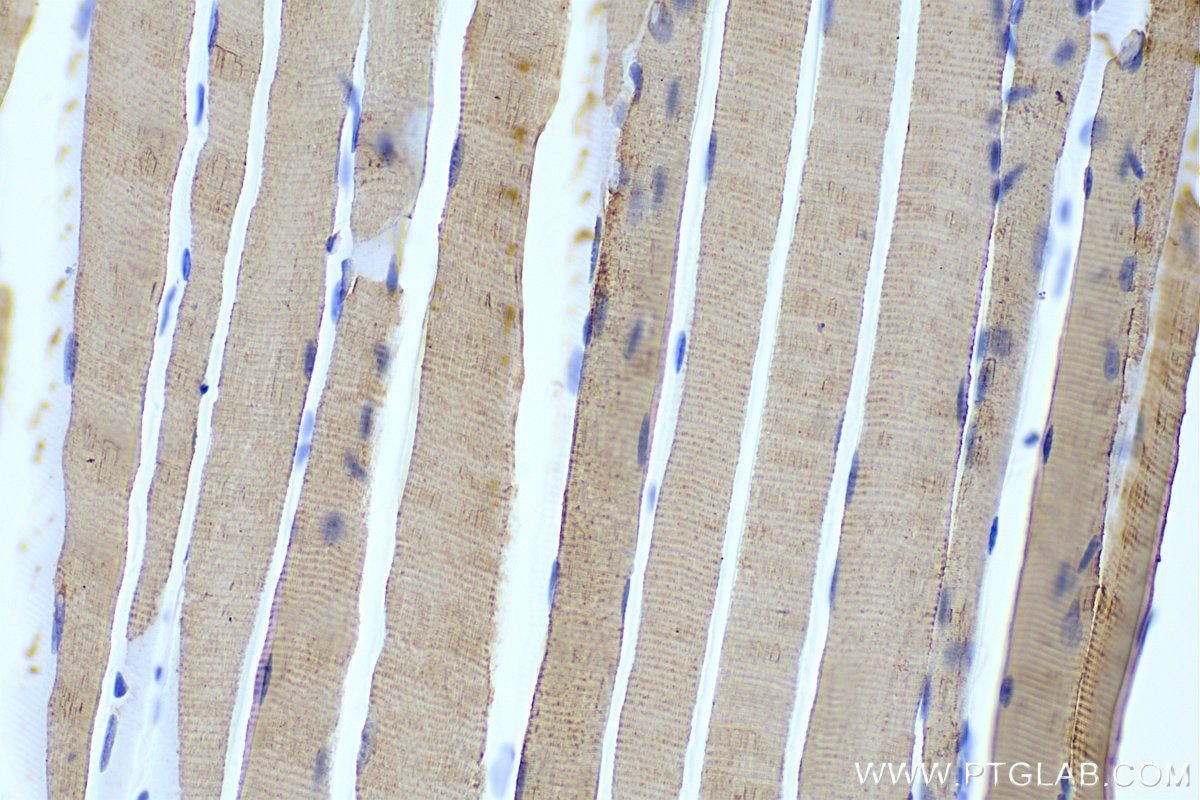

Tested Applications
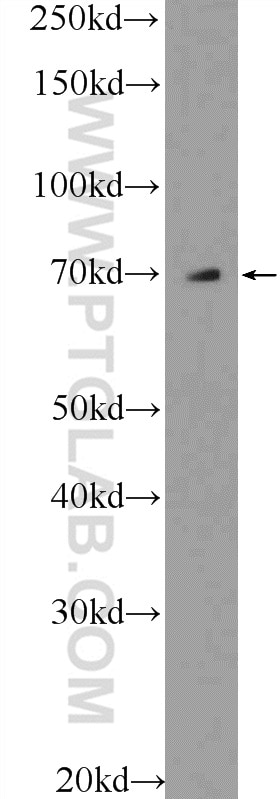
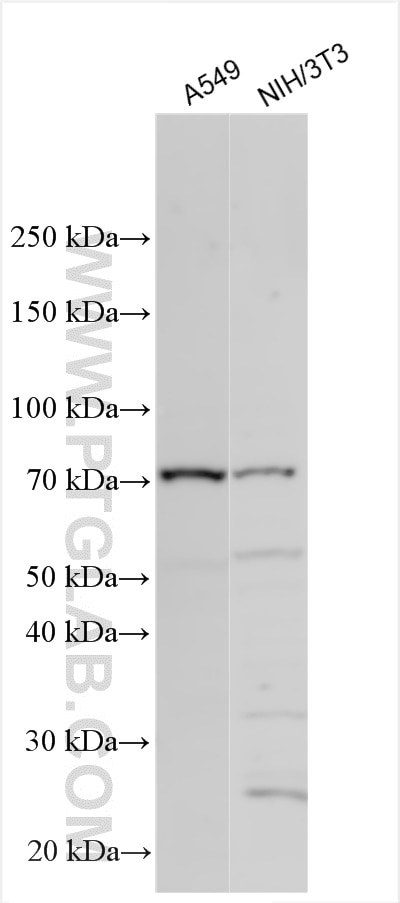
| Positive WB detected in | A549 cells, NIH/3T3 cells |
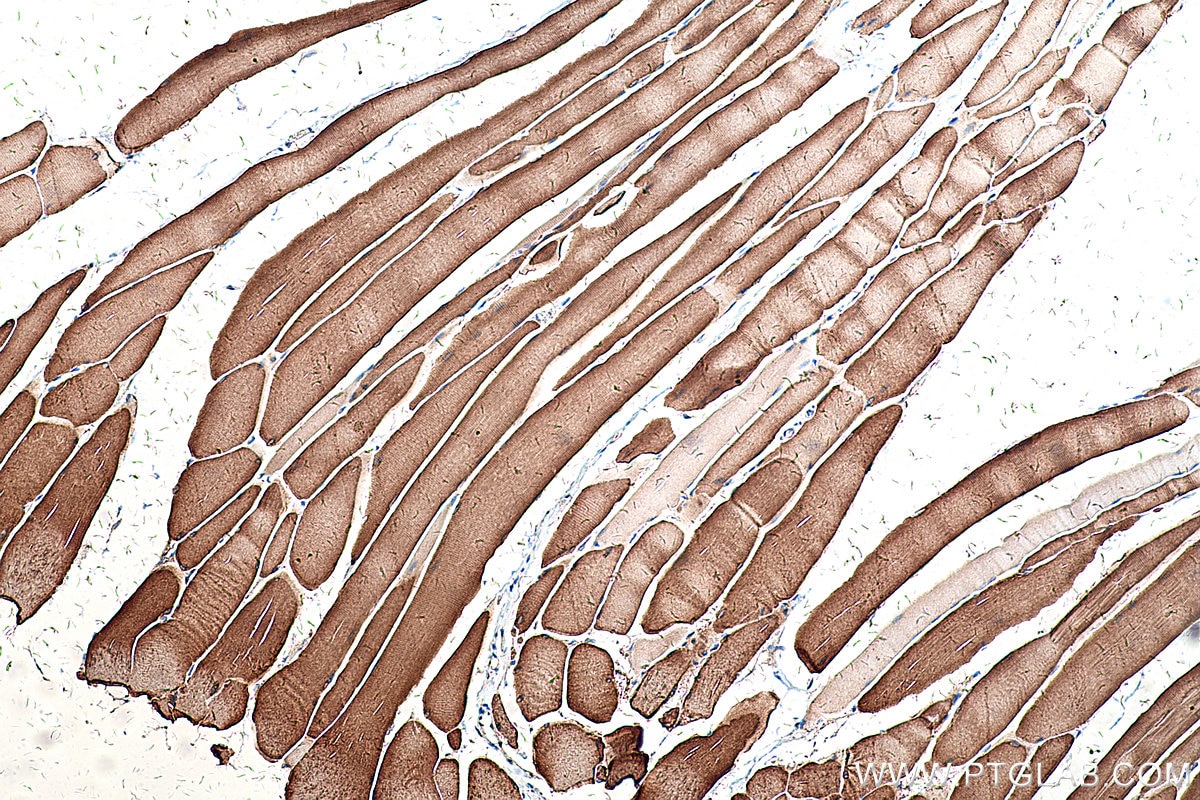
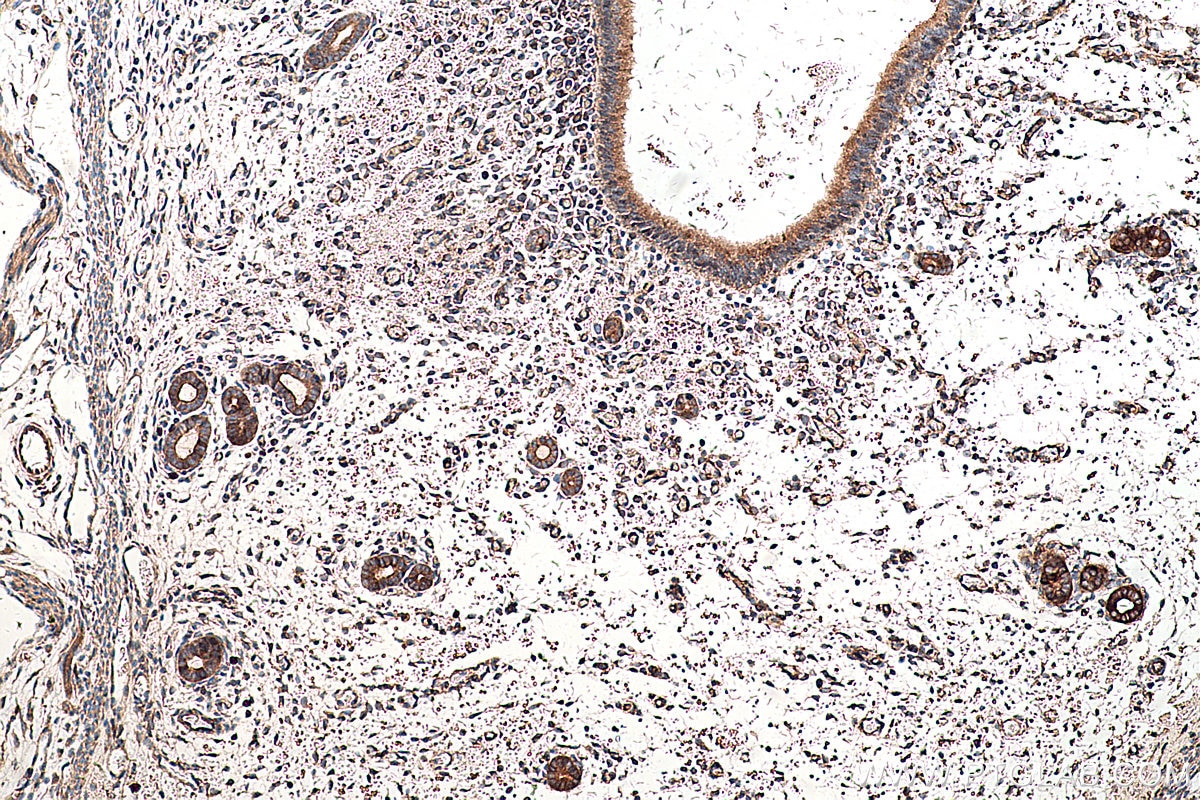
| Positive IHC detected in | mouse skeletal muscle tissue, rat skeletal muscle tissue, mouse uterus tissue, mouse lung tissue Note: suggested antigen retrieval with TE buffer pH 9.0; (*) Alternatively, antigen retrieval may be performed with citrate buffer pH 6.0 |
Recommended dilution
| Application | Dilution |
|---|---|
| Western Blot (WB) | WB : 1:500-1:1000 |
| Immunohistochemistry (IHC) | IHC : 1:50-1:500 |
| It is recommended that this reagent should be titrated in each testing system to obtain optimal results. | |
| Sample-dependent, Check data in validation data gallery. | |
Product Information
55333-1-AP targets SEPN1 in WB, IHC, ELISA applications and shows reactivity with human, mouse, rat samples.
| Tested Reactivity | human, mouse, rat |
| Cited Reactivity | human, mouse, rat |
| Host / Isotype | Rabbit / IgG |
| Class | Polyclonal |
| Type | Antibody |
| Immunogen |
Peptide Predict reactive species |
| Full Name | selenoprotein N, 1 |
| Calculated Molecular Weight | 66 kDa |
| Observed Molecular Weight | 70 kDa |
| GenBank Accession Number | NM_020451 |
| Gene Symbol | SEPN1 |
| Gene ID (NCBI) | 57190 |
| RRID | AB_2881308 |
| Conjugate | Unconjugated |
| Form | Liquid |
| Purification Method | Antigen affinity purification |
| UNIPROT ID | Q9NZV5 |
| Storage Buffer | PBS with 0.02% sodium azide and 50% glycerol, pH 7.3. |
| Storage Conditions | Store at -20°C. Stable for one year after shipment. Aliquoting is unnecessary for -20oC storage. 20ul sizes contain 0.1% BSA. |
Background Information
SEPN1 (Selenoprotein N, 1) is a selenoprotein that plays a crucial role in maintaining cellular redox homeostasis and calcium homeostasis. It is encoded by the SEPN1 gene and is widely expressed in various tissues, particularly in skeletal muscle. (PMID: 32661288)
Protocols
| Product Specific Protocols | |
|---|---|
| IHC protocol for SEPN1 antibody 55333-1-AP | Download protocol |
| WB protocol for SEPN1 antibody 55333-1-AP | Download protocol |
| Standard Protocols | |
|---|---|
| Click here to view our Standard Protocols |
Publications
What published studies show
The SEPN1 Polyclonal antibody (Cat# 55333-1-AP, rabbit) has 12 citations published in journals including Redox Biology, Antioxidants, Marine Drugs, Frontiers in Endocrinology, Frontiers in Nutrition, Scientific Reports, Biological Trace Element Research, Archives of Biochemistry and Biophysics, Journal of Thermal Biology, British Journal of Nutrition, PLoS One, and Biochemical and Biophysical Research Communications. Relevant research fields span selenium/selenoprotein biology, cancer ferroptosis resistance, myogenic differentiation, diabetology, neuroinflammation/synaptic zinc, and glioma prognosis, predominantly using western blot (with one IHC application).
| Species | Application | Title |
|---|---|---|
Redox Biol Macrophages and macrophage extracellular vesicles confer cancer ferroptosis resistance via PRDX6-mediated mitophagy inhibition | ||
Antioxidants (Basel) Dietary Marginal and Excess Selenium Increased Triglycerides Deposition, Induced Endoplasmic Reticulum Stress and Differentially Influenced Selenoproteins Expression in the Anterior and Middle Intestines of Yellow Catfish Pelteobagrus fulvidraco. | ||
Mar Drugs Combination of Fish Oil and Selenium Enhances Anticancer Efficacy and Targets Multiple Signaling Pathways in Anti-VEGF Agent Treated-TNBC Tumor-Bearing Mice. | ||
Front Endocrinol (Lausanne) Changes and related factors of blood CCN1 levels in diabetic patients | ||
Sci Rep Damage to the myogenic differentiation of C2C12 cells by heat stress is associated with up-regulation of several selenoproteins. |
Reviews
What customers say
Able is busy answering your previous question. Please try again later.
The reviews below have been submitted by verified Proteintech customers who received an incentive for providing their feedback.
Aditya (Verified Customer) (06-16-2025) | works well
|








