

Tested Applications
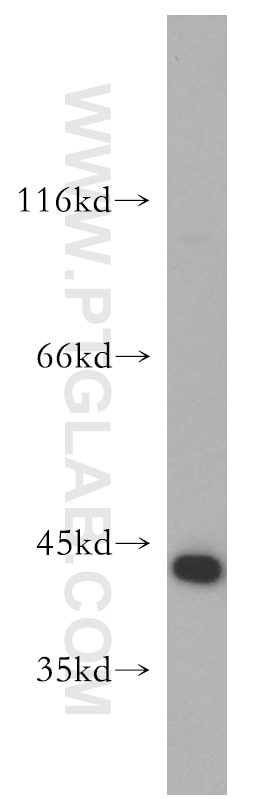
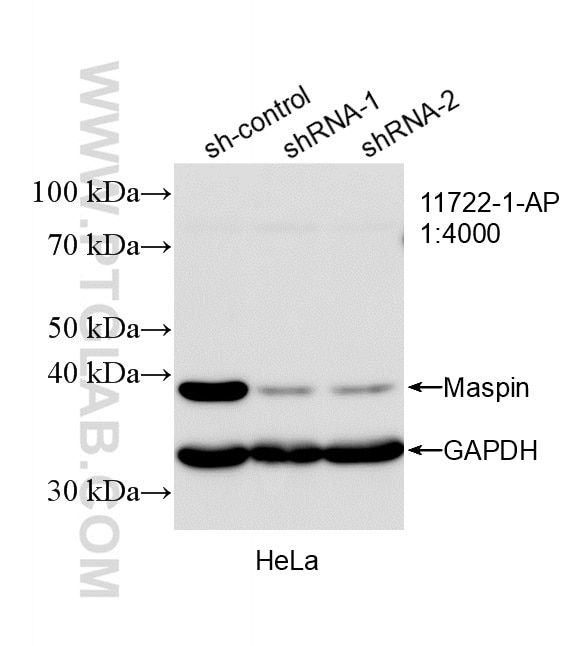
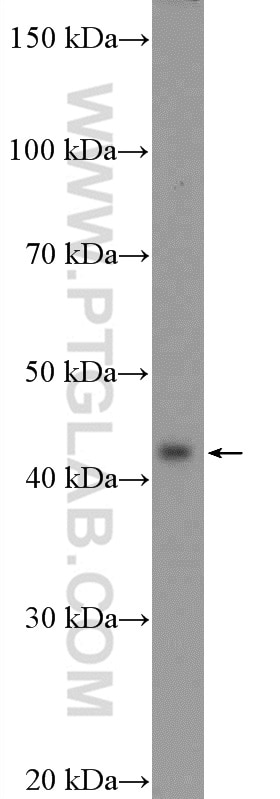
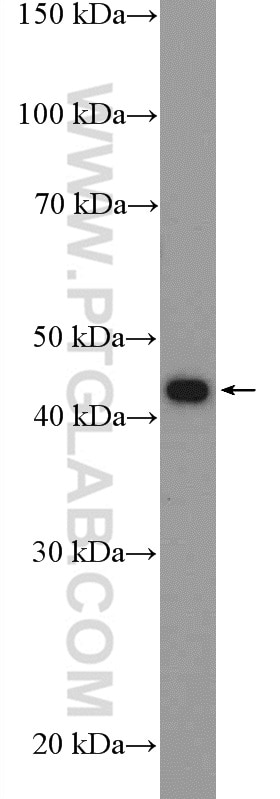
| Positive WB detected in | HepG2 cells, A431 cells, HeLa cells |
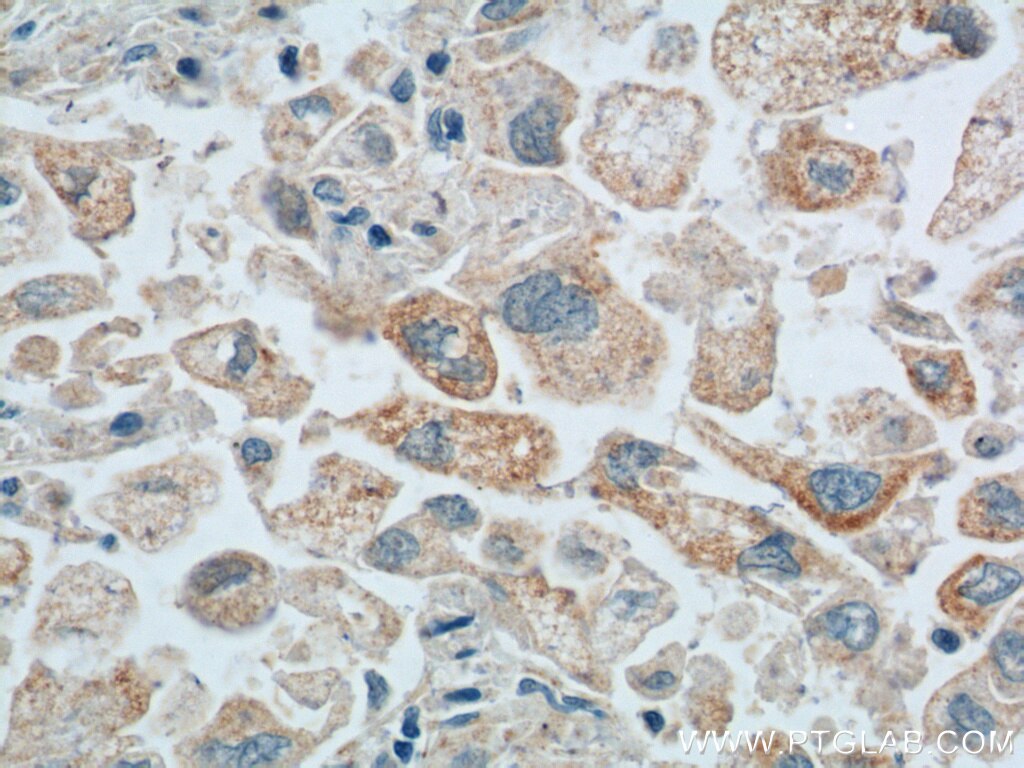
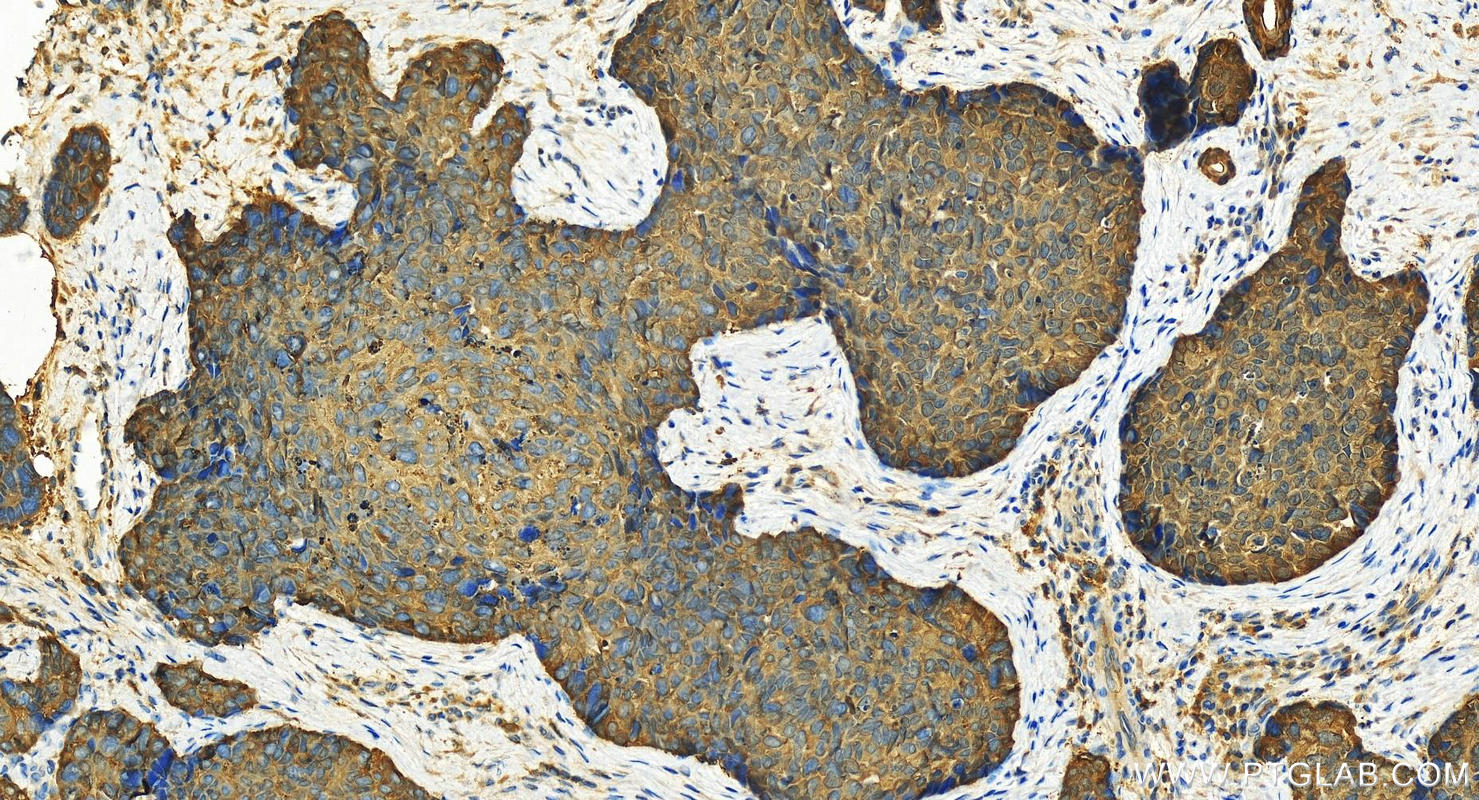
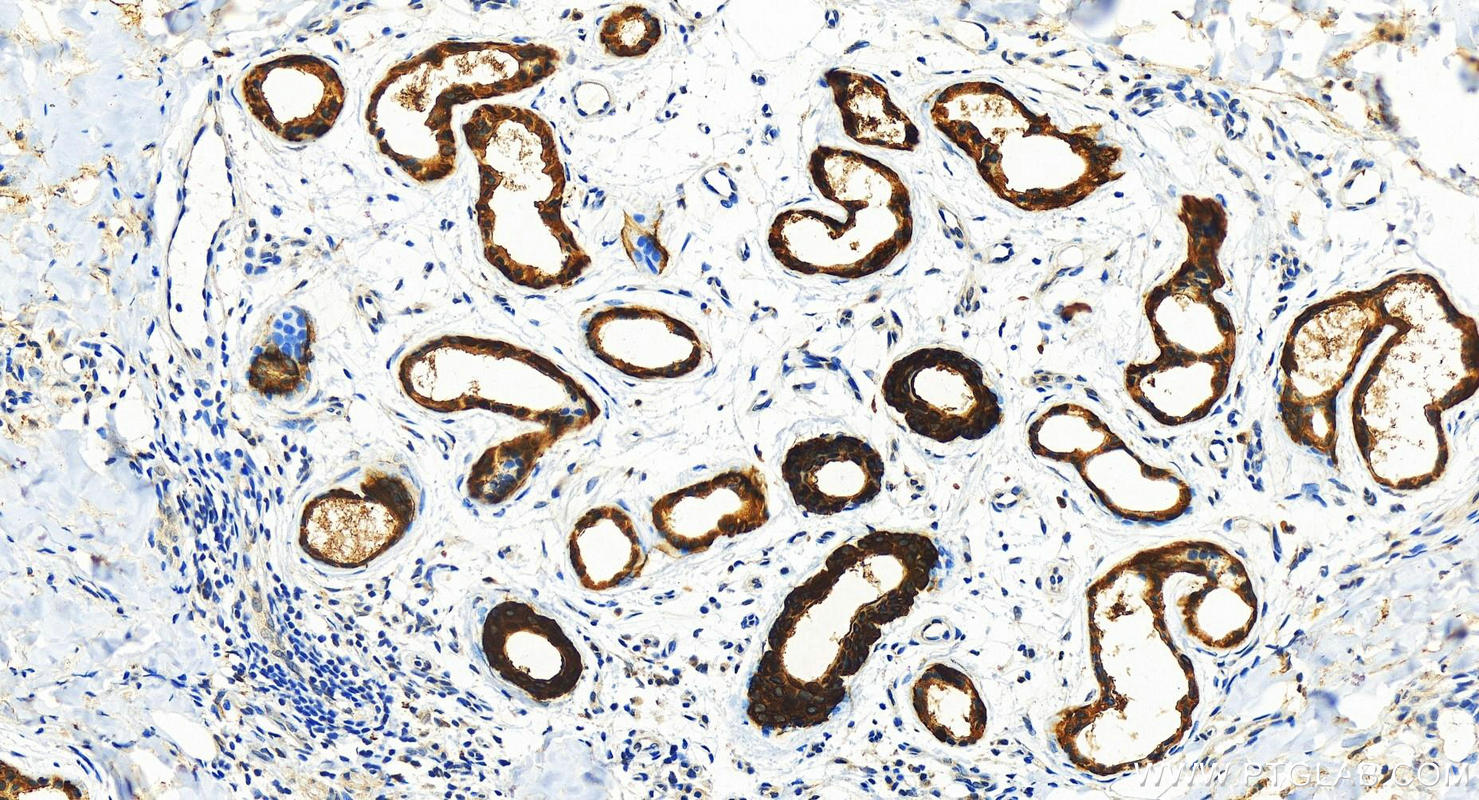
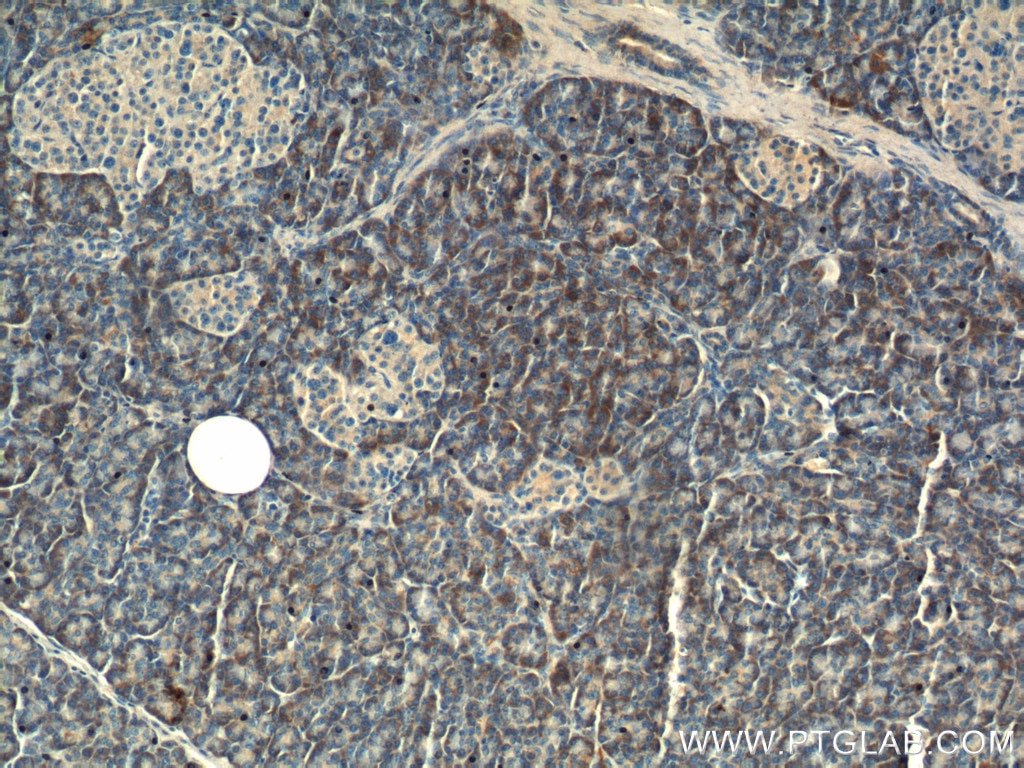
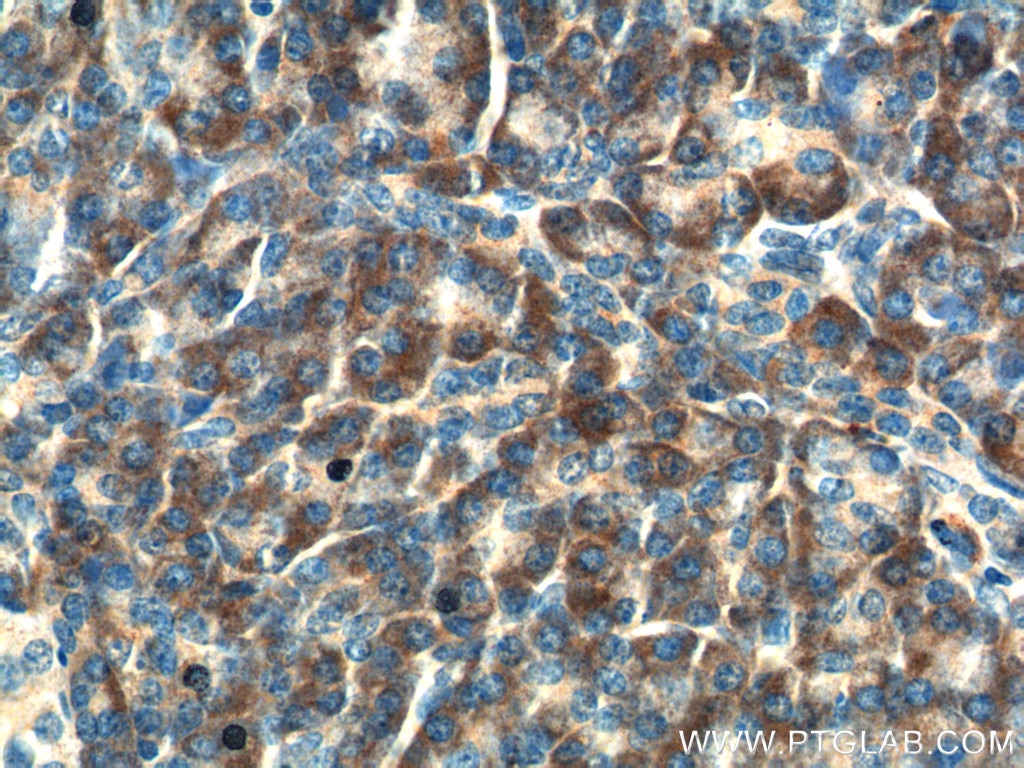
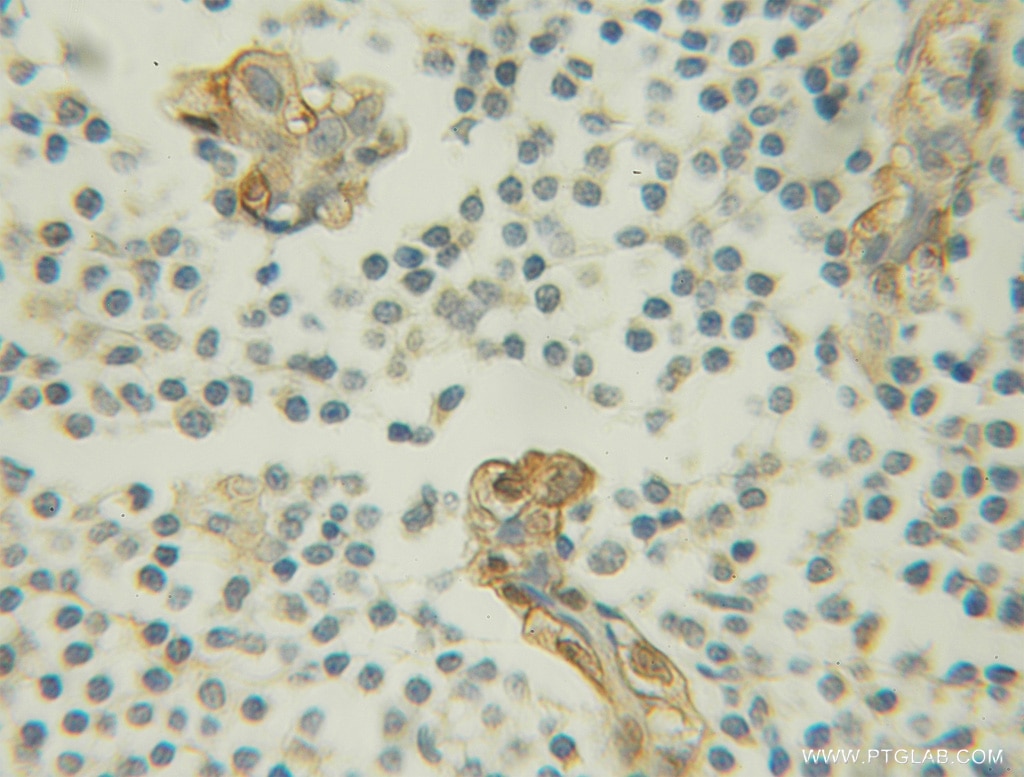
| Positive IHC detected in | human bowen disease, human breast cancer tissue, human lung cancer tissue, human pancreas tissue Note: suggested antigen retrieval with TE buffer pH 9.0; (*) Alternatively, antigen retrieval may be performed with citrate buffer pH 6.0 |
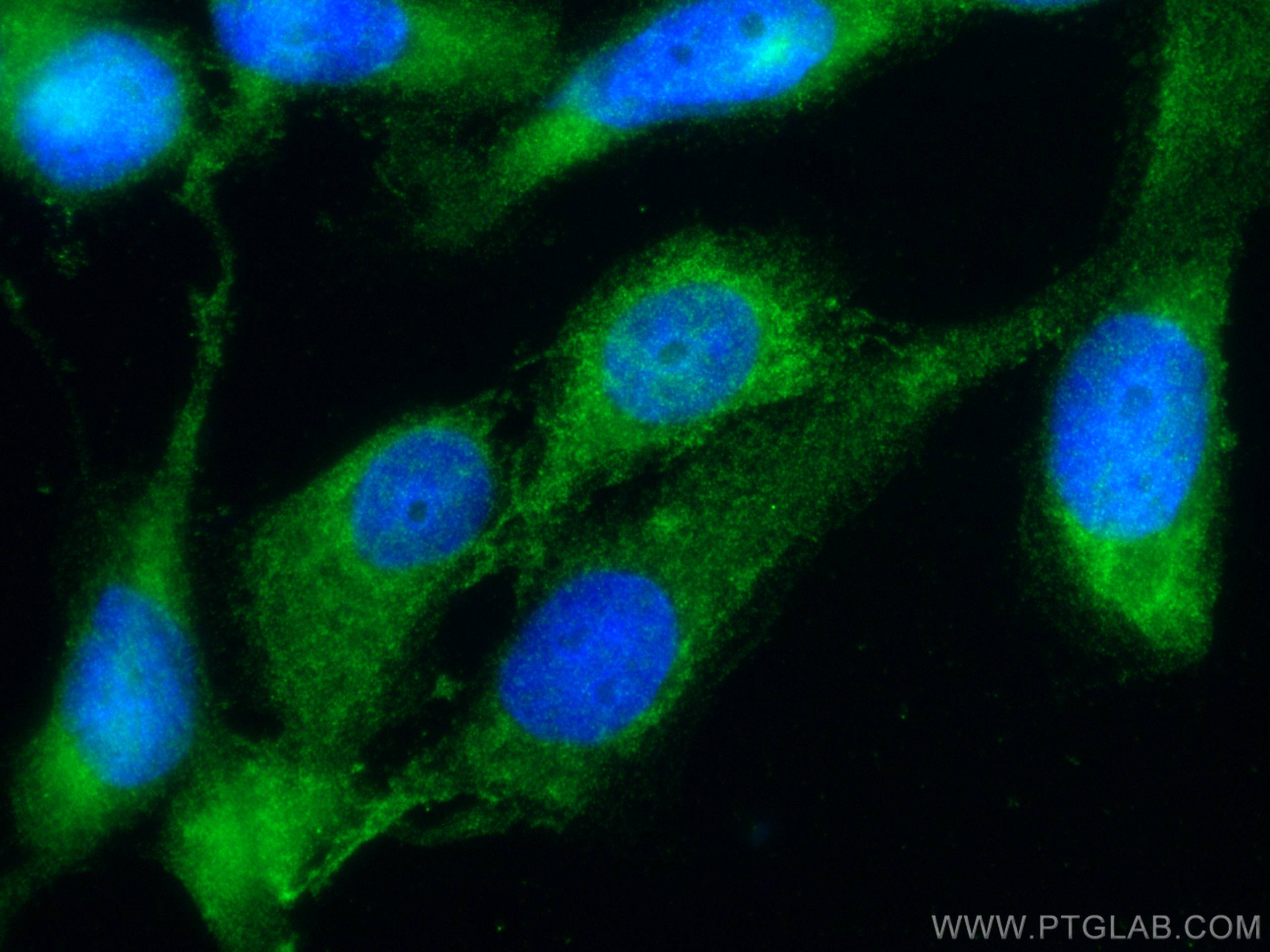
| Positive IF/ICC detected in | A431 cells |
Recommended dilution
| Application | Dilution |
|---|---|
| Western Blot (WB) | WB : 1:500-1:3000 |
| Immunohistochemistry (IHC) | IHC : 1:150-1:600 |
| Immunofluorescence (IF)/ICC | IF/ICC : 1:50-1:500 |
| It is recommended that this reagent should be titrated in each testing system to obtain optimal results. | |
| Sample-dependent, Check data in validation data gallery. | |
Product Information
11722-1-AP targets Maspin in WB, IHC, IF/ICC, ELISA applications and shows reactivity with human samples.
| Tested Reactivity | human |
| Cited Reactivity | human |
| Host / Isotype | Rabbit / IgG |
| Class | Polyclonal |
| Type | Antibody |
| Immunogen |
CatNo: Ag2304 Product name: Recombinant human SERPINB5 protein Source: e coli.-derived, PGEX-4T Tag: GST Domain: 1-231 aa of BC020713 Sequence: MDALQLANSAFAVDLFKQLCEKEPLGNVLFSPICLSTSLSLAQVGAKGDTANEIGQVLHFENVKDVPFGFQTVTSDVNKLSSFYSLKLIKRLYVDKSLNLSTEFISSTKRPYAKELETVDFKDKLEETKGQINNSIKDLTDGHFENILADNSVNDQTKILVVNAAYFVGKWMKKFPESETKECPFRVNKVCGAACSSKRSPIIDVKNDRDRVGHKSIPMRNLRARPAKCLS Predict reactive species |
| Full Name | serpin peptidase inhibitor, clade B (ovalbumin), member 5 |
| Calculated Molecular Weight | 375 aa, 42 kDa |
| Observed Molecular Weight | 38-42 kDa |
| GenBank Accession Number | BC020713 |
| Gene Symbol | Maspin |
| Gene ID (NCBI) | 5268 |
| RRID | AB_10597111 |
| Conjugate | Unconjugated |
| Form | Liquid |
| Purification Method | Antigen affinity purification |
| UNIPROT ID | P36952 |
| Storage Buffer | PBS with 0.02% sodium azide and 50% glycerol, pH 7.3. |
| Storage Conditions | Store at -20°C. Stable for one year after shipment. Aliquoting is unnecessary for -20oC storage. 20ul sizes contain 0.1% BSA. |
Background Information
SERPINB5, also named PI-5, Maspin, and Serpin B5, belongs to the serpin family and Ov-serpin subfamily. It is a tumor suppressor. It blocks the growth, invasion, and metastatic properties of mammary tumors. As it does not undergo the S (stressed) to R (relaxed) conformational transition characteristic of active serpins, SERPINB5 exhibits no serine protease inhibitory activity.
Protocols
| Product Specific Protocols | |
|---|---|
| IF protocol for Maspin antibody 11722-1-AP | Download protocol |
| IHC protocol for Maspin antibody 11722-1-AP | Download protocol |
| WB protocol for Maspin antibody 11722-1-AP | Download protocol |
| Standard Protocols | |
|---|---|
| Click here to view our Standard Protocols |
Publications
What published studies show
The Maspin Polyclonal antibody (Cat# 11722-1-AP) has 9 total citations. These appear in journals including Cell Death & Disease, Cancer Letters, Biomaterials Research, International Journal of Cancer, Journal of Proteome Research, BMC Gastroenterology, Journal of Thoracic Disease, and Oncology Letters. The research fields span cancer biology, covering cervical, pancreatic, nasopharyngeal, colorectal, hepatic, lung, and thyroid cancers, with topics including chemoresistance, radioresistance, epithelial-mesenchymal transition, ferroptosis, and tumor microenvironment.
| Species | Application | Title |
|---|---|---|
Cell Death Dis FAT10 promotes chemotherapeutic resistance in pancreatic cancer by inducing epithelial-mesenchymal transition via stabilization of FOXM1 expression. | ||
Cell Death Dis M(5)C-driven stabilization of SERPINB5 promotes cervical cancer progression and chemotherapy resistance. | ||
Cancer Lett Cancer stem-like cell characteristics induced by EB virus-encoded LMP1 contribute to radioresistance in nasopharyngeal carcinoma by suppressing the p53-mediated apoptosis pathway. | ||
Biomater Res Hsa_piR_016975 Is a Novel Target of Nanotherapy that Boosts Hepatoma Progression and Sorafenib Resistance by Abating Maspin/GPX4-Mediated Ferroptosis | ||
J Proteome Res Proteomics-Based Mapping of the Lymph Node Metastasis Landscape in Cervical Cancer |












