
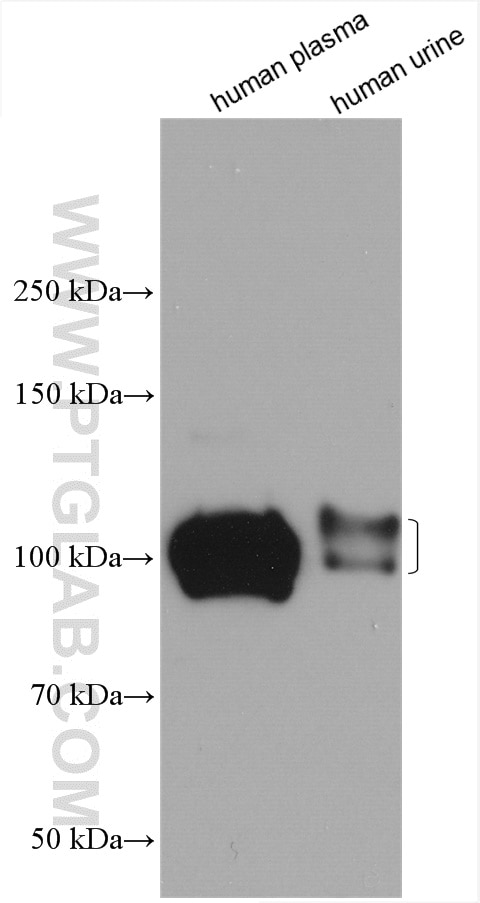
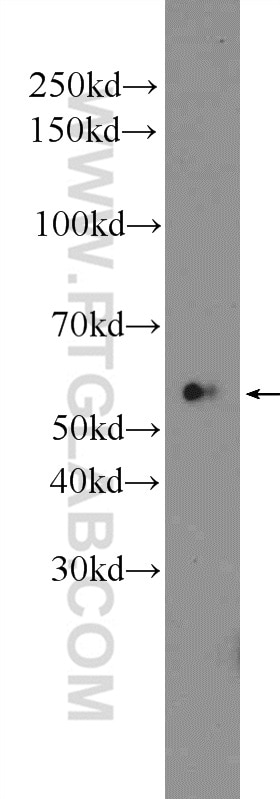
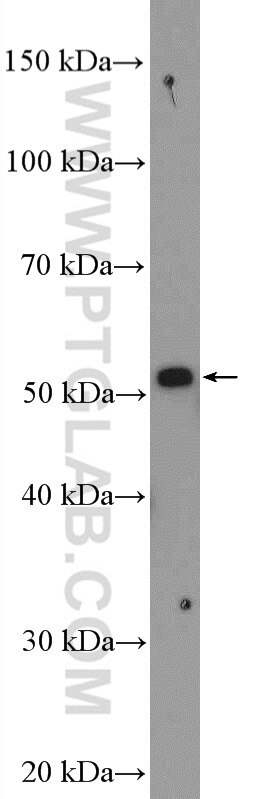
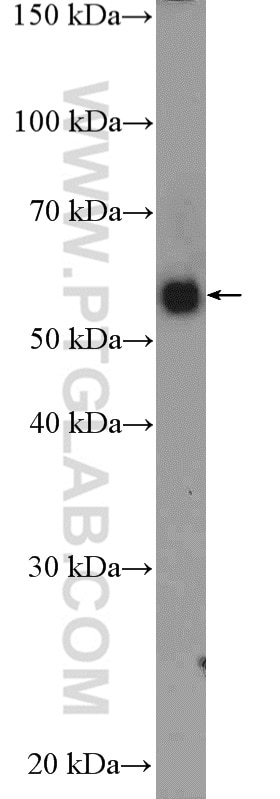
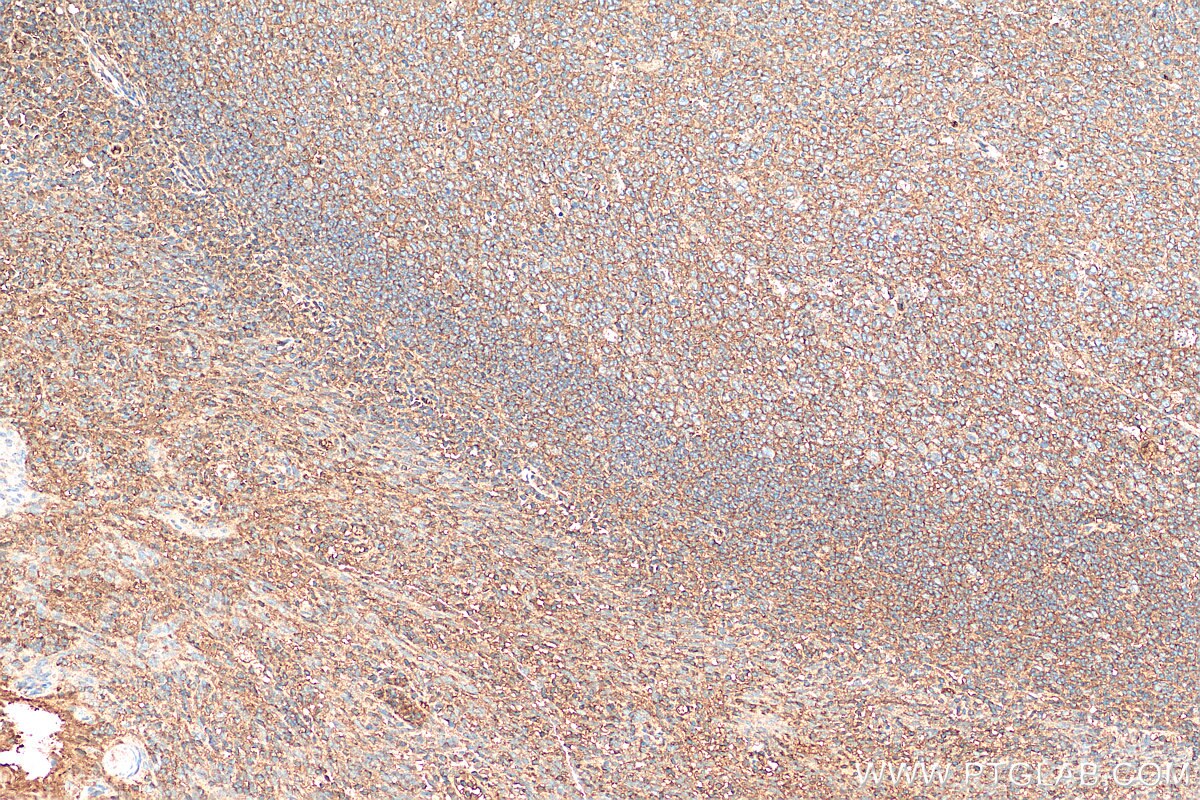
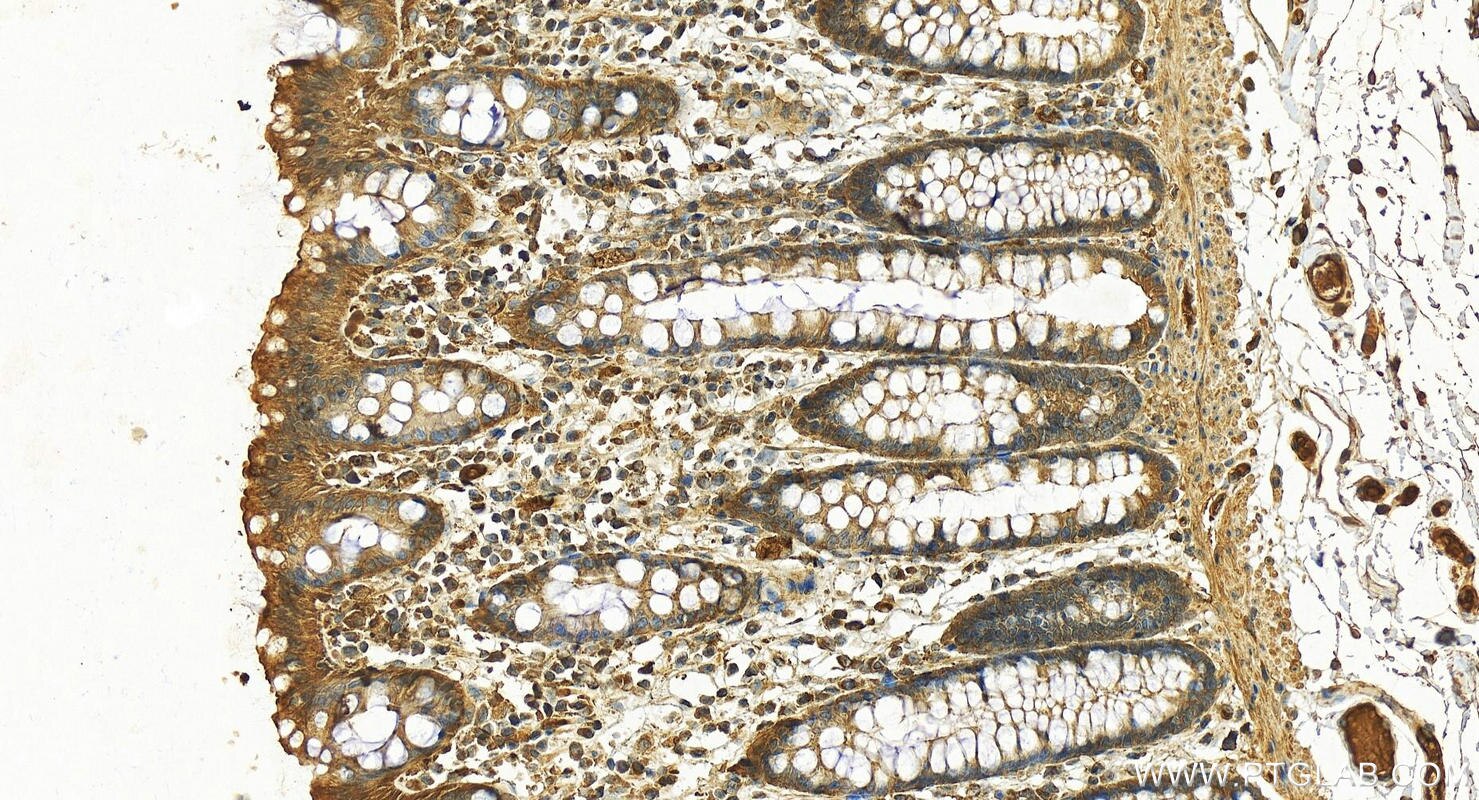
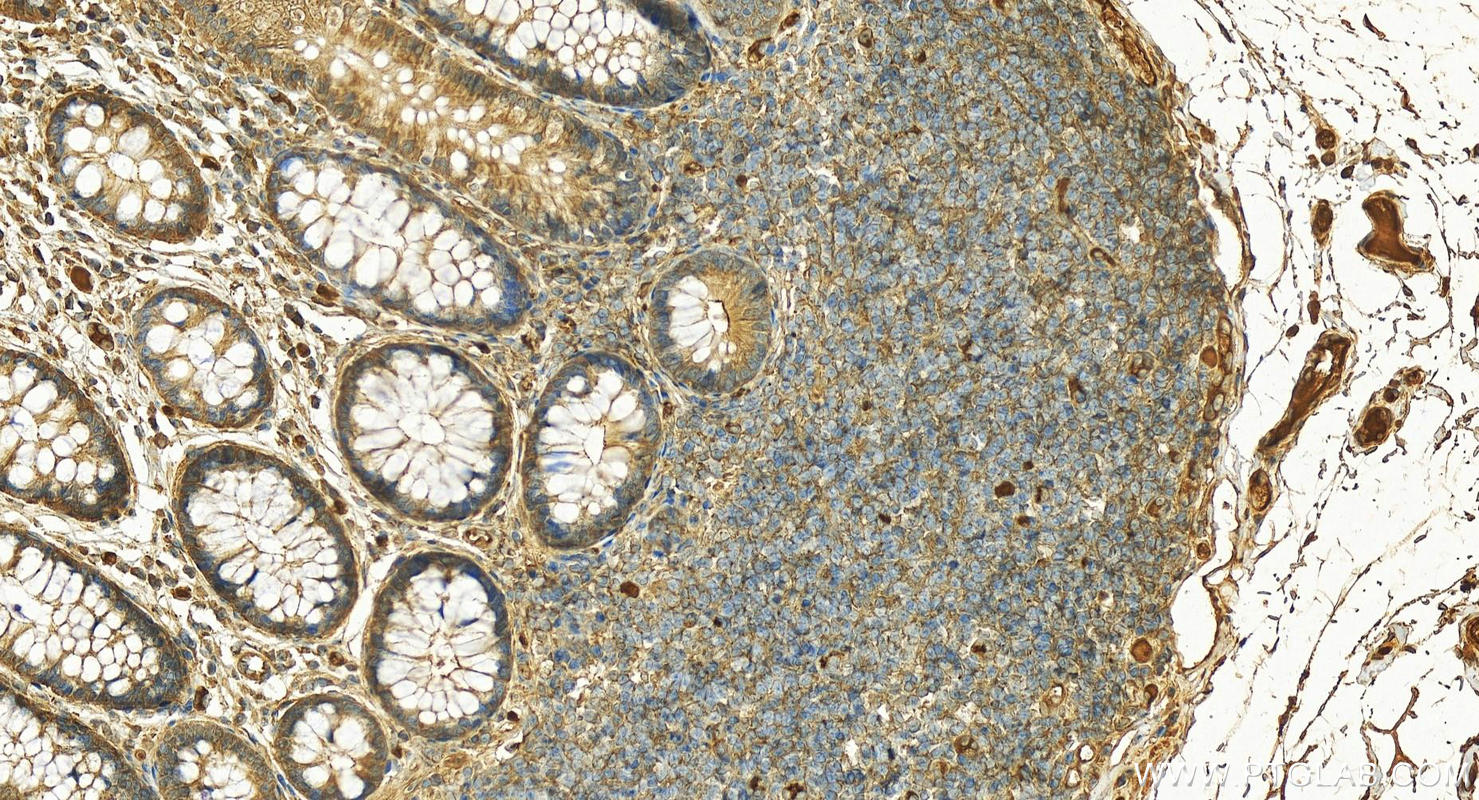
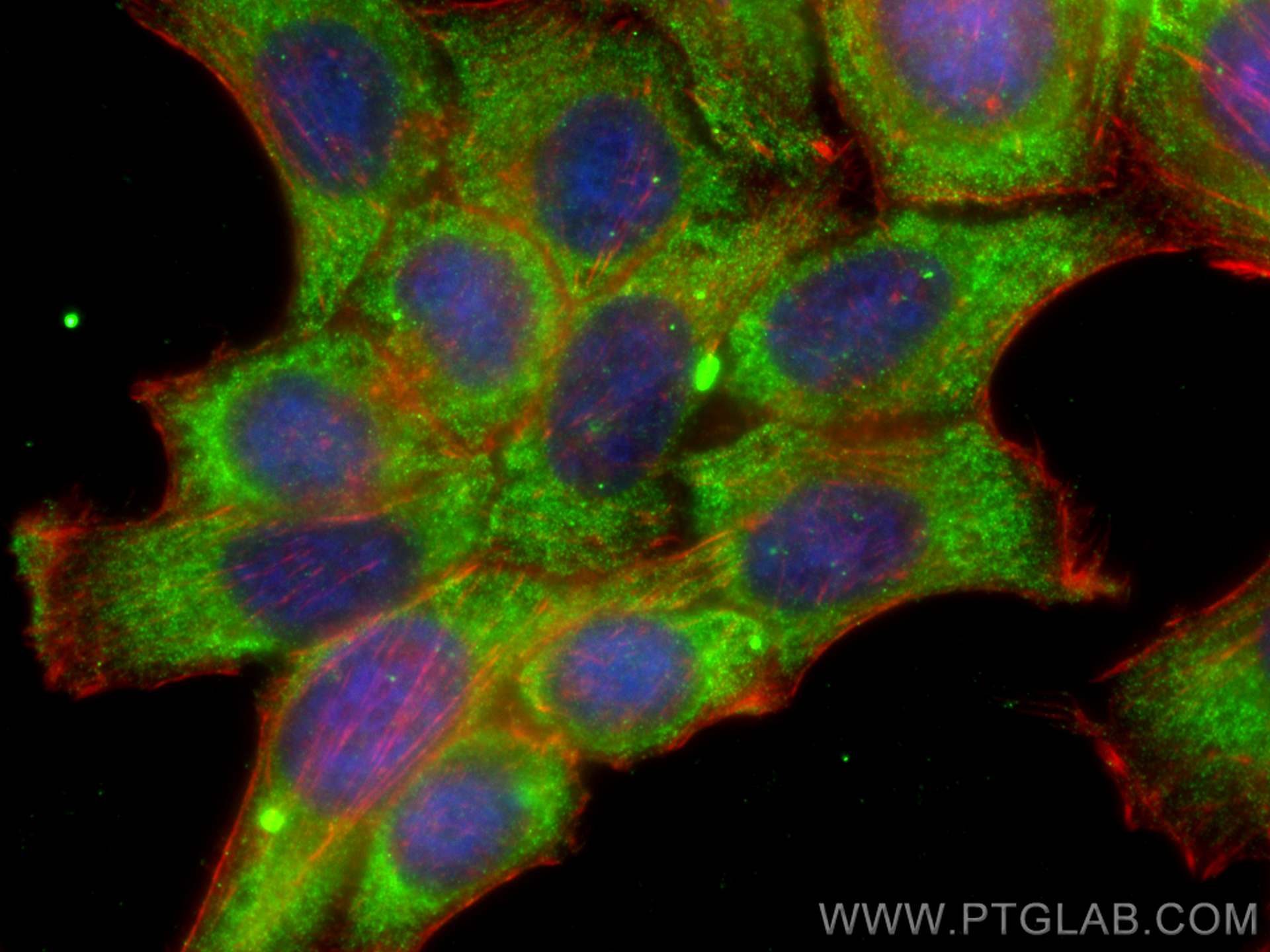

Tested Applications
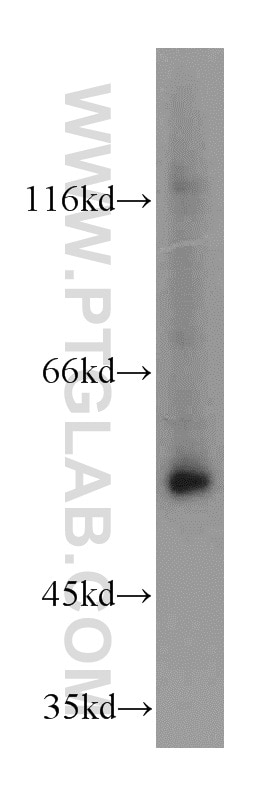
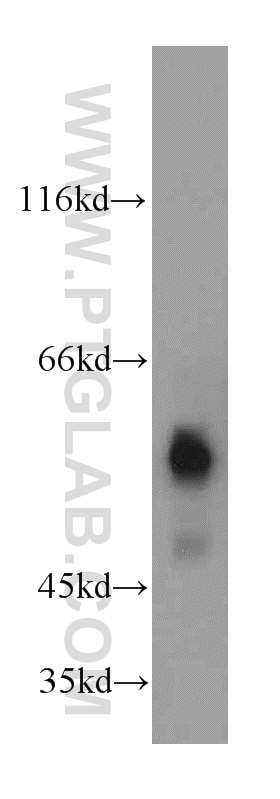
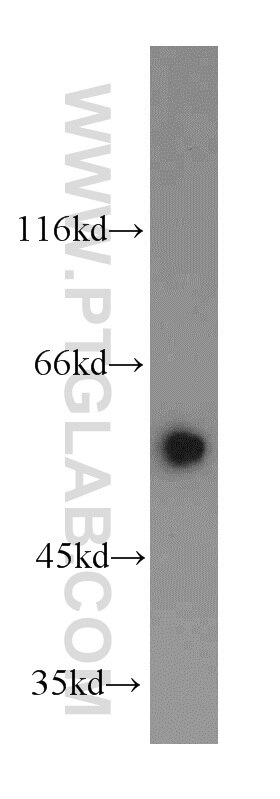
| Positive WB detected in | human plasma, HeLa cells, human liver tissue, L02 cells, mouse liver tissue, HepG2 cells, human urine tissue |
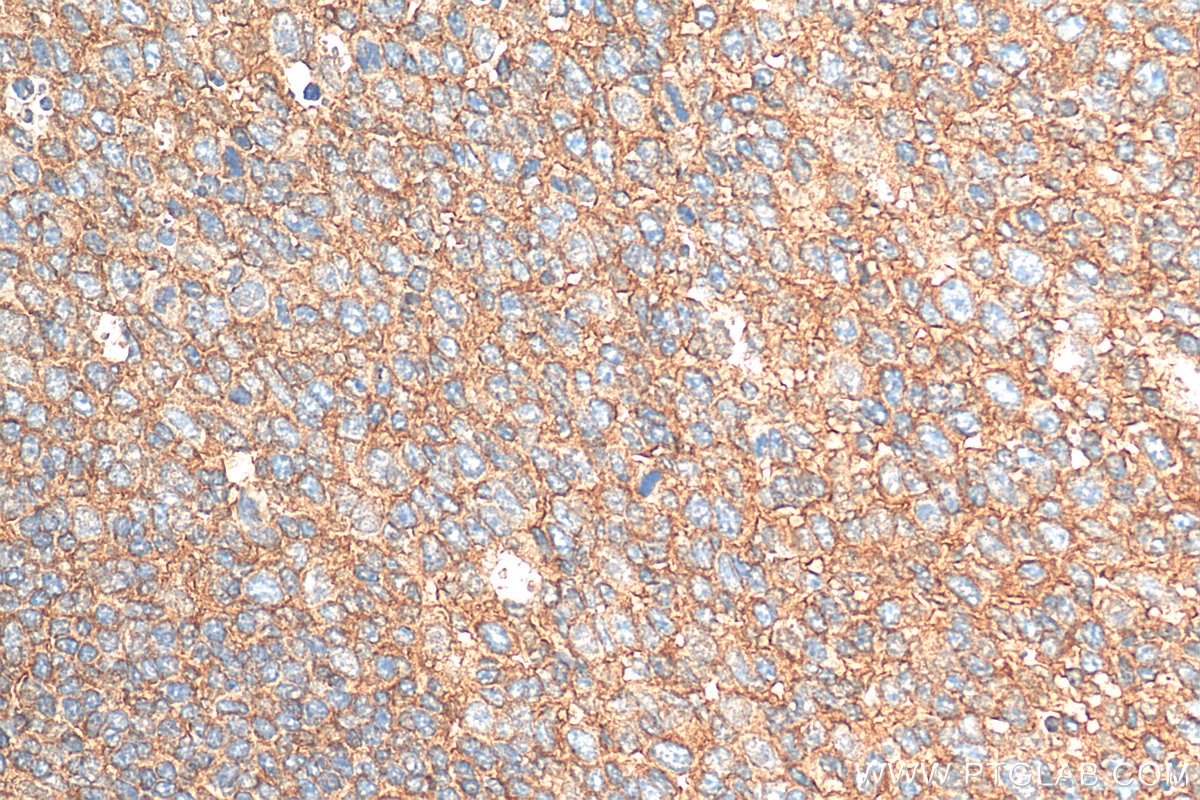
| Positive IHC detected in | human tonsillitis tissue, human normal colon Note: suggested antigen retrieval with TE buffer pH 9.0; (*) Alternatively, antigen retrieval may be performed with citrate buffer pH 6.0 |
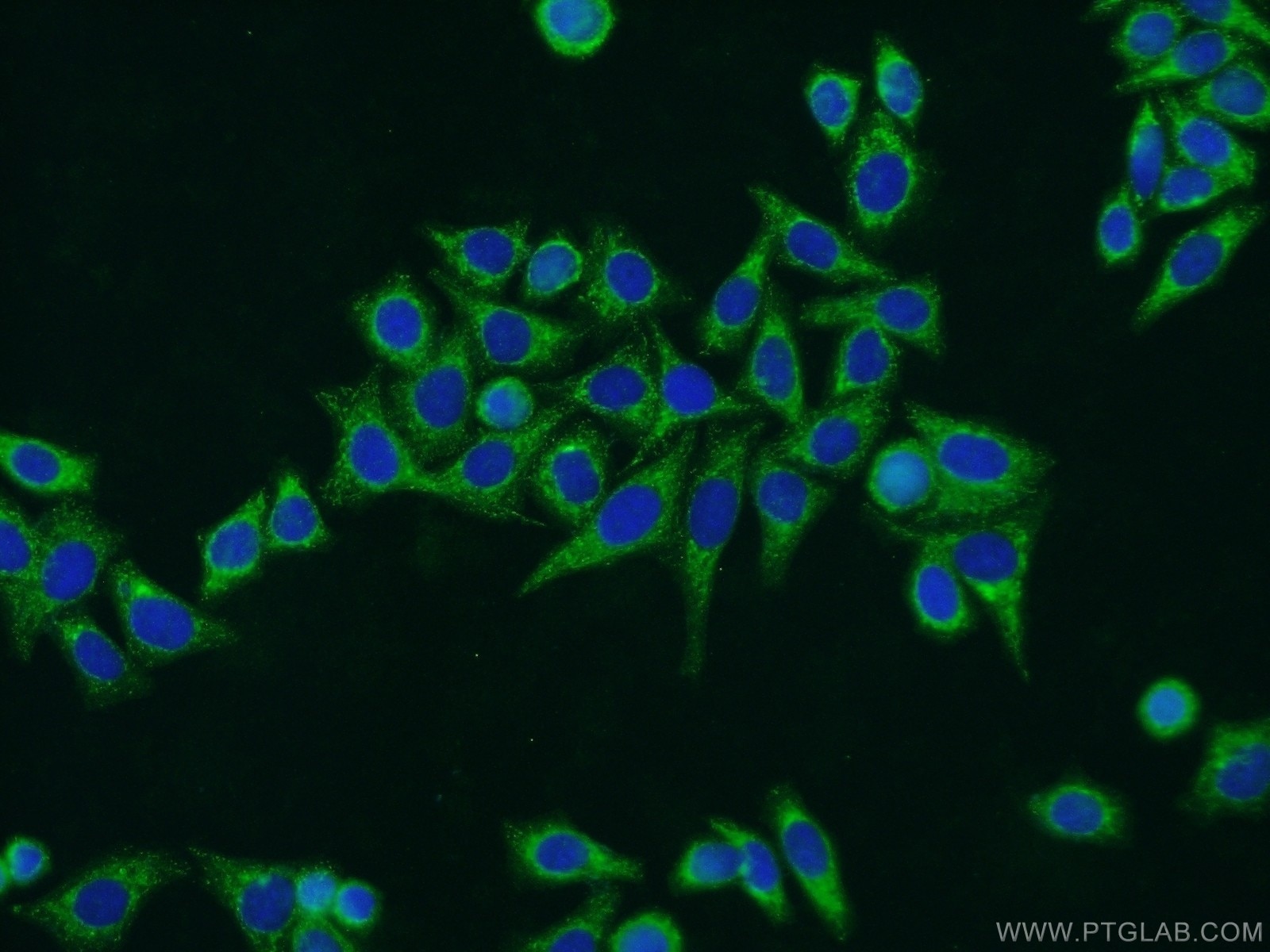
| Positive IF/ICC detected in | HepG2 cells |
Recommended dilution
| Application | Dilution |
|---|---|
| Western Blot (WB) | WB : 1:1000-1:4000 |
| Immunohistochemistry (IHC) | IHC : 1:200-1:800 |
| Immunofluorescence (IF)/ICC | IF/ICC : 1:200-1:800 |
| It is recommended that this reagent should be titrated in each testing system to obtain optimal results. | |
| Sample-dependent, Check data in validation data gallery. | |
Product Information
12259-1-AP targets SERPING1/C1 Inactivator in WB, IHC, IF/ICC, ELISA applications and shows reactivity with human, mouse samples.
| Tested Reactivity | human, mouse |
| Cited Reactivity | human, mouse, rat |
| Host / Isotype | Rabbit / IgG |
| Class | Polyclonal |
| Type | Antibody |
| Immunogen |
CatNo: Ag2819 Product name: Recombinant human SERPING1 protein Source: e coli.-derived, PGEX-4T Tag: GST Domain: 151-500 aa of BC011171 Sequence: LKLYHAFSAMKKVETNMAFSPFSIASLLTQVLLGAGENTKTNLESILSYPKDFTCVHQALKGFTTKGVTSVSQIFHSPDLAIRDTFVNASRTLYSSSPRVLSNNSDANLELINTWVAKNTNNKISRLLDSLPSDTRLVLLNAIYLSAKWKTTFDPKKTRMEPFHFKNSVIKVPMMNSKKYPVAHFIDQTLKAKVGQLQLSHNLSLVILVPQNLKHRLEDMEQALSPSVFKAIMEKLEMSKFQPTLLTLPRIKVTTSQDMLSIMEKLEFFDFSYDLNLCGLTEDPDLQVSAMQHQTVLELTETGVEAAAASAISVARTLLVFEVQQPFLFMLWDQQHKFPVFMGRVYDPRA Predict reactive species |
| Full Name | serpin peptidase inhibitor, clade G (C1 inhibitor), member 1 |
| Calculated Molecular Weight | 500 aa, 55 kDa |
| Observed Molecular Weight | 100 kDa |
| GenBank Accession Number | BC011171 |
| Gene Symbol | SERPING1 |
| Gene ID (NCBI) | 710 |
| RRID | AB_2285663 |
| Conjugate | Unconjugated |
| Form | Liquid |
| Purification Method | Antigen affinity purification |
| UNIPROT ID | P05155 |
| Storage Buffer | PBS with 0.02% sodium azide and 50% glycerol, pH 7.3. |
| Storage Conditions | Store at -20°C. Stable for one year after shipment. Aliquoting is unnecessary for -20oC storage. 20ul sizes contain 0.1% BSA. |
Background Information
SERPING1, also known as C1 Inhibitor (C1INH), is a member of the Serine proteinase inhibitor family. Its main function is the inhibition of the complement system to prevent spontaneous activation. It inhibits activated C1r and C1s of the first complement component and thus regulates complement activation. Deficiency of this protein is associated with hereditary angioneurotic oedema (HANE). C1INH is the most heavily glycosylated plasma protein. Of its 95-105 kDa apparent molecular mass, the protein moiety of 500 aa accounts for only 55 kDa. The native 105 kDa form of C1INH could be cleaved into 60-65 kDa fragments.
Protocols
| Product Specific Protocols | |
|---|---|
| IF protocol for SERPING1/C1 Inactivator antibody 12259-1-AP | Download protocol |
| IHC protocol for SERPING1/C1 Inactivator antibody 12259-1-AP | Download protocol |
| WB protocol for SERPING1/C1 Inactivator antibody 12259-1-AP | Download protocol |
| Standard Protocols | |
|---|---|
| Click here to view our Standard Protocols |
Publications
What published studies show
The SERPING1/C1 Inactivator Polyclonal antibody (Cat# 12259-1-AP) has 20 citations. Journals include J Extracell Vesicles, Pharmacol Res, Cell Death Dis, J Neuroinflammation, ACS Appl Mater Interfaces, Oxid Med Cell Longev, Hum Reprod, Nutrients, Mol Neurobiol, Glia, J Thromb Haemost, Biochim Biophys Acta, Front Biosci, Orphanet J Rare Dis, J Alzheimers Dis, Neuroscience, Exp Eye Res, and Urol Oncol. Research fields span oncology (lung, breast, prostate, colorectal cancer), Alzheimer's disease and neuroinflammation, coagulation/complement disorders, hereditary angioedema, and reproductive biology.
| Species | Application | Title |
|---|---|---|
J Extracell Vesicles Identification of a Biomarker Panel in Extracellular Vesicles Derived From Non-Small Cell Lung Cancer (NSCLC) Through Proteomic Analysis and Machine Learning | ||
Cell Death Dis WNT inhibitor SP5-mediated SERPING1 suppresses lung adenocarcinoma progression via TSC2/mTOR pathway | ||
Pharmacol Res Properties of FDA-approved small molecule protein kinase inhibitors: A 2022 update | ||
J Neuroinflammation Fluoxetine inhibited the activation of A1 reactive astrocyte in a mouse model of major depressive disorder through astrocytic 5-HT2BR/β-arrestin2 pathway. | ||
J Neuroinflammation β-arrestin1 regulates astrocytic reactivity via Drp1-dependent mitochondrial fission: implications in postoperative delirium | ||
ACS Appl Mater Interfaces An Astrocyte-Targeted Nanoplatform with Ultrasound-Responsive Fluorescence Switch for Synergistic Chemo-Sonothermal Therapy of Cognitive Impairment. |
Reviews
What customers say
The single review for this SERPING1/C1-inhibitor antibody (used at 1/250 dilution) reports a 5-star rating. The reviewer tested it in immunofluorescence via confocal microscopy on mouse brain tissue. While the antibody produced some signal in the expected regions, the staining was described as relatively weak and not very well-defined. Overall, the feedback suggests the antibody works but may benefit from optimization for stronger, sharper staining.
The reviews below have been submitted by verified Proteintech customers who received an incentive for providing their feedback.
Bárbara (Verified Customer) (07-29-2025) | We tested the SERPING1/C1-inhibitor antibody (Proteintech) in immunofluorescence using confocal microscopy on mouse brain. While the antibody showed some signal in the expected regions, the staining was relatively weak and not very well-defined.
|














