

Tested Applications
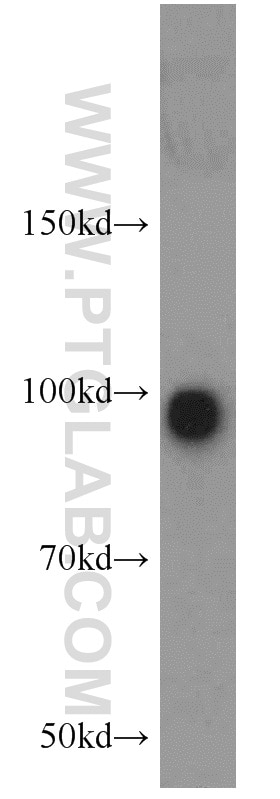
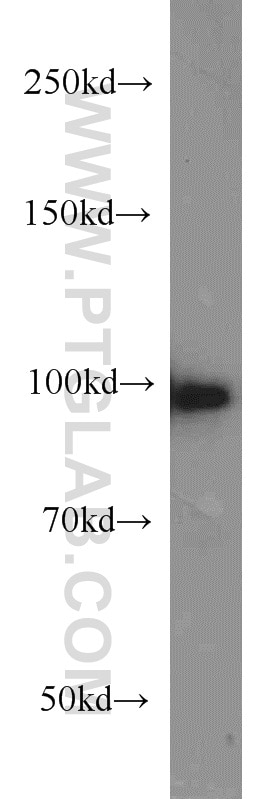
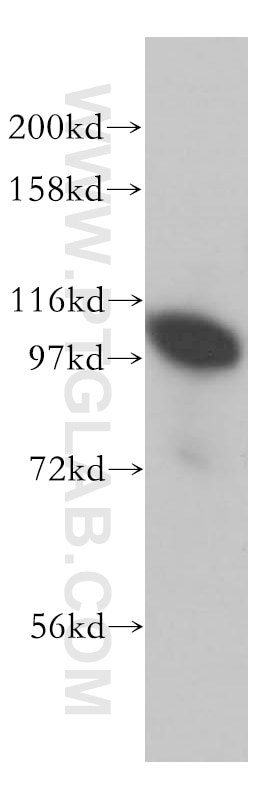
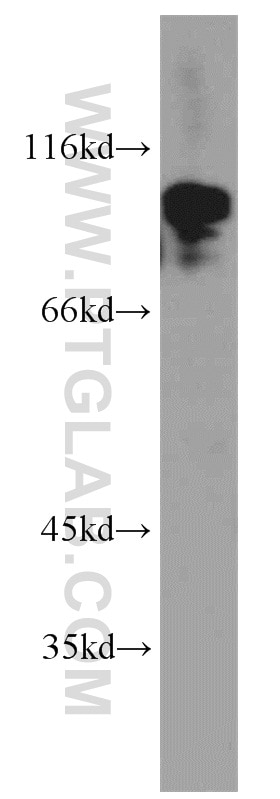
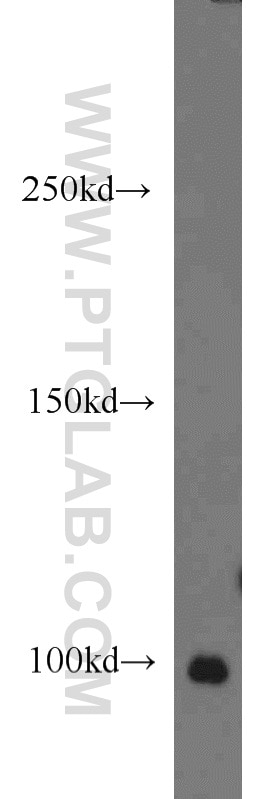
| Positive WB detected in | mouse brain tissue, DU 145 cells, HEK-293 cells, human brain tissue |
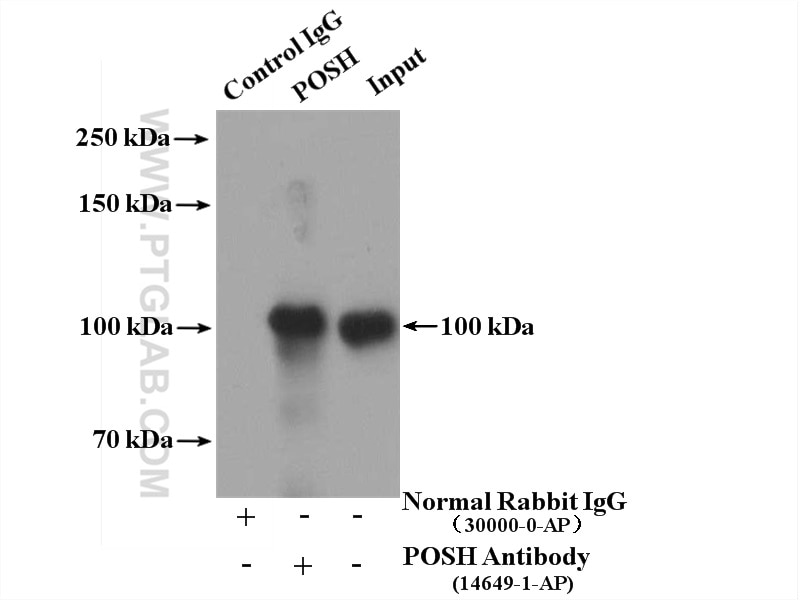
| Positive IP detected in | mouse brain tissue |
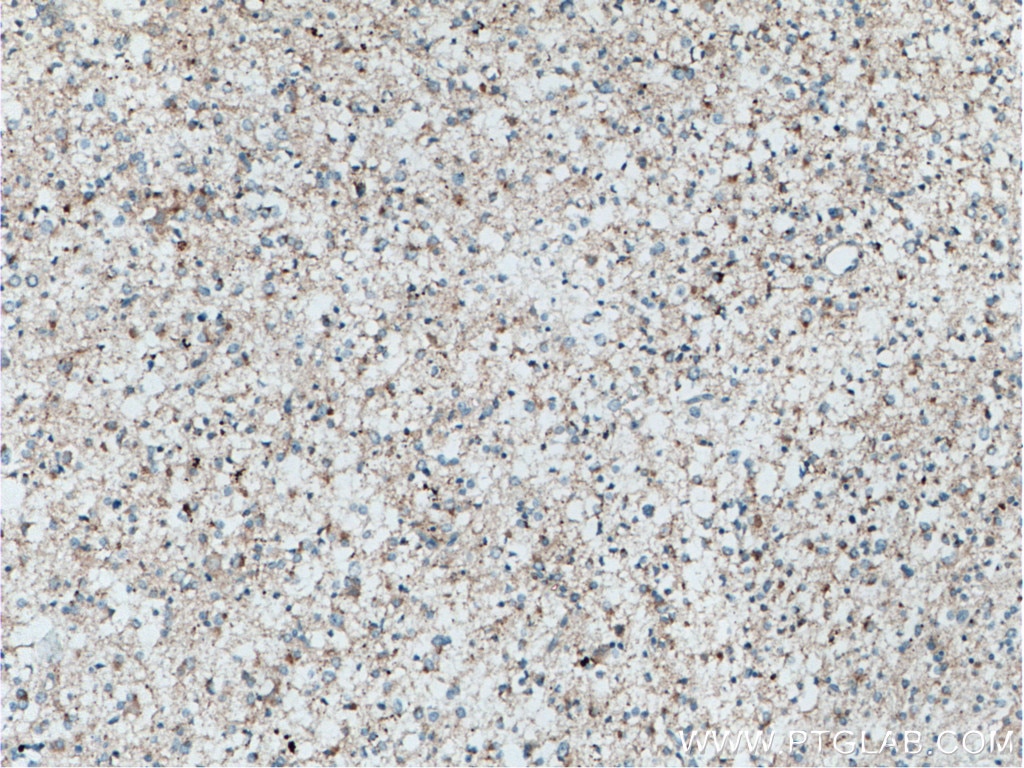
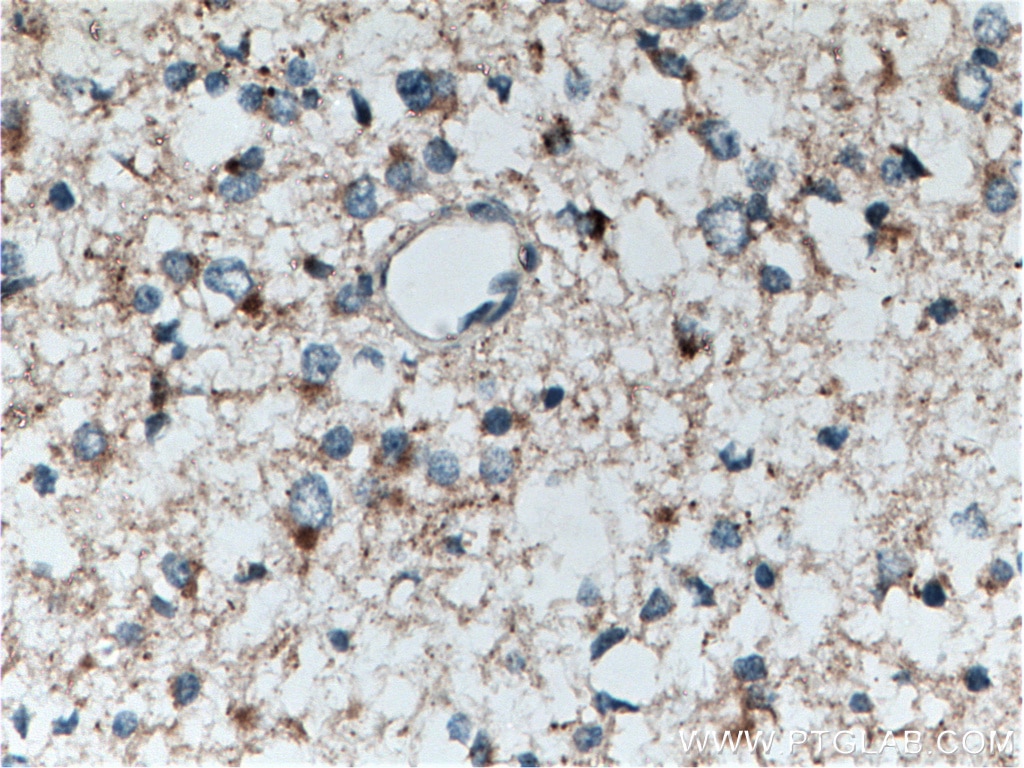
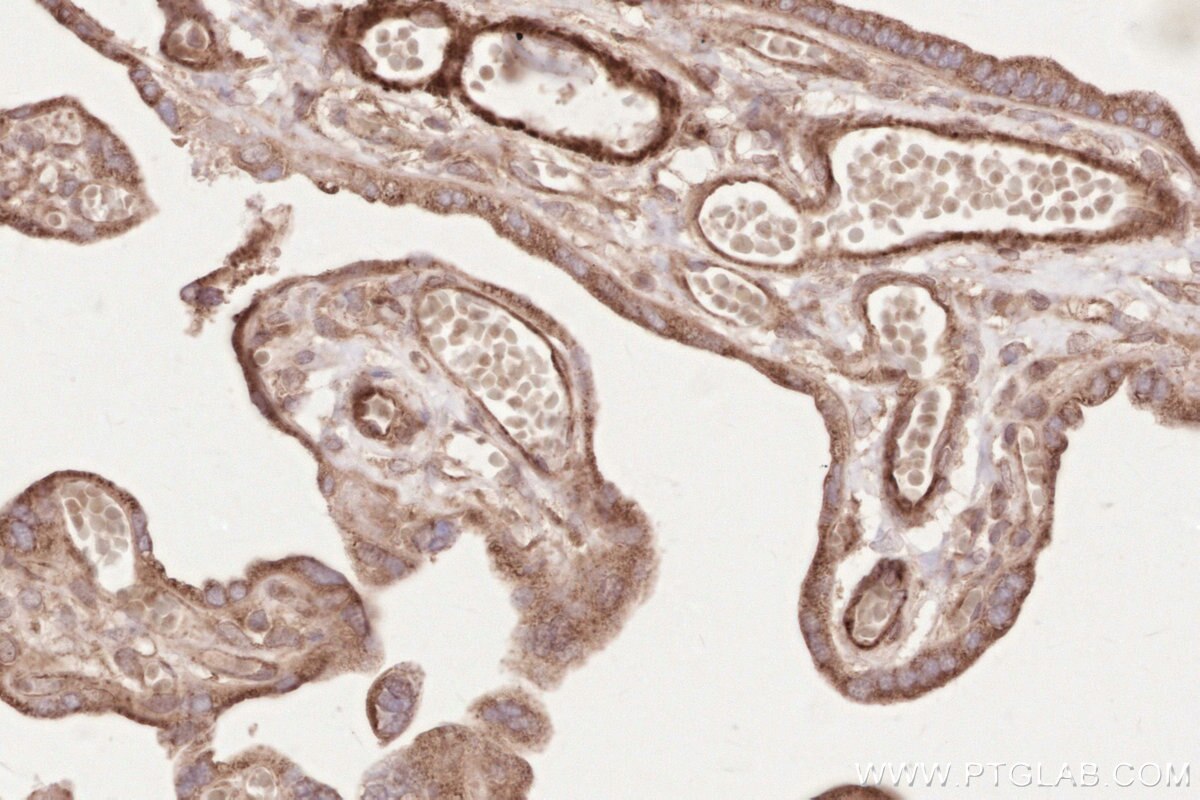
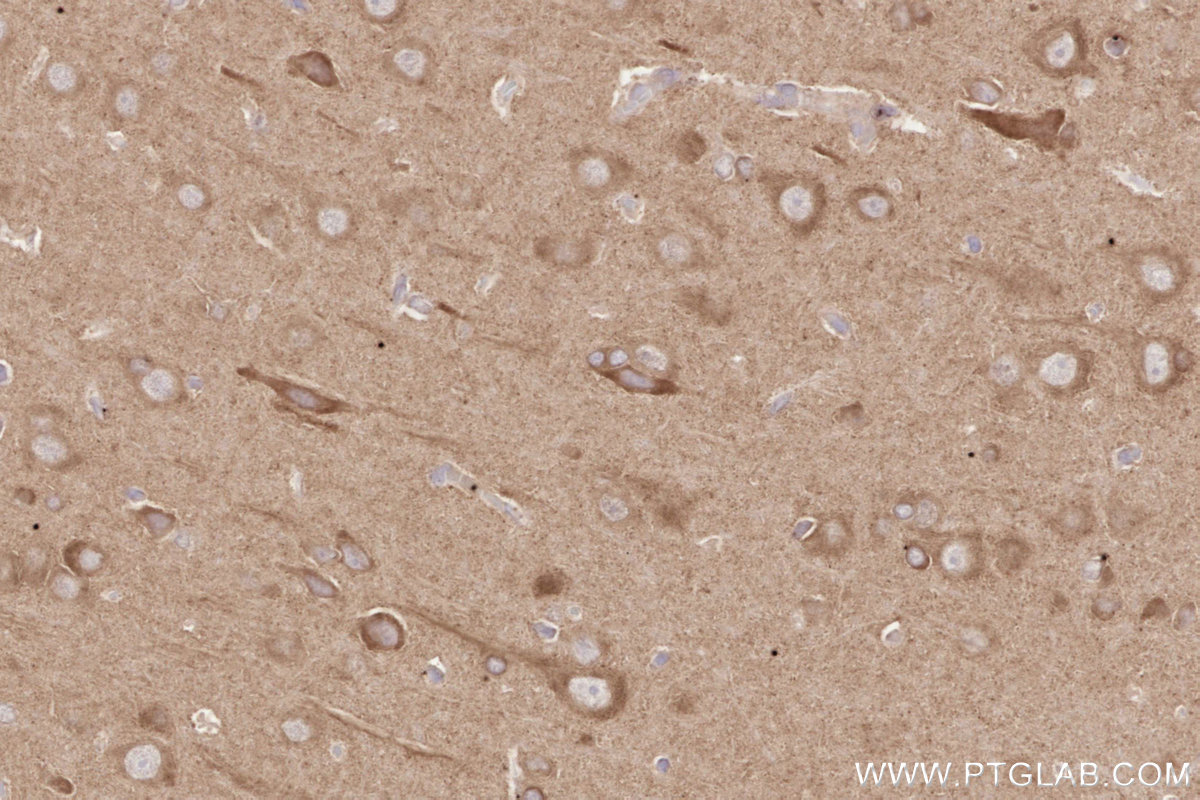
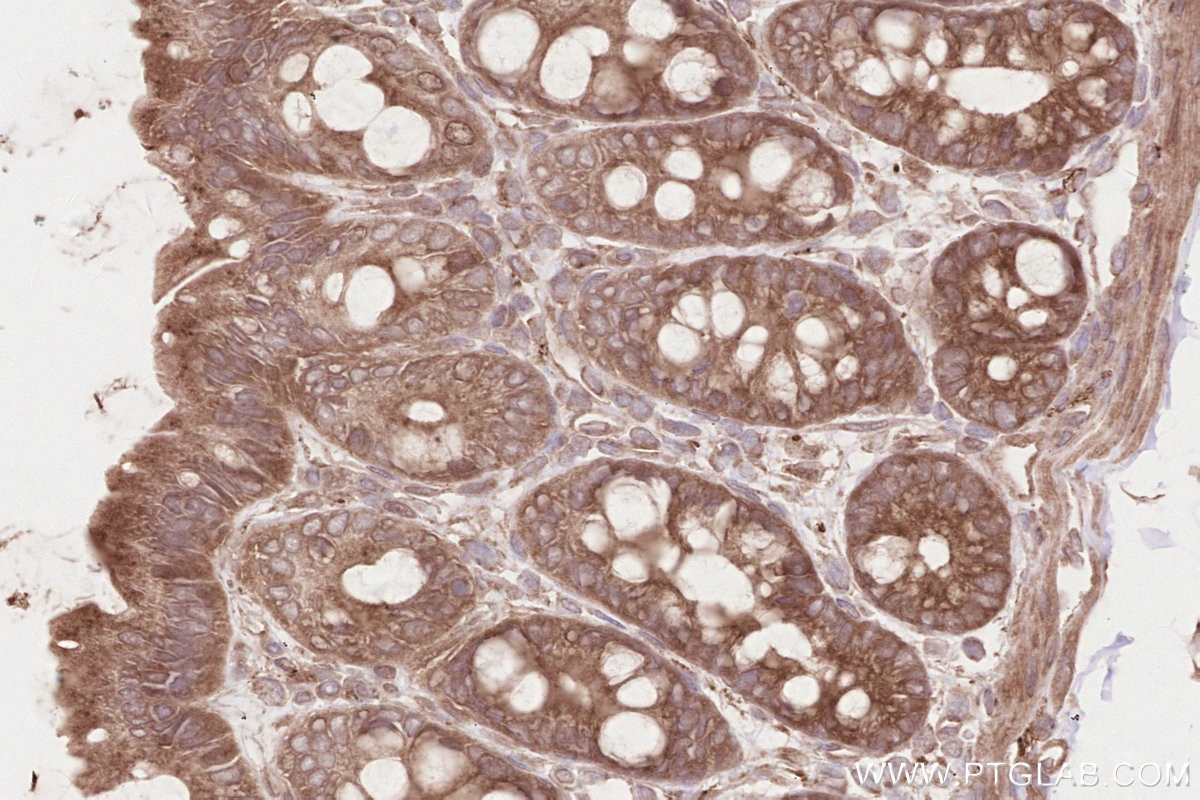
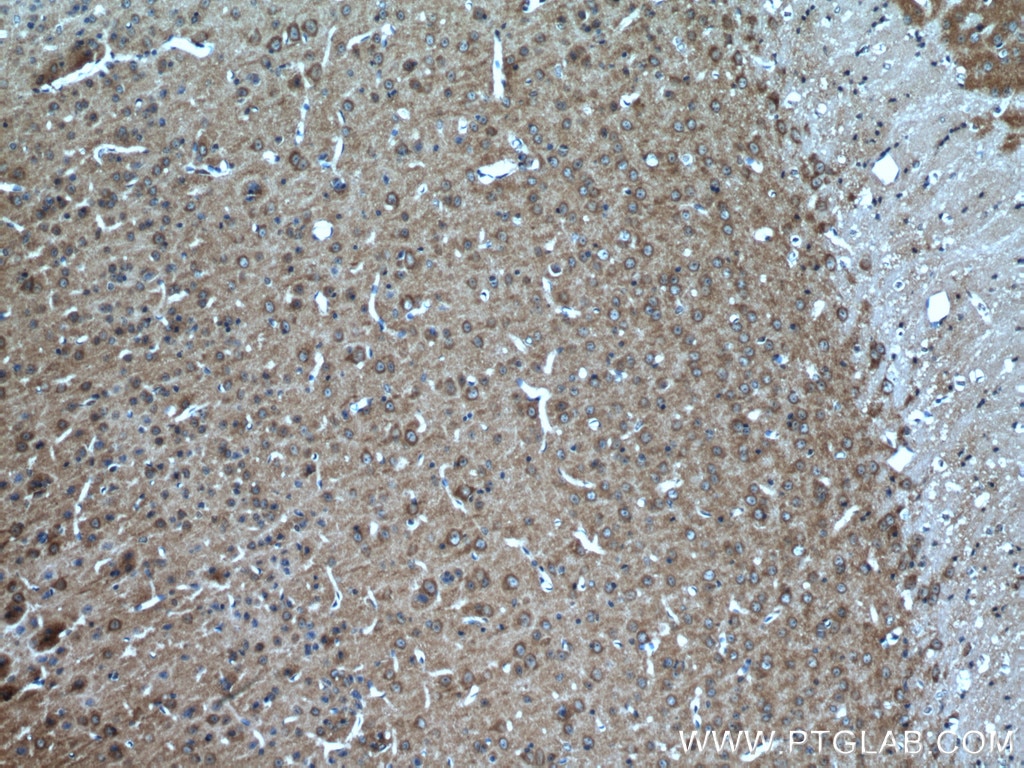
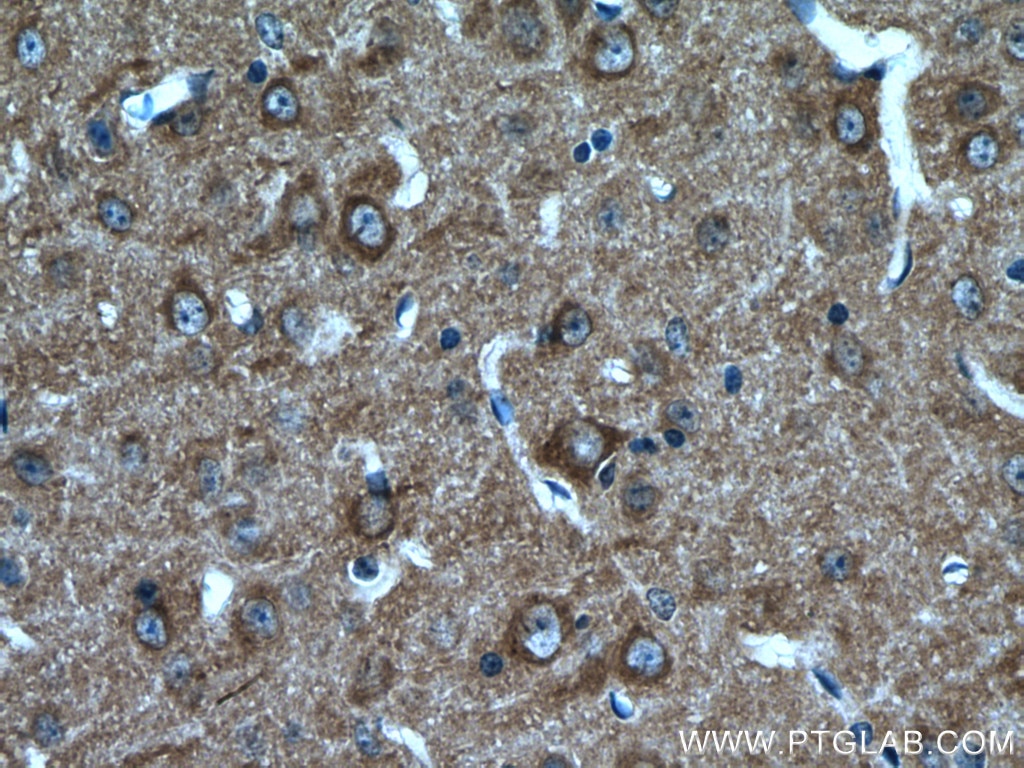
| Positive IHC detected in | human gliomas tissue, rat colon tissue, rat brain tissue, mouse brain tissue, human placenta tissue Note: suggested antigen retrieval with TE buffer pH 9.0; (*) Alternatively, antigen retrieval may be performed with citrate buffer pH 6.0 |
Recommended dilution
| Application | Dilution |
|---|---|
| Western Blot (WB) | WB : 1:500-1:3000 |
| Immunoprecipitation (IP) | IP : 0.5-4.0 ug for 1.0-3.0 mg of total protein lysate |
| Immunohistochemistry (IHC) | IHC : 1:50-1:500 |
| It is recommended that this reagent should be titrated in each testing system to obtain optimal results. | |
| Sample-dependent, Check data in validation data gallery. | |
Product Information
14649-1-AP targets SH3RF1/POSH in WB, IHC, IF, IP, CoIP, ELISA applications and shows reactivity with human, mouse, rat samples.
| Tested Reactivity | human, mouse, rat |
| Cited Reactivity | human, mouse, drosophila |
| Host / Isotype | Rabbit / IgG |
| Class | Polyclonal |
| Type | Antibody |
| Immunogen |
CatNo: Ag6243 Product name: Recombinant human SH3RF1 protein Source: e coli.-derived, PGEX-4T Tag: GST Domain: 696-1056 aa of BC053671 Sequence: VTMVSPSTAGGPAQKLQGNGVAGSPSVVPAAVVSAAHIQTSPQAKVLLHMTGQMTVNQARNAVRTVAAHNQERPTAAVTPIQVQNAAGLSPASVGLSHHSLASPQPAPLMPGSATHTAAISISRASAPLACAAAAPLTSPSITSASLEAEPSGRIVTVLPGLPTSPDSASSACGNSSATKPDKDSKKEKKGLLKLLSGASTKRKPRVSPPASPTLEVELGSAELPLQGAVGPELPPGGGHGRAGSCPVDGDGPVTTAVAGAALAQDAFHRKASSLDSAVPIAPPPRQACSSLGPVLNESRPVVCERHRVVVSYPPQSEAELELKEGDIVFVHKKREDGWFKGTLQRNGKTGLFPGSFVENI Predict reactive species |
| Full Name | SH3 domain containing ring finger 1 |
| Calculated Molecular Weight | 93 kDa |
| Observed Molecular Weight | 93-100 kDa |
| GenBank Accession Number | BC053671 |
| Gene Symbol | SH3RF1/POSH |
| Gene ID (NCBI) | 57630 |
| RRID | AB_2187290 |
| Conjugate | Unconjugated |
| Form | Liquid |
| Purification Method | Antigen affinity purification |
| UNIPROT ID | Q7Z6J0 |
| Storage Buffer | PBS with 0.02% sodium azide and 50% glycerol, pH 7.3. |
| Storage Conditions | Store at -20°C. Stable for one year after shipment. Aliquoting is unnecessary for -20oC storage. 20ul sizes contain 0.1% BSA. |
Background Information
POSH (plenty of SH3 domains) is a multidomain GTP-Rac1-interacting protein that acts as a scaffold for JNK activation, leading to apoptosis in neuronal and non-neuronal cells. It consists a RING-finger domain that possesses ubiquitin-ligase activity and four SH3 domains.
Protocols
| Product Specific Protocols | |
|---|---|
| IHC protocol for SH3RF1/POSH antibody 14649-1-AP | Download protocol |
| IP protocol for SH3RF1/POSH antibody 14649-1-AP | Download protocol |
| WB protocol for SH3RF1/POSH antibody 14649-1-AP | Download protocol |
| Standard Protocols | |
|---|---|
| Click here to view our Standard Protocols |
Publications
What published studies show
Anti-POSH (SH3RF1) antibody, catalog #14649-1-AP, has 8 total citations published in journals including Cell Reports, Journal of Cell Biology, Human Molecular Genetics, International Journal of Biological Macromolecules, International Journal of Molecular Sciences, Expert Opinion on Therapeutic Targets, Scientific Reports, and iScience. Research fields span virology, synaptic biology, epilepsy, frontotemporal dementia, autism spectrum disorder, and diabetic cognitive dysfunction.
| Species | Application | Title |
|---|---|---|
Int J Biol Macromol Snakehead vesiculovirus hijacks SH3RF1 for replication via mediating K63-linked ubiquitination at K264 of the phosphoprotein | ||
Cell Rep POSH regulates assembly of the NMDAR/PSD-95/Shank complex and synaptic function. | ||
J Cell Biol Rab8, POSH, and TAK1 regulate synaptic growth in a Drosophila model of frontotemporal dementia. | ||
Int J Mol Sci Dual Leucine Zipper Kinase Is Constitutively Active in the Adult Mouse Brain and Has Both Stress-Induced and Homeostatic Functions. | ||
Expert Opin Ther Targets POSH participates in epileptogenesis by increasing the surface expression of the NMDA receptor: a promising therapeutic target for epilepsy.
| ||
Sci Rep Identification of common biomarkers in diabetic kidney disease and cognitive dysfunction using machine learning algorithms |














