
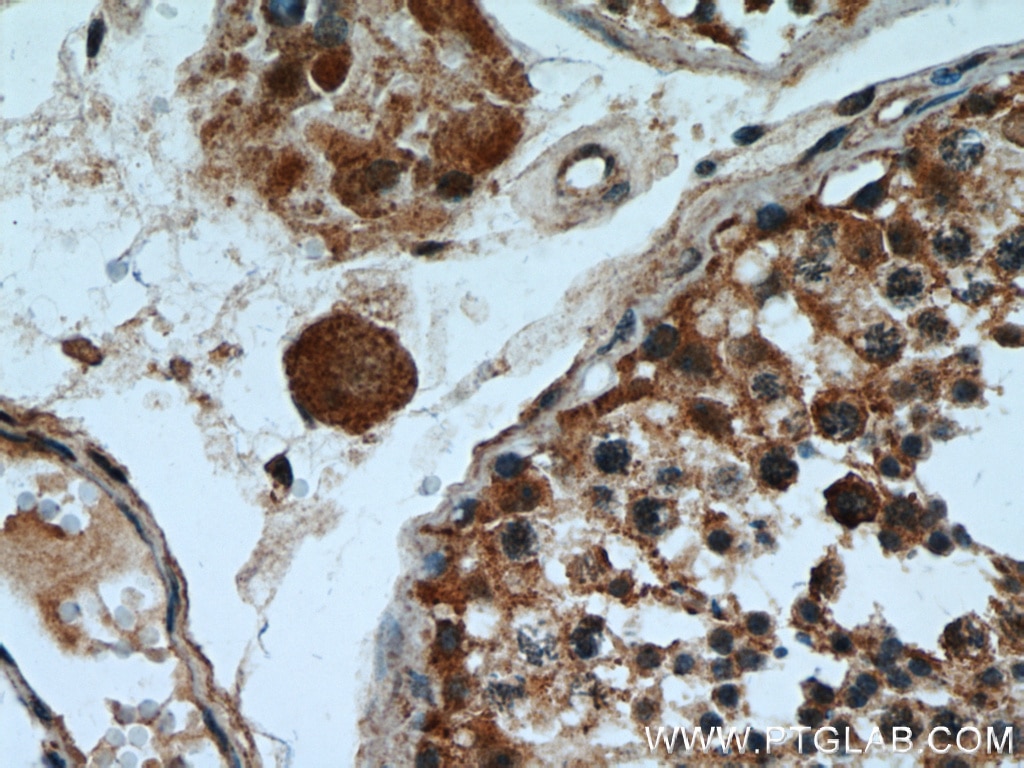

Tested Applications
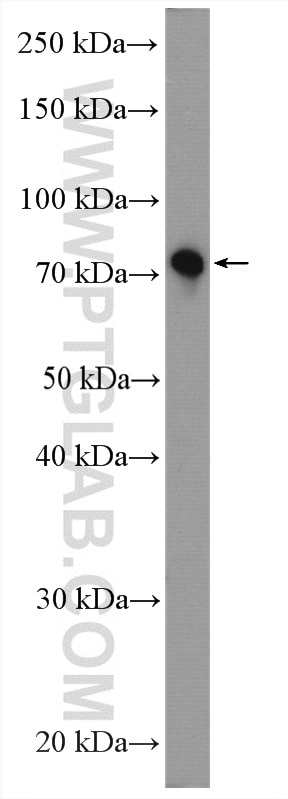
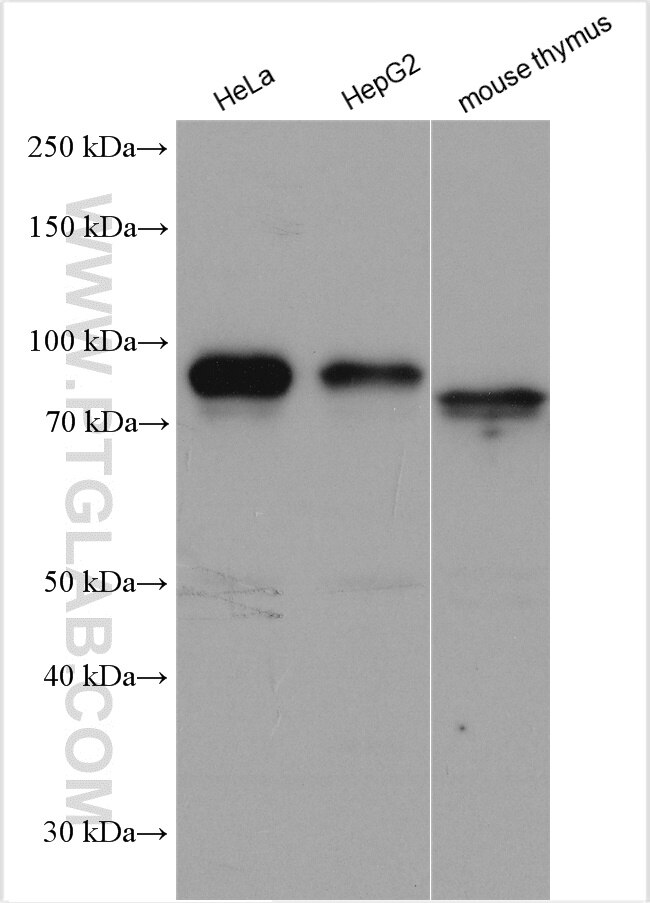
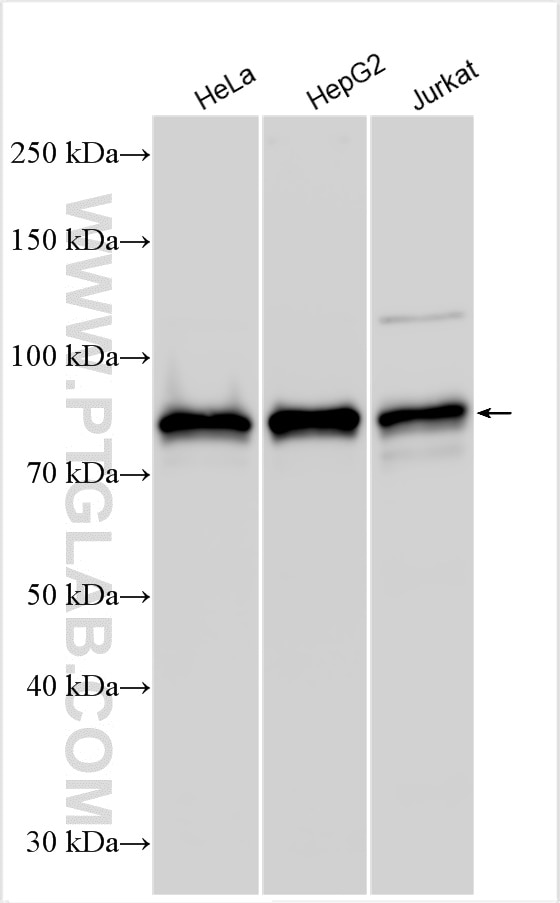
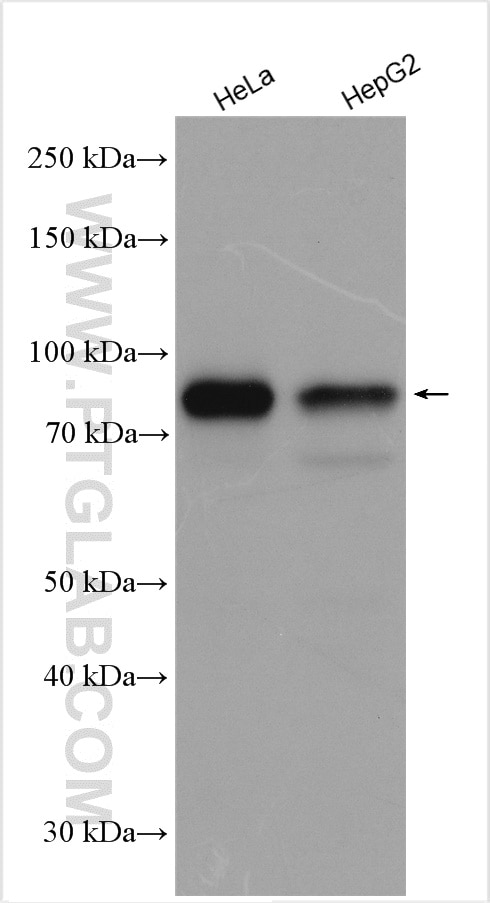
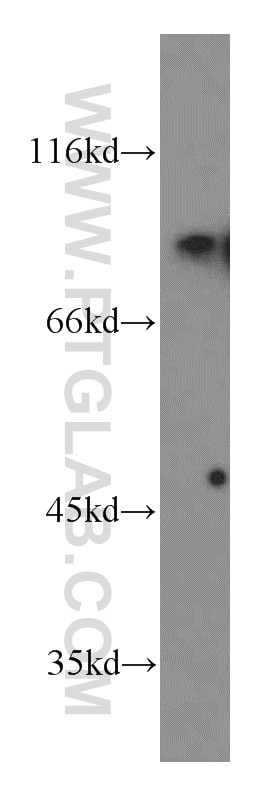
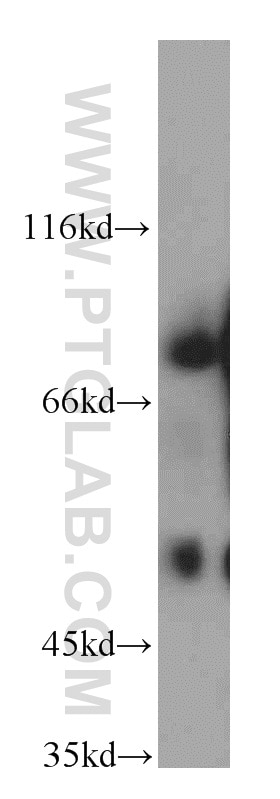
| Positive WB detected in | HeLa cells, Jurkat cells, Sp2/0 cells, Neuro-2a cells, HepG2 cells, mouse thymus tissue |
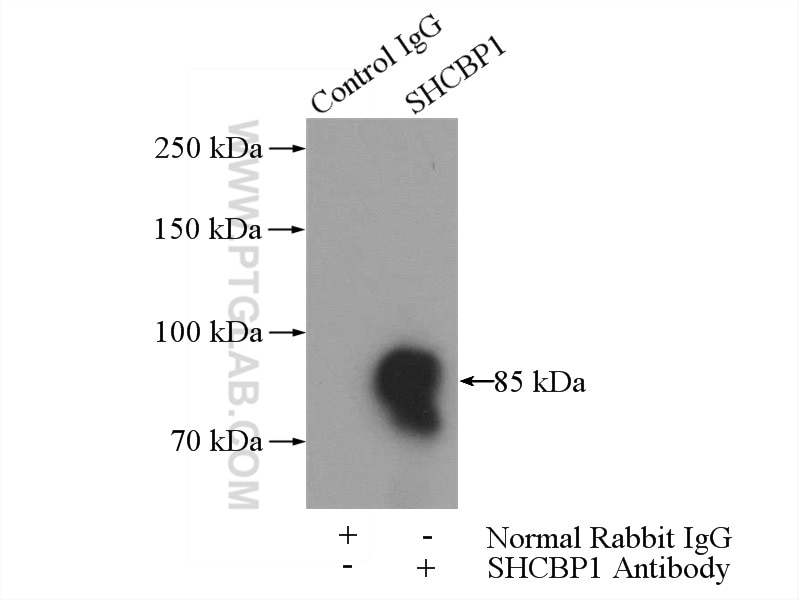
| Positive IP detected in | Jurkat cells |
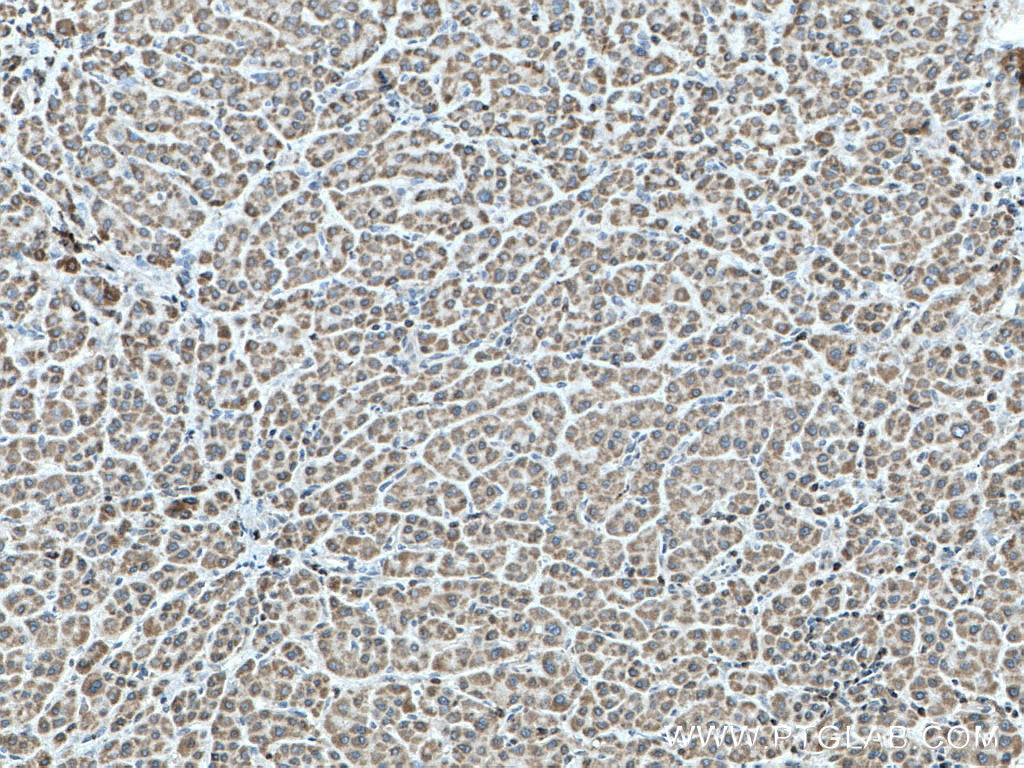
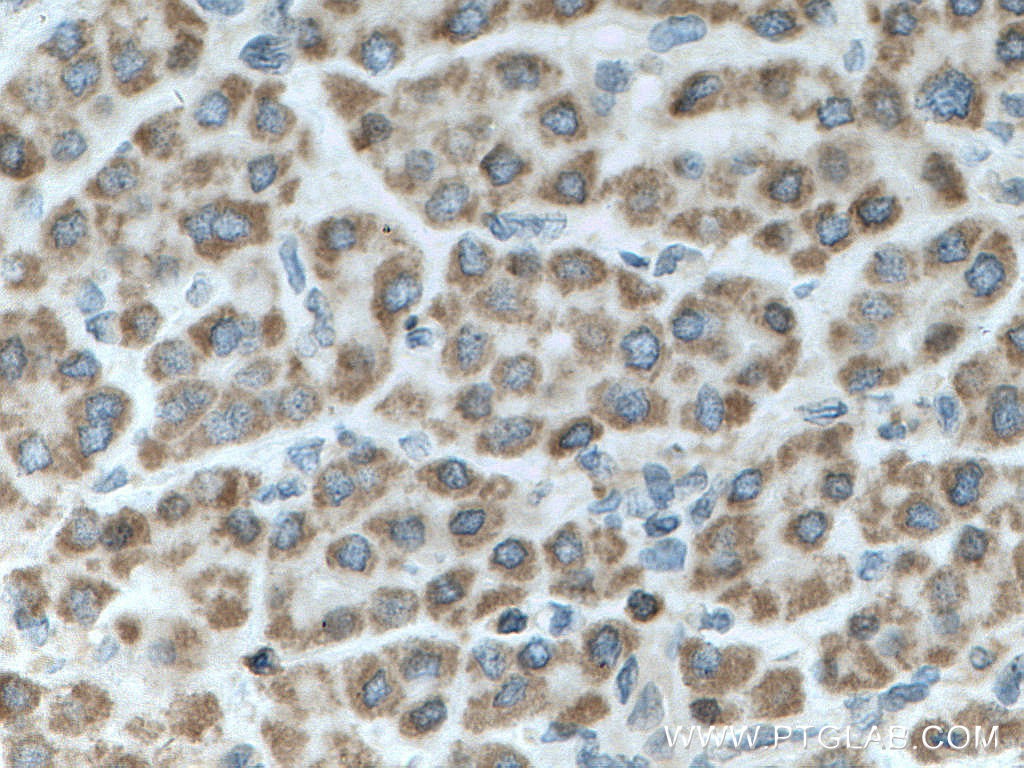
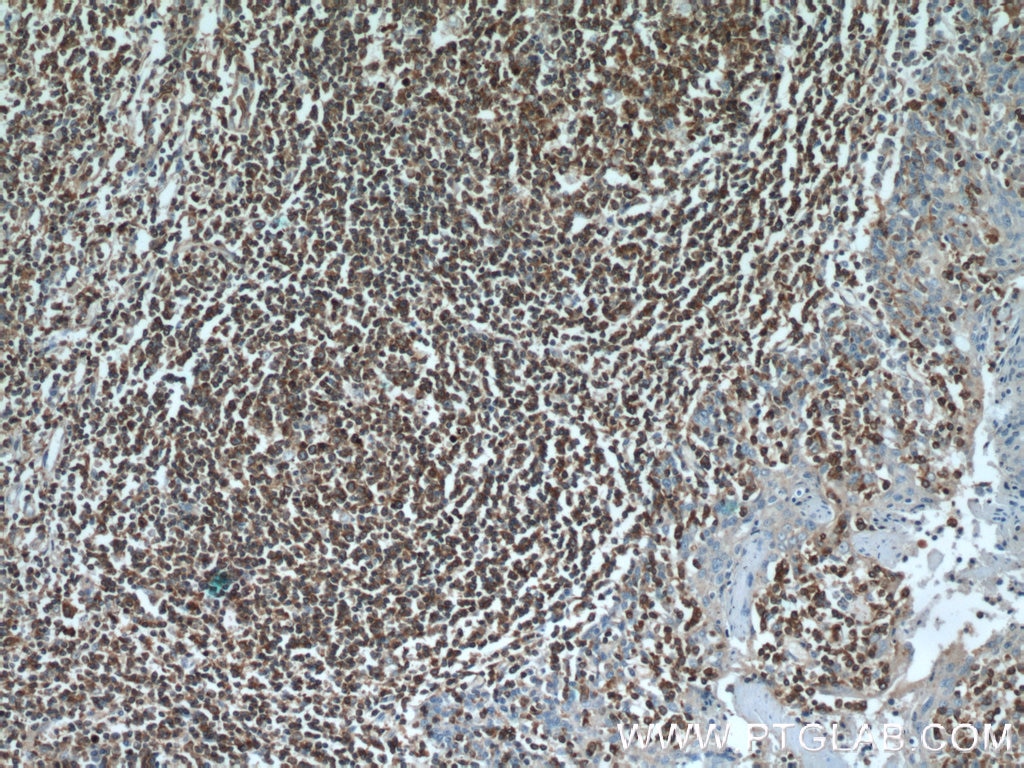
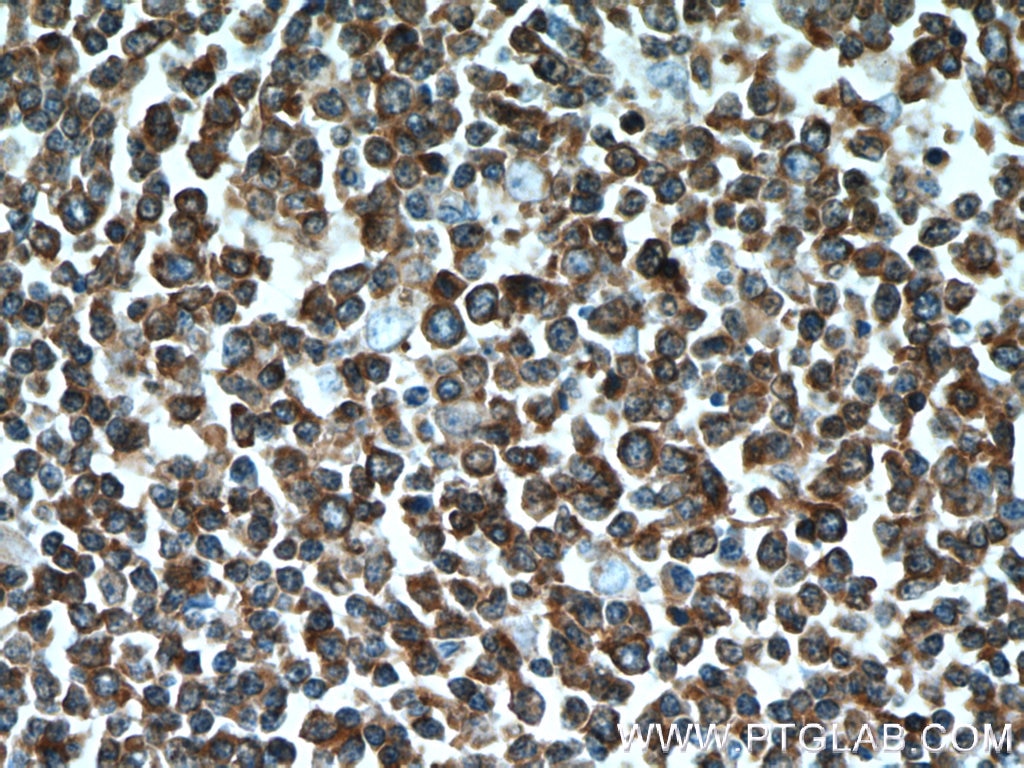
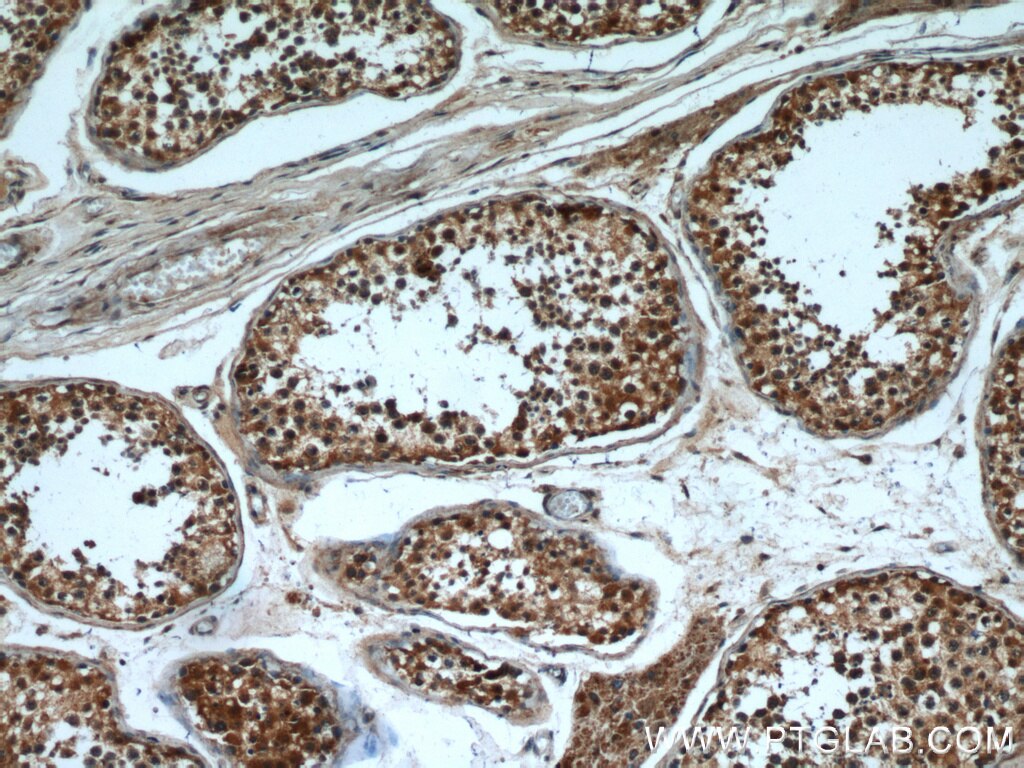
| Positive IHC detected in | human liver cancer tissue, human tonsillitis tissue, human testis tissue Note: suggested antigen retrieval with TE buffer pH 9.0; (*) Alternatively, antigen retrieval may be performed with citrate buffer pH 6.0 |
Recommended dilution
| Application | Dilution |
|---|---|
| Western Blot (WB) | WB : 1:2000-1:10000 |
| Immunoprecipitation (IP) | IP : 0.5-4.0 ug for 1.0-3.0 mg of total protein lysate |
| Immunohistochemistry (IHC) | IHC : 1:50-1:500 |
| It is recommended that this reagent should be titrated in each testing system to obtain optimal results. | |
| Sample-dependent, Check data in validation data gallery. | |
Product Information
12672-1-AP targets SHCBP1 in WB, IHC, IF, IP, CoIP, ELISA applications and shows reactivity with human, mouse samples.
| Tested Reactivity | human, mouse |
| Cited Reactivity | human, mouse, canine |
| Host / Isotype | Rabbit / IgG |
| Class | Polyclonal |
| Type | Antibody |
| Immunogen |
CatNo: Ag3355 Product name: Recombinant human SHCBP1 protein Source: e coli.-derived, PGEX-4T Tag: GST Domain: 374-672 aa of BC030699 Sequence: NACFEGDTVIVCPGHYVVHGTFSIADSIELEGYGLPDDIVIEKRGKGDTFVDCTGADIKISGIKFVQHDAVEGILIVHRGKTTLENCVLQCETTGVTVRTSAEFLMKNSDLYGAKGAGIEIYPGSQCTLSDNGIHHCKEGILIKDFLDEHYDIPKISMVNNIIHNNEGYGVVLVKPTIFSDLQESAEDGTEENKALKIQTSGEPDVAERVDLEELIECATGKMELCARTDPSEQVEGNCEIVNELIAASTQKGQIKKKRLSELGITQADDNLMSQEMFVGIVGNQFKWNGKGSFGTFLF Predict reactive species |
| Full Name | SHC SH2-domain binding protein 1 |
| Calculated Molecular Weight | 672 aa, 76 kDa |
| Observed Molecular Weight | 75-85 kDa |
| GenBank Accession Number | BC030699 |
| Gene Symbol | SHCBP1 |
| Gene ID (NCBI) | 79801 |
| RRID | AB_10639526 |
| Conjugate | Unconjugated |
| Form | Liquid |
| Purification Method | Antigen affinity purification |
| UNIPROT ID | Q8NEM2 |
| Storage Buffer | PBS with 0.02% sodium azide and 50% glycerol, pH 7.3. |
| Storage Conditions | Store at -20°C. Stable for one year after shipment. Aliquoting is unnecessary for -20oC storage. 20ul sizes contain 0.1% BSA. |
Background Information
SHCBP1 was initially identified as a potential gene associated with cell proliferation in fibroblasts. SHCBP1 exerts a crucial physiological function in normal tissue development. Chen et al. showed that SHCBP1 is an essential component of FGF signaling in neural progenitor cells. SHCBP1 is also upregulated during T cell proliferation and regulates CD4+ T cell effector function in vivo. Recently, SHCBP1 was shown to be closely associated with cancer development.
Protocols
| Product Specific Protocols | |
|---|---|
| IHC protocol for SHCBP1 antibody 12672-1-AP | Download protocol |
| IP protocol for SHCBP1 antibody 12672-1-AP | Download protocol |
| WB protocol for SHCBP1 antibody 12672-1-AP | Download protocol |
| Standard Protocols | |
|---|---|
| Click here to view our Standard Protocols |
Publications
What published studies show
The anti-SHCBP1 antibody (Cat# 12672-1-AP) has 20 citations. These appear in journals including Cancer Research, Nature Neuroscience, Molecular Cell, Journal of Experimental & Clinical Cancer Research, MedComm, Apoptosis, FEBS Journal, Journal of Virology, Genomics, Molecular Carcinogenesis, Frontiers in Oncology, and others. Research fields span oncology (tumor progression, metastasis, drug resistance), neurobiology, virology, immunology, and pharmacology.
| Species | Application | Title |
|---|---|---|
Cancer Res Targeting SHCBP1 Inhibits Tumor Progression by Restoring Ciliogenesis in Ductal Carcinoma | ||
Nat Neurosci Impaired neurogenesis alters brain biomechanics in a neuroprogenitor-based genetic subtype of congenital hydrocephalus. | ||
Mol Cell An interactome-based framework for DDB1- and CUL4-associated factor prioritization in targeted protein degradation. | ||
J Exp Clin Cancer Res SHCBP1 promotes synovial sarcoma cell metastasis via targeting TGF-β1/Smad signaling pathway and is associated with poor prognosis.
| ||
MedComm (2020) SHCBP1 is a novel regulator of PLK1 phosphorylation and promotes prostate cancer bone metastasis
| ||
Apoptosis SHCBP1 promotes cisplatin resistance of ovarian cancer through AKT/mTOR/Autophagy pathway
|














