
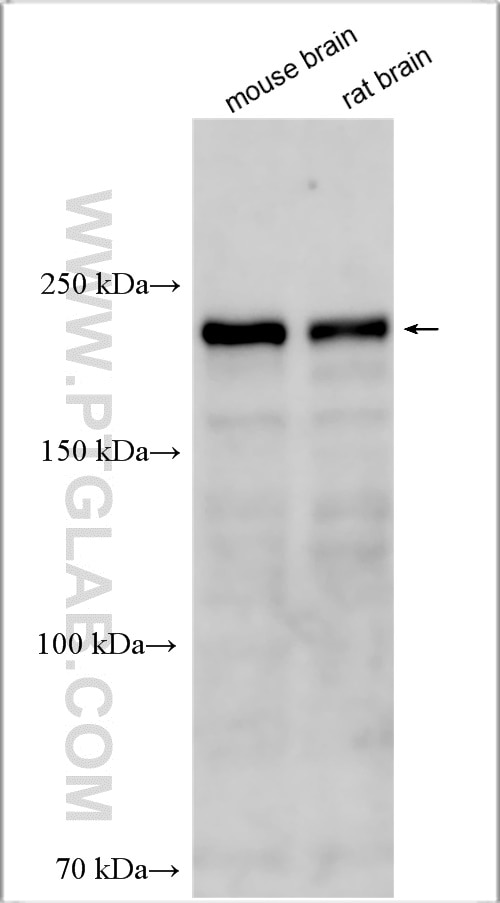
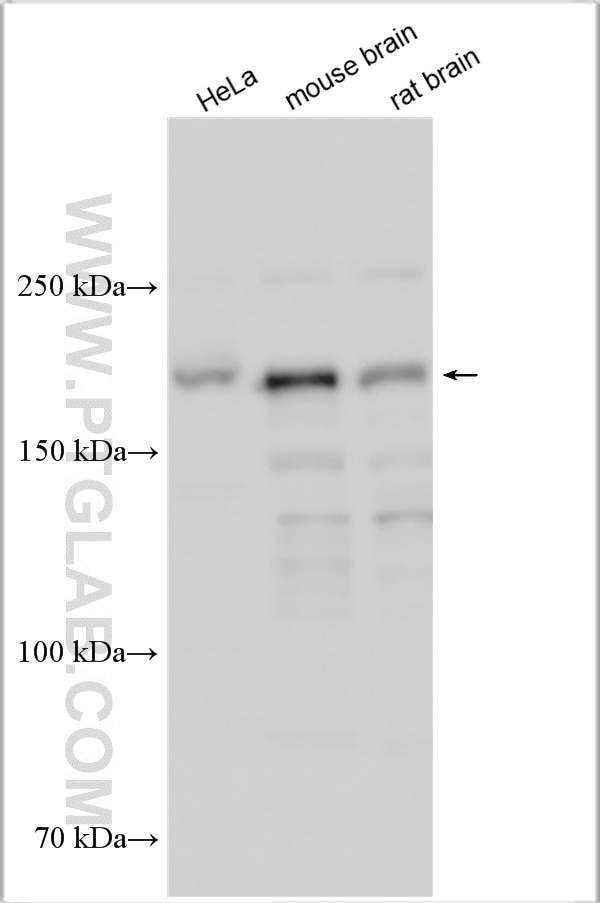
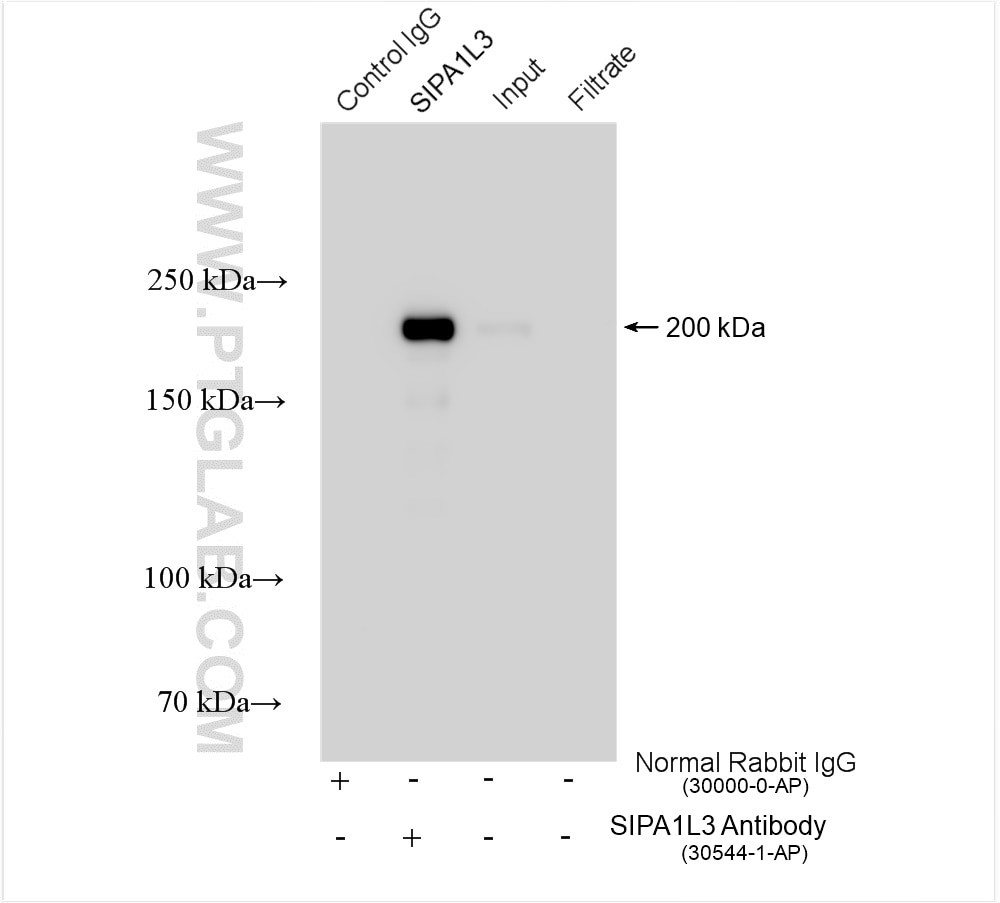
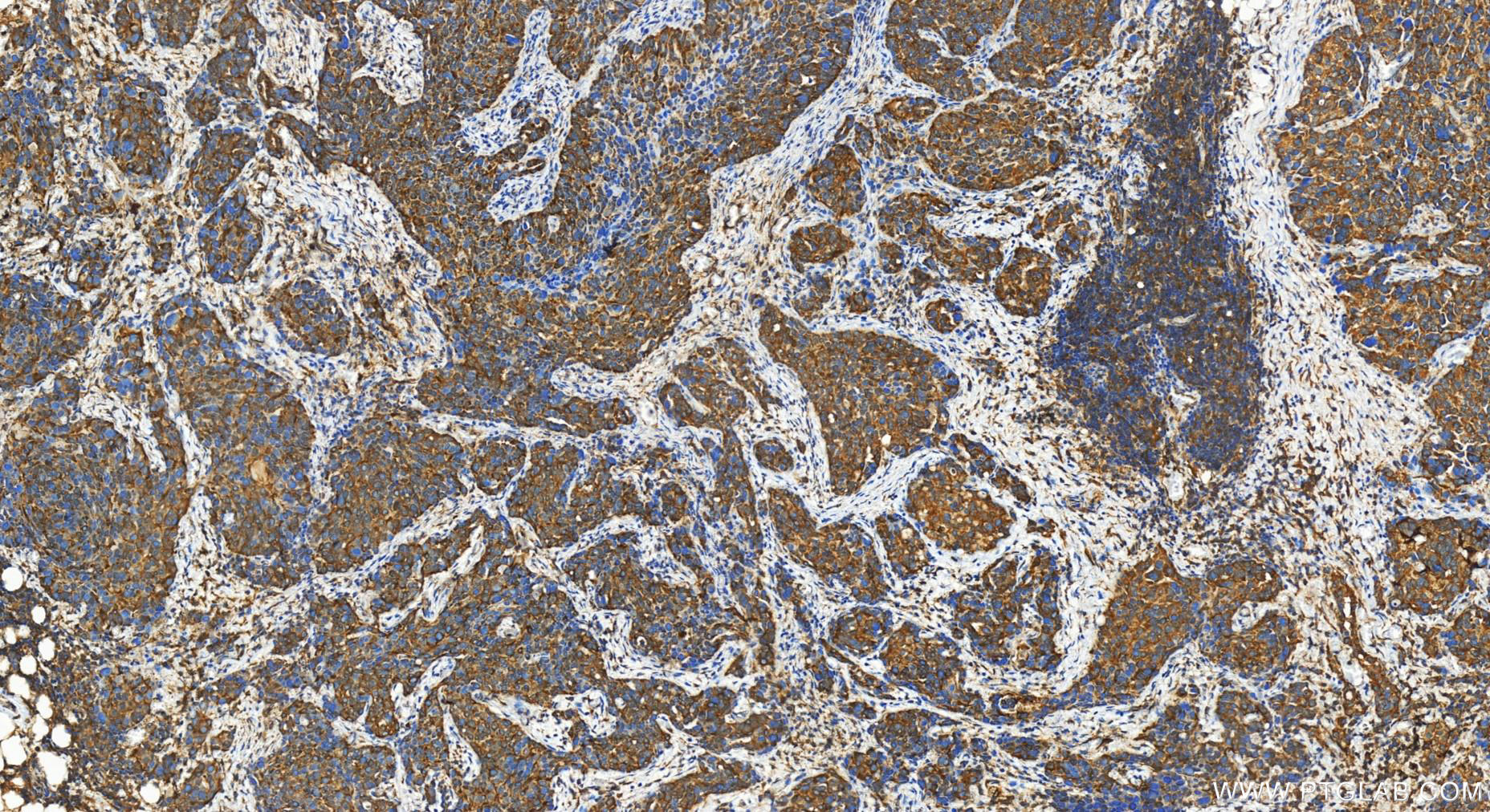

Tested Applications
| Positive WB detected in | mouse brain tissue, HeLa cells, rat brain tissue |
| Positive IP detected in | HeLa cells |
| Positive IHC detected in | human ovary cancer tissue Note: suggested antigen retrieval with TE buffer pH 9.0; (*) Alternatively, antigen retrieval may be performed with citrate buffer pH 6.0 |
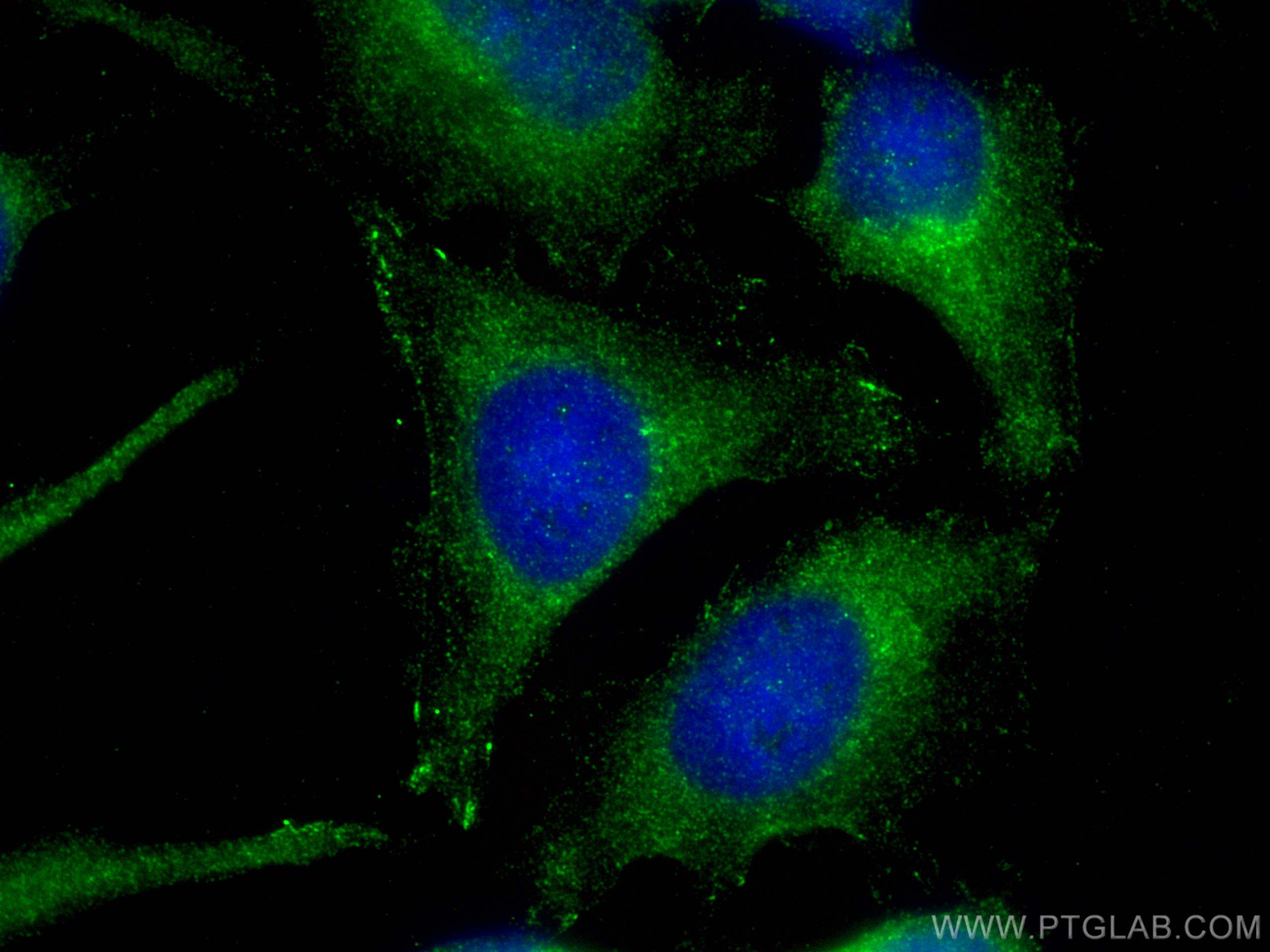
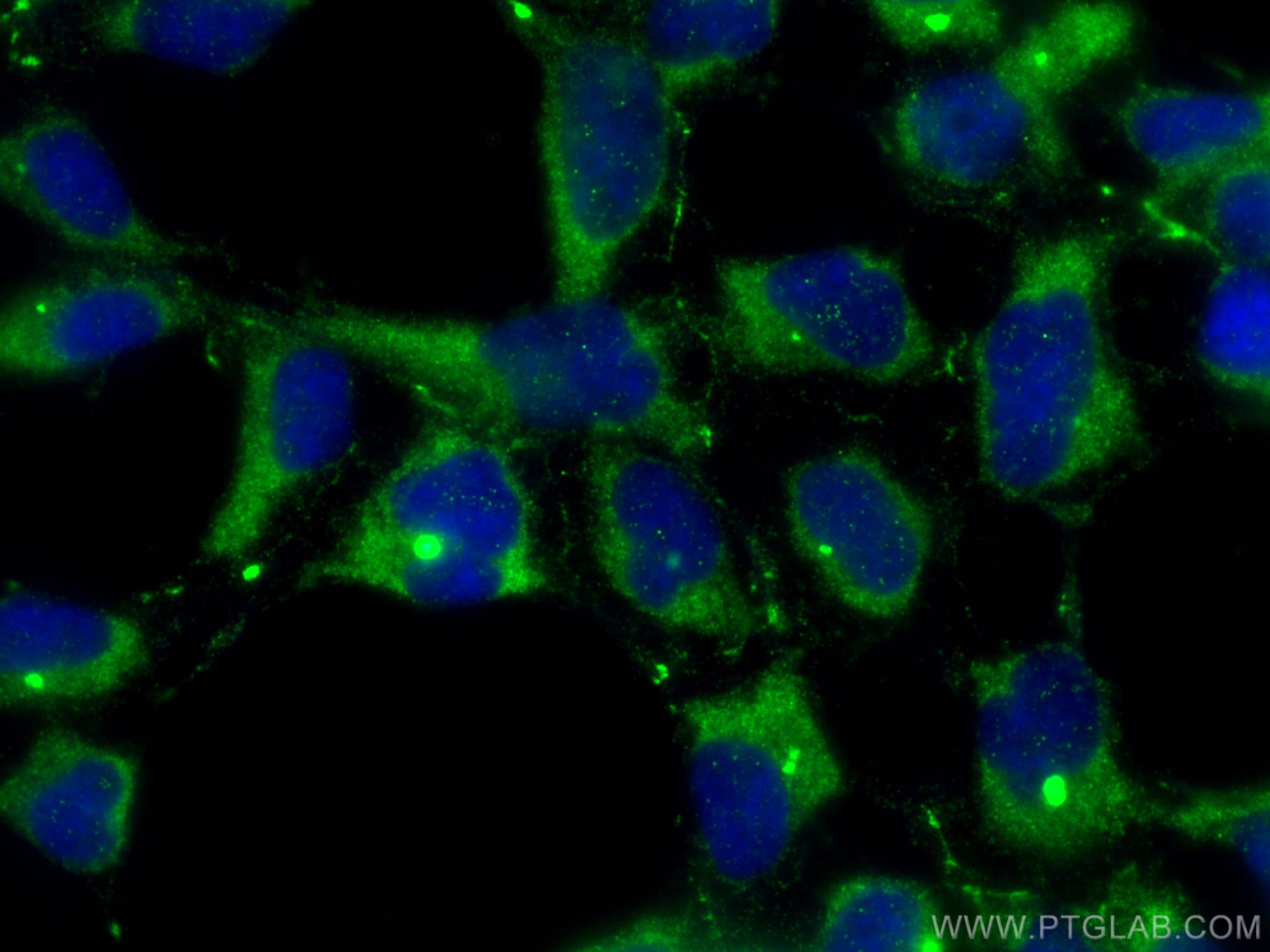
| Positive IF/ICC detected in | HeLa cells, HEK-293 cells |
Recommended dilution
| Application | Dilution |
|---|---|
| Western Blot (WB) | WB : 1:1000-1:6000 |
| Immunoprecipitation (IP) | IP : 0.5-4.0 ug for 1.0-3.0 mg of total protein lysate |
| Immunohistochemistry (IHC) | IHC : 1:50-1:500 |
| Immunofluorescence (IF)/ICC | IF/ICC : 1:50-1:500 |
| It is recommended that this reagent should be titrated in each testing system to obtain optimal results. | |
| Sample-dependent, Check data in validation data gallery. | |
Product Information
30544-1-AP targets SIPA1L3 in WB, IHC, IF/ICC, IP, ELISA applications and shows reactivity with human, mouse, rat samples.
| Tested Reactivity | human, mouse, rat |
| Cited Reactivity | human, mouse |
| Host / Isotype | Rabbit / IgG |
| Class | Polyclonal |
| Type | Antibody |
| Immunogen |
CatNo: Ag30750 Product name: Recombinant human SIPA1L3 protein Source: e coli.-derived, PGEX-4T Tag: GST Domain: 1-300 aa of BC150620 Sequence: MTTYRAIPSDGVDLAASCGARVGDVLPGPHTGDYAPLGFWAQNGSMSQPLGESPATATATATATTRPSPTTPAMPKMGVRARVADWPPKREALREHSNPSPSQDTDGTKATKMAHSMRSIQNGQPPTSTPASSGSKAFHRLSRRRSKDVEFQDGWPRSPGRAFLPLRHRSSSEITLSECDAEDAGEPRGARHTGALPLFREYGSTSSIDVQGMPEQSFFDILNEFRSEQPDARGCQALTELLRADPGPHLMGGGGGAKGDSHNGQPAKDSLLPLQPTKEKEKARKKPARGLGGGDTVDSS Predict reactive species |
| Full Name | signal-induced proliferation-associated 1 like 3 |
| Observed Molecular Weight | 195 kDa |
| GenBank Accession Number | BC150620 |
| Gene Symbol | SIPA1L3 |
| Gene ID (NCBI) | 23094 |
| RRID | AB_3086357 |
| Conjugate | Unconjugated |
| Form | Liquid |
| Purification Method | Antigen affinity purification |
| UNIPROT ID | O60292 |
| Storage Buffer | PBS with 0.02% sodium azide and 50% glycerol, pH 7.3. |
| Storage Conditions | Store at -20°C. Stable for one year after shipment. Aliquoting is unnecessary for -20oC storage. 20ul sizes contain 0.1% BSA. |
Background Information
STEAP3 (Signal-induced proliferation-associated 1-like protein 3) is also named as KIAA0545 and SPAL3. STEAP3 is a member of the STEAP family and is composed of a six-transmembrane domain at the COOH-terminal domain and a cytoplasmic N-terminal oxidoreductase domain, which is essential for iron and copper uptake (PMID:16227996). STEAP3 contains a functional p53-binding site in its promoter and can be upregulated following p53 activation to enhance cell death in myeloid leukemia cell line and breast cancer cells (PMID: 18617898). By interacting with Nix, a pro-apoptotic Bcl-2 family member, and Myt1 kinase, a negative regulator of the G2/M transition, STEAP3 overexpression promotes apoptosis and inhibits G2/M transition in cell cycle progression (PMID: 12606722, PMID: 10504341).
Protocols
| Product Specific Protocols | |
|---|---|
| IF protocol for SIPA1L3 antibody 30544-1-AP | Download protocol |
| IHC protocol for SIPA1L3 antibody 30544-1-AP | Download protocol |
| IP protocol for SIPA1L3 antibody 30544-1-AP | Download protocol |
| WB protocol for SIPA1L3 antibody 30544-1-AP | Download protocol |
| Standard Protocols | |
|---|---|
| Click here to view our Standard Protocols |
Publications
What published studies show
The SIPA1L3 Polyclonal antibody (Cat# 30544-1-AP) has 2 total citations. Both appear in bioRxiv and eLife, from the same research group (Tetenborg et al.). The studies focus on uncovering the electrical synapse proteome in retinal neurons using in vivo proximity labeling, placing the citations in the fields of neuroscience and retinal cell biology. Applications cited include WB, IP, IF, and IHC, with reactivity in human and mouse.
| Species | Application | Title |
|---|---|---|
Elife Uncovering the electrical synapse proteome in retinal neurons via in vivo proximity labeling. | ||
bioRxiv Uncovering the electrical synapse proteome in retinal neurons via in vivo proximity labeling |







