


Tested Applications
| Positive WB detected in | HEK-293 cells, HeLa cells, Jurkat cells, MCF-7 cells |
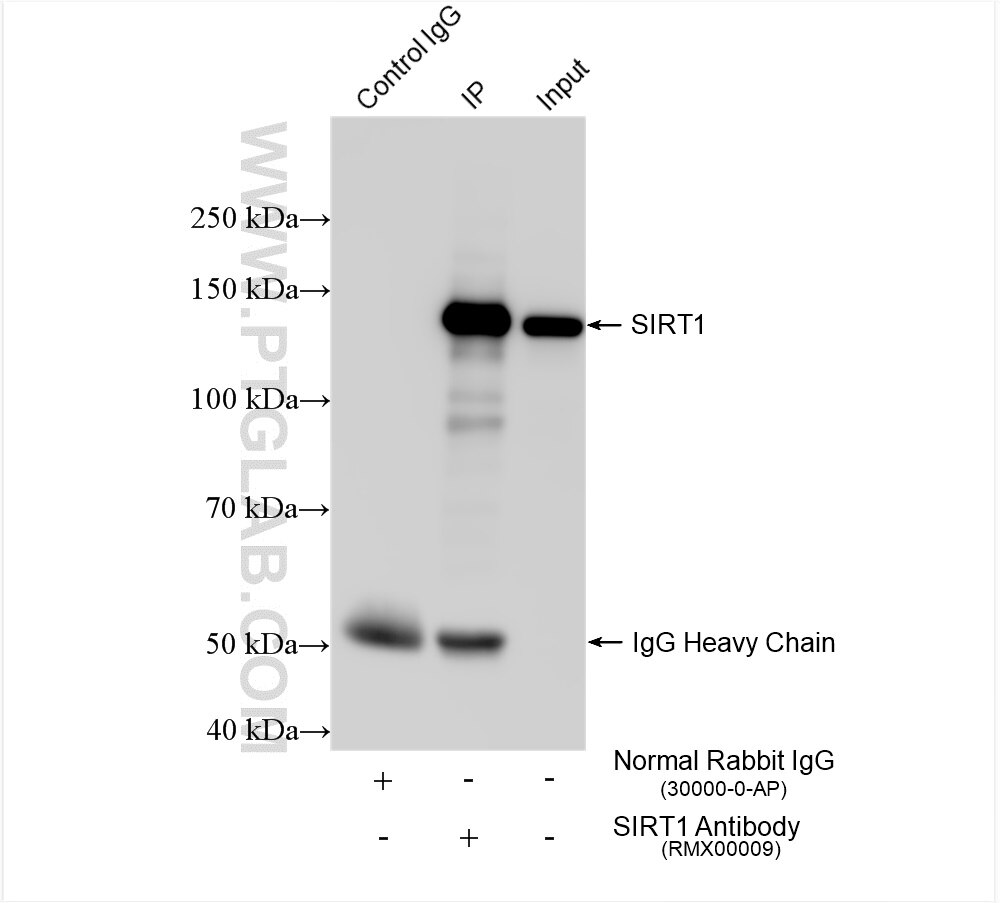
| Positive IP detected in | HeLa cells |
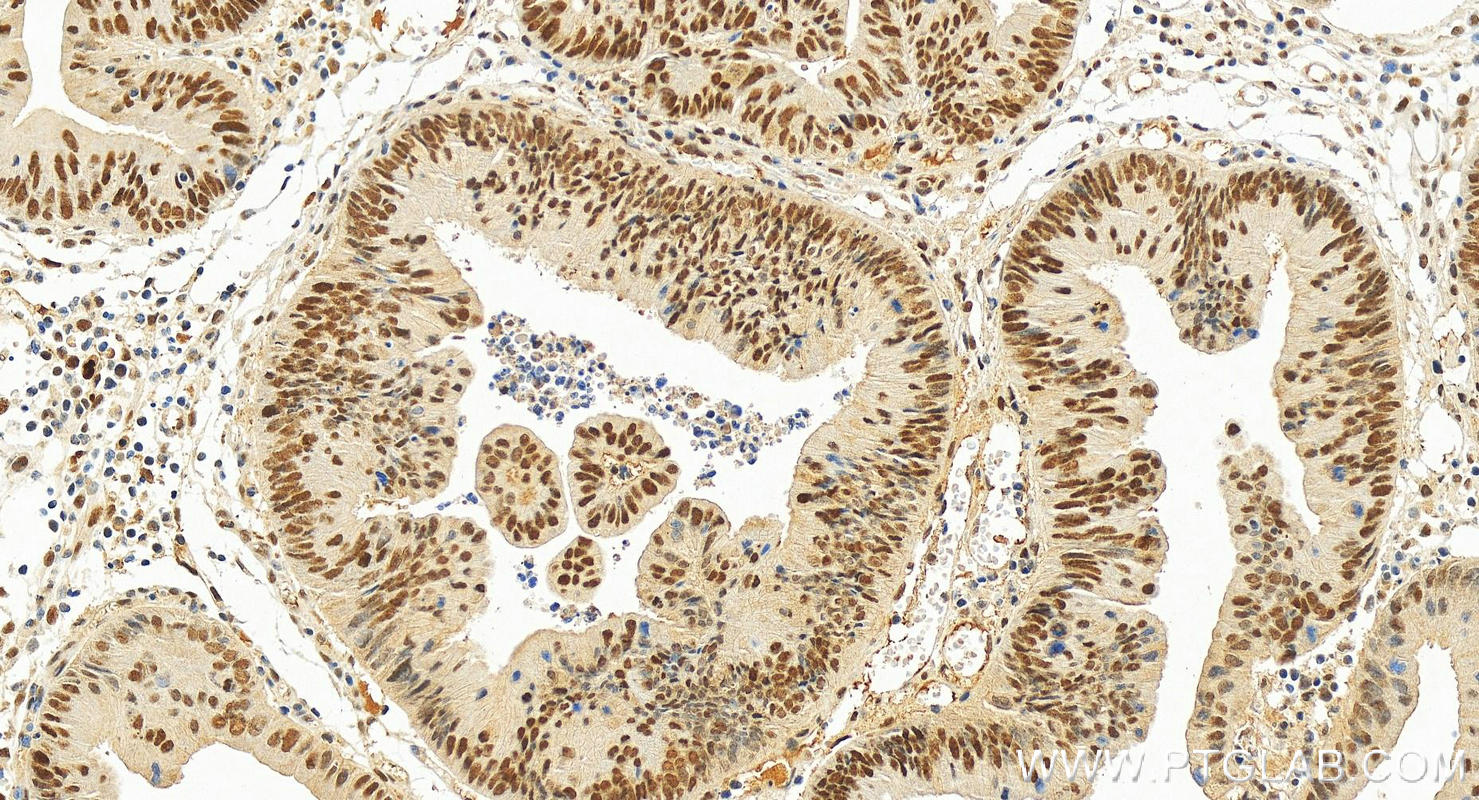
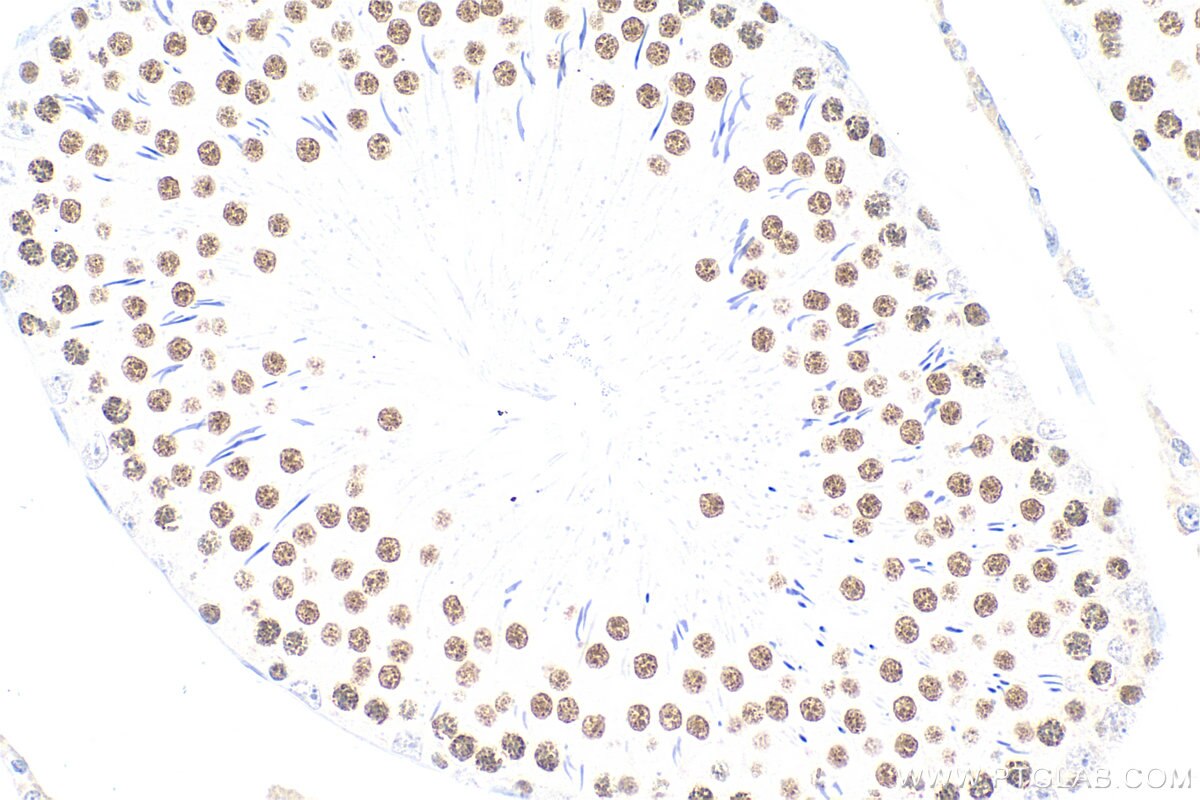
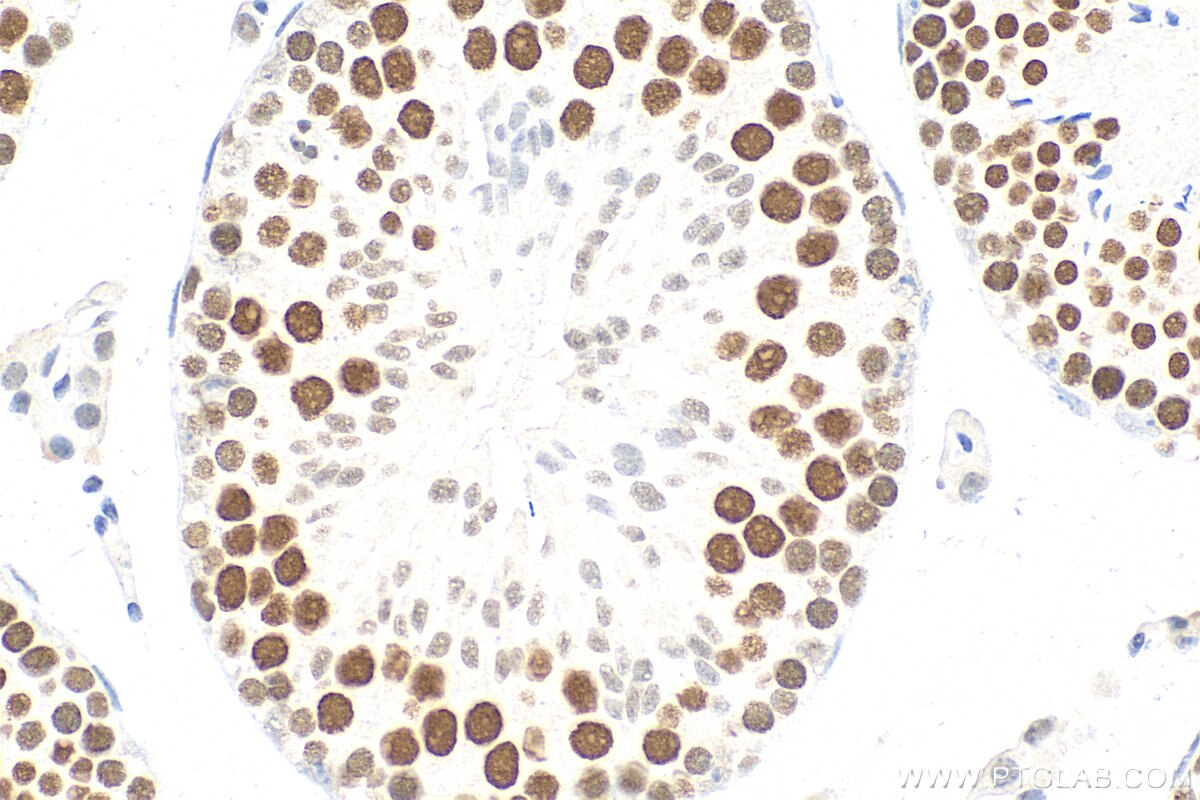
| Positive IHC detected in | human colon cancer tissue, mouse testis tissue, rat testis tissue Note: suggested antigen retrieval with TE buffer pH 9.0; (*) Alternatively, antigen retrieval may be performed with citrate buffer pH 6.0 |
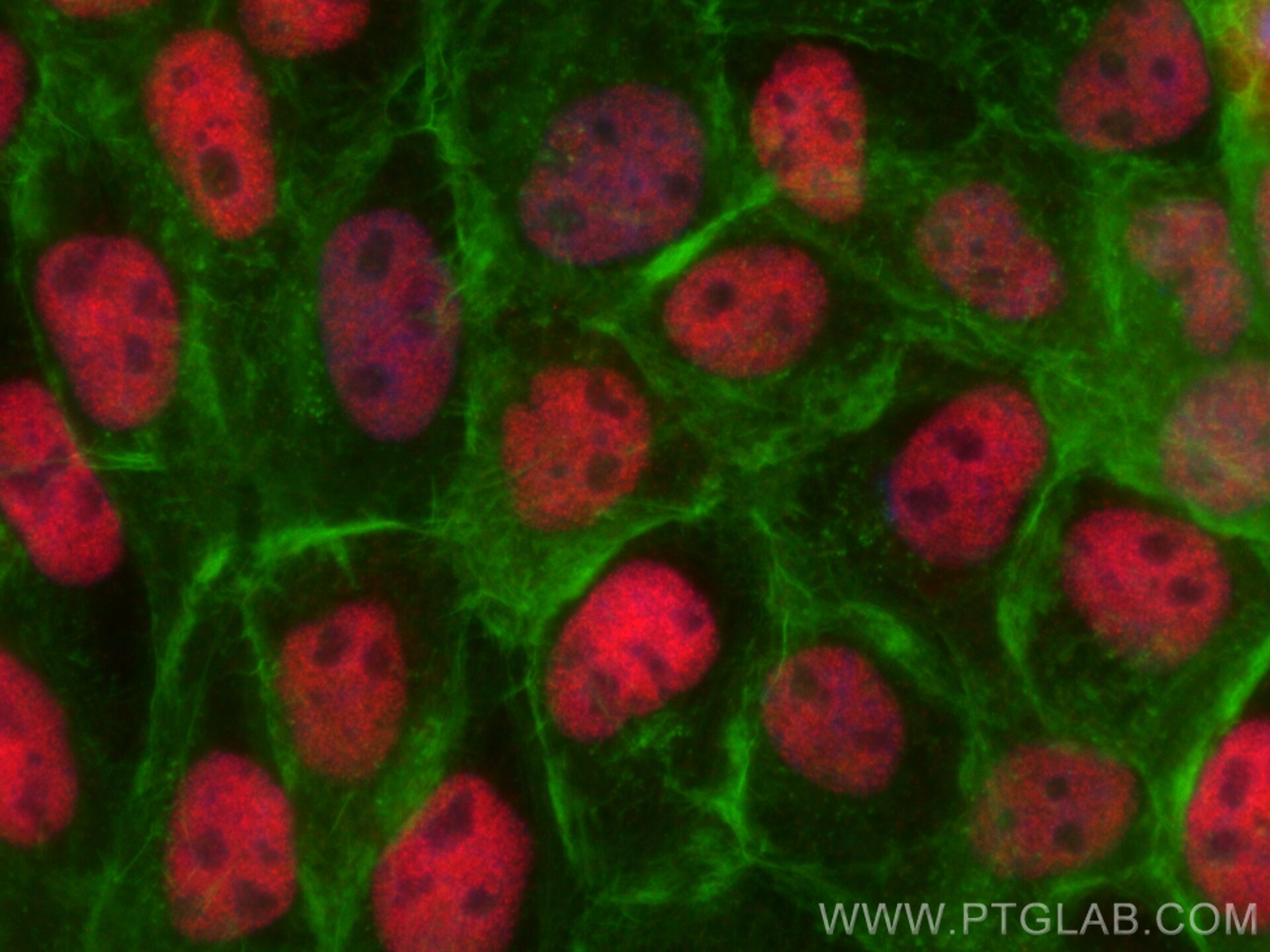
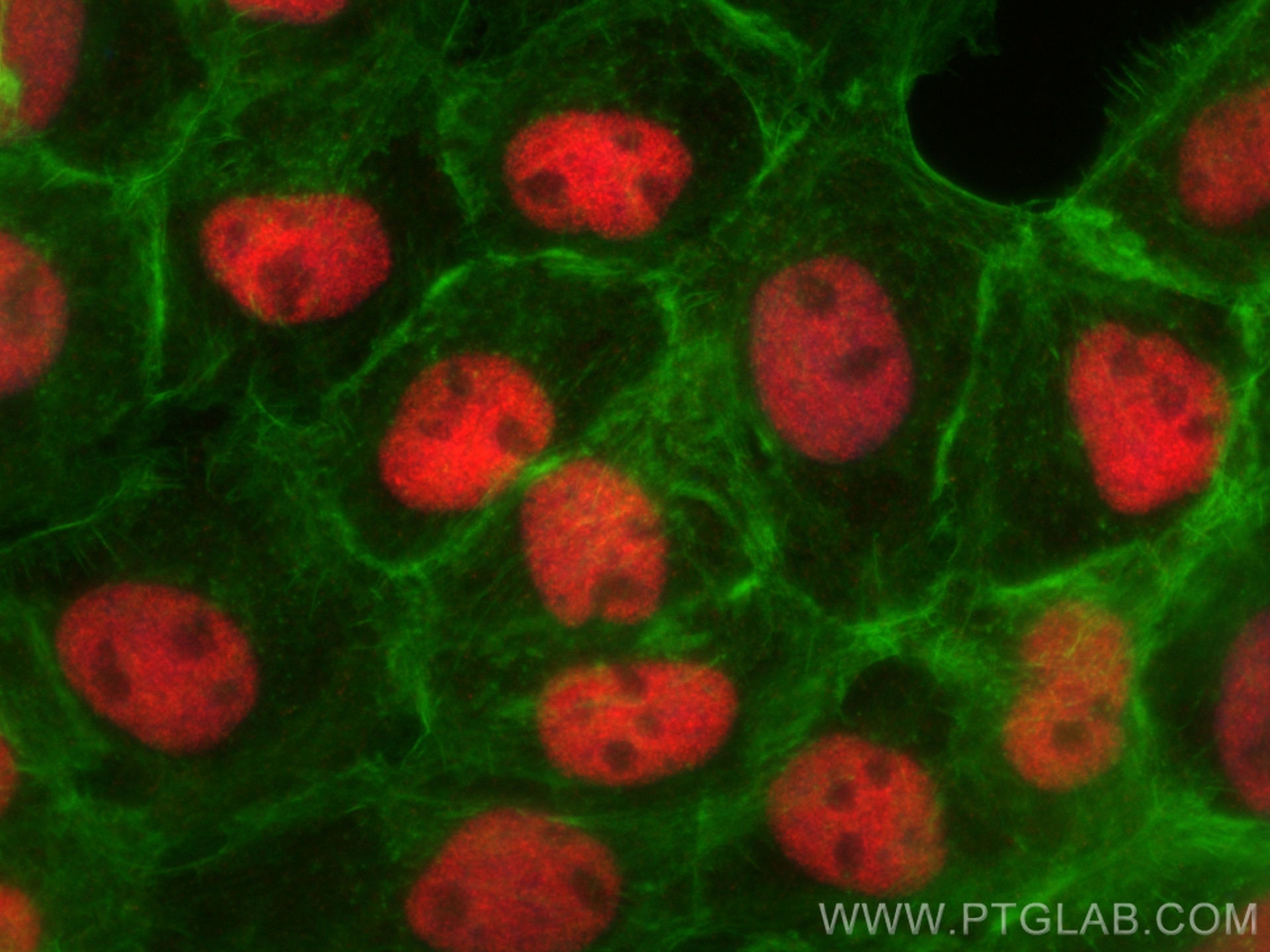
| Positive IF/ICC detected in | A431 cells |
Recommended dilution
| Application | Dilution |
|---|---|
| Western Blot (WB) | WB : 1:2000-1:16000 |
| Immunoprecipitation (IP) | IP : 0.5-4.0 ug for 1.0-3.0 mg of total protein lysate |
| Immunohistochemistry (IHC) | IHC : 1:250-1:1000 |
| Immunofluorescence (IF)/ICC | IF/ICC : 1:500-1:2000 |
| It is recommended that this reagent should be titrated in each testing system to obtain optimal results. | |
| Sample-dependent, Check data in validation data gallery. | |
Product Information
RMX00009 targets SIRT1 in WB, IHC, IF/ICC, IP, ELISA applications and shows reactivity with human, mouse, rat samples.
| Tested Reactivity | human, mouse, rat |
| Cited Reactivity | mouse, rat |
| Host / Isotype | Rabbit / IgG |
| Class | Multi-Recombinant |
| Type | Antibody |
| Immunogen |
Recombinant protein Predict reactive species |
| Full Name | sirtuin (silent mating type information regulation 2 homolog) 1 (S. cerevisiae) |
| Calculated Molecular Weight | 747 aa, 82 kDa |
| Observed Molecular Weight | 110-130 kDa |
| GenBank Accession Number | BC012499 |
| Gene Symbol | SIRT1 |
| Gene ID (NCBI) | 23411 |
| RRID | AB_3750072 |
| Conjugate | Unconjugated |
| Form | Liquid |
| Purification Method | N/A |
| UNIPROT ID | Q96EB6 |
| Storage Buffer | PBS with 0.02% sodium azide and 50% glycerol, pH 7.3. |
| Storage Conditions | Store at -20°C. Stable for one year after shipment. Aliquoting is unnecessary for -20oC storage. 20ul sizes contain 0.1% BSA. |
Background Information
SIRT1, also named SIR2L1, contains a deacetylase sirtuin-type domain and belongs to the sirtuin family. The post-translation modified SIRT1 is a 110-130 kDa protein containing one deacetylase sirtuin-type domain. The 75-80 kDa SirT1 fragment was detected to lack the carboxy-terminus (PMID:21305533). SirT1 exists a 57-61 kDa isoform. SIRT1 may be found in nucleolus, nuclear euchromatin, heterochromatin, and inner membrane. It can shuttle between the nucleus and cytoplasm. SIRT1 regulates processes such as apoptosis and muscle differentiation by deacetylating key proteins. SIRT1 in particular initiates several signaling events relevant to cardioprotection, including activation of endothelial nitric oxide synthase, INS receptor signaling, and autophagy. In addition, SIRT1 activation elicits resistance to oxidative stress via the regulation of transcription factors and co-activators such as FOXO, Hif-2a, and NF-kB. SIRT1 regulates the p53-dependent DNA damage response pathway by binding to and deacetylating p53, specifically at Lysine 382.
Protocols
| Product Specific Protocols | |
|---|---|
| IF protocol for SIRT1 antibody RMX00009 | Download protocol |
| IHC protocol for SIRT1 antibody RMX00009 | Download protocol |
| IP protocol for SIRT1 antibody RMX00009 | Download protocol |
| WB protocol for SIRT1 antibody RMX00009 | Download protocol |
| Standard Protocols | |
|---|---|
| Click here to view our Standard Protocols |
Publications
What published studies show
Multi-rAb® SIRT1 (RMX00009) has 22 citations published in journals including Advanced Science, Cell Reports Medicine, Phytomedicine, Free Radical Biology and Medicine, Pharmacological Research, and PLoS ONE. The research fields span skeletal aging, pulmonary fibrosis, heart failure, neurotoxicity, NAFLD, ferroptosis, Alzheimer's disease, liver injury, muscle atrophy, mitochondrial biogenesis, wound healing, retinal neuroprotection, and intervertebral disc degeneration, with cited applications primarily in WB, IF, and IHC.
| Species | Application | Title |
|---|---|---|
Adv Sci (Weinh) Sirt3 Genetically Engineered Apoptotic Bodies Alleviate Skeletal Aging by Limiting Aggravated NLRP3 Inflammasome Activation of Senescent Macrophages. | ||
Cell Rep Med Metabolically engineered probiotic OMVs as nanovaccine mediating sequential immunomodulation for chronic bone infection immunotherapy. | ||
Phytomedicine Jiao-tai-wan and its component coptisine attenuate PCOS by regulating mitochondrial cholesterol import through suppression of SIRT1 ubiquitination. | ||
Phytother Res Columbianadin Ameliorates Bleomycin-Induced Pulmonary Fibrosis by Inhibiting Cellular Senescence via the AMPK-Sirt1/3 Signaling Pathway. | ||
Free Radic Biol Med Semaglutide ameliorates aortic endothelial cell dysfunction in sarcopenia through the SIRT1/cGAS-STING signaling axis. | ||
J Ginseng Res Ginsenoside RK3 attenuates isoproterenol-induced heart failure in mice through AMPK/Sirt1/PGC-1α pathway activation. |








