

Tested Applications
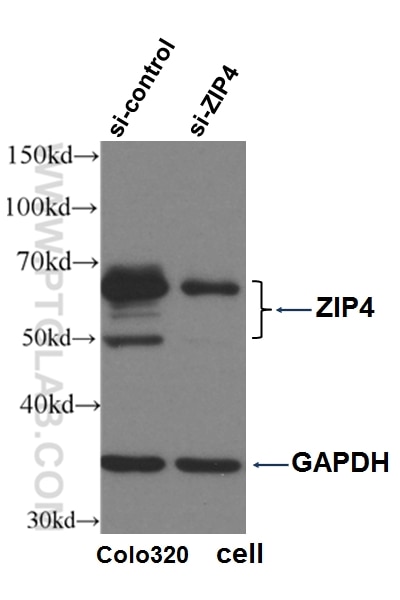
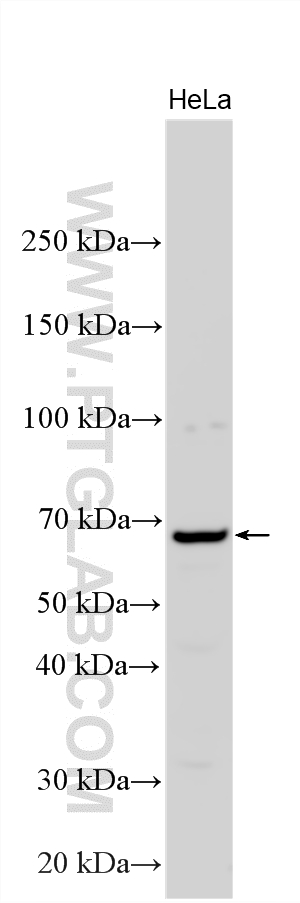
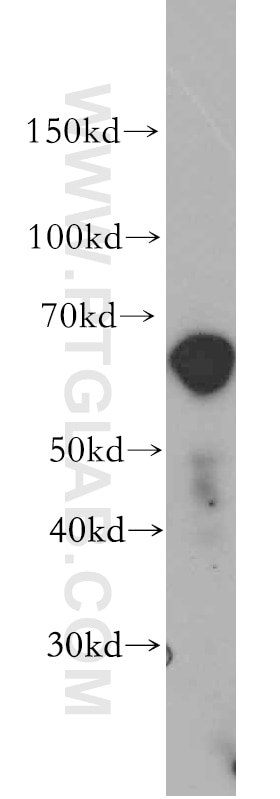
| Positive WB detected in | Colo320 cells, human jejunum tissue |
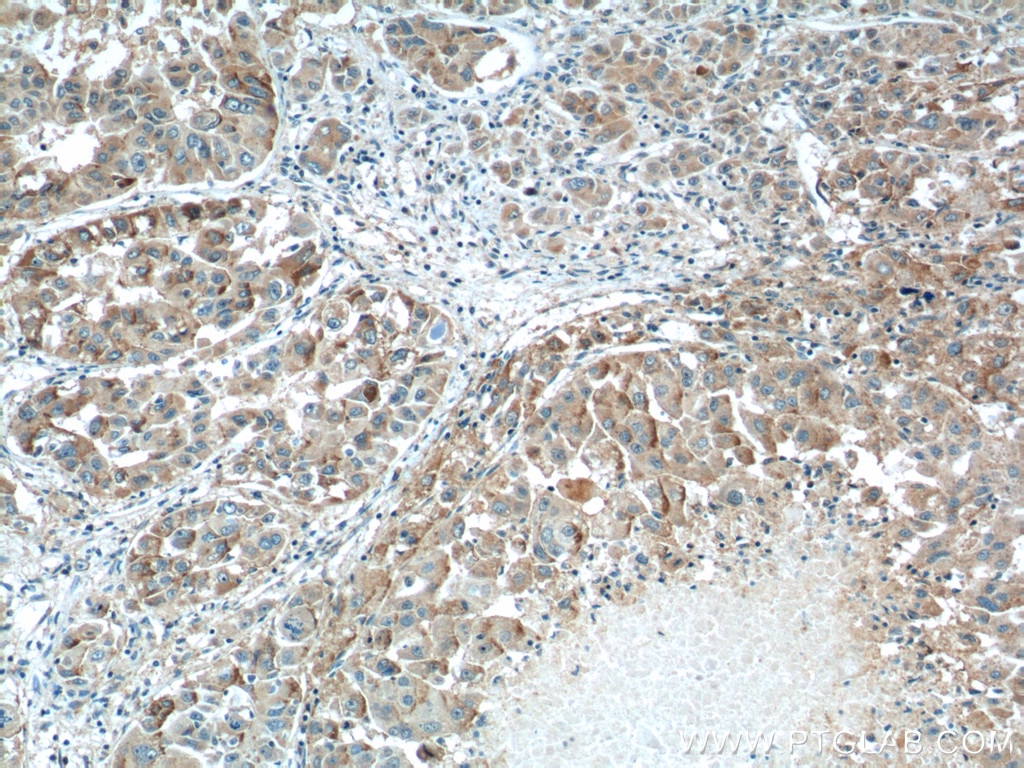
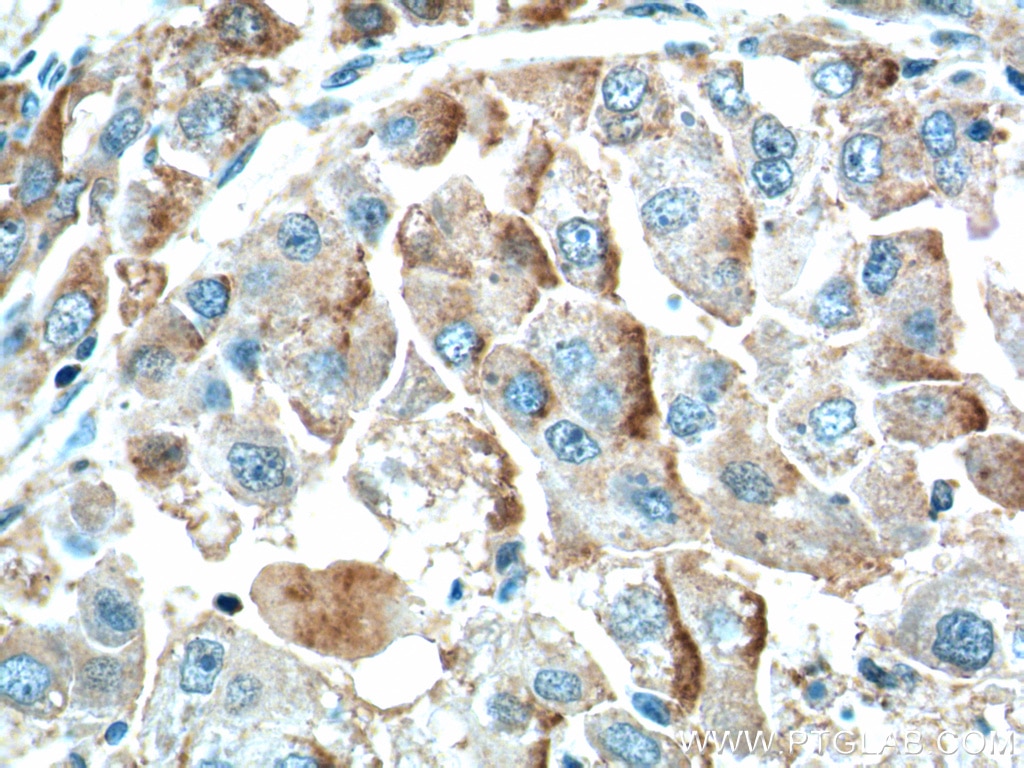
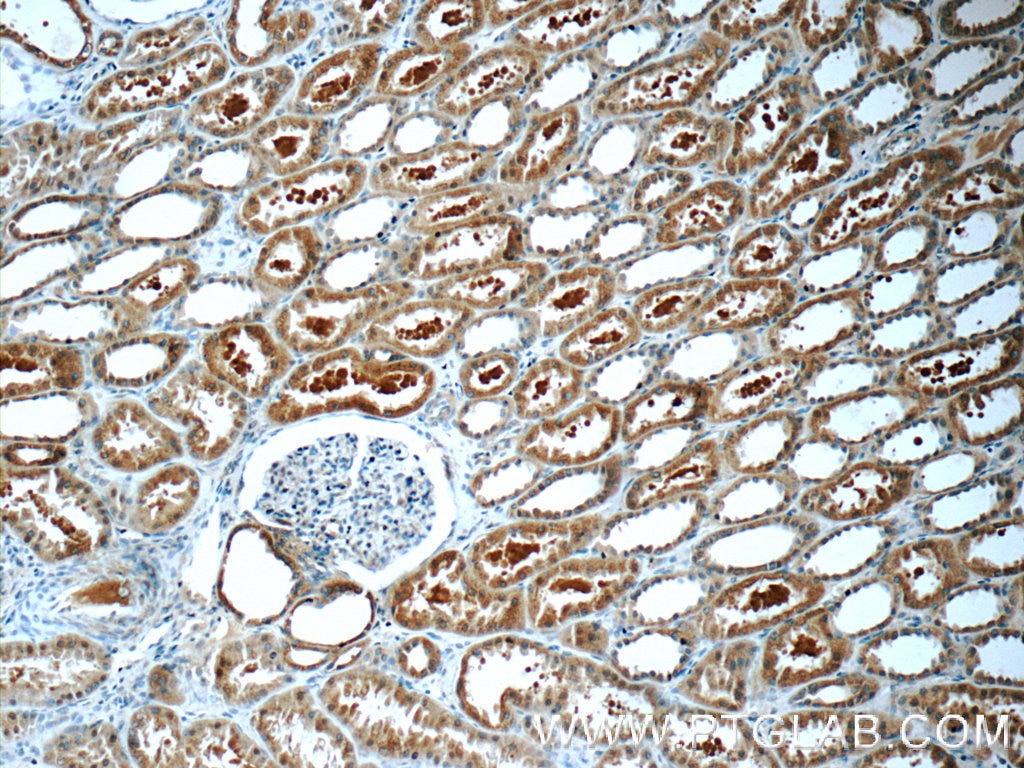
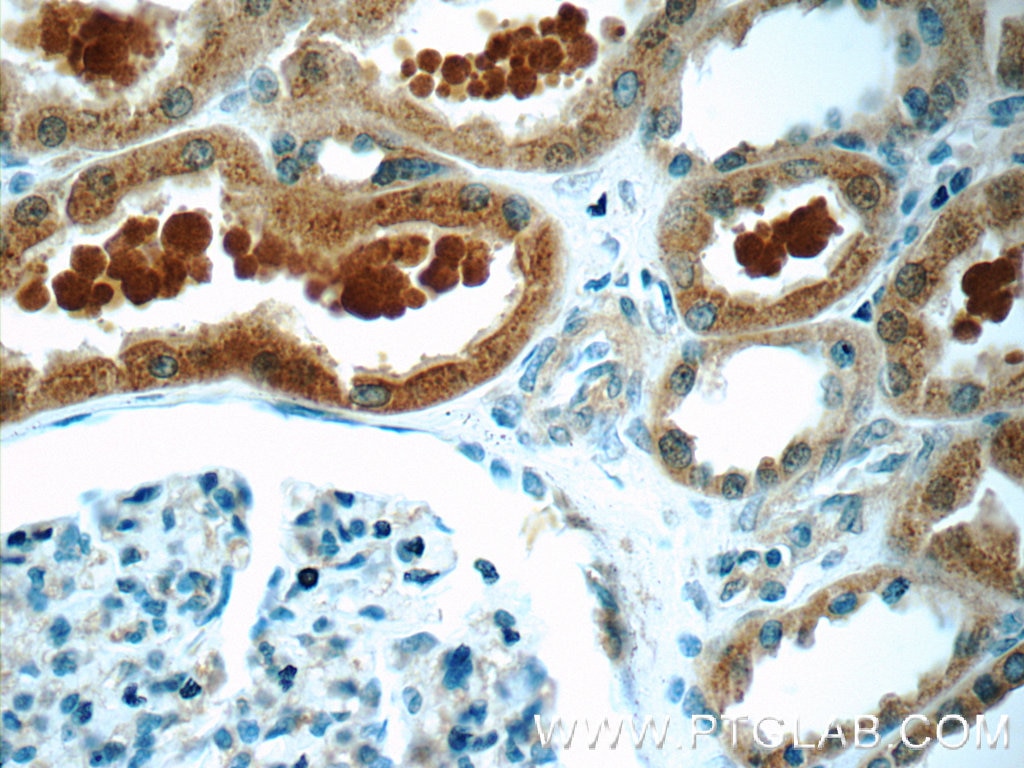
| Positive IHC detected in | human liver cancer tissue, human kidney tissue Note: suggested antigen retrieval with TE buffer pH 9.0; (*) Alternatively, antigen retrieval may be performed with citrate buffer pH 6.0 |
Recommended dilution
| Application | Dilution |
|---|---|
| Western Blot (WB) | WB : 1:1000-1:4000 |
| Immunohistochemistry (IHC) | IHC : 1:50-1:500 |
| It is recommended that this reagent should be titrated in each testing system to obtain optimal results. | |
| Sample-dependent, Check data in validation data gallery. | |
Product Information
20625-1-AP targets ZIP4 in WB, IHC, IF, CoIP, ELISA applications and shows reactivity with human samples.
| Tested Reactivity | human |
| Cited Reactivity | human, mouse, rat, hamster |
| Host / Isotype | Rabbit / IgG |
| Class | Polyclonal |
| Type | Antibody |
| Immunogen |
CatNo: Ag14524 Product name: Recombinant human SLC39A4 protein Source: e coli.-derived, PET28a Tag: 6*His Domain: 23-327 aa of BC062625 Sequence: SPPAGLLSLLTSGQGALDQEALGGLLNTLADRVHCTNGPCGKCLSVEDALGLGEPEGSGLPPGPVLEARYVARLSAAAVLYLSNPEGTCEDTRAGLWASHADHLLALLESPKALTPGLSWLLQRMQARAAGQTPKTACVDIPQLLEEAVGAGAPGSAGGVLAALLDHVRSGSCFHALPSPQYFVDFVFQQHSSEVPMTLAELSALMQRLGVGREAHSDHSHRHRGASSRDPVPLISSSNSSSVWDTVCLSARDVMAAYGLSEQAGVTPEAWAQLSPALLQQQLSGACTSQSRPPVQDQLSQSERY Predict reactive species |
| Full Name | solute carrier family 39 (zinc transporter), member 4 |
| Calculated Molecular Weight | 647 aa, 68 kDa |
| Observed Molecular Weight | 68 kDa |
| GenBank Accession Number | BC062625 |
| Gene Symbol | ZIP4 |
| Gene ID (NCBI) | 55630 |
| RRID | AB_10700008 |
| Conjugate | Unconjugated |
| Form | Liquid |
| Purification Method | Antigen affinity purification |
| UNIPROT ID | Q6P5W5 |
| Storage Buffer | PBS with 0.02% sodium azide and 50% glycerol, pH 7.3. |
| Storage Conditions | Store at -20°C. Stable for one year after shipment. Aliquoting is unnecessary for -20oC storage. 20ul sizes contain 0.1% BSA. |
Background Information
ZIP4 is a zinc transporter encoded by the SLC39A4 gene, playing an important role in zinc homeostasis in mammalian cells. Recently, many studies have indicated that ZIP4 plays important roles in many kinds of carcinoma development and progression. ZIP4 may serve as a potential diagnostic and prognostic marker for gliomas and pancreatic cancer.
Protocols
| Product Specific Protocols | |
|---|---|
| IHC protocol for ZIP4 antibody 20625-1-AP | Download protocol |
| WB protocol for ZIP4 antibody 20625-1-AP | Download protocol |
| Standard Protocols | |
|---|---|
| Click here to view our Standard Protocols |
Publications
What published studies show
The anti-ZIP4 monoclonal antibody (Cat# 20625-1-AP) has 29 citations across journals including Cancer Cell, Gastroenterology, Nature Communications, Cell Death & Disease, Cancer Letters, Clinical Cancer Research, Oncotarget, Journal of Biological Chemistry, and Molecular Oncology. Research fields span cancer biology (pancreatic, ovarian, gastric, lung, esophageal, and nasopharyngeal cancers), zinc transport/metabolism, cancer cachexia, intestinal physiology, nutrition, and immunology.
| Species | Application | Title |
|---|---|---|
Cancer Cell Tumor-immune-neural circuit disrupts energy homeostasis in cancer cachexia.
| ||
Gastroenterology ZIP4 Increases Expression of Transcription Factor ZEB1 to Promote Integrin α3β1 Signaling and Inhibit Expression of the Gemcitabine Transporter ENT1 in Pancreatic Cancer Cells. | ||
Gastroenterology Acetyl-Coenzyme A Synthetase 2 Potentiates Macropinocytosis and Muscle Wasting Through Metabolic Reprogramming in Pancreatic Cancer | ||
Gastroenterology Circular RNA ANAPC7 Inhibits Tumor Growth and Muscle Wasting via PHLPP2-AKT-TGF-β Signaling Axis in Pancreatic Cancer.
| ||
Nat Commun Xenotransplanted human organoids identify transepithelial zinc transport as a key mediator of intestinal adaptation | ||
Cell Death Dis Inhibition of ZIP4 reverses epithelial-to-mesenchymal transition and enhances the radiosensitivity in human nasopharyngeal carcinoma cells.
|








