
Product Information
67280-1-PBS targets SNRPN/SNRPB as part of a matched antibody pair:
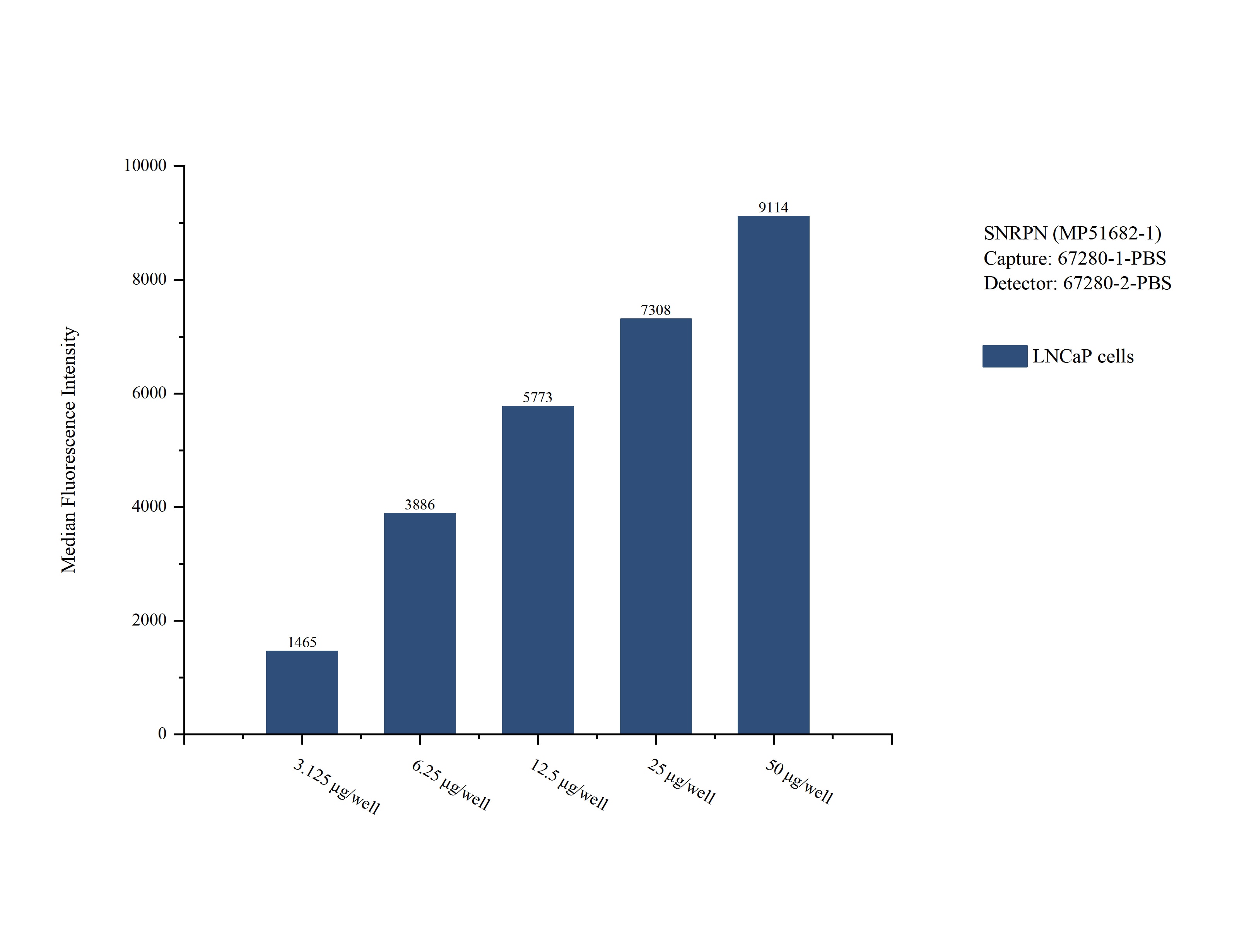
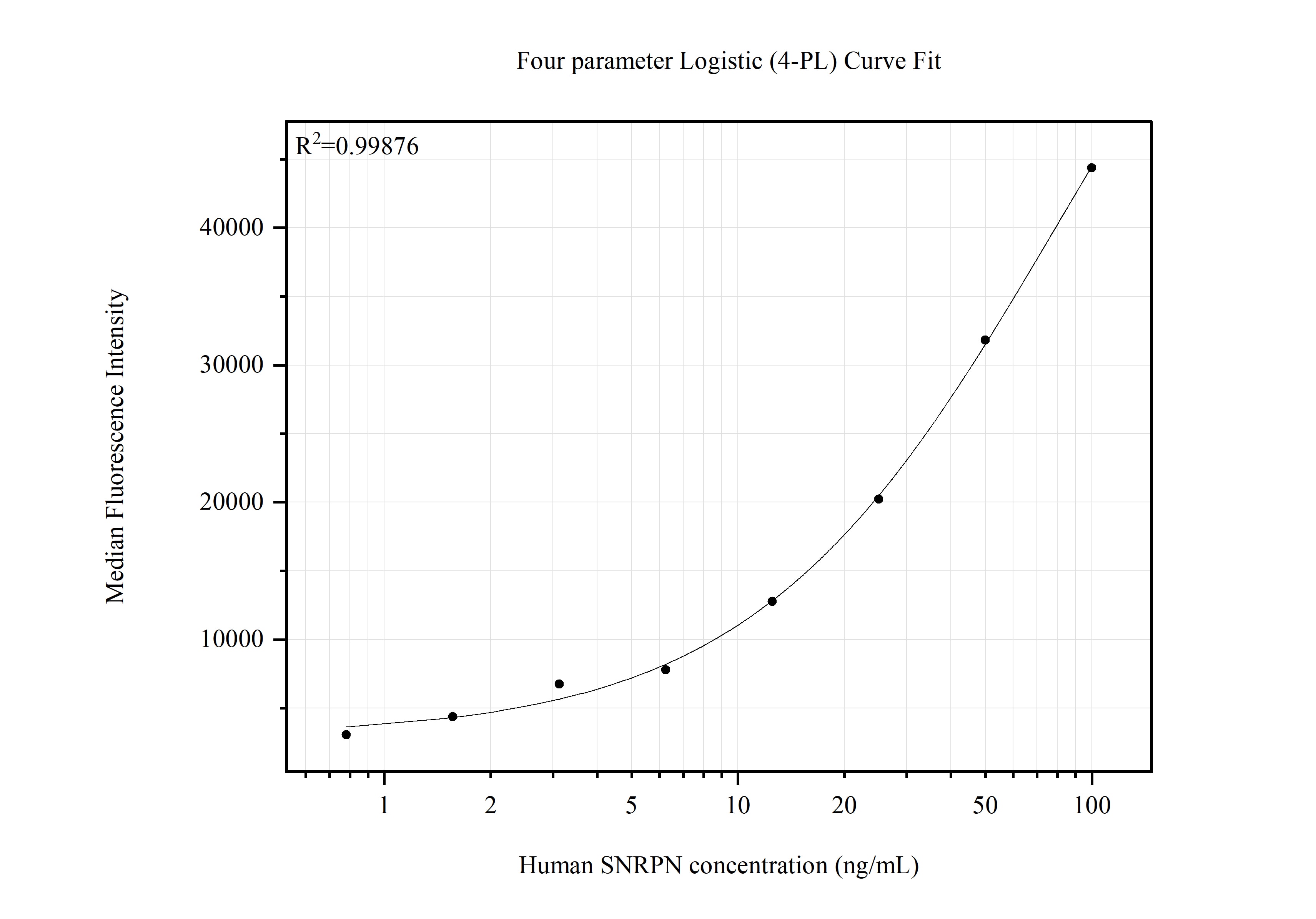
MP51682-1: 67280-1-PBS capture and 67280-2-PBS detection (validated in Cytometric bead array)
Unconjugated mouse monoclonal antibody pair in PBS only (BSA and azide free) storage buffer at a concentration of 1 mg/mL, ready for conjugation.
This conjugation ready format makes antibodies ideal for use in many applications including: ELISAs, multiplex assays requiring matched pairs, mass cytometry, and multiplex imaging applications.Antibody use should be optimized by the end user for each application and assay.
| Tested Reactivity | human, mouse, rat |
| Host / Isotype | Mouse / IgG1 |
| Class | Monoclonal |
| Type | Antibody |
| Immunogen |
CatNo: Ag14030 Product name: Recombinant human SNRPN protein Source: e coli.-derived, PET28a Tag: 6*His Domain: 1-240 aa of BC000611 Sequence: MTVGKSSKMLQHIDYRMRCILQDGRIFIGTFKAFDKHMNLILCDCDEFRKIKPKNAKQPEREEKRVLGLVLLRGENLVSMTVEGPPPKDTGIARVPLAGAAGGPGVGRAAGRGVPAGVPIPQAPAGLAGPVRGVGGPSQQVMTPQGRGTVAAAAVAATASIAGAPTQYPPGRGTPPPPVGRATPPPGIMAPPPGMRPPMGPPIGLPPARGTPIGMPPPGMRPPPPGIRGPPPPGMRPPRP Predict reactive species |
| Full Name | small nuclear ribonucleoprotein polypeptide N |
| Calculated Molecular Weight | 240 aa, 25 kDa |
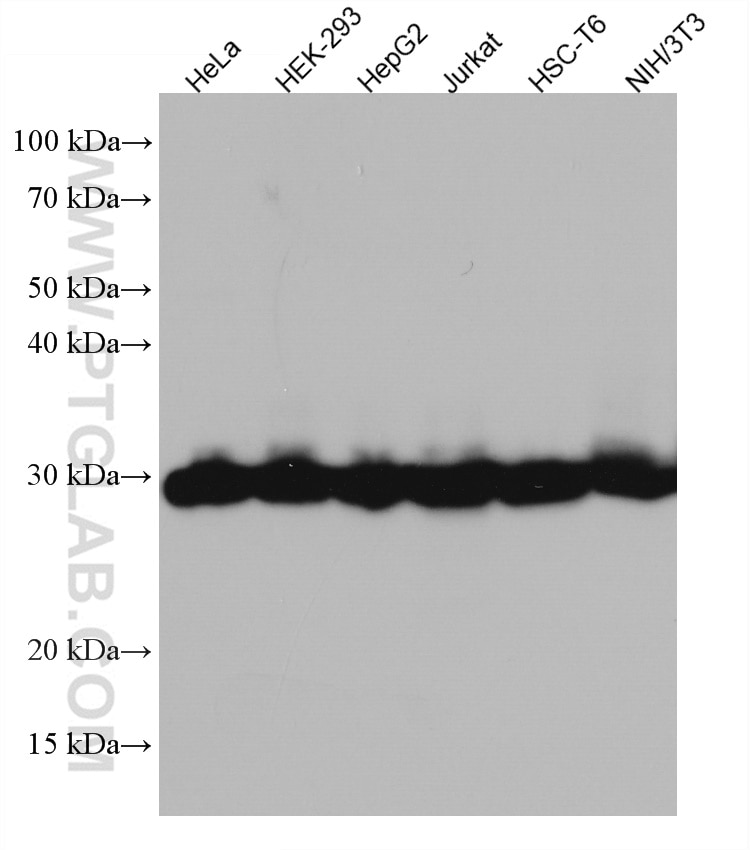
| Observed Molecular Weight | 27-29 kDa |
| GenBank Accession Number | BC000611 |
| Gene Symbol | SNRPN |
| Gene ID (NCBI) | 6638 |
| RRID | AB_2882548 |
| Conjugate | Unconjugated |
| Form | Liquid |
| Purification Method | Protein G purification |
| UNIPROT ID | P63162 |
| Storage Buffer | PBS only, pH 7.3. |
| Storage Conditions | Store at -80°C. |
Background Information
SNRPN, or SNURF-SNRPN, is a bicistronic imprinted gene that encodes 2 polypeptides, the SmN splicing factor, which is involved in RNA processing, and the SNRPN upstream reading frame (SNURF) polypeptide.The SNRPN gene is transcribed exclusively from the paternally inherited chromosome and shows highest expression in brain and heart. SNRPN may play a role in etiology of Prader-Willi syndrome. This antibody recognizes SNRPN and SNRPB due to high amino acid sequence homology.









