

Tested Applications
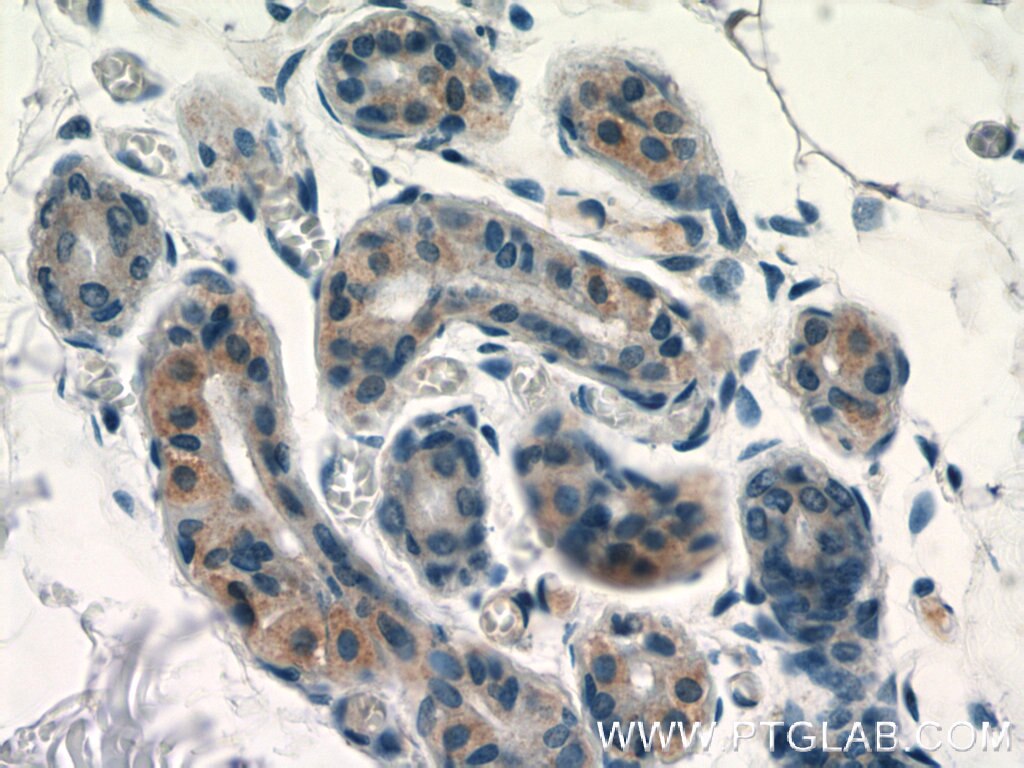
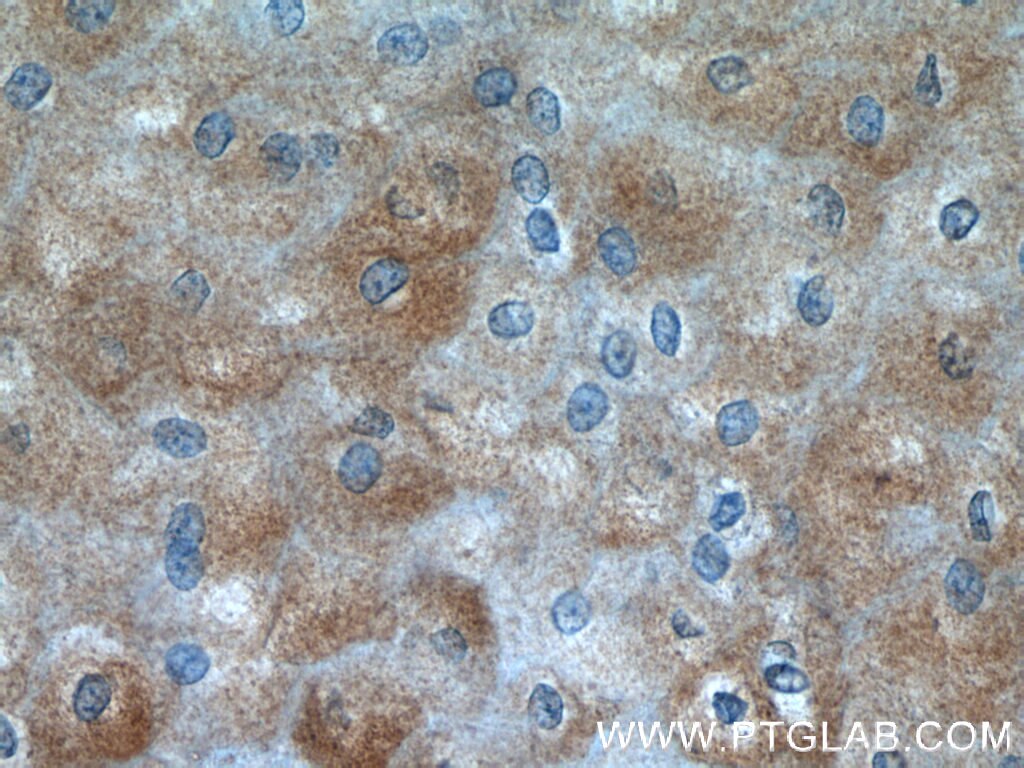
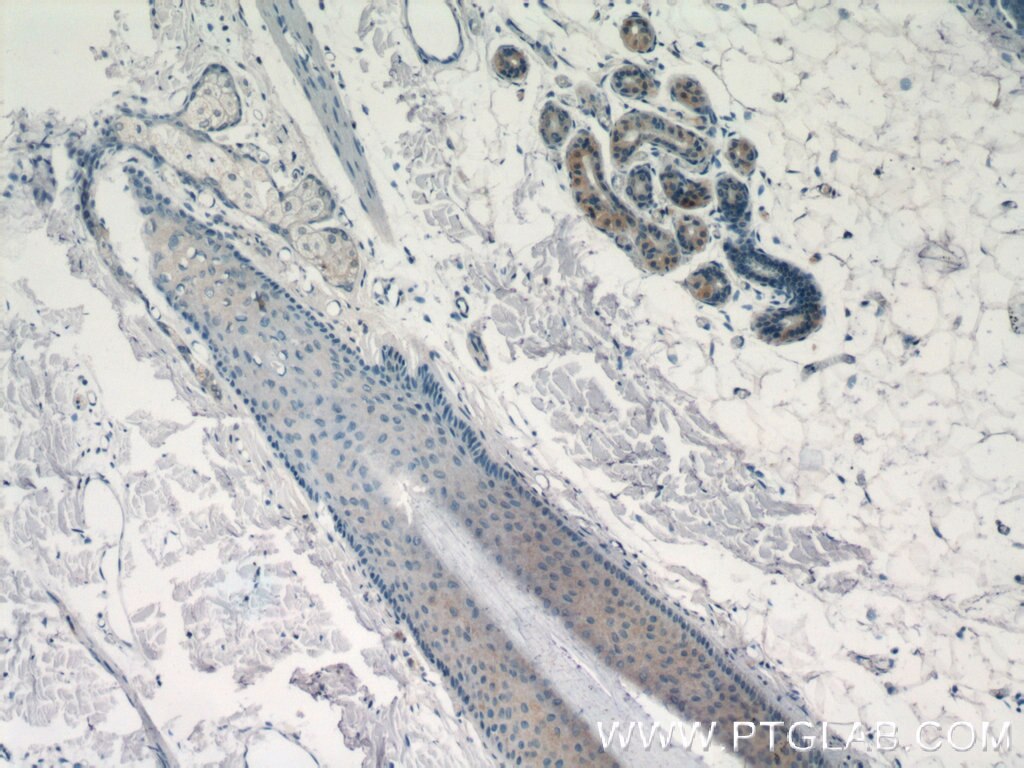
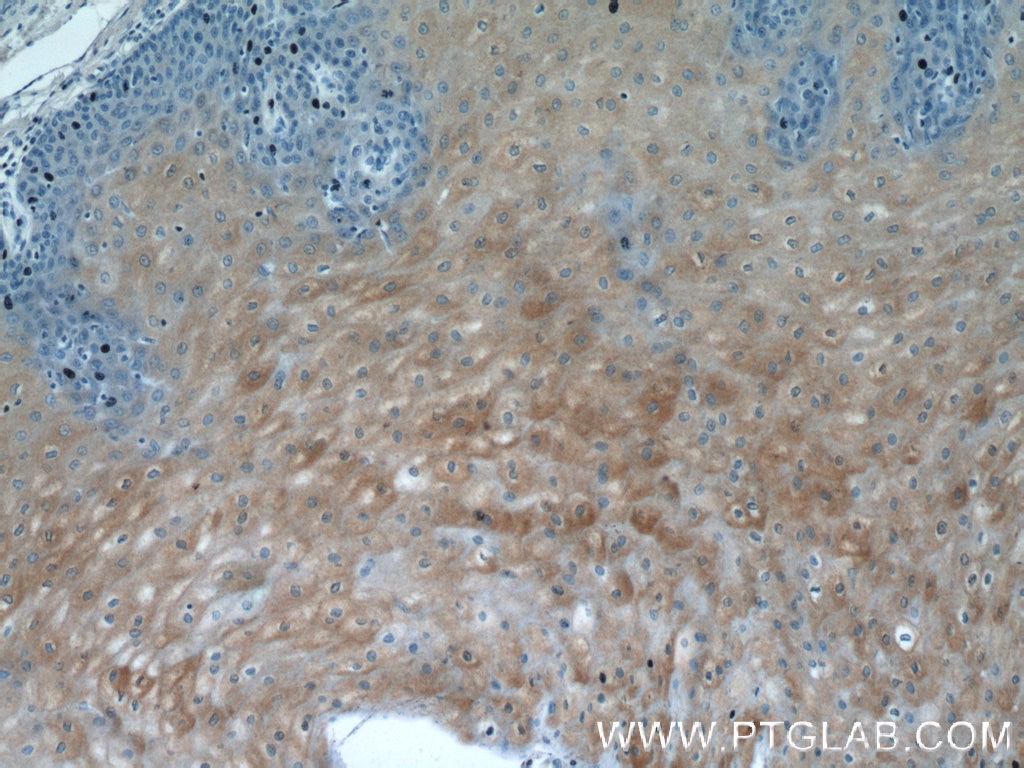
| Positive IHC detected in | human oesophagus tissue, human skin tissue Note: suggested antigen retrieval with TE buffer pH 9.0; (*) Alternatively, antigen retrieval may be performed with citrate buffer pH 6.0 |
Recommended dilution
| Application | Dilution |
|---|---|
| Immunohistochemistry (IHC) | IHC : 1:20-1:200 |
| It is recommended that this reagent should be titrated in each testing system to obtain optimal results. | |
| Sample-dependent, Check data in validation data gallery. | |
Product Information
23046-1-AP targets SPRR2D in IHC, IF, ELISA applications and shows reactivity with human samples.
| Tested Reactivity | human |
| Cited Reactivity | mouse |
| Host / Isotype | Rabbit / IgG |
| Class | Polyclonal |
| Type | Antibody |
| Immunogen |
CatNo: Ag19079 Product name: Recombinant human SPRR2D protein Source: e coli.-derived, PGEX-4T Tag: GST Domain: 1-54 aa of BC120938 Sequence: MSYQQQQCKQPCQPPPVCPTPKCPEPCPPPKCPEPCPSPKCPQPCPPQQCQQKY Predict reactive species |
| Full Name | small proline-rich protein 2D |
| Calculated Molecular Weight | 72 aa, 8 kDa |
| GenBank Accession Number | BC120938 |
| Gene Symbol | SPRR2D |
| Gene ID (NCBI) | 6703 |
| RRID | AB_2879202 |
| Conjugate | Unconjugated |
| Form | Liquid |
| Purification Method | Antigen Affinity purified |
| UNIPROT ID | P22532 |
| Storage Buffer | PBS with 0.02% sodium azide and 50% glycerol, pH 7.3. |
| Storage Conditions | Store at -20°C. Stable for one year after shipment. Aliquoting is unnecessary for -20oC storage. 20ul sizes contain 0.1% BSA. |
Protocols
| Product Specific Protocols | |
|---|---|
| IHC protocol for SPRR2D antibody 23046-1-AP | Download protocol |
| Standard Protocols | |
|---|---|
| Click here to view our Standard Protocols |
Publications
What published studies show
The SPRR2D Polyclonal antibody (catalog number 23046-1-AP) has 5 total citations. These appear in Theranostics, Cell Reports, Ecotoxicology and Environmental Safety (two studies), and bioRxiv. The associated research fields include skin and epidermal barrier development, hair follicle biology, and the antiestrogenic effects of environmental chemicals (BPEF and BAFL) on female development in mice. Applications cited include immunofluorescence (IF) and immunohistochemistry (IHC), primarily in mouse models.
| Species | Application | Title |
|---|---|---|
Theranostics Cdc42 Deficiency Leads To Epidermal Barrier Dysfunction by Regulating Intercellular Junctions and Keratinization of Epidermal Cells during Mouse Skin Development. | ||
Ecotoxicol Environ Saf 4,4'-(9-Fluorenylidene)dianiline (BAFL) is antiestrogenic and has adverse effects on female development in CD-1 mice | ||
Ecotoxicol Environ Saf Antiestrogenic property of 9,9-bis[4-(2-hydroxyethoxy)phenyl]fluorene (BPEF) and its effects on female development in CD-1 mice | ||





