

Tested Applications
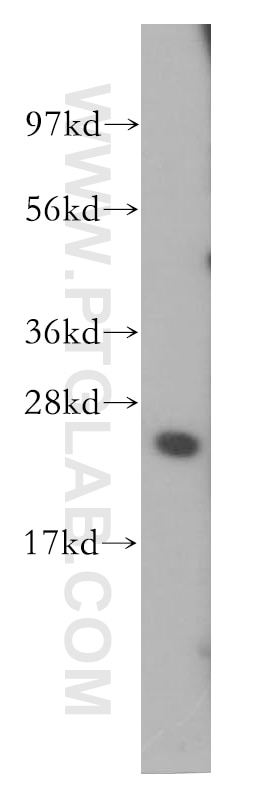
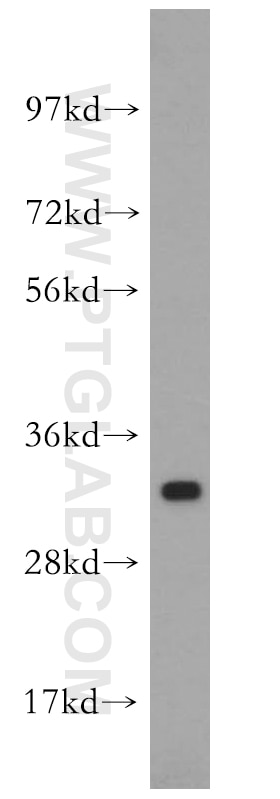
| Positive WB detected in | HeLa cells, human liver tissue |
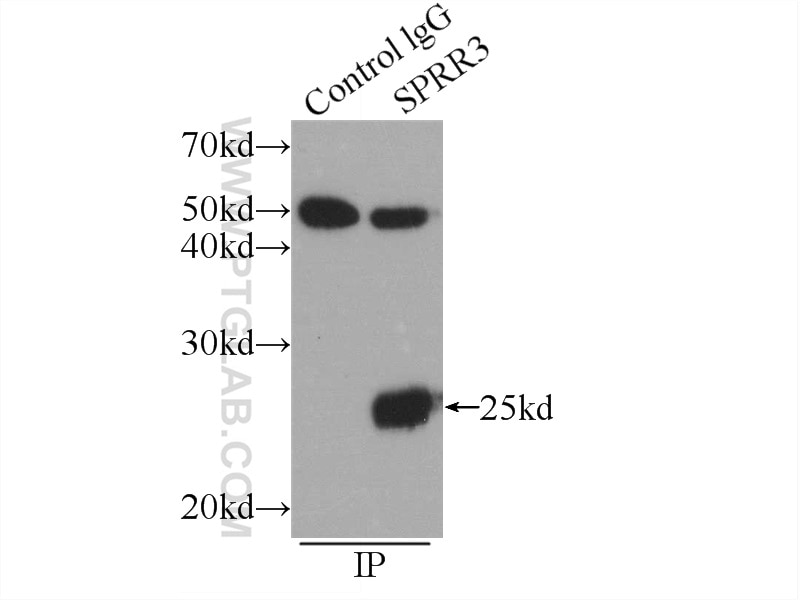
| Positive IP detected in | COLO 320 cells |
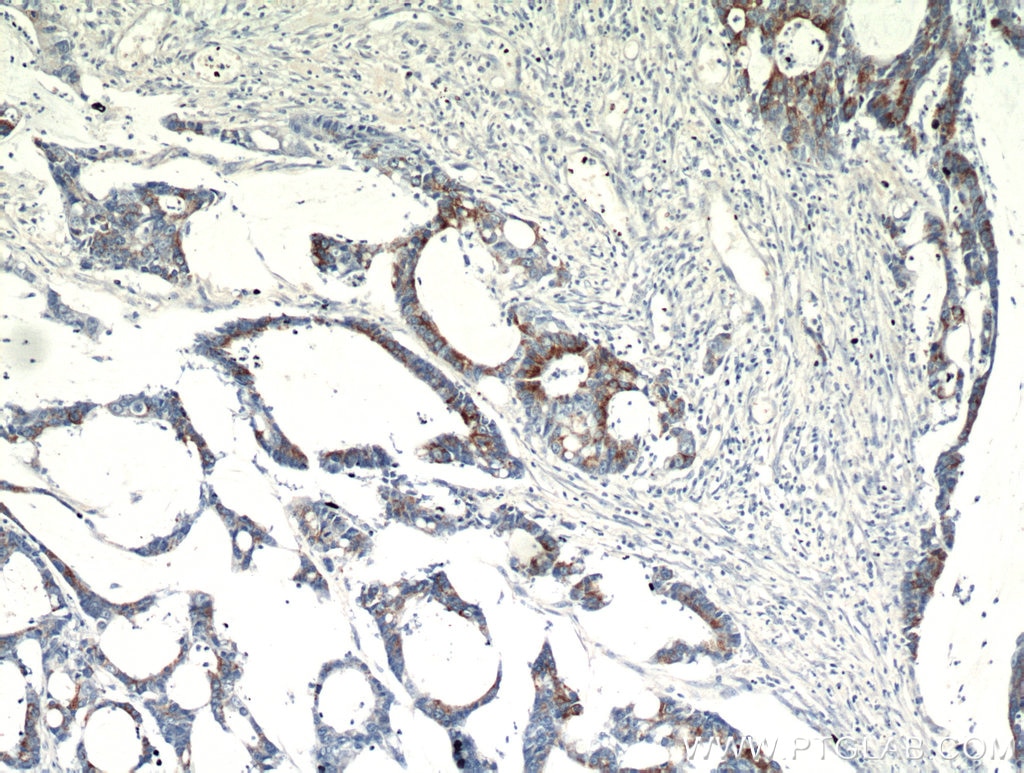
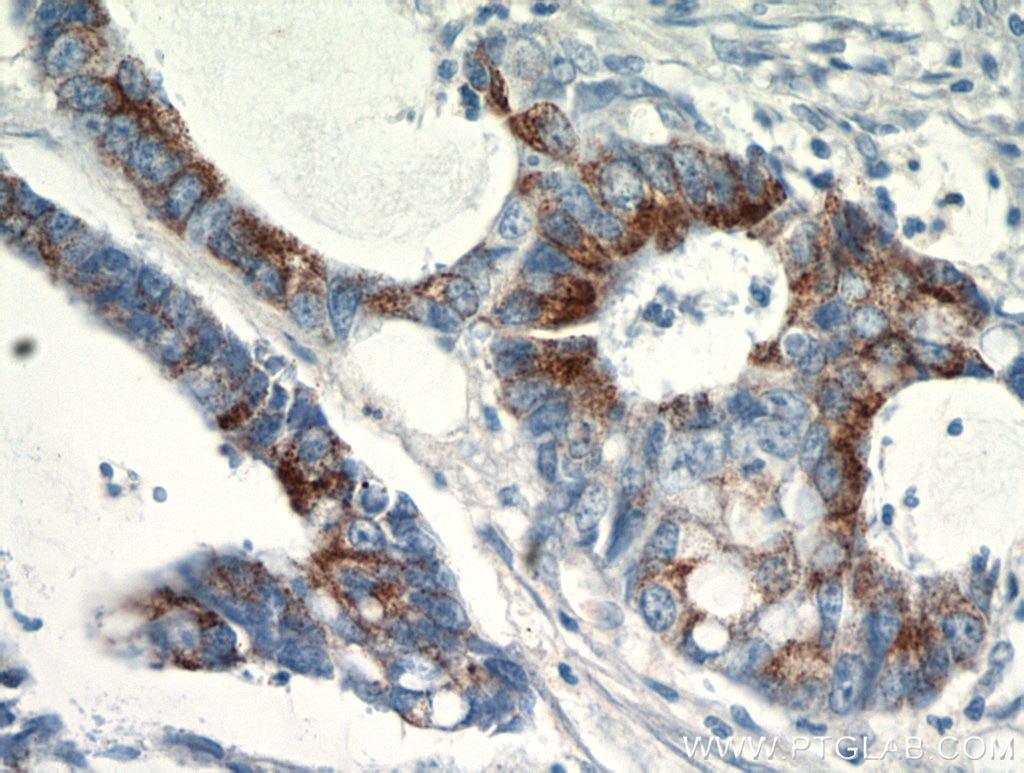
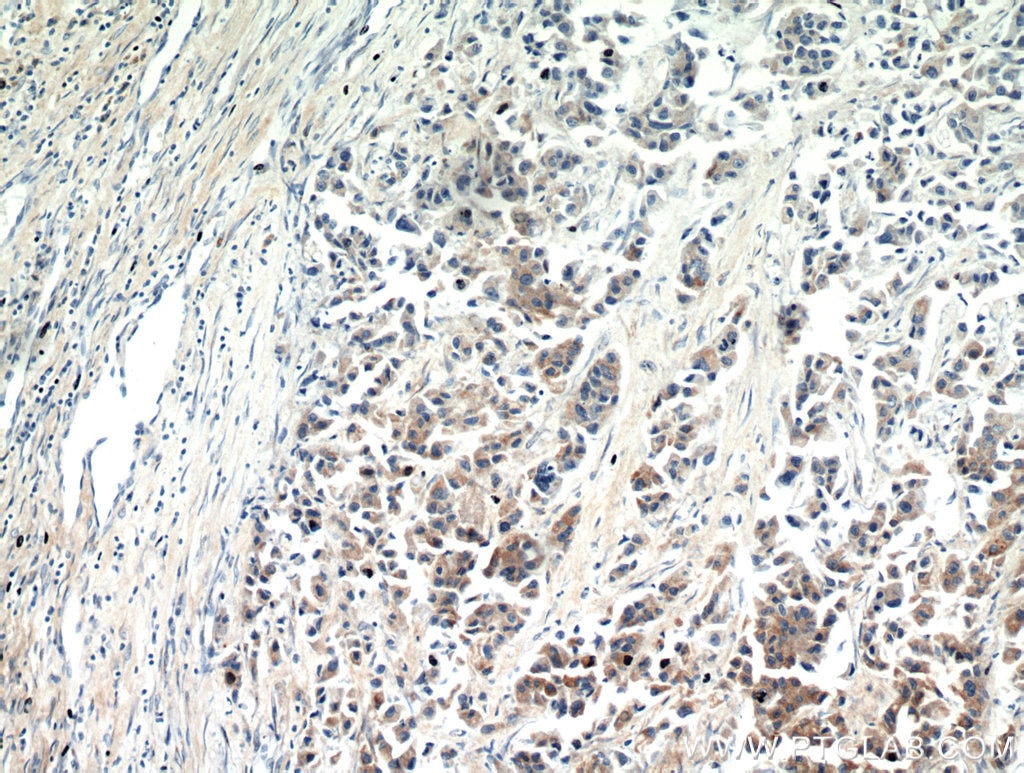
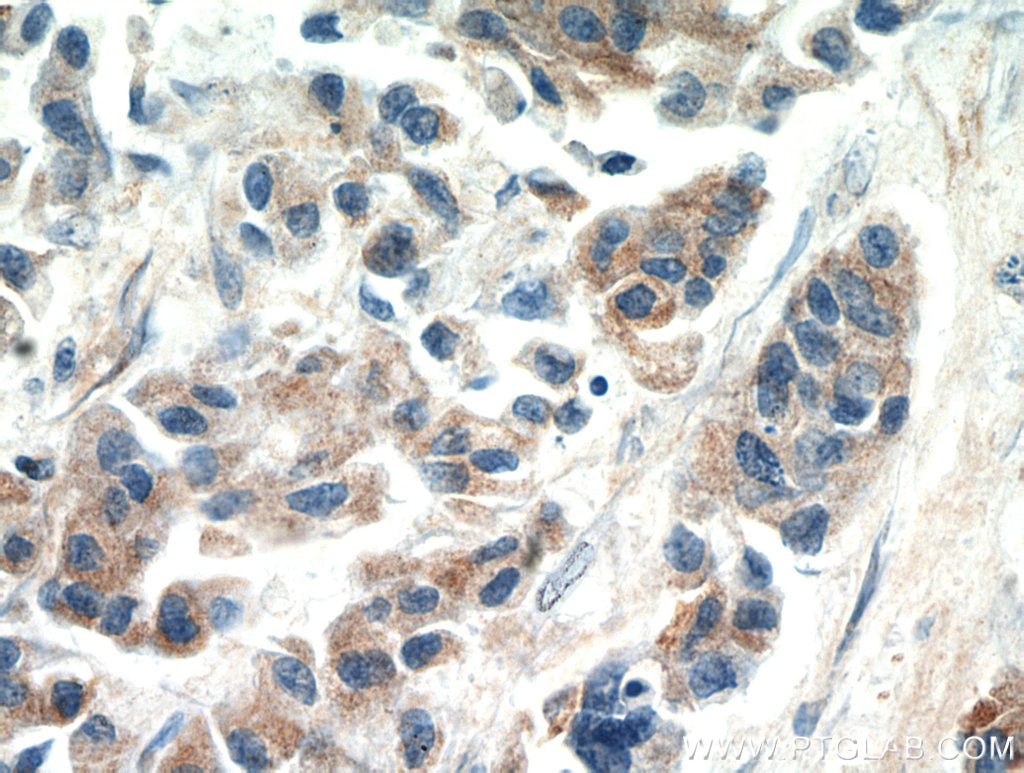
| Positive IHC detected in | human colon cancer tissue, human breast cancer tissue Note: suggested antigen retrieval with TE buffer pH 9.0; (*) Alternatively, antigen retrieval may be performed with citrate buffer pH 6.0 |
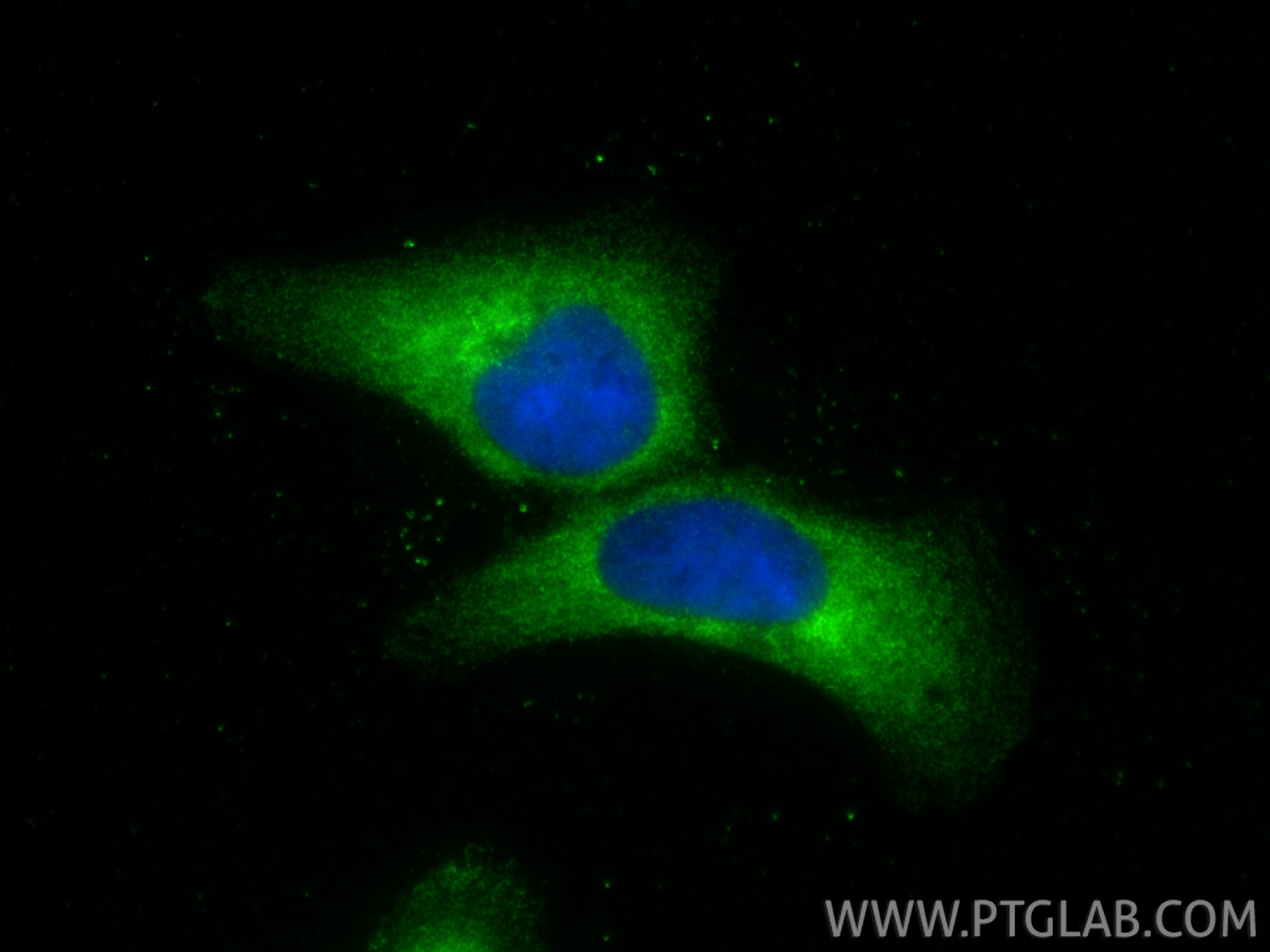
| Positive IF/ICC detected in | A431 cells |
Recommended dilution
| Application | Dilution |
|---|---|
| Western Blot (WB) | WB : 1:500-1:2000 |
| Immunoprecipitation (IP) | IP : 0.5-4.0 ug for 1.0-3.0 mg of total protein lysate |
| Immunohistochemistry (IHC) | IHC : 1:20-1:200 |
| Immunofluorescence (IF)/ICC | IF/ICC : 1:200-1:800 |
| It is recommended that this reagent should be titrated in each testing system to obtain optimal results. | |
| Sample-dependent, Check data in validation data gallery. | |
Product Information
11742-1-AP targets SPRR3 in WB, IHC, IF/ICC, IP, ELISA applications and shows reactivity with human samples.
| Tested Reactivity | human |
| Cited Reactivity | human, mouse, rat |
| Host / Isotype | Rabbit / IgG |
| Class | Polyclonal |
| Type | Antibody |
| Immunogen |
CatNo: Ag2337 Product name: Recombinant human SPRR3 protein Source: e coli.-derived, PGEX-4T Tag: GST Domain: 1-161 aa of BC017802 Sequence: MSSYQQKQTFTPPPQLQQQQVKQPSQPPPQEIFVPTTKEPCHSKVPQPGNTKIPEPGCTKVPEPGCTKVPEPGCTKVPEPGCTKVPEPGCTKVPEPGYTKVPEPGSIKVPDQGFIKFPEPGAIKVPEQGYTKVPVPGYTKVPEPCPSTVTPGPAQQKTKQK Predict reactive species |
| Full Name | small proline-rich protein 3 |
| Calculated Molecular Weight | 19 kDa |
| Observed Molecular Weight | 22-25 kDa |
| GenBank Accession Number | BC017802 |
| Gene Symbol | SPRR3 |
| Gene ID (NCBI) | 6707 |
| RRID | AB_2195272 |
| Conjugate | Unconjugated |
| Form | Liquid |
| Purification Method | Antigen affinity purification |
| UNIPROT ID | Q9UBC9 |
| Storage Buffer | PBS with 0.02% sodium azide and 50% glycerol, pH 7.3. |
| Storage Conditions | Store at -20°C. Stable for one year after shipment. Aliquoting is unnecessary for -20oC storage. 20ul sizes contain 0.1% BSA. |
Background Information
SPRR3, also named as Esophagin, Cornifin beta and SPRC, belongs to the cornifin (SPRR) family. It is cross-linked envelope protein of keratinocytes. Increased expression of SPRR3 appears to be involved in colorectal tumorigenesis. SPRR3 is a marker for terminal squamous cell differentiation.a potential novel therapeutic target for less advanced stages of Breast Cancer.
Protocols
| Product Specific Protocols | |
|---|---|
| IF protocol for SPRR3 antibody 11742-1-AP | Download protocol |
| IHC protocol for SPRR3 antibody 11742-1-AP | Download protocol |
| IP protocol for SPRR3 antibody 11742-1-AP | Download protocol |
| WB protocol for SPRR3 antibody 11742-1-AP | Download protocol |
| Standard Protocols | |
|---|---|
| Click here to view our Standard Protocols |
Publications
What published studies show
The SPRR3 antibody (Cat# 11742-1-AP) has 14 total citations. Journals include Med, Cell Communications & Signaling, Molecular Medicine, Scientific Reports, FASEB Journal, FEBS Journal, Journal of Biological Chemistry, World Allergy Organization Journal, Archives of Biochemistry and Biophysics, Breast Cancer Research and Treatment, OncoTargets and Therapy, Bioscience Biotechnology and Biochemistry, and bioRxiv. Research fields span oncology (lung, colorectal, breast cancer), keratinocyte differentiation and epidermal development, cardiac fibroblast biology, ribosome biogenesis, and allergic disease.
| Species | Application | Title |
|---|---|---|
Med A tumor cornification and immune-infiltration-based scheme for anti-PD-1 plus chemotherapy response in advanced squamous cell lung carcinoma | ||
Cell Commun Signal Single-cell RNA sequencing reveals pro-invasive cancer-associated fibroblasts in hypopharyngeal squamous cell carcinoma | ||
Sci Rep Fine particulate matter (PM2.5) inhibits ciliogenesis by increasing SPRR3 expression via c-Jun activation in RPE cells and skin keratinocytes. | ||
FASEB J Small proline-rich repeat 3 is a novel coordinator of PDGFRβ and integrin β1 crosstalk to augment proliferation and matrix synthesis by cardiac fibroblasts.
| ||
FEBS J Studies on differentiation-dependent expression and activity of distinct transglutaminases by specific substrate peptides using three-dimensional reconstituted epidermis. |









