

Tested Applications
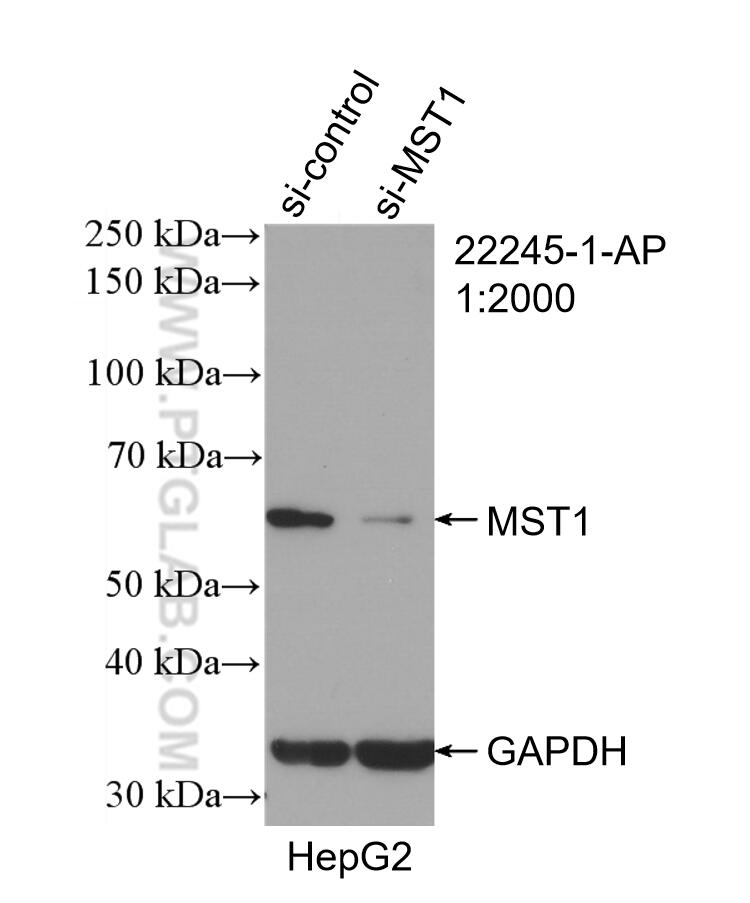
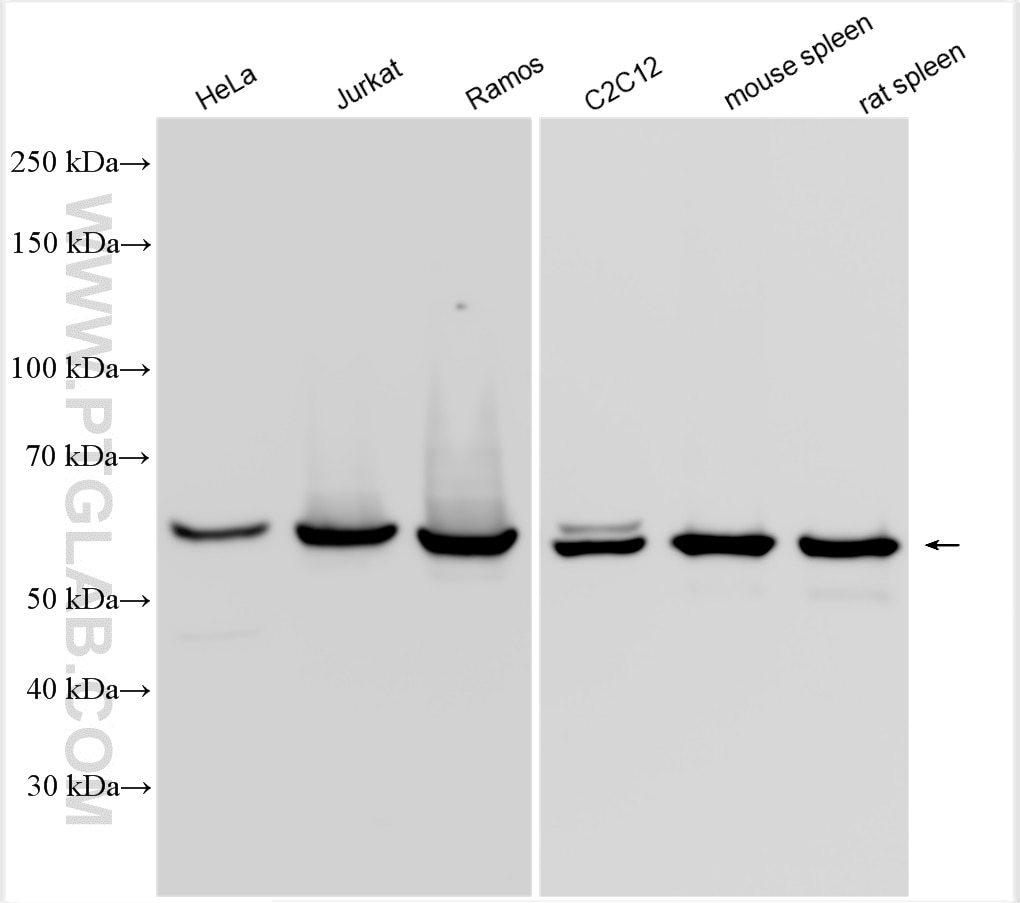
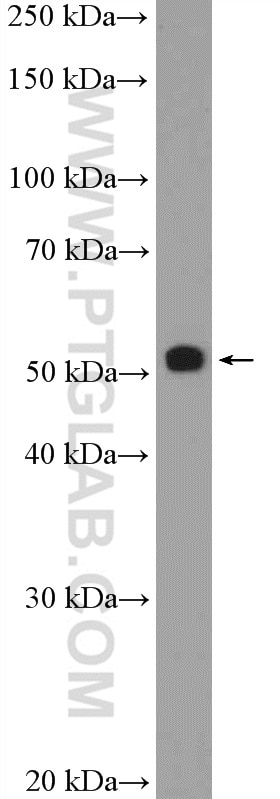
| Positive WB detected in | HeLa cells, HepG2 cells, rat liver tissue, Jurkat cells, Ramos cells, C2C12 cells, mouse spleen tissue, rat spleen tissue |
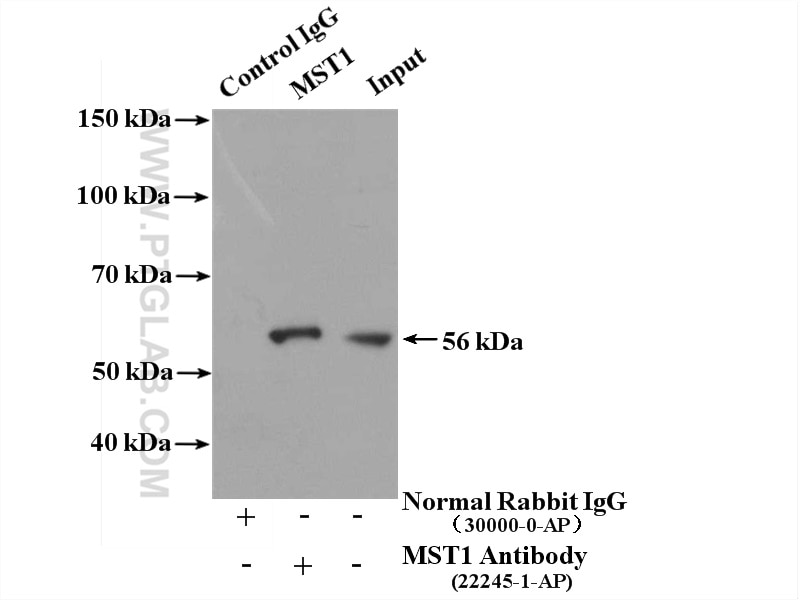
| Positive IP detected in | HeLa cells |
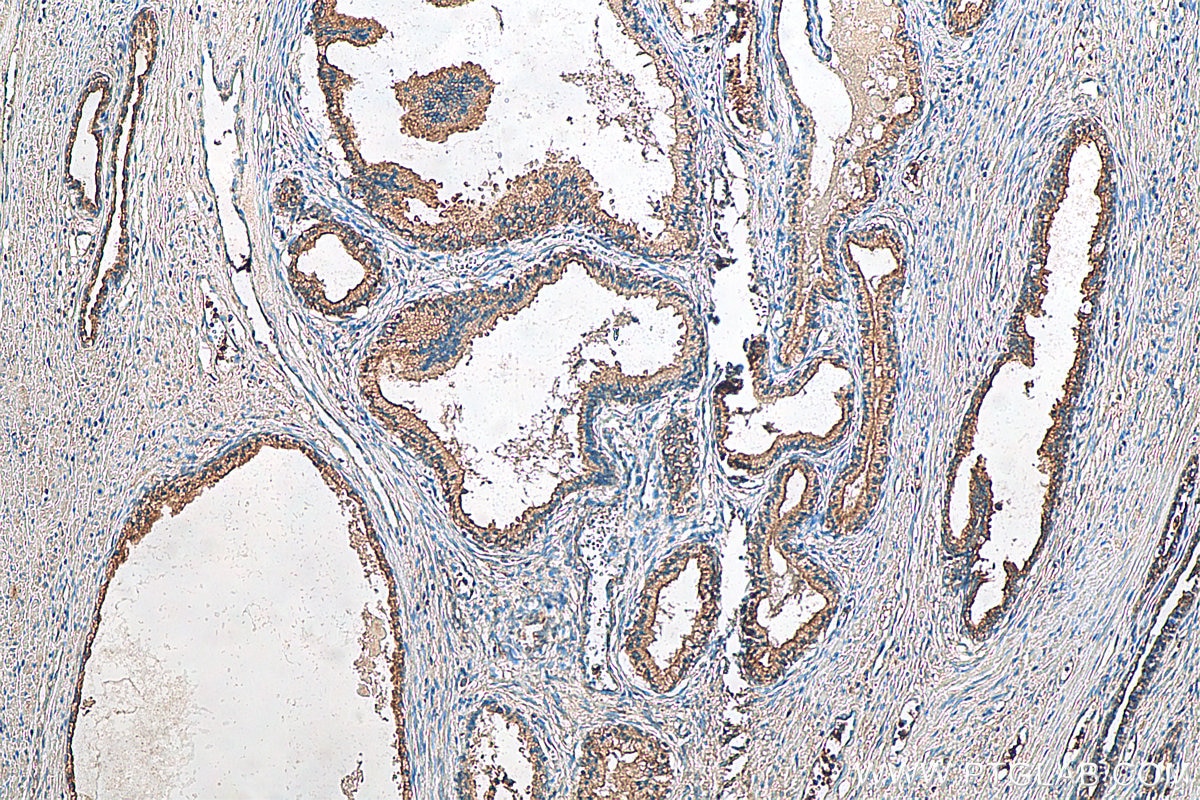
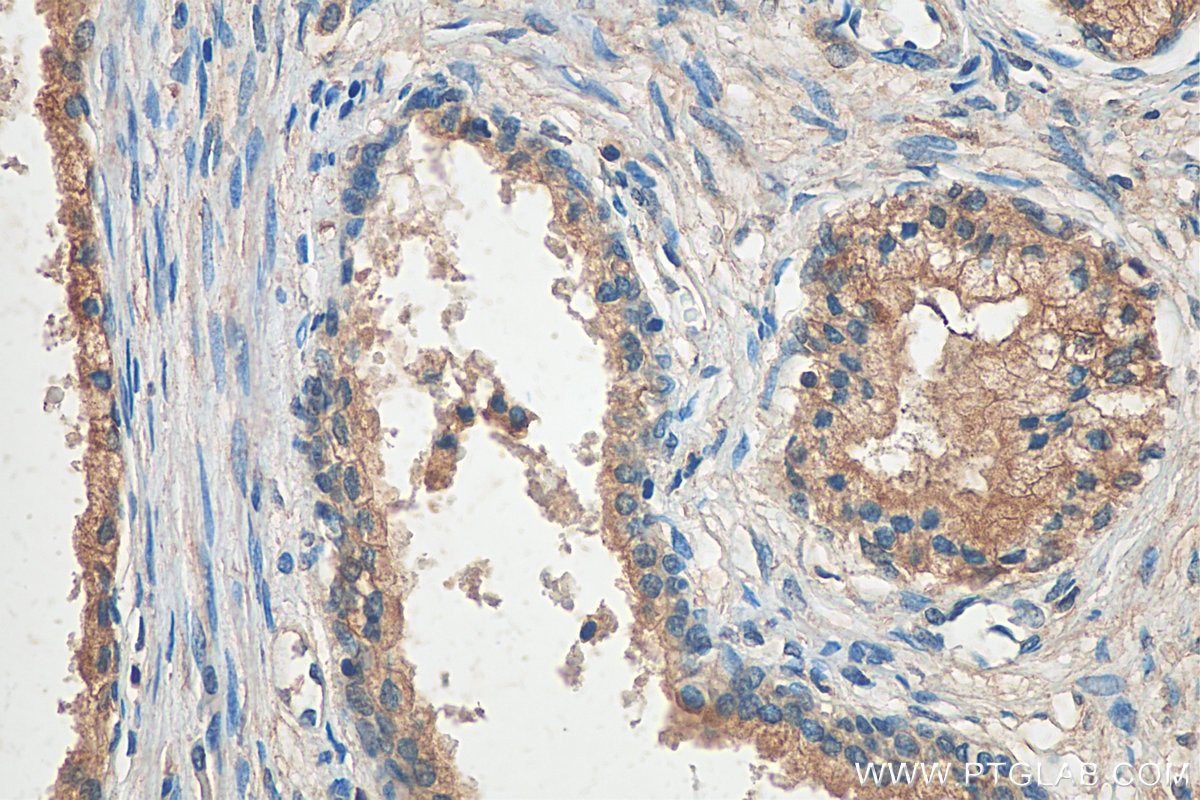
| Positive IHC detected in | human prostate cancer tissue Note: suggested antigen retrieval with TE buffer pH 9.0; (*) Alternatively, antigen retrieval may be performed with citrate buffer pH 6.0 |
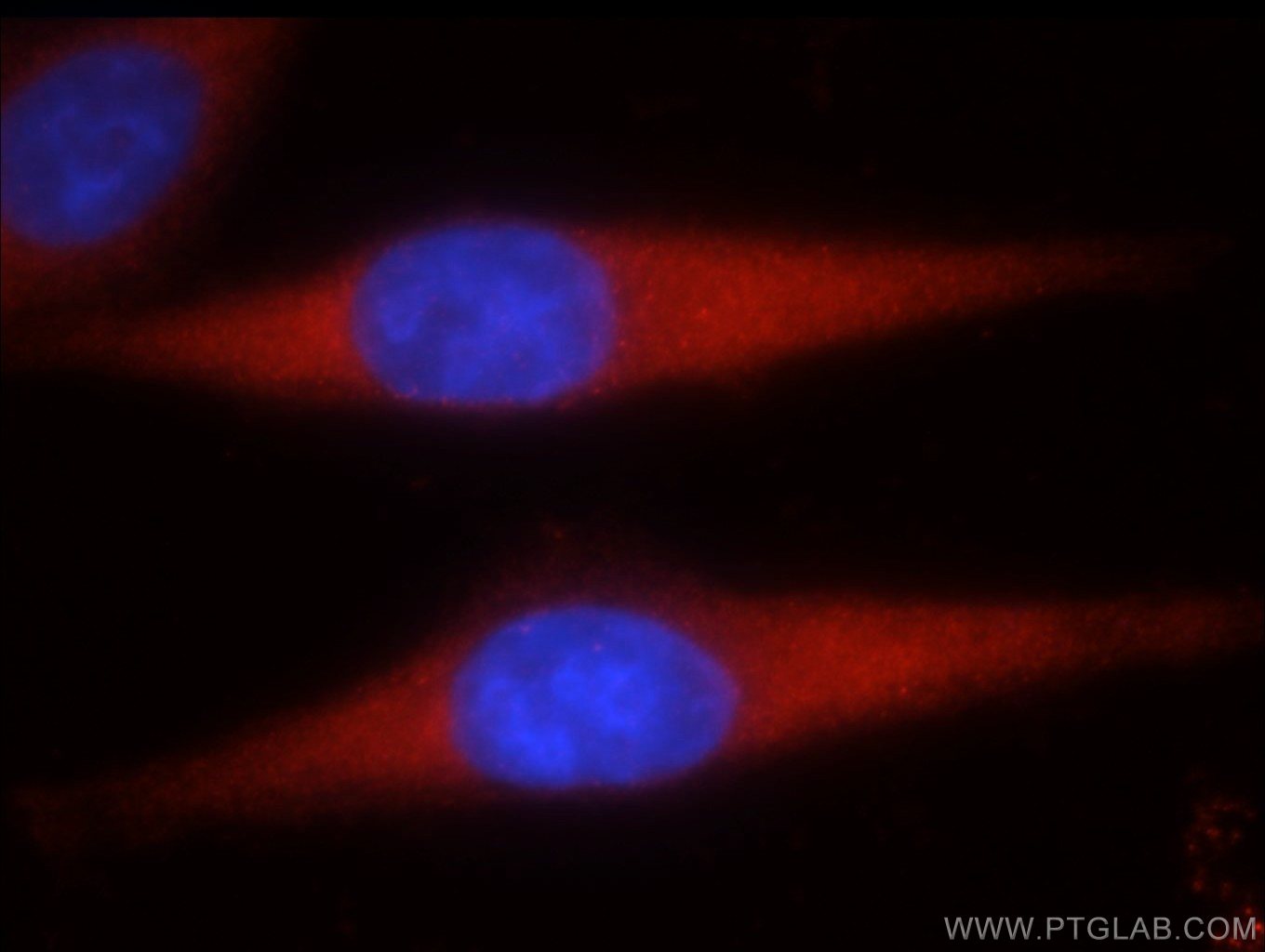
| Positive IF/ICC detected in | HepG2 cells |
Recommended dilution
| Application | Dilution |
|---|---|
| Western Blot (WB) | WB : 1:1000-1:6000 |
| Immunoprecipitation (IP) | IP : 0.5-4.0 ug for 1.0-3.0 mg of total protein lysate |
| Immunohistochemistry (IHC) | IHC : 1:50-1:500 |
| Immunofluorescence (IF)/ICC | IF/ICC : 1:20-1:200 |
| It is recommended that this reagent should be titrated in each testing system to obtain optimal results. | |
| Sample-dependent, Check data in validation data gallery. | |
Product Information
22245-1-AP targets MST1 in WB, IHC, IF/ICC, IP, CoIP, ELISA applications and shows reactivity with human, mouse, rat samples.
| Tested Reactivity | human, mouse, rat |
| Cited Reactivity | human, mouse, rat, sheep |
| Host / Isotype | Rabbit / IgG |
| Class | Polyclonal |
| Type | Antibody |
| Immunogen |
CatNo: Ag17738 Product name: Recombinant human STK4 protein Source: e coli.-derived, PGEX-4T Tag: GST Domain: 383-451 aa of BC093768 Sequence: RRDETMQPAKPSFLEYFEQKEKENQINSFGKSVPGPLKNSSDWKIPQDGDYEFLKSWTVEDLQKRLLAL Predict reactive species |
| Full Name | serine/threonine kinase 4 |
| Calculated Molecular Weight | 487 aa, 56 kDa |
| Observed Molecular Weight | 56 kDa |
| GenBank Accession Number | BC093768 |
| Gene Symbol | MST1 |
| Gene ID (NCBI) | 6789 |
| RRID | AB_11182388 |
| Conjugate | Unconjugated |
| Form | Liquid |
| Purification Method | Antigen affinity purification |
| UNIPROT ID | Q13043 |
| Storage Buffer | PBS with 0.02% sodium azide and 50% glycerol, pH 7.3. |
| Storage Conditions | Store at -20°C. Stable for one year after shipment. Aliquoting is unnecessary for -20oC storage. 20ul sizes contain 0.1% BSA. |
Background Information
Mammalian STE20-like serine-threonine kinase MST1, encoded by the STK4 gene, is a multifunctional protein. MST1 and its closest paralogs MST2 (encoded by the STK3 gene), MST3, and MST4 are members of the Class II Germinal Center Family of Protein Kinases . STK3/4 and LATS1/2 (large tumor suppressor 1 and 2) are core kinase components of the Hippo tumor suppressor pathway in mammalians . In the conventional Hippo pathway, the STK3/4 and LATS1/2 signaling cascade phosphorylates and inactivates the transcriptional coactivator YAP1 (yes associated protein 1) and its close paralog WWTR1]. YAP1 and WWTR1 do not have DNA binding domains and they exert their biological outputs, such as cell proliferation and survival, by interacting with the TEAD1-4 transcription factors. Lines of evidence have indicated that dysregulation or loss of STK4/Hippo signaling is linked to developmental disorders and carcinogenesis with poor prognosis. STK4 is a stress-induced kinase and it can be activated in response to cell-death inducers. Autophosphorylation of STK4 at Thr183 (Thr180 in STK3) in the activation loop is a key activation mechanism for STK4/3 because phosphorylation of Thr183/180 causes the cleavage of STK4 by caspases under apoptotic conditions. The caspase-cleavage results in a more active STK4 protein (STK4-N, an amino-terminally truncated STK4), which localizes into the nucleus and induces apoptosis through histone modifications and chromatin condensations.
Protocols
| Product Specific Protocols | |
|---|---|
| IF protocol for MST1 antibody 22245-1-AP | Download protocol |
| IHC protocol for MST1 antibody 22245-1-AP | Download protocol |
| IP protocol for MST1 antibody 22245-1-AP | Download protocol |
| WB protocol for MST1 antibody 22245-1-AP | Download protocol |
| Standard Protocols | |
|---|---|
| Click here to view our Standard Protocols |
Publications
What published studies show
Anti-MST1 (Cat# 22245-1-AP) has 65 citations across journals including Cell, Nature Communications, Autophagy, Science Translational Medicine, Advanced Science, Oncogene, and Cell Death & Differentiation. Research fields span the Hippo signaling pathway, cancer biology (hepatocellular, breast, lung, colorectal, bladder), liver fibrosis, cardiac hypertrophy, neurodegeneration, bone/cartilage degeneration, reproductive biology, ophthalmology, autophagy, phase separation, and stem cell biology.
| Species | Application | Title |
|---|---|---|
Bioact Mater Mesenchymal stromal/stem cell spheroid-derived extracellular vesicles advance the therapeutic efficacy of 3D-printed vascularized artificial liver lobules in liver failure treatment | ||
Autophagy Mechanical stress-mediated ferritinophagy aggravates cartilage endplate degeneration via a PIEZO1-NCOA4-ZBP1 axis. | ||
Autophagy Phase separation of OPTN initiates mitophagy to orchestrate craniofacial bone mineralization. | ||
Nat Commun KK-LC-1 as a therapeutic target to eliminate ALDH+ stem cells in triple negative breast cancer | ||
Nat Commun Fusobacterium nucleatum reduces METTL3-mediated m6A modification and contributes to colorectal cancer metastasis. |
Reviews
What customers say
One customer review is available for this product. Pierre D. (September 2025) rated it 4 out of 5 stars after using it for Western Blot on T cells, describing the performance as "Very Good." The review was based on lot 00075987. Overall, the limited feedback suggests satisfactory results in WB applications with T cell samples.
The reviews below have been submitted by verified Proteintech customers who received an incentive for providing their feedback.
Pierre (Verified Customer) (09-26-2025) | Very Good
|








