
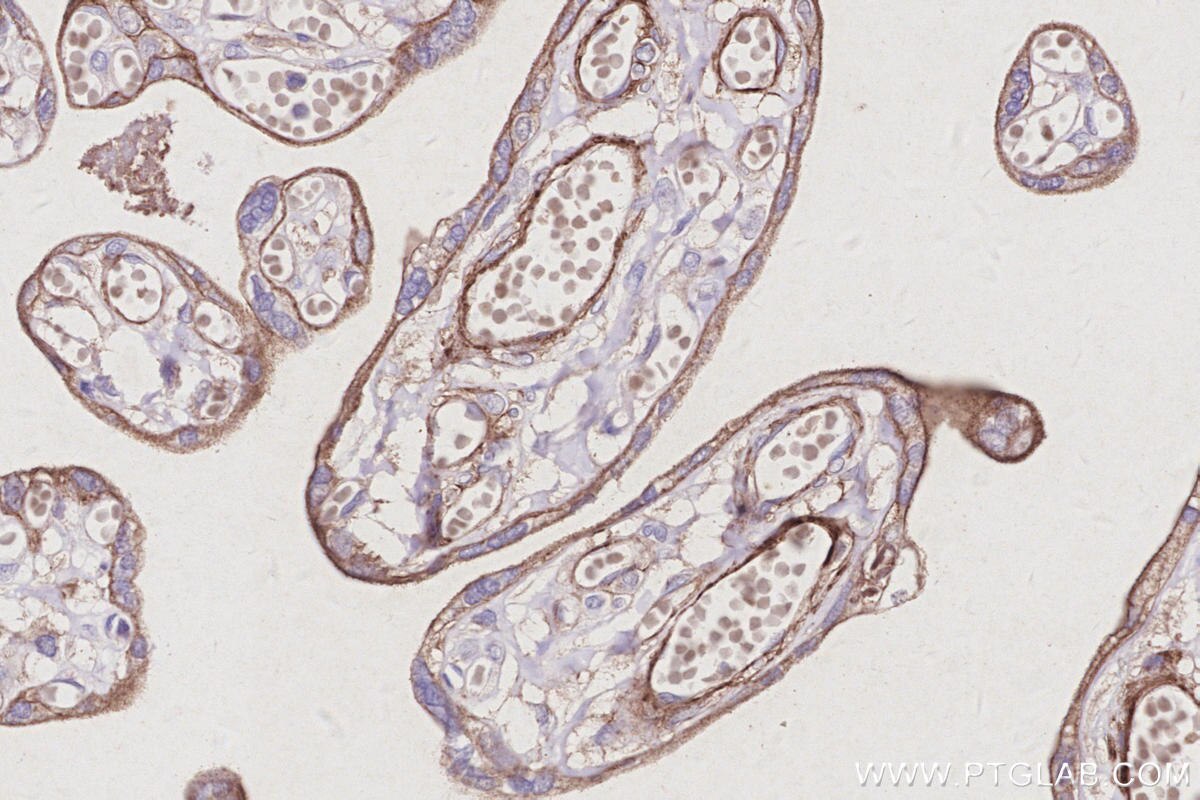

Tested Applications
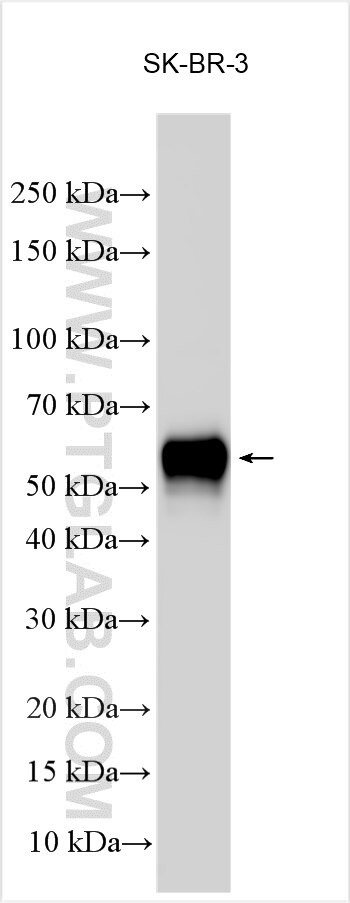
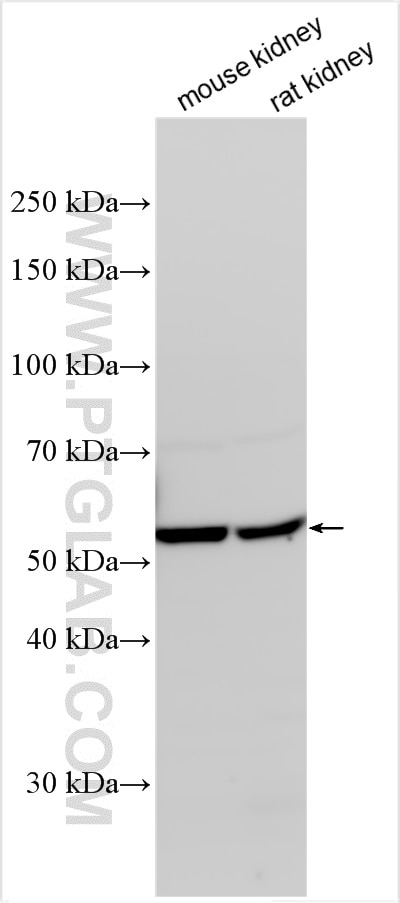
| Positive WB detected in | SK-BR-3 cells, mouse kidney tissue, rat kidney tissue |
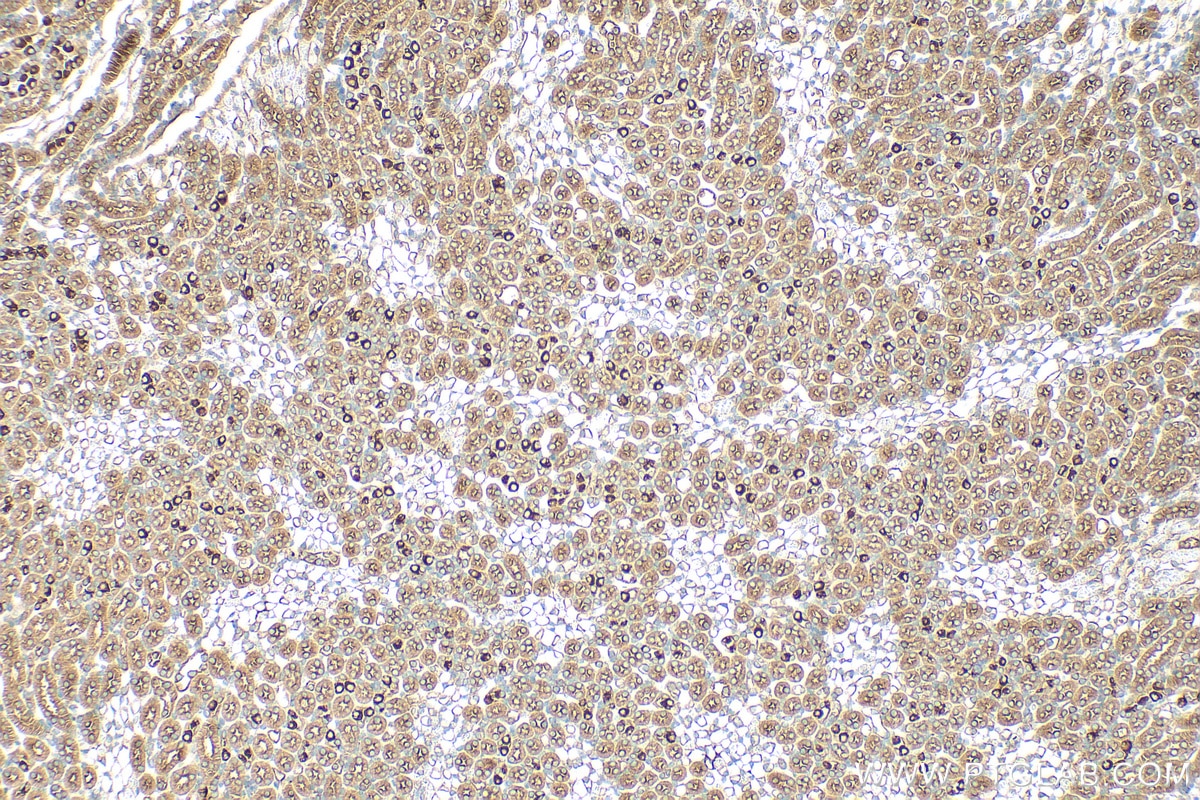
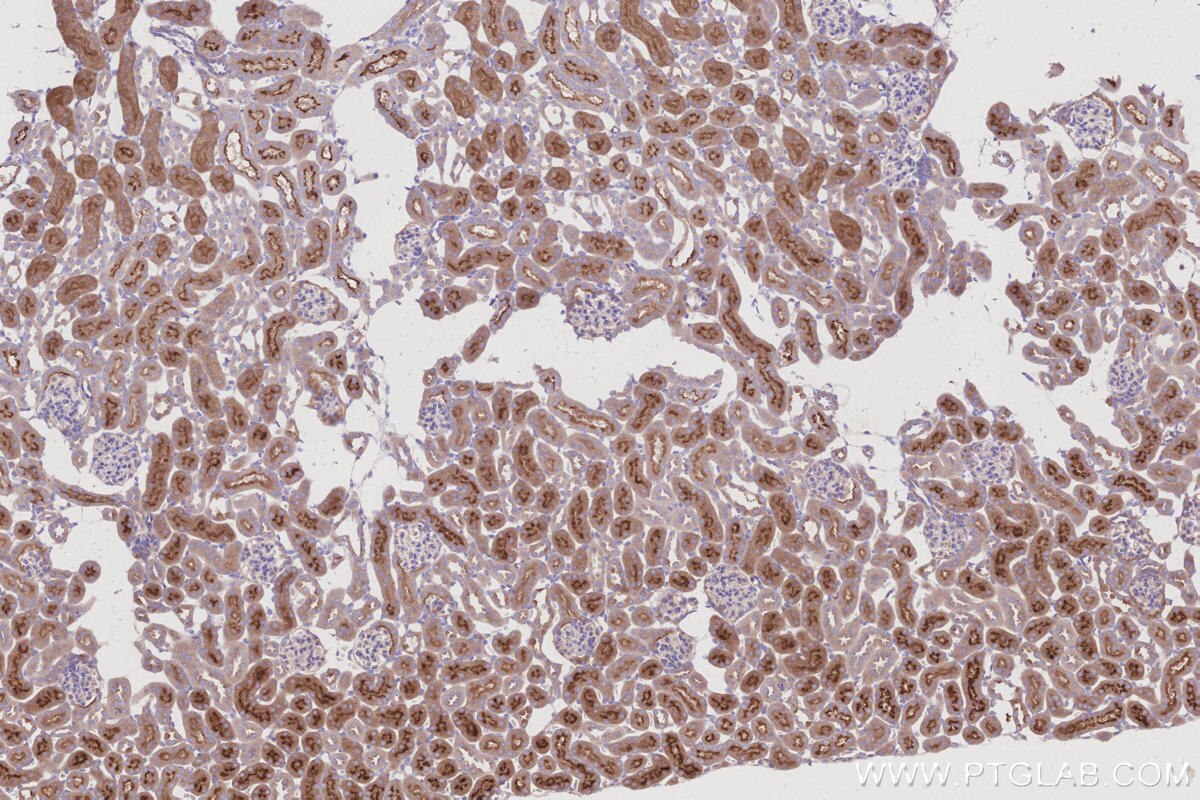
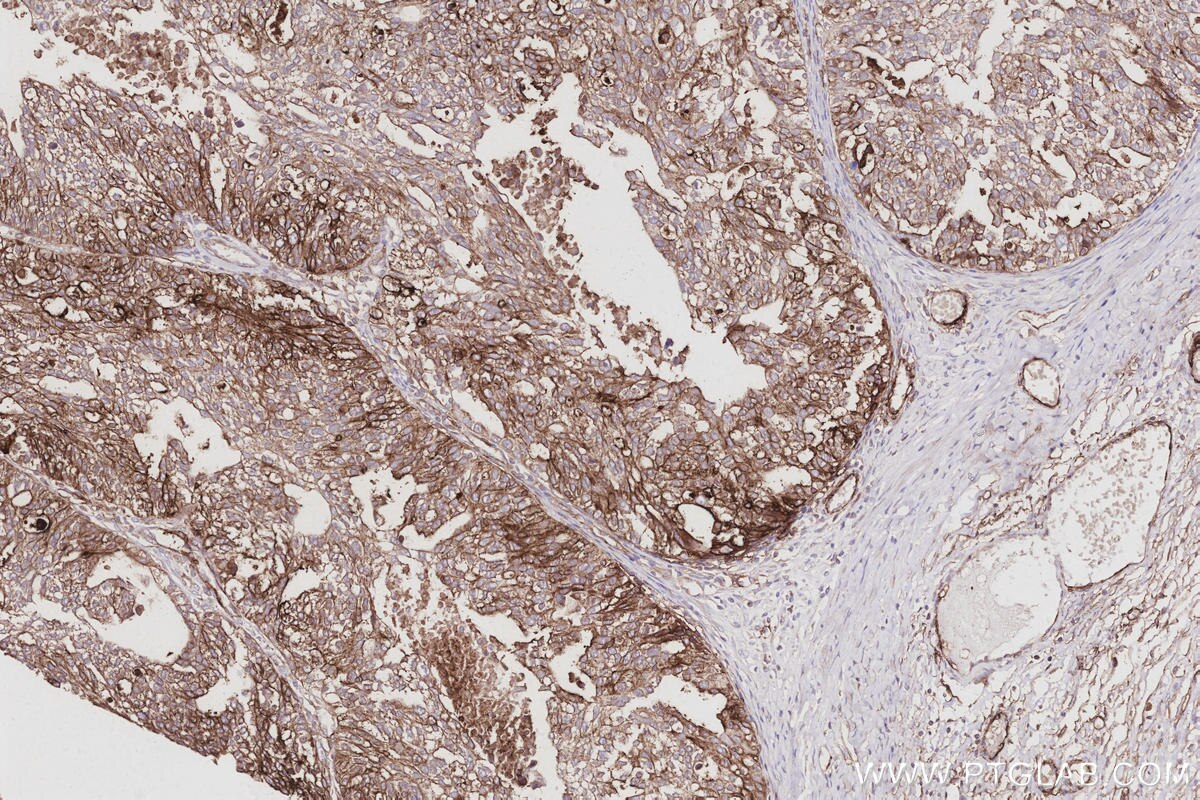
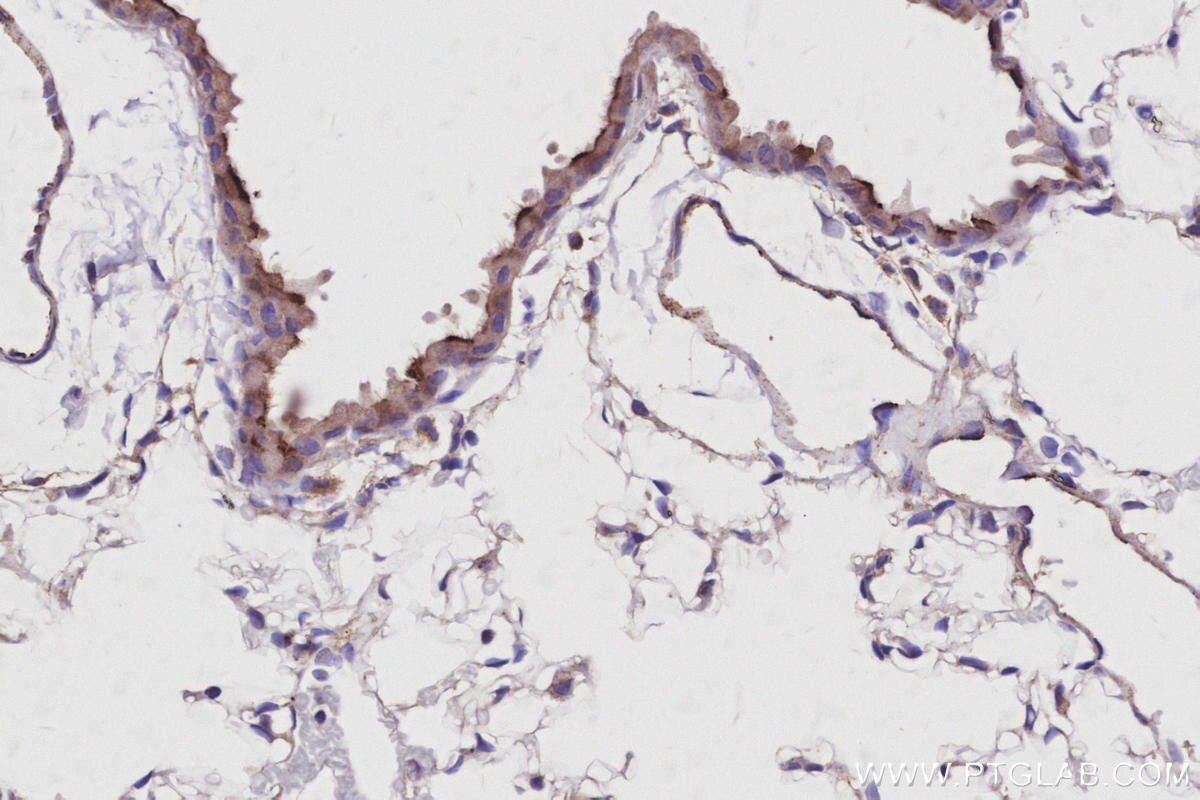
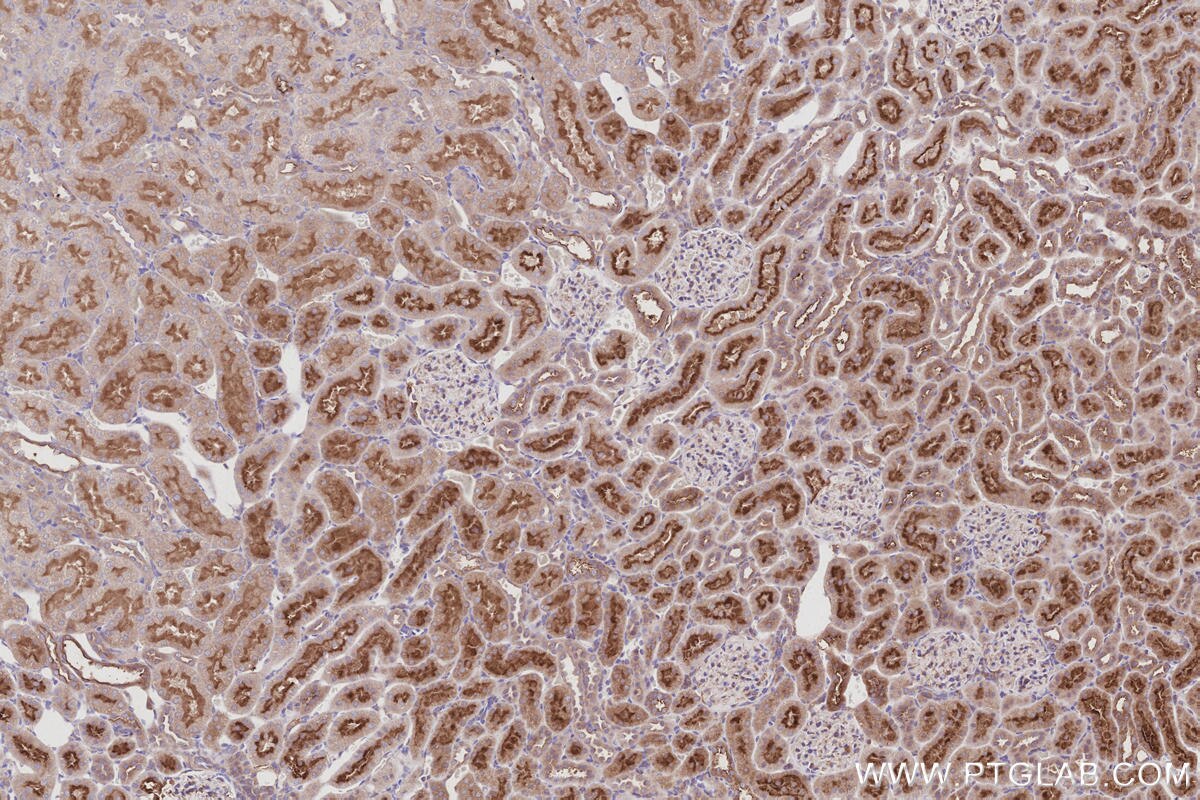
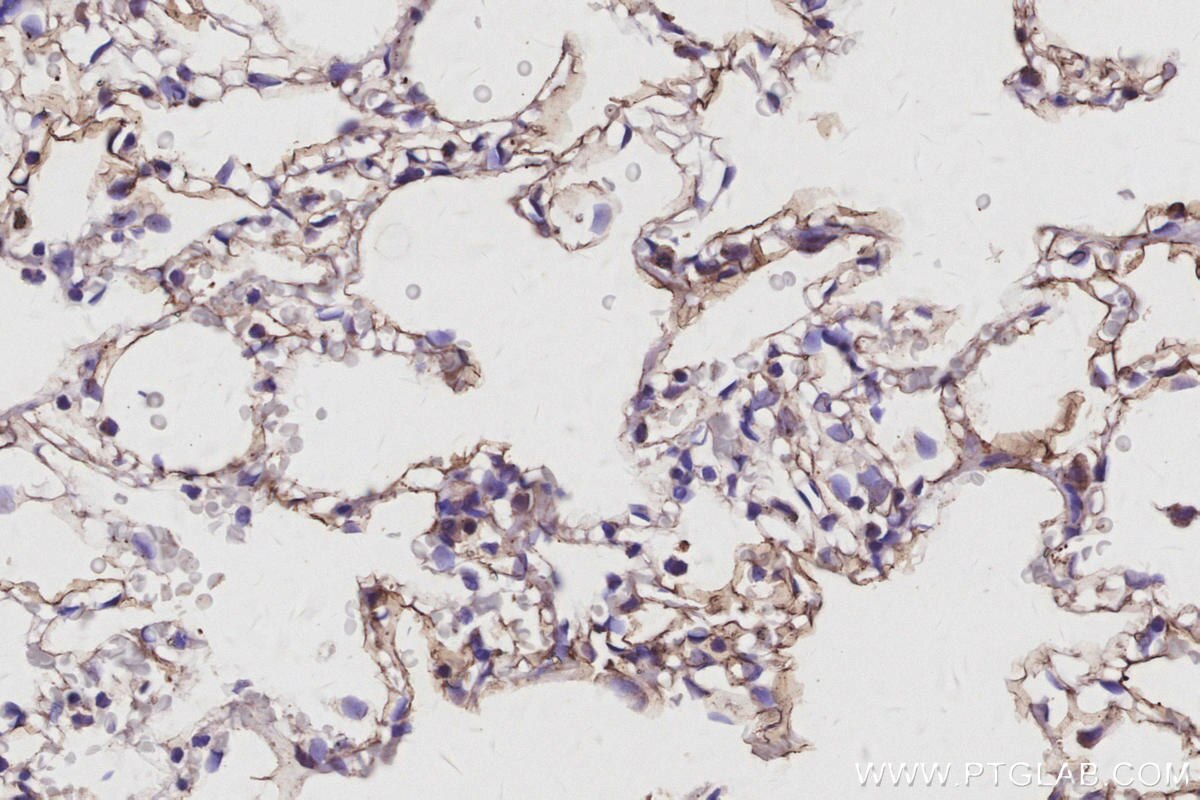
| Positive IHC detected in | mouse kidney tissue, human placenta tissue, human ovary cancer tissue, rat lung tissue, mouse lung tissue, mouse kidney tissue, rat kidney tissue Note: suggested antigen retrieval with TE buffer pH 9.0; (*) Alternatively, antigen retrieval may be performed with citrate buffer pH 6.0 |
Recommended dilution
| Application | Dilution |
|---|---|
| Western Blot (WB) | WB : 1:1000-1:6000 |
| Immunohistochemistry (IHC) | IHC : 1:50-1:500 |
| It is recommended that this reagent should be titrated in each testing system to obtain optimal results. | |
| Sample-dependent, Check data in validation data gallery. | |
Product Information
30711-1-AP targets SUSD2 in WB, IHC, ELISA applications and shows reactivity with human, mouse, rat samples.
| Tested Reactivity | human, mouse, rat |
| Cited Reactivity | mouse |
| Host / Isotype | Rabbit / IgG |
| Class | Polyclonal |
| Type | Antibody |
| Immunogen |
CatNo: Ag33630 Product name: Recombinant human SUSD2 protein Source: e coli.-derived, PGEX-4T Tag: GST Domain: 544-724 aa of NM_019601 Sequence: MDLKGMFLSVAAGDRVSIMLASGAGLEVSVQGPFLSVSVLLPEKFLTHTHGLLGTLNNDPTDDFTLHSGRVLPPGTSPQELFLFGANWTVHNASSLLTYDSWFLVHNFLYQPKHDPTFEPLFPSETTLNPSLAQEAAKLCGDDHFCNFDVAATGSLSTGTATRVAHQLHQRRMQSLQPVVS* Predict reactive species |
| Full Name | sushi domain containing 2 |
| Calculated Molecular Weight | 90 kDa |
| Observed Molecular Weight | 60 kDa, 90 kDa, 110 kDa |
| GenBank Accession Number | NM_019601 |
| Gene Symbol | SUSD2 |
| Gene ID (NCBI) | 56241 |
| RRID | AB_3669753 |
| Conjugate | Unconjugated |
| Form | Liquid |
| Purification Method | Antigen affinity purification |
| UNIPROT ID | Q9UGT4 |
| Storage Buffer | PBS with 0.02% sodium azide and 50% glycerol, pH 7.3. |
| Storage Conditions | Store at -20°C. Stable for one year after shipment. Aliquoting is unnecessary for -20oC storage. 20ul sizes contain 0.1% BSA. |
Background Information
Sushi domain containing 2 (SUSD2) is a type I transmembrane protein that contains a somatomedin B, AMOP, von Willebrand factor type D and Sushi domains, which are frequently found in molecules associated with cell-cell and cell-matrix adhesion. SUSD2 is composed of 822 amino acids with a predicted molecular weight of 90.4 kDa (PMID: 31387209). Three specific SUSD2 bands were present, the glycosylated, full-length protein (~110 kDa), ~90 kDa band represents full-length SUSD2 with minimal glycosylation, and a strong ~60 kDa band, represents a cleaved product of SUSD2 at the GD-PH sequence in the endoplasmic reticulum (PMID:27775699, 32595828).
Protocols
| Product Specific Protocols | |
|---|---|
| IHC protocol for SUSD2 antibody 30711-1-AP | Download protocol |
| WB protocol for SUSD2 antibody 30711-1-AP | Download protocol |
| Standard Protocols | |
|---|---|
| Click here to view our Standard Protocols |
Publications
What published studies show
The SUSD2 polyclonal antibody (Cat# 30711-1-AP) has 3 total citations. These appear in Cancer Letters, Cell Signaling, and Biochimica et Biophysica Acta – Molecular Cell Research. The research fields span pancreatic cancer immune evasion via the miR-181b-5p/STING/LGALS1 pathway, intrauterine adhesion involving glycolysis and mitophagy in endometrial stem cells, and colorectal cancer progression through NF-κB-mediated oxidative stress regulation.
| Species | Application | Title |
|---|---|---|
Cancer Lett Cancer-associated fibroblasts promote immune evasion in pancreatic cancer via miR-181b-5p/STING/LGALS1 pathway. | ||
Cell Signal CDK1 alleviates intrauterine adhesion progression by enhancing glycolysis and mitophagy in endometrial stem cells. | ||
Biochim Biophys Acta Mol Cell Res SUSD2 suppresses colorectal cancer progression by activating NF-κB pathway to regulate NOX4-mediated oxidative stress. |










