
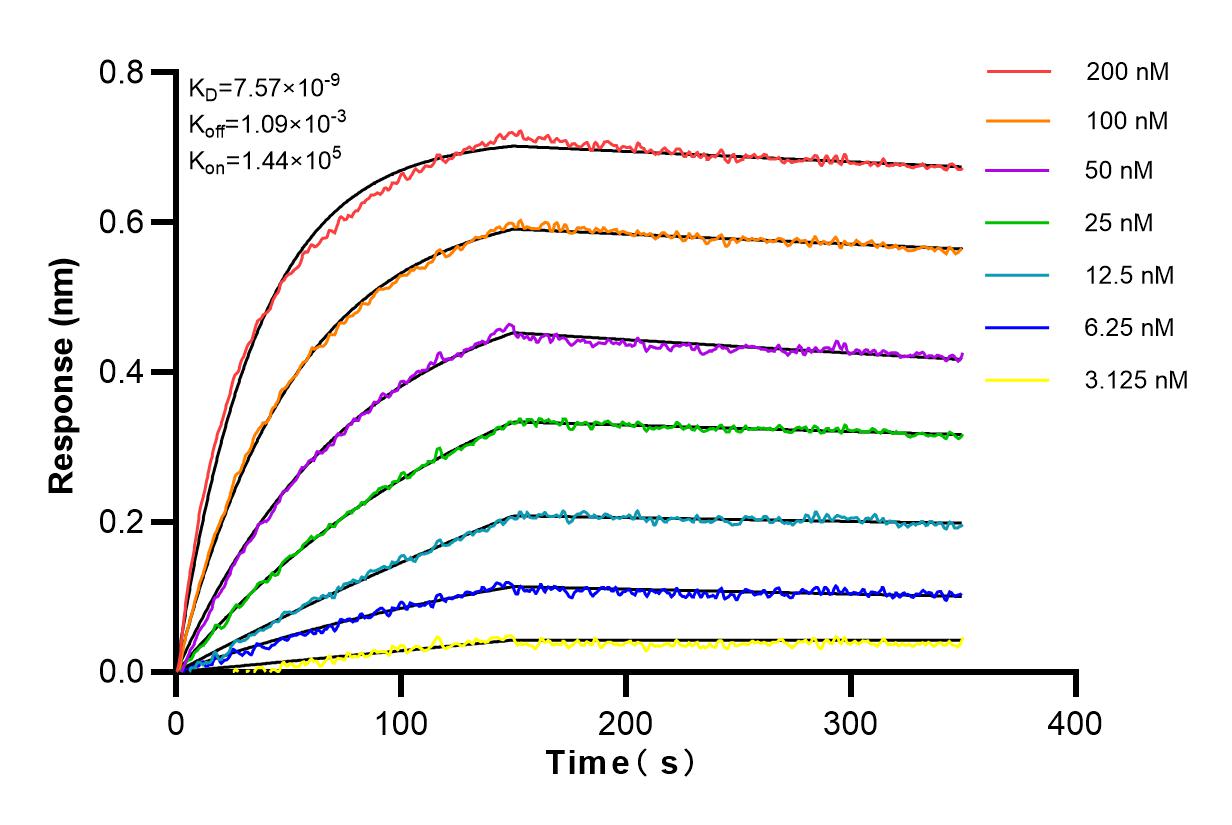

Tested Applications
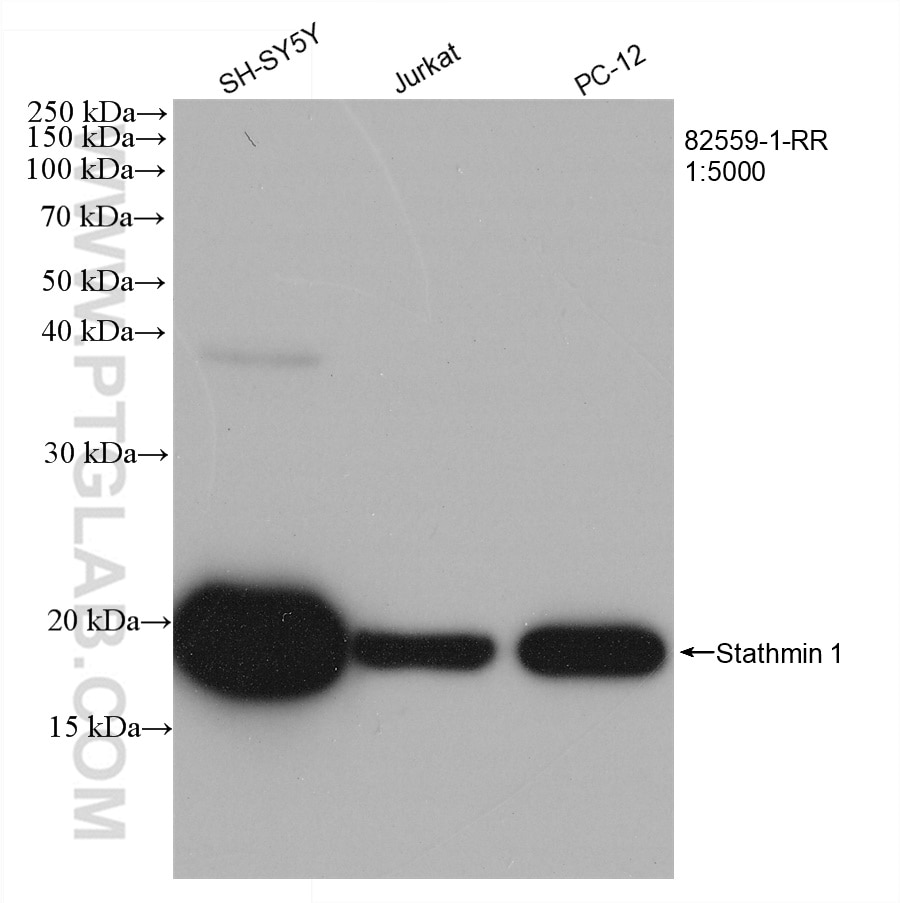
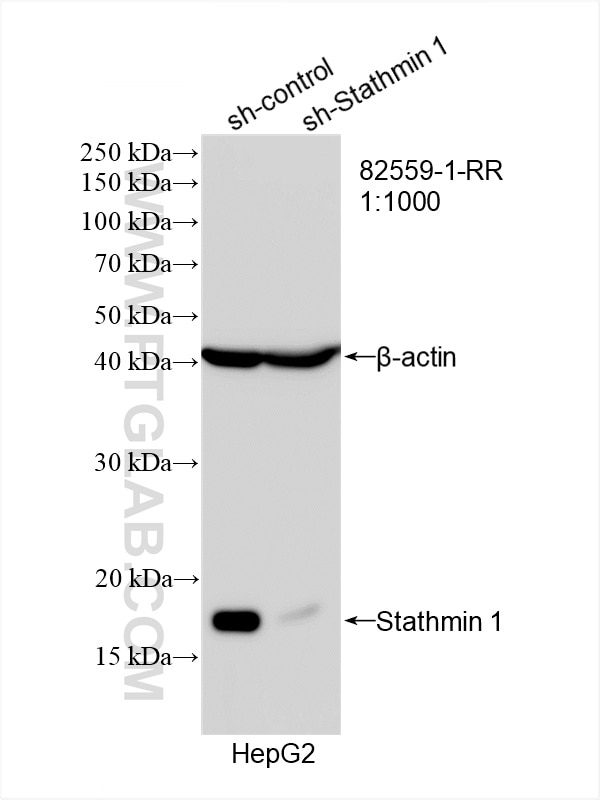
| Positive WB detected in | SH-SY5Y cells, HepG2 cells, Jurkat cells, PC-12 cells |
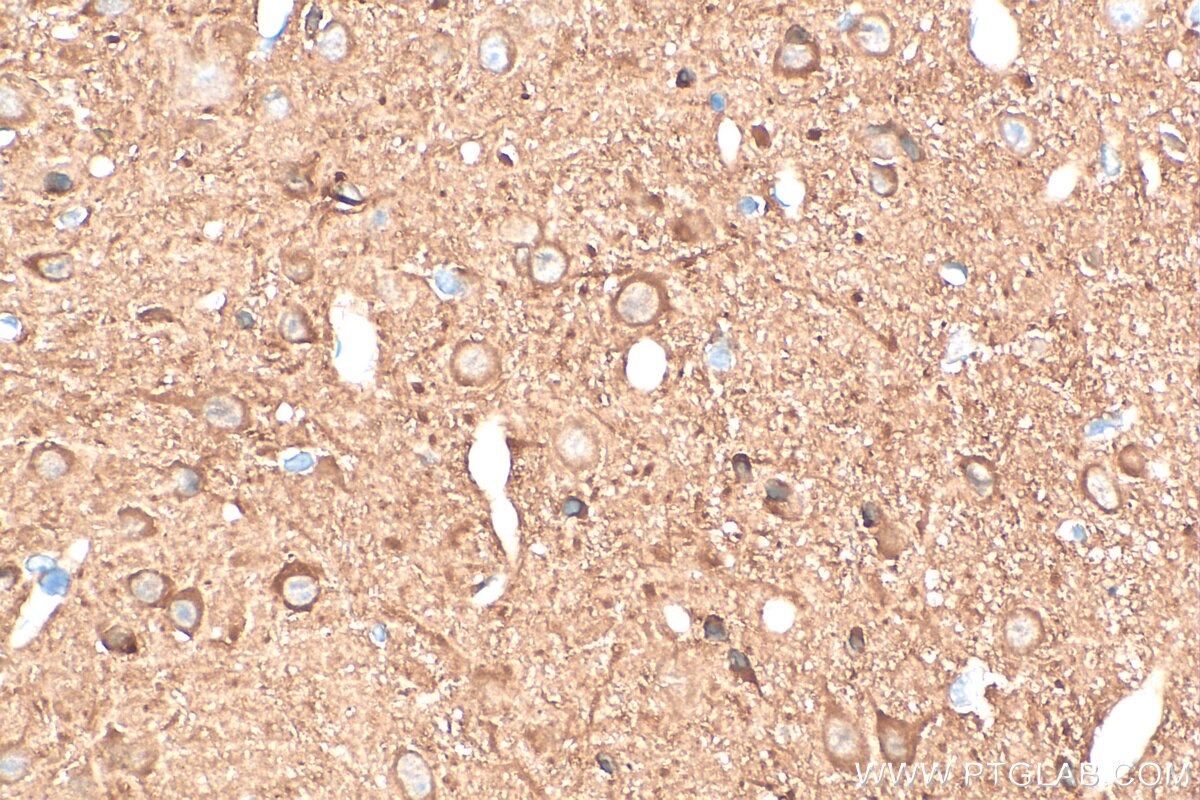
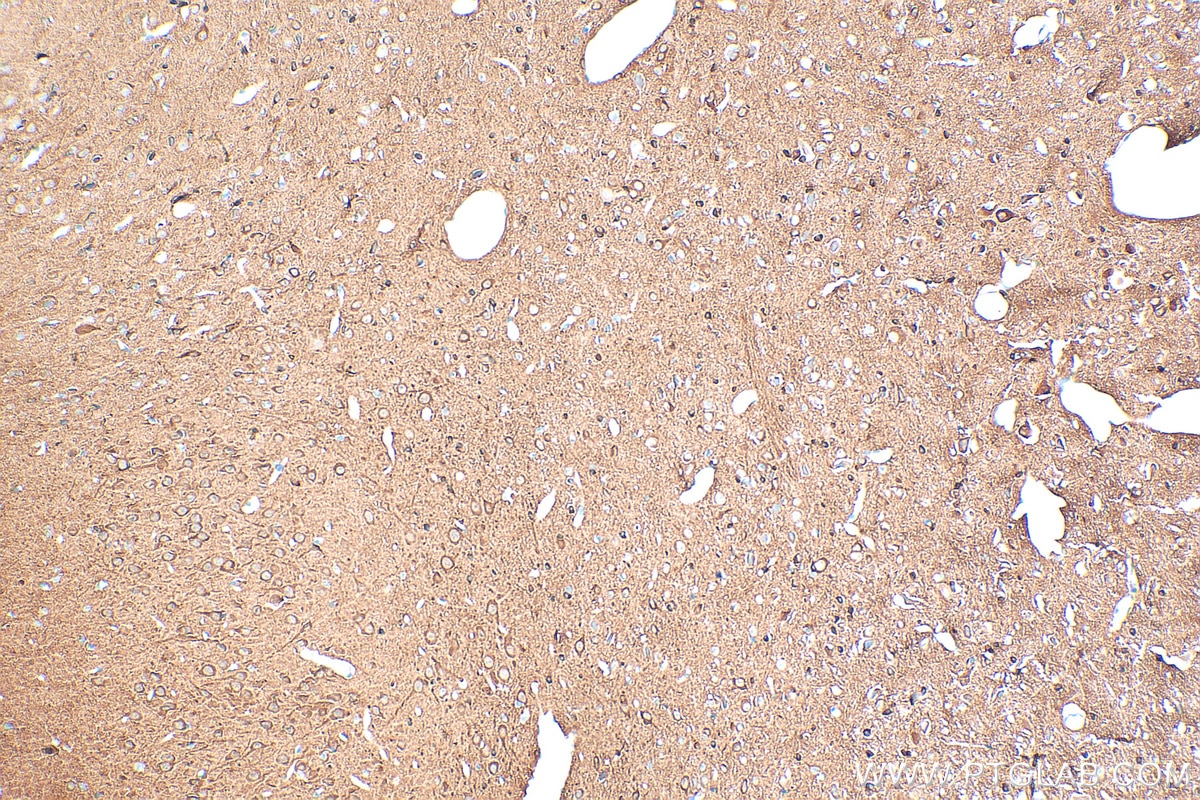
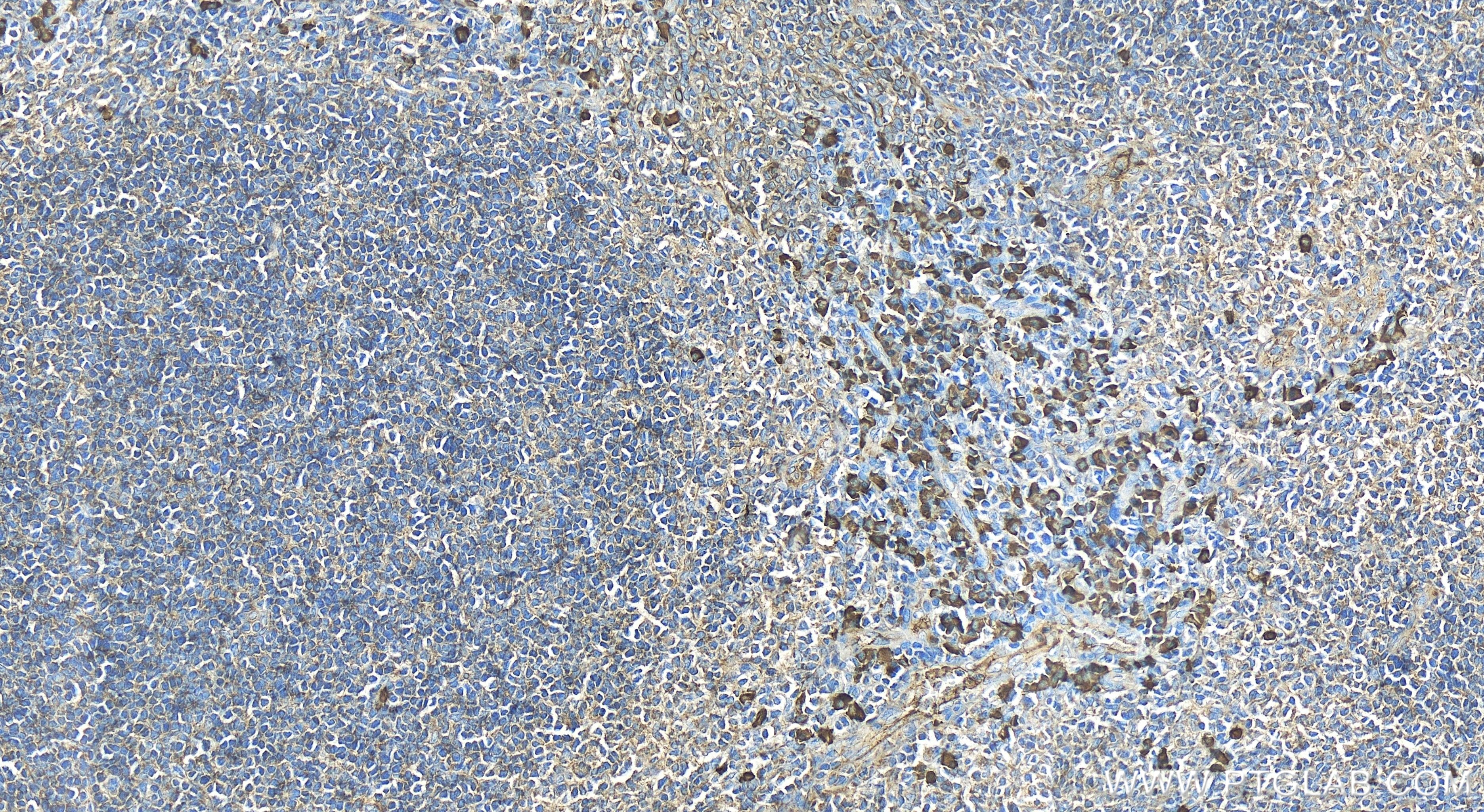
| Positive IHC detected in | rat brain tissue, human tonsillitis tissue Note: suggested antigen retrieval with TE buffer pH 9.0; (*) Alternatively, antigen retrieval may be performed with citrate buffer pH 6.0 |
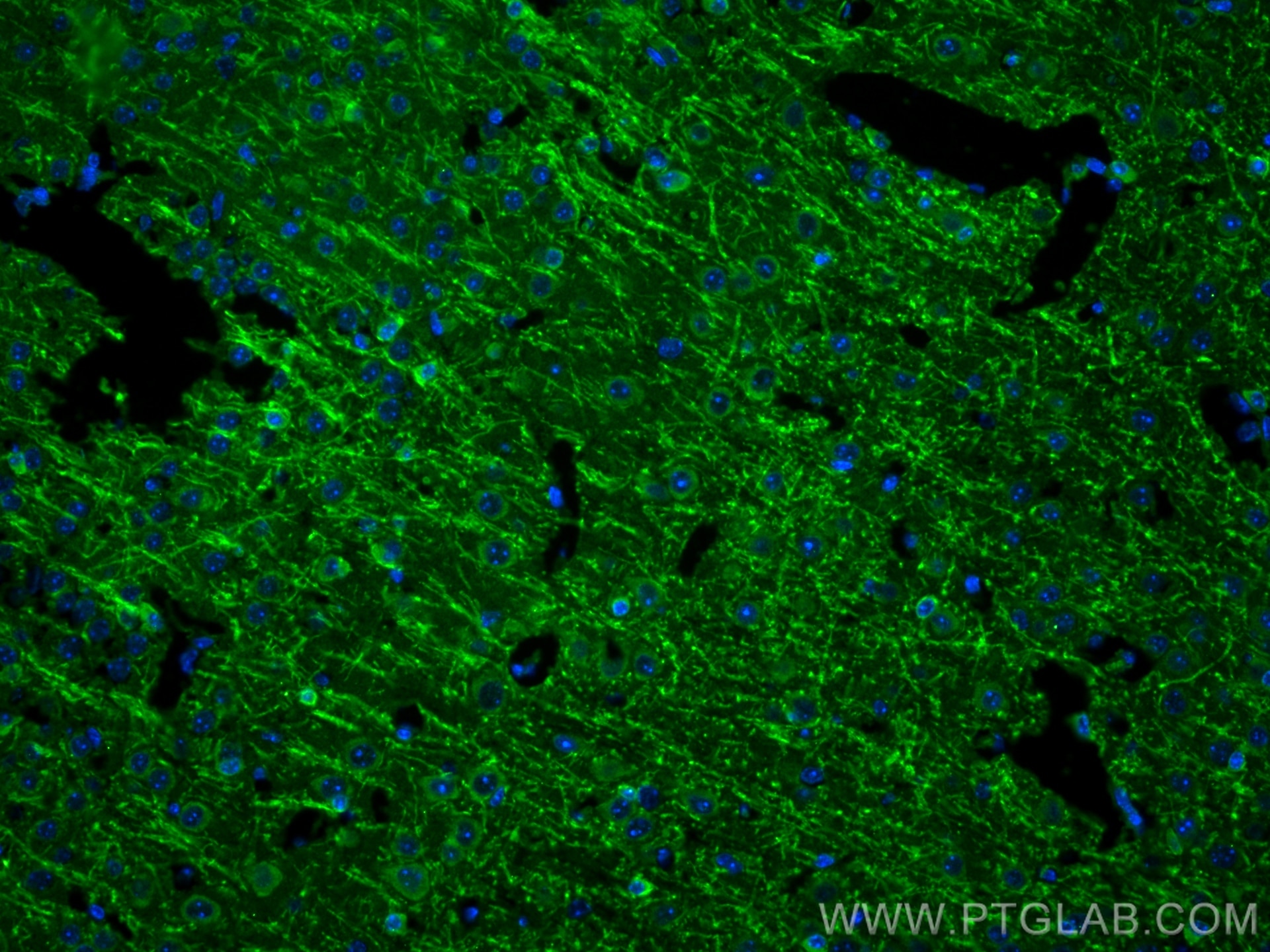
| Positive IF-P detected in | mouse brain tissue |
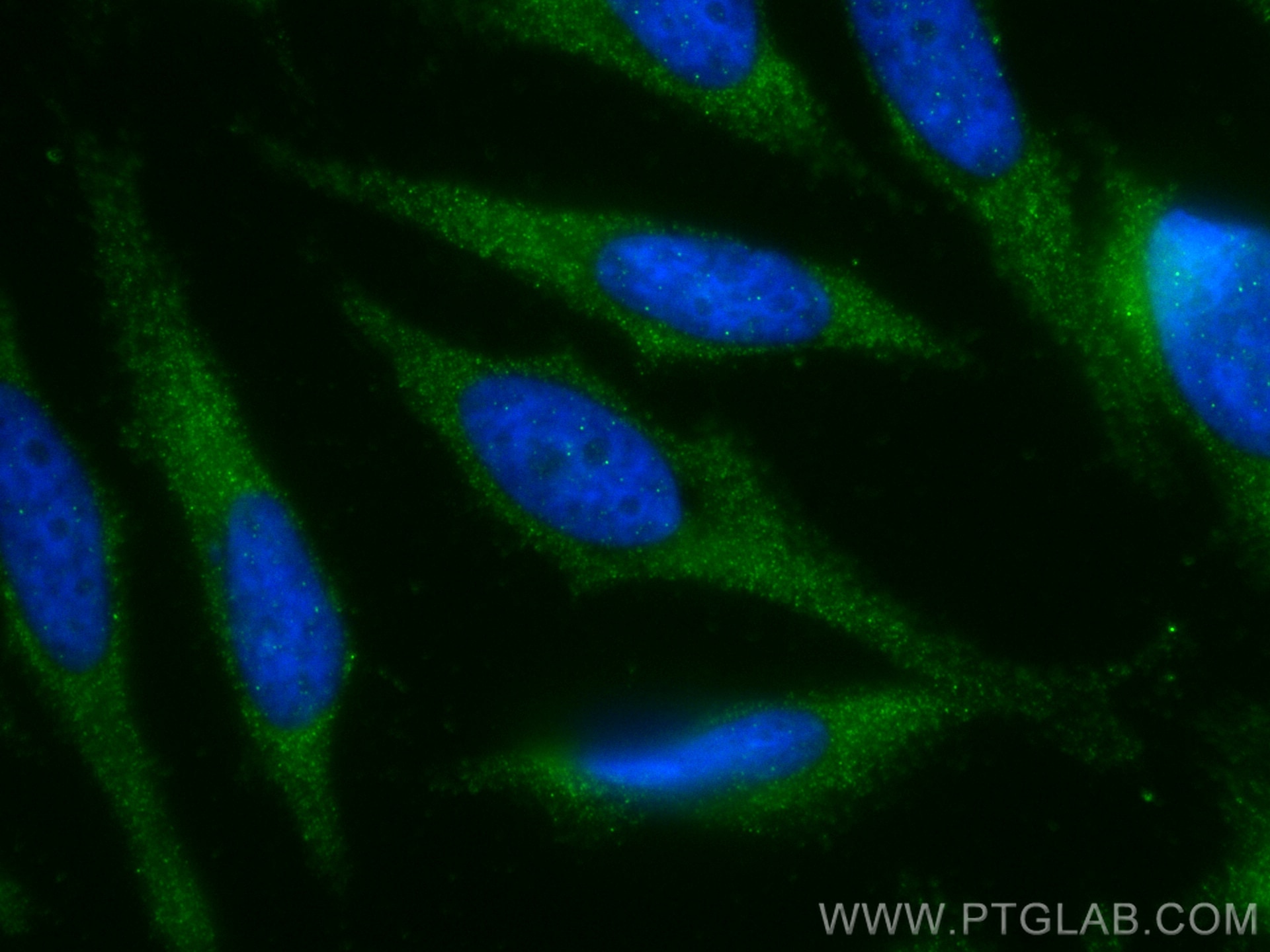
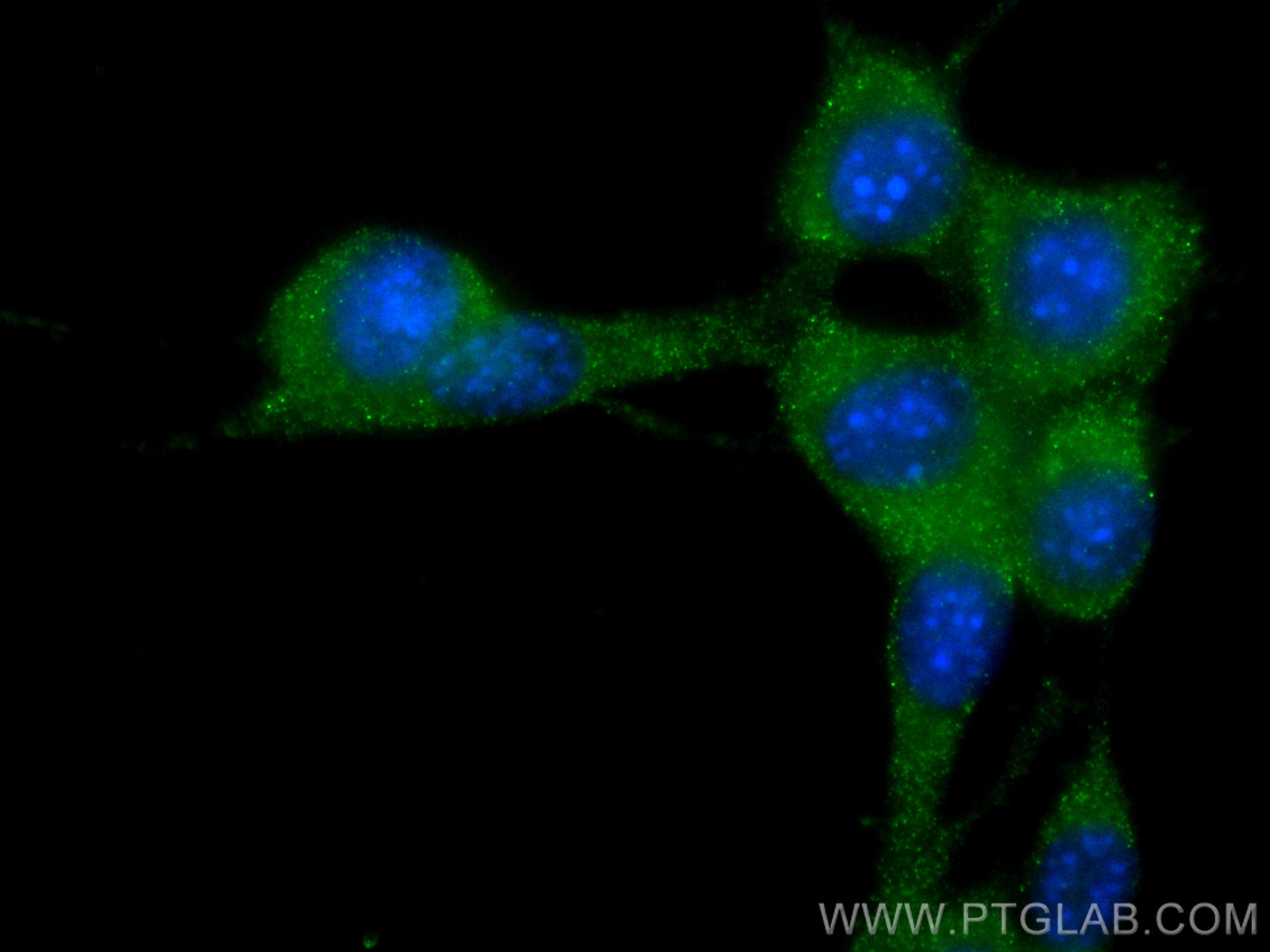
| Positive IF/ICC detected in | HeLa cells, NIH/3T3 cells |
Recommended dilution
| Application | Dilution |
|---|---|
| Western Blot (WB) | WB : 1:2000-1:10000 |
| Immunohistochemistry (IHC) | IHC : 1:1000-1:4000 |
| Immunofluorescence (IF)-P | IF-P : 1:250-1:1000 |
| Immunofluorescence (IF)/ICC | IF/ICC : 1:500-1:2000 |
| It is recommended that this reagent should be titrated in each testing system to obtain optimal results. | |
| Sample-dependent, Check data in validation data gallery. | |
Product Information
82559-1-RR targets Stathmin 1 in WB, IHC, IF/ICC, IF-P, ELISA applications and shows reactivity with human, mouse, rat samples.
| Tested Reactivity | human, mouse, rat |
| Cited Reactivity | mouse |
| Host / Isotype | Rabbit / IgG |
| Class | Recombinant |
| Type | Antibody |
| Immunogen |
CatNo: Ag1633 Product name: Recombinant human STMN1 protein Source: e coli.-derived, PGEX-4T Tag: GST Domain: 1-149 aa of BC014353 Sequence: MASSDIQVKELEKRASGQAFELILSPRSKESVPEFPLSPPKKKDFSLEEIQKKLEAAEERRKSHEAEVLKQLAEKREHEKEVLQKAIEENNNFSKMAEEKLTHKMEANKENREAQMAAKLERLREKDKHIEEVRKNKESKDPADETEAD Predict reactive species |
| Full Name | stathmin 1/oncoprotein 18 |
| Calculated Molecular Weight | 18 kDa |
| Observed Molecular Weight | 18 kDa |
| GenBank Accession Number | BC014353 |
| Gene Symbol | Stathmin 1 |
| Gene ID (NCBI) | 3925 |
| RRID | AB_3086489 |
| Conjugate | Unconjugated |
| Form | Liquid |
| Purification Method | Protein A purification |
| UNIPROT ID | P16949 |
| Storage Buffer | PBS with 0.02% sodium azide and 50% glycerol, pH 7.3. |
| Storage Conditions | Store at -20°C. Stable for one year after shipment. Aliquoting is unnecessary for -20oC storage. 20ul sizes contain 0.1% BSA. |
Background Information
Stathmin 1 (STMN1) normally regulates microtubule dynamics either by sequestering free tubulin heterodimers or by promoting microtubule catastrophe. STMN1 is highly expressed in fetal and adult brain, spinal cord, and cerebellum. Many different phosphorylated forms are observed depending on specific combinations among the sites which can be phosphorylated. Phosphorylation of stathmin is involved in response to NGF, neuron polarization and microtubule polymerization inhibition activity. Increased expression of STMN1 has been observed in a variety of human malignancies, such as colorectal primary tumors and metastatic tissues, but its association with melanoma is so far not well known.
Protocols
| Product Specific Protocols | |
|---|---|
| IF protocol for Stathmin 1 antibody 82559-1-RR | Download protocol |
| IHC protocol for Stathmin 1 antibody 82559-1-RR | Download protocol |
| WB protocol for Stathmin 1 antibody 82559-1-RR | Download protocol |
| Standard Protocols | |
|---|---|
| Click here to view our Standard Protocols |
Publications
What published studies show
The Stathmin 1 Recombinant monoclonal antibody (2H6), catalog number 82559-1-RR, has 1 citation. It appears in the Journal of Microbiology and Biotechnology (2025), used in a Western blot study on mouse samples. The research investigates how Botulinum Neurotoxin Type A combined with platelet-rich plasma promotes hair follicle growth and regeneration through STMN1 modulation and Wnt/β-catenin pathway activation, placing the citation in the fields of dermatology, regenerative medicine, and signal transduction.
| Species | Application | Title |
|---|---|---|
J Microbiol Biotechnol Botulinum Neurotoxin Type A Combined with Platelet-Rich Plasma Promotes Hair Follicle Growth and Regeneration via STMN1 Modulation and Wnt/β-Catenin Pathway Activation.
|
Reviews
What customers say
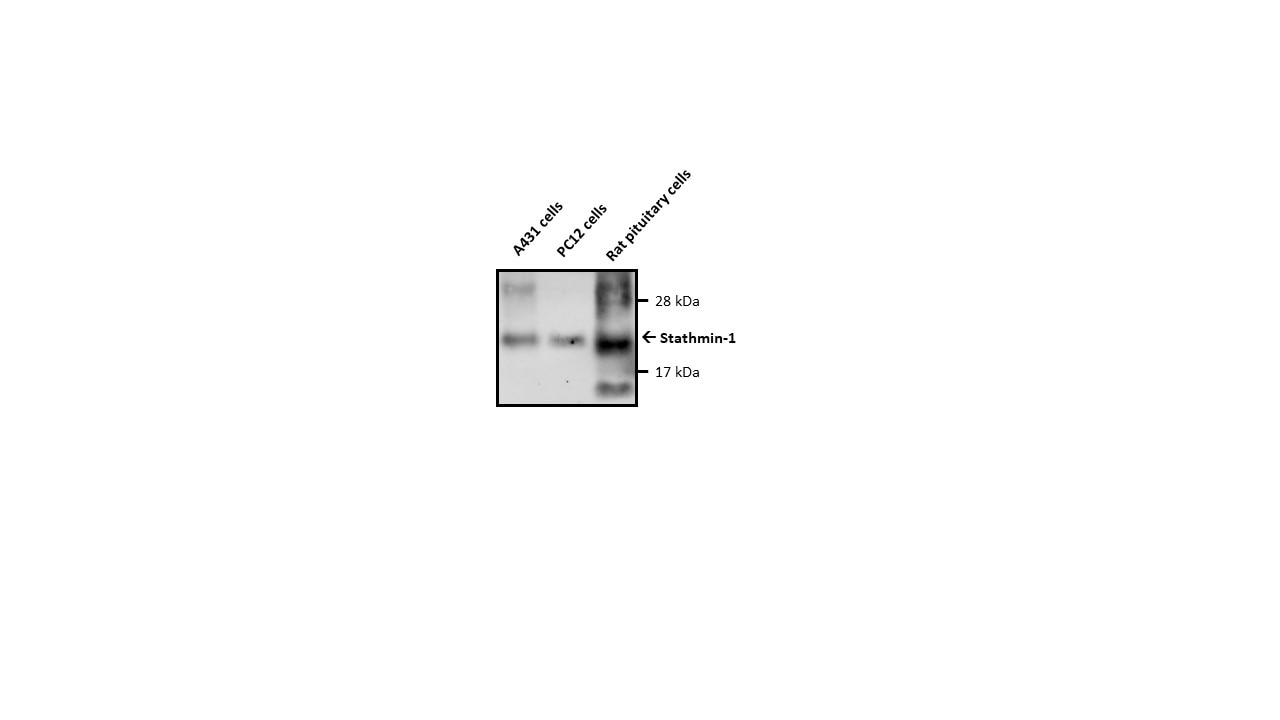
The single review for this product is a 5-star rating from a Western Blot application. The user tested the antibody at a 1/1000 dilution on A431 cells, P12 cells, and rat pituitary cells, reporting good detection of the stathmin-1 protein at the expected molecular weight. Overall, the feedback is positive, highlighting reliable performance and correct band recognition in WB.
The reviews below have been submitted by verified Proteintech customers who received an incentive for providing their feedback.
Frédéric (Verified Customer) (11-22-2024) | Good detection of stathmin-1 protein at expected molecular weight.
 |










