

Tested Applications
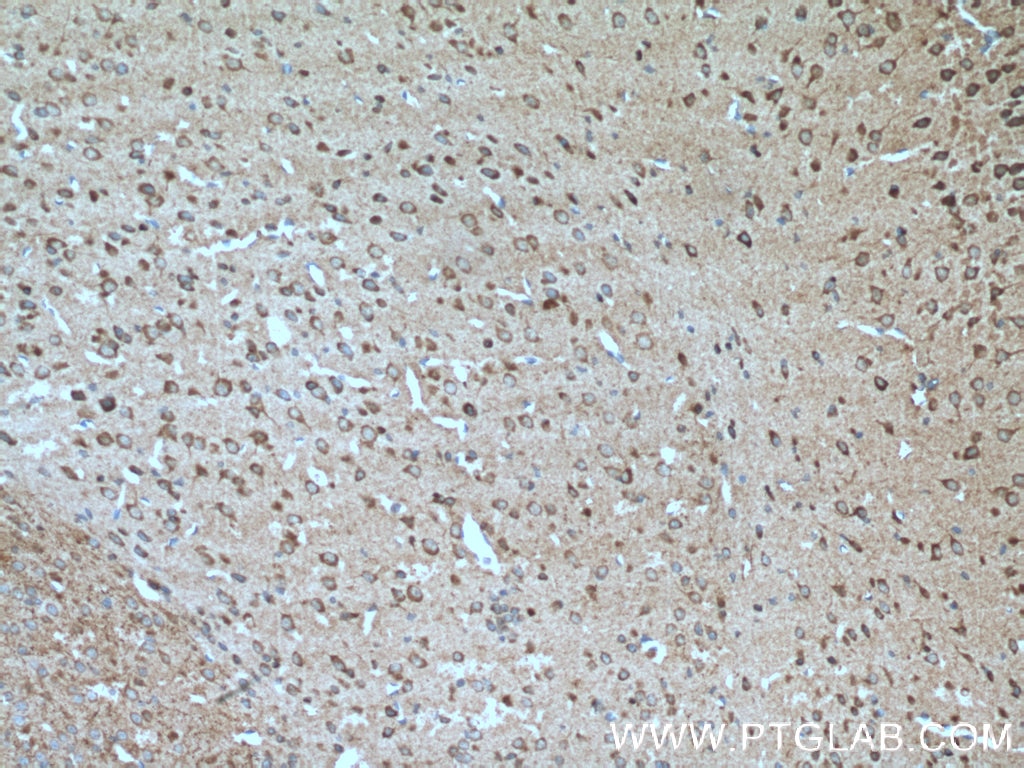
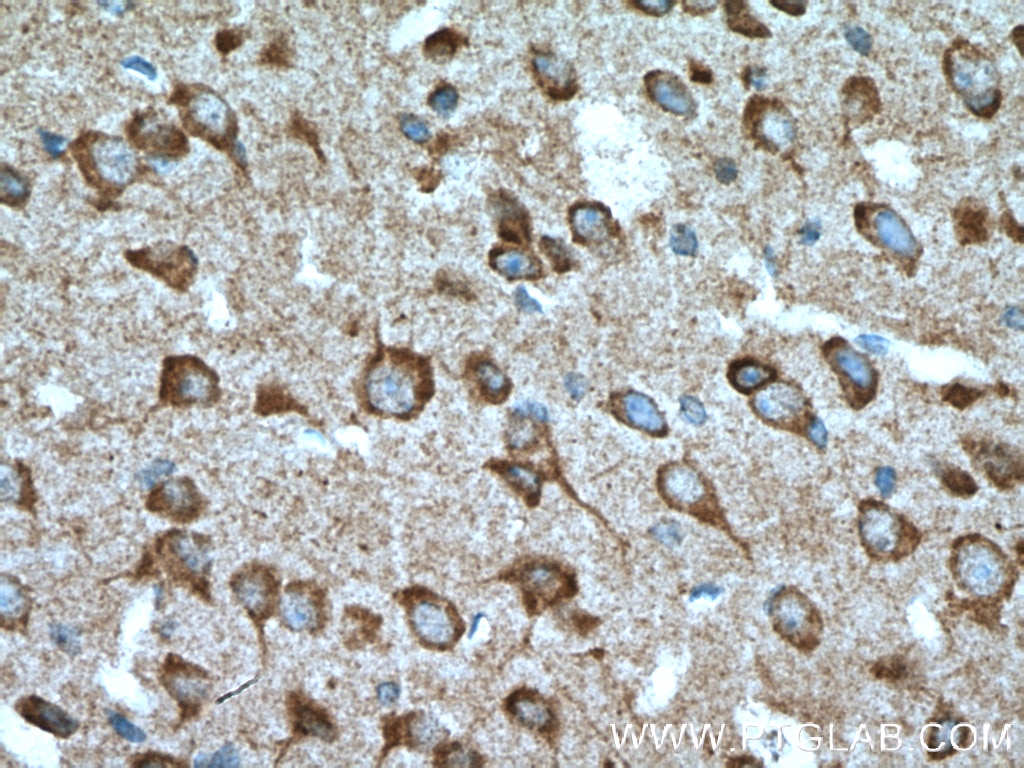
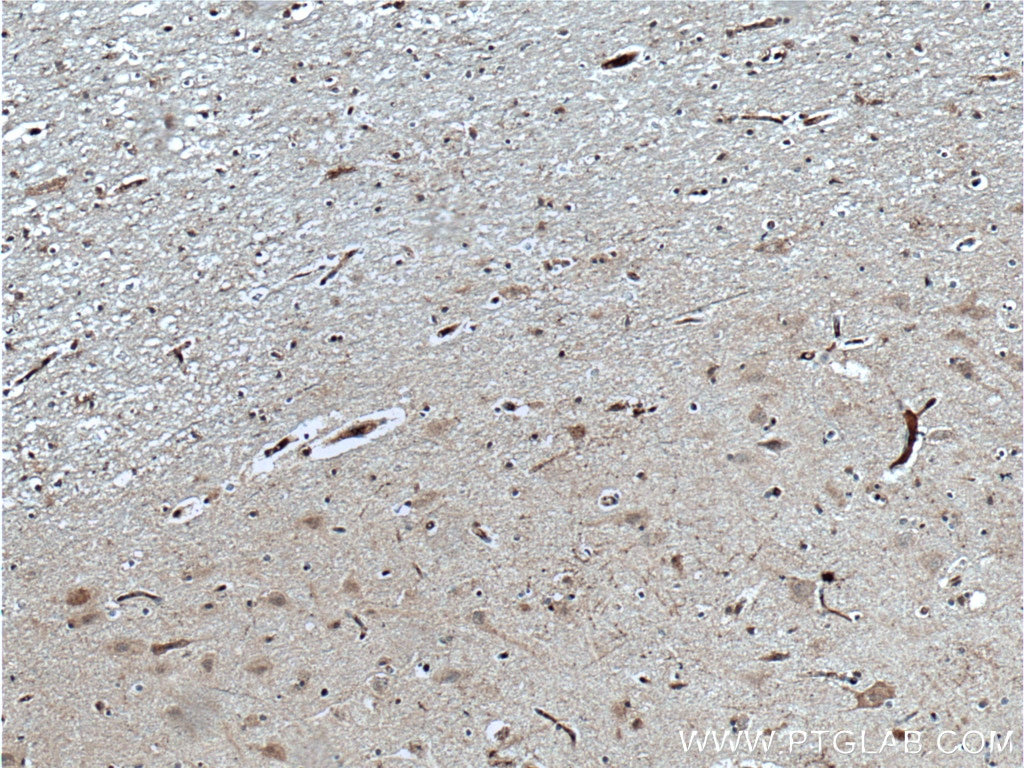
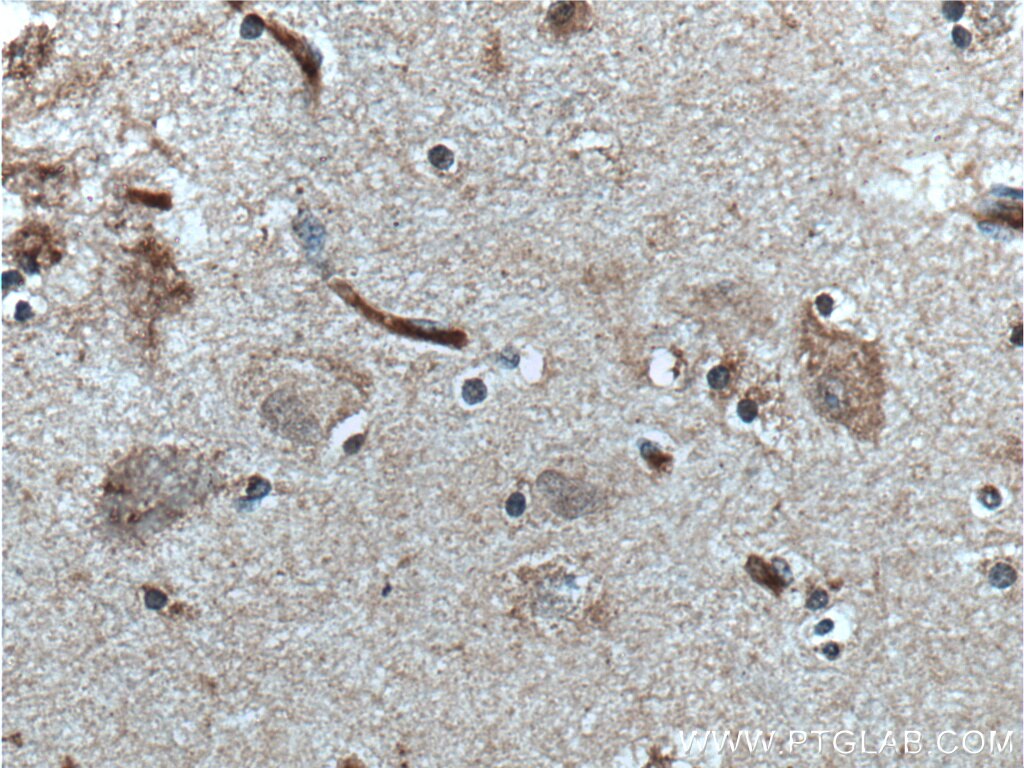
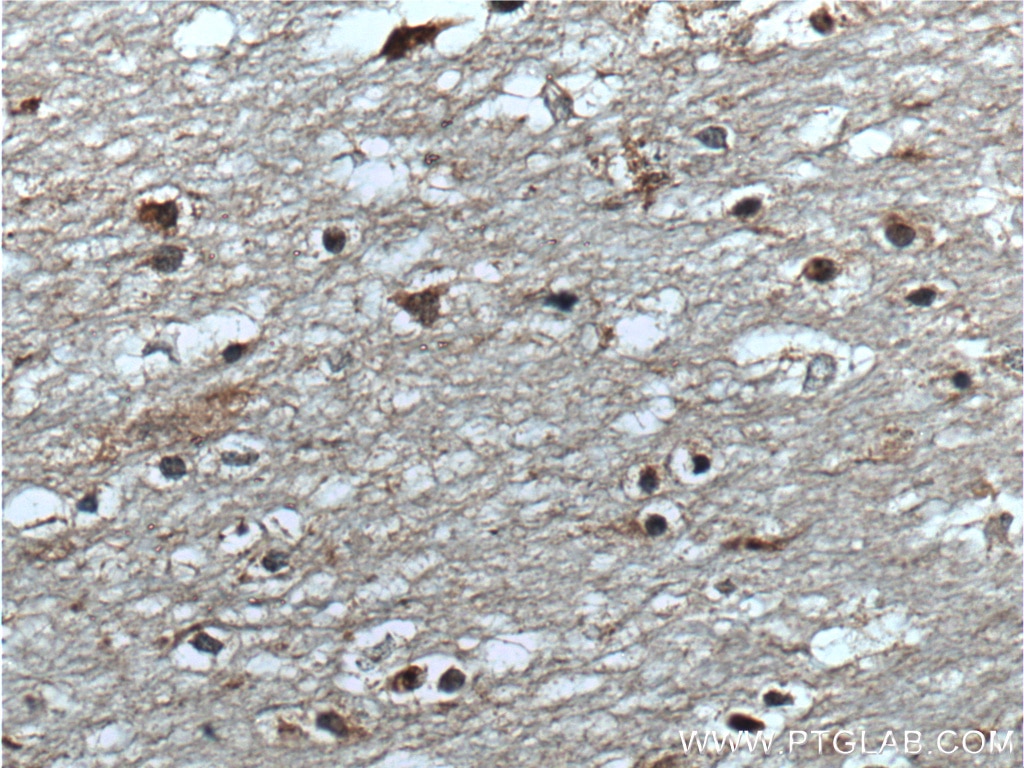
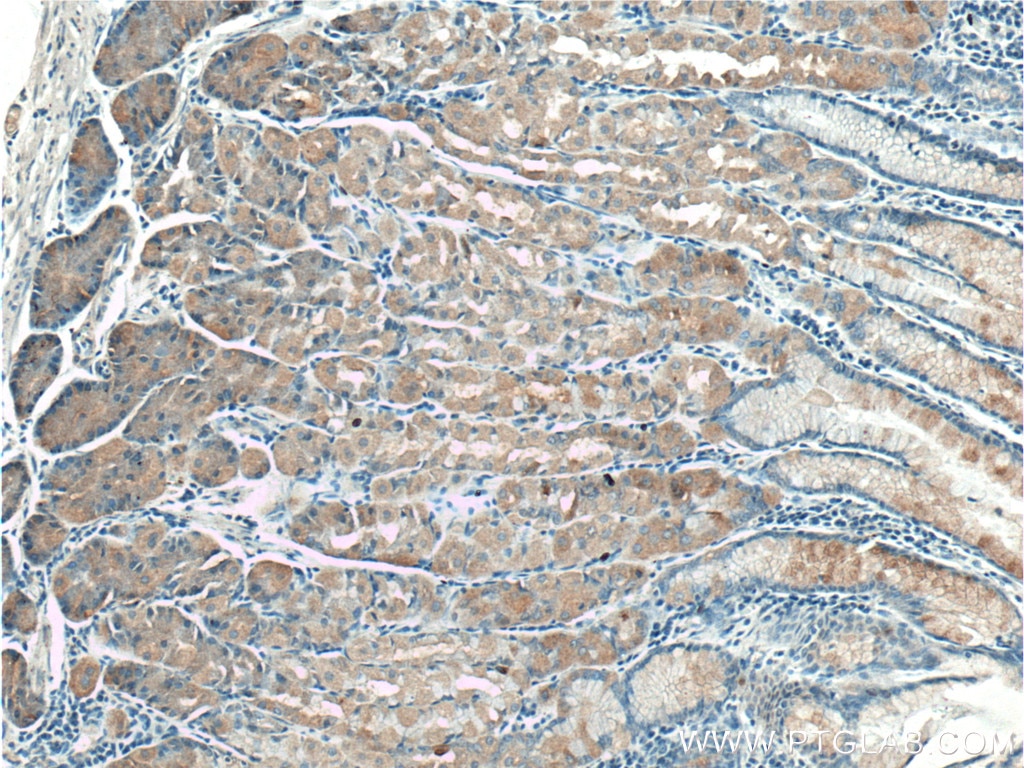
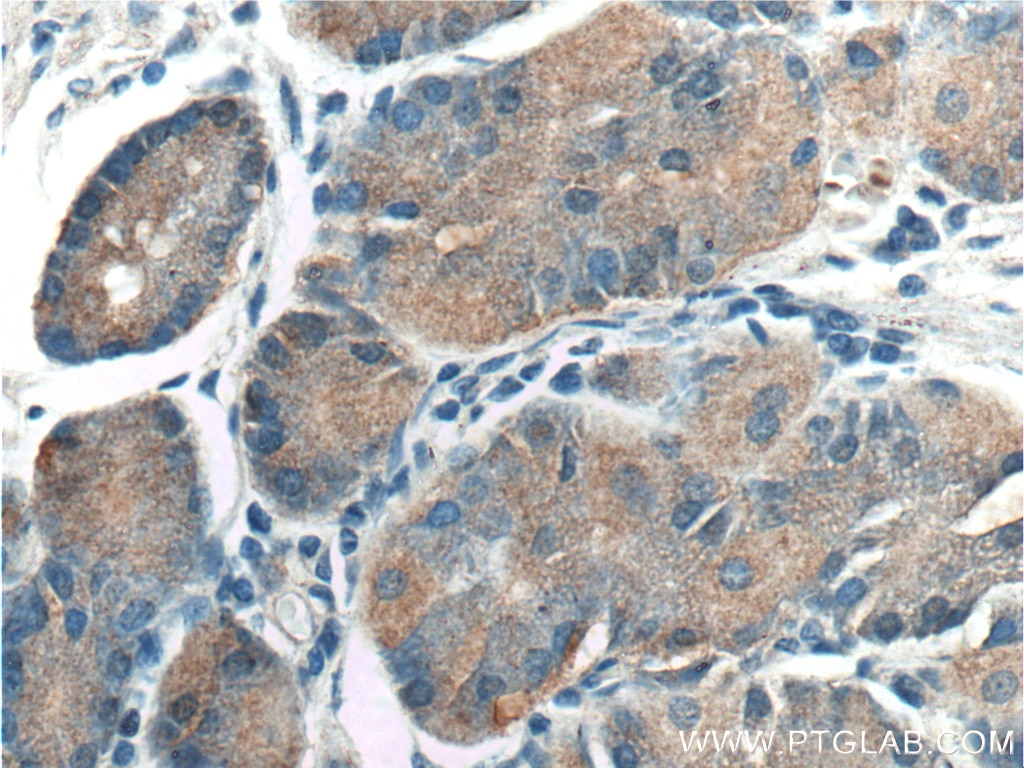
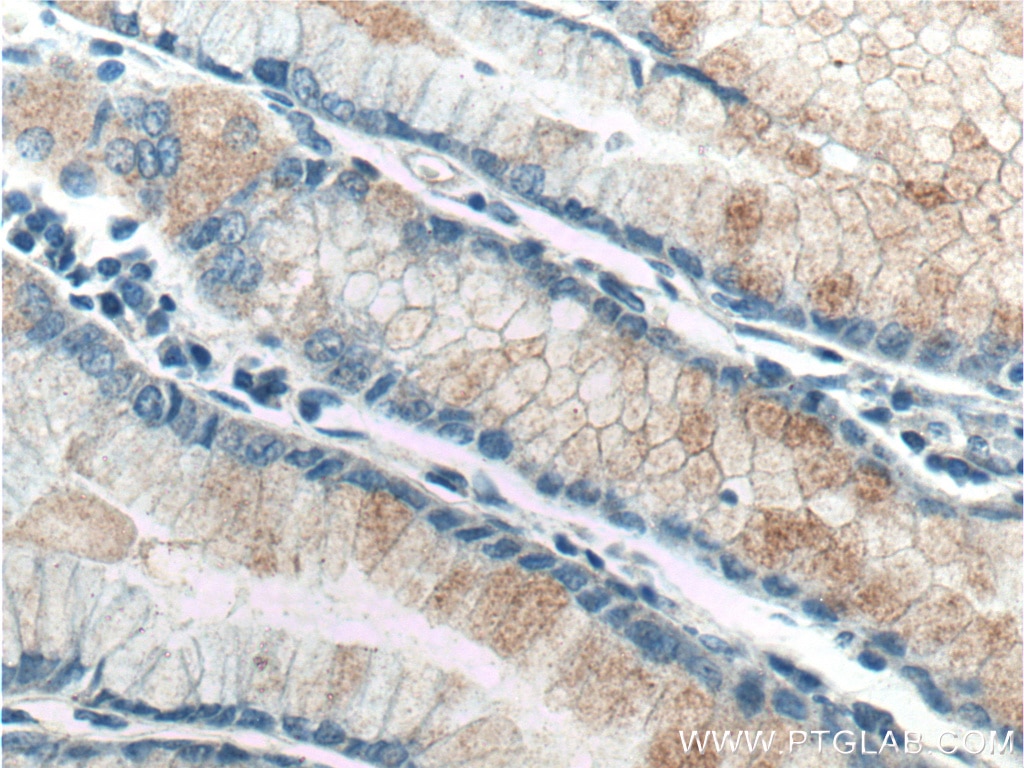
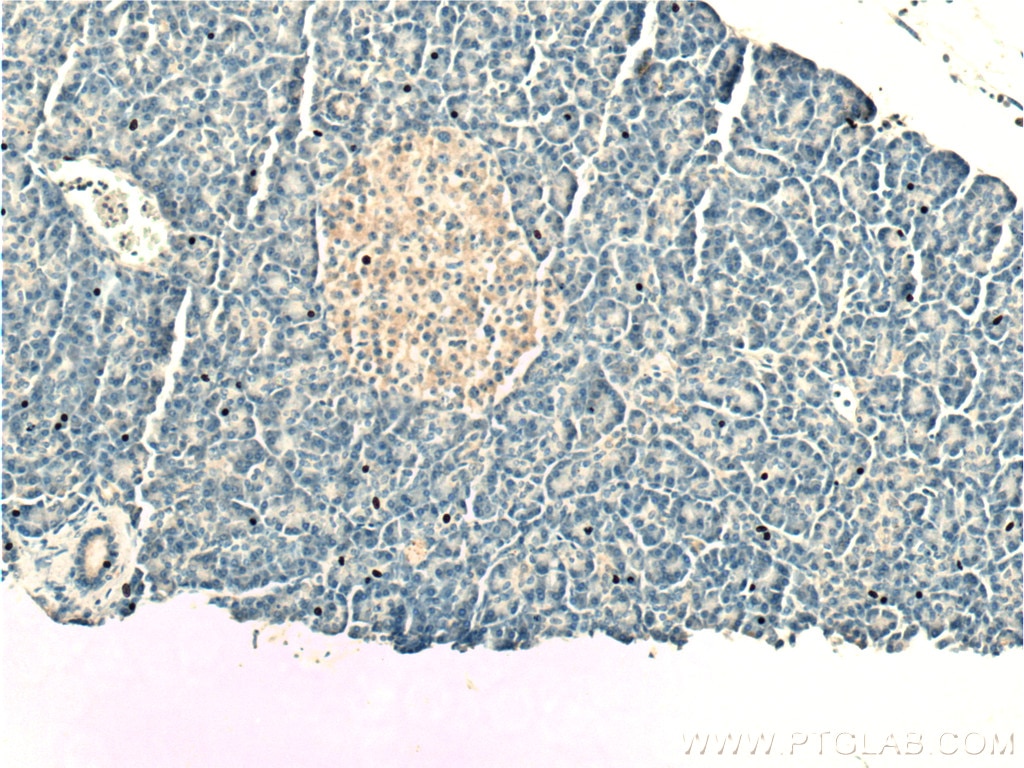
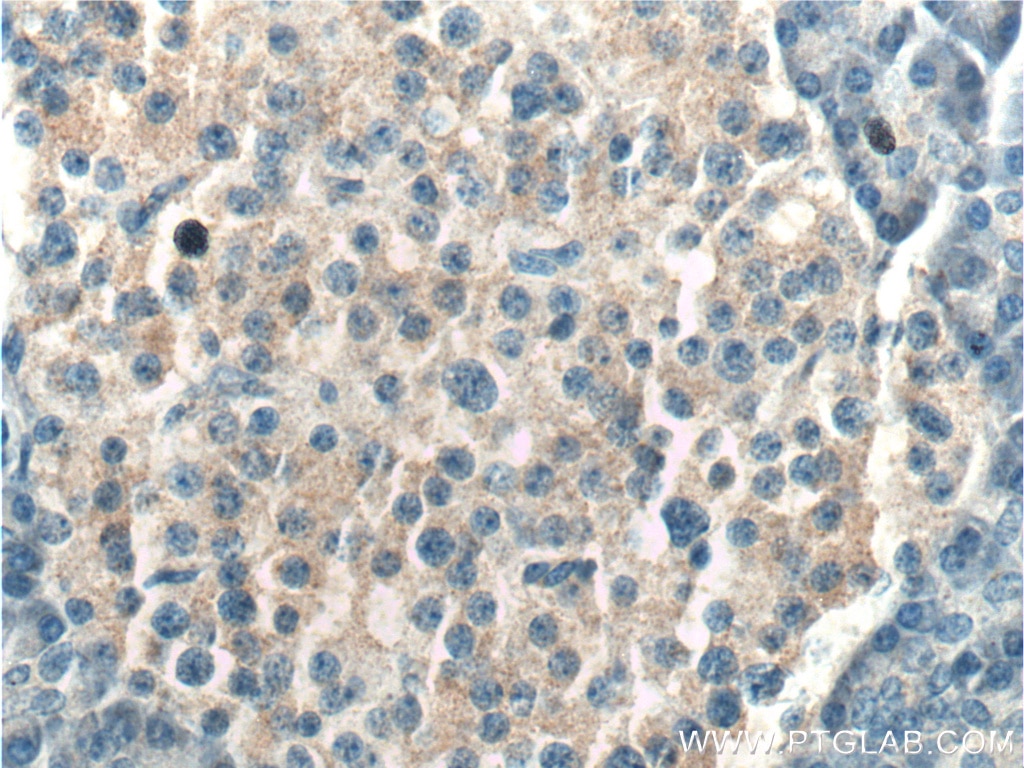
| Positive IHC detected in | mouse brain tissue, human brain tissue, human stomach tissue, human pancreas tissue Note: suggested antigen retrieval with TE buffer pH 9.0; (*) Alternatively, antigen retrieval may be performed with citrate buffer pH 6.0 |
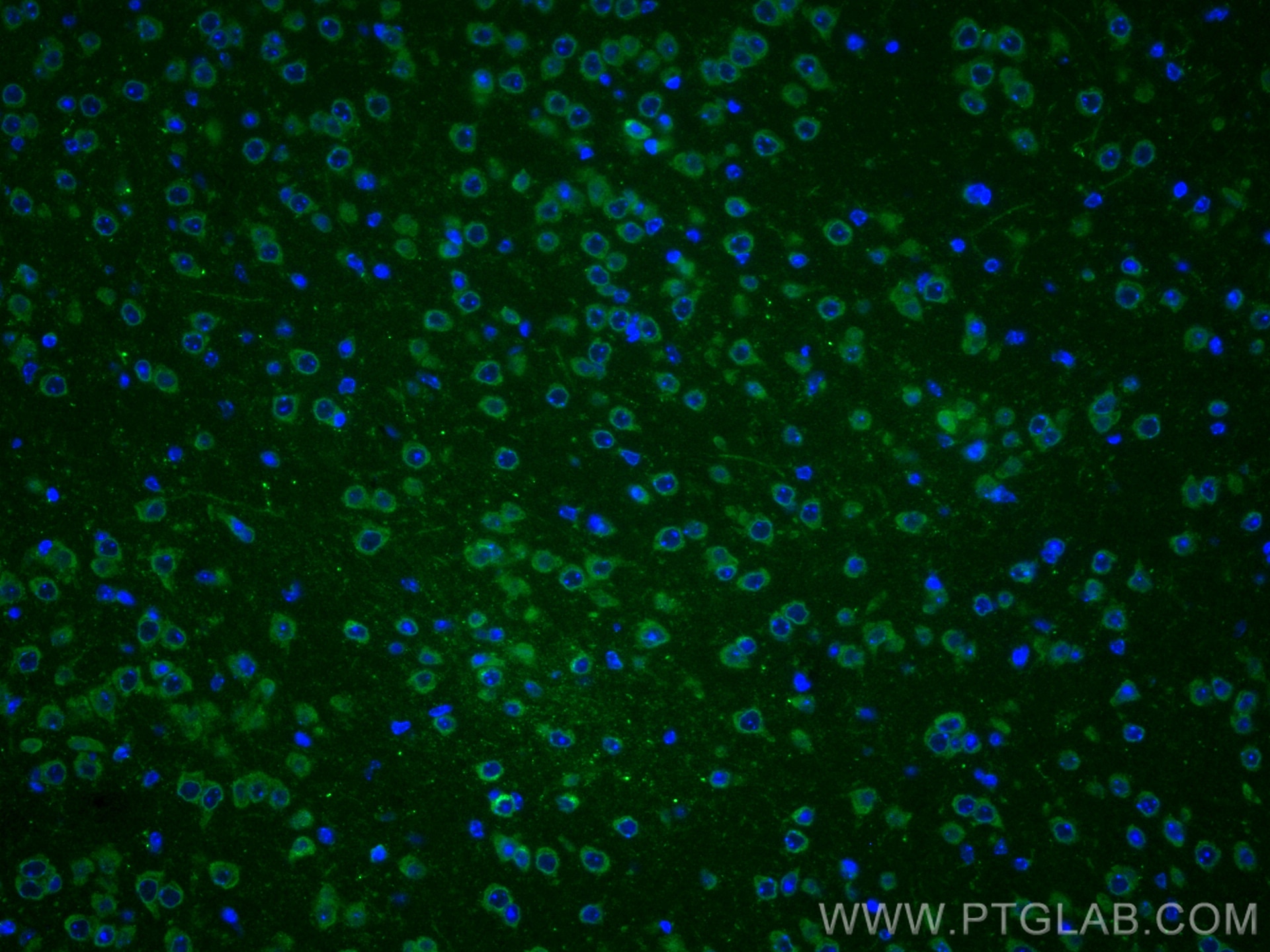
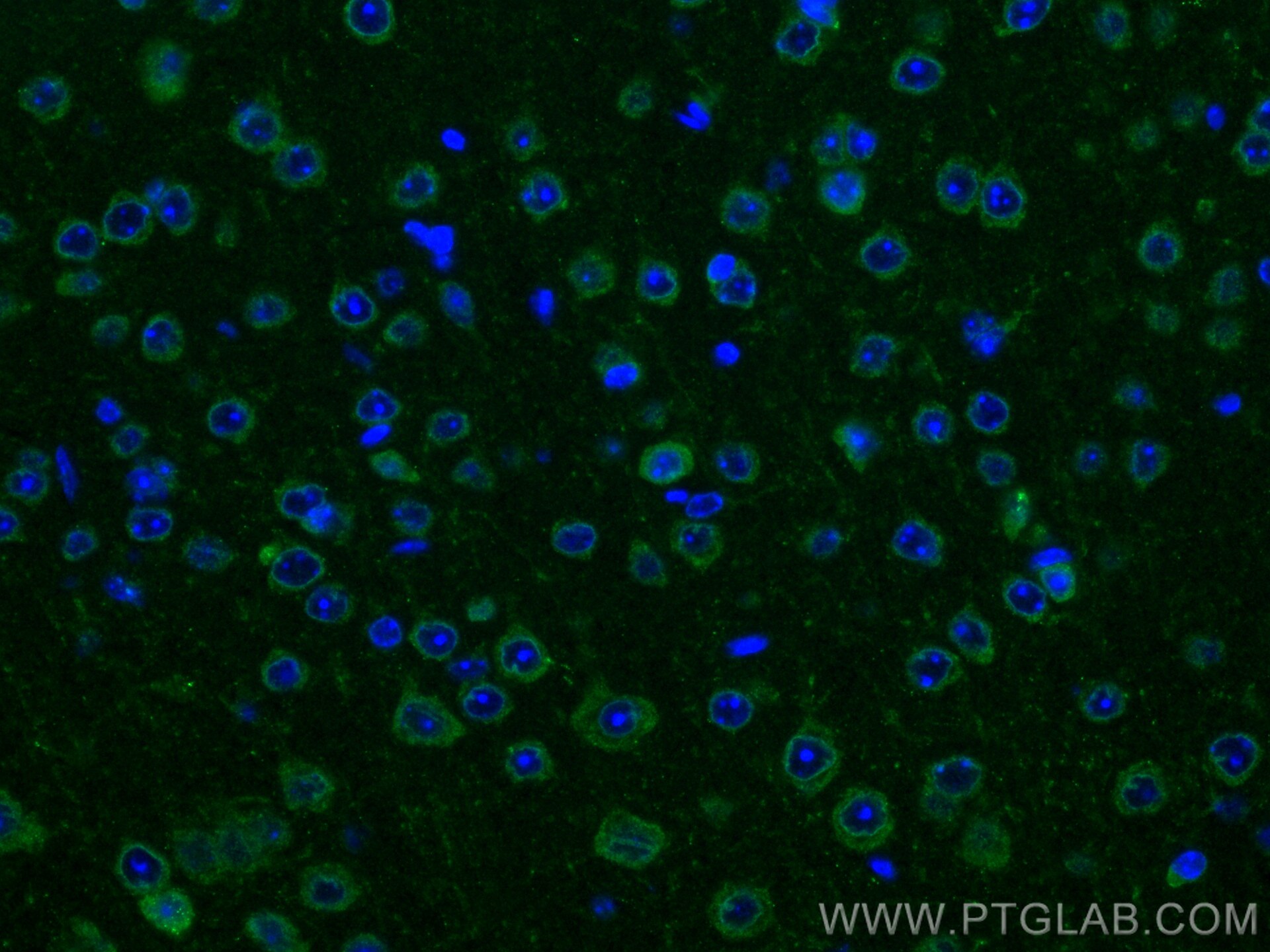
| Positive IF-P detected in | mouse brain tissue |
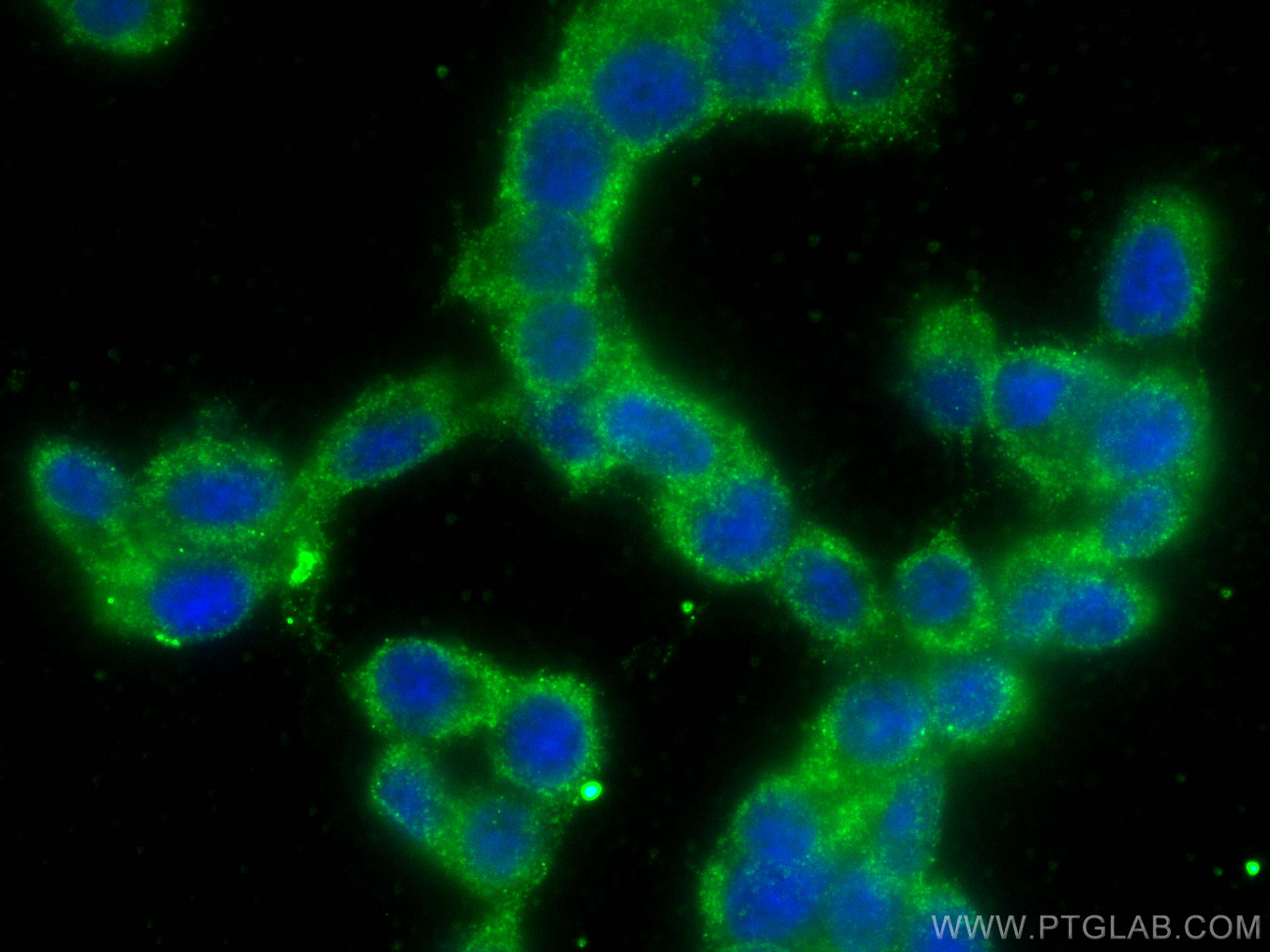
| Positive IF/ICC detected in | PC-12 cells |
Recommended dilution
| Application | Dilution |
|---|---|
| Immunohistochemistry (IHC) | IHC : 1:50-1:500 |
| Immunofluorescence (IF)-P | IF-P : 1:50-1:500 |
| Immunofluorescence (IF)/ICC | IF/ICC : 1:200-1:800 |
| It is recommended that this reagent should be titrated in each testing system to obtain optimal results. | |
| Sample-dependent, Check data in validation data gallery. | |
Product Information
13839-1-AP targets TAC1/Substance P in IHC, IF/ICC, IF-P, ELISA applications and shows reactivity with human, mouse, rat samples.
| Tested Reactivity | human, mouse, rat |
| Cited Reactivity | human, mouse, rat |
| Host / Isotype | Rabbit / IgG |
| Class | Polyclonal |
| Type | Antibody |
| Immunogen |
CatNo: Ag4790 Product name: Recombinant human TAC1 protein Source: e coli.-derived, PGEX-4T Tag: GST Domain: 20-129 aa of BC018047 Sequence: EEIGANDDLNYWSDWYDSDQIKEELPEPFEHLLQRIARRPKPQQFFGLMGKRDADSSIEKQVALLKALYGHGQISHKRHKTDSFVGLMGKRALNSVAYERSAMQNYERRR Predict reactive species |
| Full Name | tachykinin, precursor 1 |
| Calculated Molecular Weight | 129 aa, 15 kDa |
| GenBank Accession Number | BC018047 |
| Gene Symbol | TAC1/Substance P |
| Gene ID (NCBI) | 6863 |
| RRID | AB_10898173 |
| Conjugate | Unconjugated |
| Form | Liquid |
| Purification Method | Antigen affinity purification |
| UNIPROT ID | P20366 |
| Storage Buffer | PBS with 0.02% sodium azide and 50% glycerol, pH 7.3. |
| Storage Conditions | Store at -20°C. Stable for one year after shipment. Aliquoting is unnecessary for -20oC storage. 20ul sizes contain 0.1% BSA. |
Background Information
achykinins are active peptides which excite neurons, evoke behavioral responses, are potent vasodilators and secretagogues, and contract (directly or indirectly) many smooth muscles.TAC1 is an abbreviation for protachykinin 1, a protein that is encoded by the TAC1 gene, which is responsible for 4 products of the tachykinin peptide hormone family: substance P, neurokinin A, and the related peptides, neuropeptideK and neuropeptide (PMID:21453958).This antibody is specific to TAC1.
Protocols
| Product Specific Protocols | |
|---|---|
| IF protocol for TAC1/Substance P antibody 13839-1-AP | Download protocol |
| IHC protocol for TAC1/Substance P antibody 13839-1-AP | Download protocol |
| Standard Protocols | |
|---|---|
| Click here to view our Standard Protocols |
Publications
What published studies show
The TAC1/Substance P Polyclonal antibody (Cat# 13839-1-AP) has 19 citations. These appear in journals including Nature Communications, Neuron, PNAS, EMBO Molecular Medicine, Journal of Nanobiotechnology, Cell Reports Medicine, Burns & Trauma, Environmental Pollution, Frontiers in Immunology, Scientific Reports, Frontiers in Cellular Neuroscience, PLoS Genetics, Journal of Neuroimmunology, PeerJ, Experimental Lung Research, Biomedical Chromatography, and bioRxiv. Research fields span pain and neuroinflammation, sensory neurons, arthritis, cancer, asthma, osteoarthritis, tendinopathy, keloids, periodontal disease, and epilepsy.
| Species | Application | Title |
|---|---|---|
Nat Commun An attention-demanding hunting paradigm engages the superior colliculus-zona incerta circuit mediating analgesia in male mice. | ||
Nat Commun Engineering technology of implantable galvanic cells for silencing the bone-neural axis in gouty arthritis therapy. | ||
Nat Commun Sensory neurons regulate stimulus-dependent humoral immunity in mouse models of bacterial infection and asthma | ||
Neuron A peritumoral microenvironment engaged by Reg-EXTL3 axis fosters nerve-cancer interactions in pancreatic ductal adenocarcinoma. | ||
J Nanobiotechnology A structured biomimetic nanoparticle as inflammatory factor sponge and autophagy-regulatory agent against intervertebral disc degeneration and discogenic pain | ||
Cell Rep Med A biomimetic hybrid membrane vesicle nanoplatform attenuates tendinopathy through neuroinflammation modulation and tendon regeneration. |














