

Tested Applications
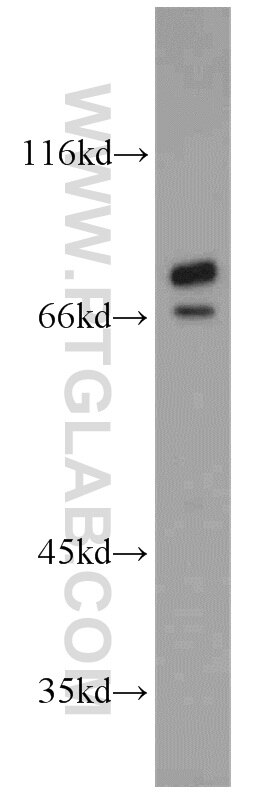
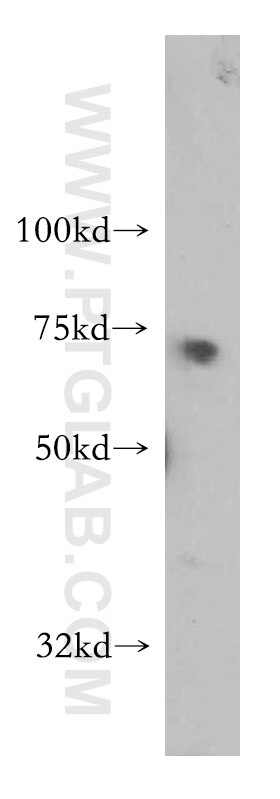
| Positive WB detected in | A549 cells |
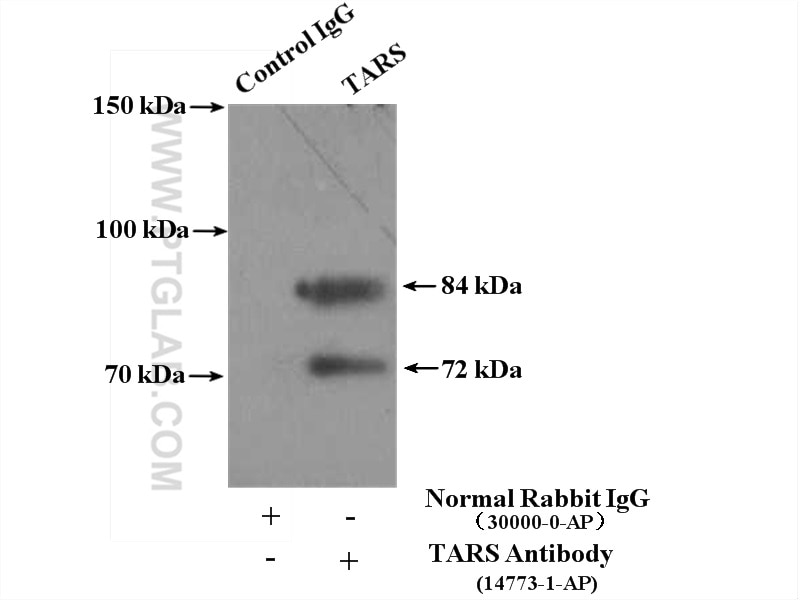
| Positive IP detected in | A549 cells |
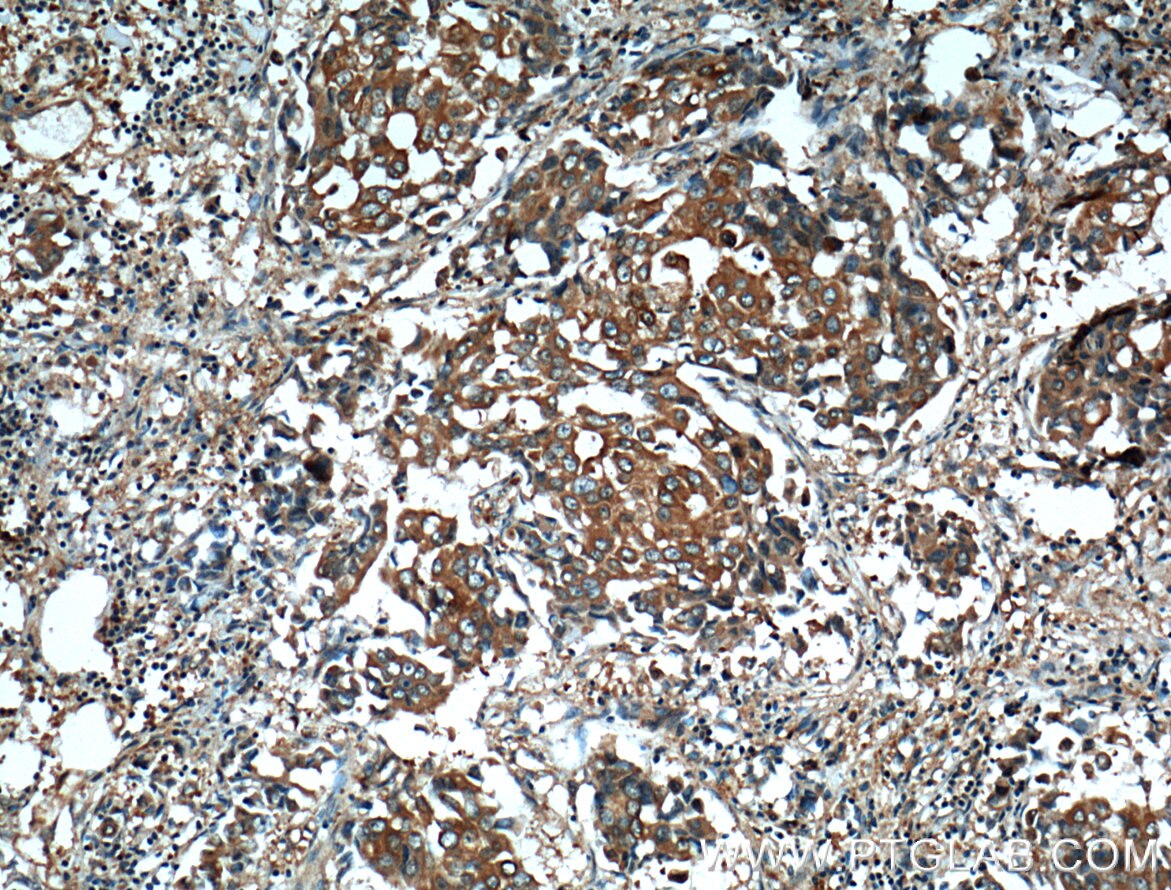
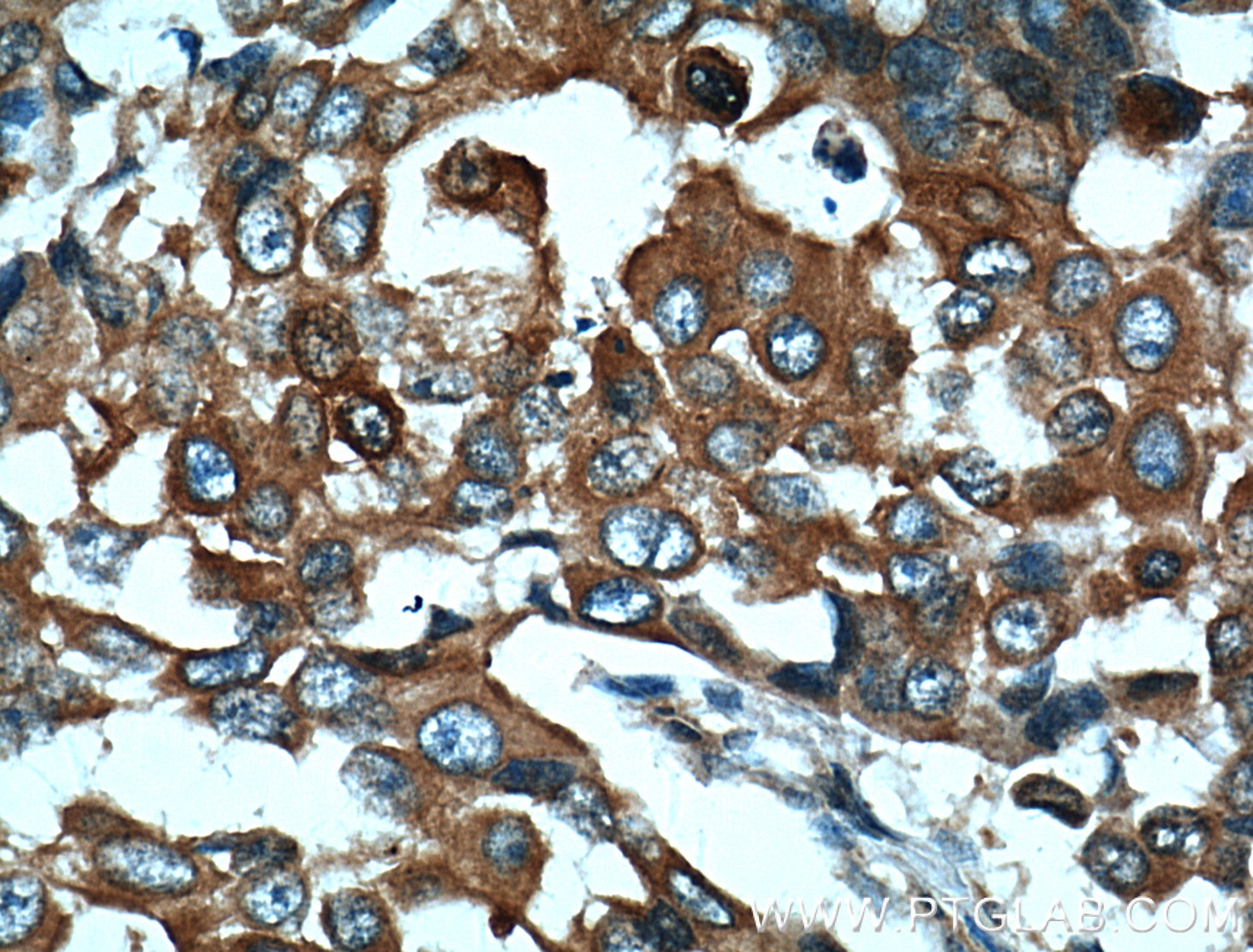
| Positive IHC detected in | human breast cancer tissue Note: suggested antigen retrieval with TE buffer pH 9.0; (*) Alternatively, antigen retrieval may be performed with citrate buffer pH 6.0 |
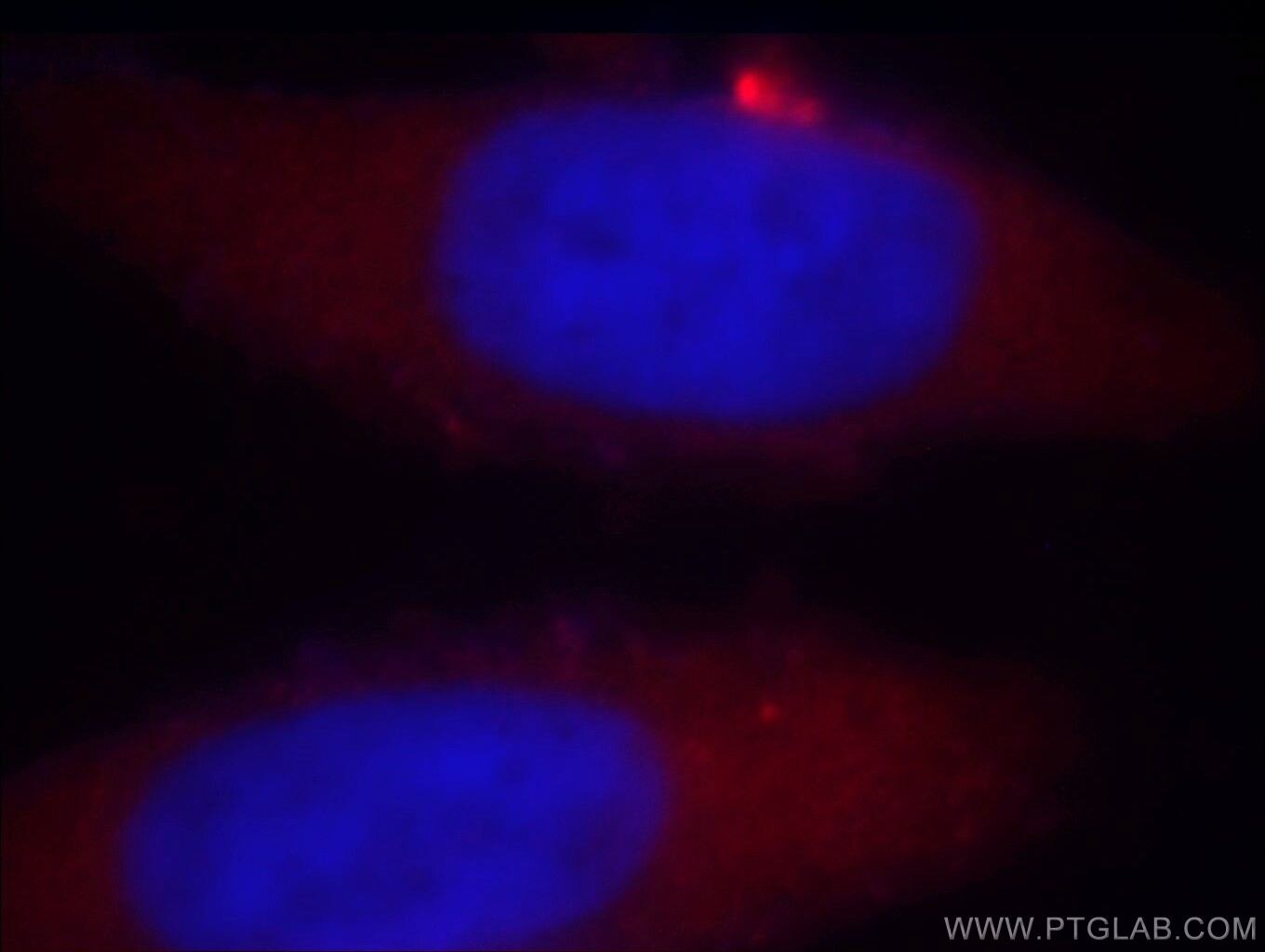
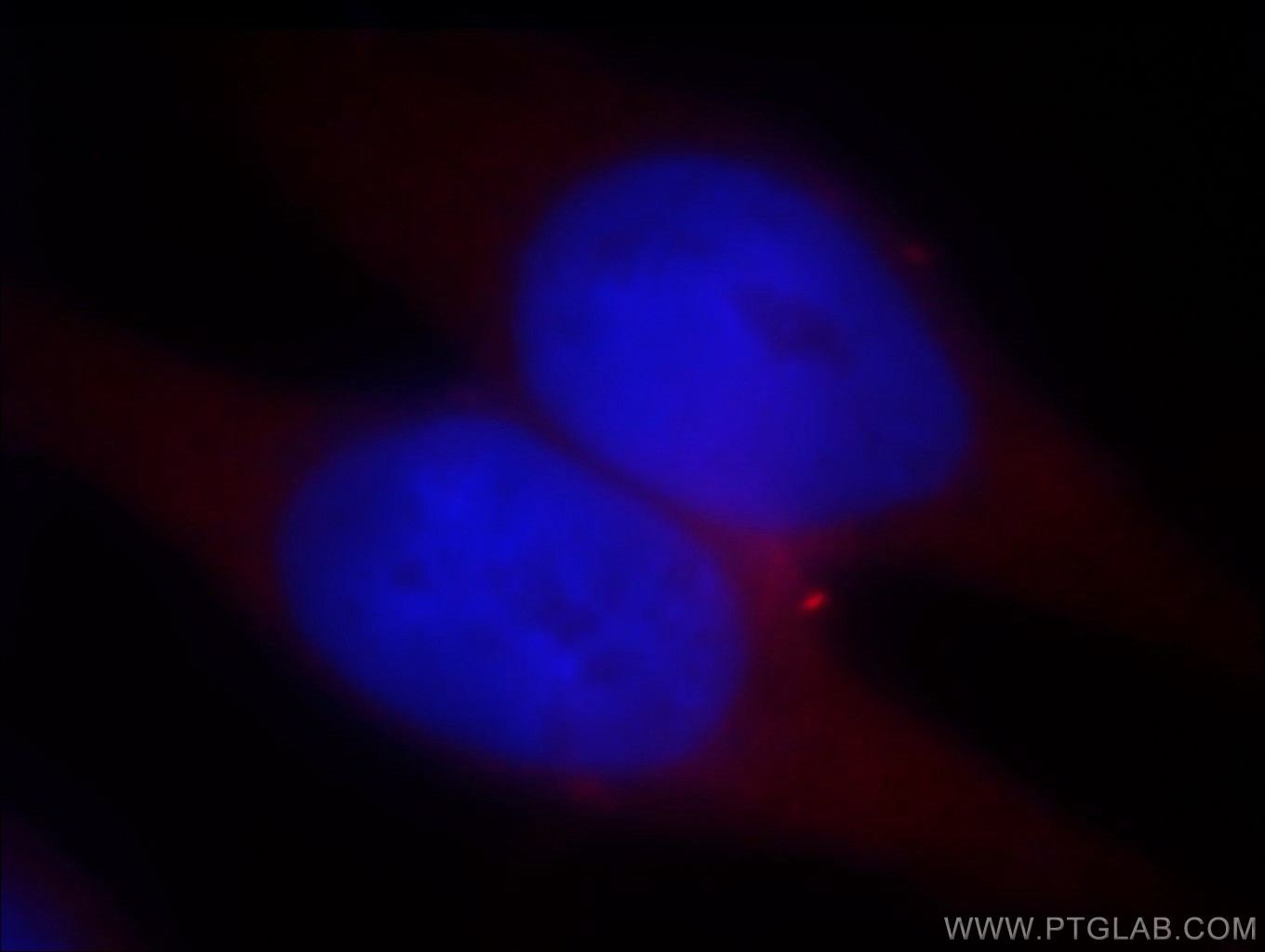
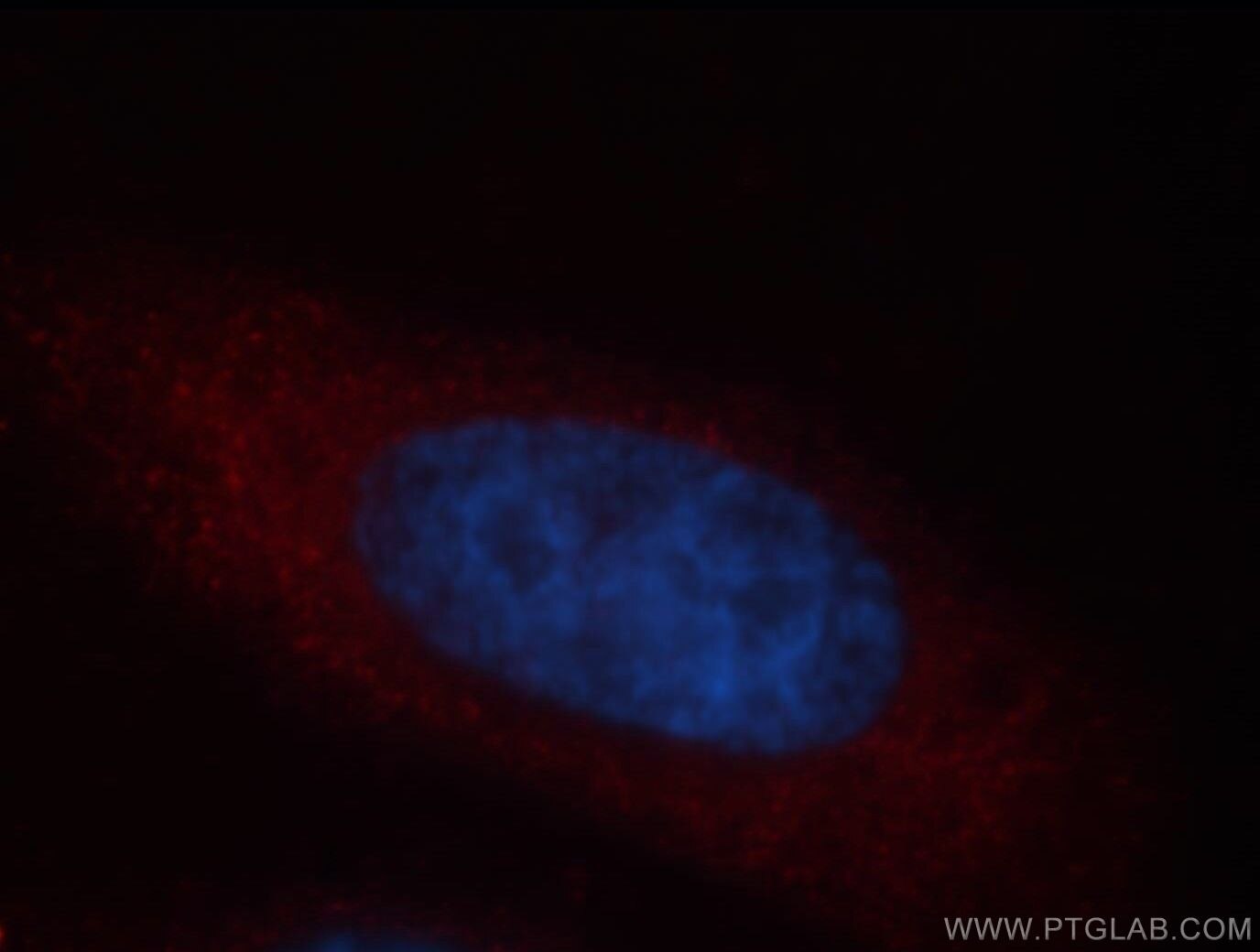
| Positive IF/ICC detected in | MCF-7 cells, Hela cells, HepG2 cells |
Recommended dilution
| Application | Dilution |
|---|---|
| Western Blot (WB) | WB : 1:500-1:1000 |
| Immunoprecipitation (IP) | IP : 0.5-4.0 ug for 1.0-3.0 mg of total protein lysate |
| Immunohistochemistry (IHC) | IHC : 1:100-1:400 |
| Immunofluorescence (IF)/ICC | IF/ICC : 1:10-1:100 |
| It is recommended that this reagent should be titrated in each testing system to obtain optimal results. | |
| Sample-dependent, Check data in validation data gallery. | |
Product Information
14773-1-AP targets TARS in WB, IHC, IF/ICC, IP, ELISA applications and shows reactivity with human samples.
| Tested Reactivity | human |
| Cited Reactivity | human |
| Host / Isotype | Rabbit / IgG |
| Class | Polyclonal |
| Type | Antibody |
| Immunogen |
CatNo: Ag6614 Product name: Recombinant human TARS protein Source: e coli.-derived, PGEX-4T Tag: GST Domain: 394-723 aa of BC000517 Sequence: ENMFSFEVEKELFALKPMNCPGHCLMFDHRPRSWRELPLRLADFGVLHRNELSGALTGLTRVRRFQQDDAHIFCAMEQIEDEIKGCLDFLRTVYSVFGFSFKLNLSTRPEKFLGDIEVWDQAEKQLENSLNEFGEKWELNSGDGAFYGPKIDIQIKDAIGRYHQCATIQLDFQLPIRFNLTYVSHDGDDKKRPVIVHRAILGSVERMIAILTENYGGKWPFWLSPRQVMVVPVGPTCDEYAQKVRQQFHDAKFMADIDLDPGCTLNKKIRNAQLAQYNFILVVGEKEKISGTVNIRTRDNKVHGERTISETIERLQQLKEFRSKQAEEEF Predict reactive species |
| Full Name | threonyl-tRNA synthetase |
| Calculated Molecular Weight | 83 kDa |
| Observed Molecular Weight | 66-72 kDa |
| GenBank Accession Number | BC000517 |
| Gene Symbol | TARS |
| Gene ID (NCBI) | 6897 |
| RRID | AB_2200654 |
| Conjugate | Unconjugated |
| Form | Liquid |
| Purification Method | Antigen affinity purification |
| UNIPROT ID | P26639 |
| Storage Buffer | PBS with 0.02% sodium azide and 50% glycerol, pH 7.3. |
| Storage Conditions | Store at -20°C. Stable for one year after shipment. Aliquoting is unnecessary for -20oC storage. 20ul sizes contain 0.1% BSA. |
Background Information
TARS (Threonyl-tRNA synthetase), also known as threonine-tRNA ligase or ThrRS, belongs to the aminoacyl-tRNA synthetase family. Aminoacyl-tRNA synthetase (aaRS) catalyzes the specific esterification of an amino acid with the 3'-terminal hydroxyl group of its cognate tRNA. Specificity of aminoacylation catalyzed by aaRSs ensures the accurate translation of the genetic code in the first step of protein synthesis (PMID: 26324710). TARS has some isoforms with the molecular mass of 83, 87 kDa and other MW.
Protocols
| Product Specific Protocols | |
|---|---|
| IF protocol for TARS antibody 14773-1-AP | Download protocol |
| IHC protocol for TARS antibody 14773-1-AP | Download protocol |
| IP protocol for TARS antibody 14773-1-AP | Download protocol |
| WB protocol for TARS antibody 14773-1-AP | Download protocol |
| Standard Protocols | |
|---|---|
| Click here to view our Standard Protocols |
Publications
What published studies show
The TARS Polyclonal antibody (Cat# 14773-1-AP) has 3 total citations. These appear in Nature Communications, Molecular Cell, and Clinical and Translational Science. The associated research fields include gastrointestinal oncology (duodenal cancer proteogenomics), mitochondrial biology and mTORC1 signaling, and autoimmune/infectious disease (myositis-related autoantibodies in COVID-19 patients).
| Species | Application | Title |
|---|---|---|
Nat Commun Comprehensive proteogenomic characterization of early duodenal cancer reveals the carcinogenesis tracks of different subtypes | ||
Mol Cell Mitochondrial Threonyl-tRNA Synthetase TARS2 Is Required for Threonine-Sensitive mTORC1 Activation. | ||
Clin Transl Sci Screening and characterization of myositis-related autoantibodies in COVID-19 patients |









