
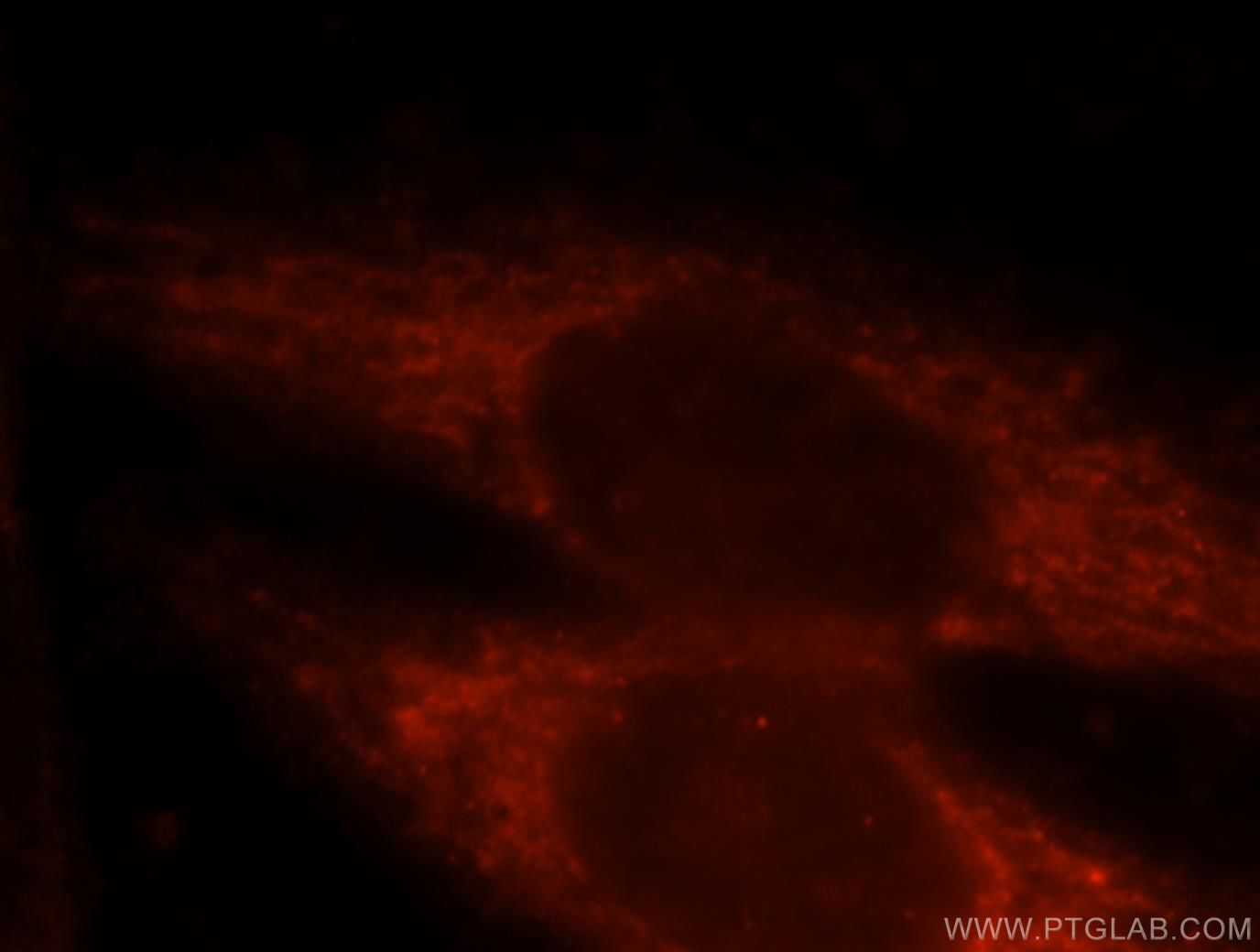

Tested Applications
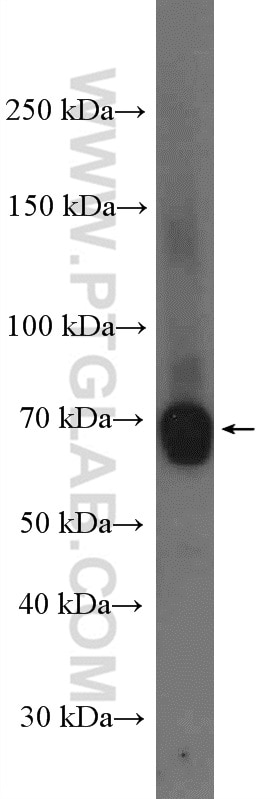
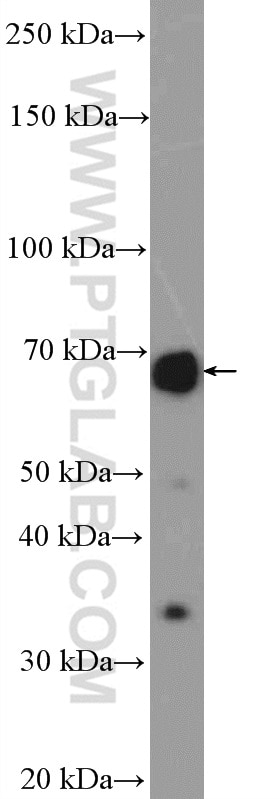
| Positive WB detected in | NCCIT cell, mouse brain tissue |
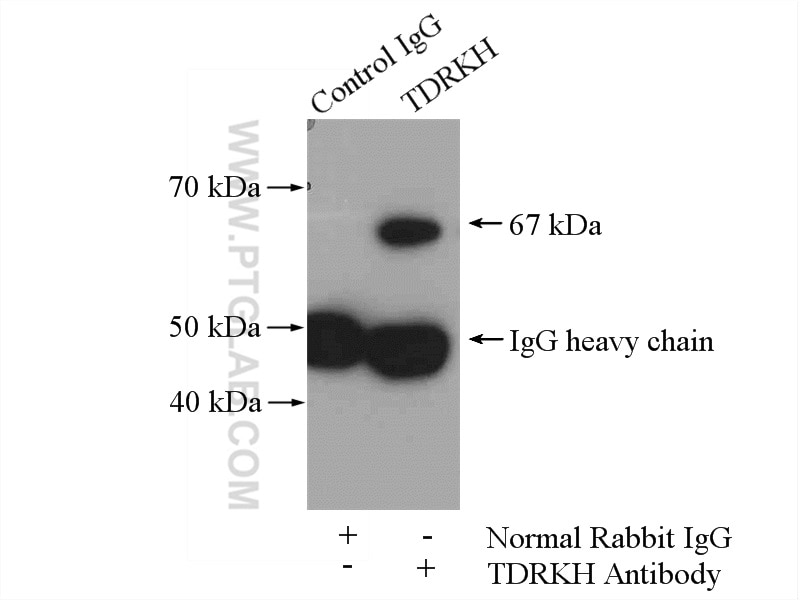
| Positive IP detected in | mouse brain tissue |
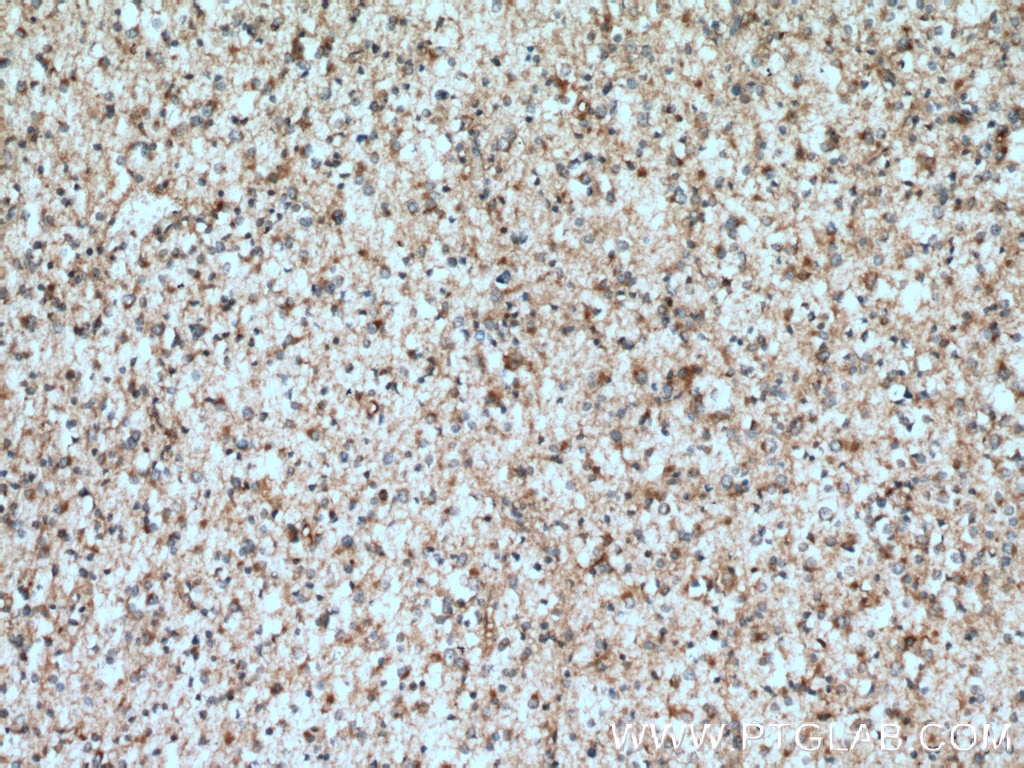
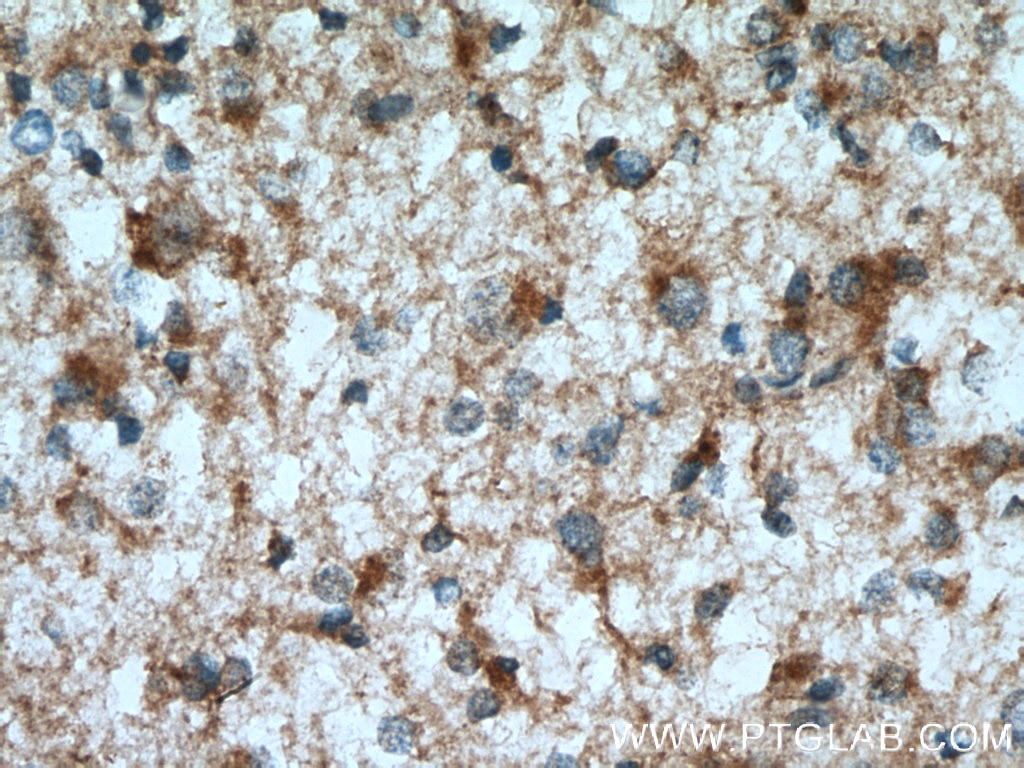
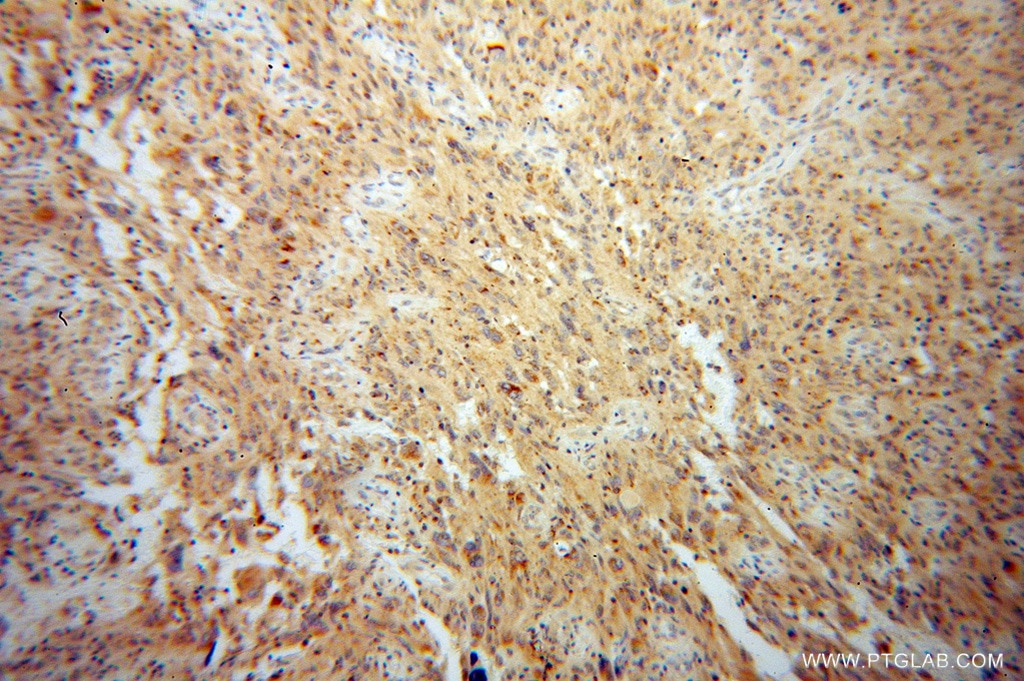
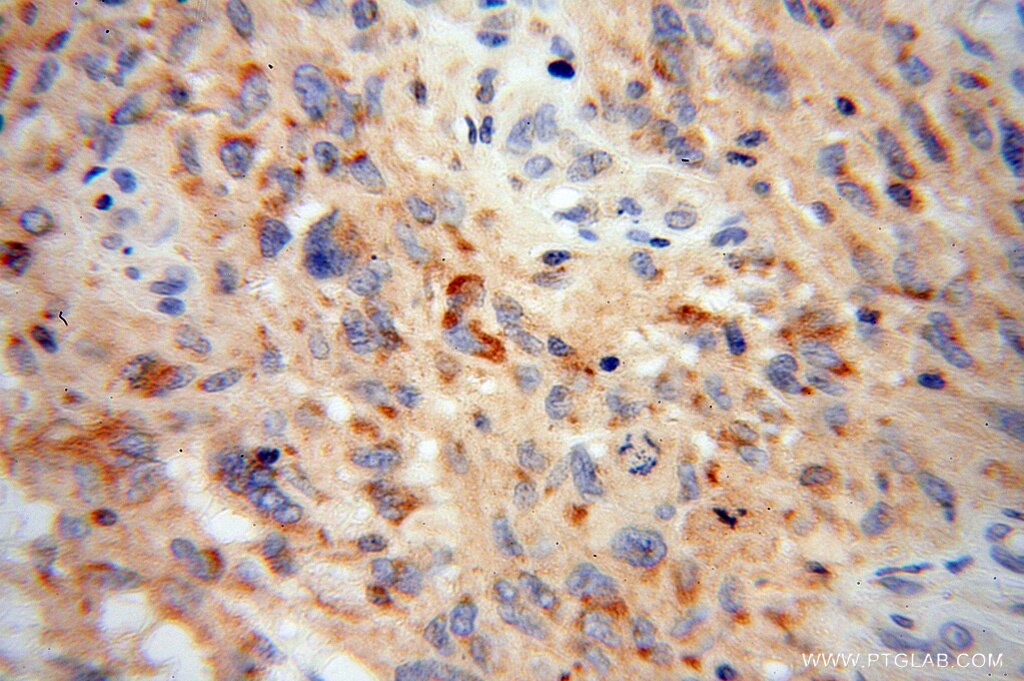
| Positive IHC detected in | human gliomas tissue Note: suggested antigen retrieval with TE buffer pH 9.0; (*) Alternatively, antigen retrieval may be performed with citrate buffer pH 6.0 |
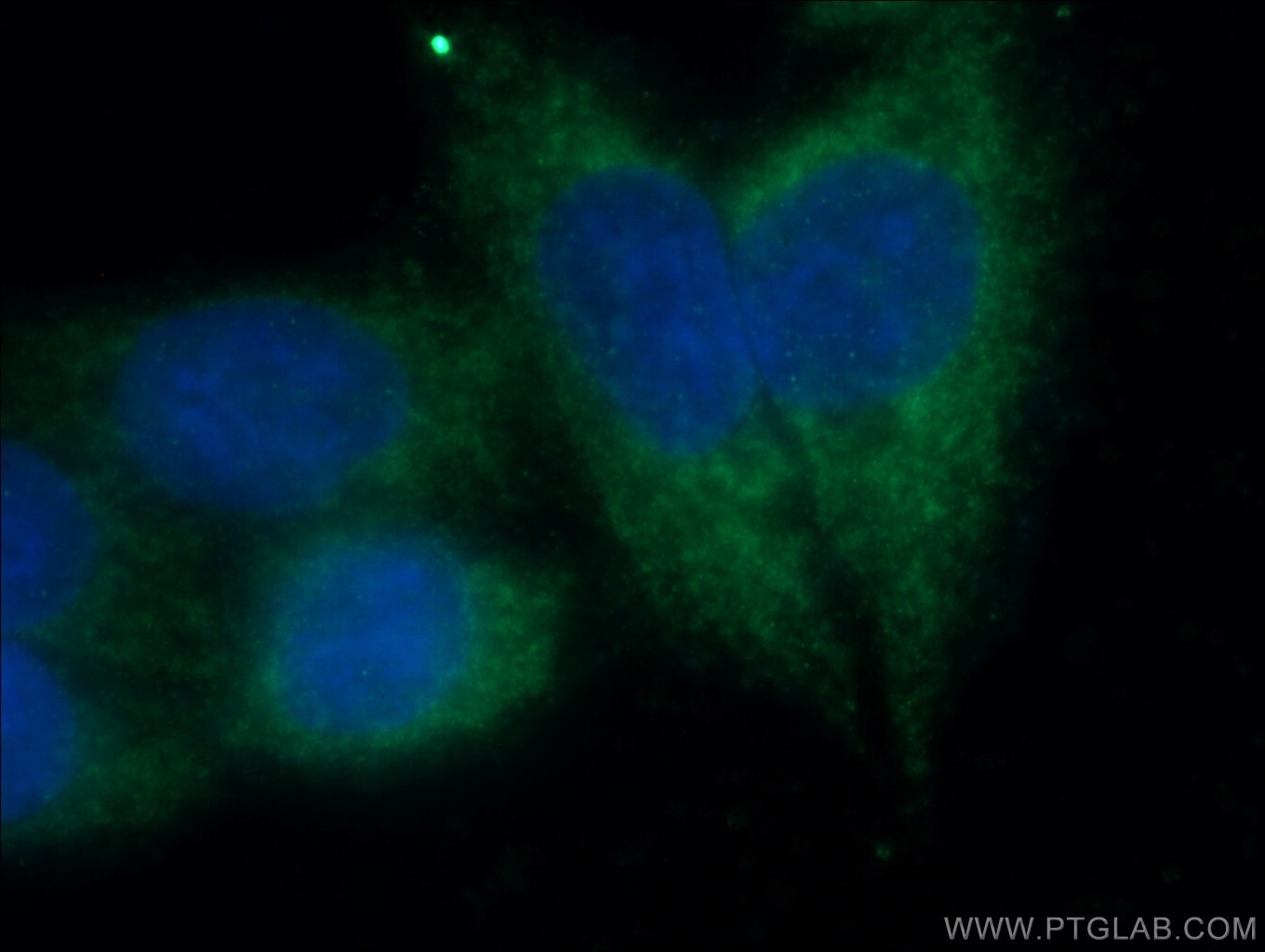
| Positive IF/ICC detected in | HeLa cells |
Recommended dilution
| Application | Dilution |
|---|---|
| Western Blot (WB) | WB : 1:2000-1:10000 |
| Immunoprecipitation (IP) | IP : 0.5-4.0 ug for 1.0-3.0 mg of total protein lysate |
| Immunohistochemistry (IHC) | IHC : 1:50-1:500 |
| Immunofluorescence (IF)/ICC | IF/ICC : 1:50-1:500 |
| It is recommended that this reagent should be titrated in each testing system to obtain optimal results. | |
| Sample-dependent, Check data in validation data gallery. | |
Product Information
13528-1-AP targets TDRKH specific in WB, IHC, IF/ICC, IP, RIP, ELISA applications and shows reactivity with human, mouse, rat samples.
| Tested Reactivity | human, mouse, rat |
| Cited Reactivity | human, mouse, bovine |
| Host / Isotype | Rabbit / IgG |
| Class | Polyclonal |
| Type | Antibody |
| Immunogen |
CatNo: Ag4422 Product name: Recombinant human TDRKH protein Source: e coli.-derived, PGEX-4T Tag: GST Domain: 1-374 aa of BC032690 Sequence: MSTERTSWTSLSTIQKIALGFGIPASATVAYILYRRYRESREERLTFVGEDDIEIEMRVPQEAVKLIIGRQGANIKQLRKQTGARIDVDTEDVGDERVLLISGFPVQVCKAKAAIHQILTENTPVSEQLSVPQRSVGRIIGRGGETIRSICKASGAKITCDKESEGTLLLSRLIKISGTQKEVAAAKHLILEKVSEDEELRKRIAHSAETRVPRKQPISVRREDMTEPGGAGEPALWKNTSSSMEPTAPLVTPPPKAGGDMAVVVSKEGSWEKPSDDSFQKSEAQAIPEMPMFEIPSPDFSFHADEYLEVYVSASEHPNHFWIQIVGSRSLQLDKLVNEMTQHYENSVPEDLTVHVGDIVAAPLPTNGSWYRAR Predict reactive species |
| Full Name | tudor and KH domain containing |
| Calculated Molecular Weight | 606 aa, 67 kDa |
| Observed Molecular Weight | 67 kDa |
| GenBank Accession Number | BC032690 |
| Gene Symbol | TDRKH |
| Gene ID (NCBI) | 11022 |
| RRID | AB_2303299 |
| Conjugate | Unconjugated |
| Form | Liquid |
| Purification Method | Antigen affinity purification |
| UNIPROT ID | Q9Y2W6 |
| Storage Buffer | PBS with 0.02% sodium azide and 50% glycerol, pH 7.3. |
| Storage Conditions | Store at -20°C. Stable for one year after shipment. Aliquoting is unnecessary for -20oC storage. 20ul sizes contain 0.1% BSA. |
Background Information
Tudor and KH domain-containing protein(TDRKH)Tudor domains are protein modules that mediate protein-protein interactions, potentially by binding to methylated ligands. Both KH and tudor domains are involved in binding RNA or single-strand DNA. Tudor also is a germ cell-specific protein with multiple Tudor domains and is involved in germ plasm formation and germ cell specification. TDRKH is one Tudor protein with a single Tudor domain.
Protocols
| Product Specific Protocols | |
|---|---|
| IF protocol for TDRKH specific antibody 13528-1-AP | Download protocol |
| IHC protocol for TDRKH specific antibody 13528-1-AP | Download protocol |
| IP protocol for TDRKH specific antibody 13528-1-AP | Download protocol |
| WB protocol for TDRKH specific antibody 13528-1-AP | Download protocol |
| Standard Protocols | |
|---|---|
| Click here to view our Standard Protocols |
Publications
What published studies show
The TDRKH specific Polyclonal antibody (Cat# 13528-1-AP) has 22 citations. They appear in journals including Nature Cell Biology, Nature Communications, Nucleic Acids Research, Science Advances, PNAS, Developmental Cell, EMBO Journal, Development, Molecular Cell Proteomics, Cells, Proteomics, PLoS Genetics, Prostate, and American Journal of Translational Research. Research fields center on piRNA biogenesis, spermatogenesis, germ cell development, and mitochondrial/nuage-associated protein functions, with additional applications in cancer biomarker studies and proteomics.
| Species | Application | Title |
|---|---|---|
Nat Cell Biol Ribosomes guide pachytene piRNA formation on long intergenic piRNA precursors. | ||
Nat Commun PNLDC1 is essential for piRNA 3' end trimming and transposon silencing during spermatogenesis in mice.
| ||
Nat Commun piRNA loading triggers MIWI translocation from the intermitochondrial cement to chromatoid body during mouse spermatogenesis | ||
Nucleic Acids Res Mitochondrial membrane-based initial separation of MIWI and MILI functions during pachytene piRNA biogenesis. | ||
Sci Adv Global ubiquitylation analysis of mitochondria in primary neurons identifies endogenous Parkin targets following activation of PINK1. | ||
Proc Natl Acad Sci U S A Mouse Piwi interactome identifies binding mechanism of Tdrkh Tudor domain to arginine methylated Miwi. |










