
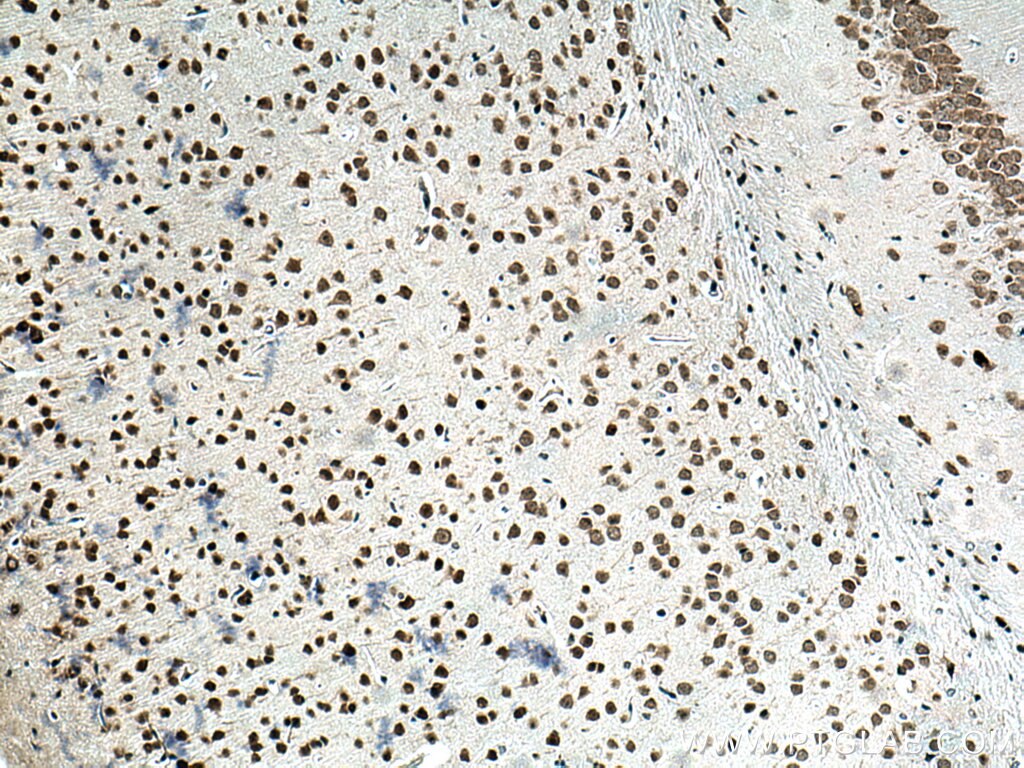

Tested Applications
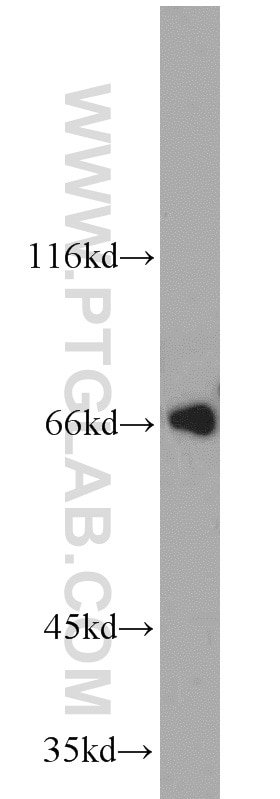
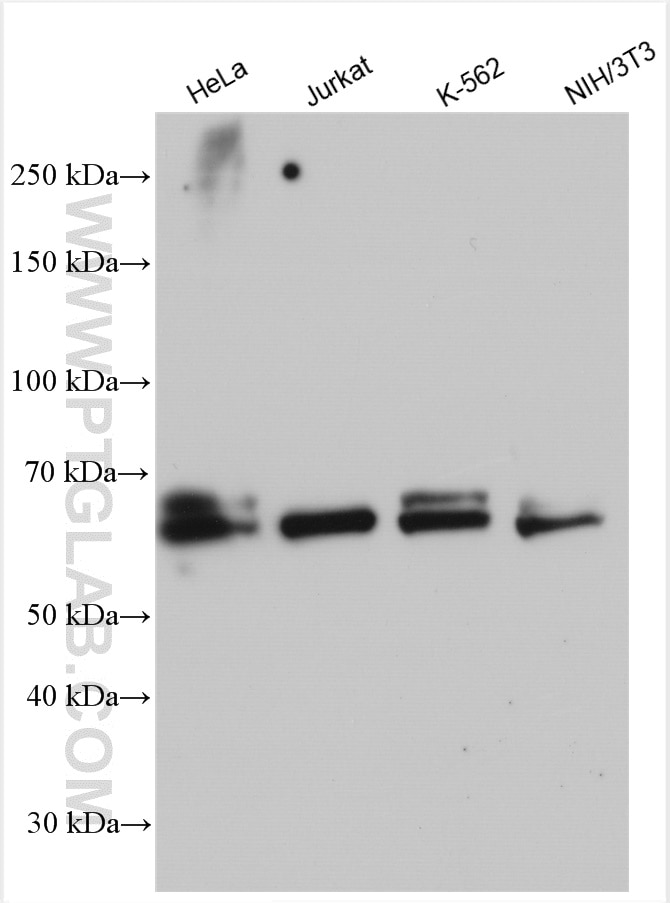
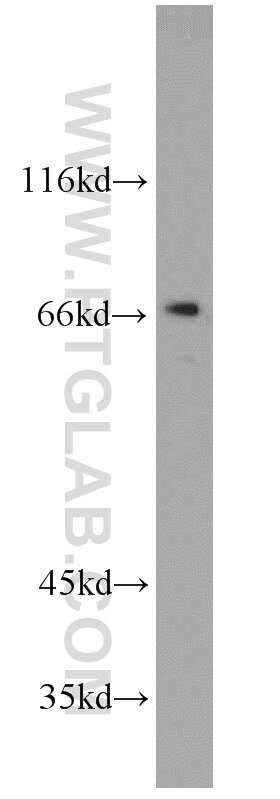
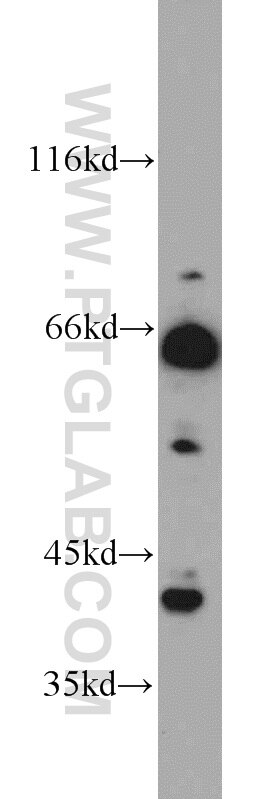
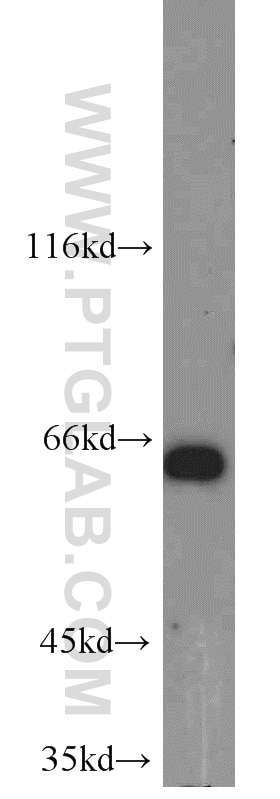
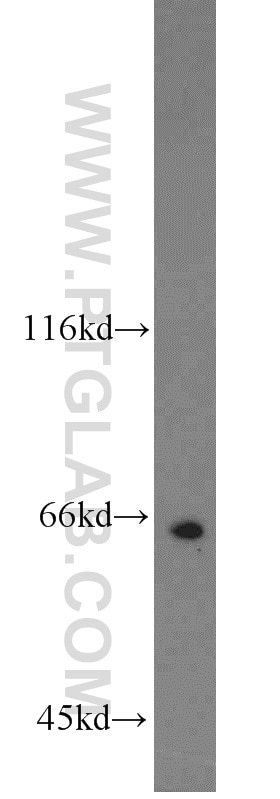
| Positive WB detected in | HeLa cells, MCF-7 cells, NIH/3T3 cells, Jurkat cells, K-562 cells |
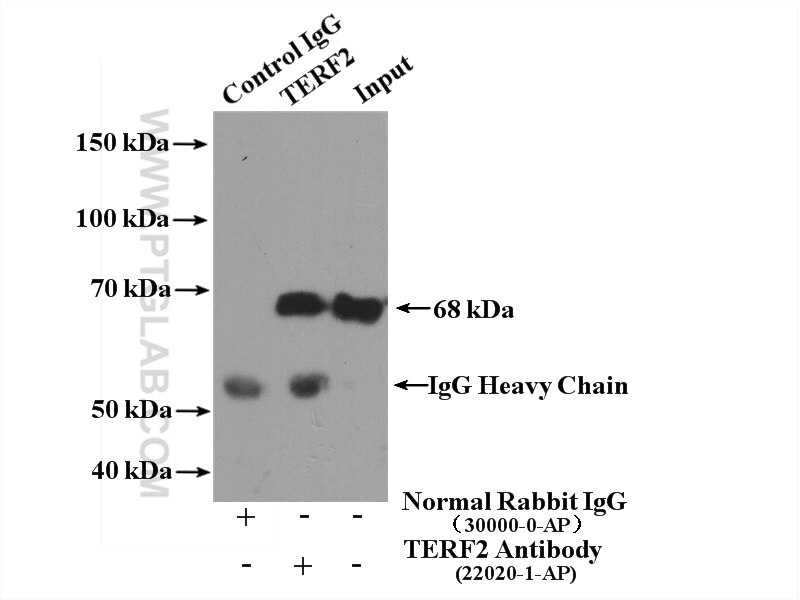
| Positive IP detected in | K-562 cells |
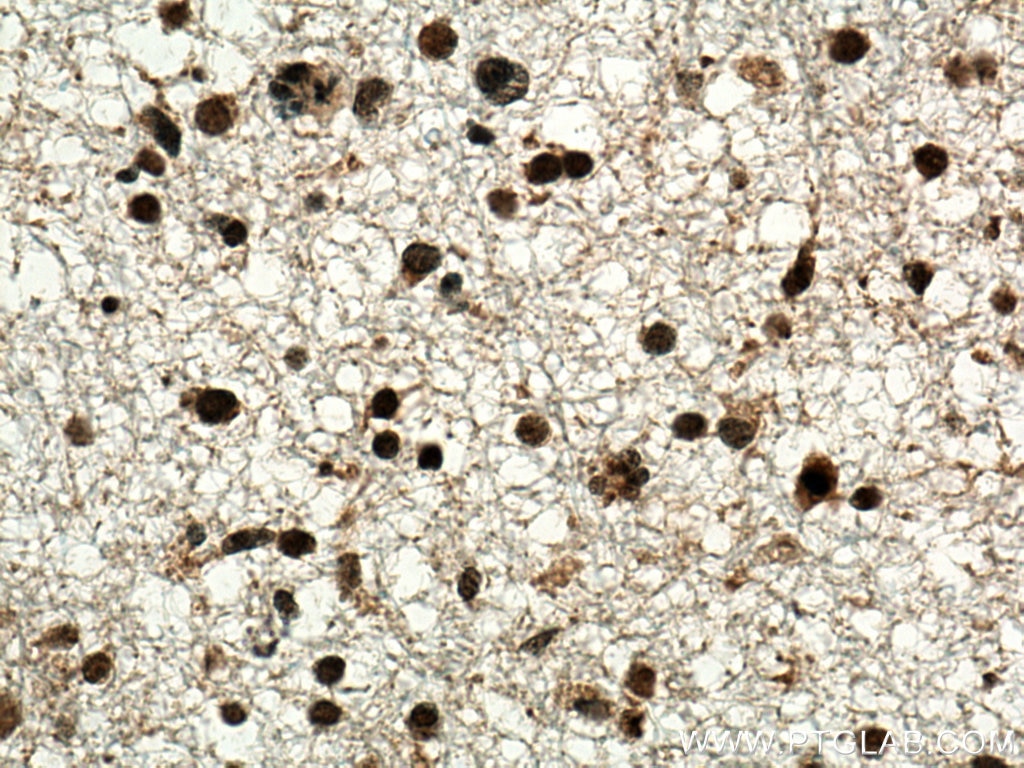
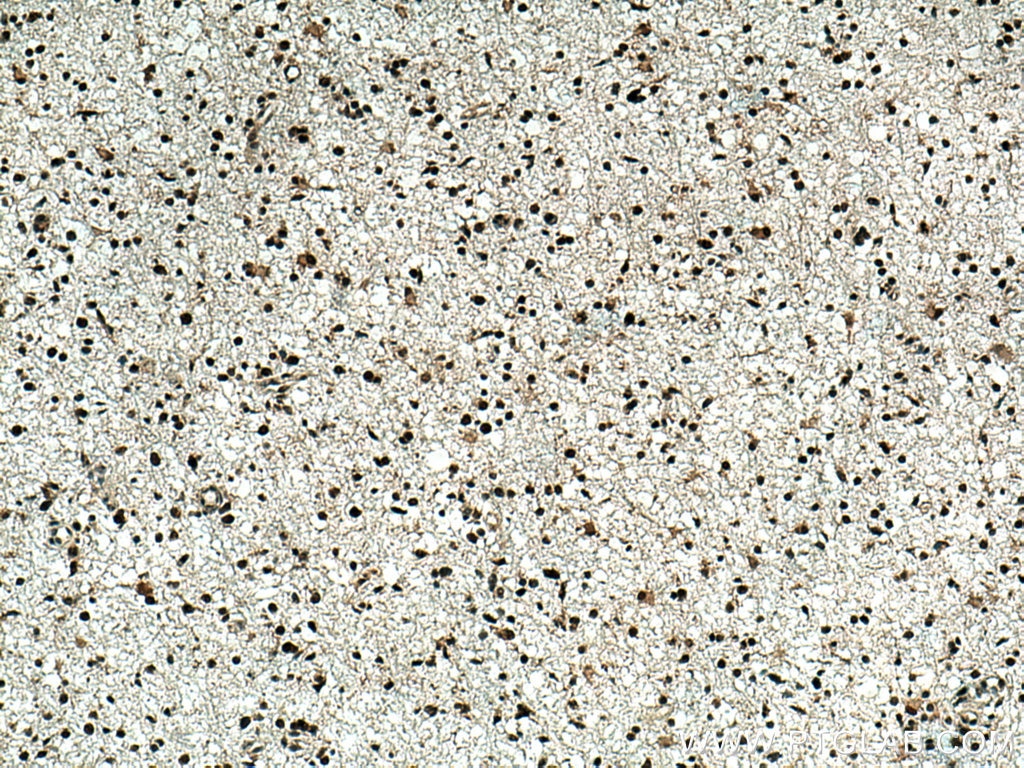
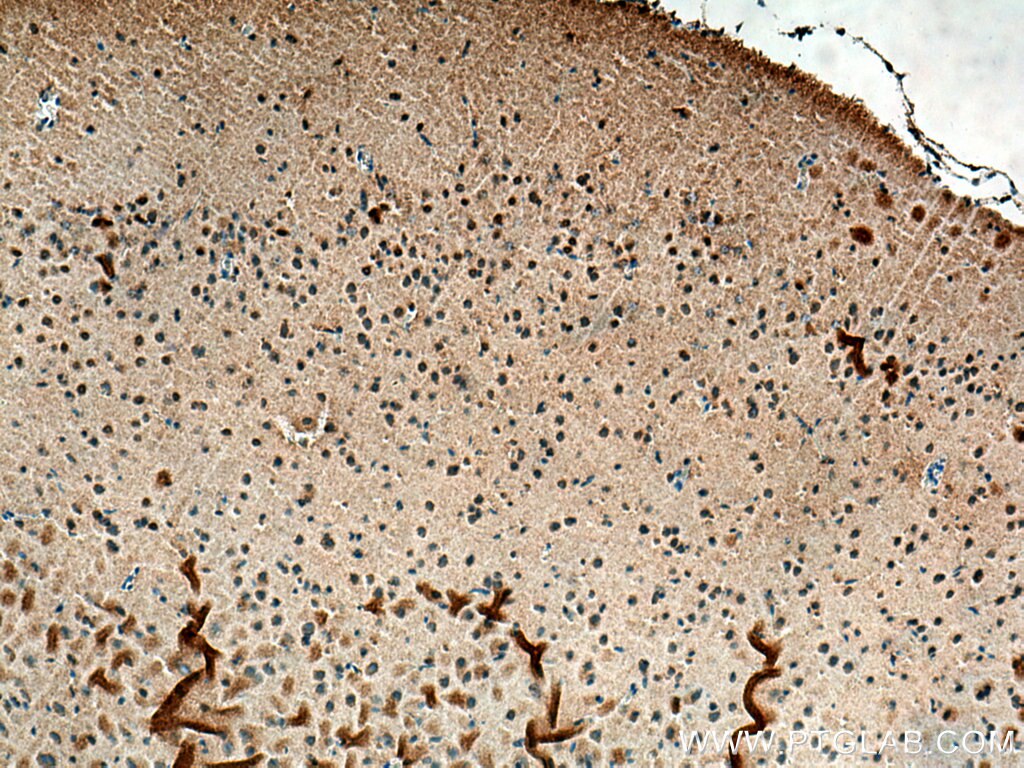
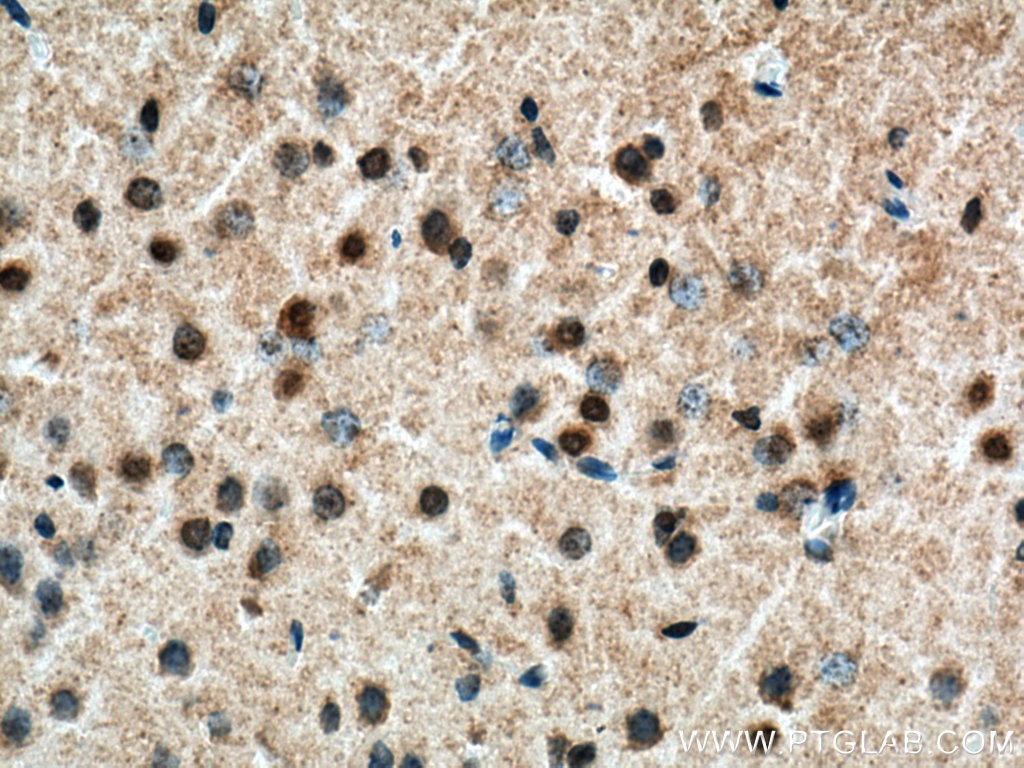
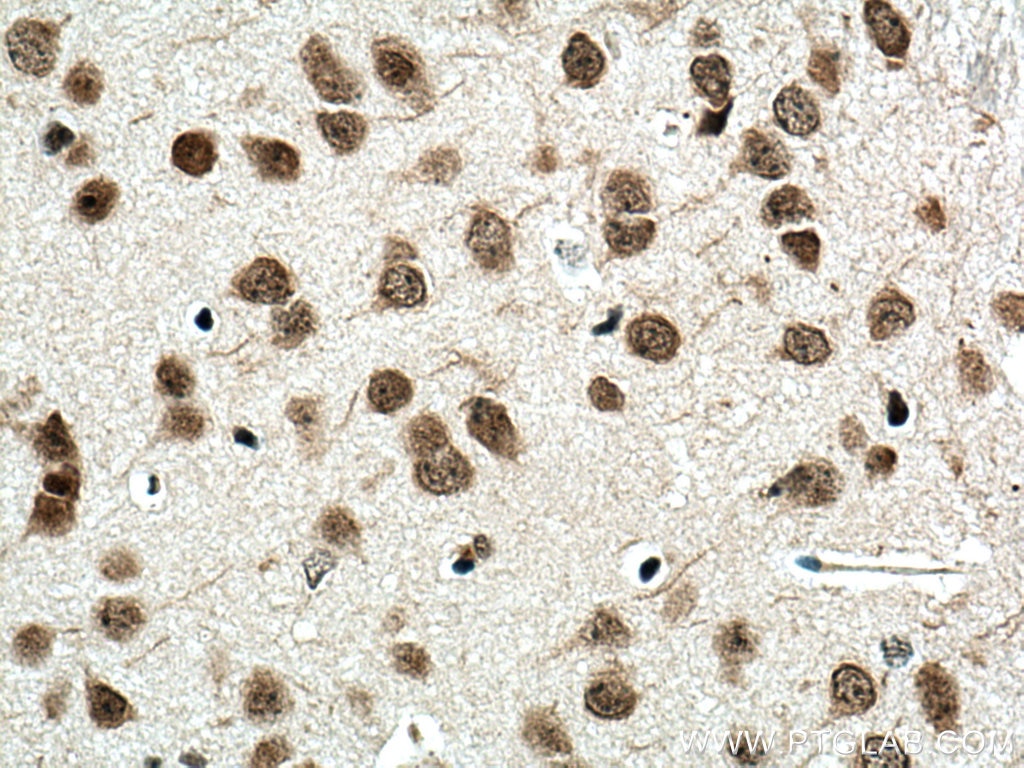
| Positive IHC detected in | human gliomas tissue, rat brain tissue, mouse brain tissue Note: suggested antigen retrieval with TE buffer pH 9.0; (*) Alternatively, antigen retrieval may be performed with citrate buffer pH 6.0 |
Recommended dilution
| Application | Dilution |
|---|---|
| Western Blot (WB) | WB : 1:2000-1:12000 |
| Immunoprecipitation (IP) | IP : 0.5-4.0 ug for 1.0-3.0 mg of total protein lysate |
| Immunohistochemistry (IHC) | IHC : 1:50-1:500 |
| It is recommended that this reagent should be titrated in each testing system to obtain optimal results. | |
| Sample-dependent, Check data in validation data gallery. | |
Product Information
22020-1-AP targets TERF2 in WB, IHC, IF, IP, ELISA applications and shows reactivity with human, mouse, rat samples.
| Tested Reactivity | human, mouse, rat |
| Cited Reactivity | human, mouse |
| Host / Isotype | Rabbit / IgG |
| Class | Polyclonal |
| Type | Antibody |
| Immunogen |
CatNo: Ag16798 Product name: Recombinant human TERF2 protein Source: e coli.-derived, PGEX-4T Tag: GST Domain: 1-251 aa of BC024890 Sequence: MAGGGGSSDGSGRAAGRRASRSSGRARRGRHEPGLGGPAERGAGEARLEEAVNRWVLKFYFHEALRAFRGSRYGDFRQIRDIMQALLVRPLGKEHTVSRLLRVMQCLSRIEEGENLDCSFDMEAELTPLESAINVLEMIKTEFTLTEAVVESSRKLVKEAAVIICIKNKEFEKASKILKKHMSKDPTTQKLRNDLLNIIREKNLAHPVIQNFSYETFQQKMLRFLESHLDDAEPYLLTVRLGPSPITMVCP Predict reactive species |
| Full Name | telomeric repeat binding factor 2 |
| Calculated Molecular Weight | 56 kDa |
| Observed Molecular Weight | 65-69 kDa |
| GenBank Accession Number | BC024890 |
| Gene Symbol | TERF2 |
| Gene ID (NCBI) | 7014 |
| RRID | AB_10973675 |
| Conjugate | Unconjugated |
| Form | Liquid |
| Purification Method | Antigen affinity purification |
| UNIPROT ID | Q15554 |
| Storage Buffer | PBS with 0.02% sodium azide and 50% glycerol, pH 7.3. |
| Storage Conditions | Store at -20°C. Stable for one year after shipment. Aliquoting is unnecessary for -20oC storage. 20ul sizes contain 0.1% BSA. |
Background Information
TRF2, also named as TRBF2 and Telomeric repeat-binding factor 2, is a 542 amino acid protein, which contains 1 HTH myb-type DNA-binding domain and localizes in the Nucleus. TRF2 binds the telomeric double-stranded 5'-TTAGGG-3' repeat and plays a central role in telomere maintenance and protection against end-to-end fusion of chromosomes. TRF2 is a component of the shelterin complex (telosome) that is involved in the regulation of telomere length and protection. TRF2 together with DCLRE1B/Apollo, is required to control the amount of DNA topoisomerase (TOP1, TOP2A and TOP2B), which is needed for telomere replication during fork passage and prevent aberrant telomere topology. TRF2 recruits TERF2IP/RAP1 to telomeres, thereby participating in to repressing homology-directed repair (HDR), which can affect telomere length.
Protocols
| Product Specific Protocols | |
|---|---|
| IHC protocol for TERF2 antibody 22020-1-AP | Download protocol |
| IP protocol for TERF2 antibody 22020-1-AP | Download protocol |
| WB protocol for TERF2 antibody 22020-1-AP | Download protocol |
| Standard Protocols | |
|---|---|
| Click here to view our Standard Protocols |
Publications
What published studies show
The TERF2 Polyclonal antibody (Cat# 22020-1-AP) has 6 total citations. These appear in Cell Mol Biol Lett, PNAS, Oxid Med Cell Longev, Ecotoxicol Environ Saf, Int Immunopharmacol, and Sci Rep. Research fields span oncology (colorectal cancer), telomere dysfunction and ferroptosis, germ cell differentiation, ecotoxicology/skin damage, mitochondrial homeostasis, and cellular senescence in ischemia-reperfusion injury.
| Species | Application | Title |
|---|---|---|
Cell Mol Biol Lett MCCC2 is a novel mediator between mitochondria and telomere and functions as an oncogene in colorectal cancer | ||
Proc Natl Acad Sci U S A Gonadal sex and temperature independently influence germ cell differentiation and meiotic progression in Trachemys scripta | ||
Oxid Med Cell Longev Inhibition of TRF2 Leads to Ferroptosis, Autophagic Death, and Apoptosis by Causing Telomere Dysfunction
| ||
Ecotoxicol Environ Saf PARP1 promoter hypermethylation promotes arsenic-induced skin damage by driving telomere dysfunction-mediated keratinocyte senescence. | ||
Int Immunopharmacol Investigating the mechanism by which telomere dysfunction affects mitochondrial homeostasis in anthracosilicosis using a Terc knockout model. | ||
Sci Rep The role of cellular senescence-related genes in ischemia-reperfusion injury and the identification of their biomarkers. |














