

Tested Applications
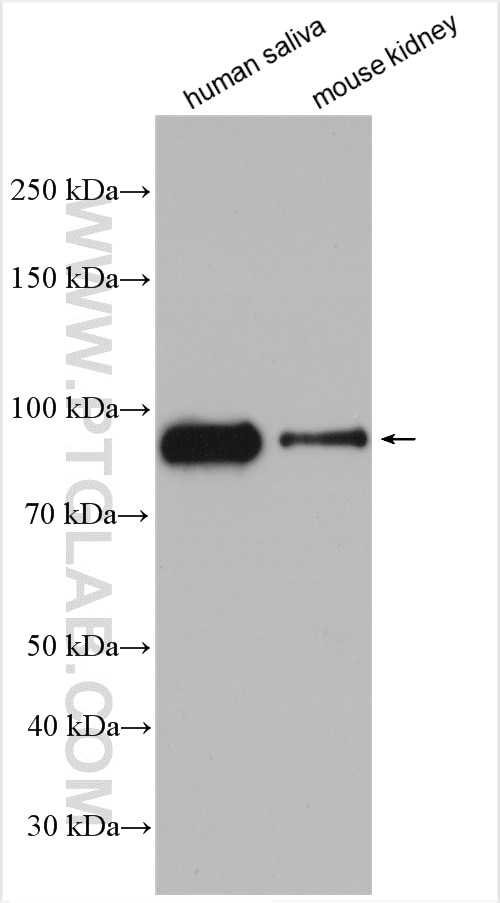
| Positive WB detected in | human saliva, mouse kidney tissue |
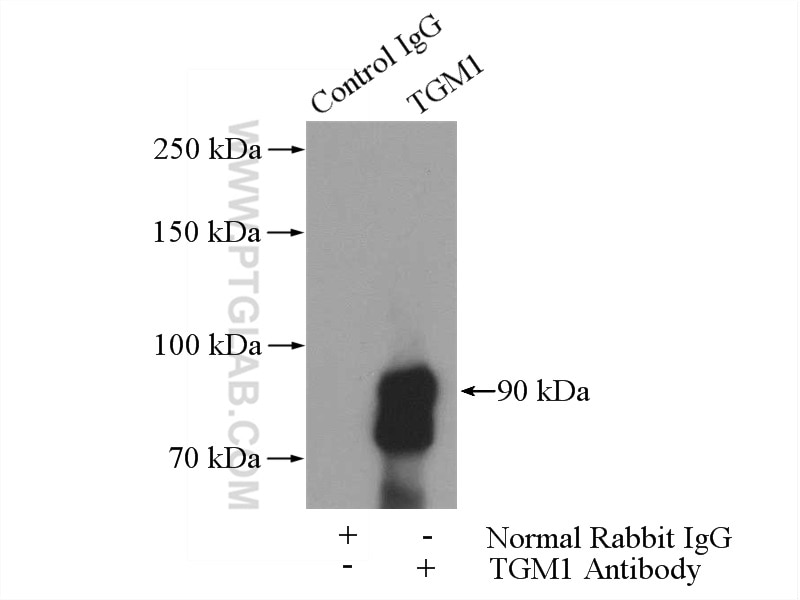
| Positive IP detected in | mouse kidney tissue |
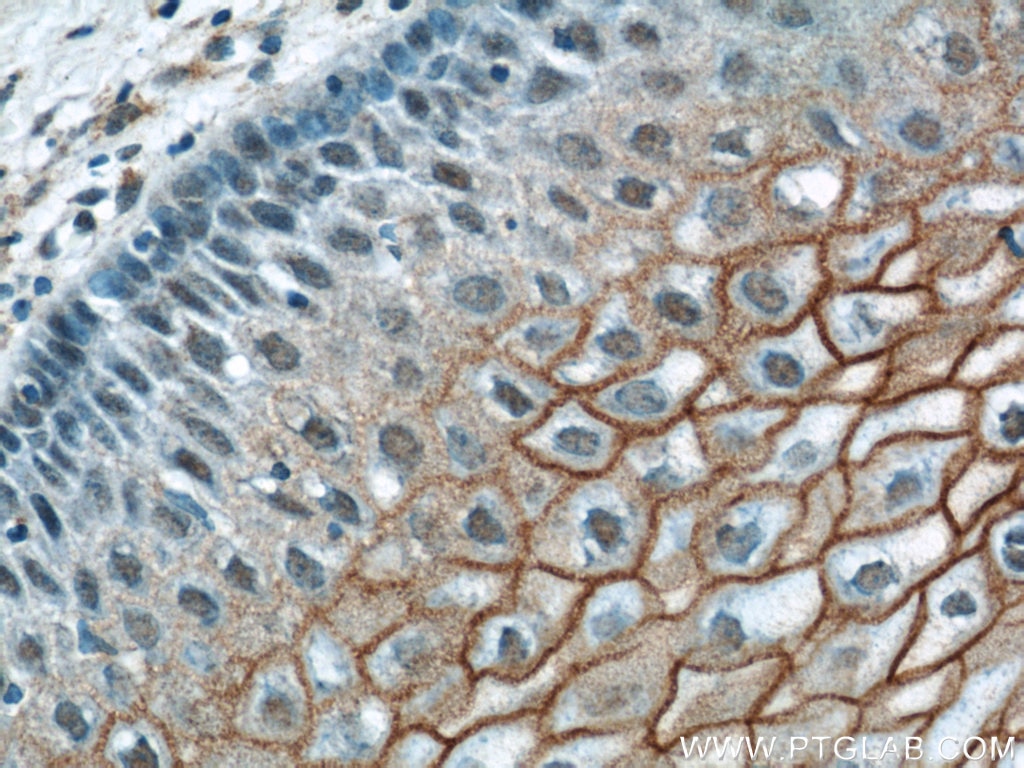
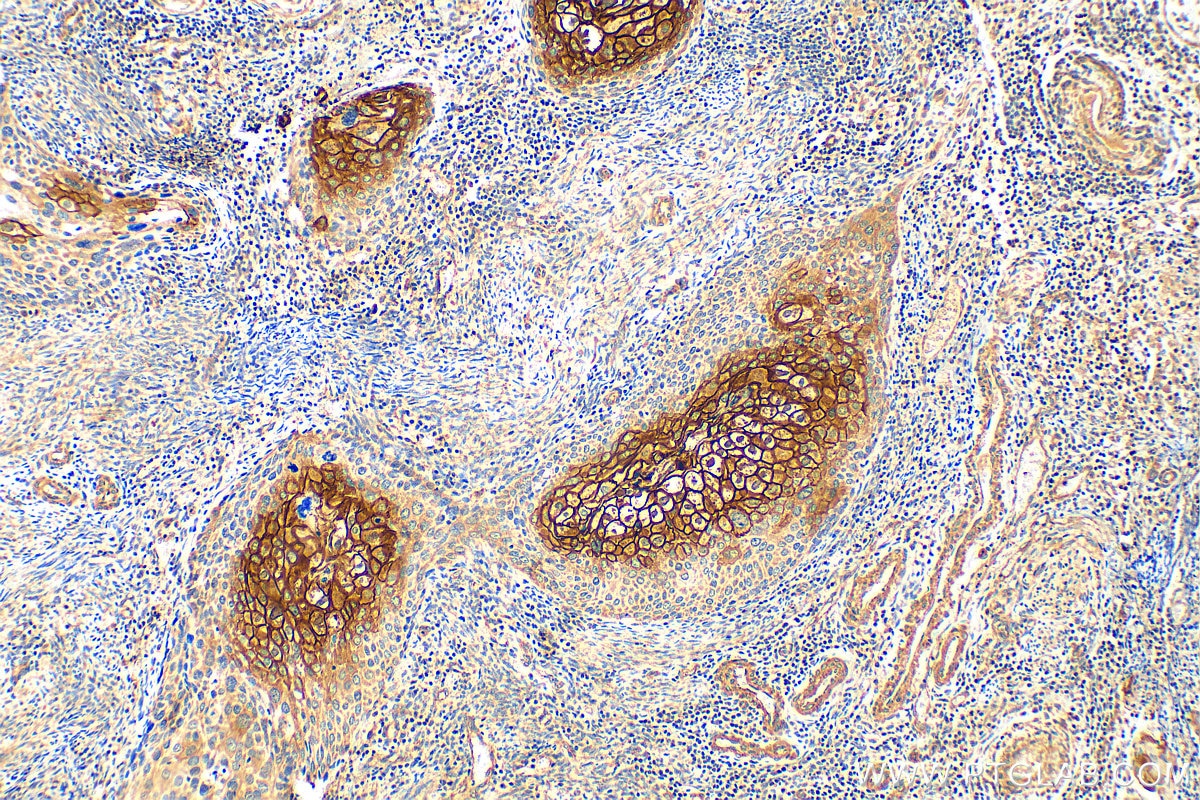
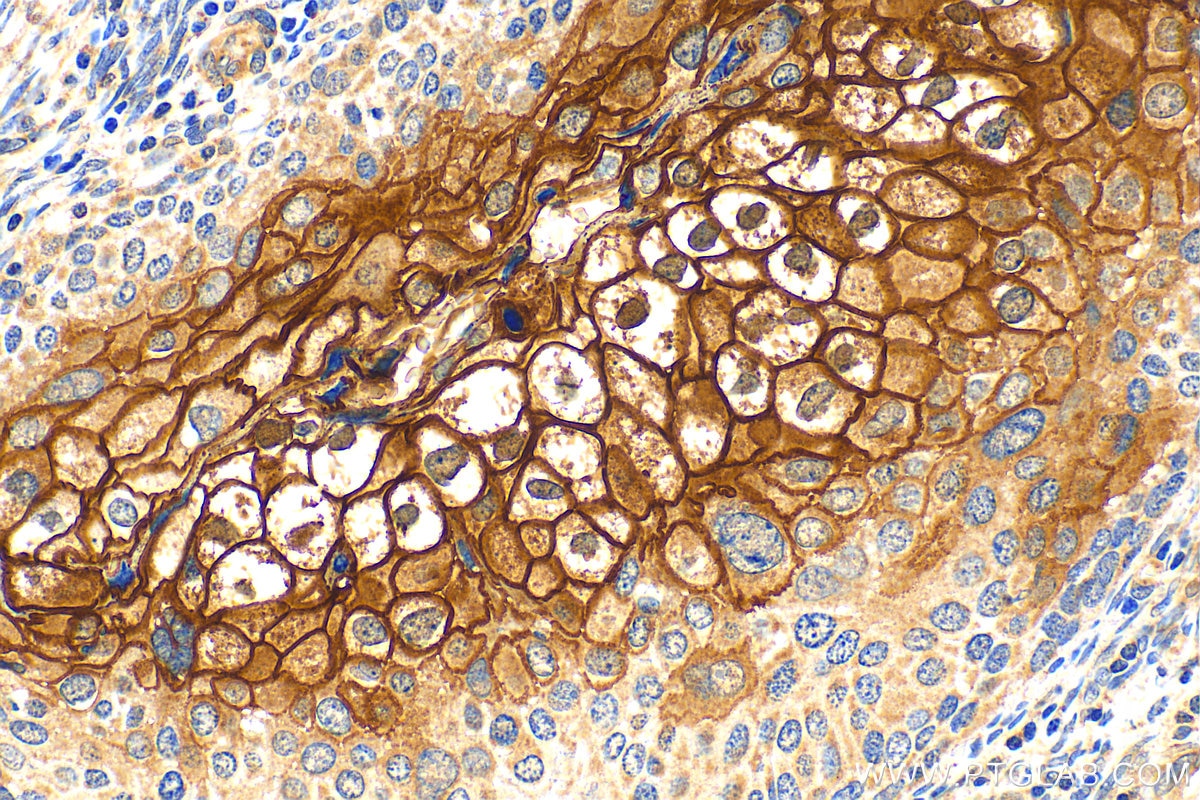
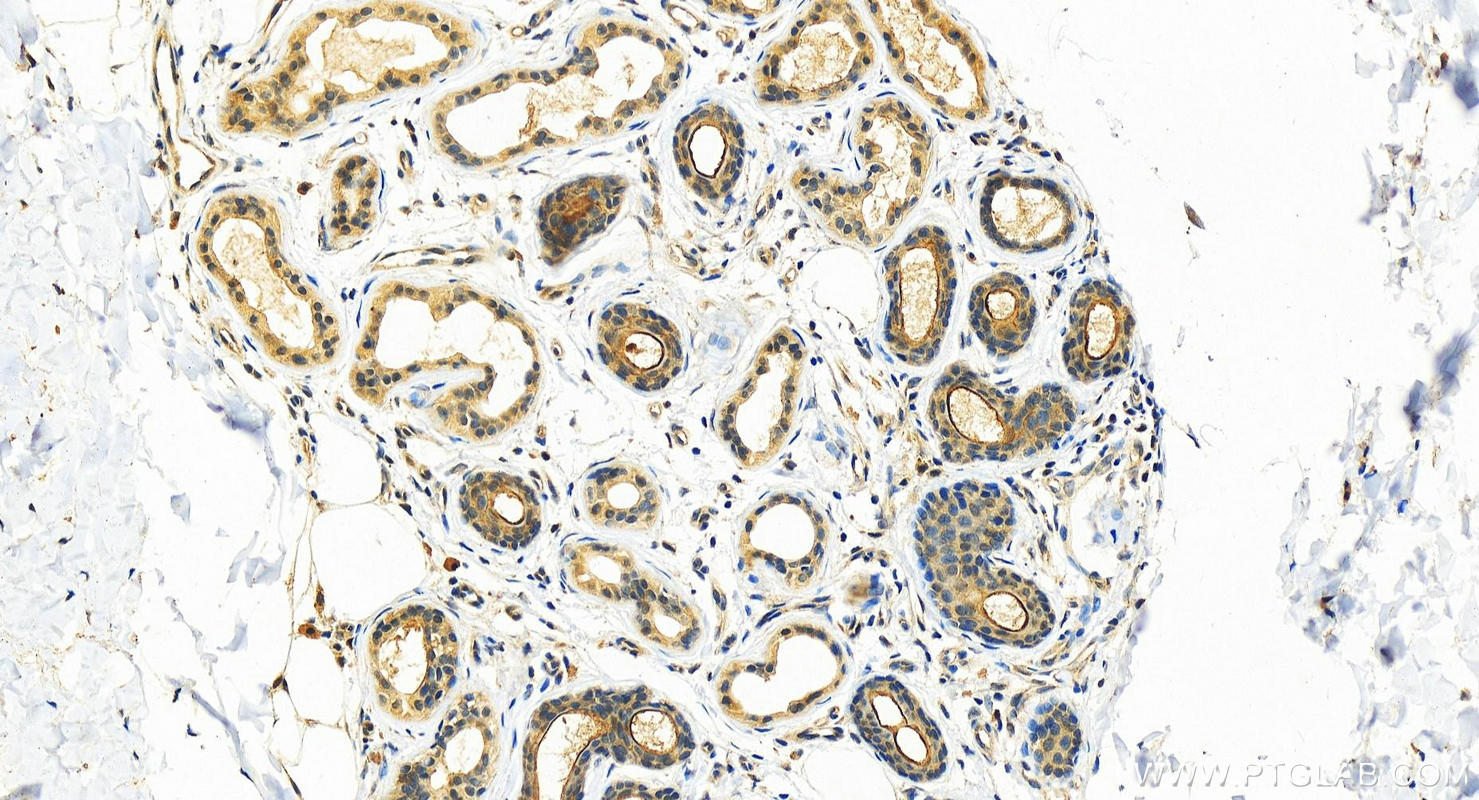
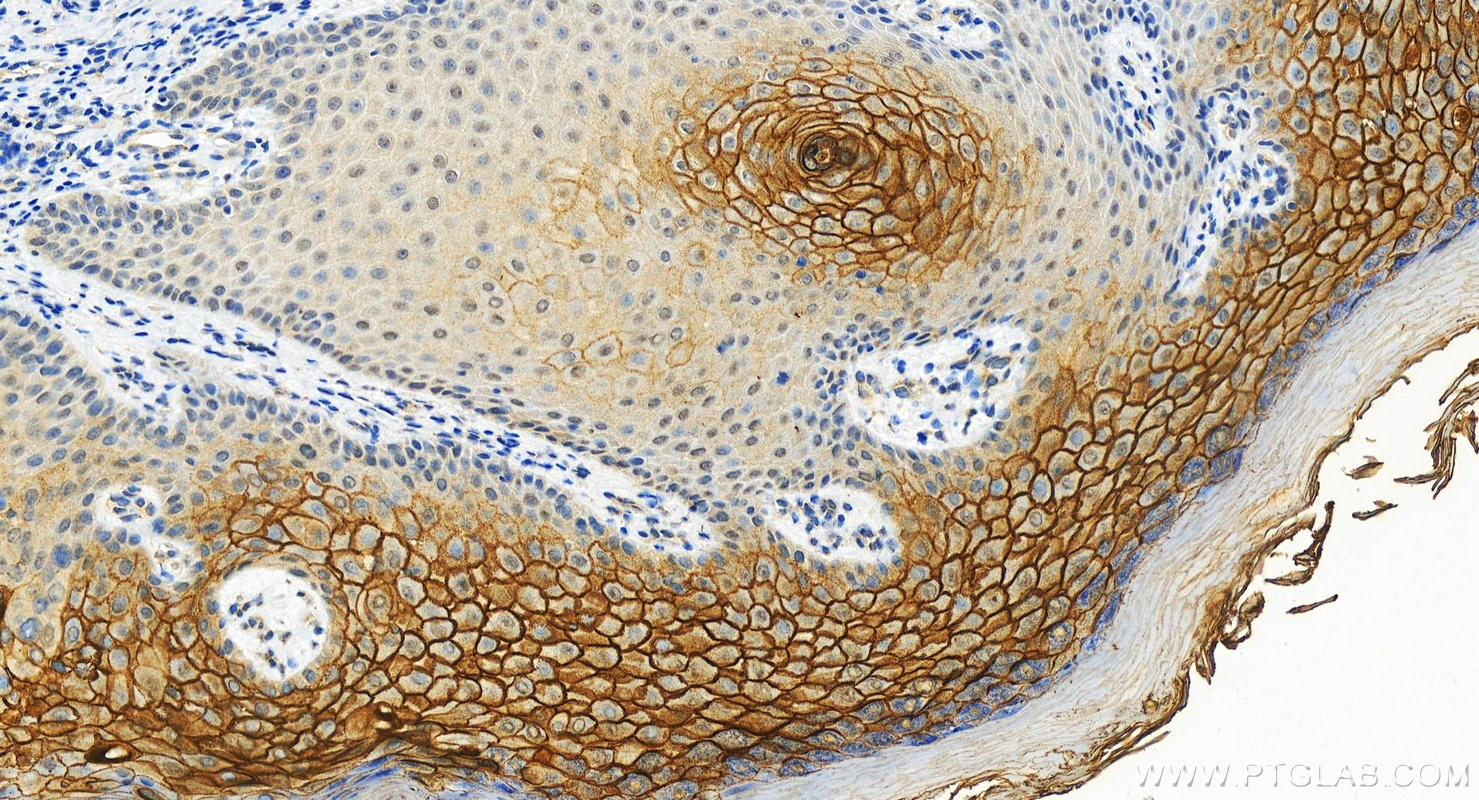
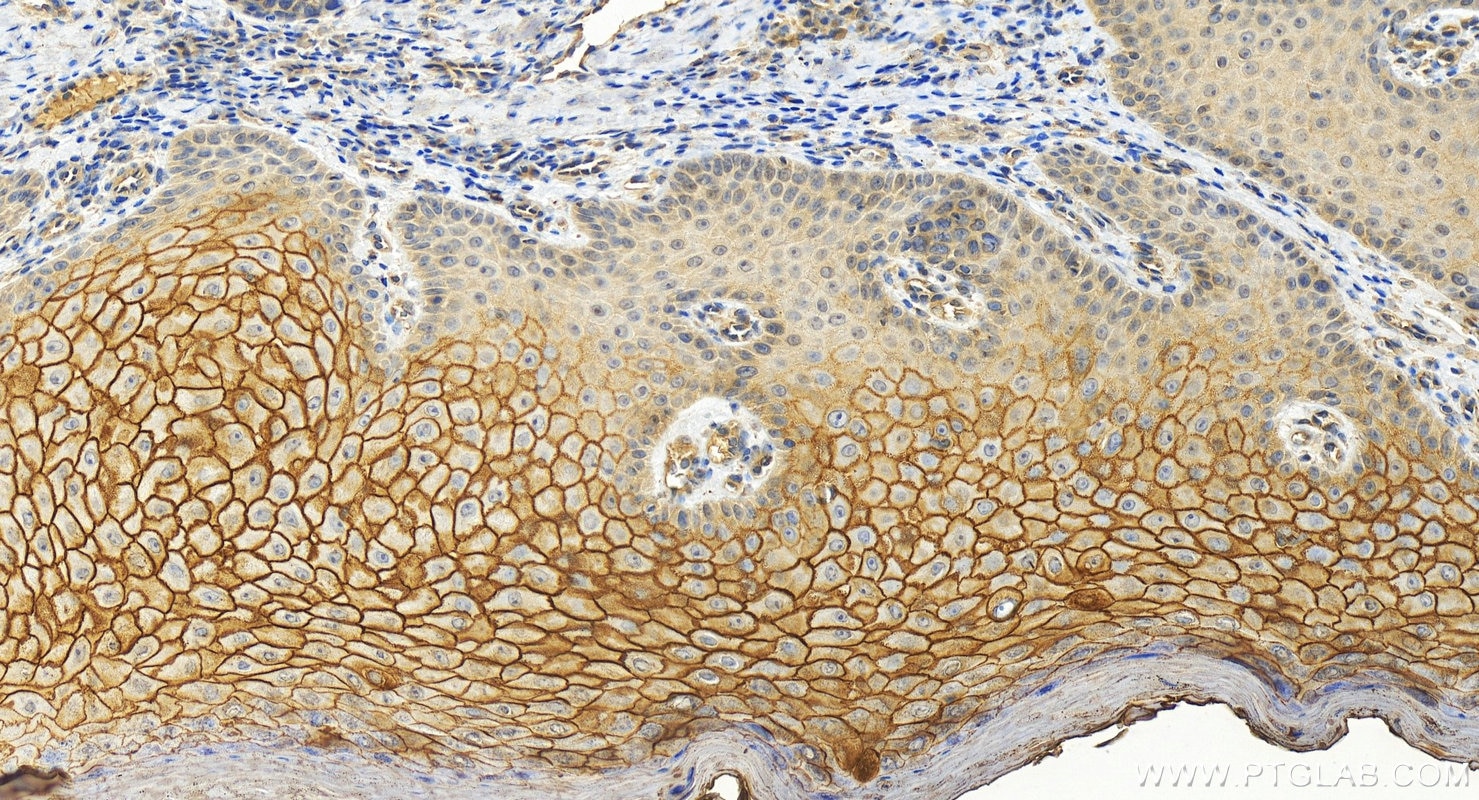
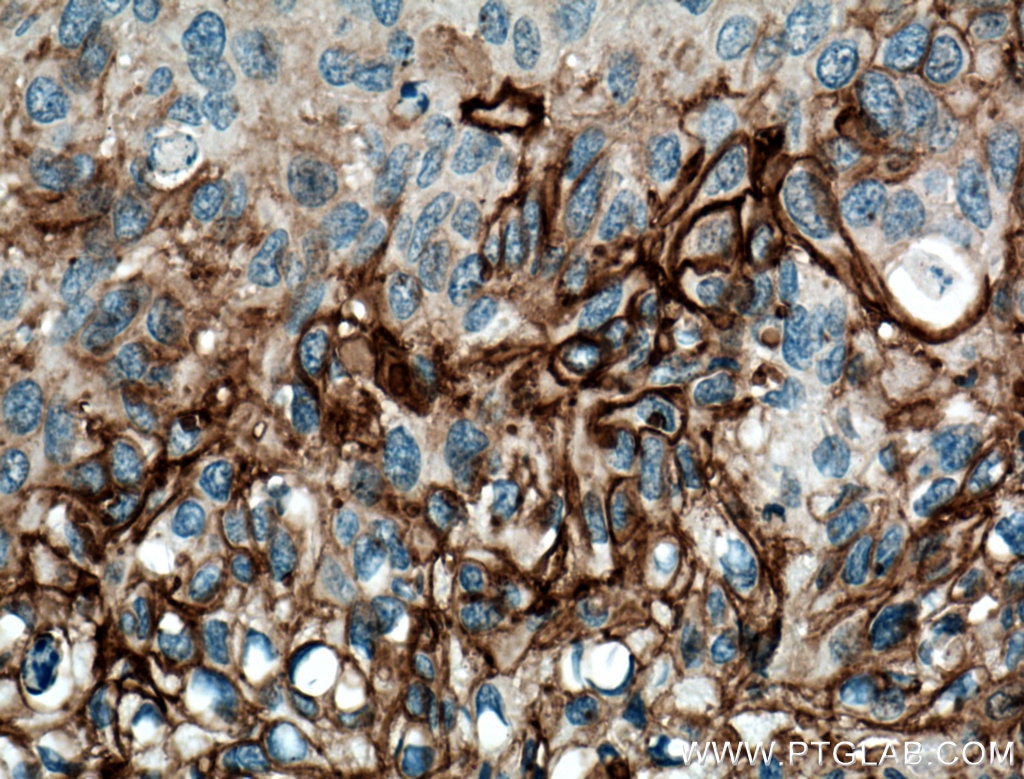
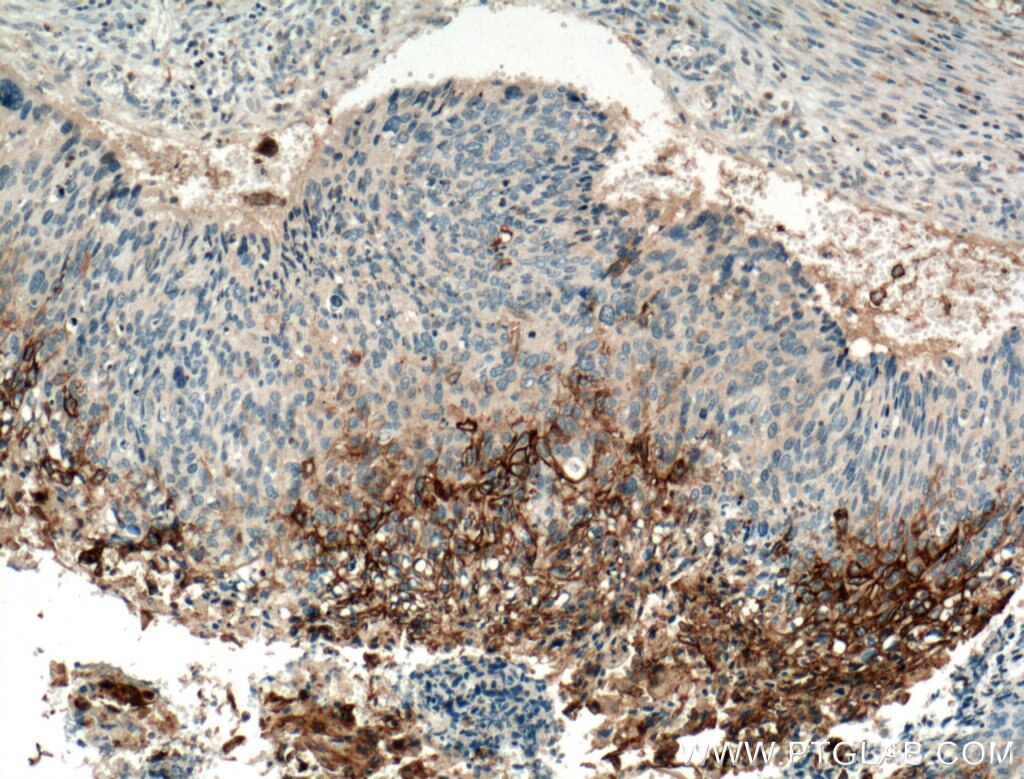
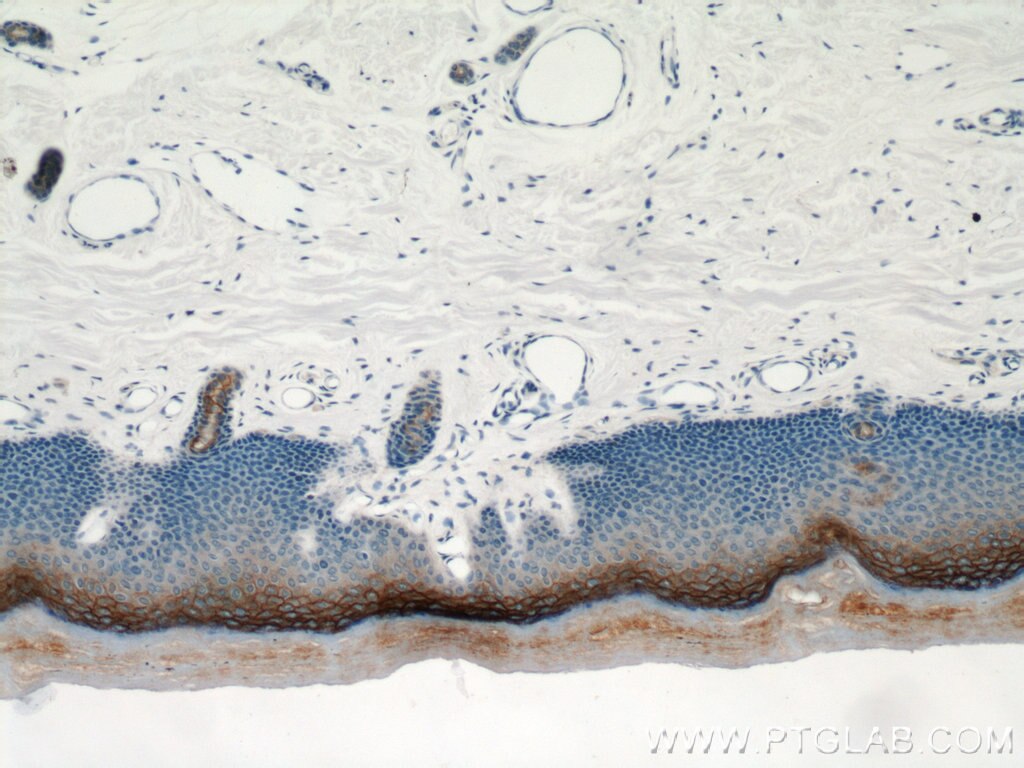
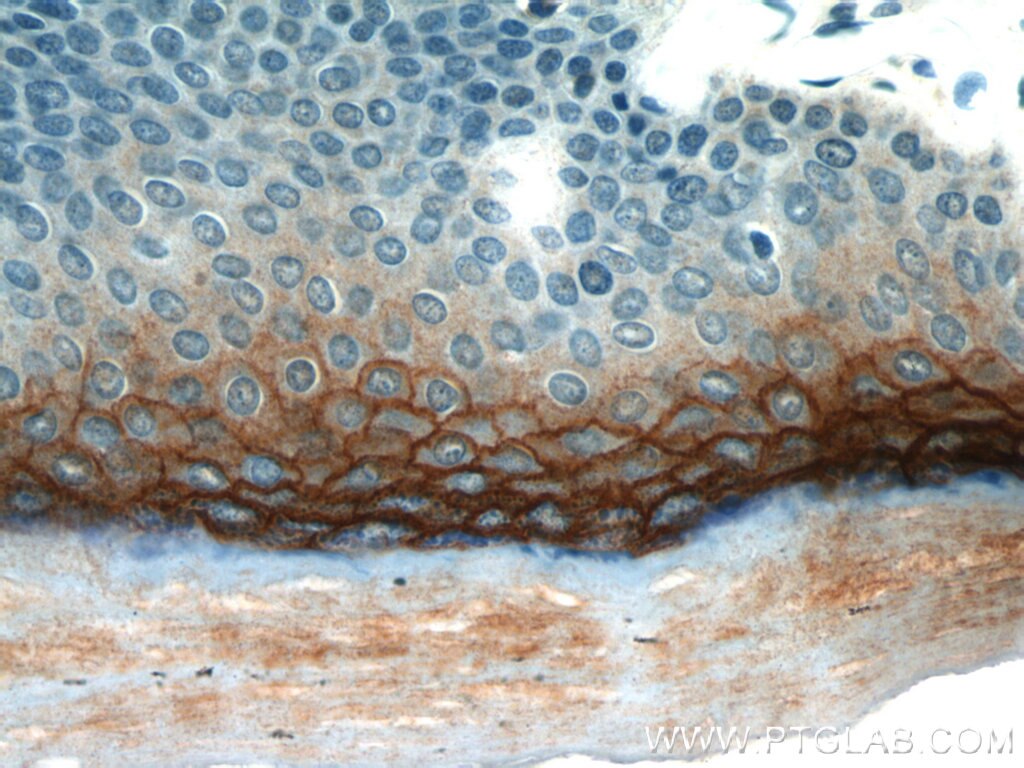
| Positive IHC detected in | human cervical cancer tissue, human bowen disease, human brown disease, human cervix tissue, human skin tissue Note: suggested antigen retrieval with TE buffer pH 9.0; (*) Alternatively, antigen retrieval may be performed with citrate buffer pH 6.0 |
Recommended dilution
| Application | Dilution |
|---|---|
| Western Blot (WB) | WB : 1:1000-1:8000 |
| Immunoprecipitation (IP) | IP : 0.5-4.0 ug for 1.0-3.0 mg of total protein lysate |
| Immunohistochemistry (IHC) | IHC : 1:200-1:800 |
| It is recommended that this reagent should be titrated in each testing system to obtain optimal results. | |
| Sample-dependent, Check data in validation data gallery. | |
Product Information
12912-3-AP targets TGM1 in WB, IHC, IF, IP, ELISA applications and shows reactivity with human, mouse samples.
| Tested Reactivity | human, mouse |
| Cited Reactivity | human, mouse, rat |
| Host / Isotype | Rabbit / IgG |
| Class | Polyclonal |
| Type | Antibody |
| Immunogen |
CatNo: Ag3905 Product name: Recombinant human TGM1 protein Source: e coli.-derived, PGEX-4T Tag: GST Domain: 467-817 aa of BC034699 Sequence: SGIFCCGPCSVESIKNGLVYMKYDTPFIFAEVNSDKVYWQRQDDGSFKIVYVEEKAIGTLIVTKAISSNMREDITYLYKHPEGSDAERKAVETAAAHGSKPNVYANRGSAEDVAMQVEAQDAVMGQDLMVSVMLINHSSSRRTVKLHLYLSVTFYTGVSGTIFKETKKEVELAPGASDRVTMPVAYKEYRPHLVDQGAMLLNVSGHVKESGQVLAKQHTFRLRTPDLSLTLLGAAVVGQECEVQIVFKNPLPVTLTNVVFRLEGSGLQRPKILNVGDIGGNETVTLRQSFVPVRPGPRQLIASLDSPQLSQVHGVIQVDVAPAPGDGGFFSDAGGDSHLGETIPMASRGGA Predict reactive species |
| Full Name | transglutaminase 1 (K polypeptide epidermal type I, protein-glutamine-gamma-glutamyltransferase) |
| Calculated Molecular Weight | 817 aa, 90 kDa |
| Observed Molecular Weight | 90 kDa |
| GenBank Accession Number | BC034699 |
| Gene Symbol | TGM1 |
| Gene ID (NCBI) | 7051 |
| RRID | AB_2271748 |
| Conjugate | Unconjugated |
| Form | Liquid |
| Purification Method | Antigen affinity purification |
| UNIPROT ID | P22735 |
| Storage Buffer | PBS with 0.02% sodium azide and 50% glycerol, pH 7.3. |
| Storage Conditions | Store at -20°C. Stable for one year after shipment. Aliquoting is unnecessary for -20oC storage. 20ul sizes contain 0.1% BSA. |
Background Information
Transglutaminase 1 is an epidermal enzyme that is expressed during the terminal differentiation of keratinized squamous epithelium to form cornified cell envelopes in differentiated keratinocytes. Mutation of TGM1 has been linked to various epidermal diseases. This antibody recognizes the endogenous 90 kDa TGM1 proteins.
Protocols
| Product Specific Protocols | |
|---|---|
| IHC protocol for TGM1 antibody 12912-3-AP | Download protocol |
| IP protocol for TGM1 antibody 12912-3-AP | Download protocol |
| WB protocol for TGM1 antibody 12912-3-AP | Download protocol |
| Standard Protocols | |
|---|---|
| Click here to view our Standard Protocols |
Publications
What published studies show
The anti-TGM1 antibody (Cat# 12912-3-AP) has accumulated 45 citations across journals including Nature, Neuron, Cell Stem Cell, Cell Reports, Journal of Investigative Dermatology, Journal of Cell Biology, Acta Biomaterialia, International Journal of Molecular Sciences, mBio, and eLife. Associated research fields include dermatology, keratinocyte differentiation, epidermal barrier function, tissue engineering, wound healing, psoriasis, cornified envelope formation, oral epithelium biology, and neurodegeneration.
| Species | Application | Title |
|---|---|---|
Cell Stem Cell Lipid nanoparticle-based non-viral in situ gene editing of congenital ichthyosis-causing mutations in human skin models. | ||
J Adv Res Early concentrate starter introduction induces rumen epithelial parakeratosis by blocking keratinocyte differentiation with excessive ruminal butyrate accumulation | ||
Neuron Spatiotemporal transcriptomic maps of mouse intracerebral hemorrhage at single-cell resolution | ||
J Control Release Superior COL7A1 and TGM1 gene expression in difficult-to-transfect skin cell mediated by highly branched poly(β-amino esters) through stepwise fractionation | ||
Burns Trauma Inhibiting Hyper-O-GlcNAcylation of c-Myc accelerate diabetic wound healing by alleviating keratinocyte dysfunction |













