

Tested Applications
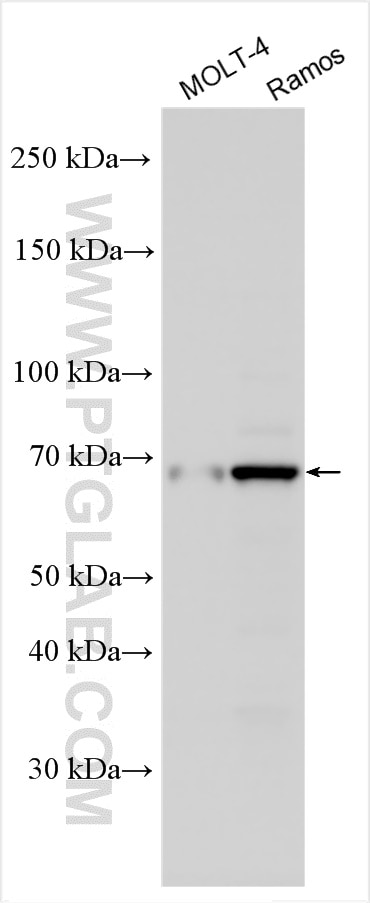
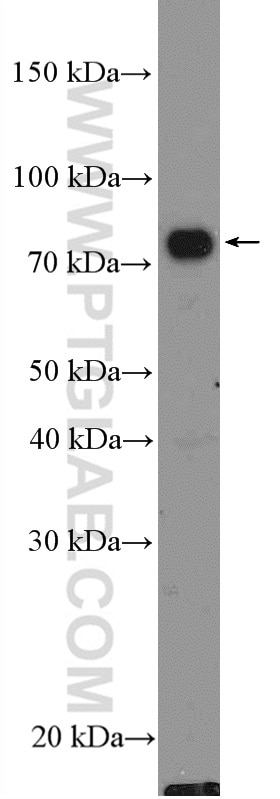
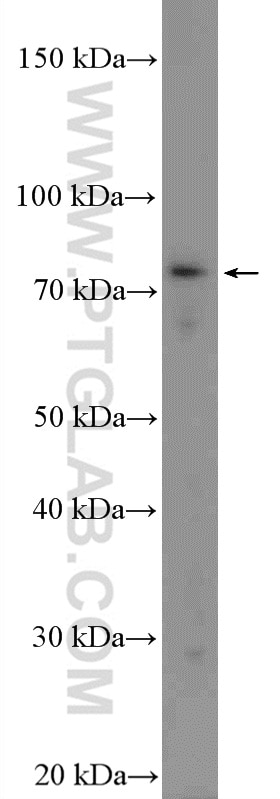
| Positive WB detected in | MOLT-4 cells, Ramos cells, Raji cells |
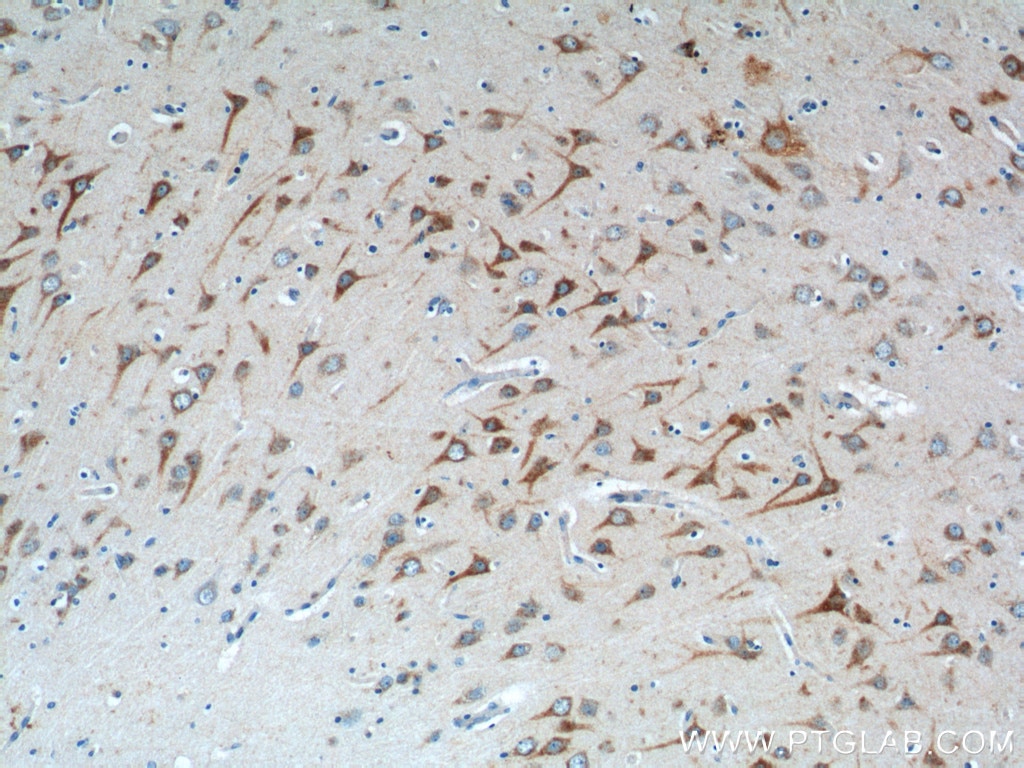
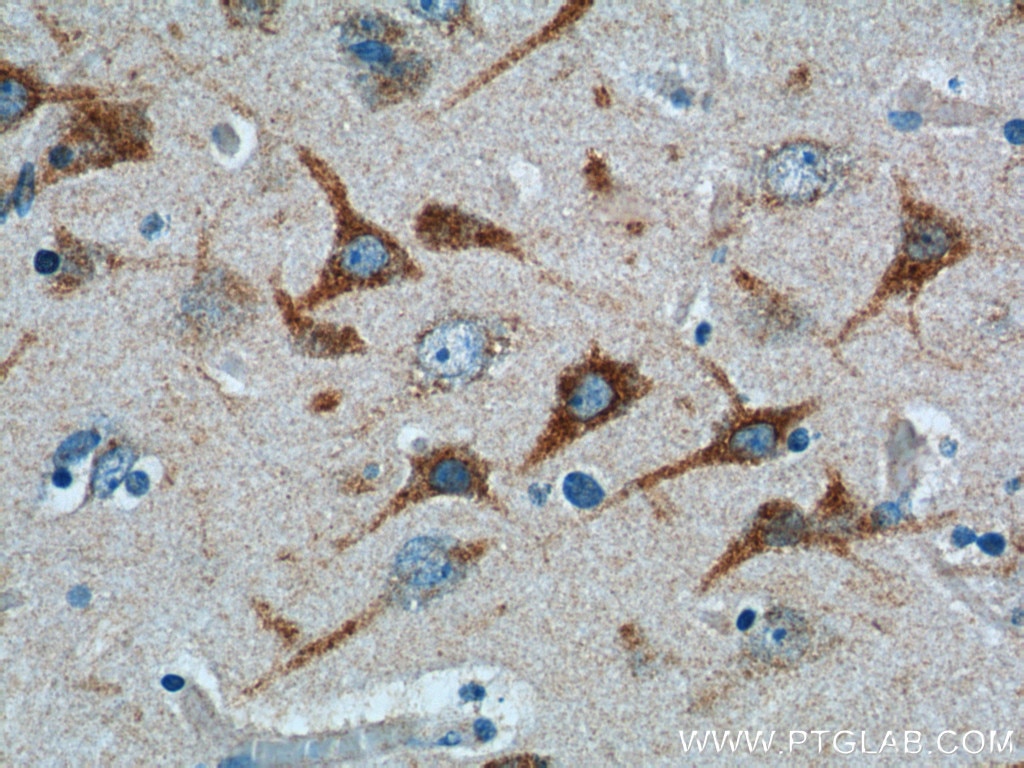
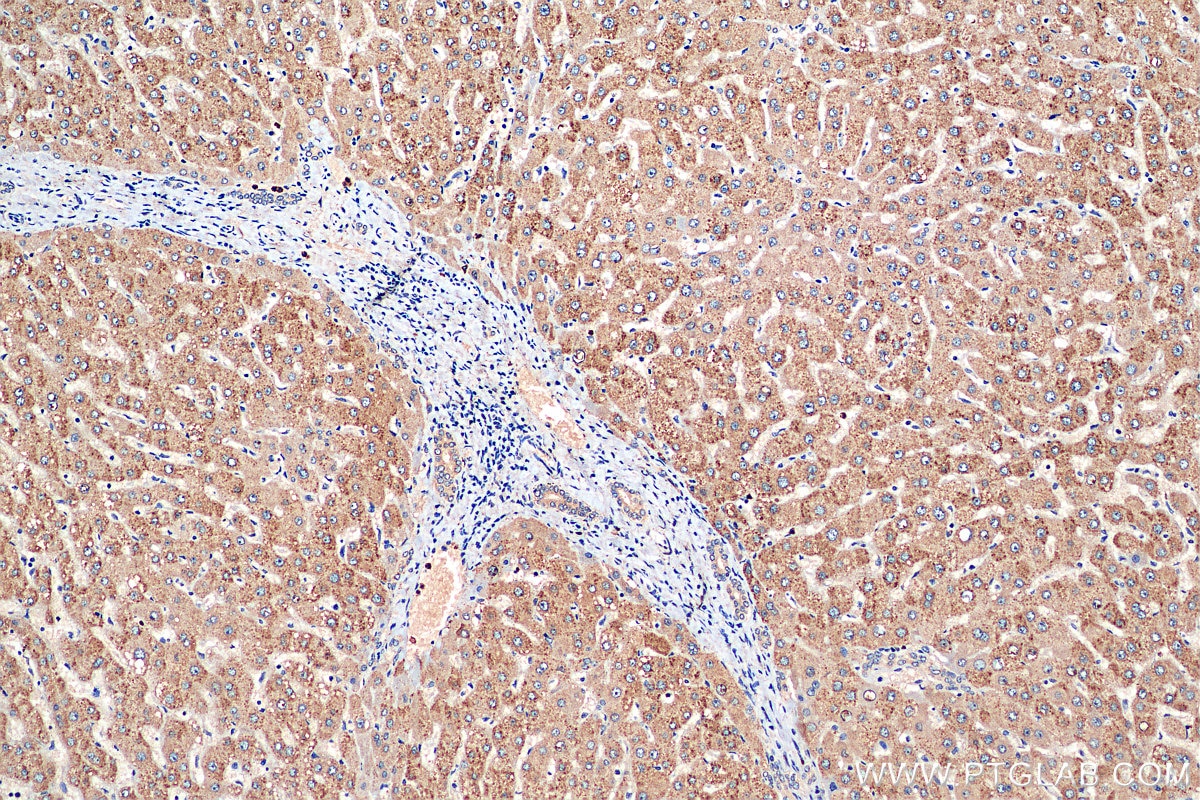
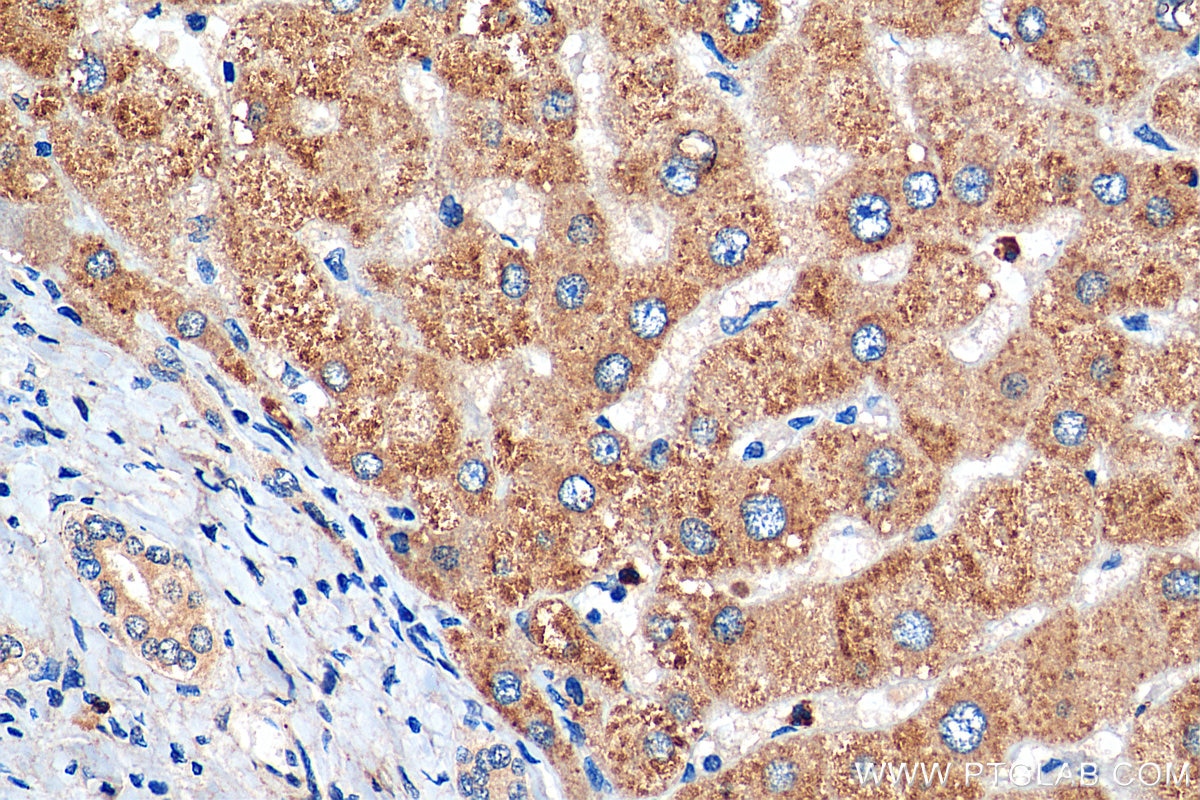
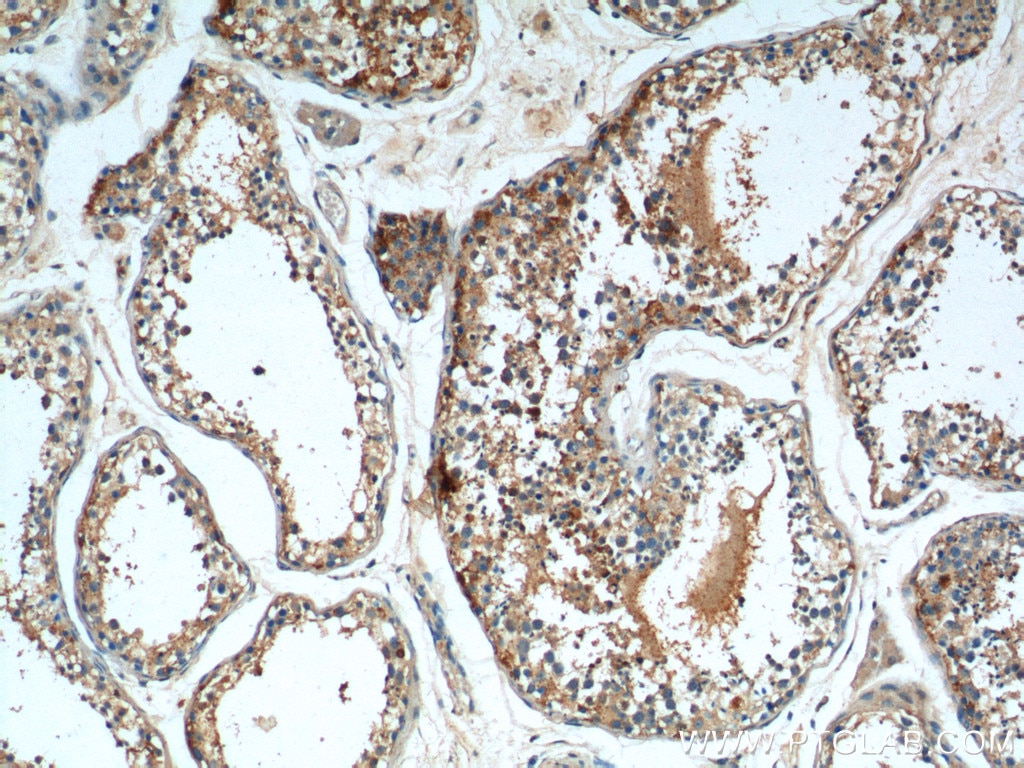
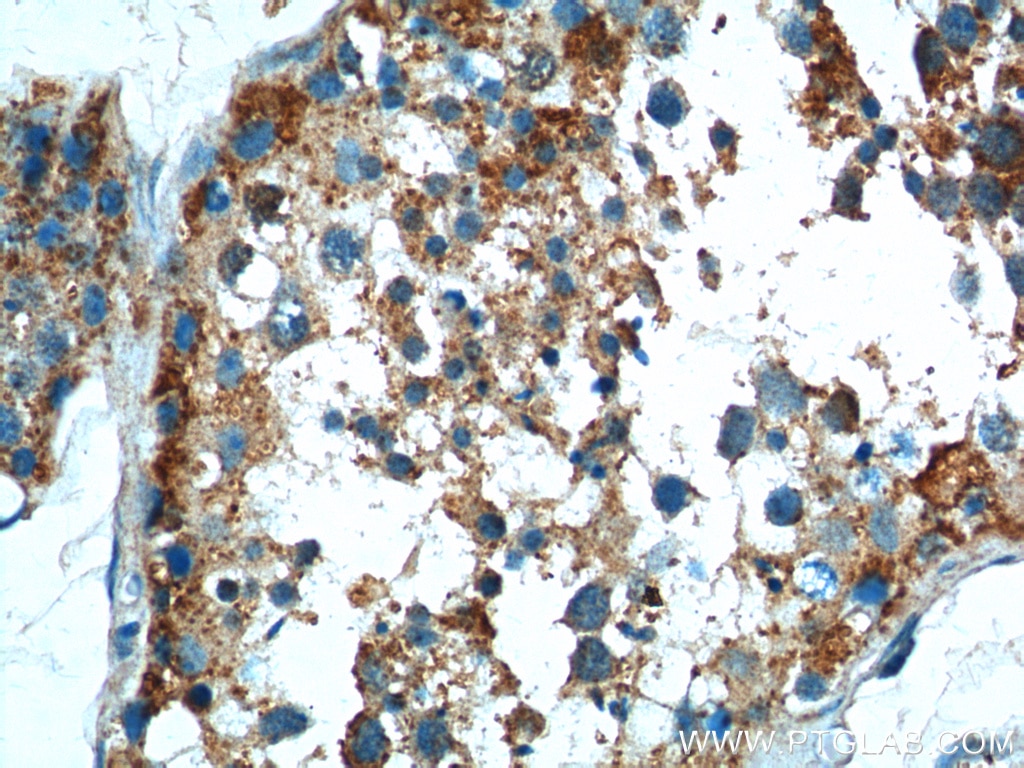
| Positive IHC detected in | human brain tissue, human testis tissue, human liver tissue Note: suggested antigen retrieval with TE buffer pH 9.0; (*) Alternatively, antigen retrieval may be performed with citrate buffer pH 6.0 |
Recommended dilution
| Application | Dilution |
|---|---|
| Western Blot (WB) | WB : 1:500-1:2000 |
| Immunohistochemistry (IHC) | IHC : 1:50-1:500 |
| It is recommended that this reagent should be titrated in each testing system to obtain optimal results. | |
| Sample-dependent, Check data in validation data gallery. | |
Product Information
23288-1-AP targets TRIF/TICAM1 in WB, IHC, IF, ELISA applications and shows reactivity with human samples.
| Tested Reactivity | human |
| Cited Reactivity | human, mouse, rat, pig |
| Host / Isotype | Rabbit / IgG |
| Class | Polyclonal |
| Type | Antibody |
| Immunogen |
CatNo: Ag19779 Product name: Recombinant human TICAM1 protein Source: e coli.-derived, PET28a Tag: 6*His Domain: 1-200 aa of BC035331 Sequence: LDEHSQIFARKVANTFKPHRLQARKAMWRKEQDTRALREQSQHLDGERMQAAALNAAYSAYLQSYLSYQAQMEQLQVAFGSHMSFGTGAPYGARMPFGGQVPLGAPPPFPTWPGCPQPPPLHAWQAGTPPPPSPQPAAFPQSLPFPQSPAFPTASPAPPQSPGLQPLIIHHAQMVQLGLNNHMWNQRGSQAPEDKTQEAE Predict reactive species |
| Full Name | toll-like receptor adaptor molecule 1 |
| Calculated Molecular Weight | 712 aa, 76 kDa |
| Observed Molecular Weight | 66-76 kDa |
| GenBank Accession Number | BC035331 |
| Gene Symbol | TRIF |
| Gene ID (NCBI) | 148022 |
| RRID | AB_2879247 |
| Conjugate | Unconjugated |
| Form | Liquid |
| Purification Method | Antigen affinity purification |
| UNIPROT ID | Q8IUC6 |
| Storage Buffer | PBS with 0.02% sodium azide and 50% glycerol, pH 7.3. |
| Storage Conditions | Store at -20°C. Stable for one year after shipment. Aliquoting is unnecessary for -20oC storage. 20ul sizes contain 0.1% BSA. |
Background Information
TRIF (adaptor-induced interferon-β containing the tir domain) is a key adapter protein in Toll-like receptor signaling, mediating the MyD88-independent pathway of TLR3 and TLR4. It activates NF-κB and interferon regulator 3 (IRF3), leading to the production of type I interferon and pro-inflammatory cytokines. TRIF recruits TRAF3 to activate TBK1/IKKε kinases and interacts with RIPK1, playing a crucial dual role in antiviral and inflammatory innate immune responses.(PMID: 12855817; 14519765; 28469251)
Protocols
| Product Specific Protocols | |
|---|---|
| IHC protocol for TRIF/TICAM1 antibody 23288-1-AP | Download protocol |
| WB protocol for TRIF/TICAM1 antibody 23288-1-AP | Download protocol |
| Standard Protocols | |
|---|---|
| Click here to view our Standard Protocols |
Publications
What published studies show
Anti-TLR4 (23288-1-AP) has 30 citations spanning journals including Immunity, Advanced Materials, Nucleic Acids Research, Acta Pharmaceutica Sinica B, Journal of Controlled Release, Phytomedicine, Frontiers in Immunology, International Immunopharmacology, International Journal of Molecular Sciences, Oncotarget, and Cell Signaling. Research fields cover innate immunity, inflammation, necroptosis, neuroinflammation, cancer, infectious diseases, lipid metabolism, and cardiovascular biology.
| Species | Application | Title |
|---|---|---|
Immunity The gut microbiota prime systemic antiviral immunity via the cGAS-STING-IFN-I axis. | ||
Adv Mater Manganese@Albumin Nanocomplex and Its Assembled Nanowire Activate TLR4-Dependent Signaling Cascades of Macrophages | ||
Nucleic Acids Res The N6-methyladenosine RNA-binding protein YTHDF1 modulates the translation of TRAF6 to mediate the intestinal immune response. | ||
Acta Pharm Sin B PPARα affects hepatic lipid homeostasis by perturbing necroptosis signals in the intestinal epithelium | ||
J Control Release Nanomedicine-mediated macrophage polarization enhances the iron-depleting effect of desferrioxamine for breast cancer immunotherapy | ||
Phytomedicine Total tanshinones extract alleviates chronic prostatitis/chronic pelvic pain syndrome by modifying intestinal flora and suppressing the LPS-TLR4 axis. |










